Vietnam Travel - The Ultimate Guide

Table of Contents

Vietnam travel offers an impressive mix of vibrant cities, diverse landscapes, rich culture, and some of the world’s most memorable food experiences. Planning a trip can feel overwhelming at first, especially with the country’s size, regional weather differences, and wide range of travel styles. This guide helps you understand where to go, when to visit, how to get around, and what to know before traveling in Vietnam.
Why Travel to Vietnam?

Vietnam appeals to a wide range of travelers thanks to its diversity, accessibility, and unique mix of culture and scenery.

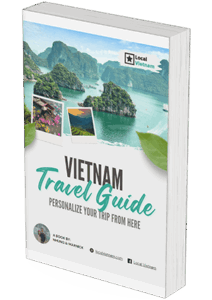
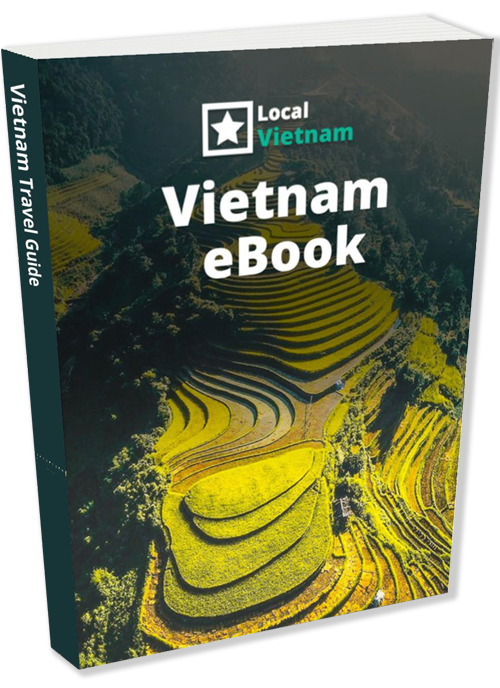
Vietnam Travel Guide book cover by Local Vietnam featuring Halong Bay landscapes, tailoring your trip with tips from authors Nhung and Marnick.

Planning a Trip to Vietnam?

Download our free Vietnam Travel ebook with practical planning tips, destination highlights, and essential information to help you prepare your trip—use it as a quick reference before and during your travels.

Places to visit in Vietnam

Vietnam travel covers a long and surprisingly diverse country, with major differences in climate, landscapes, and travel experiences from north to south. With so many places to see and things to do, it helps to understand Vietnam by region. Below, destinations are grouped into North, Central, and South Vietnam, each offering a very different travel experience.

Top destinations in North Vietnam

North Vietnam is known for its cooler climate, dramatic mountain scenery, ethnic minority cultures, and historic cities. It’s the most diverse region in terms of landscapes and often the highlight for travelers interested in nature, culture, and off-the-beaten-track experiences.

Hanoi

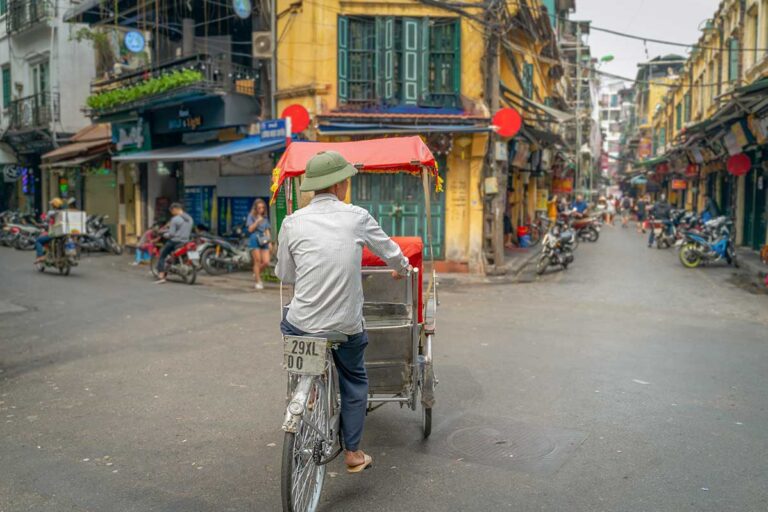
Hanoi combines centuries-old temples, French colonial architecture, and a dense Old Quarter filled with street food and local markets. It’s the main gateway to North Vietnam and a good base for exploring nearby destinations such as Ninh Binh, Ha Long Bay, and the northern mountains.

Street scene in Hanoi Old Quarter with a traditional cyclo, showing everyday life during Vietnam travel

Sapa

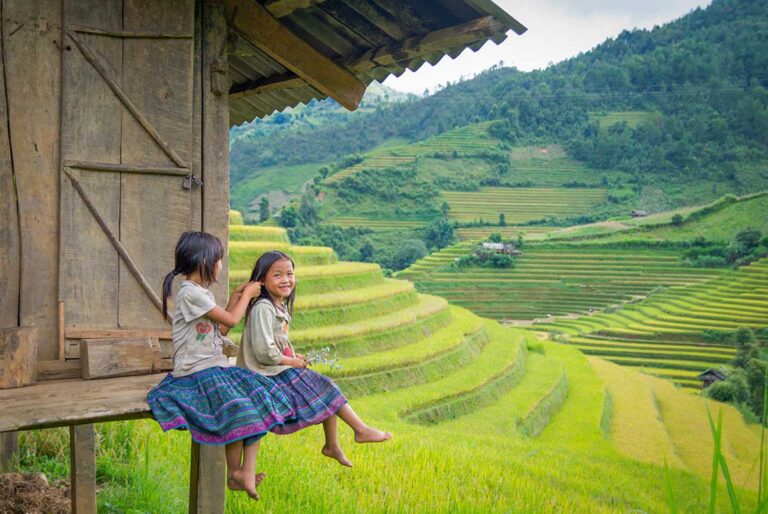
Located in the far northwest, Sapa is known for terraced rice fields, misty mountain views, and trekking through ethnic minority villages. It’s a popular destination for hiking and cultural experiences, although its popularity also means busy periods during peak seasons.

Children from ethnic minority communities sitting beside terraced rice fields in Sapa, northern Vietnam

Halong Bay

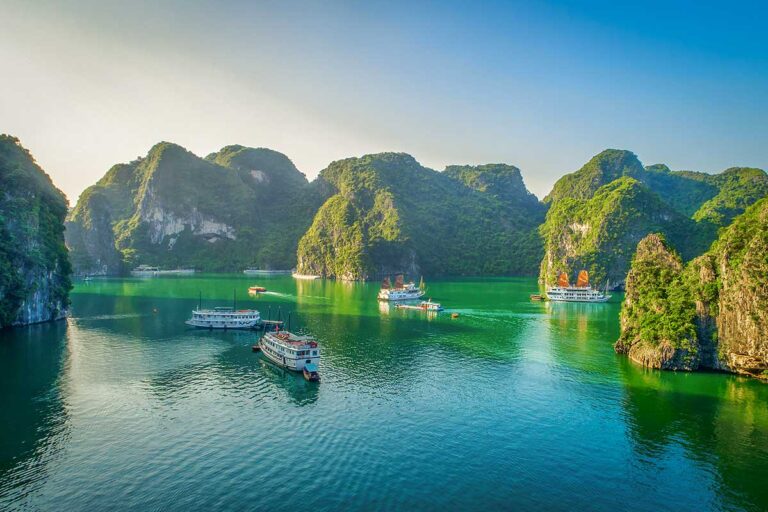
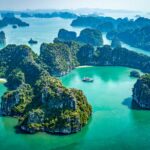
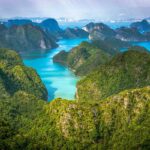
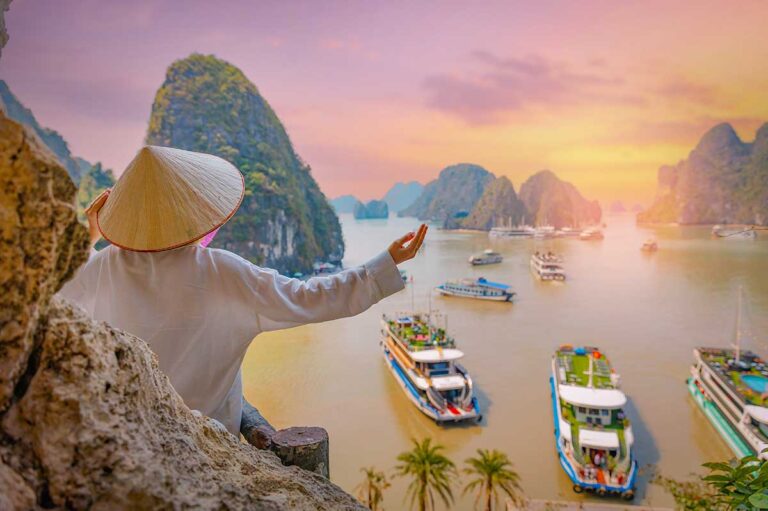
Halong Bay is Vietnam’s most famous natural attraction and a UNESCO World Heritage Site. Most visitors explore the bay on overnight cruises, combining sightseeing with kayaking and cave visits. Nearby Lan Ha Bay offers a quieter alternative with similar scenery.

Cruise boats sailing through limestone islands in Halong Bay, one of the most famous places to visit in Vietnam

Ninh Binh

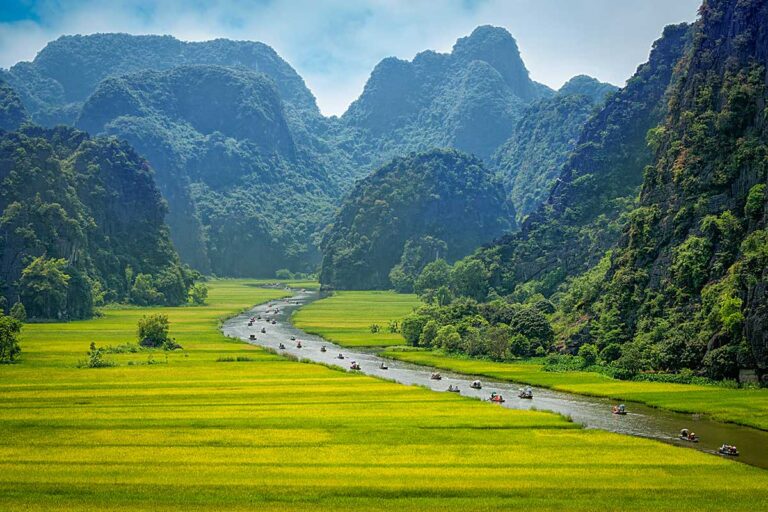
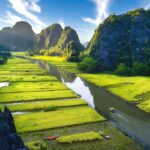
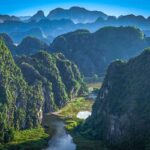
Ninh Binh is known for its limestone karst scenery, rivers, rice fields, and ancient temples. Boat rides through Trang An or Tam Coc are the main highlight, and the area is easy to visit as a short trip from Hanoi, either independently or as part of a tour.

Boat ride through rice fields and limestone karst landscape in Ninh Binh, a peaceful Vietnam travel destination

Ha Giang

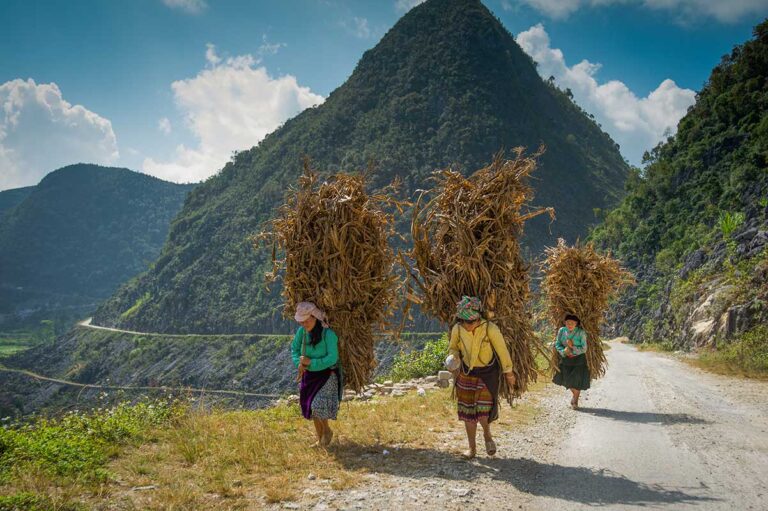
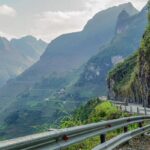
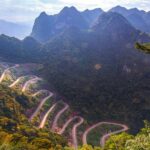
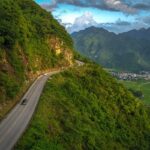
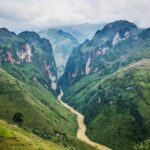
Ha Giang is famous for the Ha Giang Loop, a scenic route through remote mountain landscapes and ethnic minority villages near the Chinese border. It’s one of the most adventurous destinations in Vietnam and best explored by motorbike, Easy Rider, or car with a local driver.

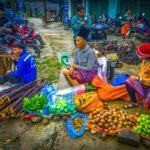
Ethnic women carrying harvested crops along a mountain road in Ha Giang, a remote Vietnam travel destination

Cao Bang

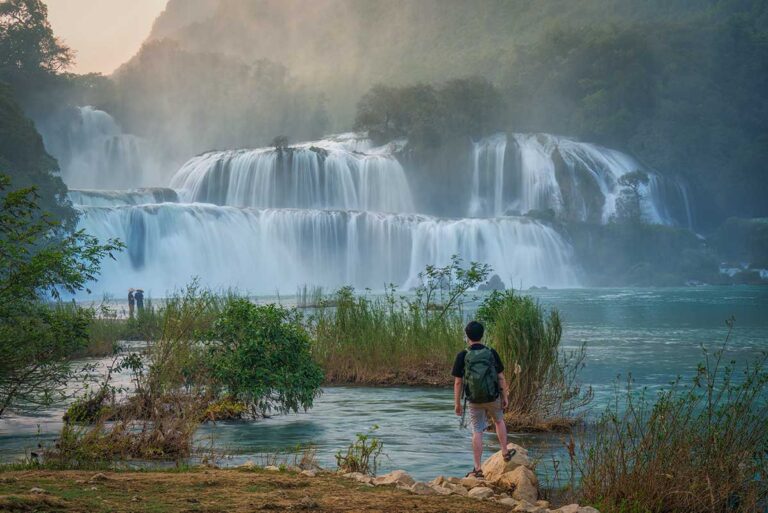
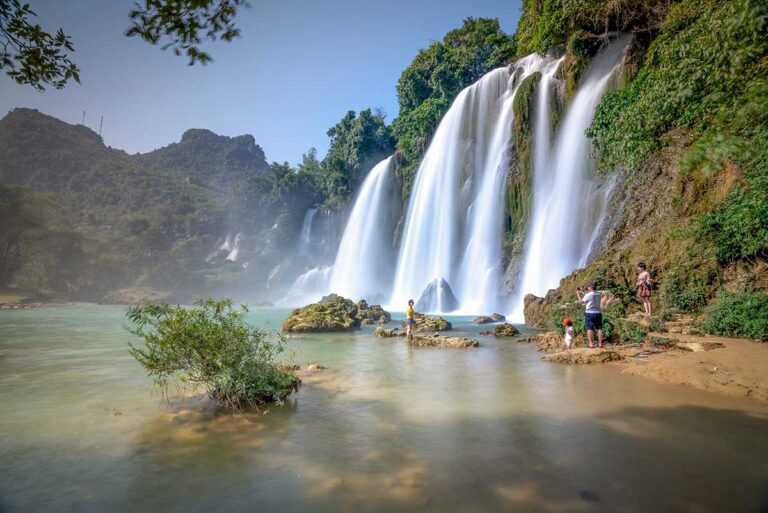
Cao Bang is a quiet, less-visited region in northeastern Vietnam, best known for Ban Gioc Waterfall near the Chinese border. The area offers dramatic karst scenery, winding mountain roads, and rural villages, making it ideal for travelers who want nature, scenery, and fewer crowds compared to more established destinations.

Traveler standing near Ban Gioc Waterfall in Cao Bang, one of the most scenic places to visit in northern Vietnam

Mai Chau

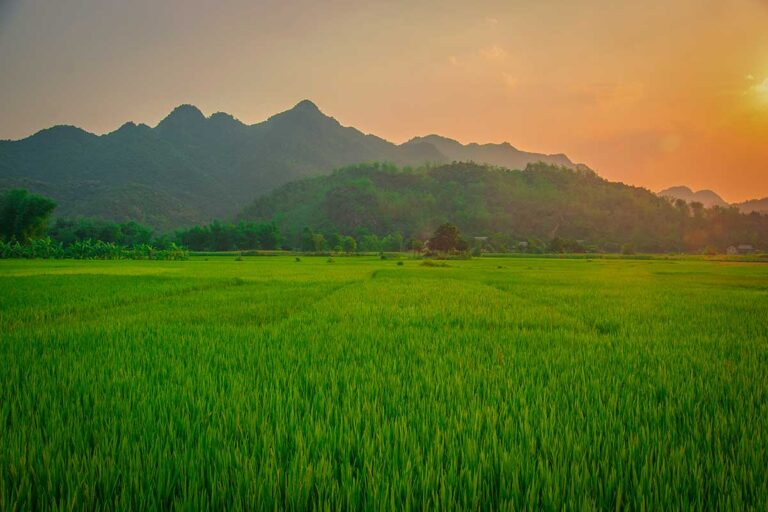
Mai Chau offers a slower pace, with rice fields, stilt-house villages, and gentle cycling routes. It’s popular for short escapes from Hanoi and for travelers looking for a relaxed introduction to rural life without traveling too far into the mountains.

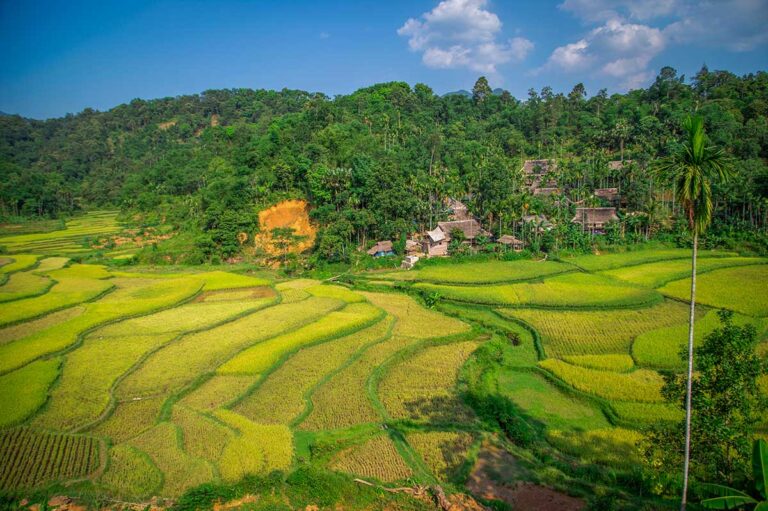
Wide valley with green rice fields and mountains in Mai Chau, a rural destination in northern Vietnam

Pu Luong Nature Reserve

Pu Luong is a nature reserve known for rice terraces, waterfalls, and ethnic minority villages. It’s less visited than Sapa and offers a more tranquil experience, with trekking, village walks, and eco-lodges set in a rural mountain environment.

Traditional village surrounded by green rice terraces in Pu Luong Nature Reserve, northern Vietnam

More Destinations in North Vietnam

North Vietnam has many more places worth exploring, including remote markets, national parks, border regions, and lesser-known mountain districts. The destinations above are the most well-known highlights, but they are only a starting point.

Top destinations in Central Vietnam

Central Vietnam stretches along the coast and into the highlands, offering a mix of historic towns, beaches, cave systems, and cooler mountain regions. Compared to the north and south, this region is especially varied, with destinations that suit culture-focused trips, beach holidays, and nature-based travel.

Hoi An

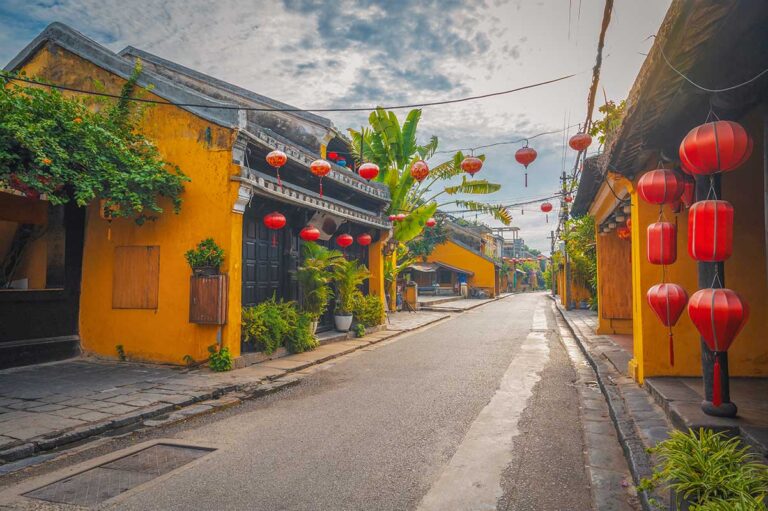
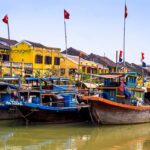
Hoi An is famous for its well-preserved historic center, lantern-lit evenings, and relaxed atmosphere. The town combines cultural sights with easy access to beaches and countryside cycling routes, making it a popular stop for travelers looking for charm, food, and a slower pace.

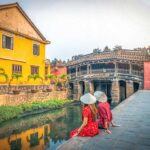
Quiet street in Hoi An Ancient Town with yellow houses and lanterns, one of the most charming places to visit in Vietnam

Hue

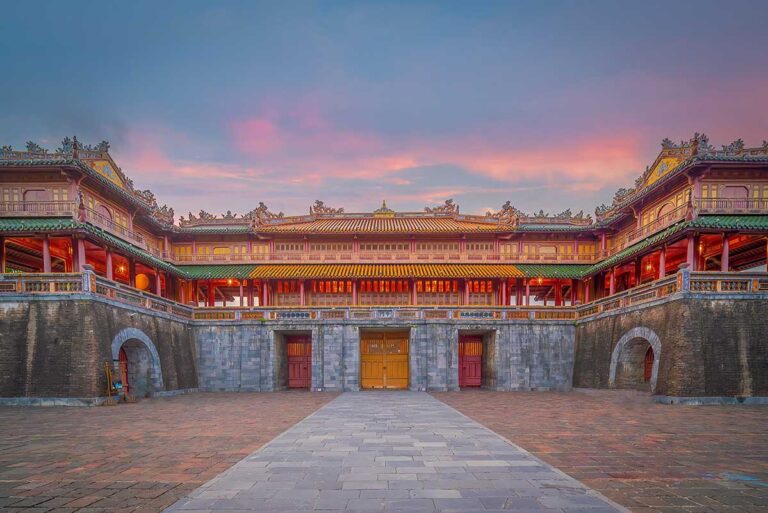
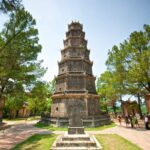
Hue is known for the Imperial City, royal tombs, and pagodas along the Perfume River. It’s one of the most important destinations for understanding Vietnam’s dynastic history and is best suited for travelers interested in culture, architecture, and traditional cuisine.

Imperial City of Hue at sunset, highlighting Vietnam’s royal history and cultural heritage

Da Nang

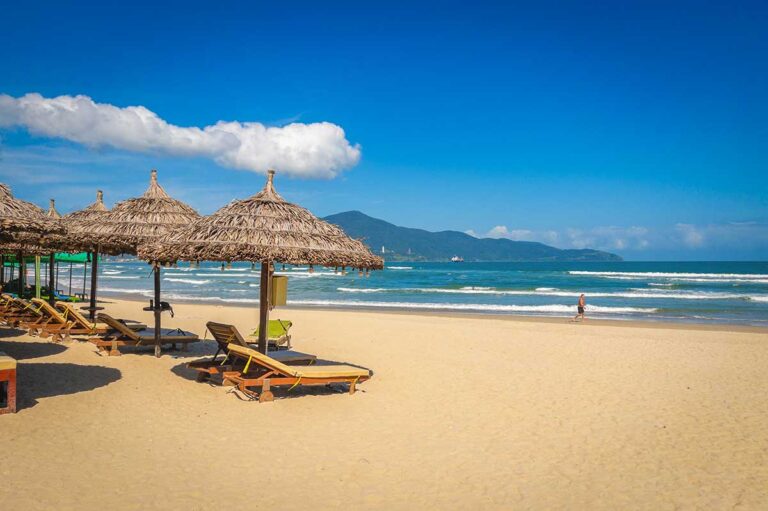
Da Nang sits between Hoi An and Hue and combines wide beaches with modern infrastructure. It’s a convenient base for exploring Central Vietnam, with good transport connections, a growing food scene, and nearby attractions such as the Marble Mountains and Hai Van Pass.

Beach with sun loungers and straw umbrellas in Da Nang, a popular coastal destination in central Vietnam

Phong Nha

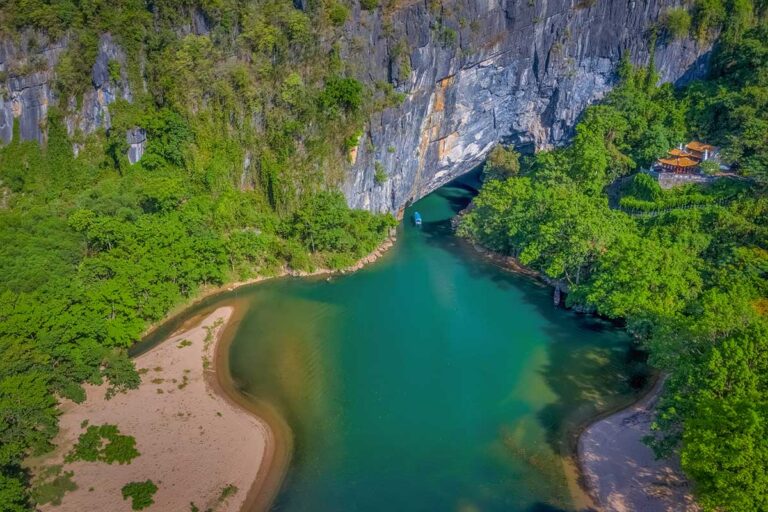
Phong Nha–Ke Bang National Park is known for its extensive cave systems, including Son Doong, the largest cave in the world. The area focuses on outdoor activities such as caving, cycling, and river-based exploration, appealing to travelers interested in nature and adventure.

Aerial view of river and limestone cliffs in Phong Nha, home to some of the largest caves in Vietnam

Nha Trang

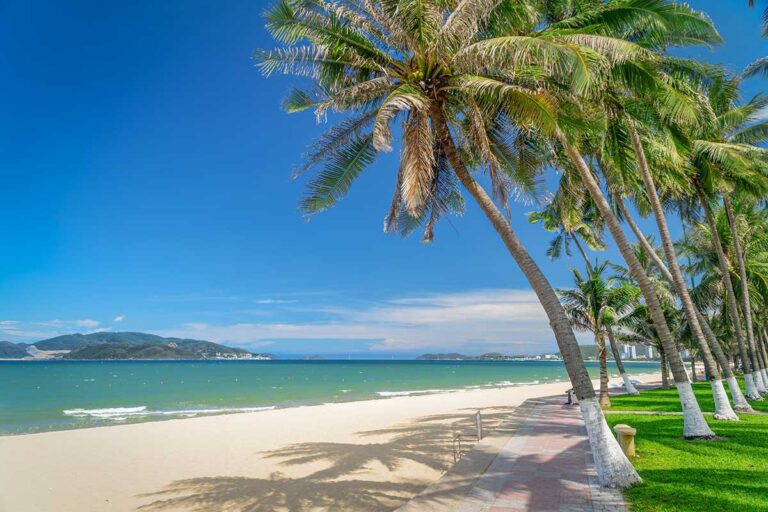
Nha Trang is one of Vietnam’s best-known beach destinations, offering a long coastline, island-hopping trips, and a wide range of accommodation. It suits travelers looking for easy beach access, water activities, and a developed tourism infrastructure.

Palm-lined beach promenade in Nha Trang with white sand and clear blue sea

Dalat

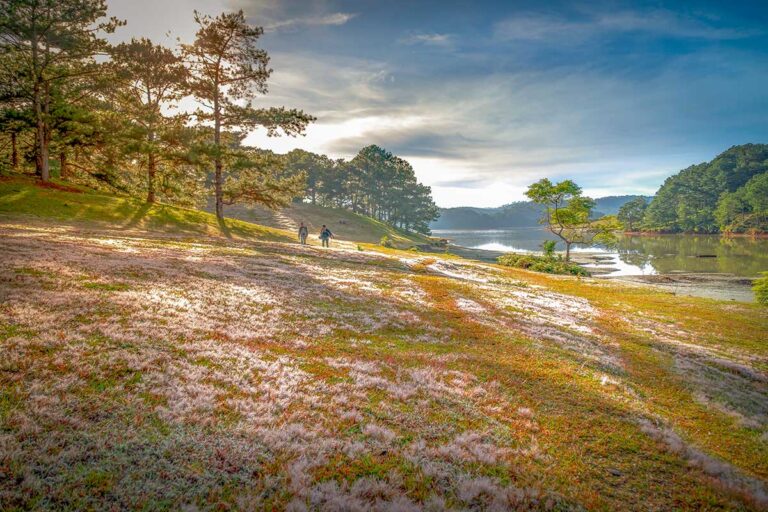
Dalat sits in the Central Highlands and offers a noticeably cooler climate compared to coastal destinations. It’s known for its relaxed atmosphere, scenic surroundings, and outdoor activities, making it a popular alternative when beach weather is less favorable.

Pine forest landscape near a lake in Dalat, a cool-climate destination in Vietnam’s Central Highlands

More destinations in Central Vietnam

Beyond the main highlights, Central Vietnam includes many lesser-known coastal towns, quiet beaches, and diverse highland regions. The coastline hides smaller beach destinations away from mass tourism, while the Central Highlands extend far beyond Da Lat, offering rural landscapes and cultural experiences.

Top destinations in Central Vietnam

Central Vietnam stretches along the coast and into the highlands, offering a mix of historic towns, beaches, cave systems, and cooler mountain regions. Compared to the north and south, this region is especially varied, with destinations that suit culture-focused trips, beach holidays, and nature-based travel.

Ho Chi Minh City

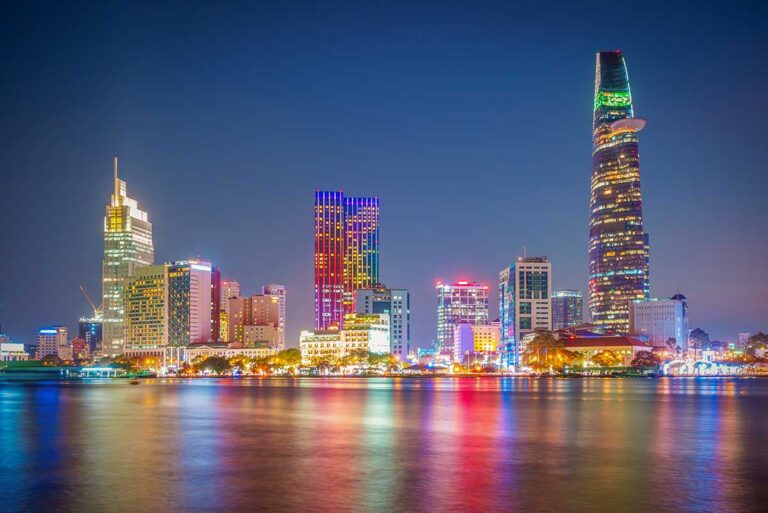
Ho Chi Minh City, still often called Saigon, is a dynamic metropolis known for its street food, cafés, markets, and colonial-era landmarks. It’s the main gateway to southern Vietnam and a common starting point for trips to the Mekong Delta, coastal areas, and nearby islands.

Ho Chi Minh City skyline at night along the Saigon River, highlighting the modern side of Vietnam travel in the south

Mekong Delta

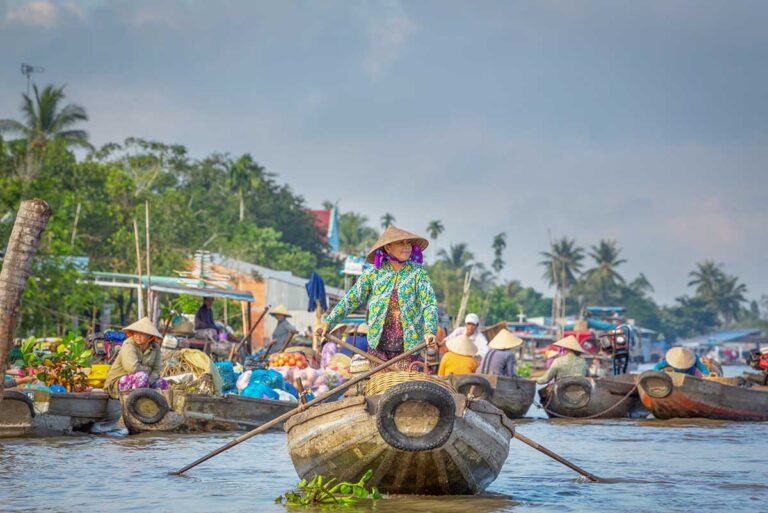
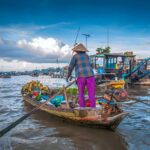
The Mekong Delta is a large and diverse region made up of multiple provinces, towns, and floating communities. It’s known for its canals, floating markets, rice fields, and orchards. Because of its size and variety, the Mekong Delta is best explored by focusing on specific areas rather than treating it as a single stop.

Mekong Delta floating market with local boats and vendors, showing daily life along the rivers of southern Vietnam travel

Phu Quoc

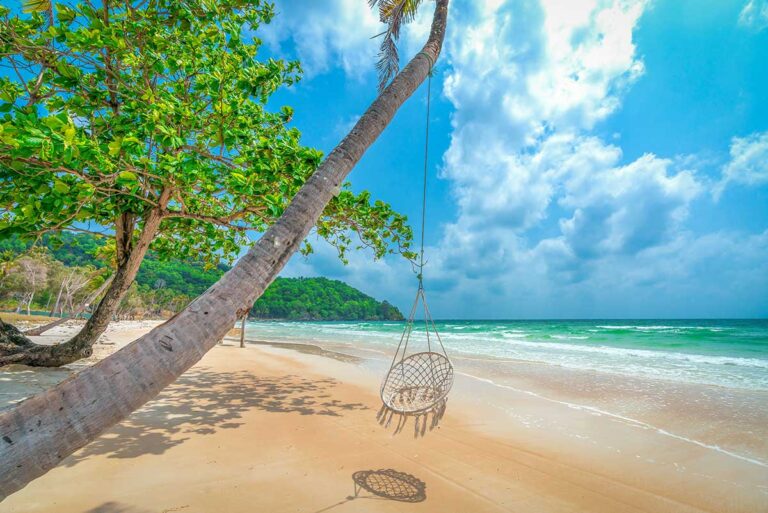
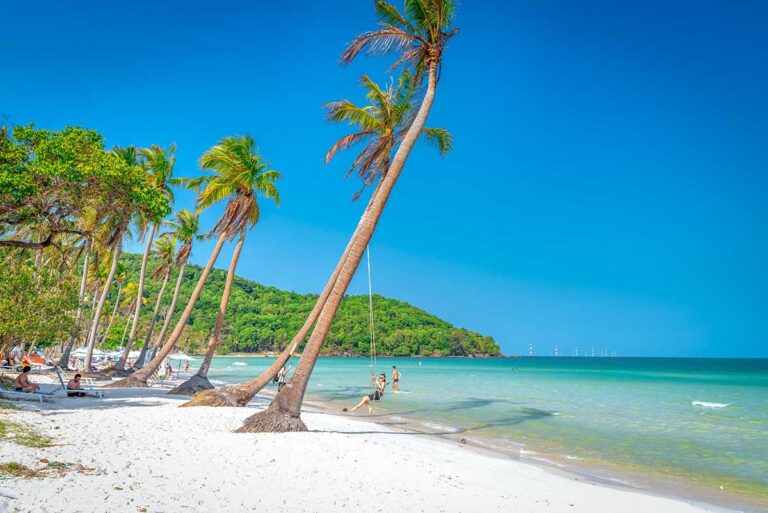
Phu Quoc is a popular island destination offering sandy beaches, clear water, and a growing range of resorts. It’s well suited for travelers looking to slow down after exploring the mainland and is easily accessible by domestic flights from major cities.

Tropical beach on Phu Quoc Island with palm trees and a swing, a popular island escape for Vietnam travel

Con Dao

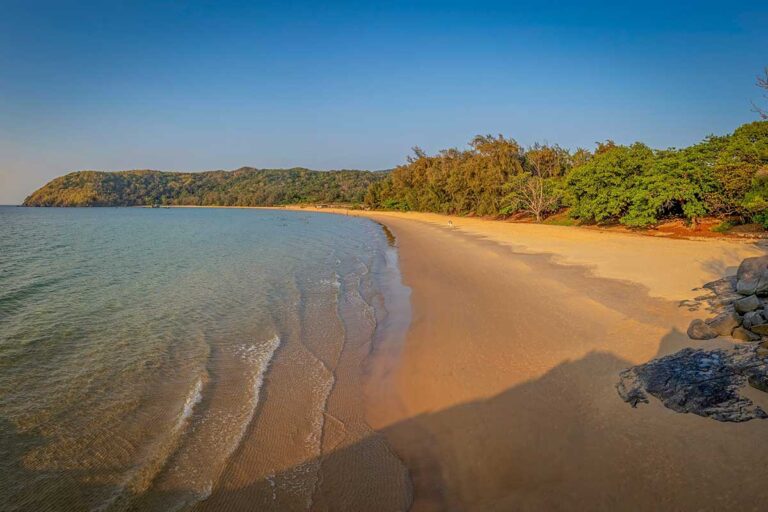
Con Dao is known for its national park, quiet beaches, and historical prison sites. It’s less developed than Phu Quoc and appeals to travelers looking for a more tranquil island experience, combining nature, diving, and cultural heritage.

Quiet beach on Con Dao Island with clear water and untouched coastline, a remote island destination in Vietnam travel

Mui Ne

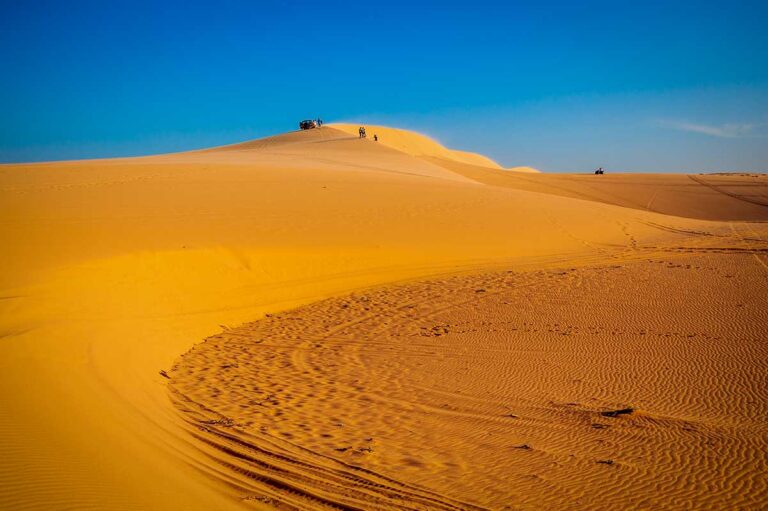
Mui Ne is known for its red and white sand dunes, steady winds, and long beaches. It’s a popular destination for kitesurfing and relaxed seaside stays, often combined with short trips from Ho Chi Minh City.

Mui Ne sand dunes near the coast, known for desert-like landscapes and outdoor activities in southern Vietnam travel

More destinations in South Vietnam

South Vietnam includes many additional destinations, from smaller coastal towns to lesser-known islands and inland regions. The Mekong Delta alone spans multiple provinces, each offering different landscapes and experiences, making it a region well worth exploring in more depth.

Vietnam Travel Ideas & Inspiration

Vietnam travel offers far more destinations and experiences than can be covered in a single list of places to visit. Beyond the well-known highlights, the country is full of lesser-known regions and off-the-beaten-path destinations that appeal to different travel interests. Choosing where to go can quickly become challenging, which is why the guides below group Vietnam’s experiences by theme — from beaches and nature to culture, food, and active travel — helping you find destinations that match your personal interests and travel style.

Best things to do in Vietnam, capturing a scenic viewpoint over Halong Bay with limestone karsts, traditional boats, and calm emerald water.

25 Best Things to Do in Vietnam

From street food in Hanoi to mountain trekking in Sapa and boat trips in Halong Bay, this guide covers the best things to do in Vietnam across culture, nature, food, and adventure.

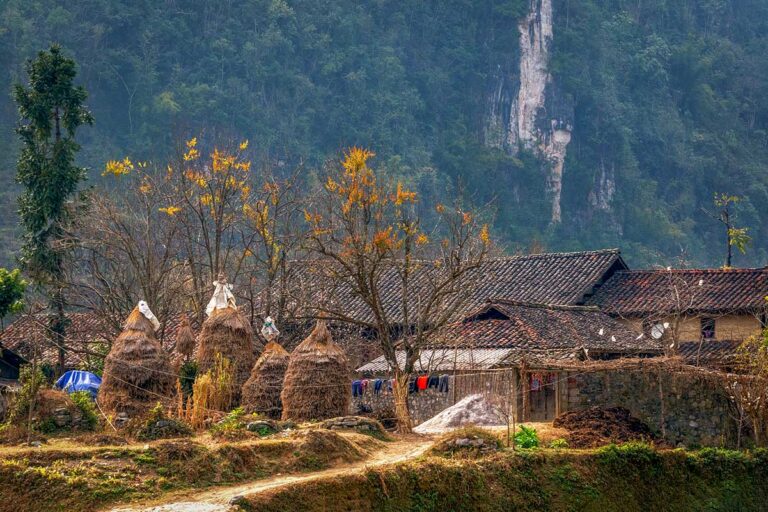
Most beautiful places in Vietnam, with a traditional village in Ha Giang set among limestone mountains, wooden houses, and rural northern landscapes.

15 Most Beautiful Places to Visit in Vietnam

Discover the most beautiful places to visit in Vietnam, from iconic landscapes and historic towns to lesser-known regions that show the country’s diversity.

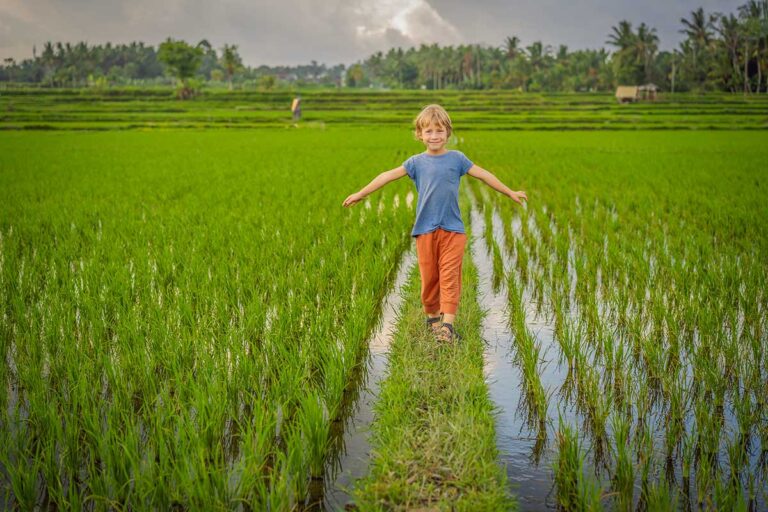
Best things to do in Vietnam with kids, showing a child walking through green rice fields in Sapa, surrounded by water channels and rural scenery.

8 Best Things to Do in Vietnam with Kids

Traveling as a family is easier than you might expect. This guide highlights the best things to do in Vietnam with kids, focusing on safety, fun, and child-friendly experiences.

Most beautiful nature places in Vietnam, featuring Ban Gioc Waterfall cascading into a turquoise river surrounded by lush jungle and limestone hills.

Best Nature in Vietnam: 15 Beautiful & Unspoiled Places

Explore the best nature in Vietnam, including national parks, mountains, caves, rivers, and remote landscapes that go far beyond the classic highlights.

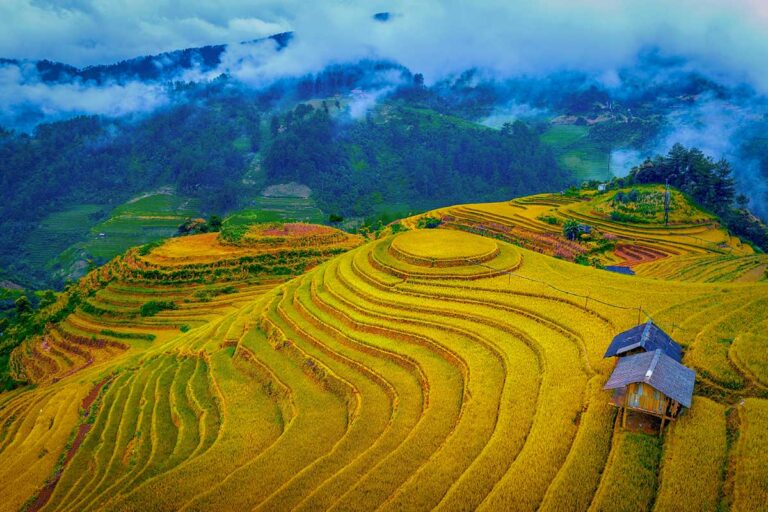
Best rice fields in Vietnam, showcasing golden terraced rice fields in Mu Cang Chai with layered hills, misty mountains, and a small wooden hut.

12 Most Beautiful Rice Fields in Vietnam

From terraced valleys in the north to hidden rural areas, this guide showcases the most beautiful rice fields in Vietnam and when to see them at their best.

Best beaches in Vietnam, highlighting a white-sand beach in Phu Quoc with leaning palm trees, turquoise sea, and relaxed island atmosphere.

15 Most Beautiful Beaches in Vietnam

Find the most beautiful beaches in Vietnam, ranging from lively beach towns to quiet island escapes and lesser-known coastal areas.

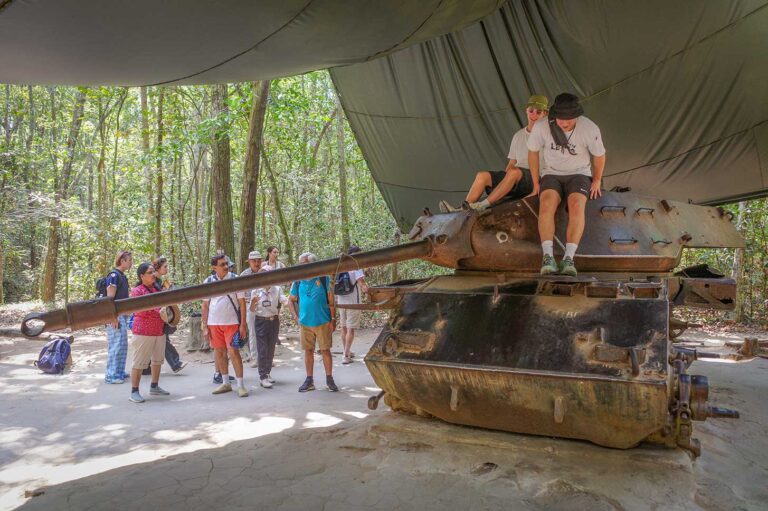
Best Vietnam War sights to visit in Vietnam, showing visitors exploring a preserved American tank at the Cu Chi Tunnels near Ho Chi Minh City.

10 Impressive Vietnam War Sites to Visit

Learn more about Vietnam’s recent history by visiting key Vietnam War sites, including museums, tunnels, and historical locations across the country.

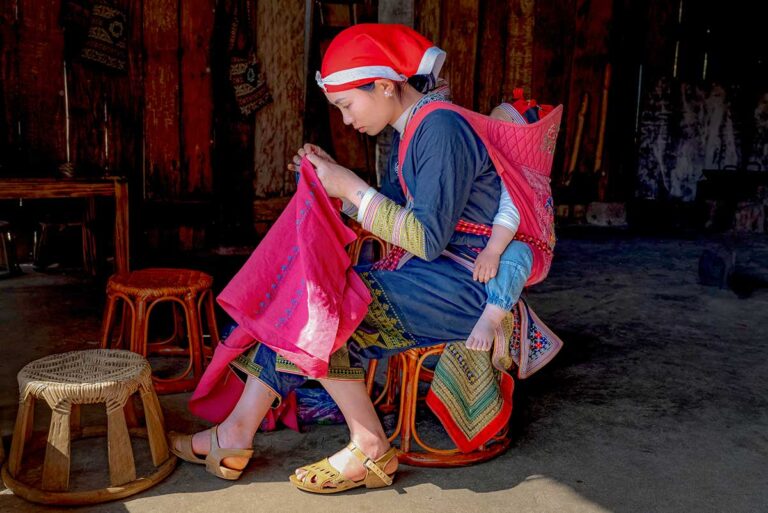
Best cultural experiences in Vietnam, featuring a woman from an ethnic minority in Sapa wearing traditional clothing while hand-stitching fabric at home.

Vietnamese Culture: Top 10 Destinations & Experiences

Discover Vietnamese culture through temples, traditional villages, festivals, crafts, and everyday local life in destinations across Vietnam.

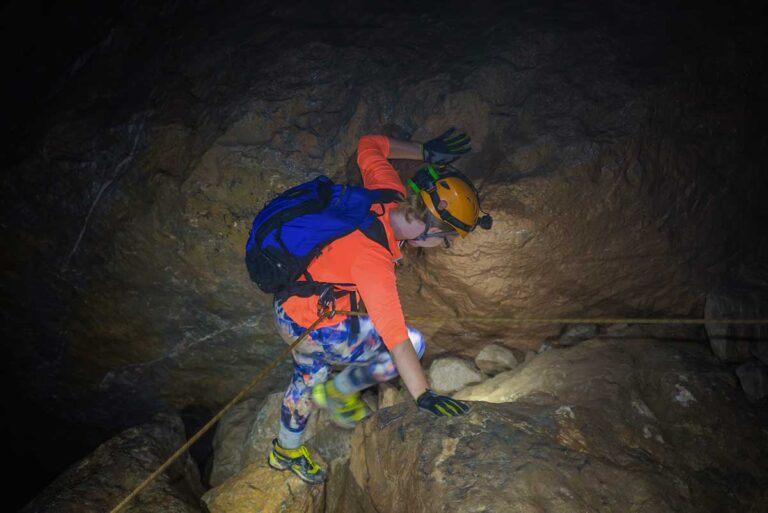
Best adventure activities in Vietnam, showing a traveler climbing inside a dark limestone cave in Phong Nha with helmet and safety rope.

Top 10 Adventure Activities in Vietnam

From motorbike routes and trekking to canyoning and caving, this guide highlights the best adventure activities in Vietnam for active travelers.

Best time to travel to Vietnam

Vietnam stretches over a long distance from north to south, which means the weather varies significantly between regions. Rainfall patterns, temperatures, and seasons are different in North, Central, and South Vietnam, so the best time to visit depends largely on where you plan to travel. Understanding these regional differences makes it much easier to choose the right travel period.

Overall best time to visit Vietnam

February, March, and April are generally considered the best months to travel across Vietnam as a whole. During this period, weather conditions align most favorably in all three regions, with lower rainfall, comfortable temperatures, and fewer weather-related disruptions. While no single period is perfect everywhere year-round, these months offer the best balance for travelers planning to visit multiple regions in one trip.

Vietnam weather by region

Vietnam’s climate is shaped by monsoon patterns and geography, creating clear regional differences that directly affect travel conditions. Below is a brief overview of what to expect in each region and when travel conditions are usually most favorable.

North Vietnam

North Vietnam experiences four distinct seasons, with cooler winters and hot, humid summers. Winter months can feel chilly, especially in mountainous areas, while summer brings higher temperatures and heavier rainfall.

Central Vietnam

Central Vietnam follows a different weather pattern, with its main rainy season typically falling later in the year. Typhoons and prolonged rain can affect coastal areas during the autumn months, while summers are generally hot and dry.

South Vietnam

South Vietnam has a tropical climate with relatively consistent temperatures year-round, defined mainly by dry and rainy seasons. Rain tends to fall in short, heavy showers rather than all-day rain.

Vietnam Weather by Month

Vietnam’s weather changes throughout the year, and conditions can vary significantly between regions in the same month. Instead of labeling months as simply “good” or “bad,” the overview below highlights general travel conditions by region, helping you understand what to expect and where each month works best.

Traveling During Vietnamese Holidays

Vietnam has several national holidays and festivals throughout the year, some of which can significantly affect travel conditions. During these periods, both domestic and international travel increase, and planning ahead becomes more important, especially for transport and accommodation.

Major Holidays in Vietnam

*Dates for Tet and some traditional festivals are based on the lunar calendar, meaning they fall on different dates each year.

What to Expect When Traveling During Holidays

Traveling during Vietnamese holidays is very possible, but it comes with a few practical considerations:

  • Transportation fills up quickly – Trains, buses, and flights sell out faster than usual
  • Accommodation books out earlier – Popular destinations and resorts fill up well in advance
  • Higher prices – Transport and hotels may increase prices during peak holiday periods
  • Crowded attractions – Major cities, beaches, and tourist areas can be busier
  • Local closures – Small shops and family-run businesses may close during Tet

Travel is still doable during holidays, but it’s best to book transport and accommodation earlier than usual and remain flexible with schedules.

Health & Safety in Vietnam

When it comes to Vietnam travel, health and safety are rarely a major concern for visitors. Vietnam is generally a very safe country to travel in, including for solo travelers, families with children, and female travelers. Most safety considerations are practical rather than serious, and with basic awareness, traveling around Vietnam is straightforward and comfortable.

Is Vietnam Safe for Travelers?

Vietnam is considered one of the safest travel destinations in Southeast Asia, with very low levels of violent crime against foreigners. Walking around cities, using public transport, and traveling between destinations is generally safe, even at night in busy areas.

That said, a few common-sense precautions help avoid minor issues:

  • Petty theft and scams can occur in busy areas of Hanoi and Ho Chi Minh City
  • Phone snatching happens occasionally — avoid holding your phone out toward the street, especially near traffic
  • Tourist scams are usually easy to avoid by booking transport and tours through reputable providers

Overall, safety issues are rare, and most travelers experience Vietnam as relaxed and welcoming.

Health Considerations & Vaccinations

Health risks in Vietnam are generally manageable, and most travelers don’t experience serious issues. Rather than focusing only on vaccinations, it helps to understand a few broader health considerations:

  • Vaccinations – Commonly recommended vaccines include hepatitis A and B and tetanus; requirements depend on your travel history and activities
  • Mosquito-borne illnesses – Dengue fever is present in Vietnam, especially in warmer months; malaria is very rare and limited to remote border areas most travelers never visit
  • Animals – Avoid contact with stray dogs and cats; rabies exists but incidents involving travelers are extremely rare
  • Heat and hydration – High temperatures and humidity can be more challenging than illness; drinking enough water is essential

For personalized advice, it’s best to consult a travel clinic before departure.

Food Hygiene & Tap Water

Vietnamese food is generally safe to eat, including street food, as long as basic hygiene standards are followed. Busy food stalls with high turnover are usually a good sign.

A few simple guidelines:

  • Tap water is not drinkable — use bottled or filtered water
  • Ice is generally safe in restaurants and cafés that cater to locals and travelers
  • Freshly cooked food is safer than food left sitting out

Food-related issues are uncommon when choosing clean, popular places.

Traffic Safety

Traffic in Vietnam is the biggest safety concern for travelers, especially in large cities. Roads can feel chaotic at first, but risks can be reduced significantly by making smart choices.

Practical tips:

  • Avoid night buses when possible; if needed, choose well-known, reputable companies
  • Sleeper trains and domestic flights are often safer and more comfortable for long distances
  • Crossing the street works best by walking slowly and predictably — traffic will flow around you
  • Motorbike travel is common, but riding yourself requires experience; Easy Riders or cars with drivers are safer alternatives

While traffic looks intimidating, many risks are within your control by choosing safer transport options.

Natural Risks & Weather-Related Hazards

Vietnam is not prone to major natural disasters such as earthquakes, volcanic eruptions, or tsunamis. These risks are not a concern for travelers and do not influence travel planning in Vietnam.

The main natural factors to be aware of are weather-related:

  • Typhoons and heavy rain can affect parts of Central Vietnam between roughly September and November
  • Seasonal flooding may occur in low-lying areas during prolonged rainfall
  • Landslides are the most relevant natural risk, mainly in mountainous regions during the rainy season

These situations are usually localized and predictable, and disruptions are typically temporary. Outside of extreme weather events, natural risks rarely impact travel, especially when routes and accommodations are planned with seasonal conditions in mind.

Visa Information for Vietnam

For many travelers, Vietnam travel requires arranging a visa before arrival, and this is one of the most commonly overlooked steps when planning a trip. While some nationalities can enter visa-free, most travelers need to apply in advance, usually online. The sections below explain the main visa options and help you determine which one applies to your situation.

Visa Exemption

In recent years, Vietnam has become more flexible with visa policies to attract international travelers. Citizens of several countries can enter Vietnam visa-free for a limited number of days, depending on nationality.

Visa exemption typically applies to:

  • Select European countries
  • Some Asian countries
  • Short stays for tourism (only for Phu Quoc island)

The allowed stay can range from 14 to 45 days, depending on your passport.

It’s important to note that travelers from Australia, the United States, and Canada are not on the visa exemption list and must arrange a visa in advance, even for short trips. Because many visitors come from these countries, this is a common point of confusion.

Visa rules can change, so always check the most recent requirements before traveling.

Vietnam E-Visa

For most travelers, the Vietnam e-visa is the easiest and most common way to enter the country.

Key points to know:

  • The e-visa is applied for online
  • Processing usually takes 3–5 working days
  • Applications are processed only during office hours, excluding weekends and public holidays
  • If you make a mistake, you can edit the application, but this resets the processing time and adds another 3–5 working days

The official government website is: https://evisa.gov.vn/

Many other websites offer e-visa services as well. These are usually more expensive and often take longer, but can be useful if you prefer using a trusted agency to handle the process.

Practical tips for the Vietnam e-visa:

  • Apply as soon as you know your travel dates – you can apply months in advance, even up to a year
  • Add extra days to your visa validity for flexibility; you only need to enter and exit within the approved dates, not exactly on the first or last day
  • Adding buffer days helps if flights change or if you decide to stay longer without needing a new visa

Visa on Arrival

Before the introduction of the e-visa system, visa on arrival was the most common way to enter Vietnam. However, this option has become far less relevant for most travelers.

Visa on arrival always required advance preparation, as travelers needed to apply for an official approval letter before flying. It was never a true “arrive and apply” system.

Today:

  • For most nationalities, e-visa or visa exemption is the standard option
  • Visa on arrival is mainly used by travelers from a small number of countries that cannot apply for an e-visa, mostly in parts of Africa and South Asia

For the majority of travelers, visa on arrival is no longer necessary, and applying for an e-visa is simpler and more reliable.

Flying to Vietnam

Most international travelers arrive in Vietnam by air, with good connections from Asia, Europe, Australia, and increasingly North America. Depending on where you’re coming from and which region you plan to visit, choosing the right arrival airport can save time and simplify your itinerary.

International Airports in Vietnam

  • Ho Chi Minh City – Vietnam’s busiest international gateway, with the widest range of long-haul and regional connections
  • Hanoi – The main gateway to North Vietnam and the second-largest international hub
  • Da Nang – Gateway to Central Vietnam and Hoi An, mostly served by flights from Asian countries

Vietnam has other international airports as well, including Phu Quoc and Cam Ranh (Nha Trang), but these mainly offer direct flights from nearby Asian destinations rather than long-haul routes.

Flights to Vietnam from the USA

Vietnam currently has direct flights from the United States, mainly to Ho Chi Minh City and Hanoi. These routes are typically operated from major hubs on the US West Coast, with long travel times that often exceed 15 hours.

Direct and one-stop options are available, with airlines such as Vietnam Airlines and United Airlines, as well as one-stop connections via East Asia or the Middle East. Many travelers still choose one-stop flights for better pricing and scheduling flexibility.

Flights to Vietnam from the UK

There are direct flights from the UK to Vietnam, primarily from London to Hanoi and Ho Chi Minh City. These routes are convenient for travelers looking to avoid transits and are operated by Vietnam Airlines.

One-stop alternatives via Europe or the Middle East are also common and can be more affordable, depending on travel dates.

Flights to Vietnam from Australia

Australia has direct flights to Vietnam from major cities such as Sydney and Melbourne, mainly to Ho Chi Minh City and Hanoi. Travel times are relatively manageable compared to Europe or North America.

Both full-service and regional carriers operate these routes, making Vietnam one of the more accessible Southeast Asian destinations from Australia.

Flights to Vietnam from Europe

Several European cities offer direct flights to Vietnam, mainly to Hanoi and Ho Chi Minh City. These routes are limited to major hubs, so travelers from other European countries often need to transit.

Popular transit hubs include:

  • Istanbul (with Turkish Airlines)
  • Doha (with Qatar Airways)
  • Dubai (with Emirates)
  • Major East Asian hubs in China, South Korea, or Japan

One-stop connections are common and usually straightforward.

Flights to Vietnam from Southeast Asia

Vietnam is very well connected to Southeast Asia, with frequent flights from cities such as Bangkok, Singapore, Kuala Lumpur, and Jakarta. These routes serve not only Hanoi and Ho Chi Minh City, but also destinations like Da Nang and Phu Quoc.

Many regional and budget airlines operate these flights, including VietJet Air and AirAsia, making Vietnam easy and affordable to reach from neighboring countries.

How to Get Around Vietnam (Between Cities)

Vietnam offers a wide range of transport options for traveling between destinations, from fast domestic flights to slower scenic routes by train or road. The best choice depends on distance, budget, comfort level, and how much time you have.

Domestic Flights

Domestic flights are the fastest and most efficient option for long distances in Vietnam, especially when traveling between regions.

Vietnam’s main domestic airlines include Vietnam Airlines, VietJet Air, and Bamboo Airways.

What to expect:

  • Flight times: Usually 1–2 hours between major cities
  • Prices: Often affordable, especially when booked in advance
  • Comfort: Modern aircraft and frequent daily departures

Popular domestic routes include:

  • Hanoi ↔ Ho Chi Minh City
  • Hanoi ↔ Da Nang
  • Ho Chi Minh City ↔ Da Nang
  • Ho Chi Minh City ↔ Phu Quoc

Train Travel

Train travel in Vietnam is slower than flying but offers a safe and scenic way to see the country, especially along the coast.

How it works:

  • Trains run mainly along the north–south railway
  • Travel times are long, but overnight journeys save time on accommodation
  • Seating options range from basic seats to soft sleepers and private cabins

Why choose the train:

  • Comfortable and safe, even for long distances
  • Night trains are popular for routes like Hanoi–Hue or Hue–Da Nang
  • Good option if you prefer a relaxed pace

Popular train routes:

  • Hanoi ↔ Hue
  • Hanoi ↔ Da Nang
  • Hue ↔ Da Nang
  • Ho Chi Minh City ↔ Nha Trang


Bus Travel

Bus travel is widely used in Vietnam and comes in different comfort levels, from basic sleeper buses to modern limousine vans.

Sleeper Buses

Sleeper buses are most commonly used for overnight travel between cities.

What to know:

  • Available in different classes, including standard sleepers and private cabin buses
  • Mostly operate at night, with some daytime services
  • Generally safe when using reputable companies
  • They’re often chosen to save on accommodation and travel long distances in one go.

Popular sleeper bus routes:

  • Hanoi ↔ Sapa
  • Hanoi ↔ Ha Giang
  • Ho Chi Minh City ↔ Nha Trang

Limousine Vans

Limousine vans are a popular option for shorter daytime routes.

Key features:

  • Comfortable, spacious seats
  • Usually used for journeys of 1–5 hours
  • Often offer door-to-door pickup and drop-off
  • Affordable and widely available

Popular limousine routes:

  • Hanoi ↔ Ninh Binh
  • Hanoi ↔ Ha Long Bay
  • Ho Chi Minh City ↔ Mui Ne

Car Rental with Driver

Hiring a car with a driver offers the most flexibility and comfort, especially for families, small groups, or travelers visiting remote areas. It allows you to stop along the way, travel at your own pace, and avoid navigating unfamiliar roads.

This option is particularly useful in mountainous regions or when combining multiple destinations in one day.

Traveling Vietnam by Motorbike

Traveling by motorbike is one of the most immersive ways to explore Vietnam.

There are two main options:

  • Self-drive – Suitable only for experienced riders confident in local traffic
  • Easy Rider – Riding on the back of a motorbike with a local driver

Easy Rider tours are popular for routes such as the Ha Giang Loop and offer a safer alternative while still providing the motorbike experience.

Getting Around Vietnamese Cities

Getting around cities in Vietnam is generally easy and affordable, with several transport options available depending on the city, distance, and traffic conditions. While larger cities can feel busy at first, most travelers quickly adapt by choosing the right way to get around.

Taxis & Ride-Hailing Apps

Taxis and ride-hailing apps are the most convenient and reliable way to get around Vietnamese cities.

What to know:

  • Grab is widely used for cars and motorbikes, with clear pricing shown in advance
  • Metered taxis are common in major cities and generally reliable

Using apps helps avoid price negotiations and language barriers

For most visitors, ride-hailing apps are the easiest option, especially in busy cities like Hanoi and Ho Chi Minh City.

Walking

Walking works well in compact areas such as old towns, city centers, and pedestrian-friendly neighborhoods.

Good for walking:

  • Historic centers like Hanoi’s Old Quarter or Hoi An
  • Short distances and sightseeing areas

Less suitable:

  • Long distances in large cities
  • Busy multi-lane roads without crossings

Sidewalks are often uneven or used for parking, so walking is best combined with other transport options.

Cycling

Cycling in Vietnam can be enjoyable in certain locations but is not ideal everywhere.

Where cycling works best:

  • Smaller towns and rural areas
  • Flat regions with less traffic
  • Scenic countryside routes

In large cities with heavy traffic, cycling is generally less practical and better suited for experienced riders.

Renting a Scooter

Renting a scooter is common in Vietnam but requires caution.

Things to consider:

  • Traffic can be intense, especially in big cities
  • An international driving permit is legally required
  • Insurance may be invalid without proper licensing

For short distances in quieter areas, scooters can be useful. In busy cities, taxis and ride-hailing apps are usually a safer and more comfortable choice.

Food in Vietnam

Food plays a central role in daily life and is a major highlight of Vietnam travel. From simple street stalls to family-run restaurants, eating in Vietnam is affordable, social, and deeply connected to local culture. Rather than focusing on recipes or detailed dish descriptions here, this section helps you understand what to expect and where to explore further.

Vietnamese Street Food

Street food is one of the most accessible and authentic ways to experience Vietnam’s cuisine. Meals are usually freshly prepared, fast, and tailored to local tastes, making street food a normal part of everyday life rather than a tourist experience.

What to expect:

  • Small stalls or simple seating, often on sidewalks or markets
  • Fresh ingredients cooked to order
  • Very affordable prices

Tips for trying street food safely and confidently:

  • Choose busy stalls with a high turnover of customers
  • Watch food being prepared rather than sitting out
  • Follow local habits — where locals eat is usually a good sign
  • Start gently if you’re not used to new flavors or spice levels

Must-Try Vietnamese Dishes

Vietnamese cuisine varies strongly by region, and many dishes are closely tied to specific cities or provinces. Instead of listing everything here, the slider below highlights must-try dishes across Vietnam, with links to detailed guides that explain what each dish is, where to try it, and how it’s typically eaten.

Practical Travel Tips for Vietnam

Small practical details can make a big difference when traveling in Vietnam. The tips below focus on everyday situations that most travelers encounter, helping you prepare better and avoid common inconveniences.

Staying Connected (SIM & eSIMs)

Getting mobile data in Vietnam is easy and affordable. Local SIM cards are widely available at airports, phone shops, and convenience stores, while eSIMs are a convenient option if your phone supports them. Coverage is generally good across cities and main travel routes, but Viettel offers the best coverage, especially in remote areas and the countryside, while other providers work well mainly in urban regions.

Power Sockets & Adapters

Vietnam uses Type A, C, and D power sockets, with a standard voltage of 220V. Most sockets accept both two round pins (European-style) and two flat pins, so many travelers won’t need an adapter. Visitors from the UK usually do. Power cuts are rare in cities and tourist areas, and charging multiple devices is generally not an issue.

Essential Apps for Vietnam Travel

A few apps make traveling in Vietnam much easier. Grab is essential for ride-hailing in cities, while Google Maps works well for navigation, especially when offline maps are downloaded in advance. Google Translate is useful for menus and signs, and apps like ChatGPT can help with quick explanations or planning on the go. Having key addresses saved offline is helpful in remote areas.

Tipping & Bargaining

Tipping is not expected in Vietnam, but it is appreciated for good service, especially for guides and drivers. Bargaining is common in local markets and small shops, but not in supermarkets, restaurants, or taxis with meters. Carrying small banknotes is useful for both tipping and bargaining, and keeping negotiations friendly and respectful usually leads to better outcomes.

What to Pack for Vietnam

Packing for Vietnam is easiest when you dress in layers, allowing you to adjust to heat, rain, or cooler evenings. Lightweight clothing works best for most of the country, while winters in North Vietnam and highland areas can feel surprisingly cold. Comfortable walking shoes, sun protection, and modest clothing for temples are useful year-round.

Backpack or Suitcase?

Both backpacks and suitcases work in Vietnam, but your route and travel style matter. Backpacks are more practical if you move frequently, use buses or trains, or visit rural areas with uneven roads. Suitcases work well for city-based trips, beach destinations, and travel with private transfers or domestic flights, where smooth surfaces are more common.

Cultural Do’s & Don’ts

Vietnamese culture values politeness and respect in everyday interactions. Dress modestly when visiting temples, remove shoes when entering homes or some guesthouses, and avoid public displays of anger. Speaking calmly, smiling, and showing patience are appreciated and often lead to more positive experiences, even in busy or confusing situations.

Cash vs Card Payments

Cash is still widely used in Vietnam, especially in smaller towns, markets, and local restaurants. Cards are accepted in hotels, larger restaurants, and shopping malls in major cities. When traveling to rural areas or smaller destinations, it’s best to withdraw cash in advance, as ATMs may be limited and cash is often the only payment option.

Using Laundry Service

Laundry services are common, fast, and affordable throughout Vietnam. Many hotels offer laundry, and local laundries are easy to find in tourist areas. Turnaround is often within 24 hours, and prices are low, making it unnecessary to pack a large wardrobe or wash clothes yourself while traveling.

Toilet Tips in Vietnam

Toilets in Vietnam vary in quality, especially outside major cities, but most cafés, restaurants, and shopping centers have Western-style toilets. Public toilets are less common, but a simple solution is to stop at a café and buy a drink to use the bathroom. In many places, toilet paper should not be flushed and is disposed of separately.

ATMs & Currency Exchange

ATMs are widely available in cities and tourist areas, and most accept international cards. Daily withdrawal limits are often lower than in Western countries, so you may need multiple withdrawals. Currency exchange is best done at banks or licensed exchange counters, which usually offer fair and transparent rates.

Language Barrier & Communication

English is spoken at a basic level in hotels, tourist areas, and by younger people, but communication can be limited in rural regions. Simple phrases, clear body language, and patience go a long way. Using translation apps and saving addresses in Vietnamese can make daily interactions, transport, and ordering food much easier.

Travel Styles & Special Situations

Vietnam is a flexible destination that suits many different travel styles, but certain situations benefit from extra planning. The sections below address common concerns for families, solo travelers, and visitors with specific needs, helping you understand what to expect and how to prepare.

Traveling Vietnam with Kids

Vietnam can be a rewarding destination for traveling families with kids, with friendly locals, affordable travel, and a wide range of activities suitable for children. Cities, beach destinations, and well-developed tourist areas are generally easy to navigate with kids, especially when traveling with private transport and comfortable accommodation. Travel days should be planned realistically, as long distances and traffic can be tiring for young children.

Traveling Vietnam with Disabilities

Traveling in Vietnam with disabilities is possible, but accessibility varies widely. Large hotels, modern airports, and newer attractions are often accessible, while sidewalks, public transport, and older buildings may present challenges. Planning ahead, choosing suitable accommodation, and arranging private transport can make a significant difference.

Female Solo Travel in Vietnam

Vietnam is widely considered a safe destination for female solo travelers. Violent crime against travelers is very rare, and women commonly travel alone without issues. As in any country, basic precautions such as avoiding poorly lit areas late at night and being aware of personal belongings are advised. Many solo travelers find Vietnam welcoming and easy to navigate.

Traveling Vietnam with Food Allergies

Traveling in Vietnam with food allergies requires some preparation, as allergens may not always be clearly labeled. Communicating allergies clearly, using translated allergy cards, and choosing simple dishes can reduce risks. Larger cities and tourist areas are generally more accommodating, while rural areas may require extra caution.

Ready to Travel to Vietnam?

Whether you want everything arranged for you or prefer to plan step by step, we offer flexible ways to experience Vietnam—always locally operated and carefully designed.

Vietnam Package Tours

Everything is taken care of for a smooth, worry-free trip, from accommodations and transport to experiences and local guides.

Custom-Made Vietnam Trips

Build a complete itinerary based on your interests, travel pace, and budget, with personal support from local experts.

Vietnam Day & Multi-Day Tours

Plan your own route and book individual experiences separately, from food tours and city walks to multi-day adventures.

Scroll to Top

FREE EBOOK
Vietnam Travel Guide​

vietnam free ebook