

Saigon: Vietnam’s biggest and busiest city
Ho Chi Minh City is the commercial heart of Vietnam — louder, faster and more modern than Hanoi, with a skyline of new towers rising over French-era streets and a constant roar of motorbike traffic. Most travelers know it by its old name, Saigon, which is still used everywhere and now officially refers to the central administrative area. It’s a city for street food, history, shopping and nightlife more than for big-ticket sights, and a couple of days covers the centre, with more if you add a Mekong Delta trip.
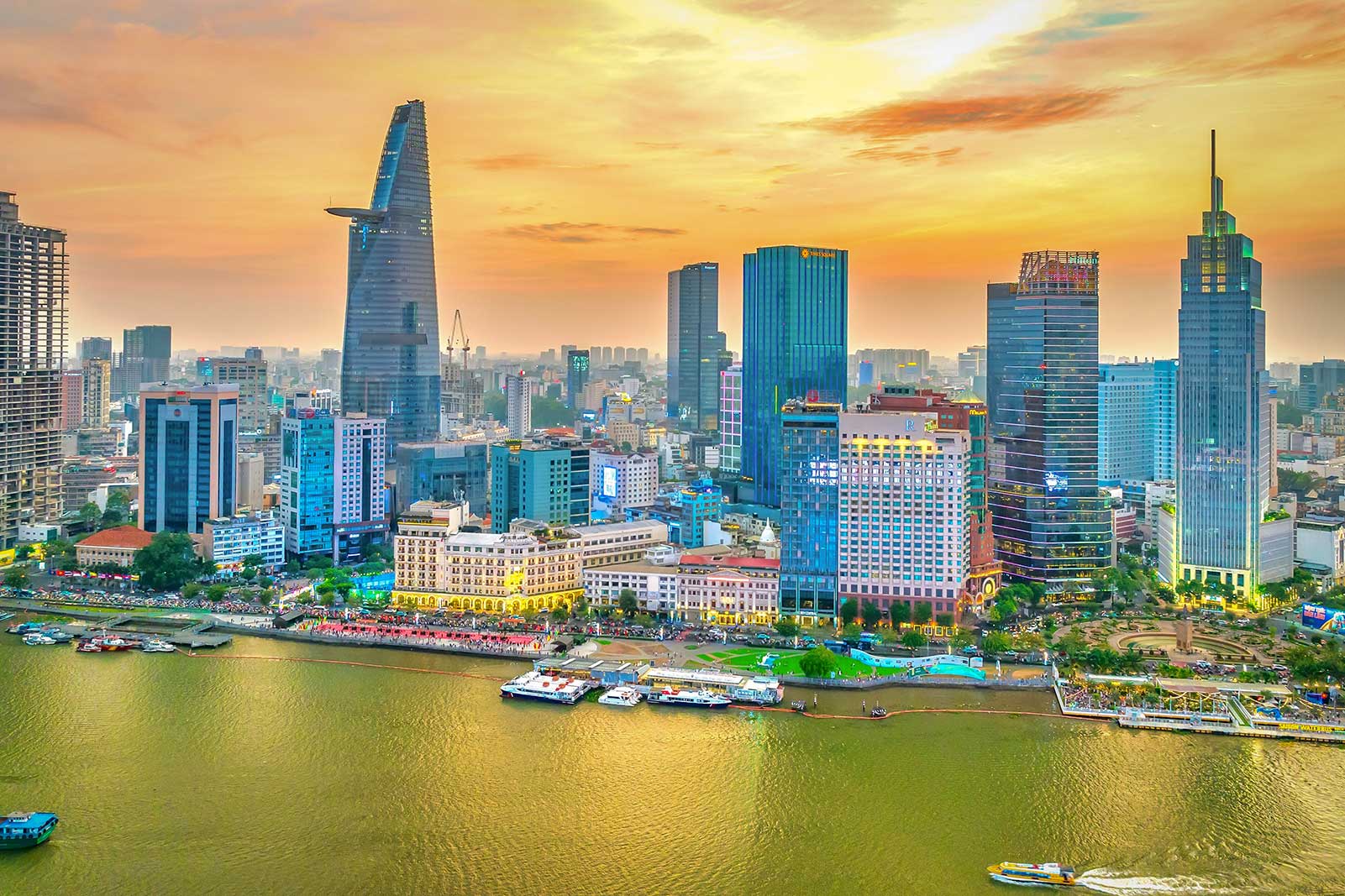
Almost everything visitors come for sits in District 1, the compact central district, which makes it easy to explore on foot or by short Grab rides. In mid-2025 the city expanded dramatically, absorbing the neighbouring provinces of Binh Duong and Ba Ria-Vung Tau to become a single megacity, but for travelers the centre is unchanged — the main practical effect is that the beach town of Vung Tau is now technically part of Ho Chi Minh City.
Best things to do in Ho Chi Minh City
The list below runs from the war history and colonial architecture through the food, nightlife and markets to the temples, river and coffee scene, with honest notes on what’s worth your time. Most sit in District 1; a few are a short ride out, and the bigger trips have their own section after the list.
1. Visit the Cu Chi Tunnels
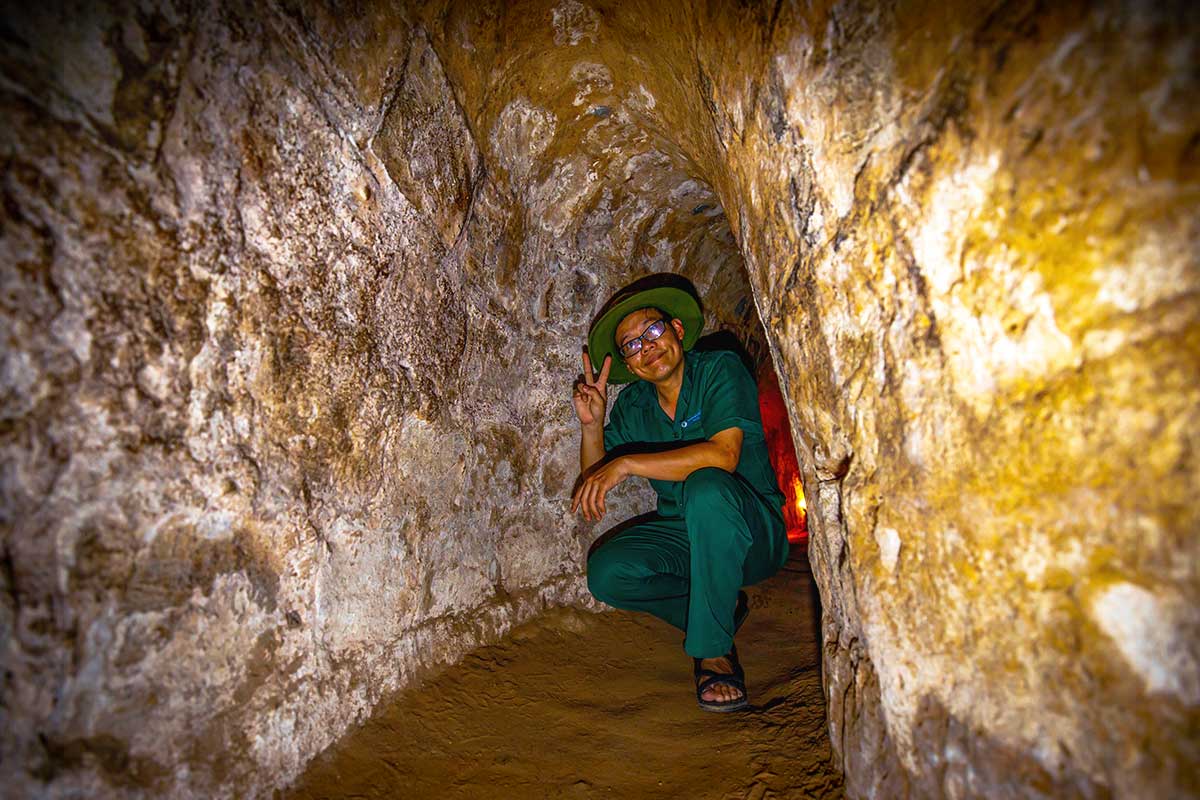
The Cu Chi Tunnels are the most popular day trip from the city and one of the most memorable things to do in Ho Chi Minh City — a vast network of underground tunnels about 1.5 hours northwest, dug by the Viet Cong during the war.
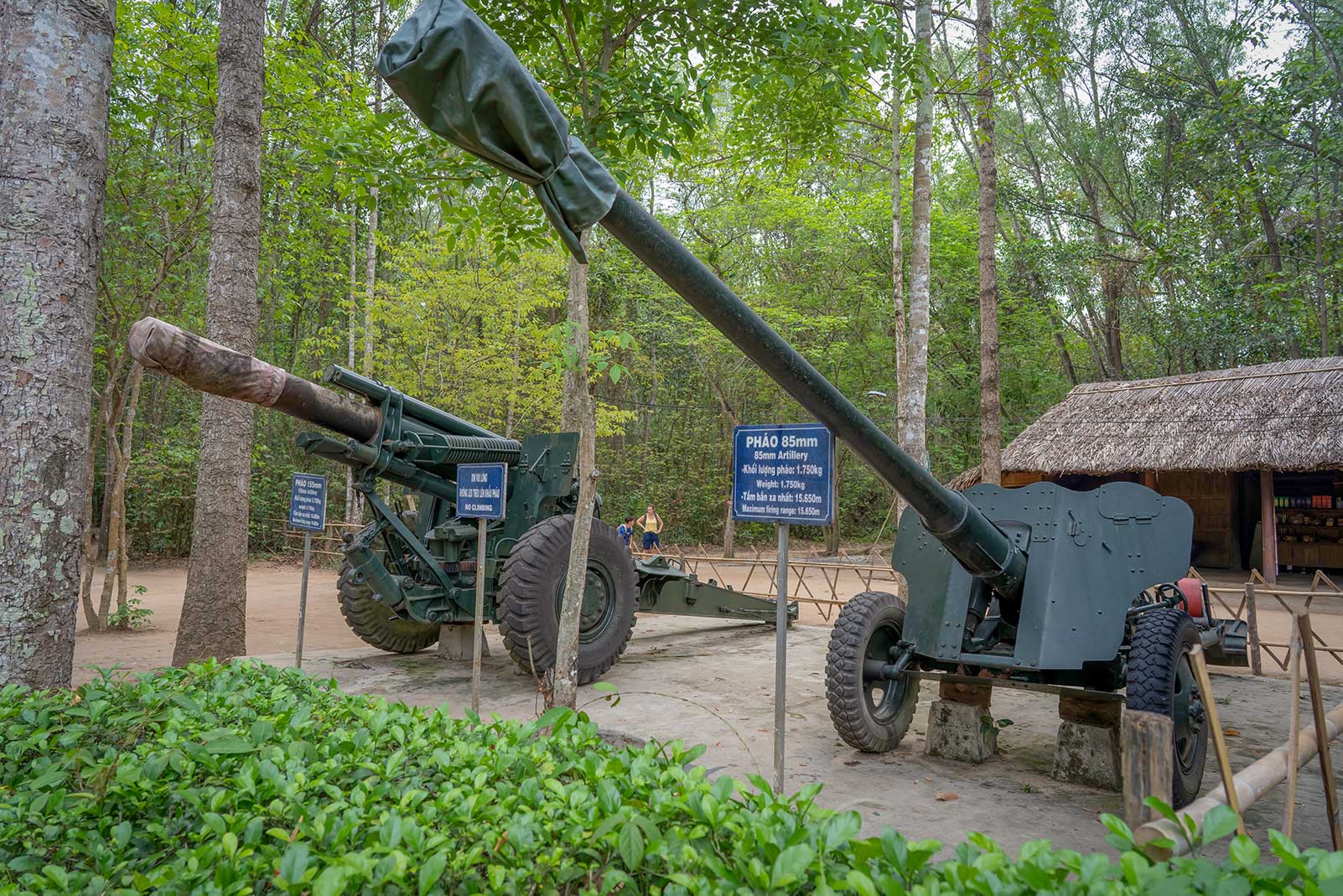
You can crawl through a widened section to get a sense of the cramped conditions, see the disguised trap doors and brutal booby traps, look over abandoned tanks, and fire period weapons at an on-site range for an extra fee. It’s fascinating but tight and hot underground, so it’s not for the claustrophobic. Go early to beat the heat and the crowds; a half-day guided trip is the easiest way to do it.
2. See the War Remnants Museum
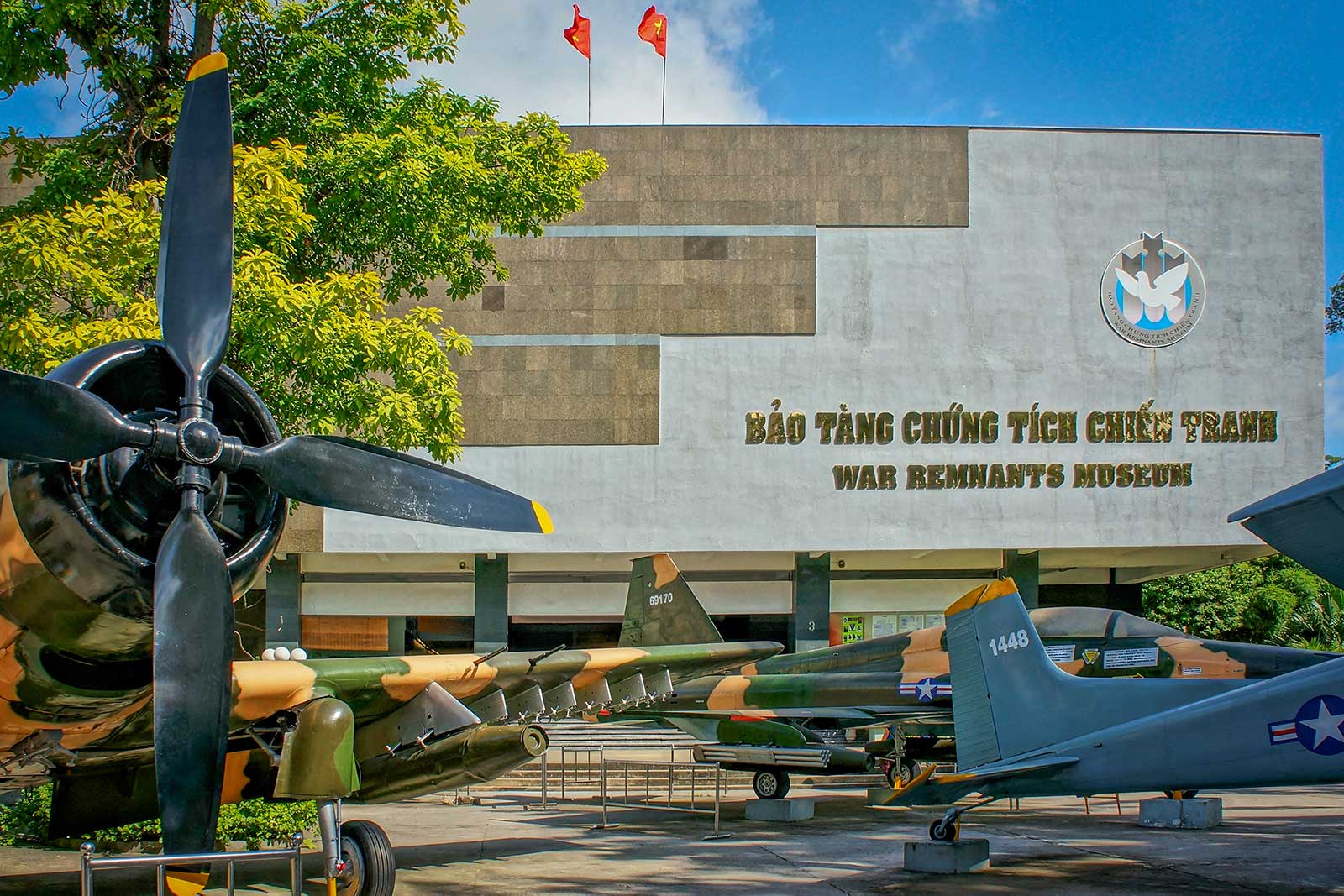
The War Remnants Museum is the most powerful museum in Vietnam and, for many, the single most important thing to do in the city. It lays out the human cost of the war through stark photography and exhibits, including harrowing sections on Agent Orange and its lasting effects, with tanks, a helicopter and a fighter jet in the courtyard outside. It pulls no punches and presents events from the Vietnamese side, so go in expecting something heavy rather than balanced — it’s confronting, and some exhibits are genuinely distressing. Allow a couple of hours, and pair it with the Reunification Palace nearby.
3. Admire the French colonial buildings
Saigon’s centre is dotted with grand buildings from the French colonial era, now standing among the glass towers — and the cluster in District 1 is easy to see on foot in an hour or two. The pick of them:
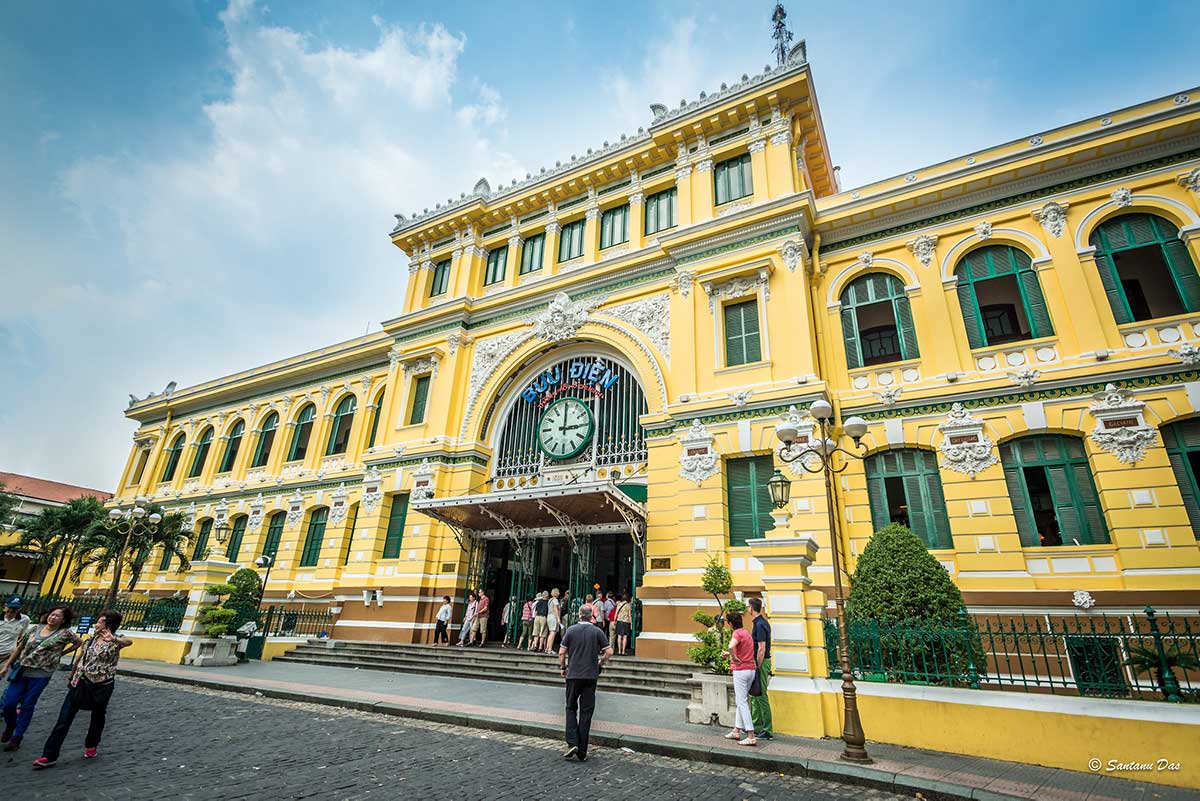
- The Saigon Central Post Office, a beautiful 1890s hall often credited to the Eiffel company, still working as a post office — you can send a postcard from here.
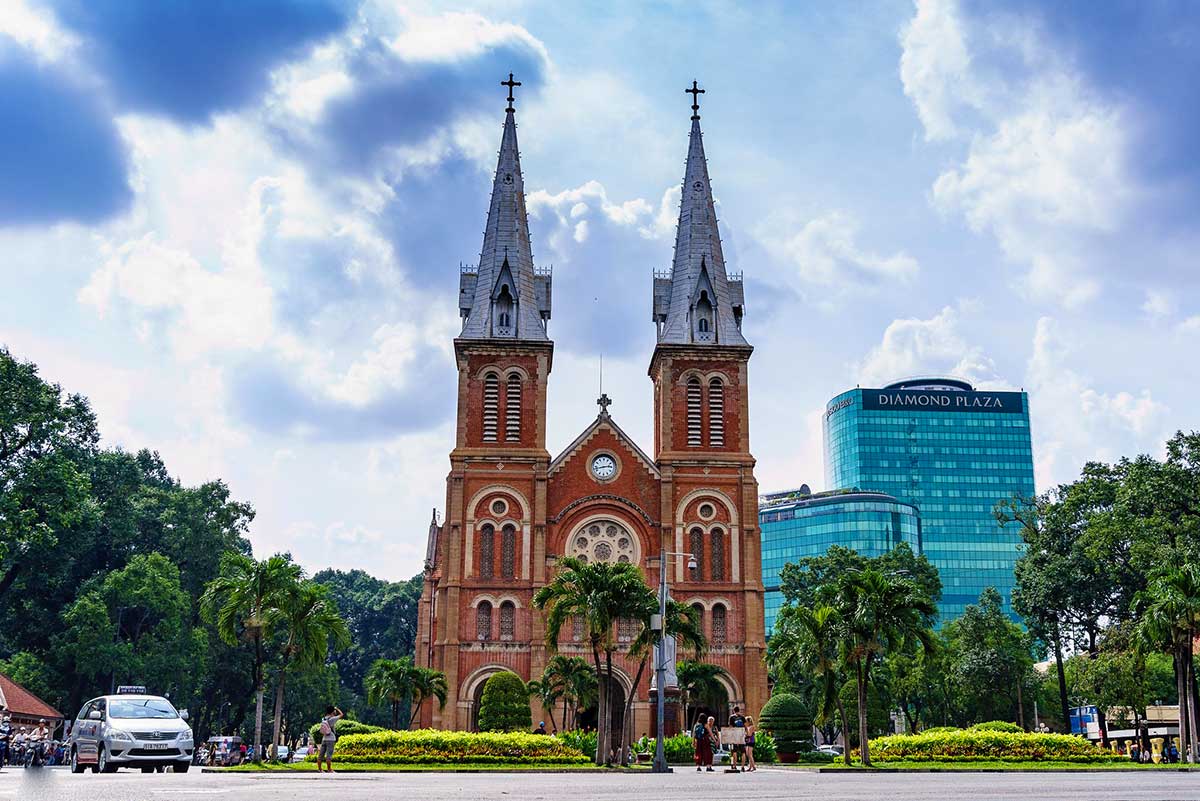
- The Notre-Dame Cathedral opposite, built in the 1880s from imported French brick (note it’s been under restoration and partly screened off).
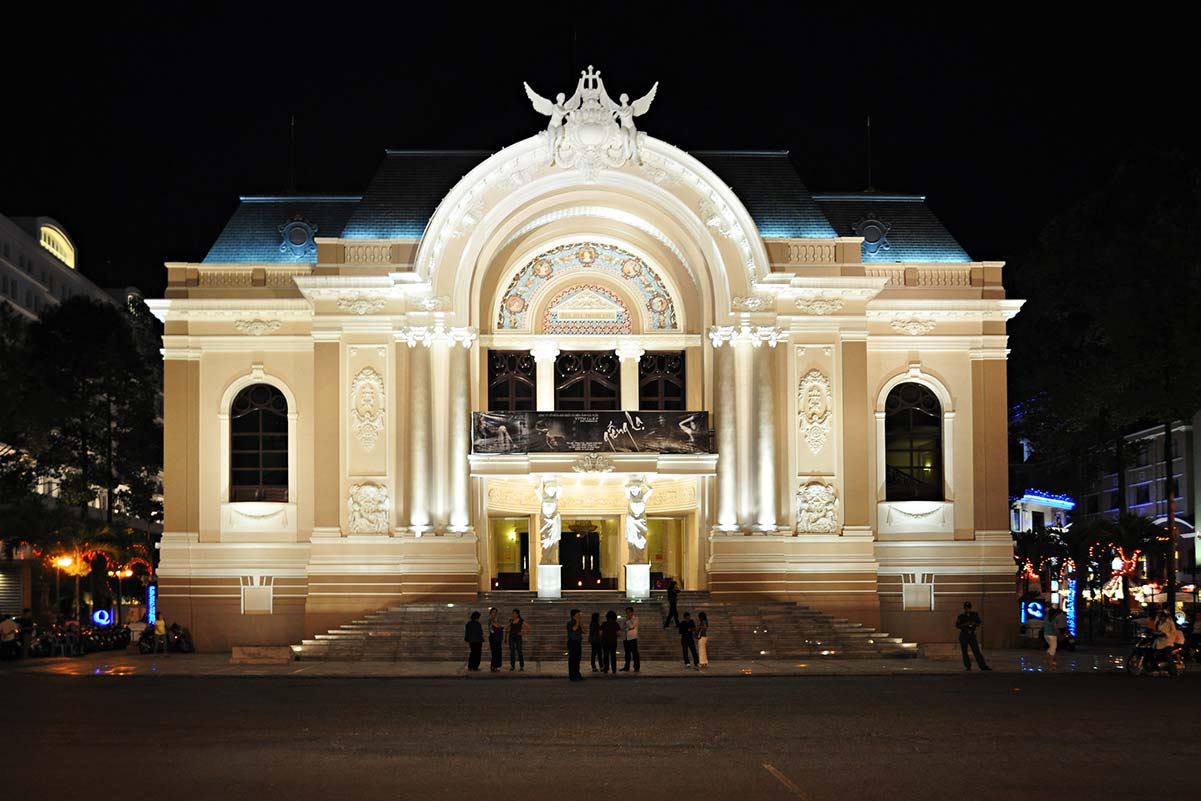
- The Saigon Opera House, a graceful 1900 theatre that still stages shows, including the popular A O Show.
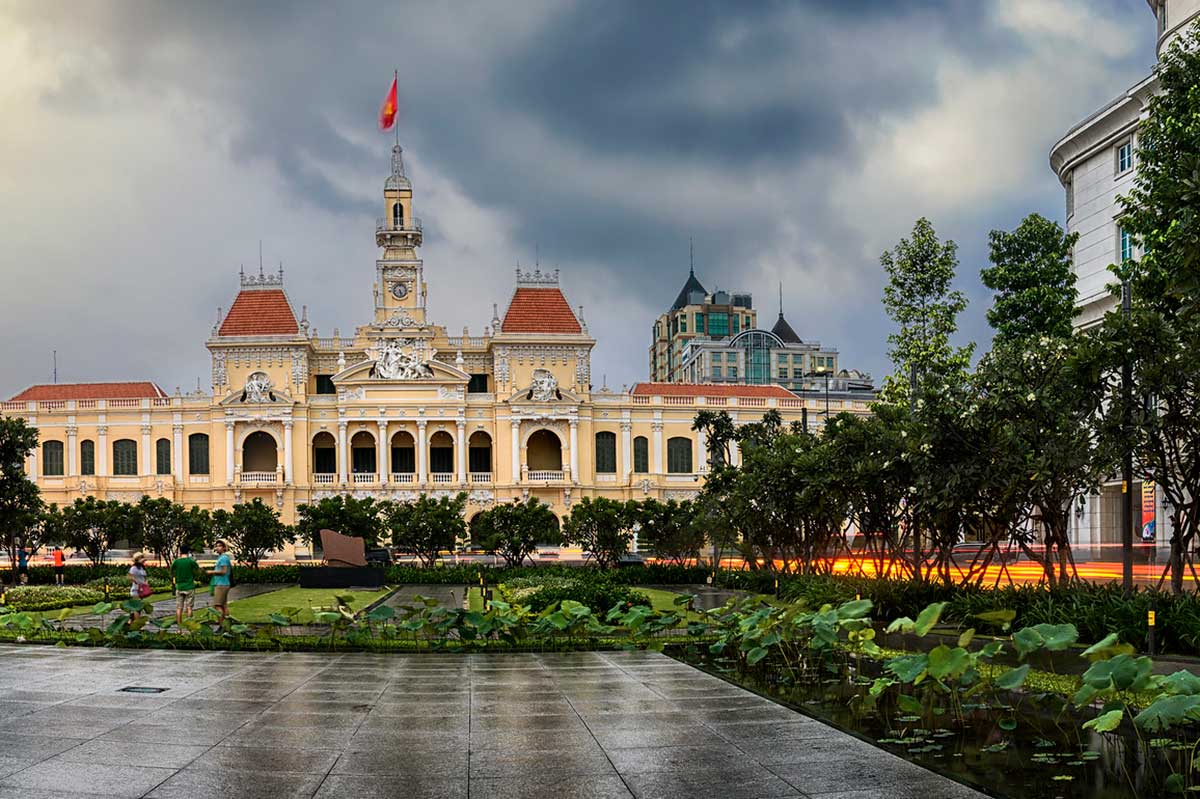
- The People’s Committee building, the floodlit former town hall at the top of Nguyen Hue (admired from outside only).
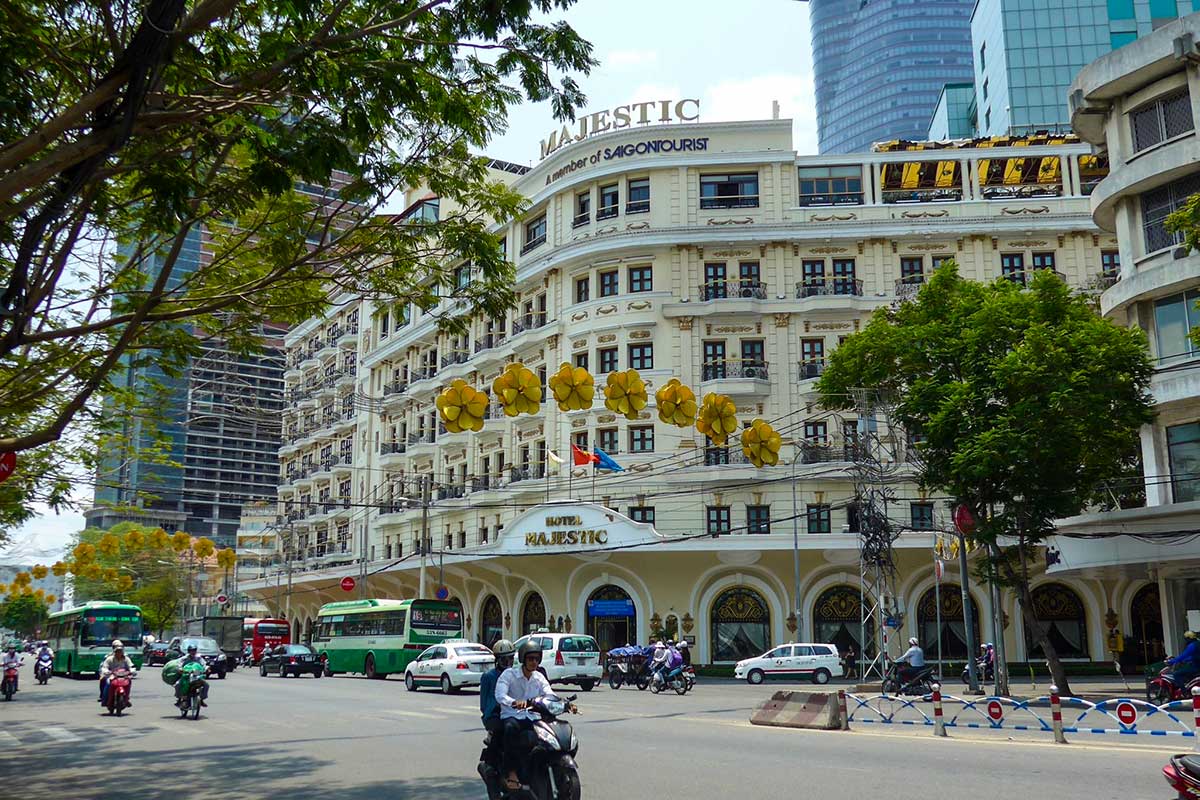
- A few grand old hotels add to the picture — the Hotel Continental, the Rex with its rooftop bar, and the Grand — all worth a look as you pass. For the full set, see our guide to the historic colonial buildings of Saigon.
4. Take a street food tour by motorbike
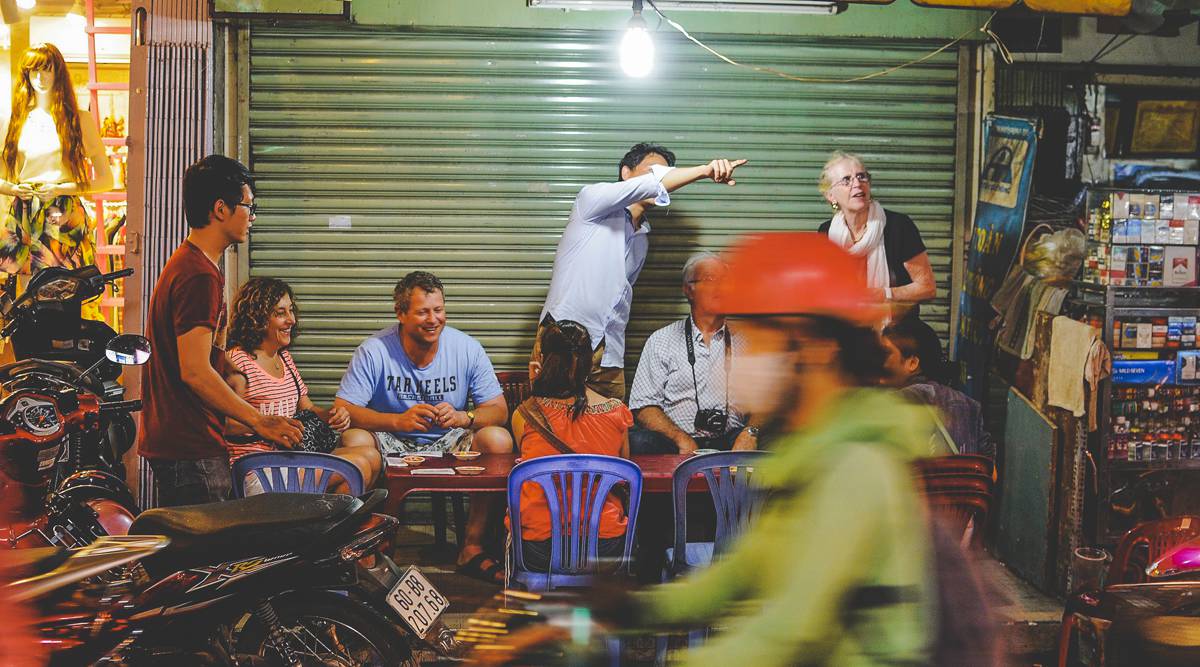
Saigon is arguably the best place to eat in Vietnam, drawing dishes from every region, and the best way into it is a street food tour — ideally on the back of a local guide’s motorbike. Riding pillion through the evening traffic to a string of family stalls you’d never find alone, eating where locals eat, is one of the most memorable things to do in the city, and the bike turns the meal into an adventure in its own right. Guides take you to spots across different neighbourhoods, explain what you’re eating, and handle the ordering. There are vegan and vegetarian versions too if you’d rather not eat meat.
5. Experience the nightlife

Ho Chi Minh City has the best and most varied nightlife in Vietnam, and there’s a version of it for everyone. The rowdy heart is Bui Vien, the backpacker “walking street” packed with cheap bars, neon and street-side plastic stools — fun, loud and very touristy.
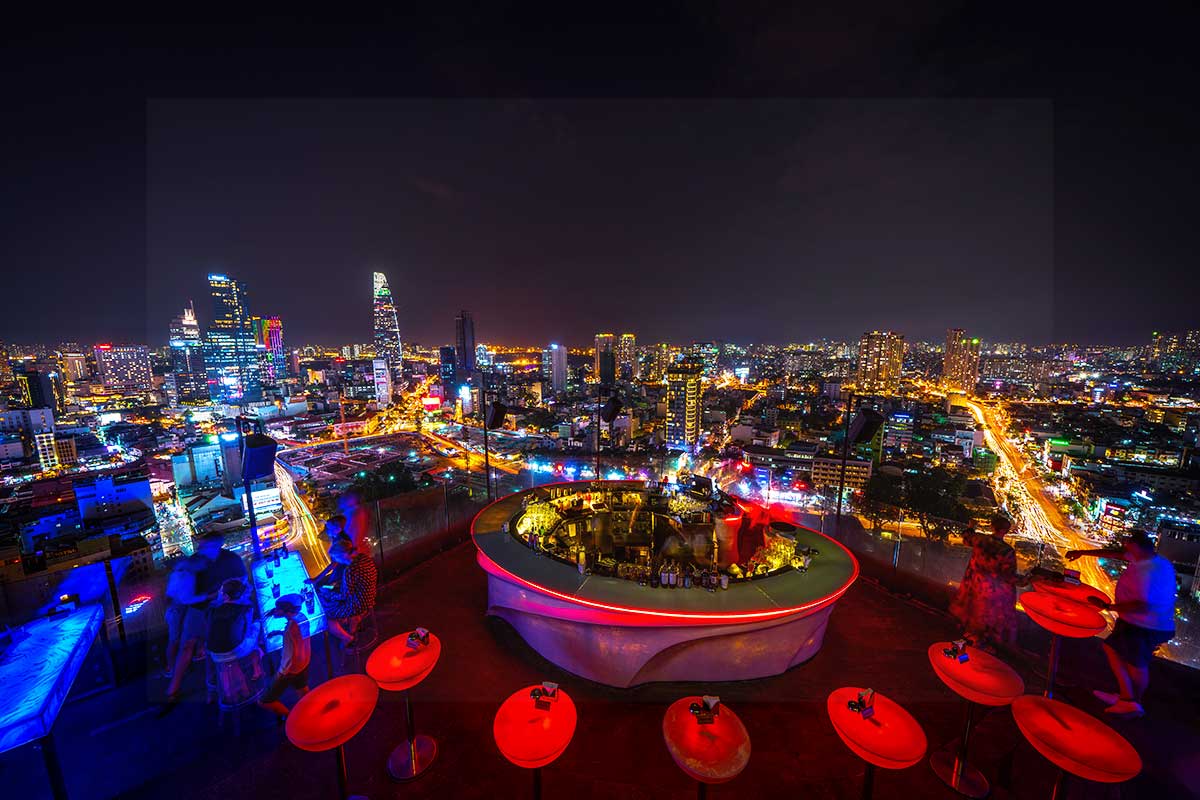
For something smarter, the city’s rooftop bars serve cocktails with skyline views, while hidden speakeasies and craft-cocktail bars have taken off in recent years. There are also low-key live-music bars, clubs running everything from EDM to jazz, and the local favourite: cheap fresh beer on plastic chairs at a street-corner “bia hoi.” For the full rundown, see our guide to nightlife in Ho Chi Minh City.
6. Tour the Reunification Palace
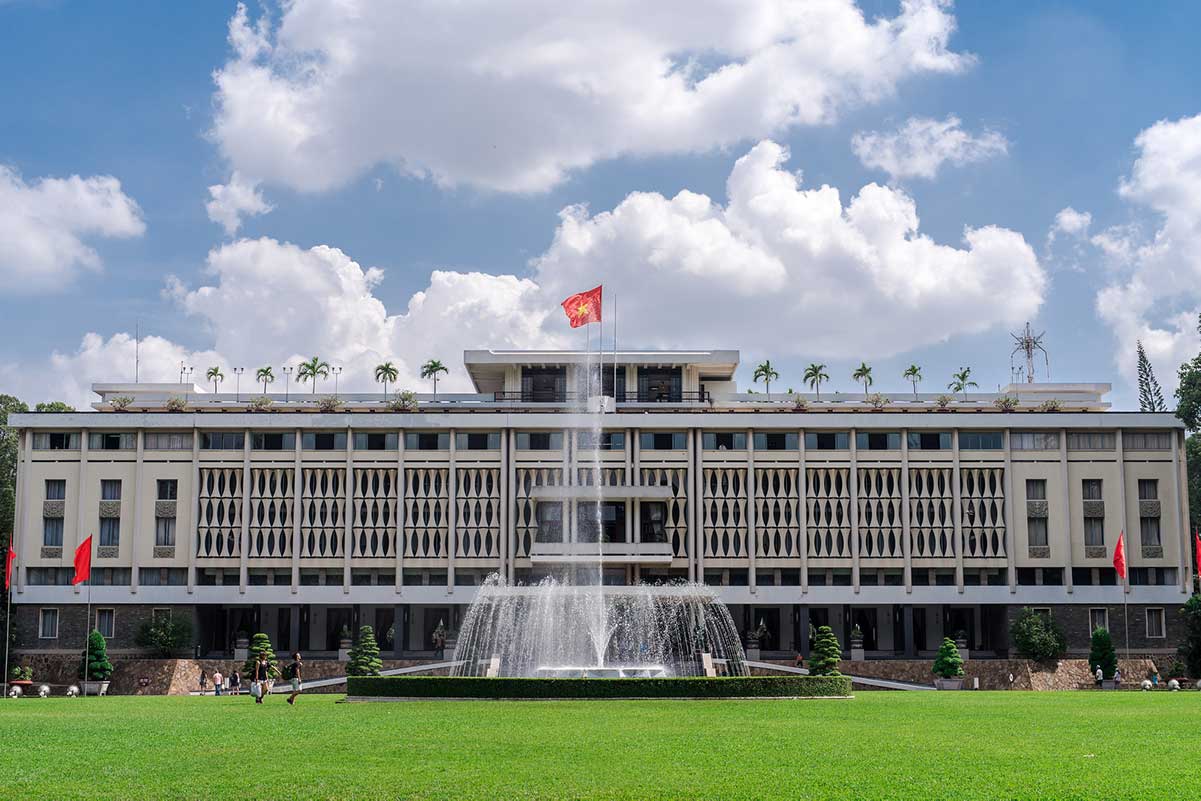
The Reunification Palace is the preserved 1960s palace that served as South Vietnam’s seat of power, and it became the symbolic end of the war when a North Vietnamese tank crashed through its gates in April 1975. It’s a time capsule: the rooms, war command bunker, communication centre and period furnishings sit much as they were left, all retro telephones and map-lined walls. It’s an interesting, low-key visit that makes a natural pair with the War Remnants Museum close by. There’s an entry fee, and an audio guide is worth it to make sense of the rooms.
7. Get a view from a skyscraper
For the scale of the city, head up one of its towers for a view over the endless rooftops, the river and the traffic far below.
Bitexco Financial Tower
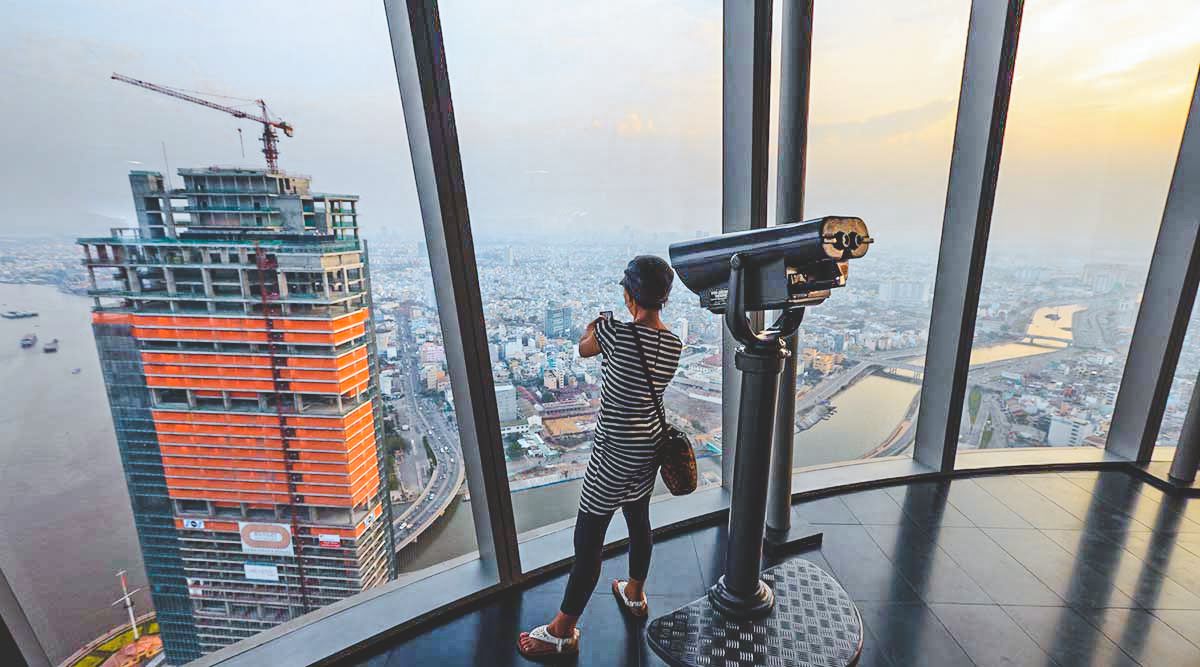
The lotus-shaped Bitexco Financial Tower was the city’s first icon skyscraper, and its Saigon Skydeck on the 49th floor (262 m) sits right in the heart of District 1. It’s no longer the tallest, but its central location arguably gives the more interesting, close-up view over the old centre and the river.
Landmark 81
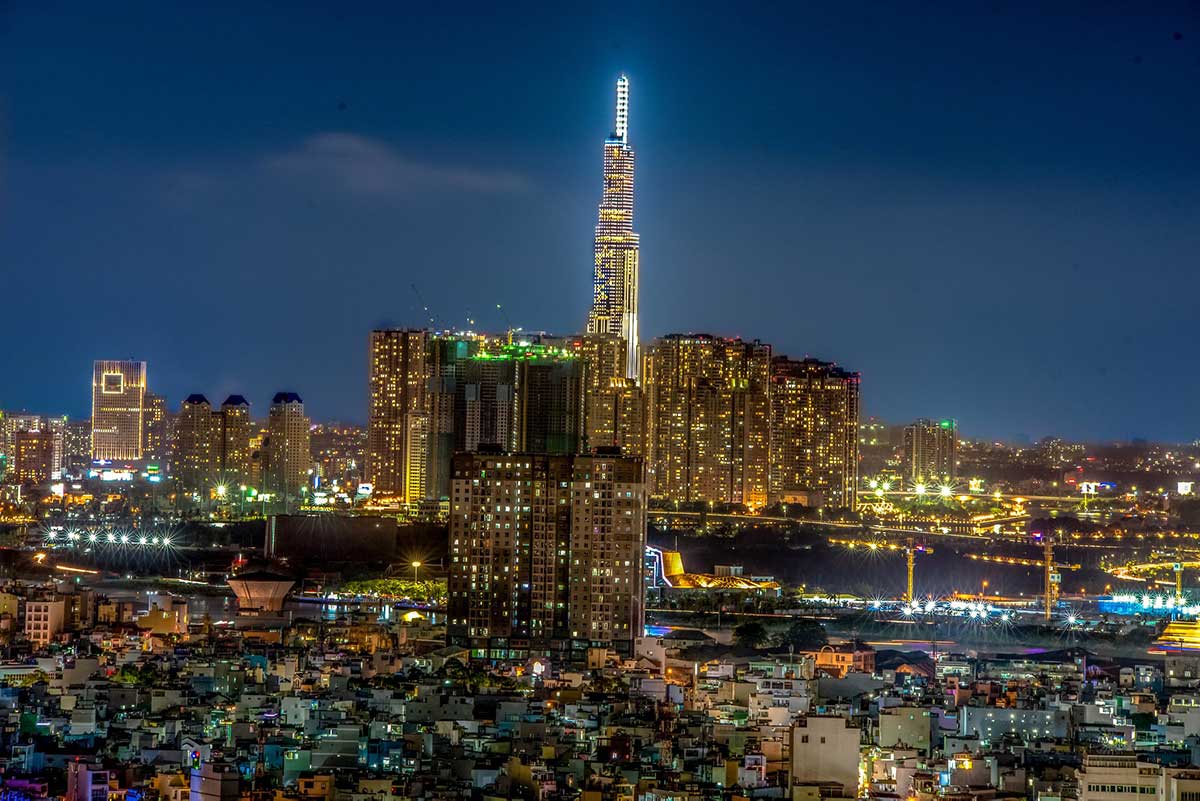
Out by the river in the Binh Thanh area, Landmark 81 is the tallest building in Vietnam, and its SkyView observation deck sits far higher at around 461 m. The view is broader and more distant, and there’s a café up top — a good choice if you want the highest vantage point in the country. Either works well at sunset; pick one rather than doing both.
8. Stroll Nguyen Hue Walking Street
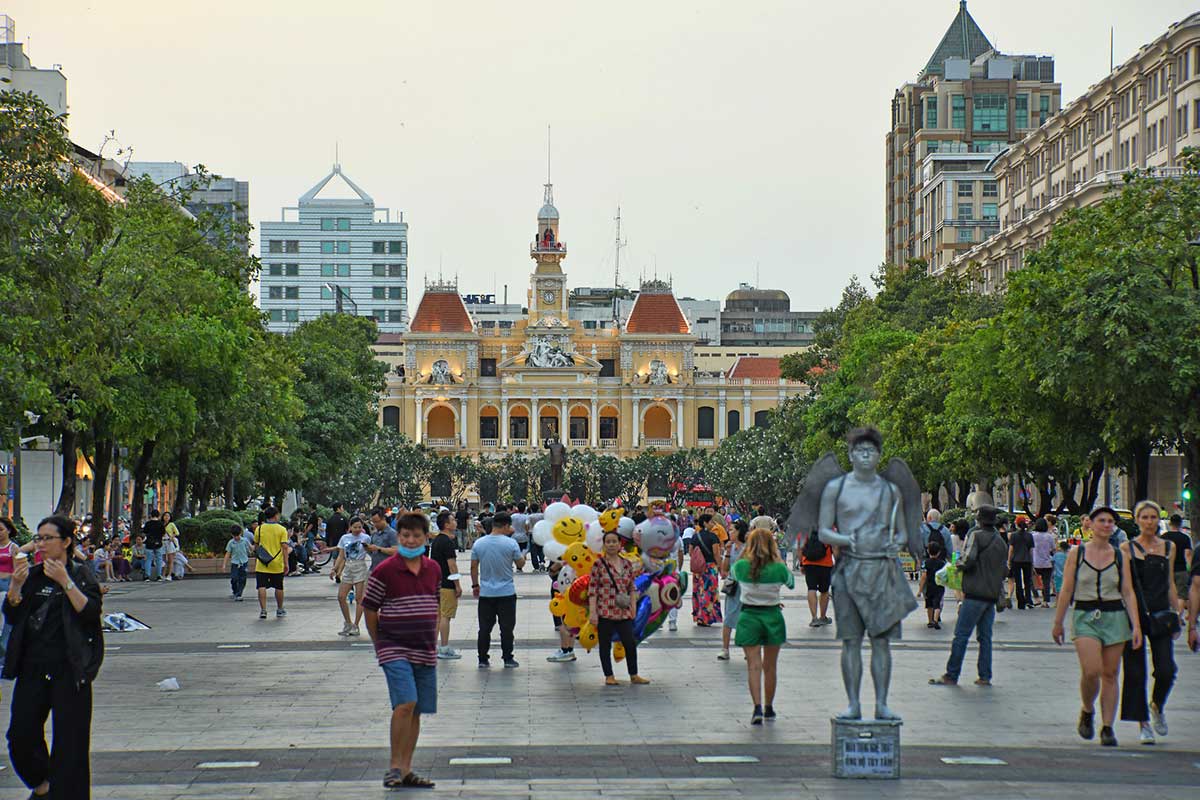
Nguyen Hue Walking Street is a wide pedestrian boulevard running from the People’s Committee building down toward the river, and it’s where the city comes out to play in the evenings — families, street performers, skateboarders and couples filling the square once the heat drops.
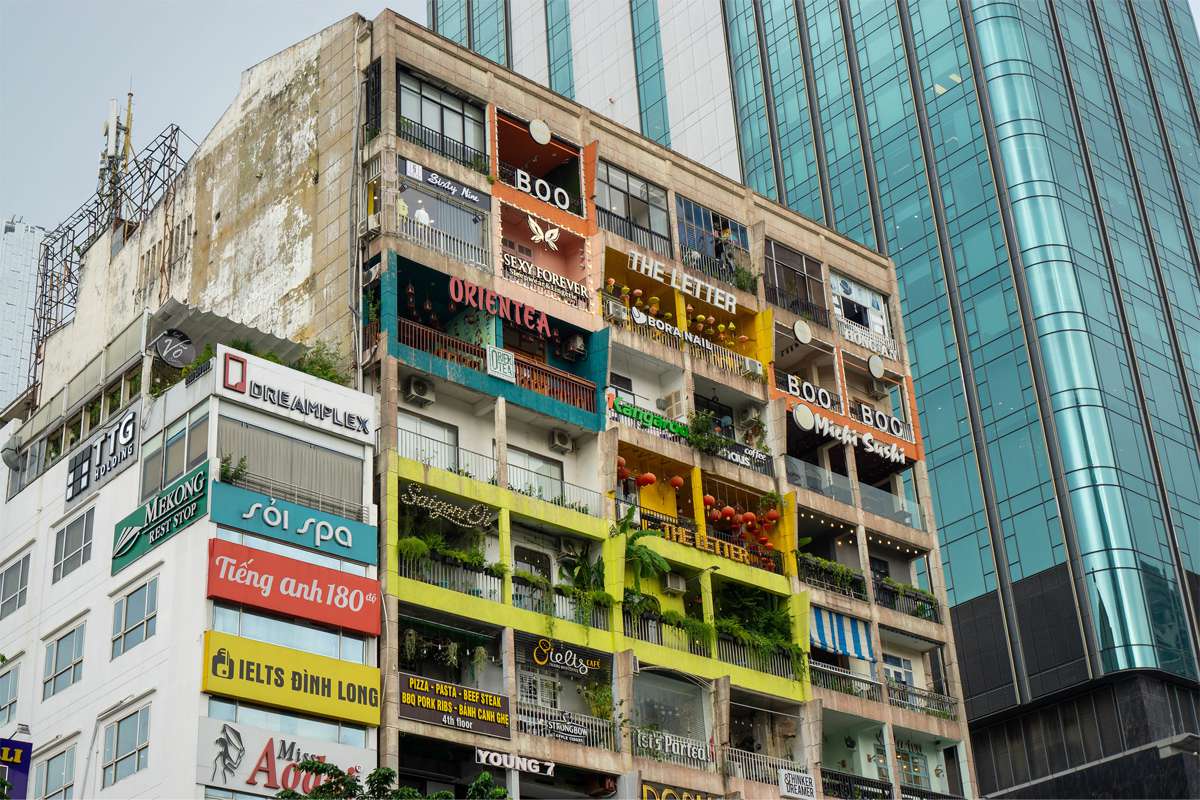
It’s lined with grand old buildings and new towers, and about halfway down stands the famous Café Apartments, an old residential block where nearly every apartment is now a quirky little independent café or shop, stacked up behind one photogenic facade. Come in the evening, and ride the building’s old lift up (for a small fee) to browse the cafés floor by floor.
9. Explore the Ben Thanh markets
The Ben Thanh name covers three different things in the same area, and it’s worth knowing them apart.
Ben Thanh Market

The original Ben Thanh Market is the famous covered market in the centre, a Saigon landmark under its clock-tower entrance. It’s touristy, crowded and pushy, with souvenirs, fabric, coffee and food stalls — fine for a browse and a feel of the place, but expect hard selling and heavy bargaining, and don’t take the first price.
Ben Thanh Night Market
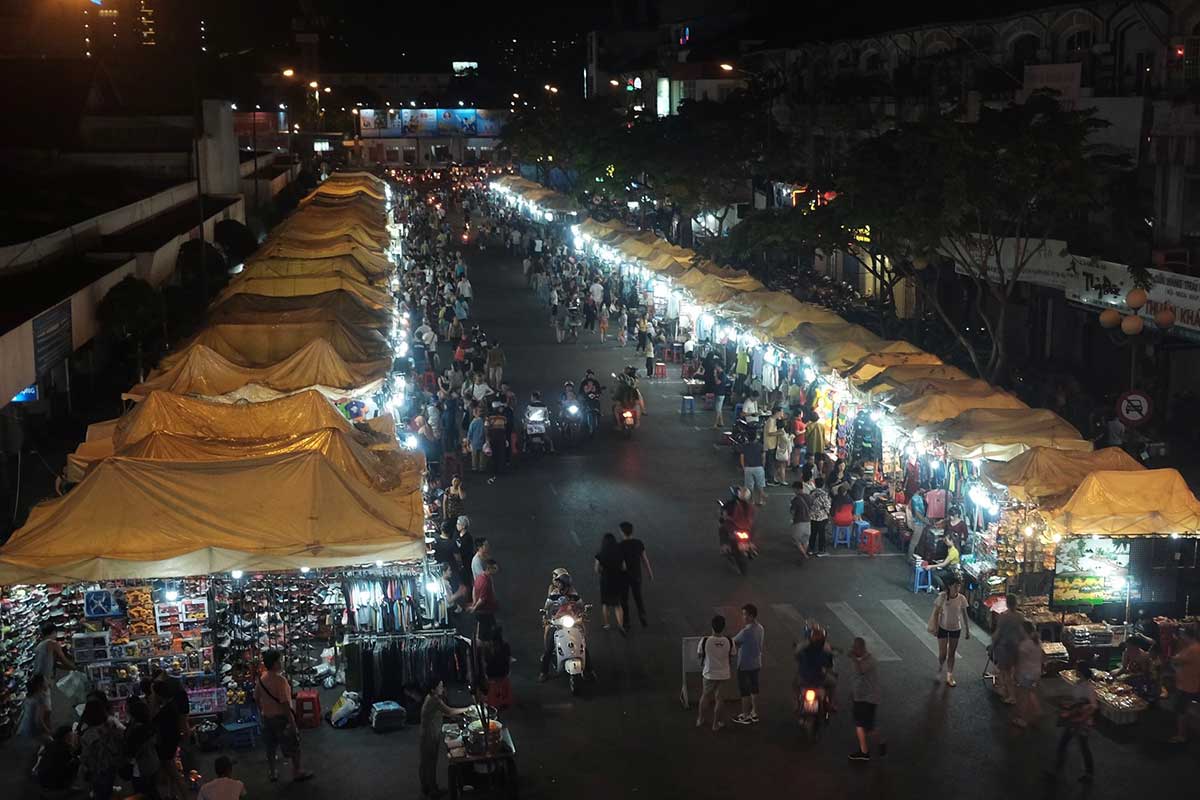
After the main market closes, the Ben Thanh Night Market sets up in the streets around it, with stalls of clothes and souvenirs and rows of open-air seafood and hotpot restaurants. It’s livelier and better for eating than the day market, though still squarely aimed at visitors.
Ben Thanh Street Food Market
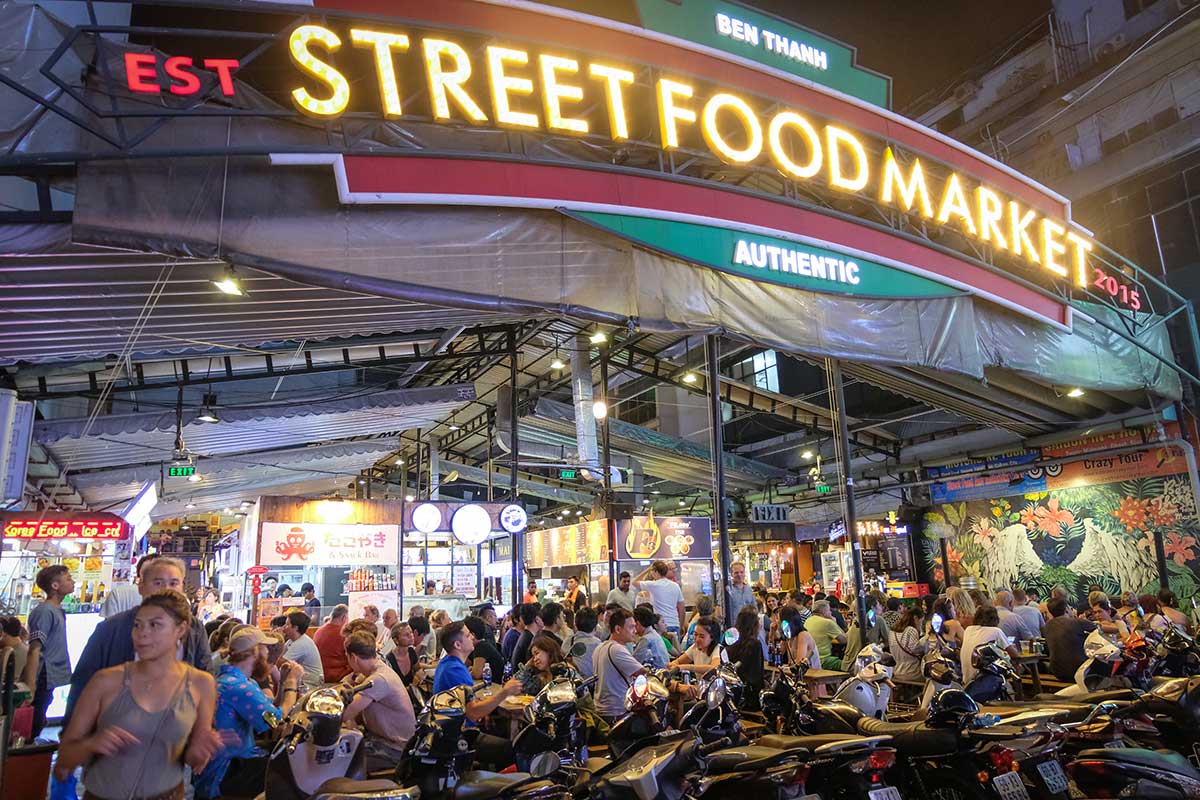
A short walk away, the Ben Thanh Street Food Market is a different thing again — a covered food court of tidy stalls serving Vietnamese and international dishes in one place. It’s clean, easy and good for groups who can’t agree on what to eat, if pricier and less authentic than a street stall.
10. Wander Chinatown (Cho Lon)
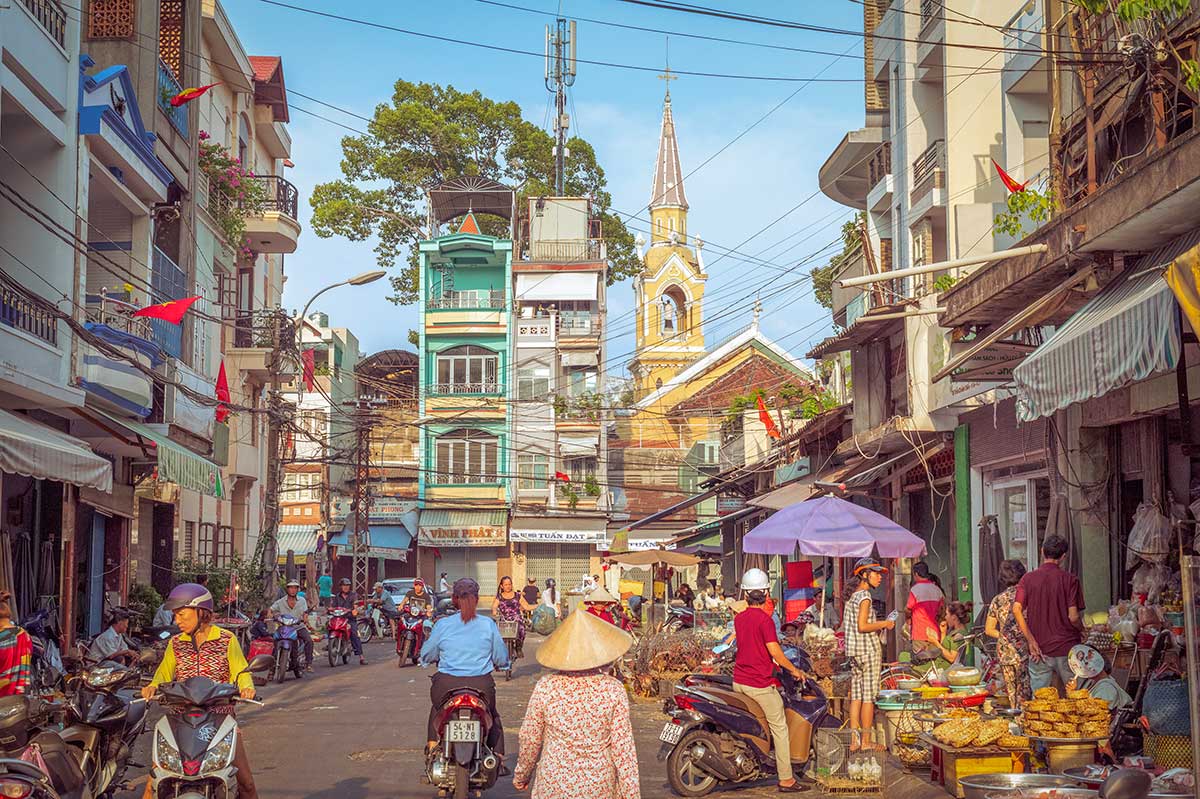
Cho Lon, Saigon’s sprawling Chinatown west of the centre, is one of the most rewarding areas to explore — a denser, older, more working part of the city, full of trading streets, herb shops, temples and Chinese-Vietnamese culture. It’s a Grab ride from District 1 and easy to spend half a day in. The highlights:
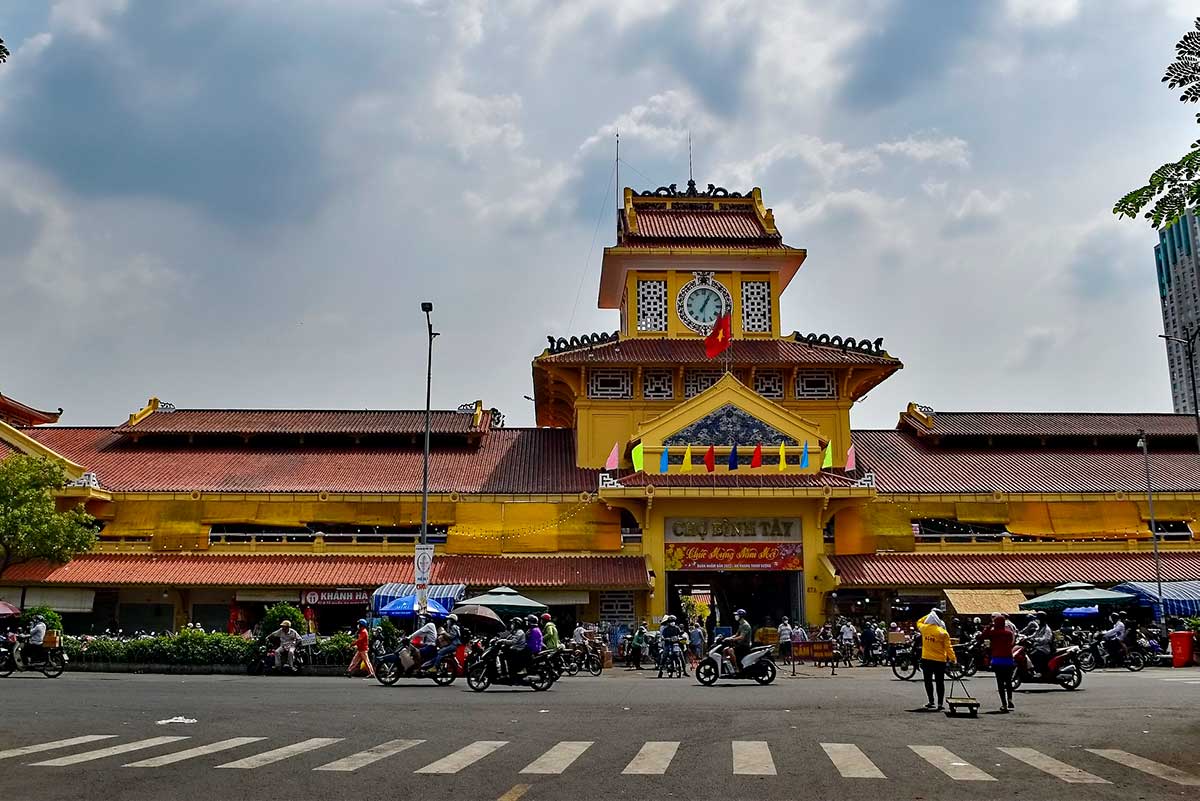
- Binh Tay Market — the grand old wholesale market at the heart of Cho Lon, more local and atmospheric than Ben Thanh.
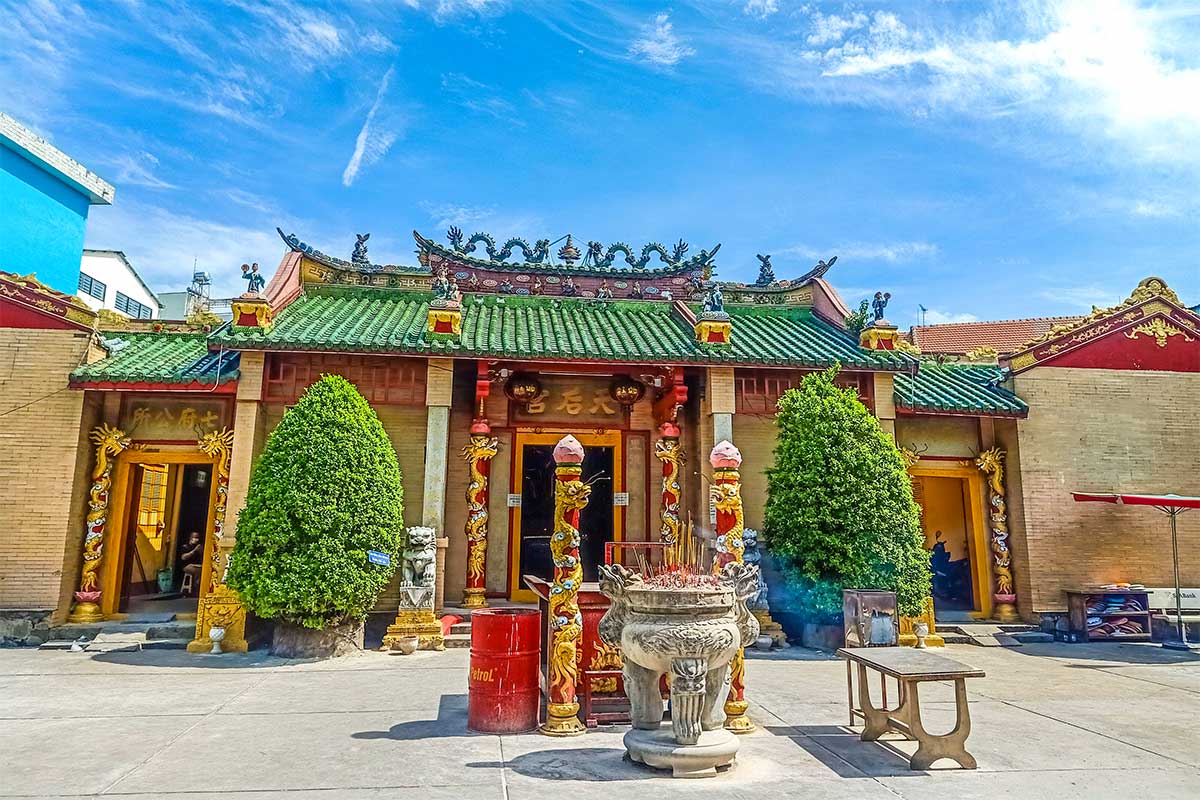
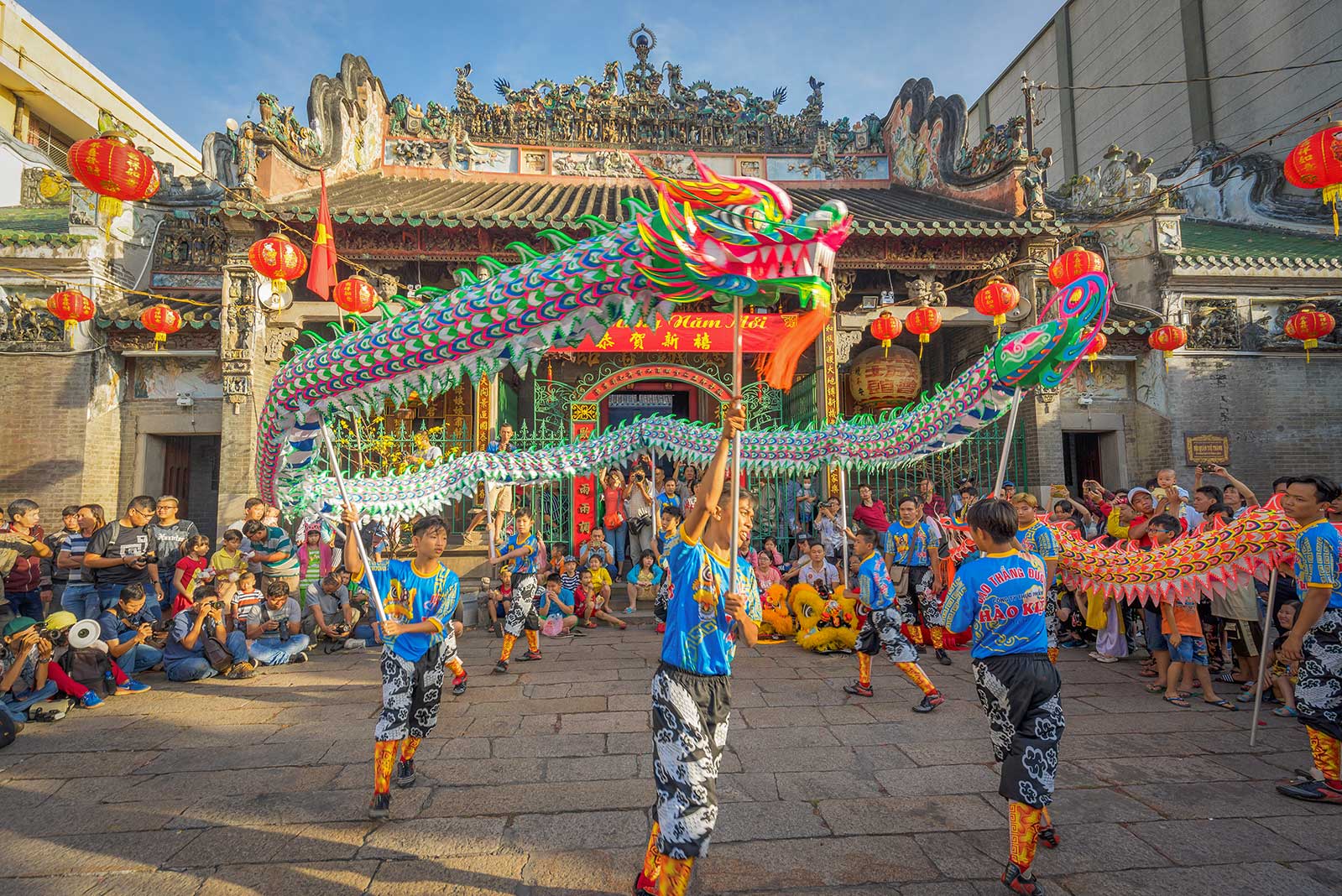
- Thien Hau Pagoda — the area’s most famous temple, dedicated to the sea goddess, with huge hanging incense coils and fine roof carvings.
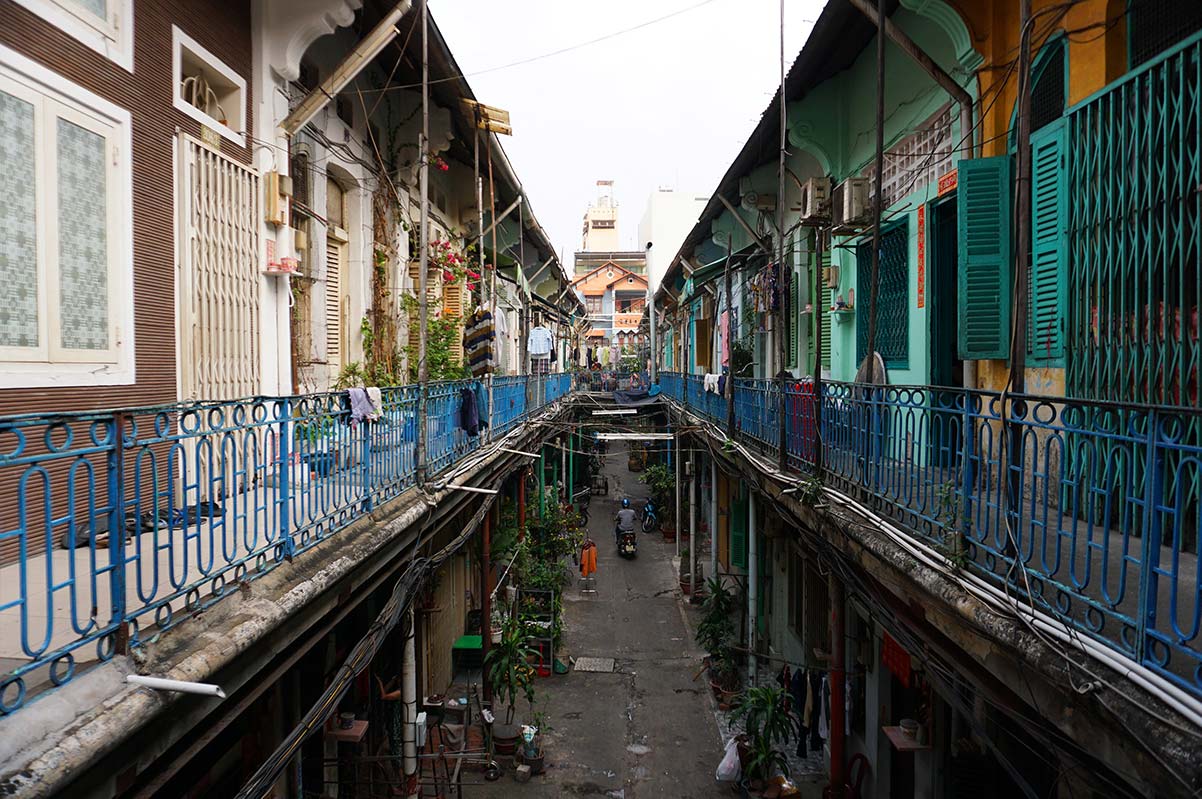
- Hao Si Phuong Alley — a tucked-away old residential courtyard, faded and photogenic, a glimpse of pre-modern Saigon life.
- Quan Am Pagoda — one of the oldest and most ornate temples in the city, thick with incense.
- Lantern Street (Luong Nhu Hoc) — worth a special trip only around the Mid-Autumn Festival, when the lantern-makers’ street lights up; quiet the rest of the year.
11. See the Pink Church (Tan Dinh)
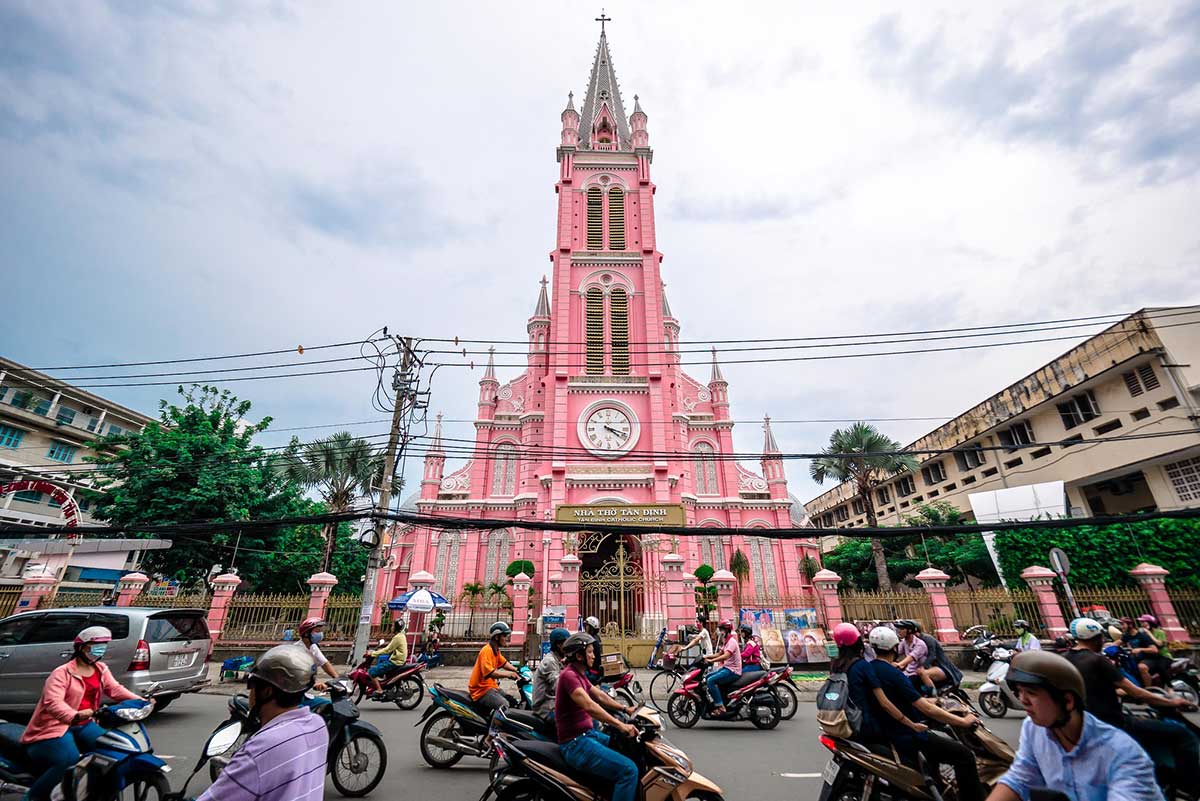
The Tan Dinh Church, known to everyone as the Pink Church, is exactly that — a striking candy-pink Gothic church north of the centre, and one of the most photographed buildings in the city. It’s an active church, so the inside is only open around mass times, but the bubblegum facade is the draw and a quick stop.
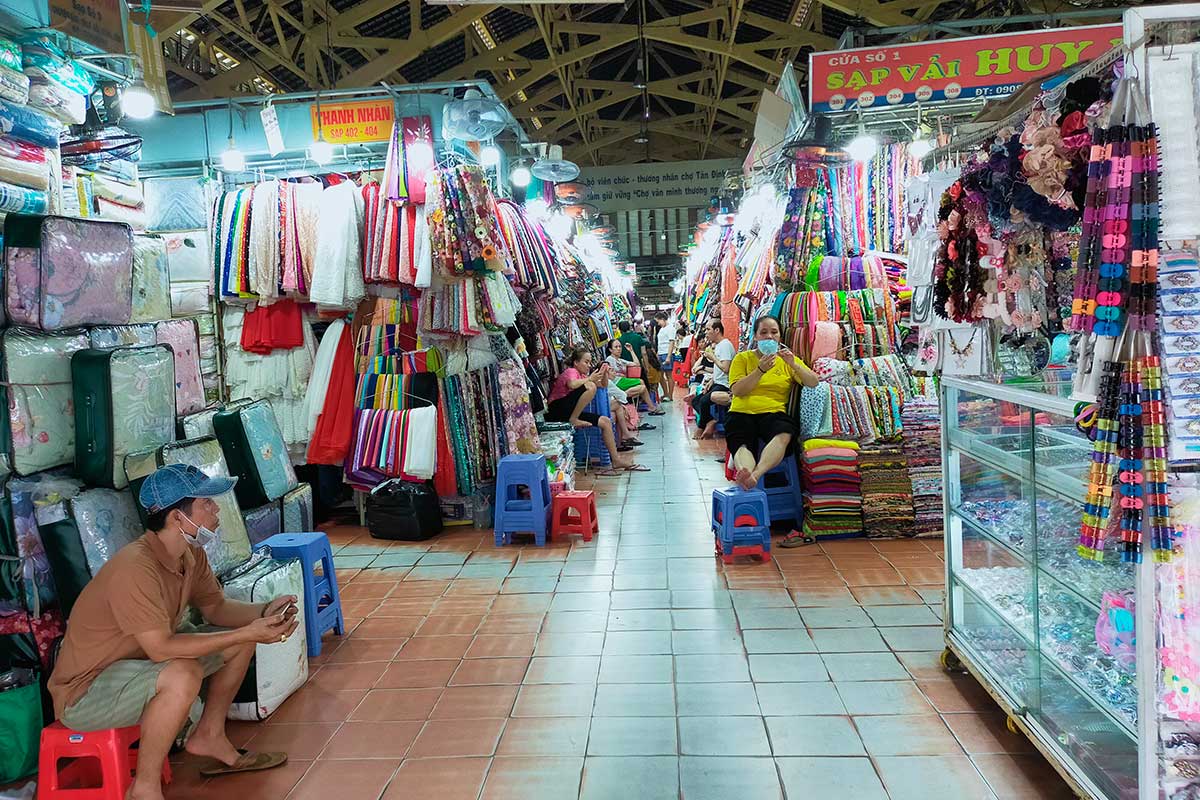
Right beside it, the Tan Dinh Market is a proper working local market — strong on fabric and everyday goods, with almost no tourists — and a good honest contrast to Ben Thanh if you want to see where locals actually shop.
12. Browse the Book Street
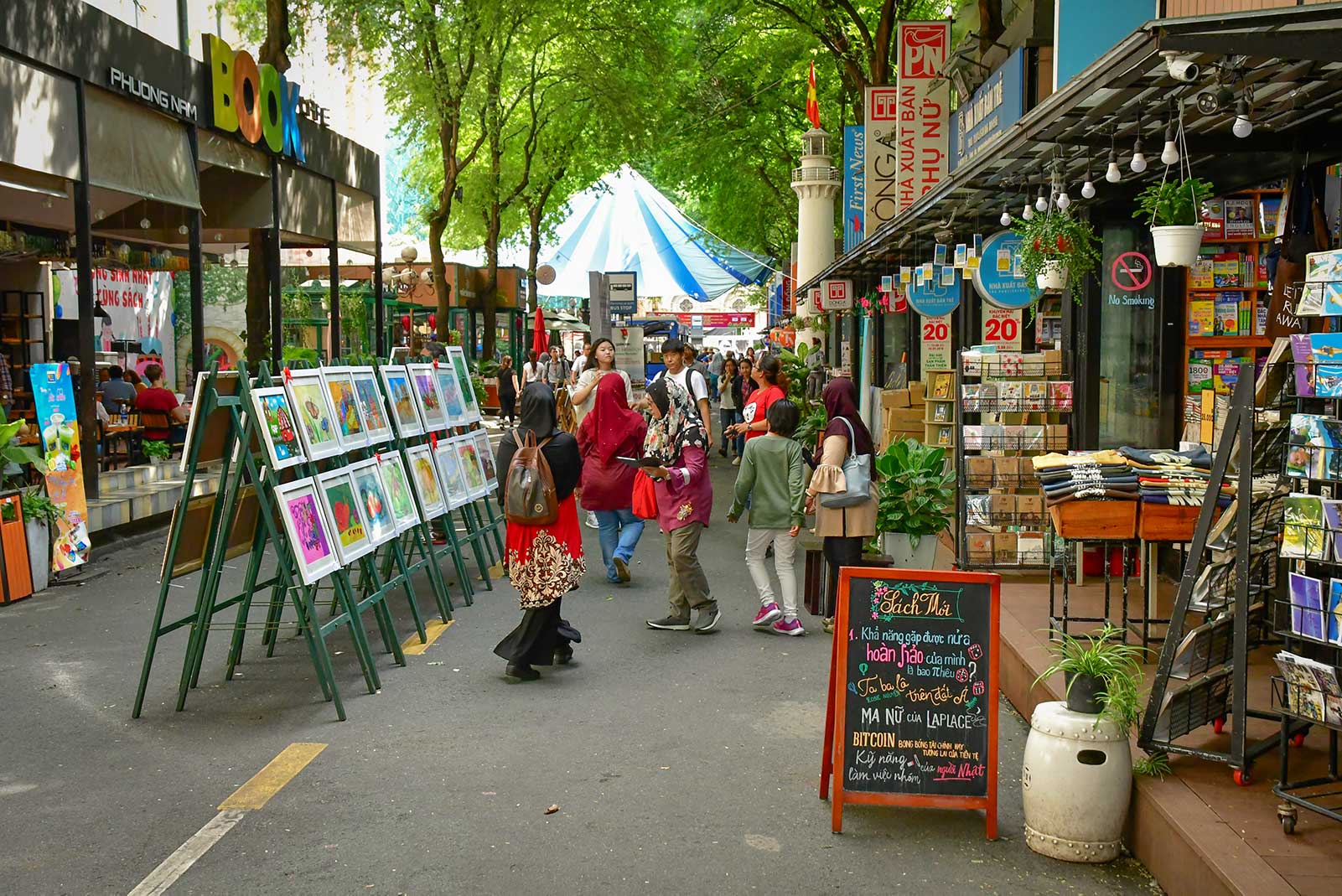
Tucked beside the Notre-Dame Cathedral, the Book Street (Duong Sach) is a small, leafy pedestrian lane lined with bookshops, stalls and cafés. It’s a calm, shady break from the traffic — pleasant for a coffee and a browse, with a decent range of English titles and some good spots for a photo. Not a major sight, but an easy and genuinely nice stop while you’re seeing the colonial buildings nearby.
13. See the Saigon River
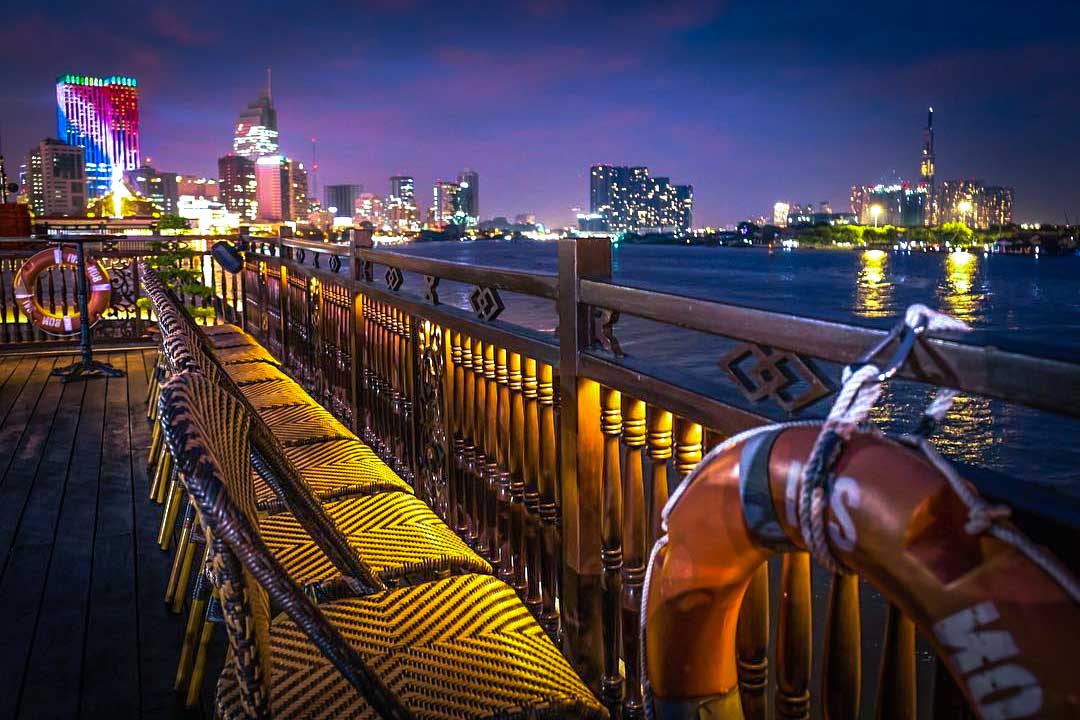
The Saigon River curls right through the city, and there are several ways to enjoy it. The simplest is free: walk the riverfront park at the bottom of Nguyen Hue for the skyline, especially good at dusk. To get out on the water, you can take a dinner cruise, a sunset boat or a speedboat, or — for a few thousand dong and a lot more fun — hop on the Saigon Waterbus, a commuter river boat that runs between central wharves and makes a cheap, breezy way to see the city from the water. Down on the riverfront sits the Dragon Wharf (Nha Rong), the old French customs house where Ho Chi Minh left Vietnam in 1911, now a museum about his life and a notable bit of riverside heritage.
14. Visit the Jade Emperor Pagoda

The Jade Emperor Pagoda is the most atmospheric temple in central Saigon — a small, dark, incense-thick Taoist temple from 1909, crammed with intricate carved-wood statues of deities and a famously crowded room of figurines. It’s still very much a living place of worship rather than a tourist set-piece, which is exactly what makes it worth the short trip north of the centre. It’s free, takes maybe half an hour, and is best in the morning; dress respectfully with shoulders and knees covered.
15. Dig into the local markets
Beyond Ben Thanh, Saigon’s everyday markets are where you see how the city really lives, and they get more local the further out you go. A few worth seeking out:
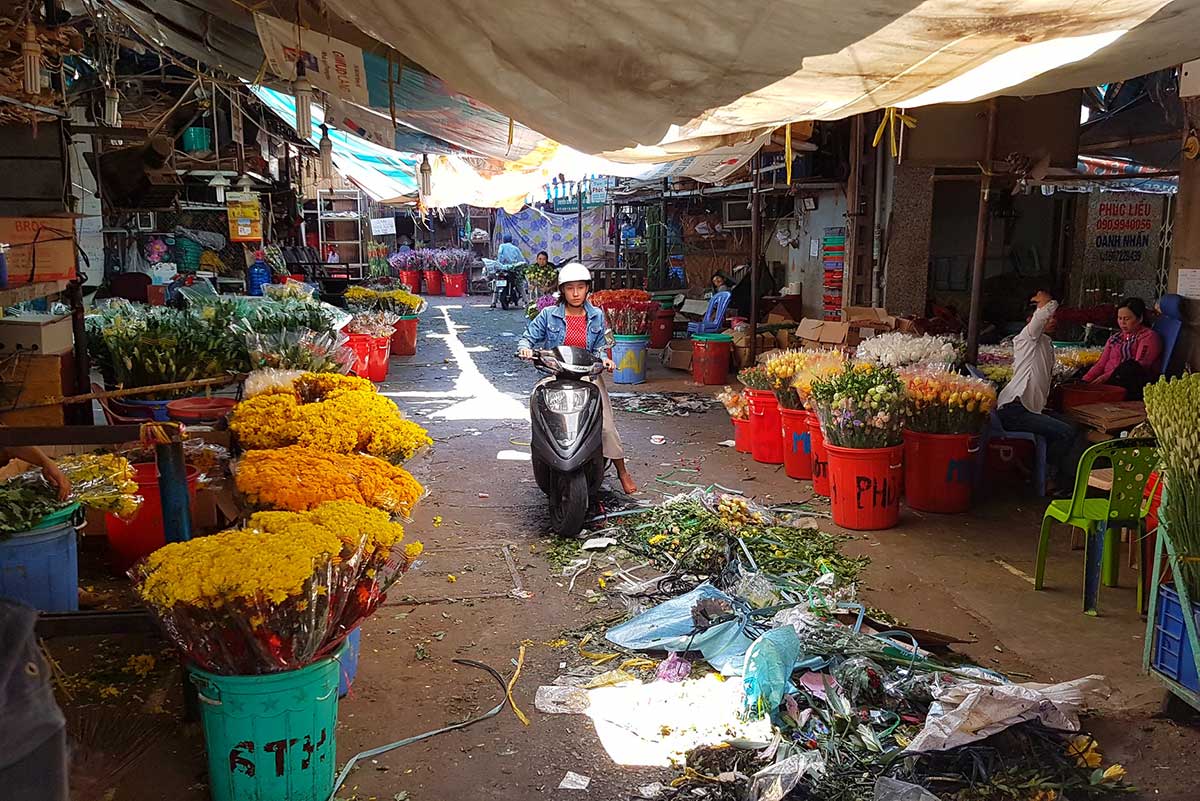
- Ho Thi Ky Flower Market — a dense, colourful flower market that doubles as a buzzing street-food alley after dark.
- Tan Dinh Market — the fabric-and-food market by the Pink Church (above).
- Binh Tay Market — the grand old market in Chinatown (above).
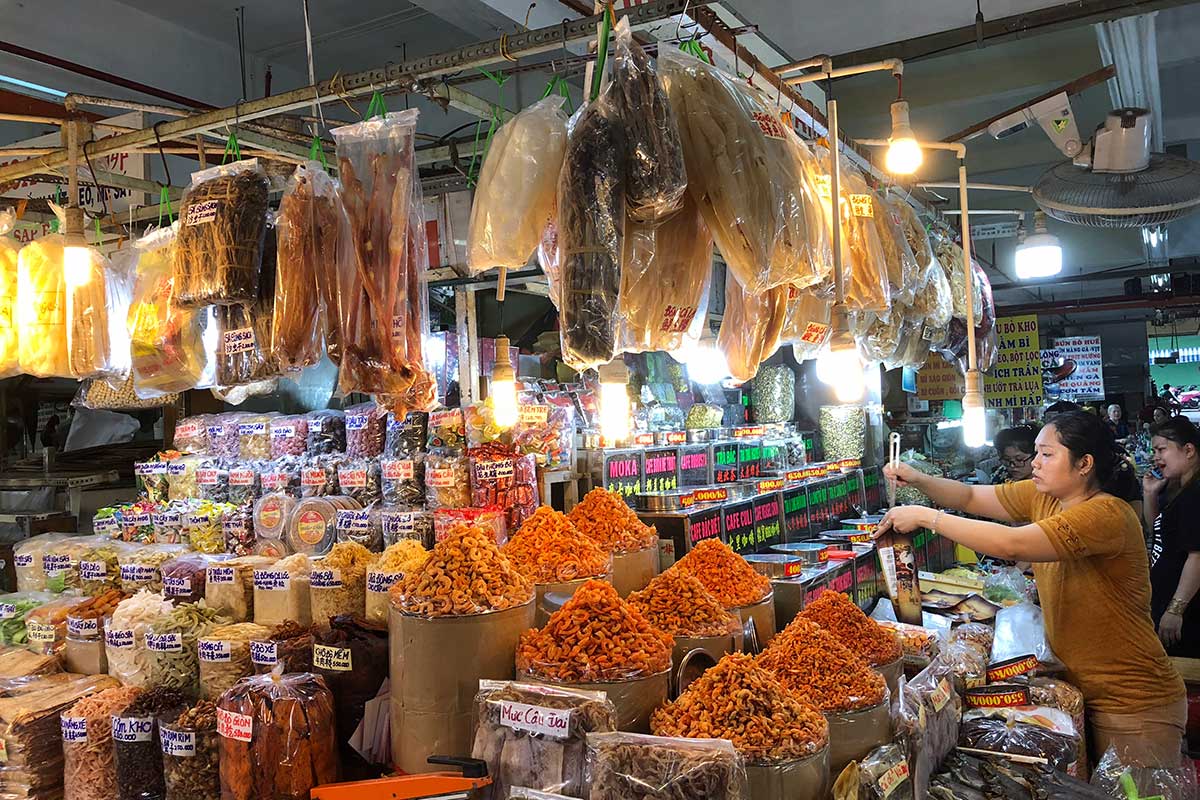
- An Dong Market — a big indoor wholesale market strong on clothes and fabric.
- Dan Sinh Market — the quirky “war surplus” market, good for army-style gear and odds and ends.
For more, including which suit what, see our guide to the best markets in Ho Chi Minh City.
16. Dive into the coffee scene
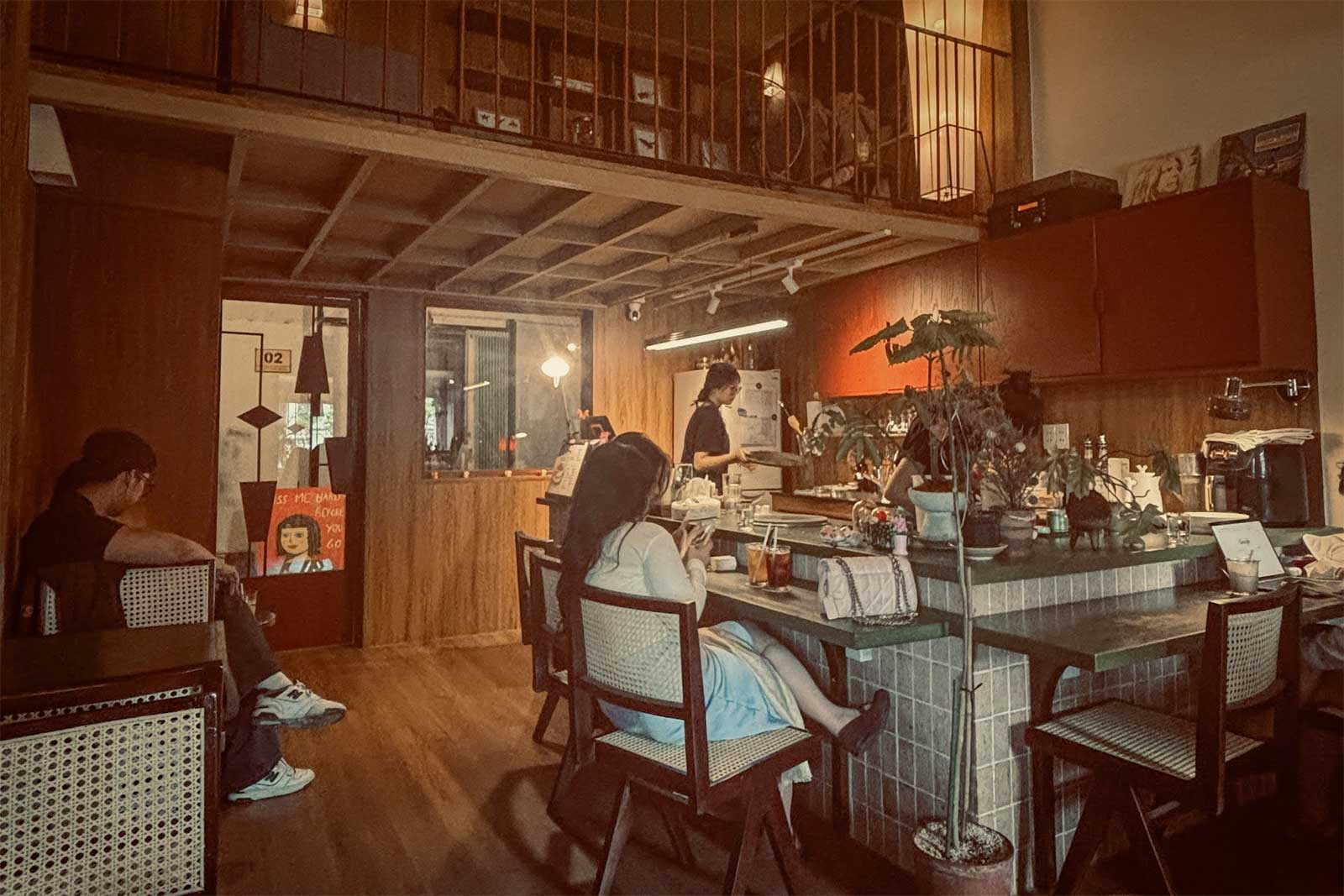
Saigon takes coffee seriously, and exploring its café scene is one of the most enjoyable low-key things to do in the city. Vietnamese coffee is strong and distinctive — the classic is a “ca phe sua da,” thick dark coffee over ice and condensed milk — and you’ll also find the city’s own creations like creamy coconut coffee, plus the famous egg coffee that travelled south from Hanoi.
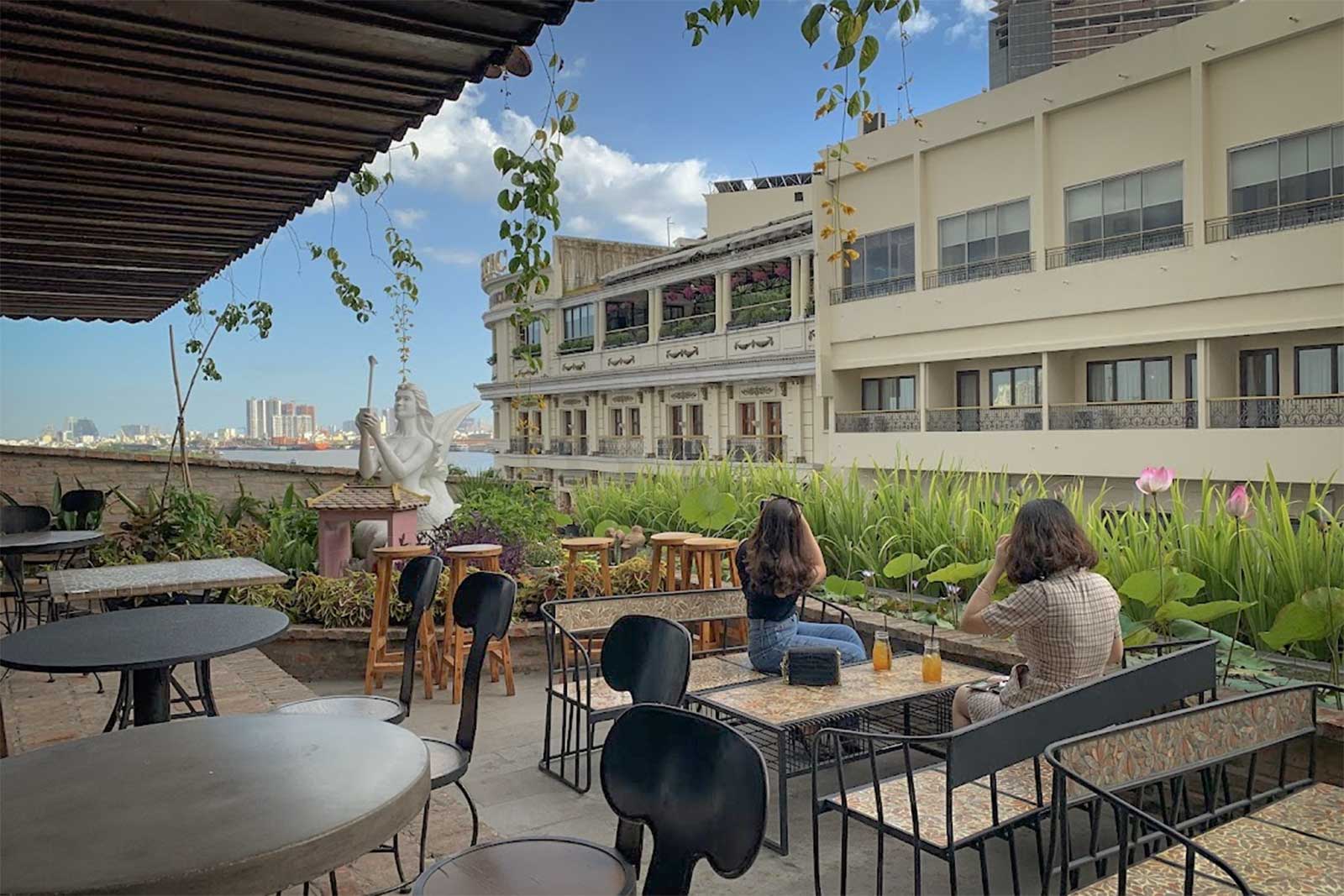
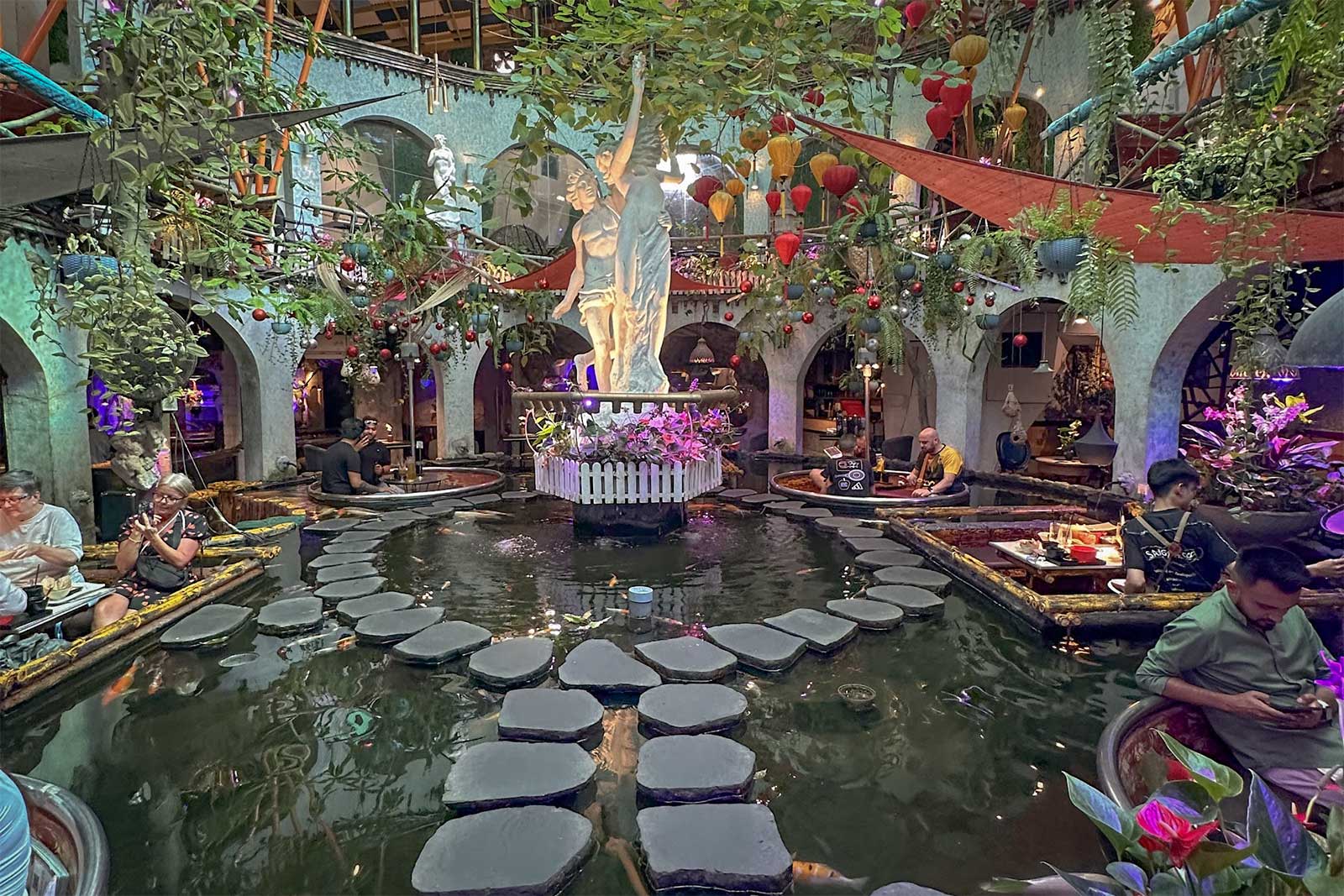
Beyond the drink, the settings are half the appeal: hidden apartment-block cafés (the Café Apartments above being the famous one), plant-filled hideaways, retro-styled rooms and slick third-wave roasteries. Dropping into a café to escape the heat and watch the street is a core part of daily life here.
Day trips from Ho Chi Minh City
Some of the best things to do from Ho Chi Minh City lie just outside it, within a day’s reach by car or tour. The Mekong Delta, an unusual mountain-and-temple combination at Tay Ninh, and a beach town on the coast are all doable as day trips, though a couple reward an overnight.
Mekong Delta
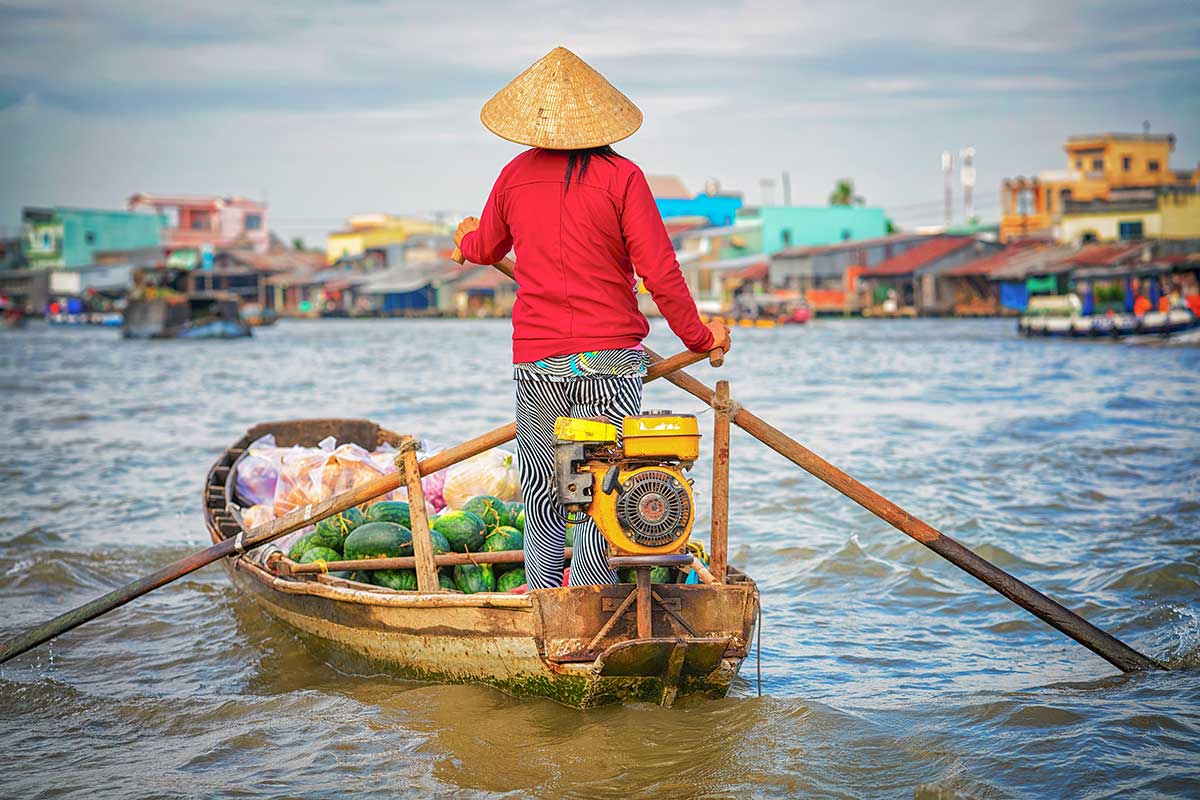
The Mekong Delta is the lush maze of rivers, rice paddies and floating markets southwest of the city, and the classic day trip from Saigon. A typical tour takes you by boat through the canals, into fruit orchards and cottage workshops, and onto smaller sampans through the palms, usually around My Tho or Ben Tre. A day gives you a taste, but the delta really opens up with an overnight further in, around Can Tho and its floating market — worth considering if you have the time.
Cao Dai temple and Black Virgin Mountain
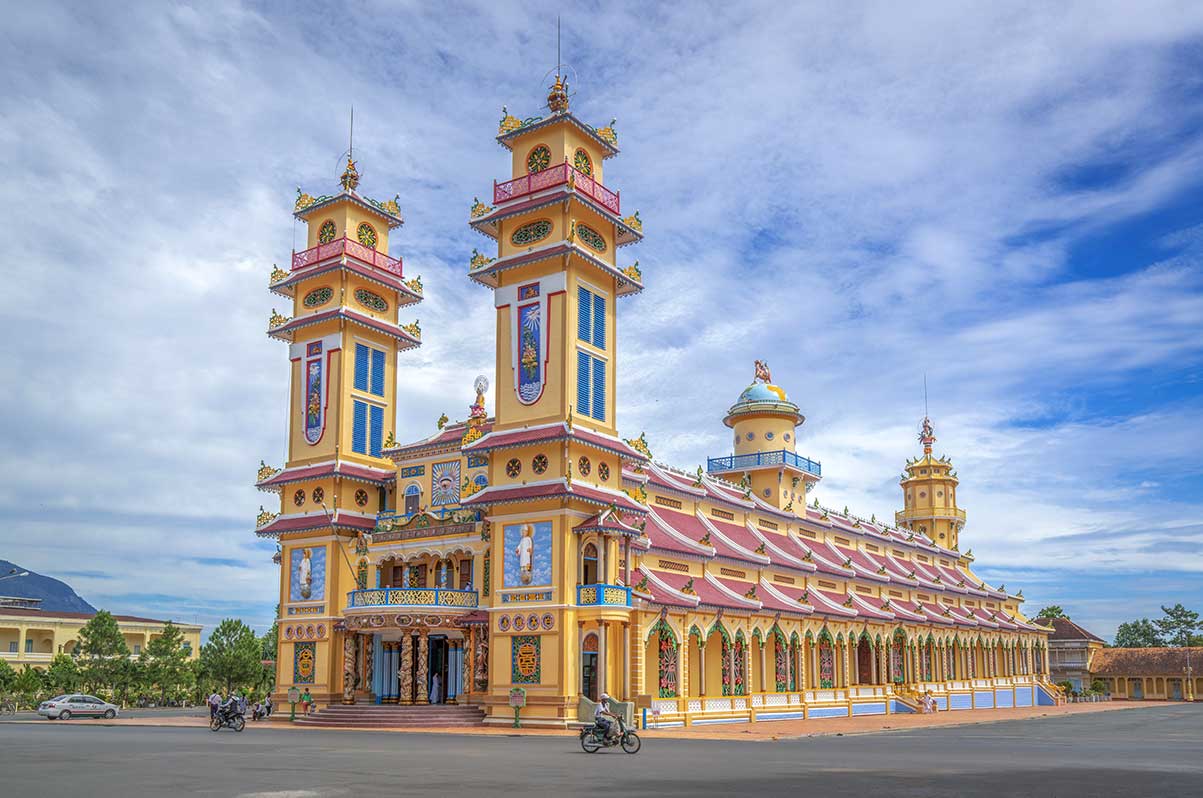
Northwest toward Tay Ninh, two very different sights pair into one long day. The Cao Dai Holy See is the colourful centre of Caodaism, a homegrown Vietnamese religion blending Buddhism, Christianity, Taoism and more, where you can watch the elaborate midday prayer ceremony from a gallery above the hall. Nearby, Ba Den (Black Virgin Mountain) is the highest peak in southern Vietnam, with a cable car up to a giant Buddha, pagodas and wide views over the plains. They’re almost always done together, often combined with the Cu Chi Tunnels on the way, which makes for a full but rewarding day.
Vung Tau
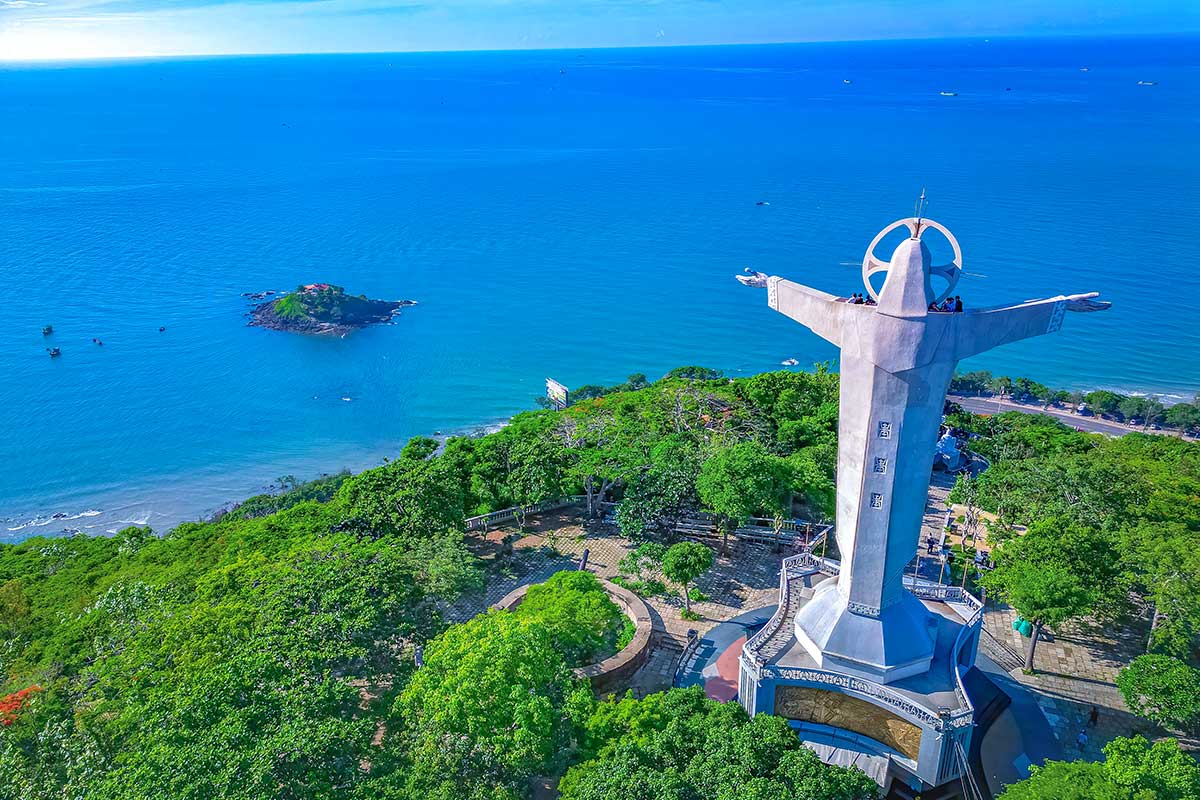
Vung Tau is the nearest beach town to Saigon, a former oil-port and seaside resort on a headland about two hours southeast — now technically part of Ho Chi Minh City since the 2025 merger. It’s a popular weekend escape for locals, with beaches, a hilltop Christ statue you can climb for the view, seafood and a lighthouse. It’s not Vietnam’s finest beach by any stretch, but it’s the easiest sea air from the city, and the fast ferry from the centre makes it an easy day out.
Best time to visit Ho Chi Minh City
Ho Chi Minh City is warm to hot all year, with two seasons rather than real cold or heat swings. The best time to visit is the dry season, roughly December to April, when there’s little rain and humidity is lower. December to February are the most pleasant months, slightly cooler and dry; March and April are the hottest, building up before the rains.
The wet season runs from around May to November, with the heaviest rain from June to September. It rarely rains all day, though — downpours tend to come in short, heavy afternoon bursts and then clear — so the wet season doesn’t ruin a city trip, and it’s quieter and a little cheaper. For a month-by-month look, see our guide to the best time to visit Ho Chi Minh City.
Where to stay in Ho Chi Minh City
For a short visit, where you stay matters less than in most cities, because almost everything worth seeing is in or near District 1, the central district — and day tours pick up from here.
District 1 — Dong Khoi and the centre
The area around Dong Khoi and Nguyen Hue is the upmarket heart of the city, walking distance to the colonial buildings, the river, restaurants and rooftop bars. It has the smartest hotels, from grand old names to sleek towers, and it’s the most convenient and comfortable base for a first visit.
District 1 — Pham Ngu Lao and Bui Vien
A few blocks west, the backpacker quarter around Pham Ngu Lao and Bui Vien is cheaper and louder, packed with hostels, budget hotels, travel agents and bars. It’s the place for nightlife and shoestring travel, though the Bui Vien end is genuinely noisy late into the night, so pick a side street if you want sleep.
How to get to Ho Chi Minh City
By plane
Tan Son Nhat International Airport is the busiest in Vietnam, just a few kilometres from the centre, with domestic flights from every major city and wide international connections. A Grab or taxi into District 1 takes 30 to 45 minutes depending on the notorious traffic. (A second, larger airport at Long Thanh is being built to the east for the future.)
By train
Saigon railway station is the southern terminus of the north-south line, with trains up the coast to Nha Trang, Da Nang, Hue and on to Hanoi. It’s a slower but scenic way to travel the country, and the overnight sleepers to Nha Trang are popular.
By bus
Sleeper buses and limousine vans connect Saigon with everywhere — Dalat (around 6–7 hours), Mui Ne, Nha Trang and the Mekong Delta — and are the cheapest way to get around. Most tourist buses leave from or near the Pham Ngu Lao area.
How to get around Ho Chi Minh City
Grab and taxi
Grab is the easiest and cheapest way to get around, with both cars and motorbike taxis at fixed fares that sidestep the haggling of street taxis. If you take a metered taxi, stick to Mai Linh or Vinasun to avoid being overcharged.
On foot
District 1 is compact enough that many of the central sights are within walking distance of each other. The challenge is the traffic — crossing the road takes nerve, so step out steadily and predictably and let the motorbikes flow around you.
Motorbike and cyclo
Renting and riding a motorbike yourself isn’t advisable in this traffic unless you’re very experienced; far better to ride pillion on a Grab bike or a guided tour. A short cyclo (pedal trishaw) ride around the centre is a gentler, old-fashioned way to see the streets, though agree the price clearly first.
Metro
Saigon’s first metro line (Ben Thanh–Suoi Tien) opened at the end of 2024, and it’s cheap, fast and air-conditioned. For most visitors its use is limited — it’s a single line aimed at commuters — but the central underground stops at Ben Thanh, the Opera House and Ba Son are handy for getting around District 1 out of the heat, and it’s the easiest way out to Landmark 81 (Tan Cang station) and the cafés of Thao Dien. Tickets are a few thousand dong, paid by card or app at the gate.
Itinerary: 2 days in Ho Chi Minh City
Two days covers the best things to do in Ho Chi Minh City, balancing the war history with the food, markets and street life.
Day 1 — history and the centre
- Start at the War Remnants Museum, then the Reunification Palace nearby.
- Walk the colonial buildings: the Post Office, Notre-Dame, the Opera House and the Book Street.
- Browse Ben Thanh Market, then up a tower for sunset.
- Take a street food tour by motorbike in the evening.
Day 2 — out of town and out late
- Take a morning trip to the Cu Chi Tunnels.
- Back in the city, explore Chinatown (Cho Lon) in the afternoon — Binh Tay Market and Thien Hau Pagoda.
- Finish with a river cruise or sunset drinks, then a rooftop bar or Bui Vien.
Tips for traveling to Ho Chi Minh City
Crossing the road
The traffic looks terrifying but has its own logic. Walk slowly and steadily, don’t stop suddenly or run, and let the motorbikes steer around you. It’s the single skill that makes the city easier.
Beat the heat and the scams
It’s hot and humid year-round, so see outdoor sights in the morning, and duck into cafés in the afternoon. At Ben Thanh and the tourist spots, bargain hard and ignore overly friendly “helpers” and cyclo drivers quoting vague prices.
Use Grab for everything
Download Grab before you arrive and link a card or keep cash ready. It removes nearly all the taxi-overcharging headaches and is cheap for both cars and bikes.
Traveling with kids
Saigon is a hard city for young children — the traffic is relentless and there’s little aimed at them. If you’re travelling with kids, lean on the easier options like a river cruise, the tower views, the Book Street and the parks, and keep days short.
Where to go next
From Saigon you can head into the Mekong Delta to the southwest, up to the cool highlands of Dalat, or along the coast via Mui Ne and Nha Trang. The airport’s wide connections also make it the easiest place to fly onward to anywhere in the country.
What to expect from Ho Chi Minh City: an honest verdict
Ho Chi Minh City isn’t a place to tick sights off a list the way Hanoi is — it’s more modern, and while it’s thoroughly Vietnamese, it isn’t traditionally so. That’s the point of it. Two days is about right; longer is possible, but not at the expense of other destinations. What makes it worth the stop is the contrast: a different side of Vietnam, with incredible street food, a unique blend of traditional and modern, and a much more westernised feel than the north. Seeing that contradiction is half the reward, and if nightlife is part of your trip, the city does it better than anywhere. Come for the energy and the food rather than a checklist, and two days here add real range to a trip.