


Mui Ne: a beach and dune resort strip
Mui Ne isn’t really a town — it’s a roughly 10 km coastal road lined with resorts, hostels and restaurants, running between the fishing village of the same name and the city of Phan Thiet. It grew up around two things: the wind, which made it one of Asia’s top kite-surfing spots, and the sand dunes just outside it, which are unlike anywhere else in the country.
What it isn’t is a place packed with culture or sights. Mui Ne is about the beach, the dunes and the watersports, with a handful of Cham ruins and day trips to round things out. It’s also in the driest corner of Vietnam, so it stays sunny when much of the coast is wet — which shapes when to come. Most people stay two or three days, longer if they’re here to learn to kite surf or just to slow down by the sea.
Best things to do in Mui Ne
The list below runs from the beach and the dunes through the watersports and fishing harbour to the Cham towers and the trips further out. Most sit right on the strip or just outside it; a couple of the bigger drives are further afield.
1. Relax on the beach
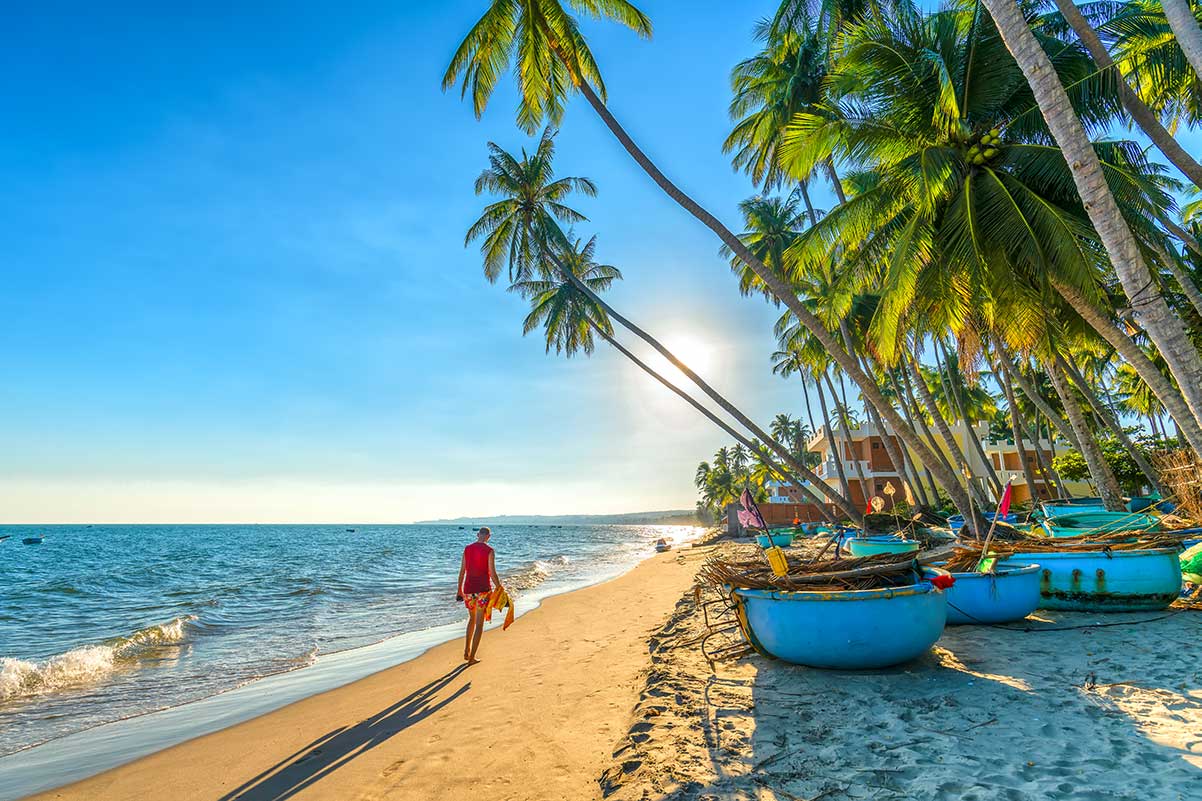
The beach is the main reason most people come, and the best thing to do in Mui Ne is simply to enjoy it — a long, palm-backed stretch of sand running the length of the strip, with resorts, beach bars and seafood restaurants right behind it. Because the town is so spread out, the beach rarely feels crowded, and you can usually find a quiet patch. The wind that makes Mui Ne great for kite surfing also means the sea is often choppy and the sand can blow about, so it’s better for sunbathing, walking and sundowners than for calm swimming.
Other beaches around Mui Ne
It’s worth heading along the coast for quieter or more interesting sand:
- Ong Dia (Fairy) Beach — a small public beach at the north end of the strip, popular with locals and good for a sunset.
- Co Thach Beach — further north toward Tuy Phong, known for its colourful pebble shore and moss-covered rocks in spring.
- Ke Ga — a pretty stretch of coast to the south around the old lighthouse, covered below.
For the full picture, see our guide to the best beaches around Mui Ne.
2. See the red and white sand dunes
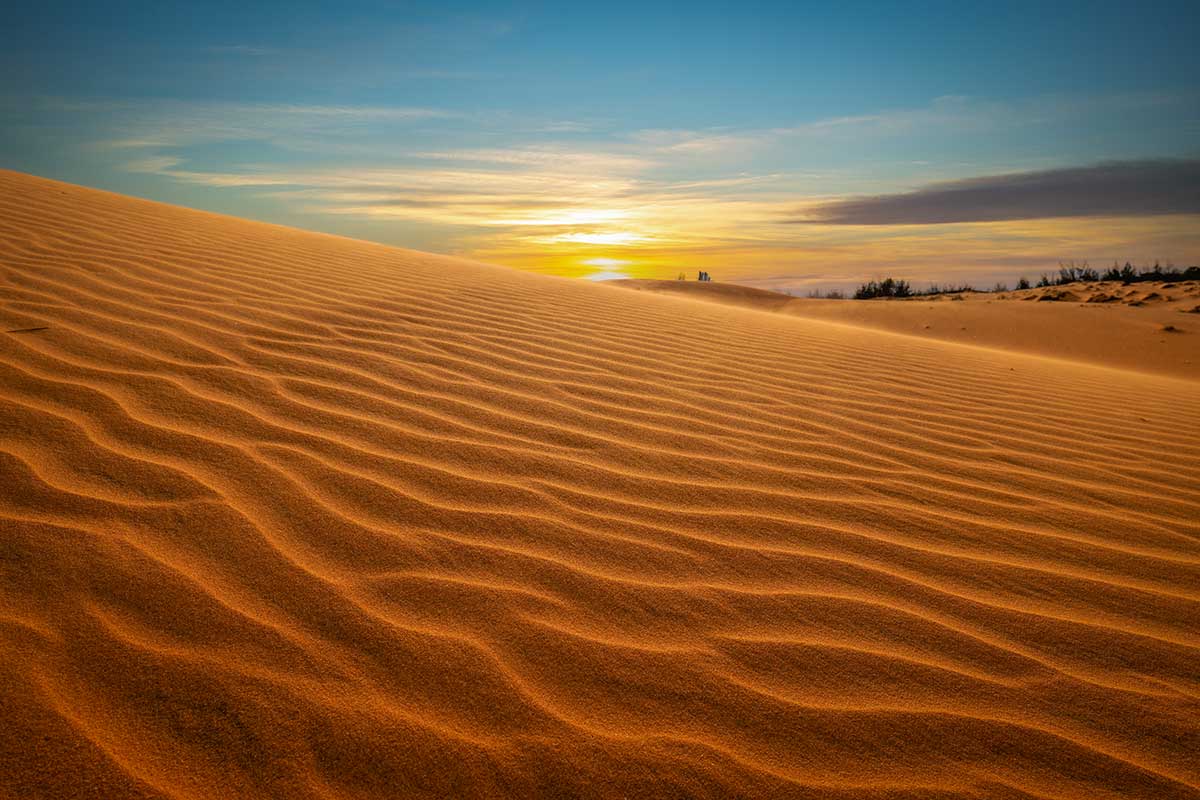
The sand dunes are the signature thing to do in Mui Ne, and there are two very different sets. The red dunes sit close to the strip, smaller and easy to reach, glowing orange at sunset — this is where kids rent out plastic sleds to slide down the slopes.

The white dunes, about 25 km northeast, are bigger and more dramatic, a proper sweep of pale sand and a lake that genuinely feels like a desert. Out at the white dunes you can ride a quad bike or take a jeep over the sand. Go at sunrise or late afternoon to dodge the fierce midday heat, and be firm but good-natured with the sled and quad hawkers, who push hard for a sale.
3. Learn to kite surf or windsurf
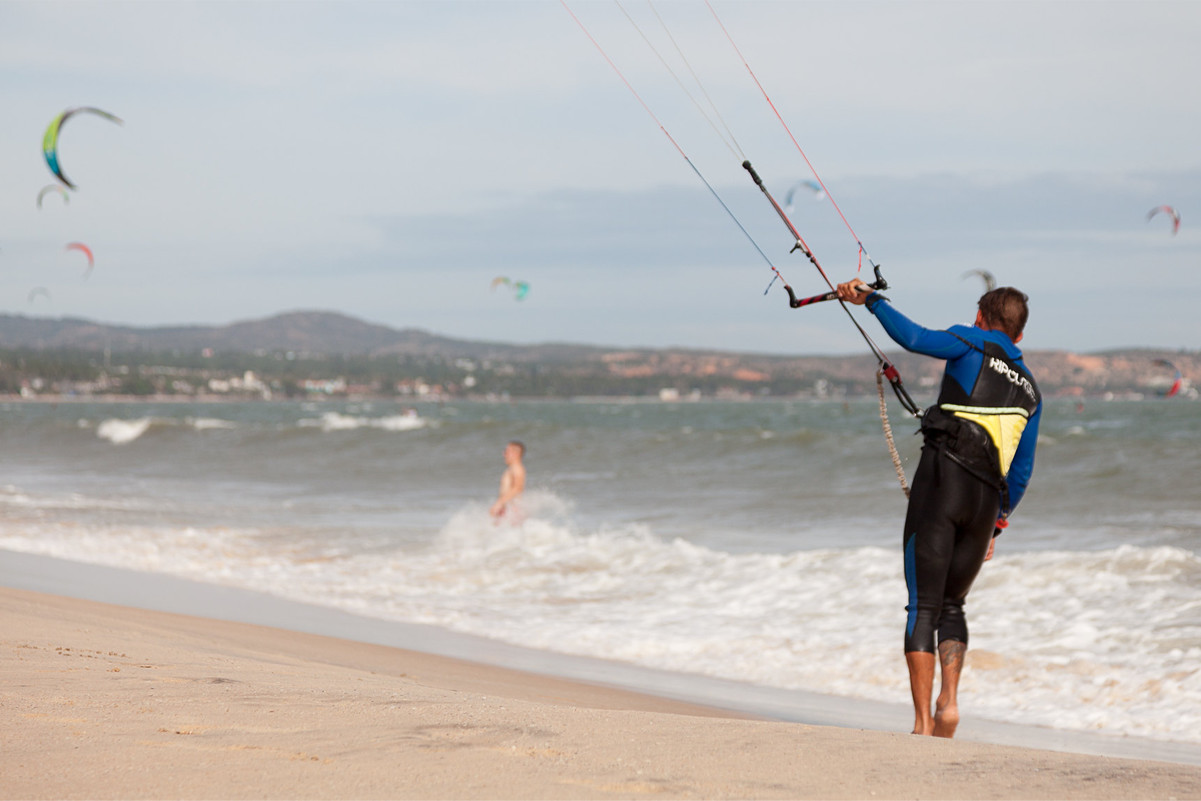
Mui Ne is one of the best places in Asia to kite surf, thanks to a strong, steady wind that blows almost every day in the dry season. Several schools along the beach teach kite surfing and windsurfing at prices well below what you’d pay in Europe, with lessons for complete beginners through to board and kite hire for those who know what they’re doing. The peak wind season runs roughly November to April. It’s a real draw in its own right, and a big part of why the strip exists; if you’ve ever wanted to learn, this is a good place to do it.
4. Walk the Fairy Stream
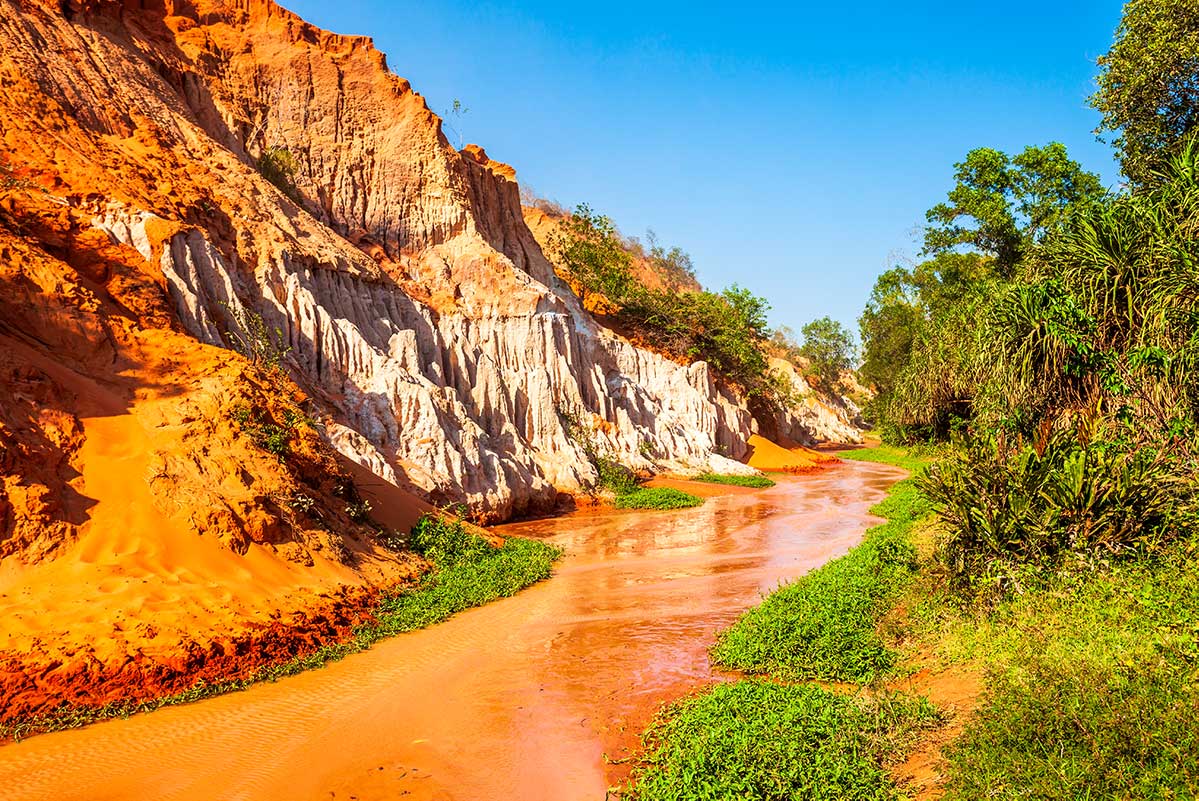
The Fairy Stream is a shallow, ankle-deep creek that winds between red-and-white sandstone formations and palms just off the main strip, and it’s an easy, pleasant 30–45 minute barefoot walk upstream. The eroded sand walls have a mini-canyon look that people compare to a tiny Grand Canyon, and it’s a nice, shady break from the beach. It’s free to walk the stream itself, though you’ll pay a small fee to park and may be asked a token amount at the entrance. Leave your shoes at the start — you wade the whole way — and watch for people offering “guide” services you don’t need.
5. Visit the fishing harbour and fish market
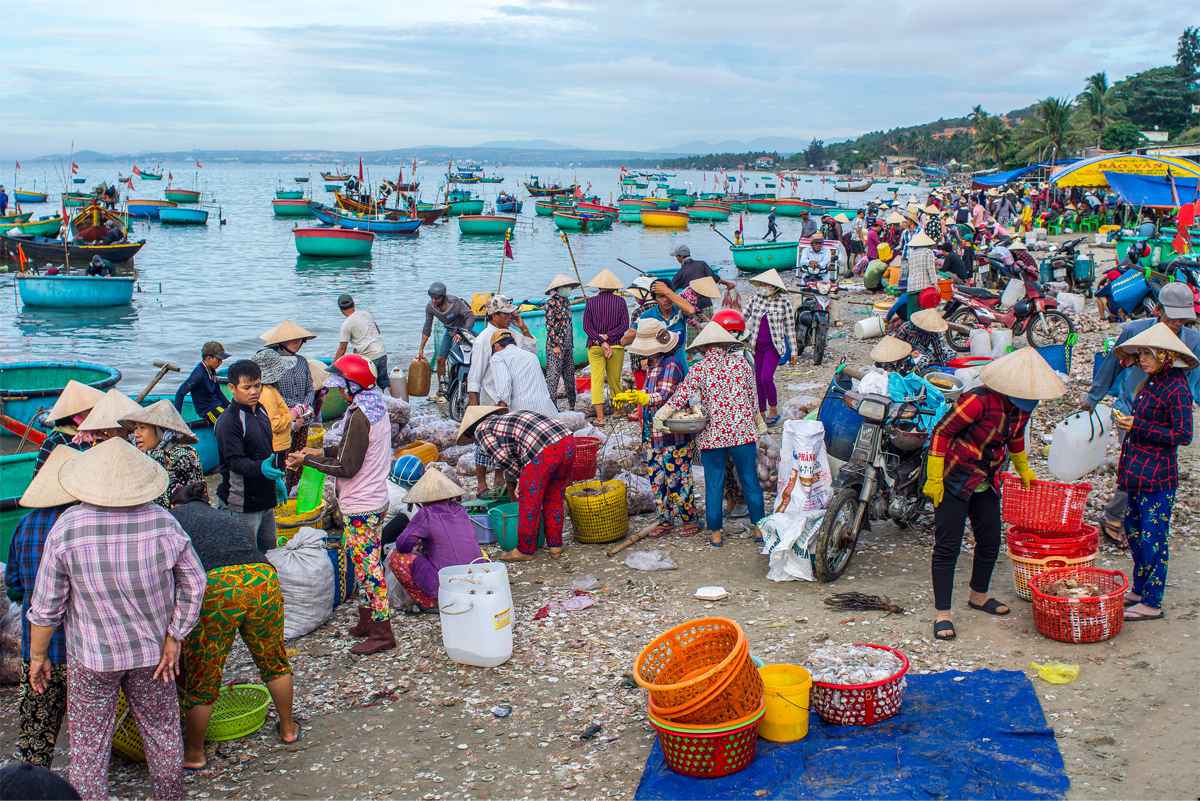
Mui Ne’s working fishing harbour is one of the more genuine things to do here, and it costs nothing. Hundreds of brightly painted boats and the area’s distinctive round basket boats bob in the bay, and it’s at its best early in the morning when the fishermen bring in the night’s catch. On the beach beside it, the morning fish market is a chaotic, authentic scene — nets full of seafood, baskets of fish, shells underfoot — and a real slice of local life rather than anything laid on for visitors. Come early, around sunrise, for both, and watch your footing on the wet sand and slipways.
6. Take a Mui Ne jeep tour

The classic way to tie the highlights together is a Mui Ne jeep tour — an open-topped jeep that runs a loop of the red dunes, white dunes, Fairy Stream and fishing harbour in one trip, usually timed for sunrise or sunset. It overlaps with sights you could reach on your own, but the jeep is half the fun: bouncing over the sand, the wind in the open back, and someone else handling the driving and timing. Tours come as shared or private, and either is cheap. It’s the easiest, and most enjoyable, way to do the dunes if you’d rather not ride a scooter around at dawn.
7. Explore the Po Sah Inu Cham Towers
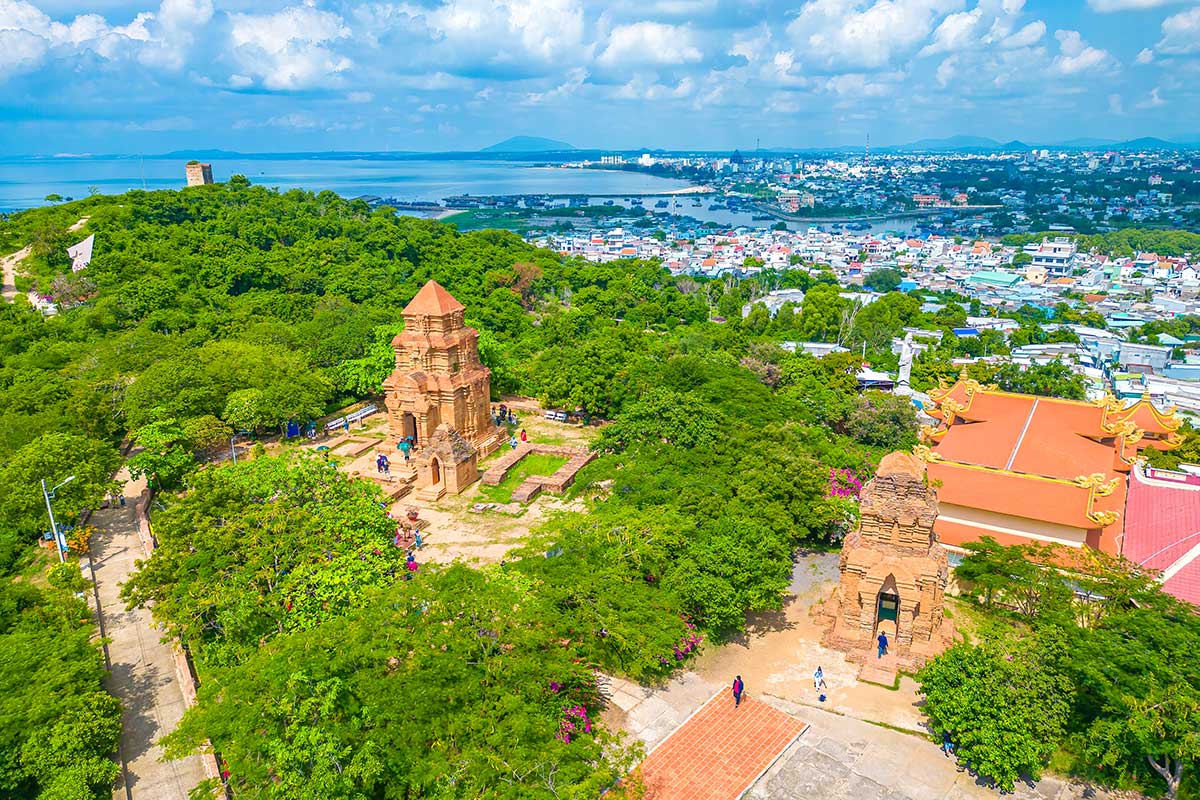
The Po Sah Inu Cham Towers are a small group of brick Hindu towers built by the Cham from around the 8th century, standing on a low hill just outside Phan Thiet with a wide view over the coast. They’re more modest than the great Cham sites like My Son near Hoi An, so set expectations accordingly, but they’re well kept, quietly atmospheric and still used for Cham festivals, and the hilltop setting makes the short trip worthwhile. There’s a small entry fee, and it’s easy to combine with the Prince’s Castle ruins right next door.
8. See the Prince’s Castle ruins
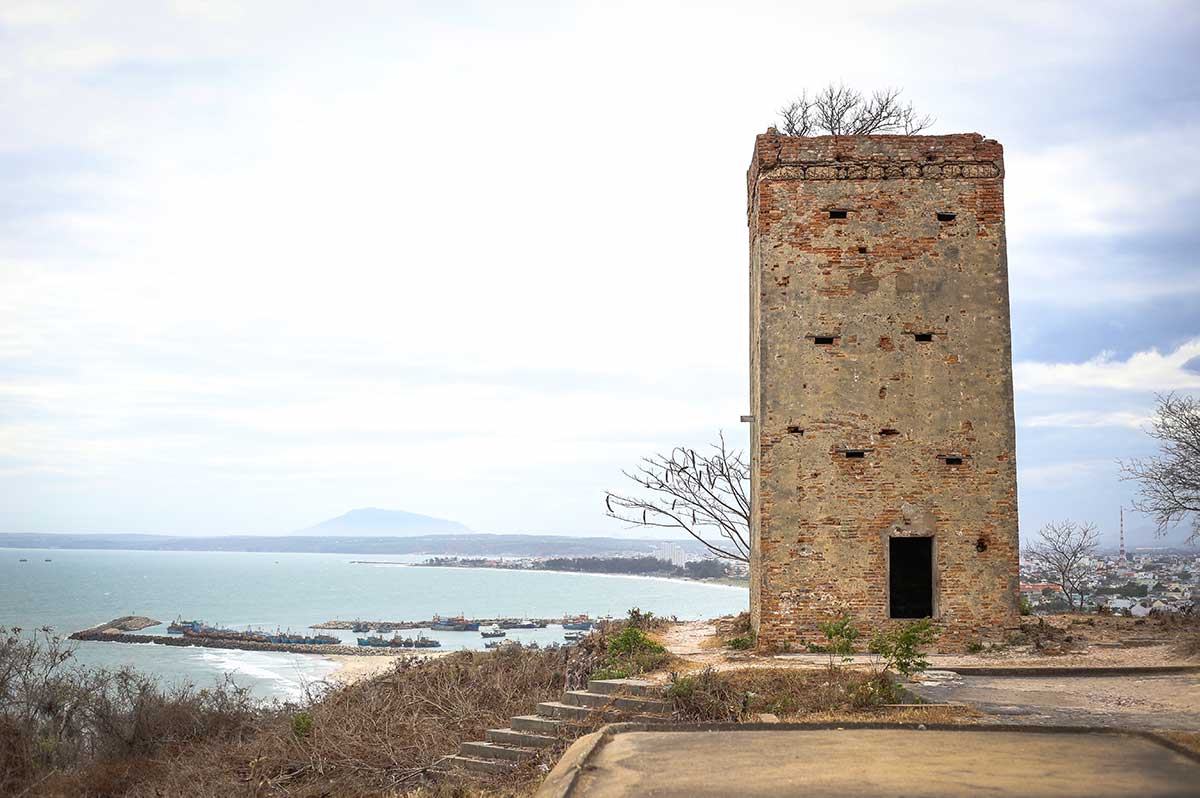
Beside the Po Sah Inu towers stand the remains of Ong Hoang (the Prince’s Castle), a villa built in 1911 by a French-connected aristocrat and later fought over and ruined in the wars. There isn’t much left beyond crumbling walls and foundations on the hill, so it’s a quick add-on rather than a sight in its own right — but it shares the hill and the view with the Cham towers, so you may as well see both while you’re up there. Often free or a token fee.
9. Drive out to Ke Ga lighthouse
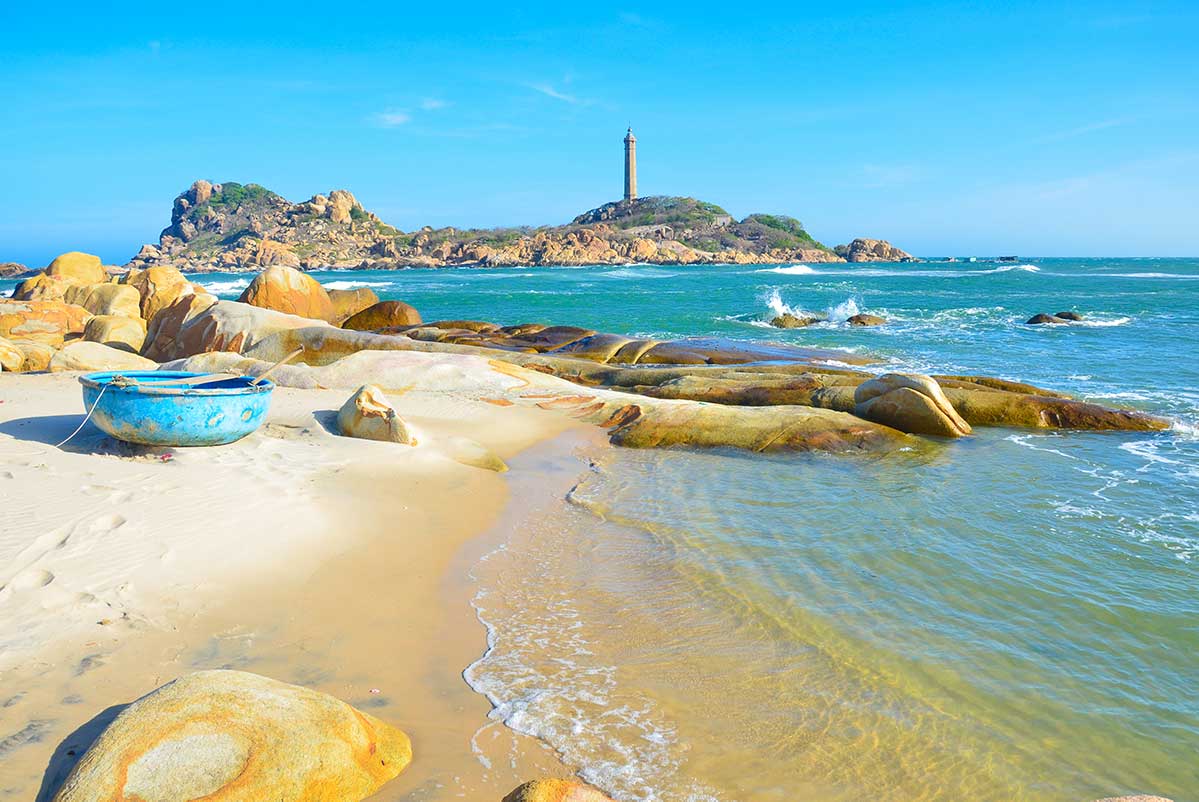
About 30 km south of Mui Ne, Ke Ga is a stretch of quiet coast centred on an old lighthouse standing on a small rocky island just offshore. Built by the French and first lit in 1900, it’s one of the oldest and tallest lighthouses in the region; you can take a short boat across to the island, though you can no longer climb the tower itself. The real appeal is the laid-back beaches and the scenic coastal drive to get there, which is half the trip. A relaxed half-day for those with their own wheels.
10. Climb Ta Cu Mountain to the reclining Buddha
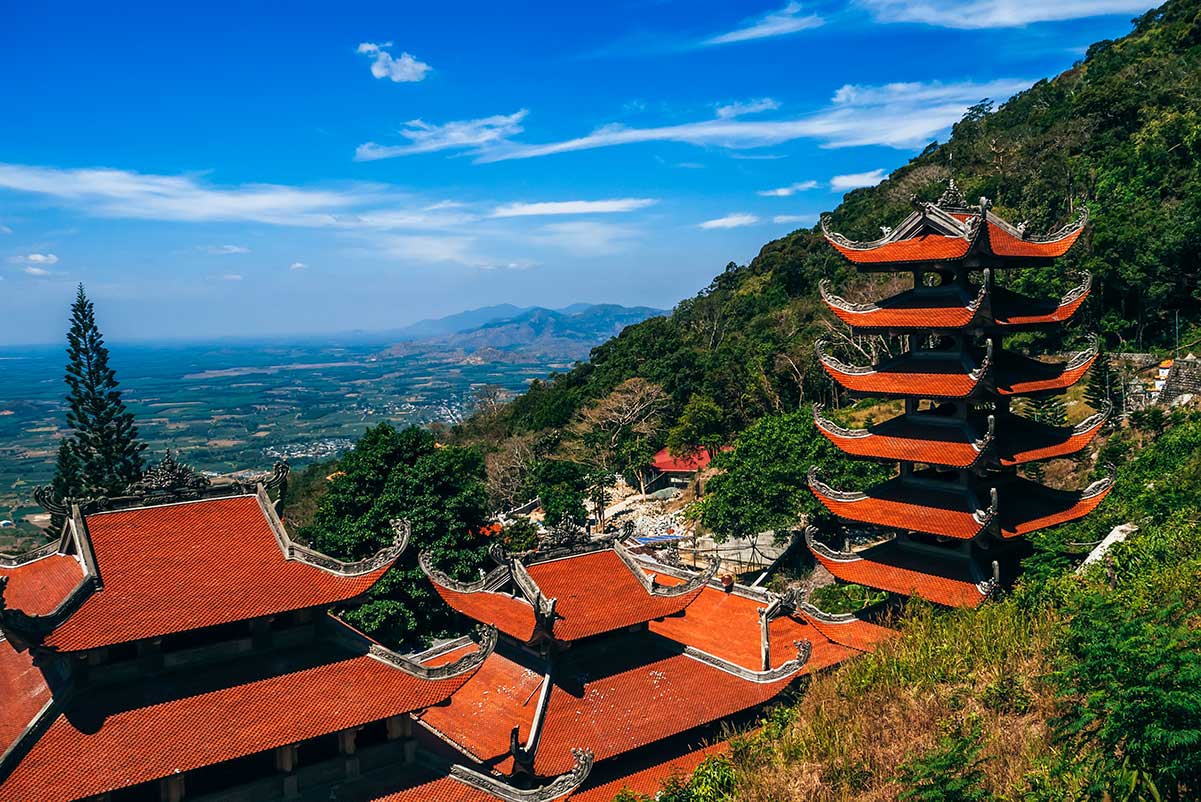
Ta Cu Mountain, about an hour southwest, is a forested hill topped by a large white reclining Buddha — at 49 metres, one of the longest in Vietnam — set among pagodas and caves.
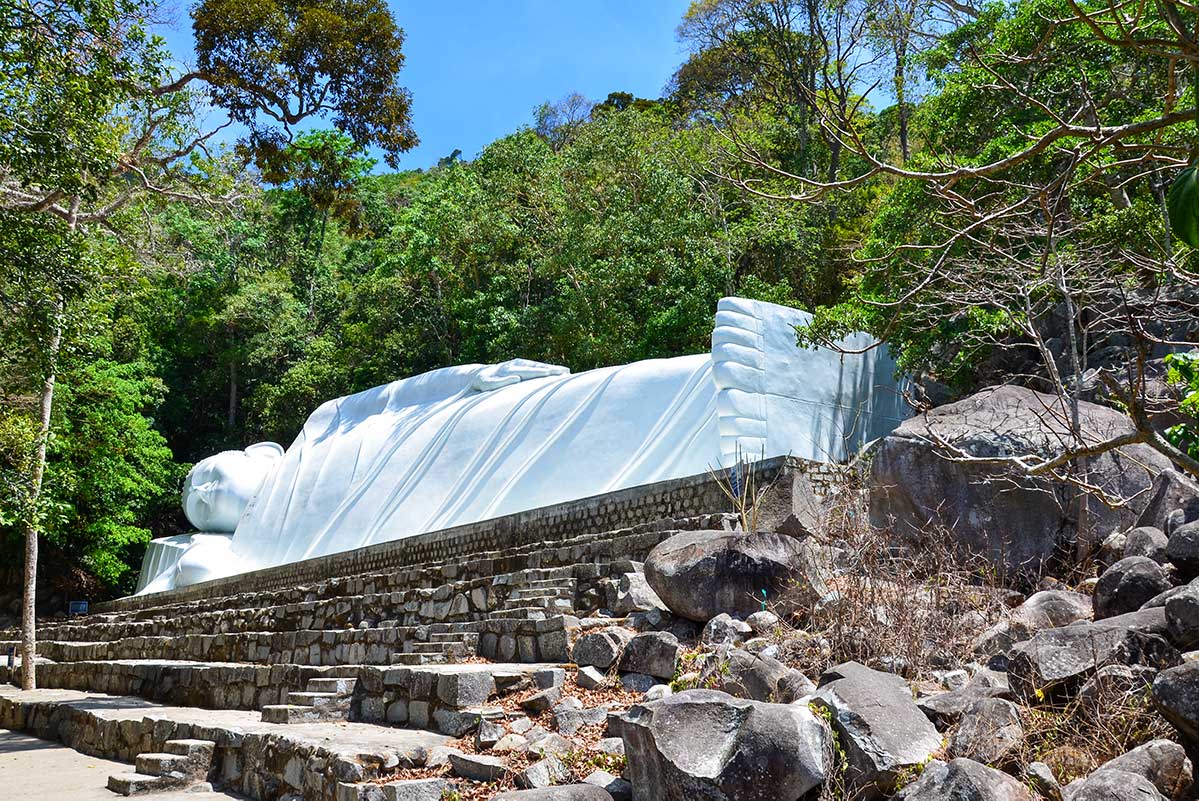
You reach the top either on foot, through the woods past small temples, or by cable car if you’d rather save your legs. It makes a good half-day out from Mui Ne, easy to combine with the drive down toward Ke Ga, and the views from the top over the surrounding country are the reward.
11. Visit the Fish Sauce Museum
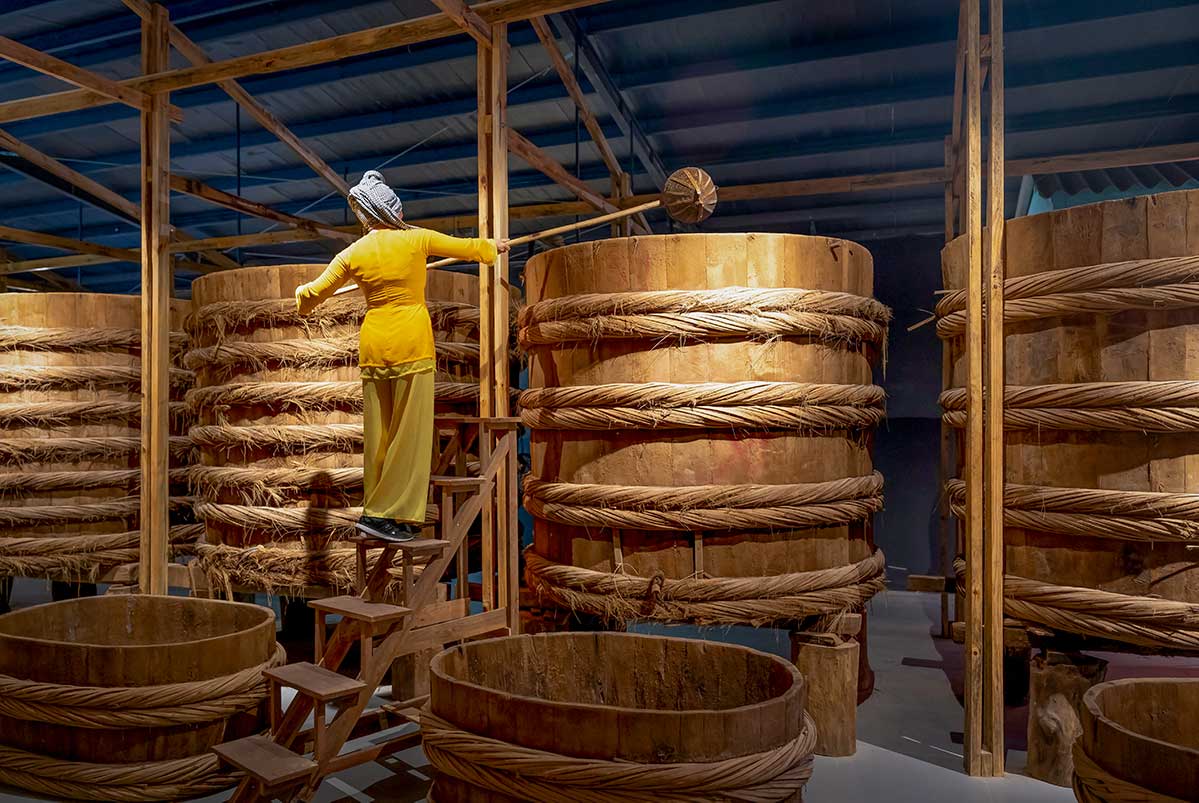
For something different and indoors, the Lang Chai Xua Fish Sauce Museum in Phan Thiet tells the story of the region’s most famous product — Phan Thiet has made fish sauce for centuries — through a series of colourful, theatrical sets recreating old fishing-village life. It’s more of a photogenic walk-through attraction than a serious museum, and it leans touristy, but it’s genuinely well done, good with kids, and a decent option on a windy or rainy afternoon. There’s an entry fee.
12. Look around Phan Thiet
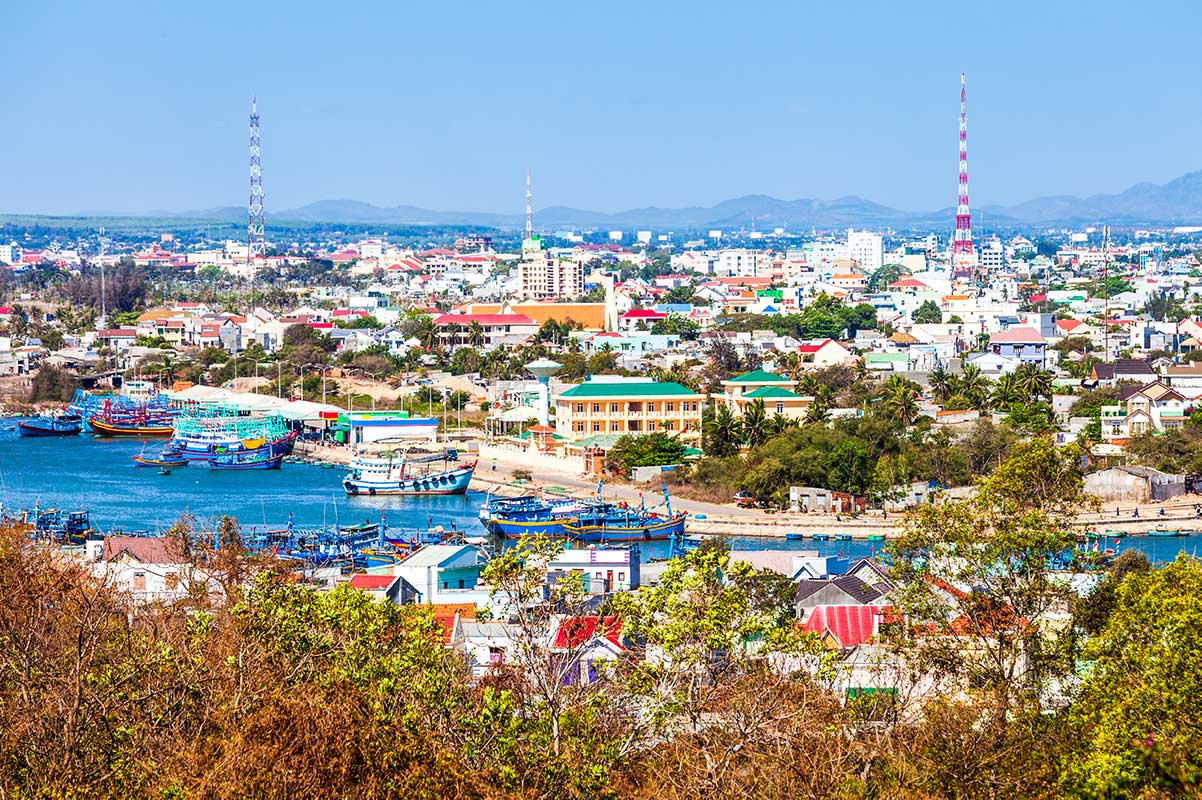
Phan Thiet is the city Mui Ne technically belongs to, about 20 minutes south, and it’s worth being honest about it: it’s a working provincial city without much charm or atmosphere, not a destination in itself. But it has a few modest sights if you’re passing or want a change from the beach.
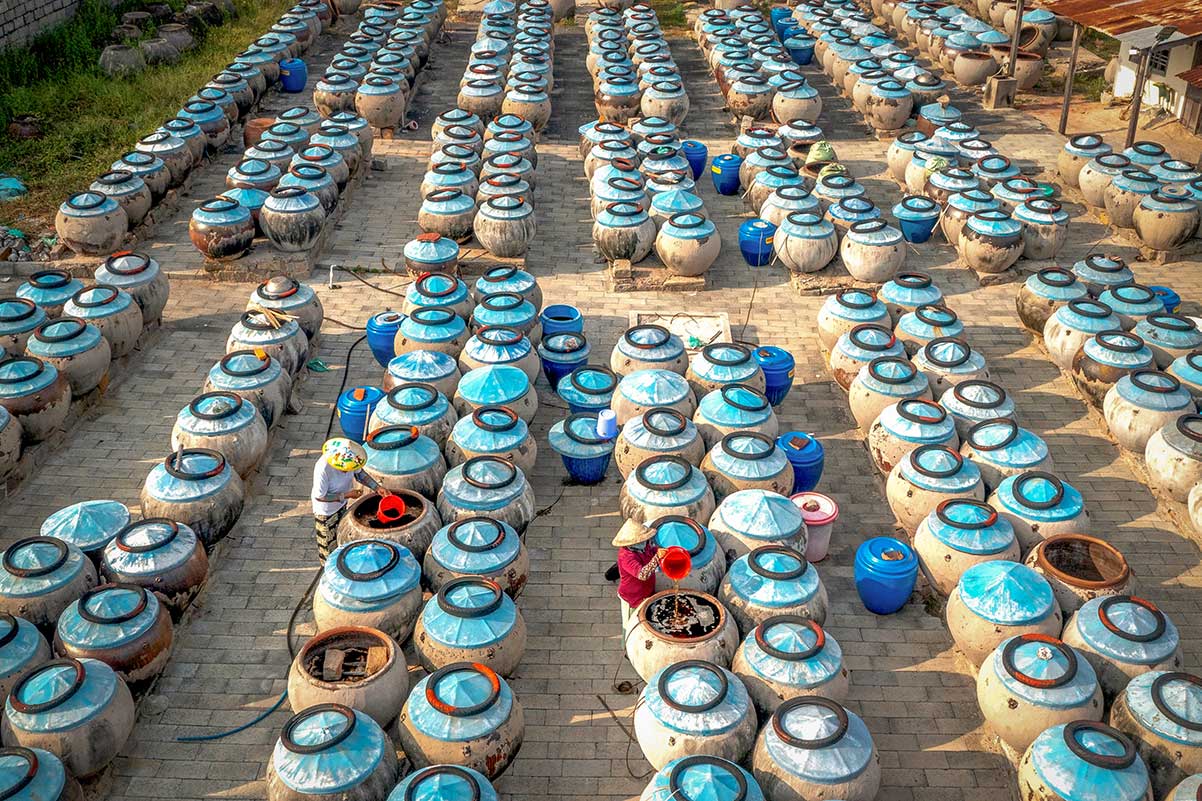
The Duc Thanh School, where a young Ho Chi Minh briefly taught, and the nearby Van Thuy Tu Temple, which houses one of Vietnam’s largest preserved whale skeletons, are the pick of them. The busy fishing harbour on the Ca Ty river is photogenic, and the city beach is a more local, workaday strip than Mui Ne’s. Worth a short look, no more.
13. Trek the Ta Nang–Phan Dung trail
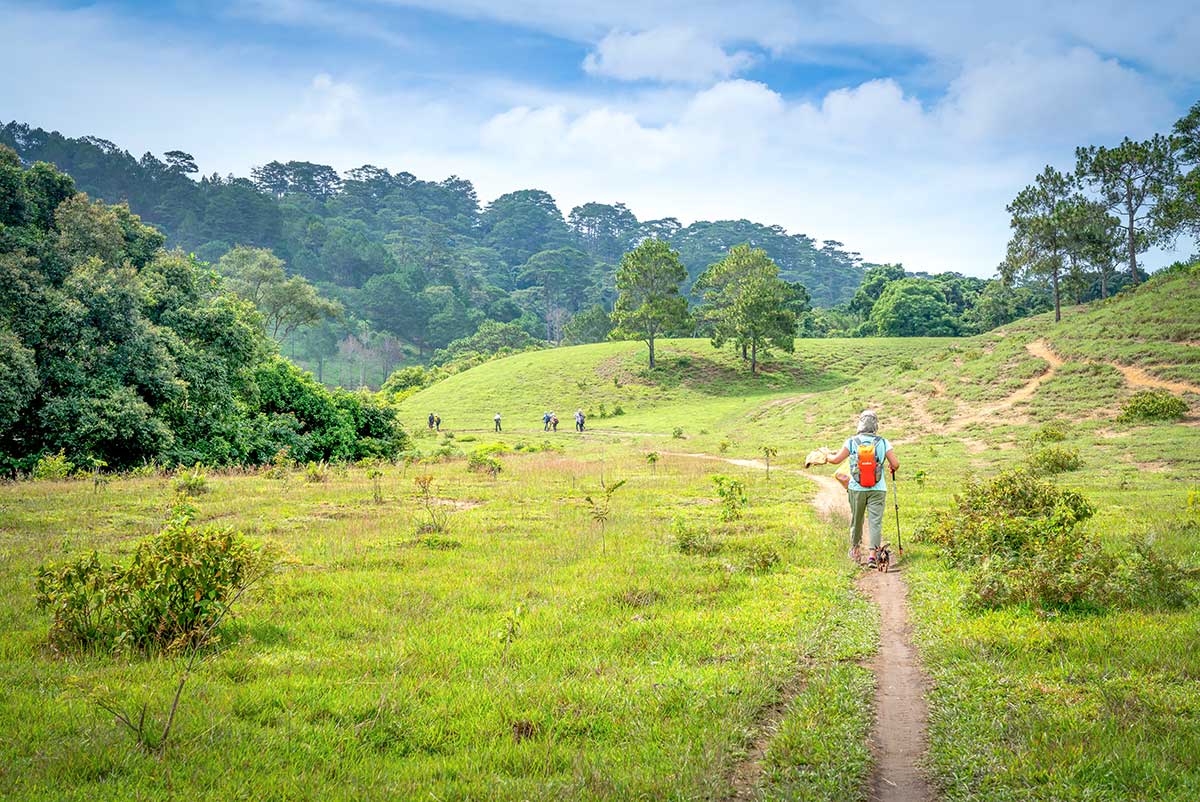
For serious hikers, the Ta Nang–Phan Dung trail is often called the most scenic trek in Vietnam — a roughly 55 km route over grass hills and through pine and jungle, crossing from the cool highlands down to the coast, usually walked over two or three days with a camp on an exposed ridge. The catch is that it’s genuinely demanding and not to be underestimated: the trail is easy to lose, the descents are hard on the knees, and there have been fatalities from flash floods and getting lost, so it should only be done with an experienced guide. It starts up near Dalat and ends in northern Binh Thuan, so it’s a Dalat-side adventure more than a Mui Ne day trip, but it’s worth knowing about if you’re a fit hiker linking the two.
14. Drive the coastal road toward Phan Rang
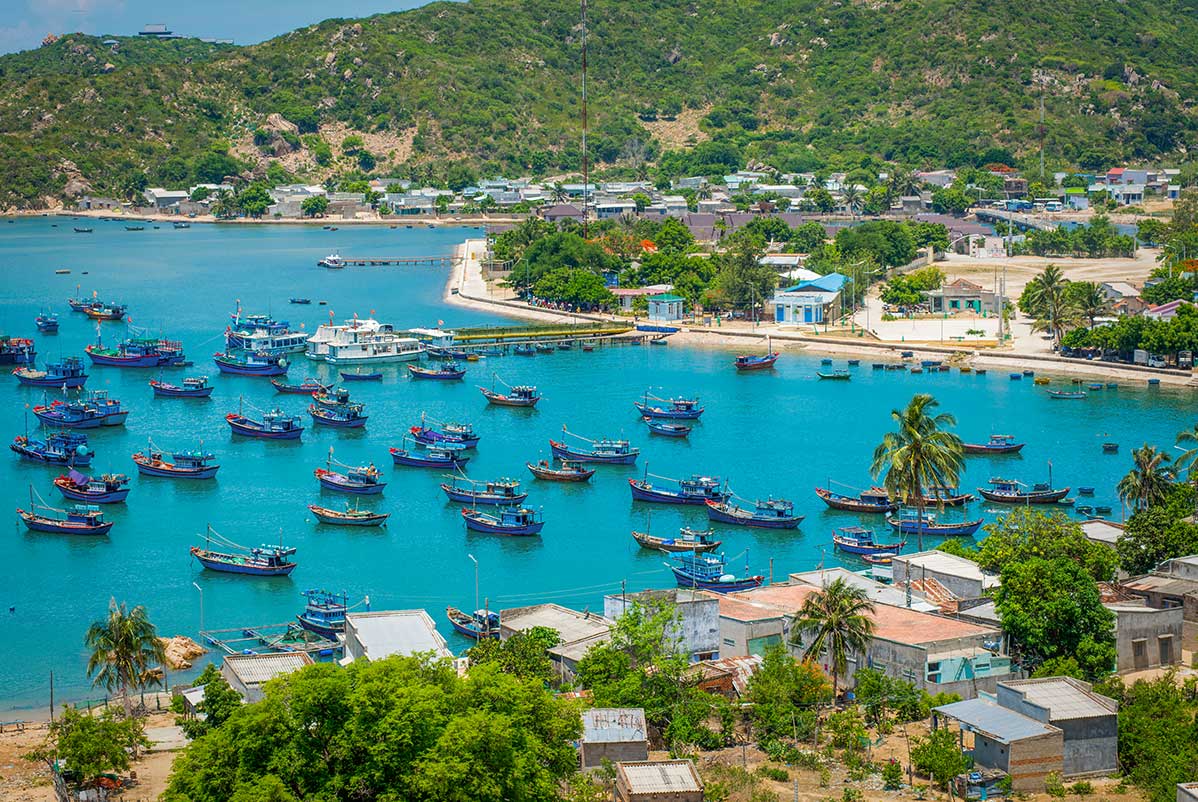
One of the best things to do around Mui Ne doesn’t have a single destination — it’s the coast road running north toward Phan Rang and on to Vinh Hy, one of the most scenic and least touristy drives in the country. It rolls past the turquoise water and big boulders of Ca Na beach, salt flats, yellow sand dunes, vineyards and roadside flocks of sheep, into the desert-meets-sea landscape around Nui Chua. There’s very little tourism out this way, just remote beaches and small fishing villages. It’s a long day or an overnight by car or confident motorbike, and a brilliant way to break the journey north toward Nha Trang.
Best time to visit Mui Ne
Mui Ne sits in the driest part of Vietnam, so it gets far less rain than the rest of the coast and is a fairly safe bet most of the year. The best time to visit is the dry season, roughly November to March, with warm, sunny days, little rain and the steady wind that kite surfers come for. This is peak season and the nicest time for the beach and the dunes.
The wetter months run from around April to October, but even then the rain usually comes in short afternoon bursts rather than all-day downpours, so it rarely ruins a trip. It’s hotter and a little greener then, the wind drops off, and prices ease. For a month-by-month breakdown, see our guide to the best time to visit Mui Ne.
The Mui Ne street food festival
If you’re around at the right time, Mui Ne runs a popular street food festival a few times a year, usually around January, April and July. It fills part of the strip with stalls serving local, national and international dishes, and it’s a lively, low-key evening out. Dates move year to year, so it’s worth checking locally if your trip lines up.
Where to stay in Mui Ne
Where you stay is really a choice between the resort strip and the cheaper, more local city nearby.
Along the Mui Ne strip
The strip itself is where almost everyone stays — a long line of beachfront resorts, mid-range hotels and a few hostels, with restaurants and bars right there and easy access to the dunes, the Fairy Stream and the fishing village. The northern end near the village is quieter and more local; the southern end has more of the bars and kite schools. It’s the obvious base for a beach trip, at every budget.
In Phan Thiet
Staying in Phan Thiet, the city about 20 minutes south, means cheaper, more local hotels and a more everyday Vietnamese feel, though the nightlife and beach scene are much quieter than the strip. It’s a fair option if you want better value and don’t mind a short hop to the main sights, but most travelers will be happier on the strip itself.
How to get to Mui Ne
Mui Ne has no airport or station of its own, but it’s an easy run from the south.
By bus
Sleeper buses and limousine vans are the most popular way in. From Ho Chi Minh City it’s around four to five hours, with frequent day and night departures, and there are also direct buses from Dalat (the scenic route down from the highlands) and Nha Trang. Most drop you right on the strip, often with hotel pickup.
By train
There’s no station in Mui Ne, but the Phan Thiet railway station nearby connects to Ho Chi Minh City in around four hours, a comfortable and scenic alternative to the bus. From the station it’s a short taxi or local bus on to the strip.
By private car
For comfort and flexibility, a private car with driver from Ho Chi Minh City takes about four hours door to door and lets you stop along the way. It’s the easiest option for families or groups, if pricier than the bus.
How to get around Mui Ne
Scooter
Renting a scooter (around 100,000 to 150,000 VND a day) is the easiest way to get up and down the long strip and out to the dunes and Phan Thiet under your own steam. The main road is straightforward, but traffic can be careless, so ride defensively.
Jeep or shared tour
For the dunes, Fairy Stream and fishing village, a shared or private jeep tour is cheap, fun and saves the early-morning navigation, as covered above. A good choice if you’d rather not ride.
Taxi and Grab
Metered taxis are easy to find outside the bigger resorts, or your hotel can call one. Grab works here too but with fewer drivers than in the big cities, so it’s handy for the strip and Phan Thiet rather than the further sights.
Itinerary: 2 days in Mui Ne
Two days covers the best things to do in Mui Ne, pairing the dunes and sights with time on the beach or the water.
Day 1 — sunrise, sand and the village
- Start before dawn for the fishing harbour and morning fish market.
- Carry on to the white dunes for a quad ride, stopping at a beach on the way back.
- Walk the Fairy Stream in the cooler late afternoon.
- Finish with sunset on the red dunes and a drink on the beach.
Day 2 — the water or the sights
- Spend the morning on a kite surfing or windsurfing lesson, then relax on the beach.
- Or drive out to the Po Sah Inu towers and the Prince’s Castle, then on toward Ke Ga or Ta Cu Mountain.
- End with seafood at one of the local “bo ke” beach grills.
Tips for traveling to Mui Ne
Time things around the heat and wind
Do the dunes and the Fairy Stream early or late — the midday sun on open sand is brutal. If you’ve come to kite surf, aim for the November-to-April wind season.
Handle the hawkers calmly
At the dunes and Fairy Stream you’ll get a steady stream of sled, quad and “guide” offers. A firm, friendly no works; agree any price clearly before you accept, and don’t feel obliged.
Bring cash for the small stuff
Many of the small entry fees, parking charges, sled and boat hires are cash only, so carry small notes. There are ATMs along the strip.
Stock up on the strip
Mui Ne is small, but the main road has everything you’ll need day to day — pharmacies, convenience stores, ATMs, and little shops selling sunscreen, beach toys for the kids and the like. You won’t find big supermarkets or specialist stores, though, so if you need something specific, pick it up in Ho Chi Minh City or another large city before you arrive.
Traveling with kids
Mui Ne is easy with children — gentle beaches, sand sledding on the red dunes, the jeep ride, the cable car at Ta Cu and the theatrical Fish Sauce Museum all go down well, and the strip is calmer than a big city.
Where to go next
Mui Ne sits handily between the coast and the highlands. From here you can head up to Nha Trang along the coast, climb inland to Dalat, or drop back down to Ho Chi Minh City — and the scenic coast road north is a trip in itself.
What to expect from Mui Ne: an honest verdict
Honestly, the beaches at Phu Quoc are better, and so are the beaches of central Vietnam. What Mui Ne has going for it is development — it’s set up for a dedicated beach holiday, with plenty of resorts — and that should be the main reason to come. There are other things to do, but most can be covered in a single day, with a few more spread out of town; those are pleasant but not reasons to visit in themselves. Mui Ne works best as an easy beach stop from Ho Chi Minh City, a few relaxed days near the end of a trip — not a week, and really only when Phu Quoc or central Vietnam don’t fit the route. It’s a nice beach town, just not a standout one.