

Phong Nha: a national park built on caves, jungle and rivers
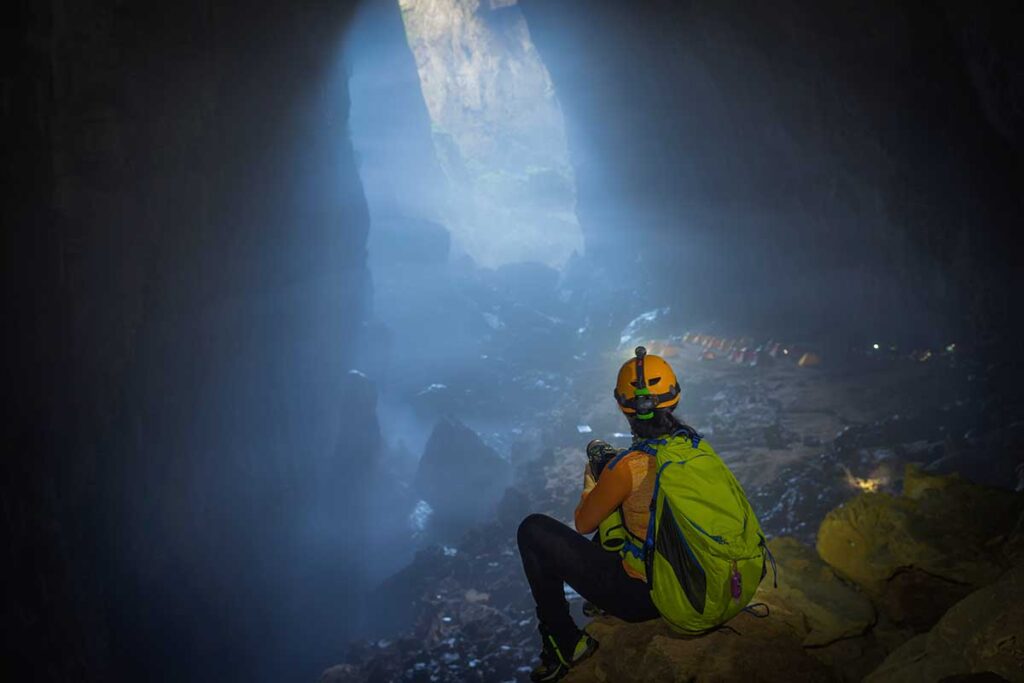
Phong Nha-Ke Bang National Park is a UNESCO World Heritage Site of limestone karst, dense jungle and underground rivers in central Vietnam (now part of the new Quang Tri province). It holds hundreds of caves carved over millions of years, including Son Doong, the largest cave on Earth. The gateway is the small town of Phong Nha (Son Trach), a one-street village that has slowly grown into a relaxed traveler base.
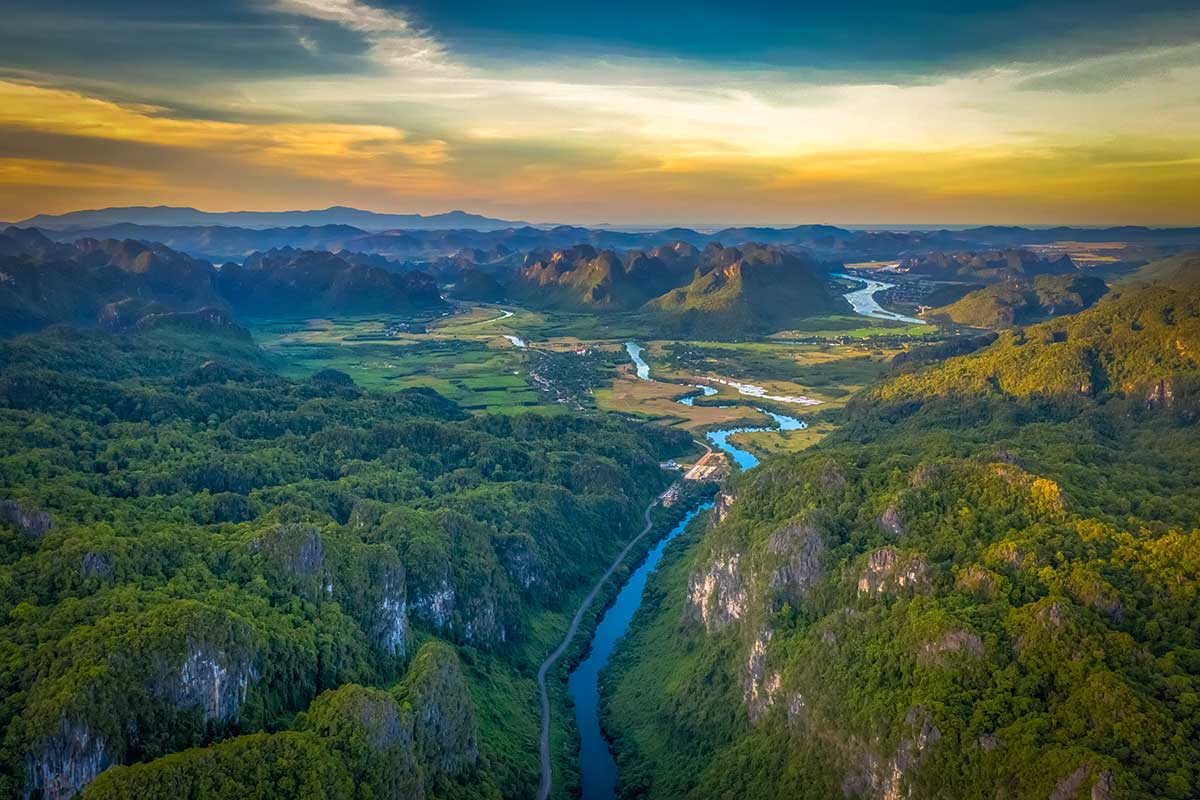
For a long time these caves were known only to locals and a handful of British explorers, and large-scale tourism only arrived in the last 10 to 15 years, so much of the park still feels genuinely wild. Above ground there’s jungle, rivers and farmland to explore by bike; below ground there’s everything from lit show caves to expeditions where you swim and climb through the dark. Knowing the difference between the caves of Phong Nha is the key to planning, since they shape most of the best things to do here.
Best things to do in Phong Nha
Most of the best things to do in Phong Nha involve caves in one way or another, but they split into two very different experiences: easy, lit caves you can walk straight into, and wild, guided expeditions through jungle and underground rivers. Beyond the caves, there are jungle treks, river swimming, quirky farm stops and a beautiful countryside to drive through. There’s something here whether you want a hard physical challenge or a gentle day out.
1. Go on a caving expedition
This is the real adventure Phong Nha is famous for — not a walk through a lit cave, but a guided trek through the jungle to caves with no lights, paths or railings. Expect to wade and swim through underground rivers, scramble over rocks, sometimes abseil, and camp in the wild. Tours run from a single day up to multi-day expeditions, all with experienced guides, safety teams and porters. Two companies run most of them: Oxalis, which holds the rights to Son Doong, Hang En and Tu Lan, and Jungle Boss.
Hang Son Doong
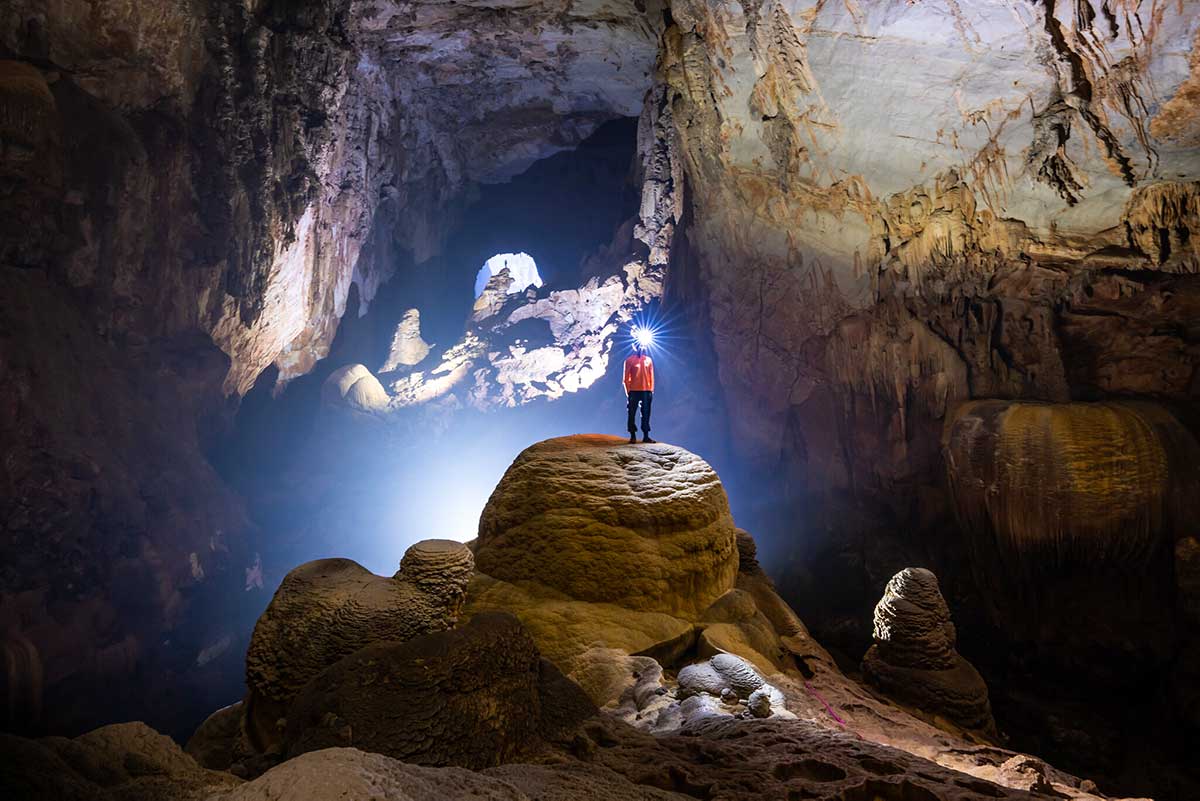
The largest cave in the world, big enough to swallow a city block, with its own jungle, river and weather inside. Visiting means a six-day expedition with Oxalis, the only licensed operator, for around 3,000 USD. Only 1,000 people are allowed in each year and trips sell out far ahead — at the time of writing, 2026 and 2027 are full and 2028 is open. It’s a serious trek for fit, experienced hikers, not something you can simply turn up for.
Hang En
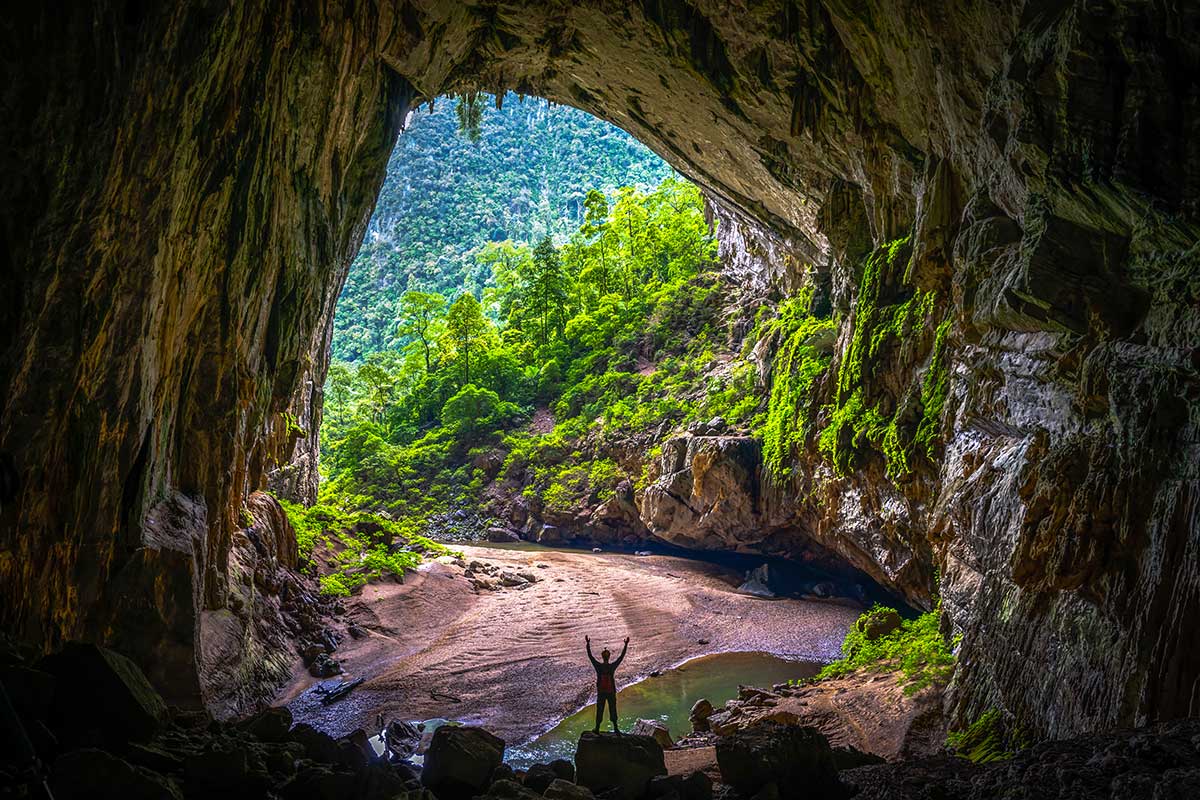
The most accessible of the big expeditions, and the best value. A two-day trip with one night camping on a beach inside the cave — one of the largest in the world — for around 330 USD. The walk in crosses rivers and jungle and is doable for most reasonably fit people. It also happens to be the first night of the Son Doong trek, so Hang En gives you a real taste of the same scenery for a fraction of the price.
Tu Lan
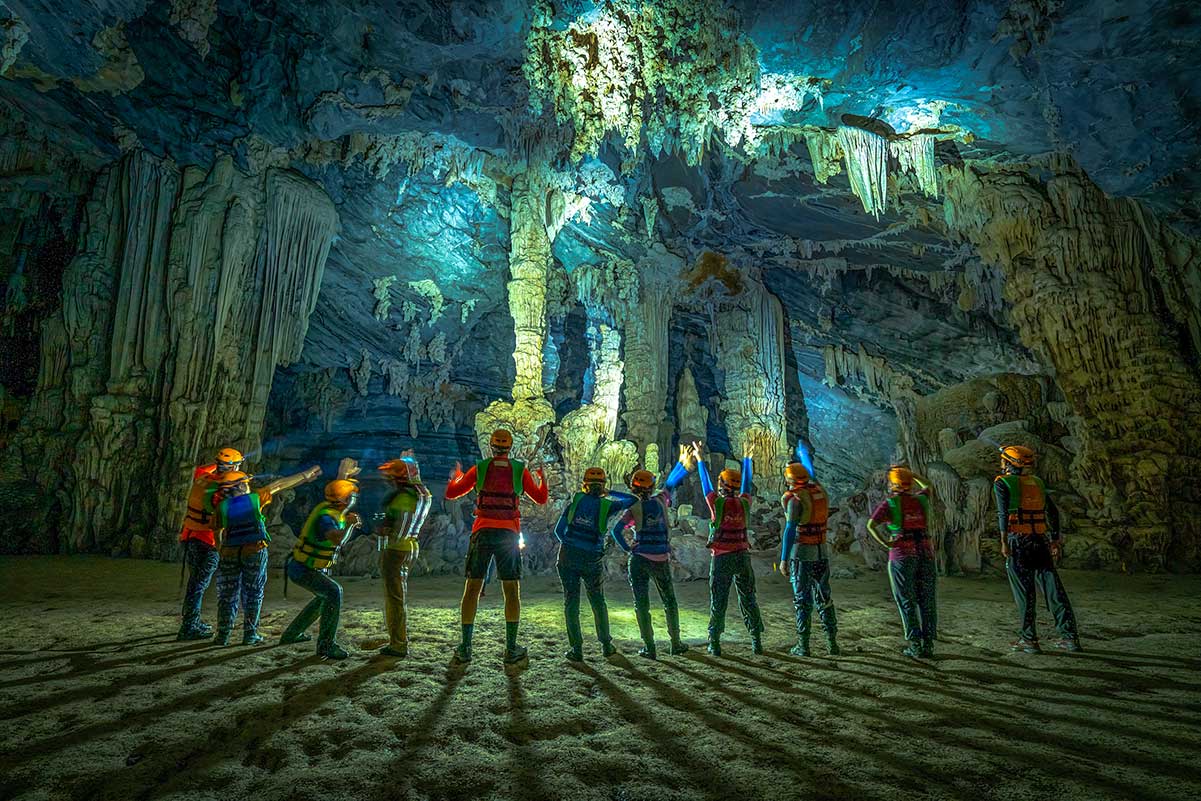
A separate cave system about 70 km from town, known for swimming through river caves between karst peaks. Tu Lan trips range from a one-day taster (around 75 USD) to multi-day expeditions with jungle camping, all run by Oxalis. It’s the popular choice for people who want the adventure without the Son Doong price tag, and plenty come away liking it more than they expected.
Other caves worth knowing:
- Hang Va — A shorter expedition known for rare cone-shaped calcite formations rising out of pools; involves some rope work.
- Hang Tien — The biggest dry cave of the Tu Lan system, with enormous entrances and unusual rock features.
- Nuoc Nut — A wilder river cave with clear blue pools, for those wanting fewer people around.
- Pygmy Cave — The fourth-largest cave in the world, reached on a multi-day camping expedition with Jungle Boss.
2. Walk into the easy caves
Expeditions aren’t for everyone, and you don’t need to swim through the dark to see why Phong Nha is special. Several of the biggest caves have lights, paved paths and wooden walkways, so you can visit them in a couple of hours with no guide and no special fitness — just a ticket. These are the easiest of the best things to do in Phong Nha, and still genuinely impressive.
Paradise Cave (Thien Duong)
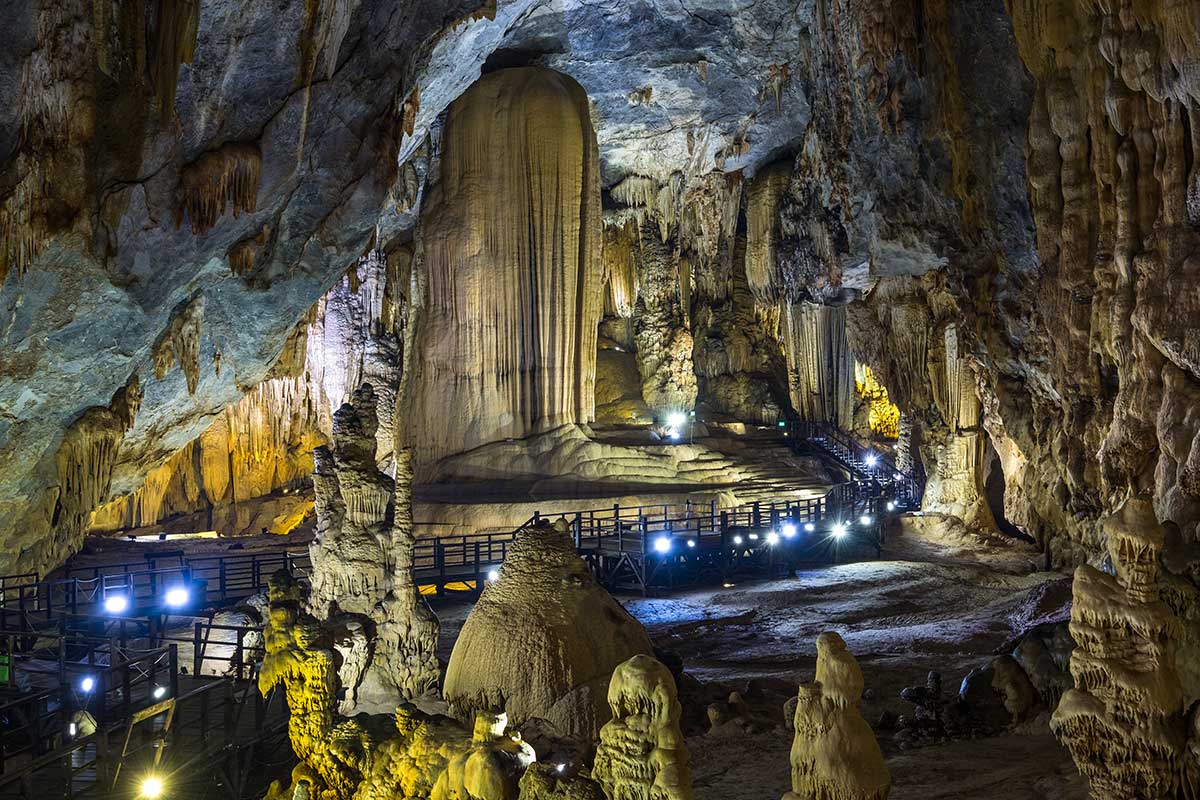
The showpiece of the lit caves — vast chambers full of stalactites and stalagmites, explored along a wooden boardwalk. Paradise Cave costs around 250,000 VND, plus a short electric-buggy ride and a staircase up to the entrance. The first kilometre is open to everyone, and a longer adventure tour goes deeper into the cave if you want more than the walkway.
Phong Nha Cave
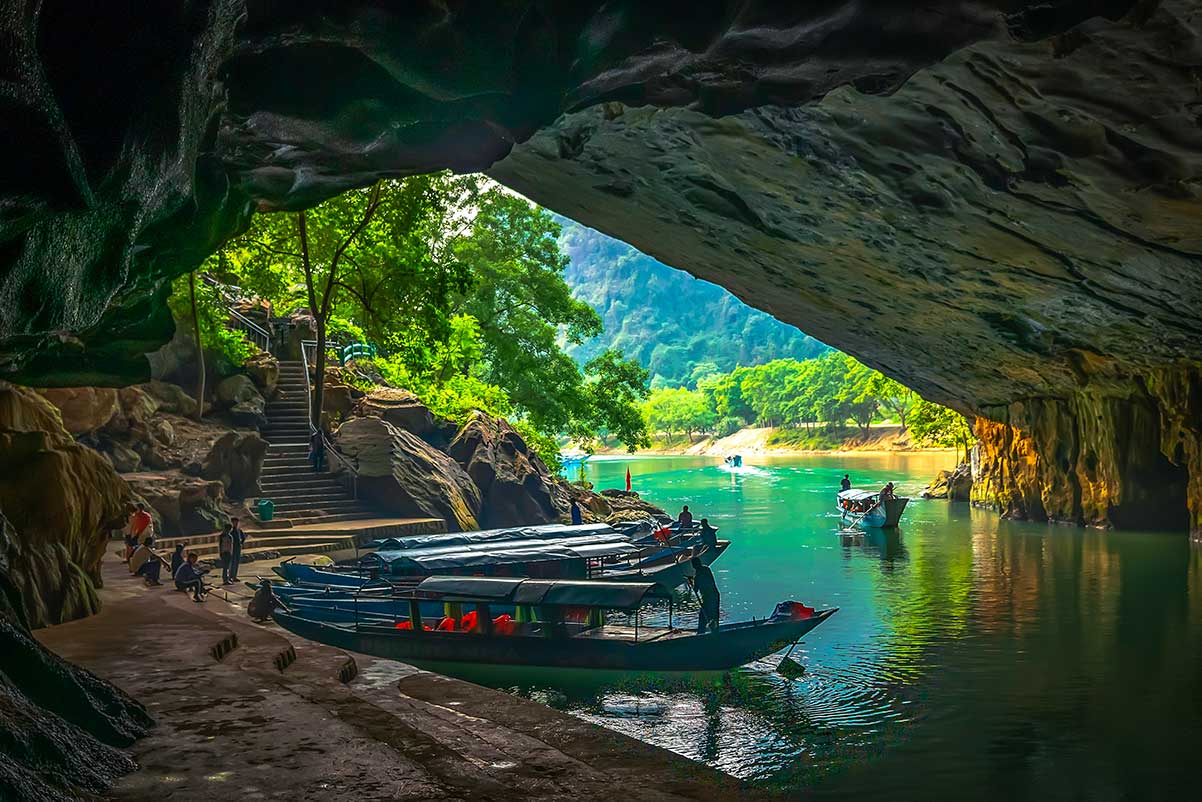
The cave that gave the park its name, and the only one you enter by boat. A short trip up the Son River through the karst landscape brings you to the mouth, where the boat drifts into illuminated chambers along an underground river. The boat ride through the countryside and villages is worth it on its own, even if caves aren’t your thing.
Tien Son Cave
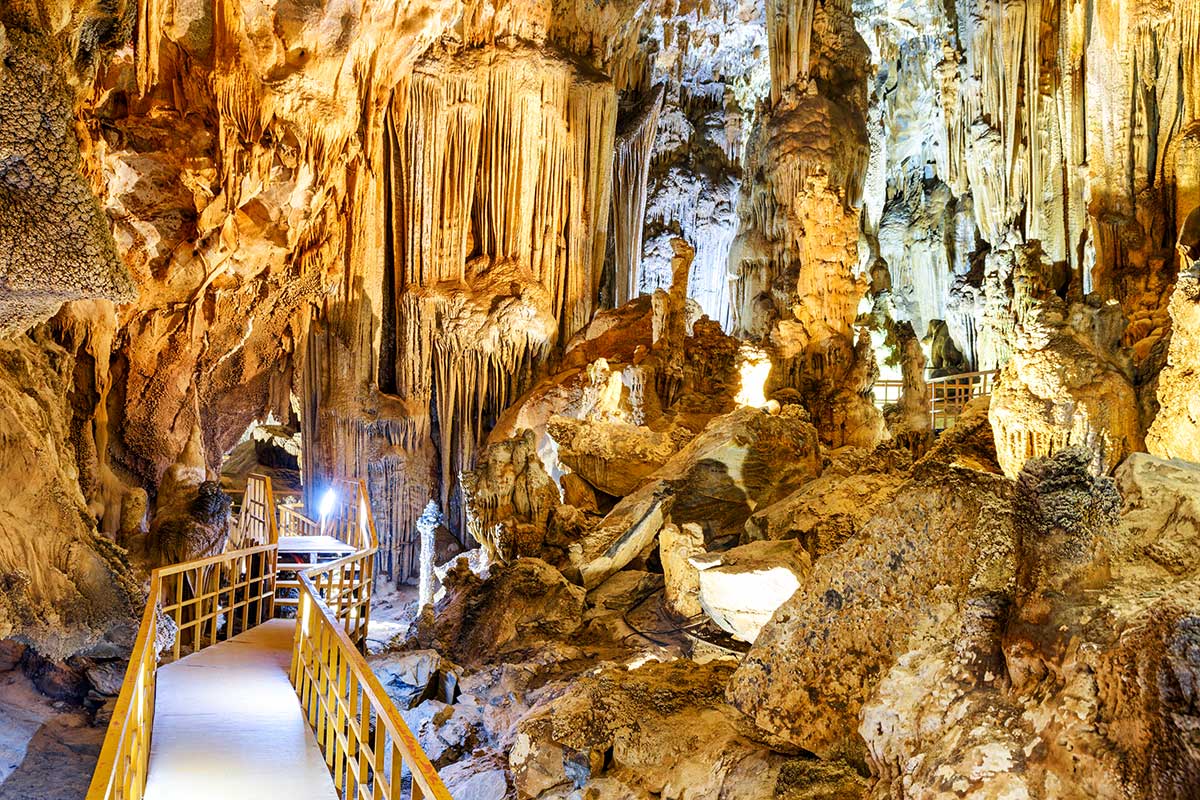
A dry cave reached by a long staircase right above Phong Nha Cave, so the two are usually visited together. Tien Son is smaller and quieter, with formations lit along a walkway and good views back over the valley from the climb up.
For something between an easy walk-in and a full expedition, the deeper Paradise Cave adventure tour or the Dark Cave (covered under water activities below) bridge the gap nicely.
3. Trek through the jungle
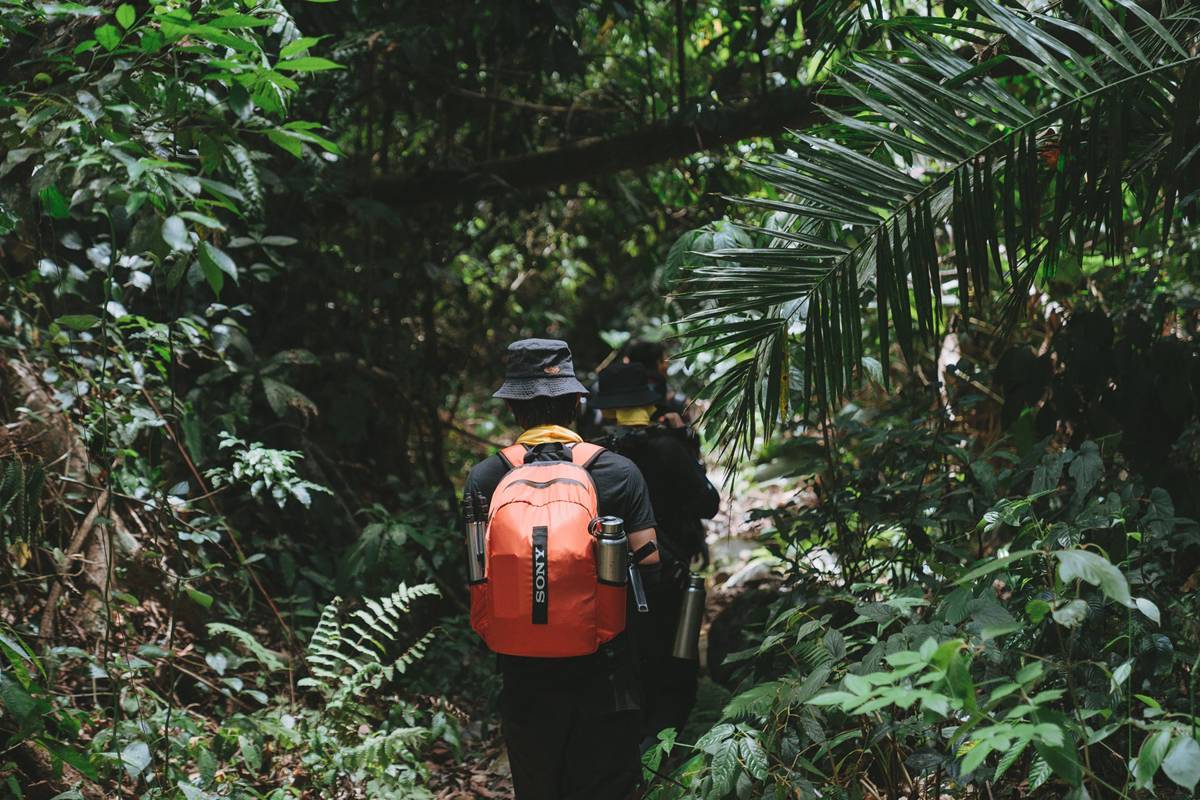
The jungle here is the real thing — dense, humid and trackless in places, the kind you’ve seen in films rather than a tidy nature path. Multi-day cave expeditions usually include long jungle treks just to reach the entrances, but you can also do a guided day trek on its own if caves aren’t your priority. A local guide leads you along hidden trails, across low rivers and through the forest, with a fair chance of spotting birds, butterflies and the occasional larger animal.
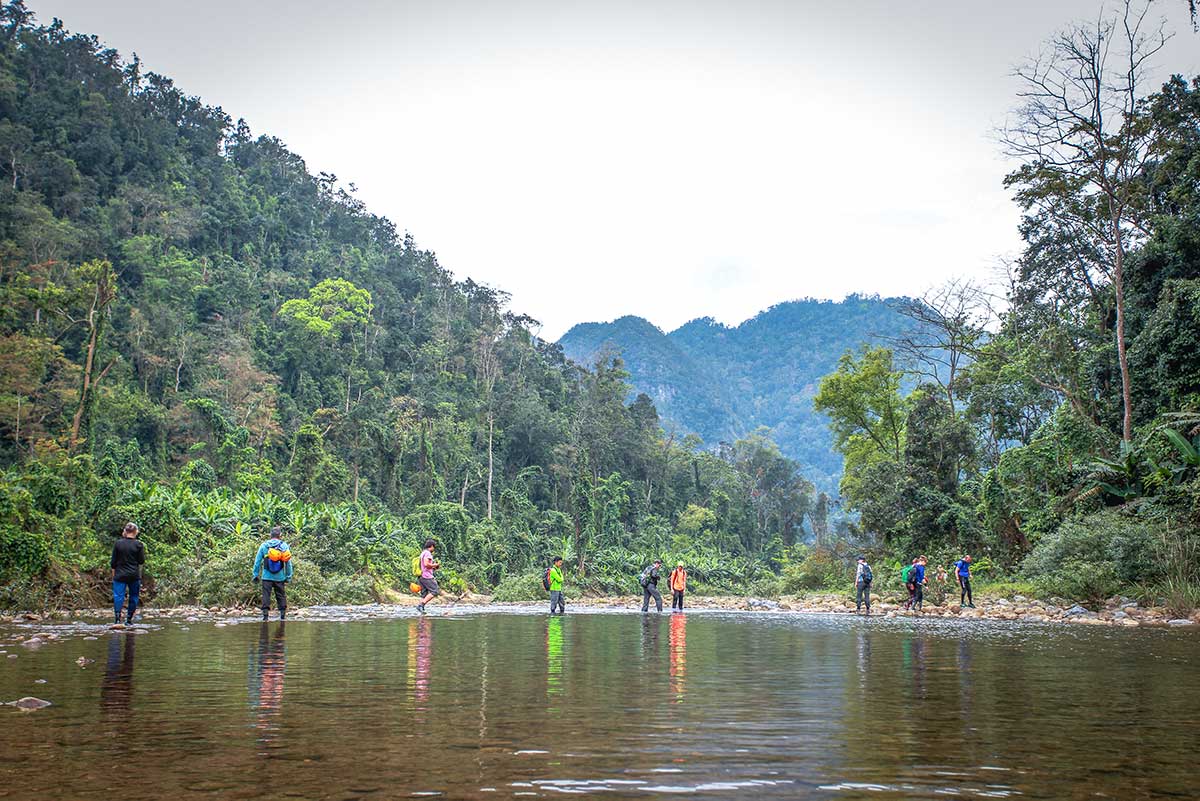
Going with a guide isn’t just nicer, it’s necessary — the trails aren’t marked and the terrain is easy to get lost or hurt in. Wear shoes you don’t mind soaking, bring leech socks in the wet months, and expect to get muddy. It’s hard work in the heat, but it’s the best way to see the park above ground.
4. Hike the Botanic Garden
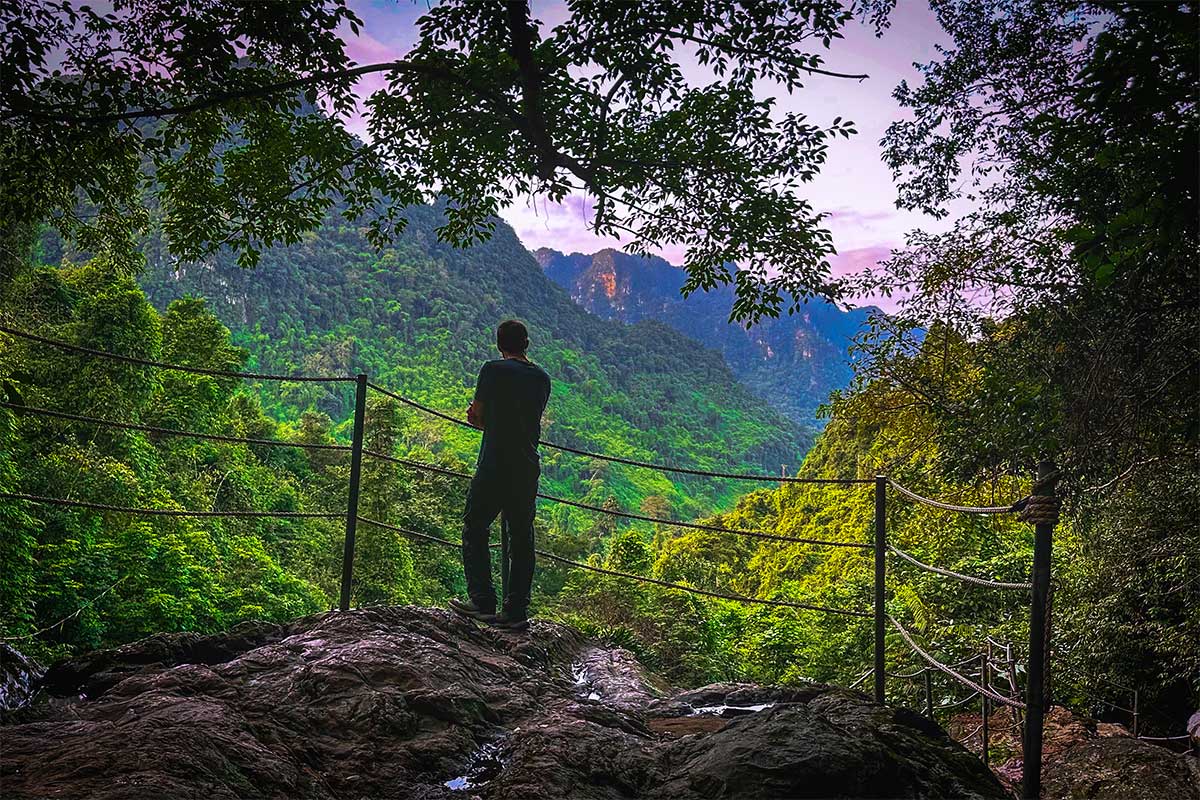
The name is misleading: the Phong Nha Botanic Garden is not a manicured garden but a patch of real jungle on Route 20, about 12 km from town, with marked trails you can walk without a guide. It’s the easiest way to experience the forest on your own, with a few route options, a waterfall, and a natural pool you can swim in.
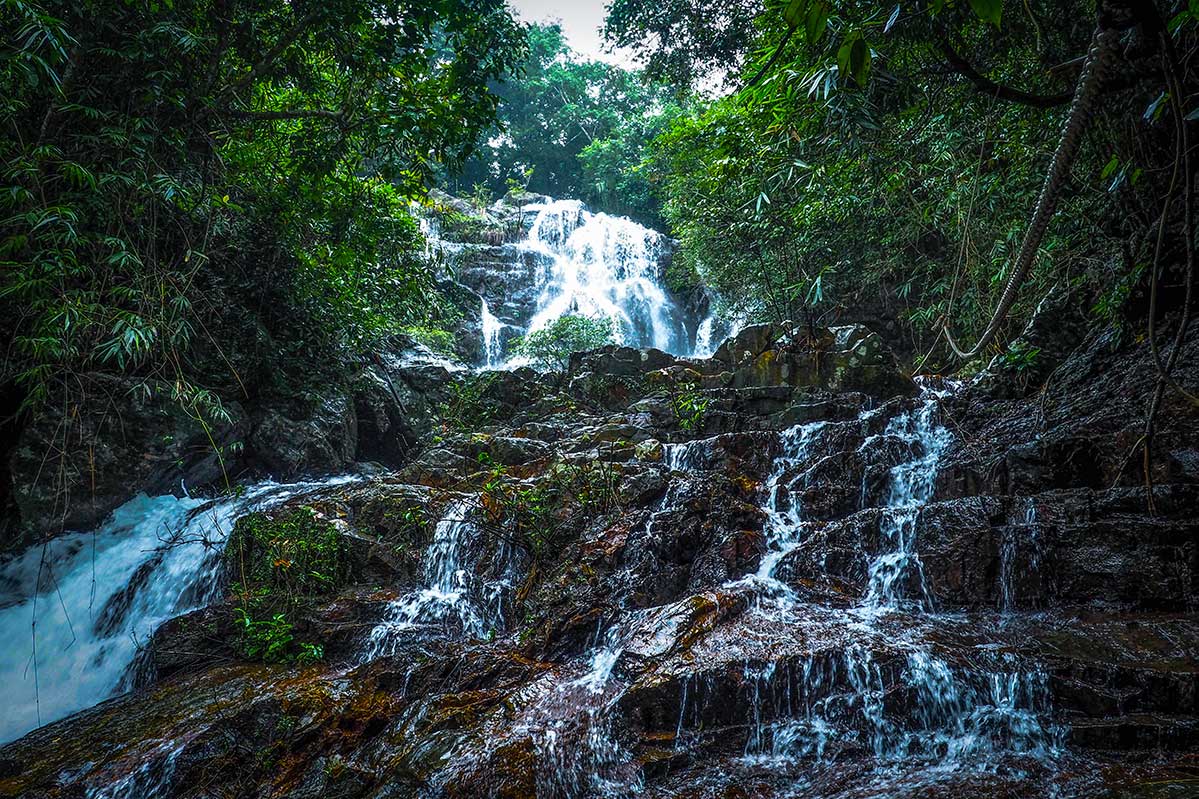
Entry is only a few tens of thousands of dong, and the main loop takes a couple of hours. The trails are rough in places and slippery after rain, so wear proper shoes. It’s a good half-day for anyone who wants jungle and a swim without booking a tour or trekking for hours.
5. Camp in the jungle or inside a cave
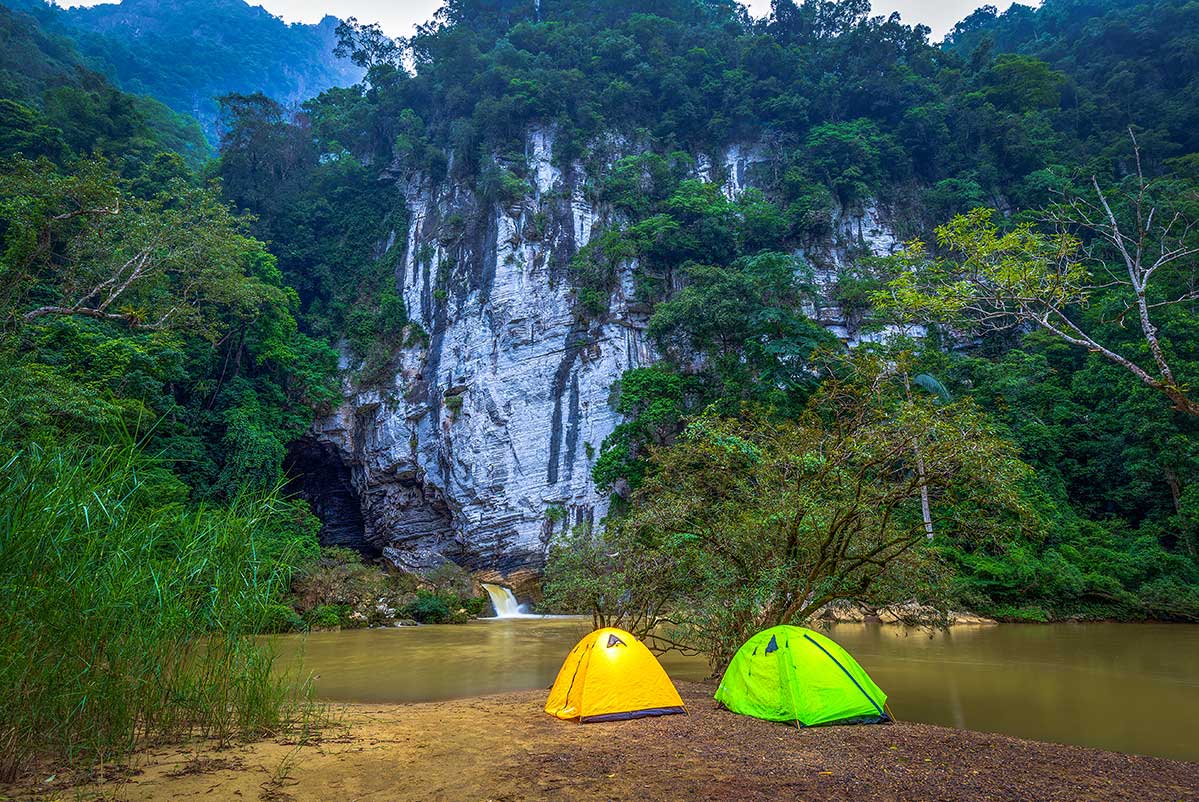
Some of the most memorable nights in Phong Nha are spent outdoors. Camping here is mostly the multi-day side of the cave expeditions and jungle treks — book a longer trip and a night or two under canvas is usually part of it. Campsites range from a riverbank or waterfall deep in the jungle to, on the best trips, a beach inside a cave.
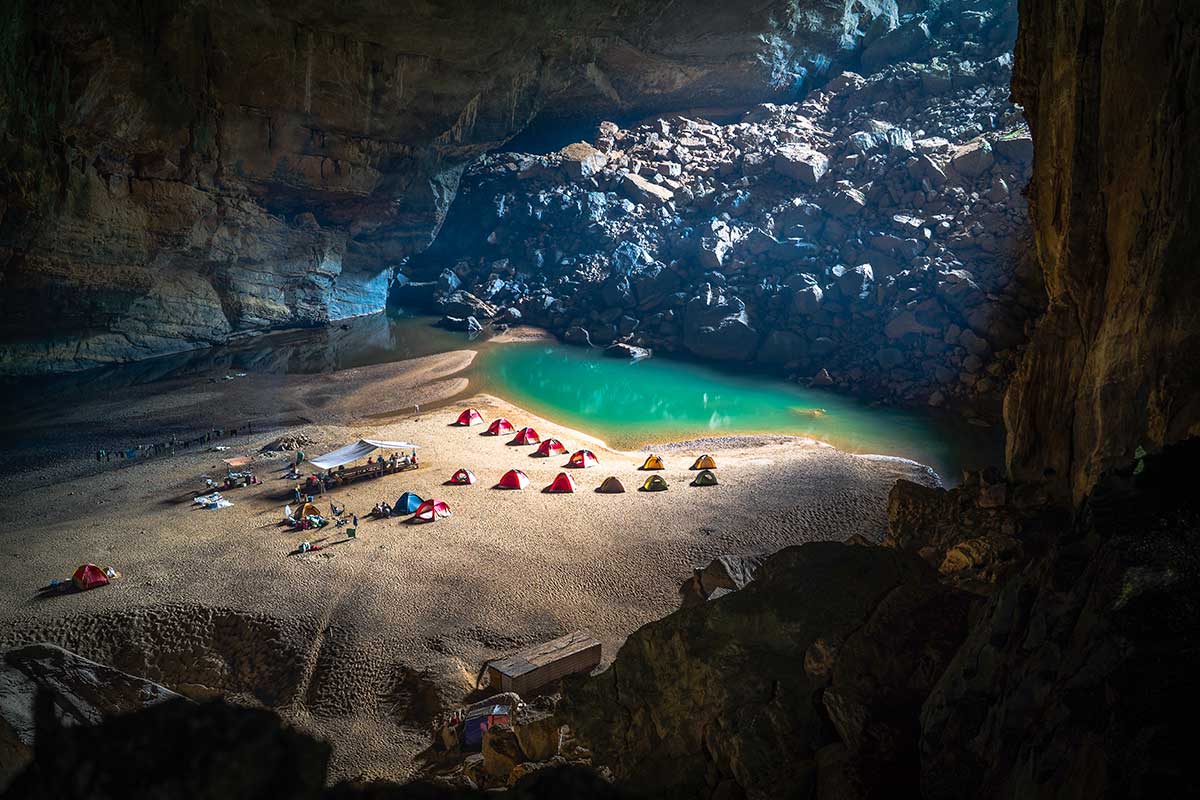
The standout is camping inside Hang En, on the sand beside an underground river, with daylight pouring through the huge cave mouths — one of the few places in the world you can sleep like this. Pygmy Cave offers something similar on a longer expedition. Whether it’s jungle or cave, it’s basic camping with no showers, but it’s the kind of night you remember for a long time.
6. Visit the Duck Stop

The Duck Stop is a small family farm in the Bong Lai Valley and one of the more lighthearted things to do in Phong Nha. You feed a flock of ducks that come charging over, get a “duck massage” as they waddle across your legs, take a short water-buffalo ride, and finish with fresh banh xeo pancakes and a cold drink. It’s simple, genuine fun, and the family are warm and funny hosts.
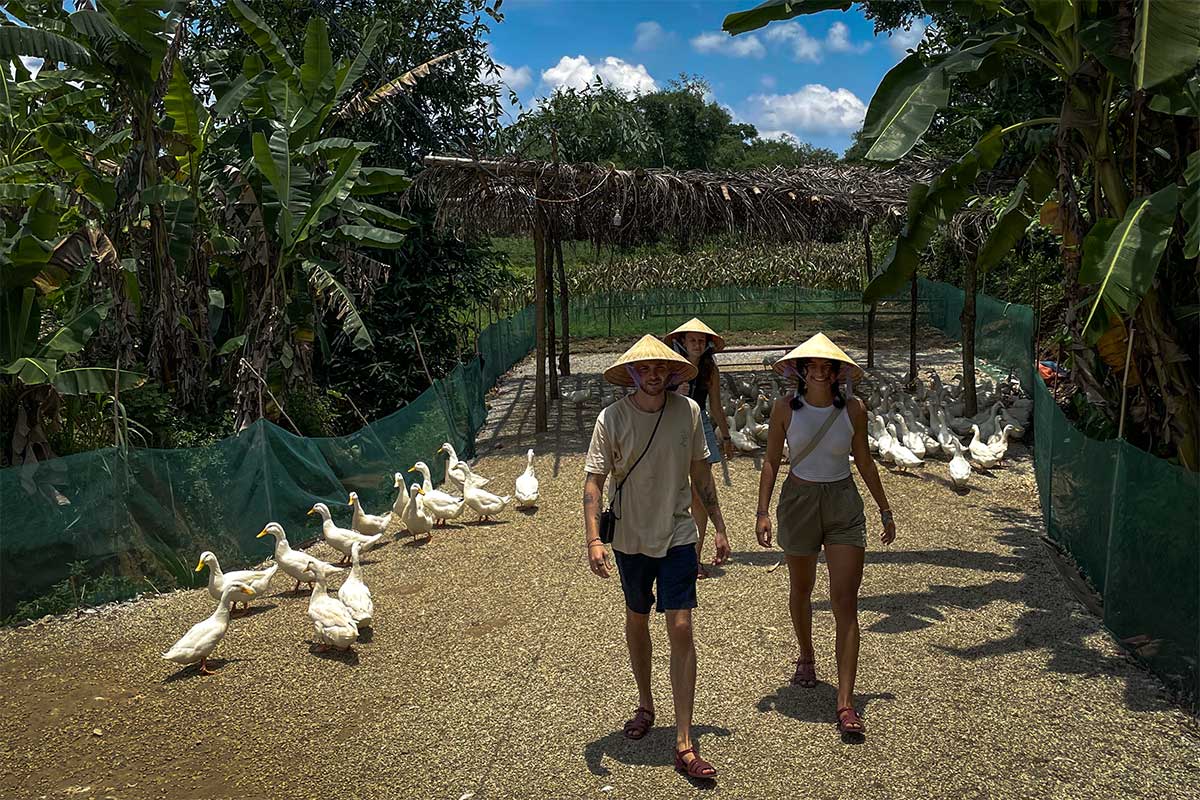
It costs around 150,000 VND for the full experience, with the buffalo ride a little extra. It’s about 10 to 15 minutes from town down quiet country roads, which get muddy after rain, and there’s no public transport, so come by bike or scooter or arrange a return ride in advance. Plan an hour or two and combine it with other Bong Lai stops.
7. Cross the Monkey Bridge
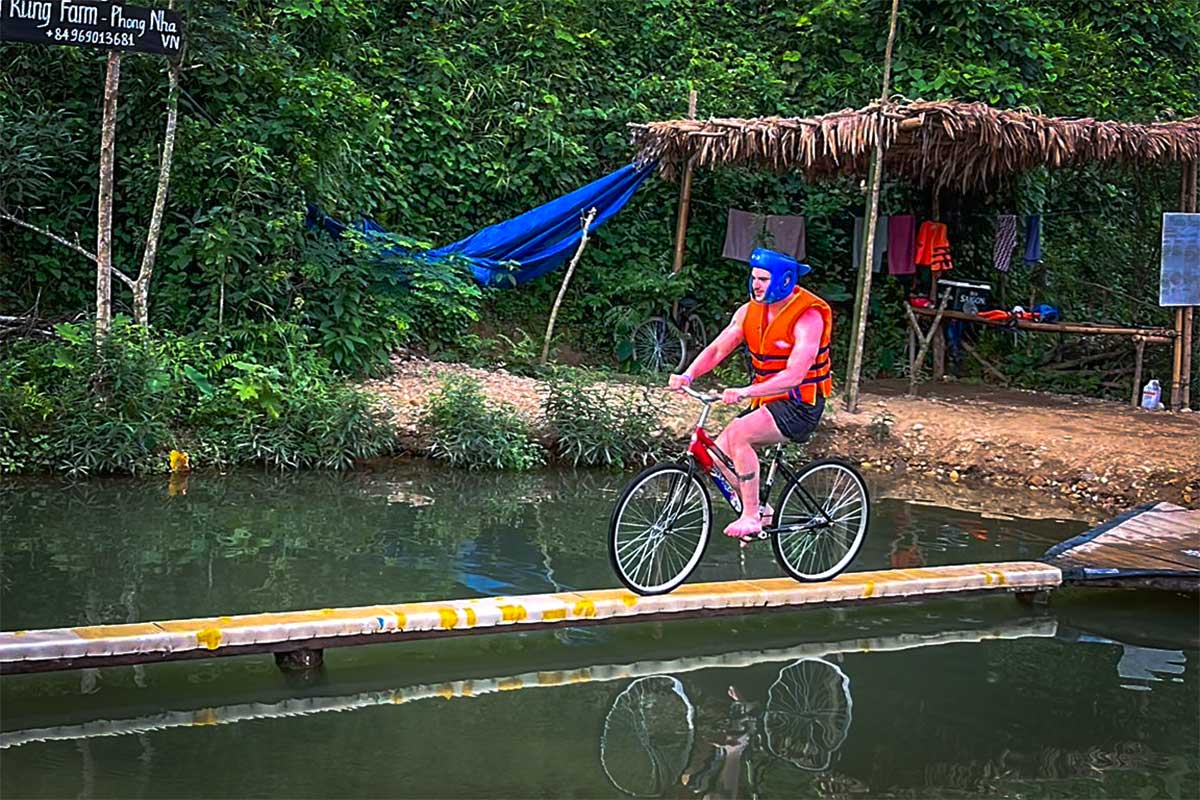
The Monkey Bridge, at a small family farm called Cuong Rung in the Bong Lai Valley, takes the traditional Vietnamese cau khi — a thin pole bridge once used to cross rivers — and turns it into a game. The challenge is to ride a bicycle across a narrow wooden beam over a pond without dropping in. Most people don’t make it, and that’s the whole point: the falls, and everyone on the bank laughing, are the fun. Reach the far side and you win a cold beer.
It’s silly, lighthearted fun in the same spirit as the Duck Stop, just a different activity. Entry is around 120,000 VND for three attempts, with a helmet and life jacket provided, and you can pay less just to watch with a drink. It’s open daily and sits about 3 km from the Duck Stop, so the two pair up on a half-day loop through the valley. The water’s most welcome in the warmer months — in winter it’s a colder landing.
8. Cool off with water activities
Central Vietnam gets hot, and the park’s rivers and springs are where you cool down. Two spots stand out, both built around clear water and a bit of fun.
Dark Cave (Hang Toi)
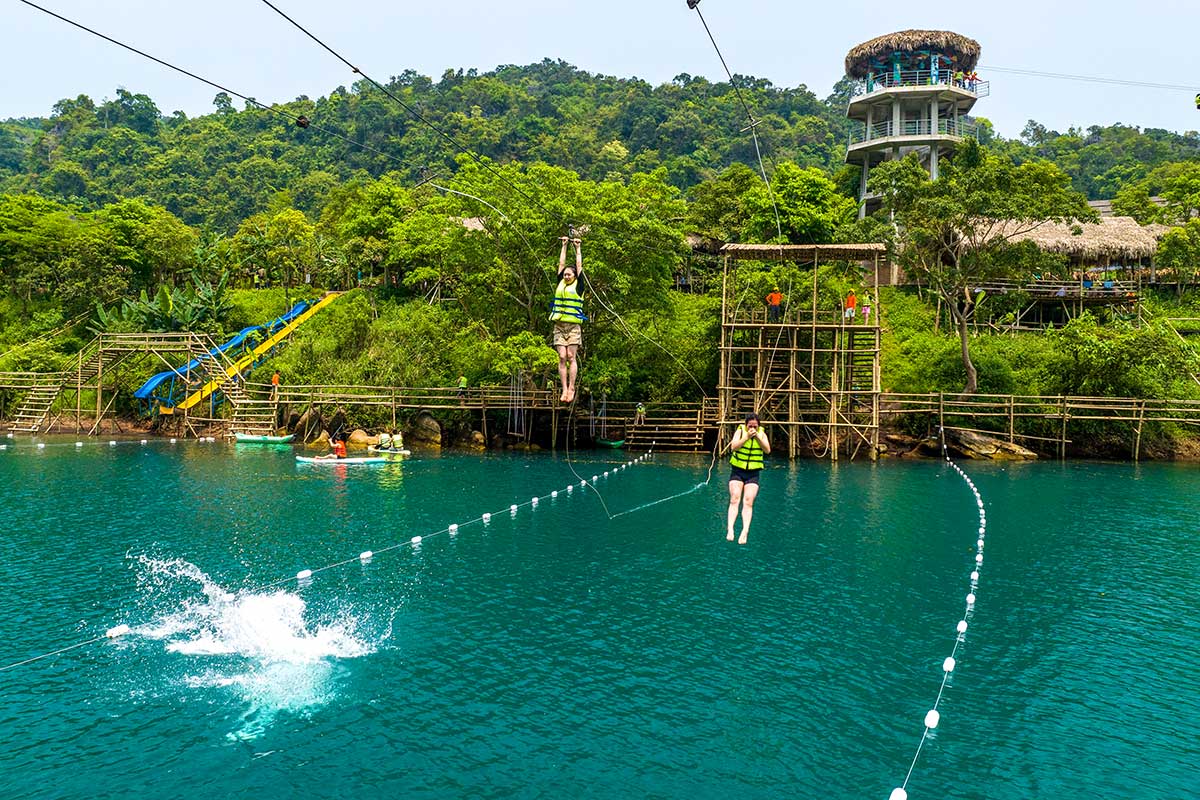
The most adventurous of the easy options: you start with a long zipline across the river to the cave mouth, wade and swim into the dark, then float through a natural mud bath inside before swimming back out and kayaking on the river. The Dark Cave costs around 450,000 VND including the zipline, mud and kayak, and most people spend a couple of hours. It’s messy, lighthearted fun and a hit with kids.
Mooc Spring (Suoi Nuoc Mooc)
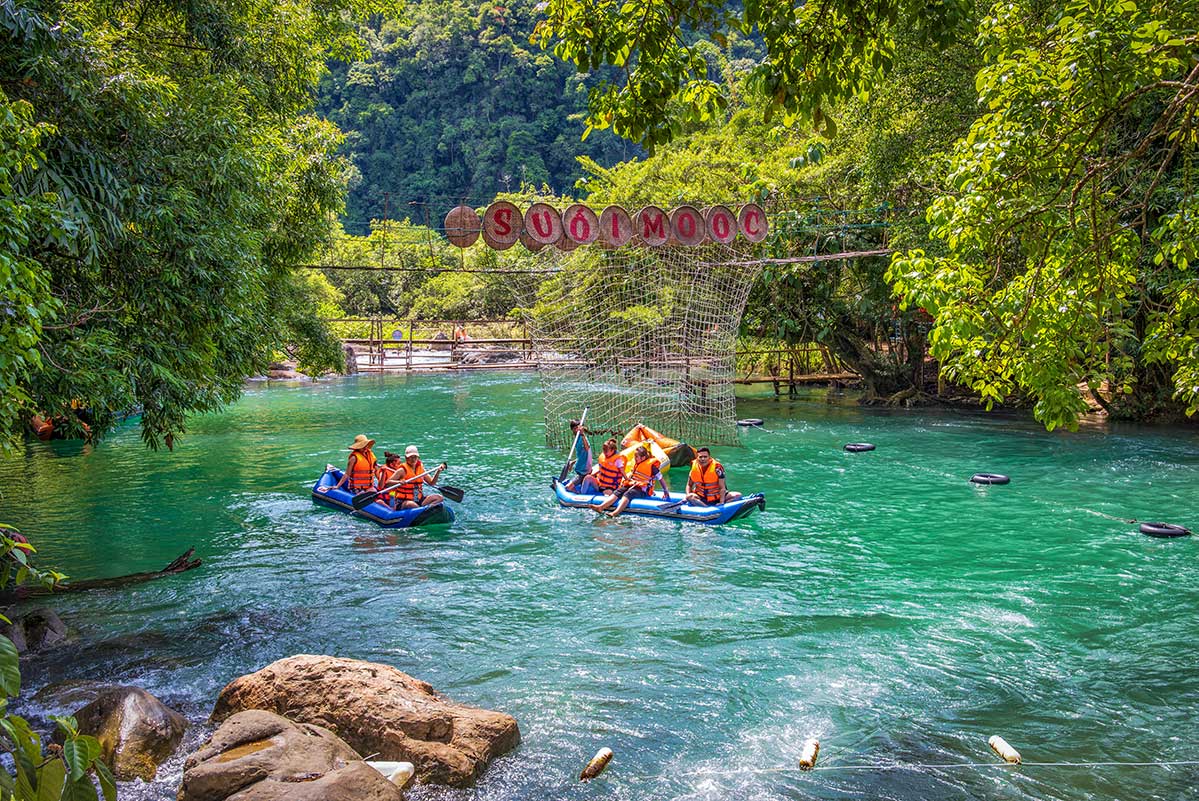
A jade-green river and eco trail where you swim in cool, clear water, paddle a kayak, and walk wooden boardwalks through the forest. Mooc Spring is calmer than the Dark Cave and a lovely place to spend a hot afternoon, with entry around 180,000 VND.
9. Drive around the park and countryside
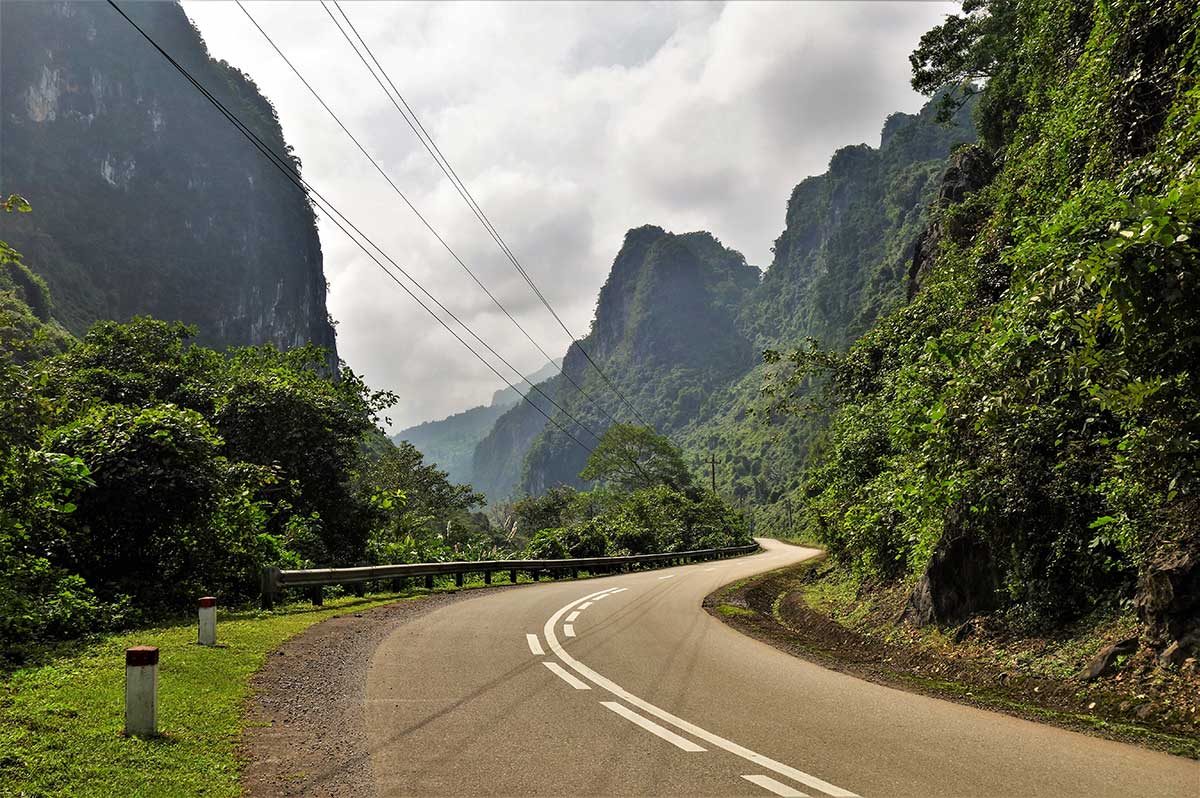
Above ground, Phong Nha is as good as below, and the easiest way to see it is on two wheels. There are two very different rides: west on the Ho Chi Minh Road, which climbs into the jungle-covered national park past cave entrances and viewpoints, and east into the Bong Lai Valley, a patchwork of farms, rivers and rural life. Both are quiet, scenic and easy to fill a day with.
The Bong Lai Valley is where the Duck Stop, the Monkey Bridge and the well-known Pub With Cold Beer (a farm restaurant run by the local “chicken lady”) all sit, linked by dusty back lanes — a relaxed loop of food, farms and countryside. The national park road is more dramatic but emptier, with no shops or restaurants along the way, so carry water and fuel.
By scooter or motorbike
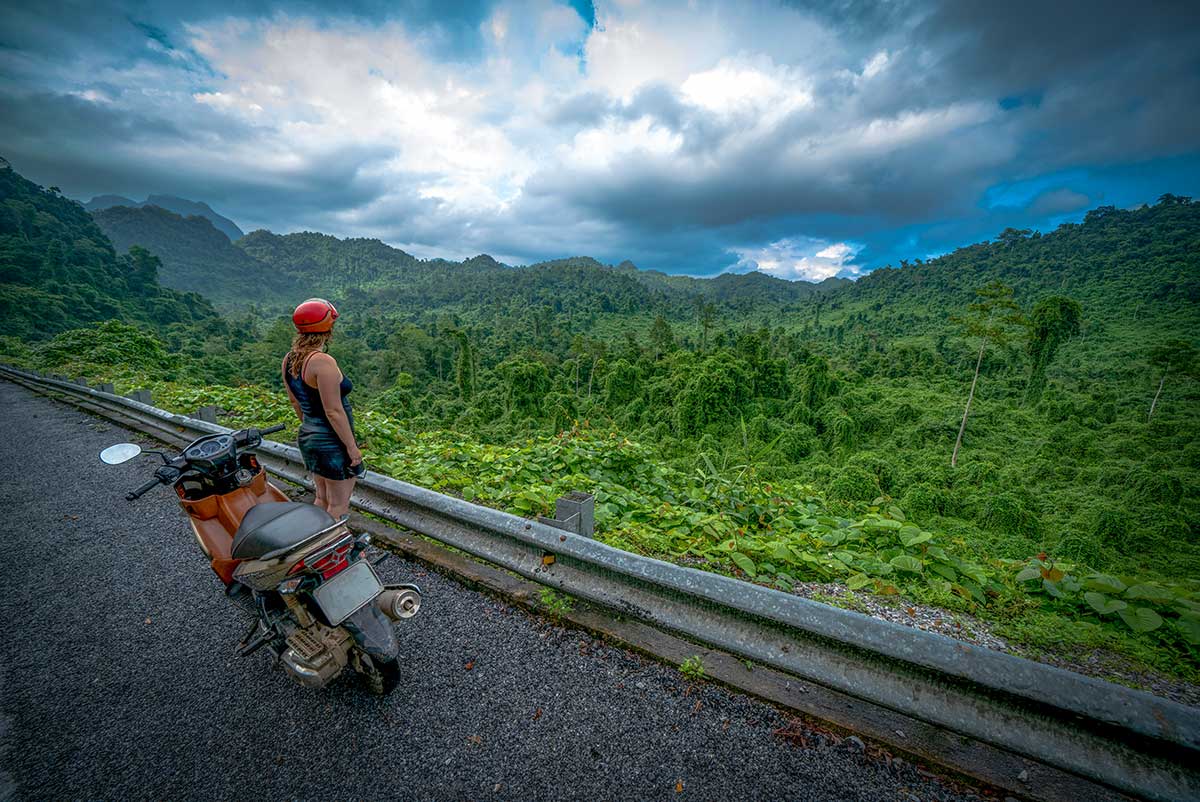
The most popular way to explore, giving you the freedom to stop wherever you like. Some valley and park roads are dirt and get muddy in the wet season, so ride carefully, and only self-drive if you’re confident.
By bicycle
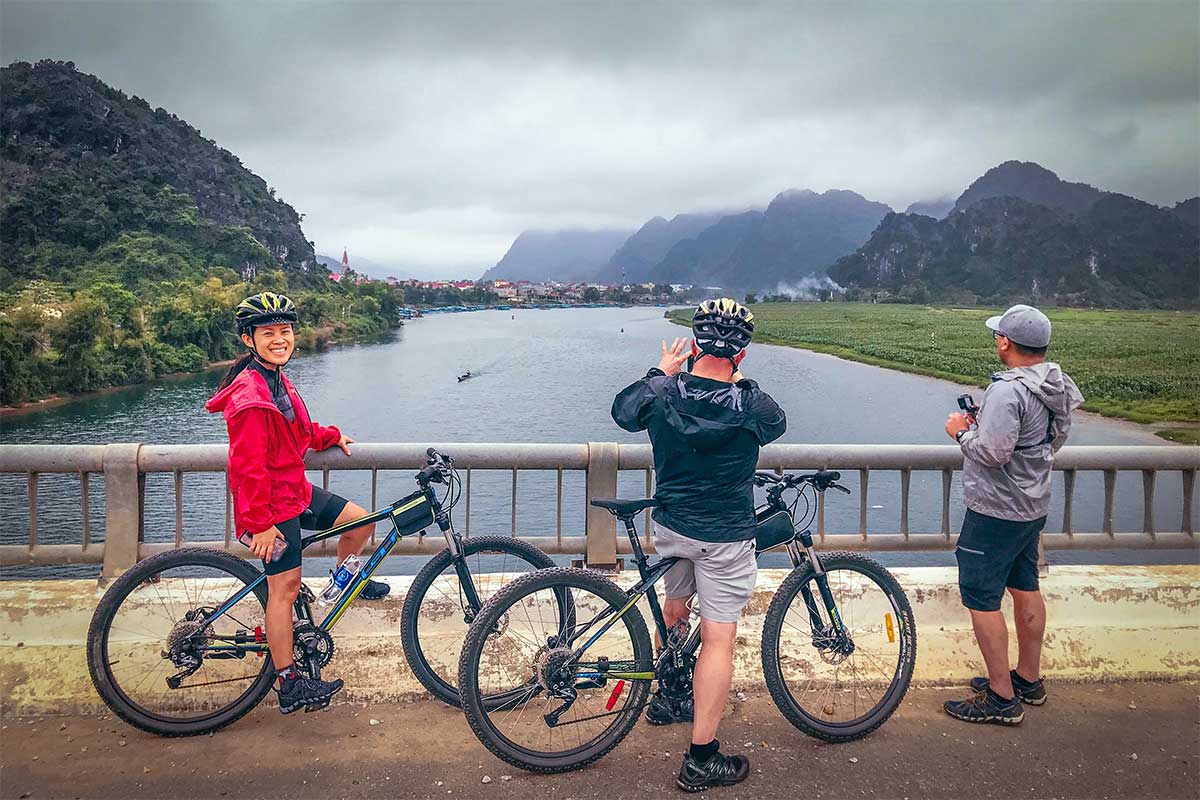
Many guesthouses lend bikes for free, and the flat lanes around Bong Lai are ideal for a slow, quiet ride. For the hillier national park road you’ll want a proper mountain bike and a bit of fitness.
10. Meet the local minority communities
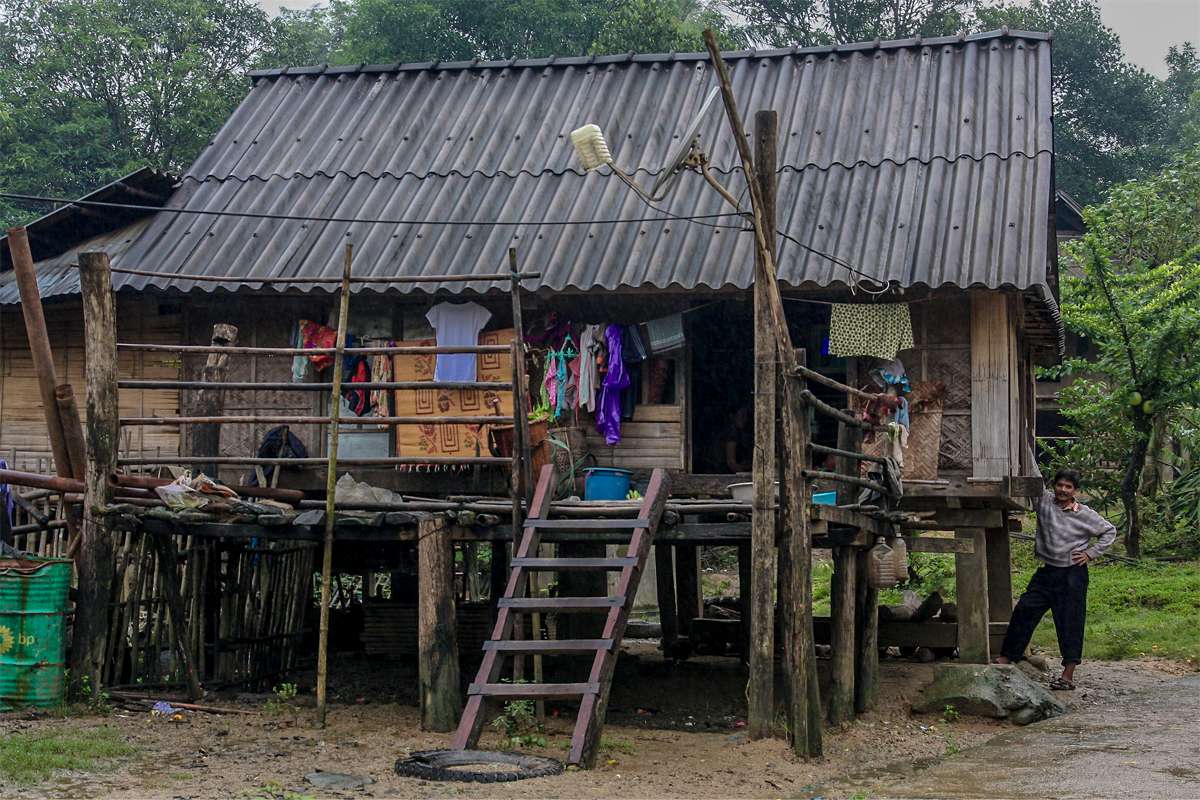
Phong Nha-Ke Bang isn’t only jungle and caves — it’s home to ethnic minority communities, mainly the Bru-Van Kieu, who live in small stilt-house villages in and around the park. They traditionally live from rice farming, fishing, hunting and gathering, and still make baskets and mats by hand.
You’re most likely to meet them on a multi-day expedition, which often passes through a village like Ban Doong on the way to Son Doong, with lunch in a local home. There’s no packaged “village tour,” and that’s a good thing, as it keeps these visits low-key and real rather than staged. If you do visit, go with a guide, be respectful, and small gifts like pens or fruit are appreciated more than money.
Best time to visit Phong Nha
The dry season, roughly February to August, is the best time to visit Phong Nha and the season for most of the best things to do here. Within that, March to May is the sweet spot — warm but not yet brutal, with green jungle and good light in the caves. June to August is the driest and best for swimming and water activities, but it’s also the hottest and most humid, with short afternoon downpours.
September to November is the flood season, and the main thing to plan around. Heavy rain can raise river levels quickly, which closes the river caves and multi-day expeditions and turns the dirt roads out to Bong Lai to mud. This is exactly why the big cave expeditions, Son Doong included, only run from around January or February to August. December and January are cooler and quieter with some rain. Whenever you come, check the forecast before booking tours, as conditions change fast.
Where to stay in Phong Nha
Most travelers base themselves in or just outside Phong Nha town, which puts you closest to the caves and the countryside. Dong Hoi, the nearest city, is an alternative, but a less appealing one if the park is your focus.
Phong Nha town (Son Trach)
The gateway village and the obvious place to stay. It’s a relaxed, walkable strip of hostels, homestays, and budget to mid-range hotels, with restaurants and tour offices all close together. Staying here means you’re near everything and surrounded by other travelers, which makes arranging tours and transport easy.
Just outside town
A short ride from the centre, a scatter of homestays and small resorts sit among rice fields and karst, with countryside views and pools. A good choice if you want quiet and scenery and don’t mind a short trip into town for food and tours.
Dong Hoi
The nearest city, about 45 km away, with the airport, the train station and a beach. It has more hotels and city comforts, but it lacks the atmosphere of Phong Nha and leaves you far from the park, so it’s mainly worth it for an early flight or train. There’s more on the city in our guide to Dong Hoi.
For specific places to stay across budgets, see our guide to the best hotels, homestays and lodges in Phong Nha.
How to get to Phong Nha
Getting to the area
Phong Nha sits inland in central Vietnam (now part of the new Quang Tri province), and the gateway is Dong Hoi, about 45 km and 45 minutes away. There’s no airport or train station in Phong Nha itself, so you reach Dong Hoi first by air, train or bus, then make the short transfer to Phong Nha — or take a bus straight to Phong Nha town.
By plane
Dong Hoi Airport has daily flights from Hanoi (about 1.5 hours) and Ho Chi Minh City, plus seasonal routes and occasional international charters, and it’s being expanded. From the airport it’s around 45 minutes to Phong Nha by taxi or a pre-arranged transfer.
By train
Dong Hoi sits on the main north-south railway, with trains from Hanoi (around 10 hours), Ninh Binh, Hue (around 3 hours), Da Nang and beyond. The overnight sleeper trains are a comfortable way to arrive. From Dong Hoi station, continue to Phong Nha by local bus or taxi.
By bus
Sleeper buses and limousine vans run from Hanoi, Ninh Binh, Hue, Hoi An and Da Nang. Many now go directly to Phong Nha town, which saves changing in Dong Hoi and makes this the easiest budget option.
Popular routes
- From Hue — about 4 hours by bus or private car; the private car can stop at the DMZ war sites, like the Vinh Moc tunnels and the old border at the Ben Hai River, on the way.
- From Hanoi or Ninh Binh — overnight train or sleeper bus.
- From Hoi An or Da Nang — sleeper bus, or a train up to Dong Hoi.
How to get around Phong Nha
Guided tours
For many of the caves, a tour isn’t just easier, it’s the only way in — the expeditions, the river caves and most of the jungle can only be reached with a licensed operator. It’s also how you get to the further sights without your own transport.
Motorbike or scooter
The most flexible way to explore the countryside and the national park road on your own. Rentals run about 150,000 VND a day; check the bike first, and remember some roads are dirt. Our guide to renting and driving a motorbike in Phong Nha has the details.
Easy Rider
Ride on the back of a motorbike with a local driver — a good option for the dirt roads of Bong Lai and the national park if you’d rather not drive yourself. A full day runs roughly 400,000 to 600,000 VND.
Bicycle
Many guesthouses lend bikes for free, which are fine for the flat lanes around town and the valley. For longer or hillier routes, a proper mountain bike is worth it.
Private car with driver
The easiest option for families or groups, and for day trips to the caves further out. Drivers don’t usually guide, so pair it with a tour if you want commentary.
Itinerary: 2 days in Phong Nha
Two days is enough to fit in several of the best things to do in Phong Nha, mixing one or two big caves with the countryside. This simple 2-day itinerary stays flexible — do it by rented scooter, by Easy Rider, or by joining day tours. With more time, add a multi-day cave expedition or a full day in the Bong Lai Valley.
Day 1 — caves
- Start at Paradise Cave, the most impressive of the lit caves.
- Take the boat up the Son River to Phong Nha Cave, and add Tien Son Cave above it.
- In the afternoon, cool off at the Dark Cave with its zipline and mud bath, or at Mooc Spring.
Day 2 — countryside and jungle
- Ride out to the Bong Lai Valley for the Duck Stop, the Monkey Bridge and lunch at the Pub With Cold Beer.
- Drive the national park road or walk the Botanic Garden trails for a taste of the jungle.
- For something wilder, swap the day for a one-day Tu Lan caving trip or a guided jungle trek.
Tips for traveling to Phong Nha
How long to stay
Two to three days covers the main caves and the countryside. Add more if you want a multi-day expedition or simply a slower pace, since the park rewards lingering.
Money and ATMs
There are a few ATMs in Phong Nha town, and many hotels and tour offices take cards, but carry cash for small eateries and anything out in the countryside.
Booking cave tours
The big expeditions, especially Son Doong, sell out months to years ahead, so book as early as you can. Easy caves and day trips can usually be arranged on the spot or a day before.
What to pack
Shoes you can soak, quick-dry clothes, a swimsuit for the Dark Cave and springs, a light layer for the cool caves, and insect repellent. Leech socks are worth having in the wet months.
Food
The restaurant scene is small but the local food is good. The regional specialty is BBQ chicken and duck with cheo sauce, and many guesthouses cook well, so eating where you sleep is no hardship.
Where to go next
Hue is the natural next stop (about 4 hours, with the DMZ war sites on the way). Ninh Binh and Hanoi lie to the north, Hoi An and Da Nang to the south, all reachable by train via Dong Hoi, and the wider Quang Binh coast around Dong Hoi has beaches if you want a day by the sea.
What to expect from Phong Nha: an honest verdict
Phong Nha is one of the highlights of Vietnam, and one of the most underrated. It hasn’t been overdeveloped, the jungle around it is about as real as it gets, and the caves — some of the largest and most spectacular on earth — make it genuinely special. For reasons that are hard to explain, it stays surprisingly quiet: only Phong Nha Cave and Paradise Cave see real crowds at holiday times, and even then the area as a whole remains calm and unspoiled. For travelers who want nature, adventure and a place that still feels real rather than packaged, it’s hard to do better. Go before it changes.