Sapa Tours
Explore our best Sapa tours by small group or private trips. Go trekking through the rice fields, stay overnight in a homestay or comfortable hotel. Travel further to visit some of the local minority markets and go more off the beaten track.
- Travelers’ Choice 2025 and 2026
- Private and small group tours
- Real local experiences
- Licensed local company in Vietnam
The best Sapa tours & local experiences
Best of Northern Vietnam
Sapa treks, Ha Giang’s passes, Ban Gioc Waterfall and Ba Be Lake.View this tour
Fansipan Mountain Climbing Tour
Climb Mount Fansipan through bamboo forest, and camp on the mountain.View this tour
Hanoi, Sapa & Halong Bay Combo Tour
Treks through Sapa’s rice terraces, then a Bai Tu Long Bay cruise.View this tour
Highlights of The North
Sapa’s rice terraces, a Bai Tu Long Bay cruise and Trang An.View this tour
Mu Cang Chai & Sapa Tour
Hike Raspberry Hill and La Pan Tan, then drive on to Sapa.View this tour
Ninh Binh & Sapa Combo Tour
Silver and Love Waterfalls, Sapa’s terraces, Trang An and Mua Cave.View this tour
Sapa & Halong Bay Combo Tour
Muong Hoa Valley treks, then kayaking in Bai Tu Long Bay.View this tour
Sapa & the Ha Giang Loop
Rice terraces in Sapa, then Ha Giang’s high passes and Hmong villages.View this tour
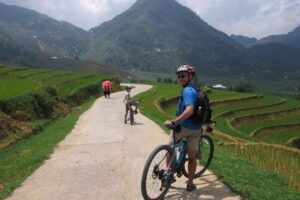
Sapa Cycling Tour & Trekking
Downhill cycling through Muong Hoa Valley to Ban Ho village.View this tour
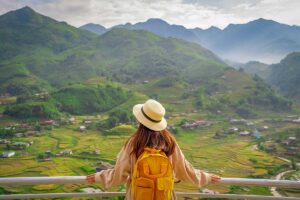
Sapa Easy Sightseeing Tour by Car
Ta Phin village, Silver Waterfall and the high Tram Ton Pass.View this tour
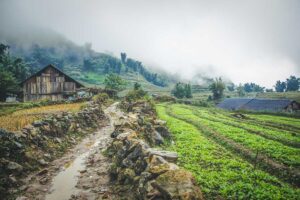
Sapa Homestay Trekking
Trek through Muong Hoa Valley’s rice terraces to Ta Van village.View this tour
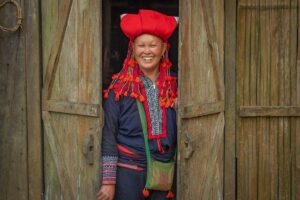
Sapa Homestay Trekking off the Beaten Track
Village trails from Lao Chai to Giang Ta Chai and Ban Ho.View this tour
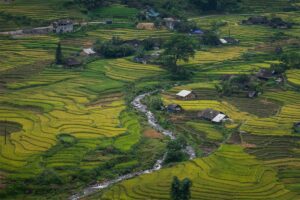
Sapa Market Tour & Rice Field Trekking
An ethnic market such as Bac Ha, then trekking in Muong Hoa.View this tour
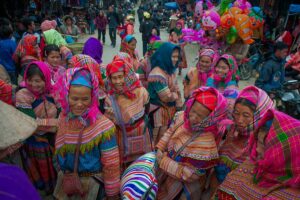
Sapa Minority Market & Homestay Trekking
Black Hmong and Red Dao villages, and a colorful minority market.View this tour
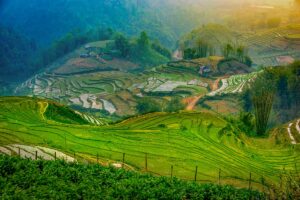
Sapa Sightseeing & Homestay Trekking
A Muong Hoa Valley trek, then Silver Waterfall and Tram Ton Pass.View this tour
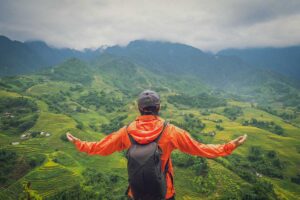
Sapa Trekking Tour & Sightseeing
Tram Ton Pass by car, then a trek through rice terraces.View this tour
Private Sapa Tour
Trekking paths, Fansipan viewpoints and ethnic minority villages.View this tourNot sure what Sapa tour to choose?
Sapa tours by sight
About Sapa
Frequently asked questions about Sapa tours
When is the best time to visit Sapa?
The best time to visit Sapa is from March to May and September to November. These months offer pleasant weather, clear skies, and beautiful landscapes. April brings blooming flowers, while September is ideal for golden rice terraces during harvest season. Avoid the winter months if you dislike cold or foggy conditions.
What happens when it rains during a Sapa tour?
Rain is common in Sapa, especially from June to August. Trekking routes may get muddy, but most tours still operate unless conditions are unsafe. Bring waterproof gear and expect changes in the itinerary if needed. Light rain can actually make the scenery more atmospheric, but heavy rain may limit views and access.
Is a 2-day Sapa tour enough?
A 2-day Sapa tour is enough for a short trek and a village visit, often with one night in a homestay. It’s a good option if you’re short on time. However, for more remote routes and cultural depth, a 3-day tour offers a better pace and wider range of experiences.
Do I need a tour to visit Sapa?
You can visit Sapa on your own, but tours make it easier to explore villages, navigate trekking routes, and connect with locals. Many ethnic minority areas are best visited with a guide, who can explain traditions and ensure respectful interaction. Booking a tour also simplifies transport and accommodation.
How do I get to Sapa from Hanoi?
The most common way to reach Sapa is by bus or limousine van, which takes around 5–6 hours. You can also take an overnight train to Lao Cai, then a 1-hour drive up to Sapa. Many tours include round-trip transport from Hanoi, making the journey more convenient.
What’s the weather like in Sapa year-round?
Sapa has a cooler climate than most of Vietnam. Summers (June–August) are warm and wet, while winters (December–February) can be cold and misty, with occasional frost. Spring and autumn are mild and dry, ideal for trekking. Always check the forecast—temperatures can vary widely in a single day.
Who operates the tours in Sapa?
Why book Sapa tours with Local Vietnam?
10 highlights in Sapa tours
1. Trekking tours
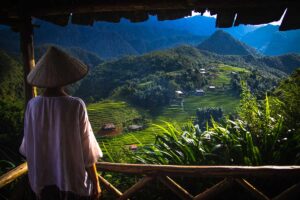
The best way to see the valley with its villages and rice fields is to take a trekking. You can choose from half a day to multi-day trips. Sapa trekking tours →
2. Rice fields
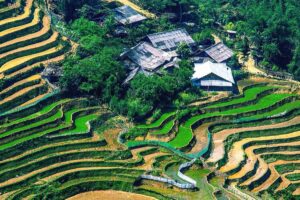
View the most beautiful terraced rice fields in Vietnam. Walking is the best option, but you can also cycle or explore the area by motorcycle or car.
3. Minority villages
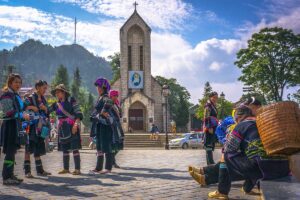
Learn about the unique culture of the ethnic minorities with their colorful clothing and traditional houses.
4. Homestay Experience
For a complete experience, stay in an ethnic minority homestay. The overnight stay is basic but will be an experience you will never forget. Sapa homestay tours →
5. Local market
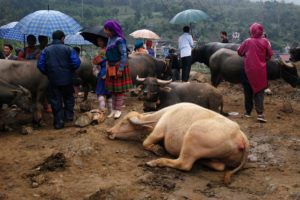
Visit one of the unique minority markets. Here you have hundreds of colorful minorities gathered to trade local produce and livestock.
6. Fansipan
Fansipan is the highest mountain in Vietnam. You can reach the peak by cable car, but if you are a real adventurer you can climb the mountain. Fansipan tours →
7. Tram Ton Pass
The highest mountain pass in the country has beautiful views. Visit the pass on the back of the motorcycle or by car with private driver. Tram Ton Pass tours →
8. Waterfalls
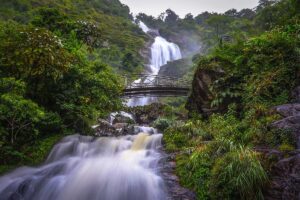
There are a number of waterfalls you can visit around Sapa, such as the Silver Waterfall and Love Waterfall. A cooling change after a trekking.
9. Bike tours
Explore the area by bicycle or motorcycle. You can cover longer distances than walking and it is an adventurous and fun activity.
10. Sapa town
If you want to take it easy, you can explore the city on your own, with a market, old church, museum and lookout point on Ham Ruong Mountain.
Why choose Local Vietnam for your Sapa tours
Local Vietnam is based in Vietnam and partners directly with experienced Hmong and Dao guides from Sapa’s mountain villages. All tours are private and flexible, allowing you to explore terraced rice fields, ethnic markets, and homestays at your own pace. Our team combines local connections with years of on-the-ground experience to create authentic Sapa journeys away from the tourist crowds.
What travelers say about Sapa
Short summaries of what travelers wrote on Tripadvisor about their Sapa trips with Local Vietnam. Reviews in other languages are translated.