


Da Nang: Vietnam’s central coast beach city
Not long ago Da Nang was a quiet port town; today it’s one of the largest and most modern cities in Vietnam, with a long beachfront, a tidy riverfront and a growing skyline. It’s best known for its beaches and its location — right in the middle of the country, between the heritage towns of Hoi An and Hue, with the Hai Van Pass, the Son Tra peninsula and the Marble Mountains all on the doorstep.
It’s more a comfortable, modern base than a city packed with old sights. Many of the best things to do in Da Nang are actually around it rather than in it, so people tend to come for the beach, the food and the easy access to everything nearby. Two or three days is enough for the city and its surroundings, often combined with a stay in Hoi An.
What the 2025 merger with Quang Nam means
In mid-2025 Vietnam reorganised its provinces, and on 1 July the neighbouring province of Quang Nam was merged into Da Nang, which stays a centrally-governed city and keeps its name. For travelers, very little changes day to day, but it does mean that Hoi An and the My Son Sanctuary now sit, on paper, within Da Nang city rather than a separate province.
In practice they’re still very much their own destinations, with their own atmosphere, and we cover them in their own guides. So this guide stays focused on the things to do in Da Nang itself — the beaches, the city and its immediate surroundings — and treats Hoi An separately, the way it still feels on the ground.
Best things to do in Da Nang
The list below runs from the beaches and the coastal pass to the city’s bridges, markets and museums, with honest notes on what’s worth your time. Most sit in or close to the city; the bigger trips further out have their own section after the list.
1. Relax on My Khe Beach
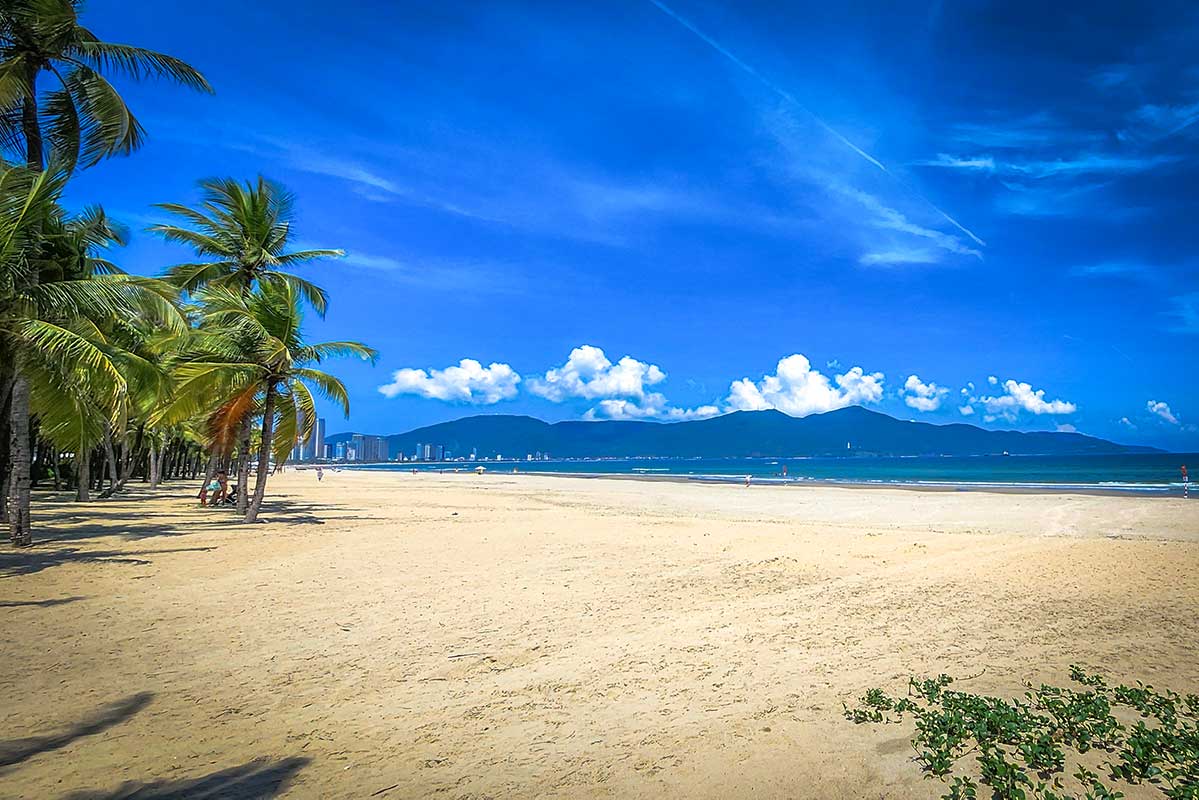
My Khe is Da Nang’s main beach and the reason many people come — a long, wide stretch of soft sand and clear water running along the eastern edge of the city, with calm sea for much of the year and rows of cafes and seafood restaurants behind it.
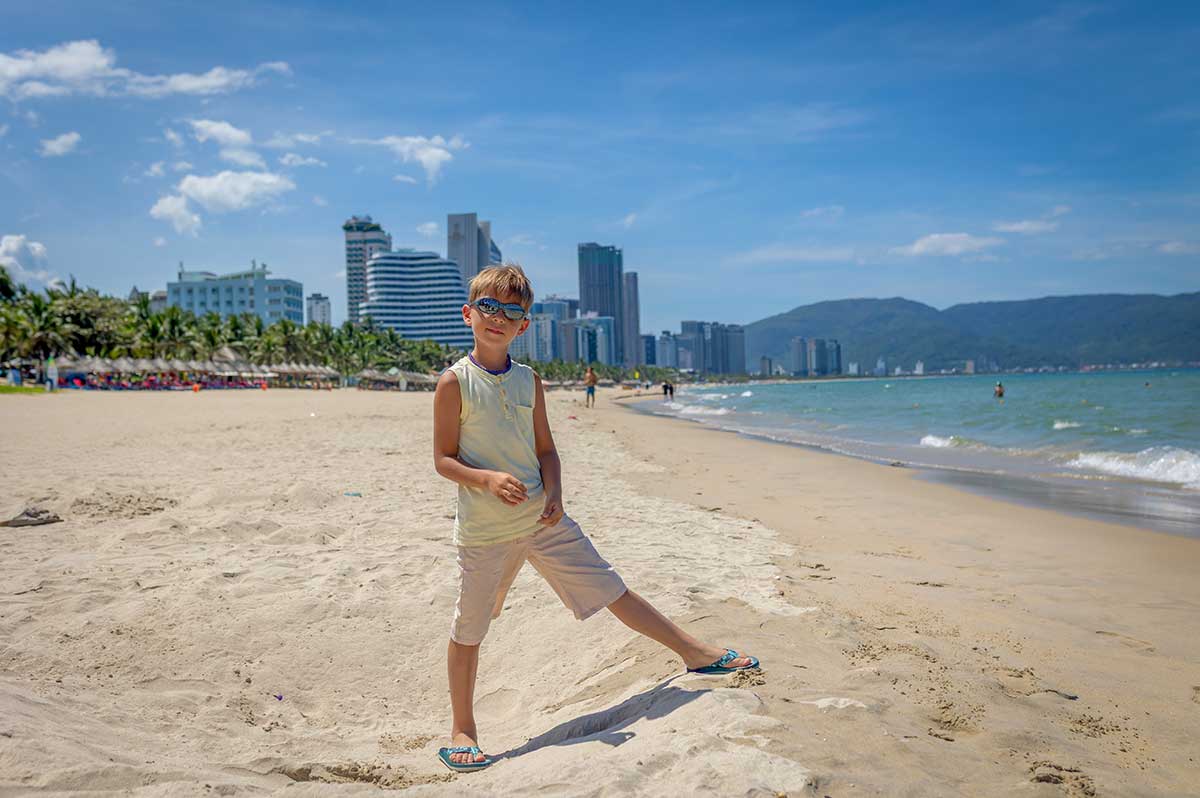
It’s one of the easiest things to do in Da Nang: walkable from many hotels, free to access, with sun loungers for hire and lifeguards on the busier sections. Mornings are best for swimming, when the water is calm and the sand quieter, since it fills up with locals in the late afternoon. Watch for the rip currents and red flags in the rainy season, when the sea can get rough.
Other beaches in Da Nang
My Khe is the centre of a beach strip that runs for kilometres, so there’s plenty of sand to spread out on:
- Non Nuoc Beach — at the southern end near the Marble Mountains, quieter and lined with big resorts; a calmer choice than the central stretch.
- Tien Sa Beach — tucked on the Son Tra peninsula, smaller and more sheltered, good for a half-day by the water.
- My An — the central section behind the An Thuong “Western street” area, handy for cafes, bars and restaurants right off the sand.
For the full rundown and which suits you, see our guide to the best beaches in Da Nang.
2. Drive the Hai Van Pass
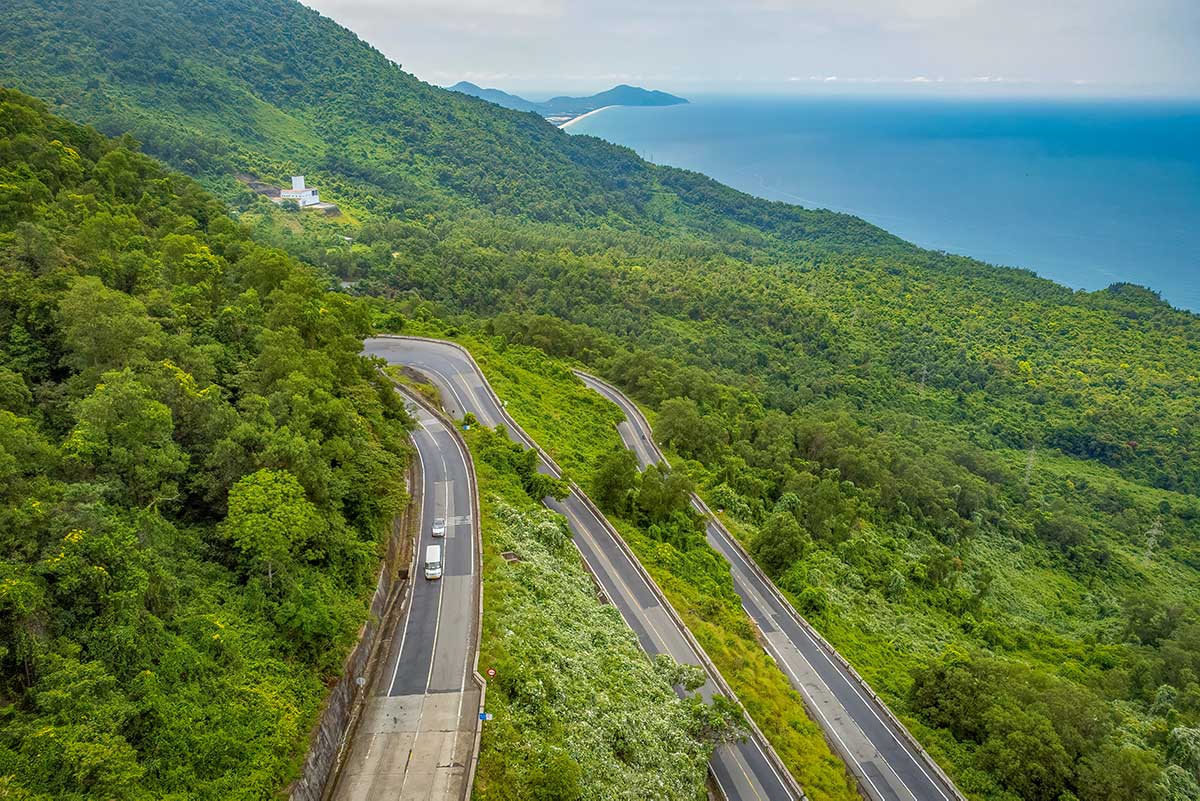
The Hai Van Pass is a 21 km mountain road that climbs over a forested headland between Da Nang and Hue, with the sea on one side and green peaks on the other. It’s long been considered one of the best coastal drives in Vietnam, and it went global after the Top Gear team rode it and called it one of the best roads in the world. Since a tunnel now takes most of the through-traffic underneath, the pass itself is quiet, which leaves you free to enjoy the switchbacks, the old hilltop bunkers at the top and the long views down the coast — on a clear day, one of the best things to do in Da Nang.
There are several ways to do it, depending on how hands-on you want to be:
Drive a motorbike or scooter — the classic way, renting in the city and riding it yourself. Only for confident riders, but the freedom to stop wherever you like is the whole appeal.
Easy rider tour — ride on the back with an experienced local driver who handles the road while you take in the scenery, with stops along the way. A great middle ground if you’d rather not drive.

Old military jeep tour — go over the pass in a vintage US Army jeep, open-sided for the views, which is fun, photogenic and good for small groups.
Private car — the comfortable, all-weather option, ideal for families or anyone who just wants to enjoy the views without the wind and the riding.
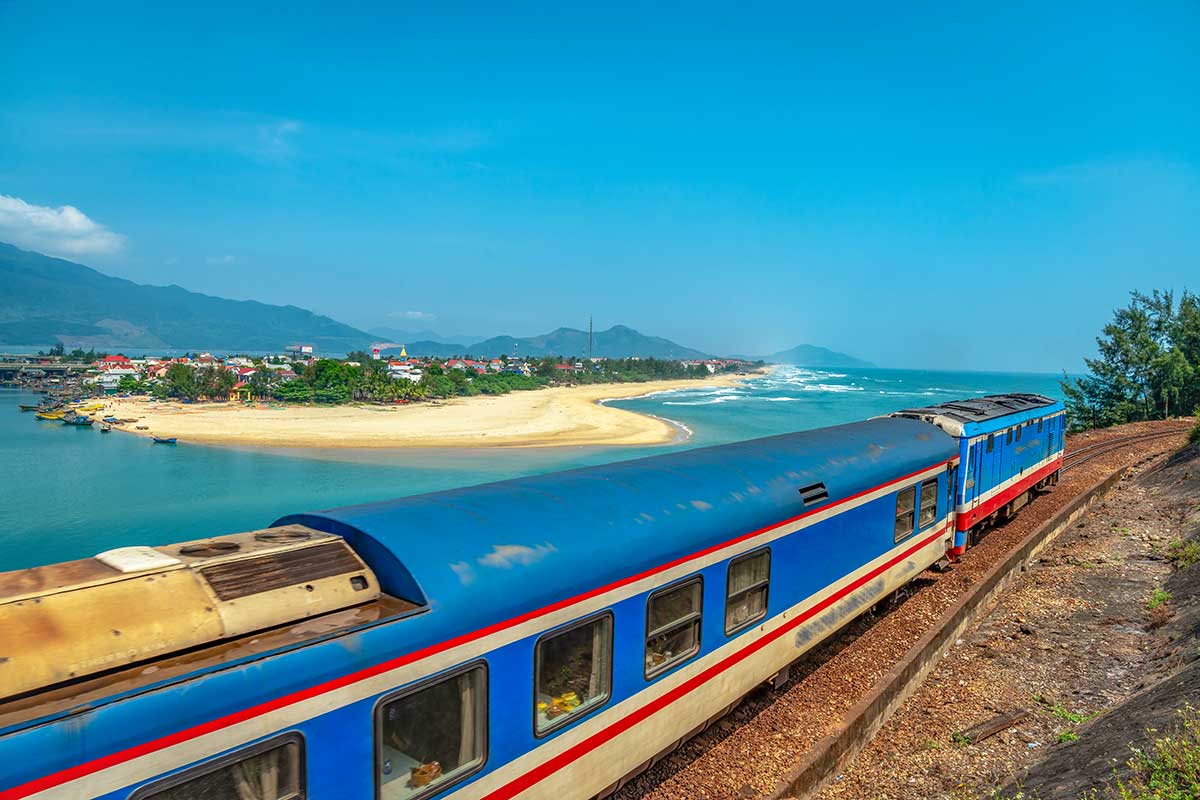
Train — the rail line hugs the coast around the headland on a stretch many consider even more scenic than the road; the short Da Nang to Hue ride is a lovely trip over the pass by train in its own right.
3. Explore the Son Tra peninsula
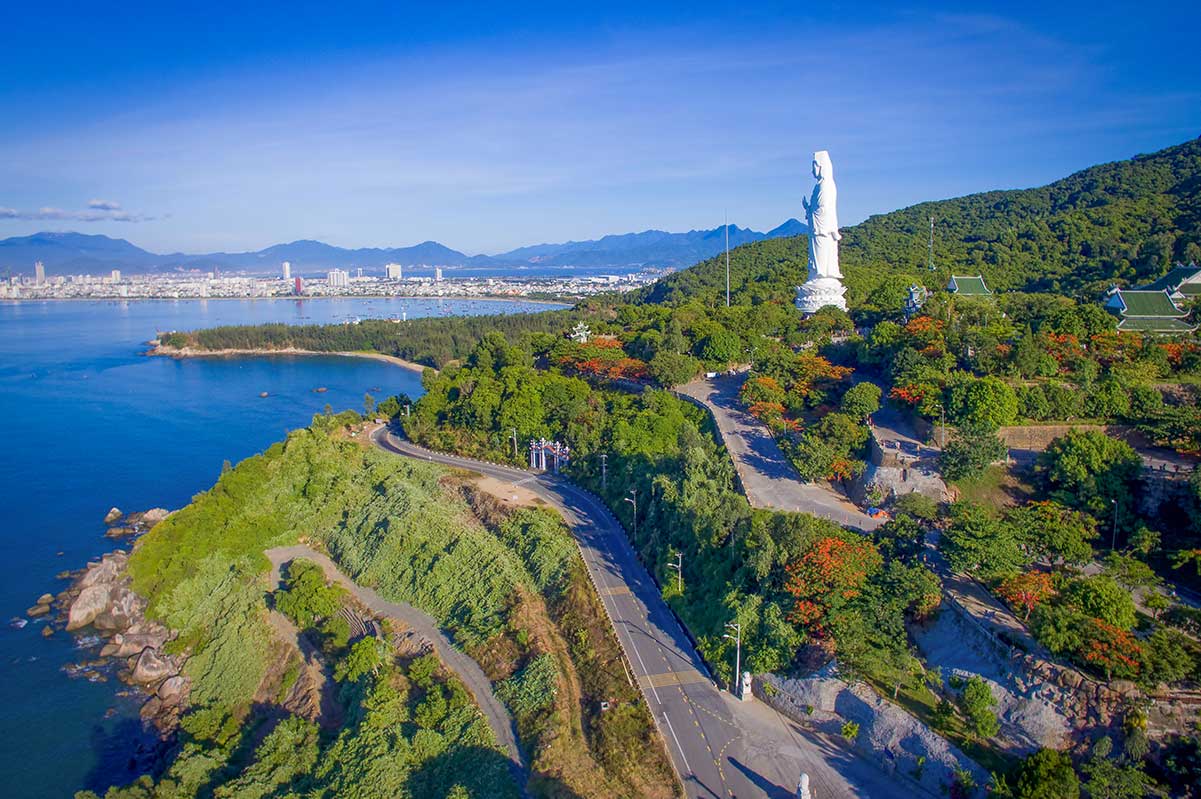
The Son Tra peninsula is the forested headland that juts into the sea just north of the city — a nature reserve of jungle, quiet beaches and a scenic coast road, and home to the rare red-shanked douc langur, which you might spot in the trees. Riding out here is one of the more relaxing things to do in Da Nang, with viewpoints over the city and bays along the way.
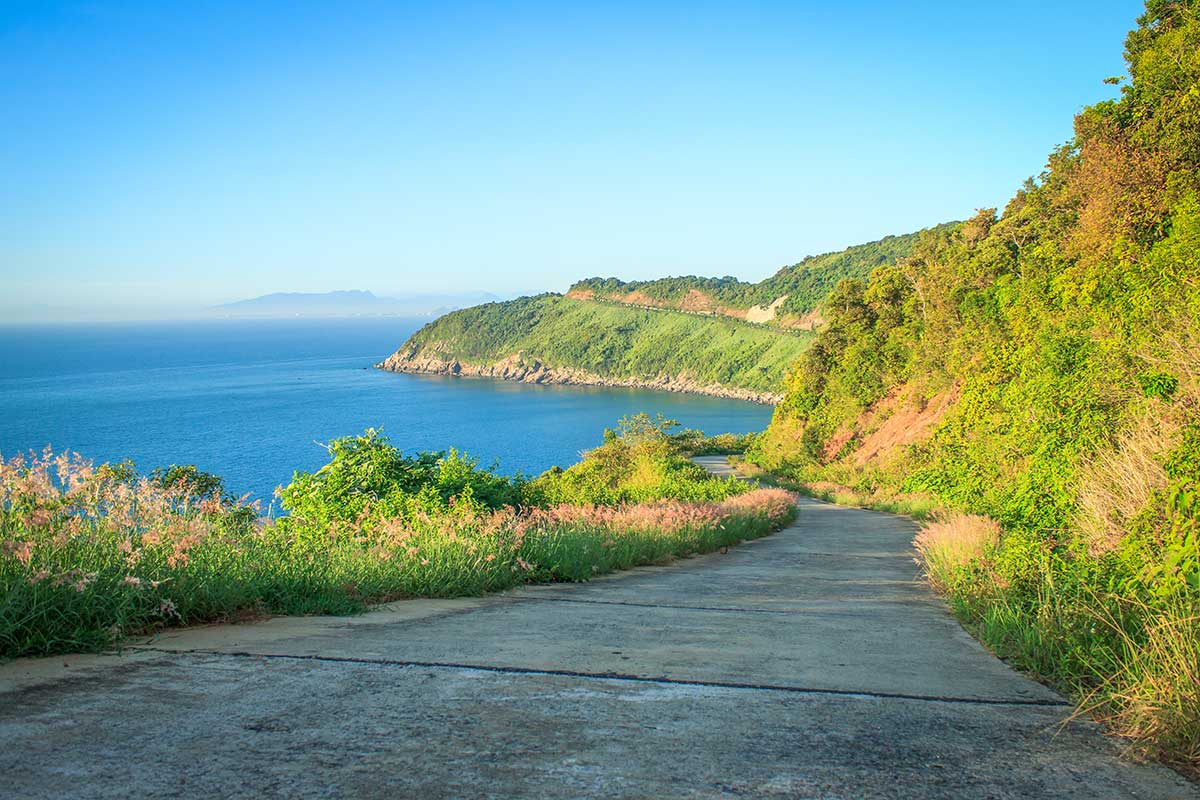
There are two ways round: the coastal road is easy, paved and fine on a scooter, looping past the beaches and the pagoda. The inland and upper tracks reach better viewpoints and the langurs’ forest, but they’re steeper, rougher and partly restricted, so they’re better done with a guide or tour that knows which routes are open and gives a better chance of seeing the monkeys.
Linh Ung Pagoda

The highlight of the peninsula is Linh Ung Pagoda, home to a 67-metre statue of Lady Buddha, the tallest in Vietnam, watching over the sea. The grounds are free, calm and beautifully kept, with sweeping views back over Da Nang and the coastline — an easy and worthwhile stop on the coastal loop.
4. Wander the Marble Mountains
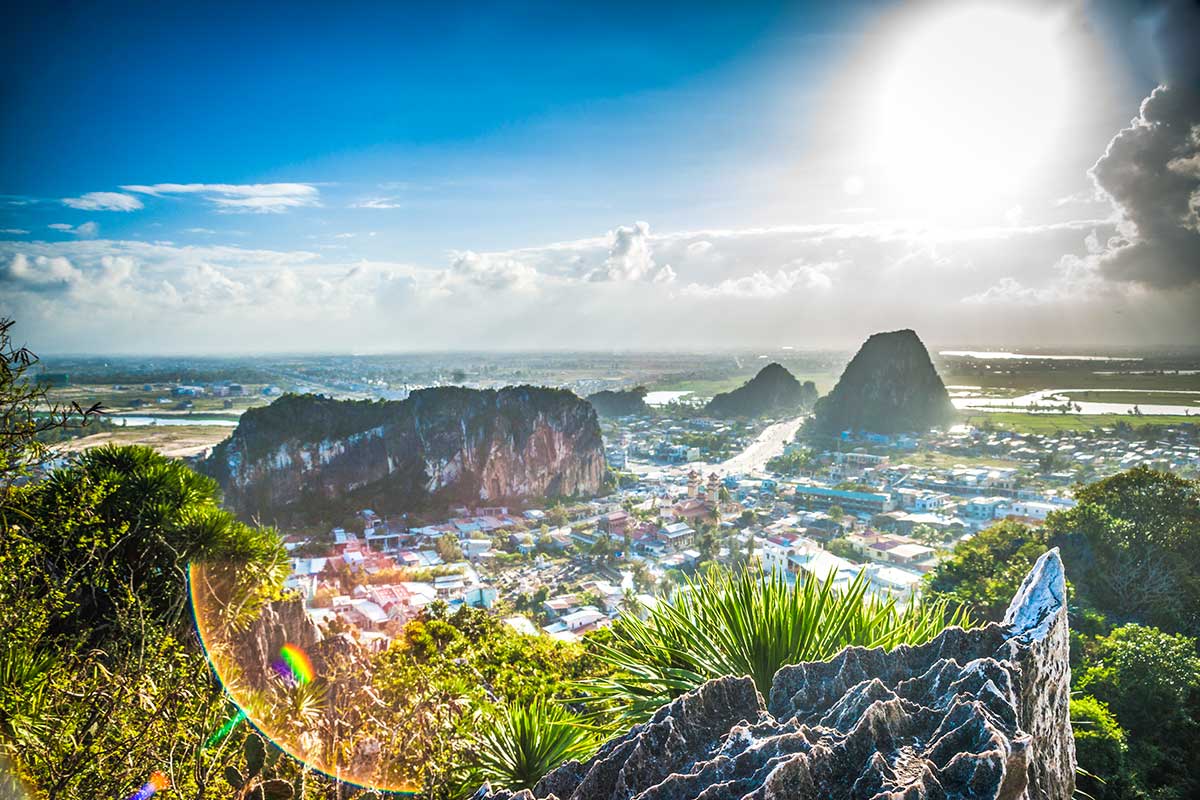
The Marble Mountains are a cluster of five marble and limestone hills rising from the flat coast about 9 km south of the city, riddled with caves, tunnels and Buddhist shrines. You climb stone steps (or take a lift partway) up the main hill, Thuy Son, exploring cave temples and viewpoints over the coast as you go — the dramatic Huyen Khong cave, lit by shafts of daylight, is the standout.
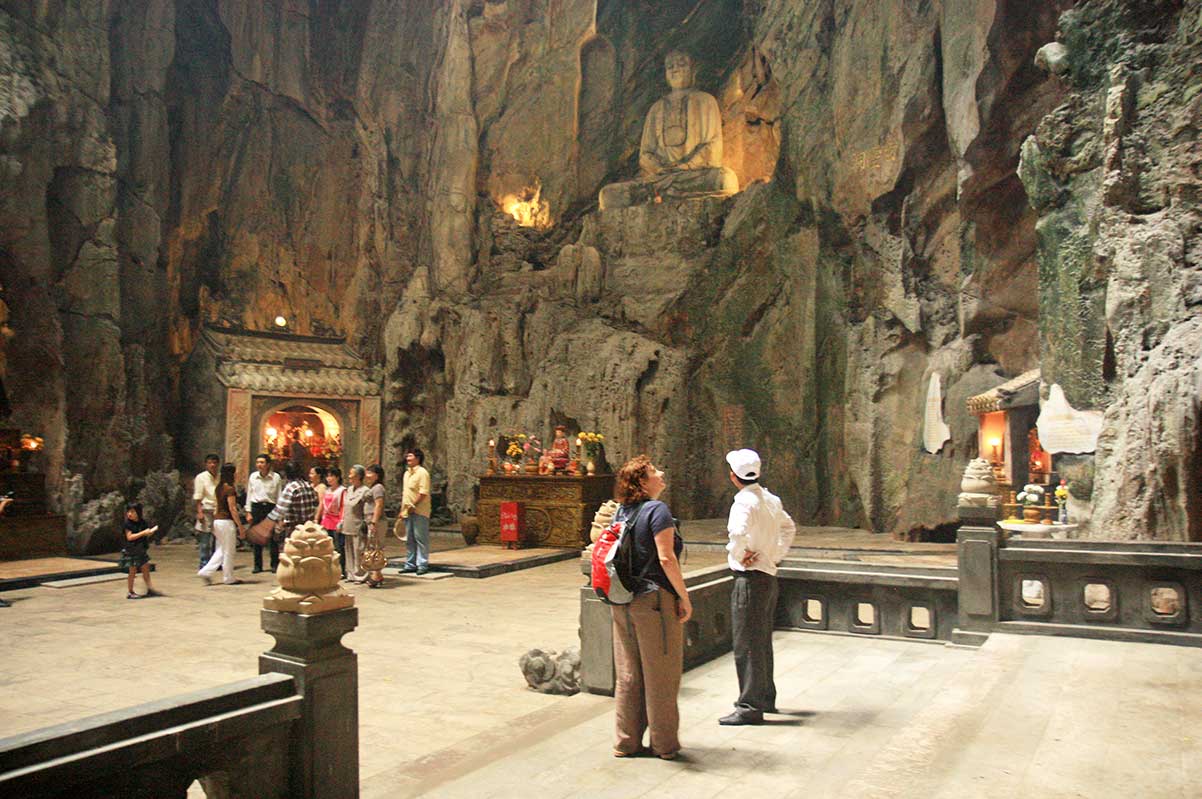
It’s one of the most rewarding things to do in Da Nang, and the entry fee is small. Go early to beat the heat and the crowds, wear decent shoes for the steps, and allow a couple of hours.
5. Spend a day at Ba Na Hills and the Golden Bridge
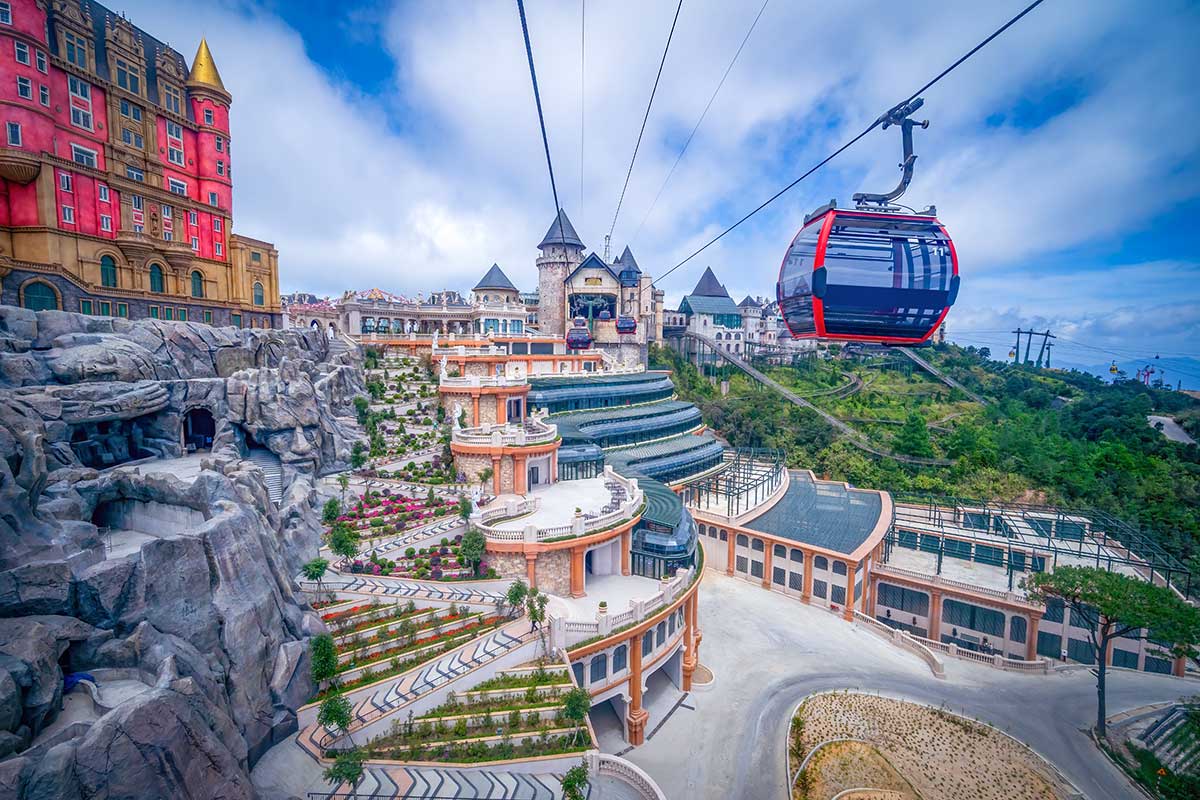
Ba Na Hills is a hilltop theme park about 35 km west of the city, reached by one of the world’s longest cable cars, built around a mock French village with gardens, rides and restaurants in the cool mountain air.

Its most famous feature is the Golden Bridge, the walkway held up by two giant stone hands that went viral worldwide. Be ready for what it is: heavily commercial, often crowded, and not cheap — a single ticket runs around 950,000 VND to 1,000,000 VND for adults, with the cable car included and now valid across a few days. Plenty of people love it as a fun, photogenic day out, especially with kids; others find it too artificial. Go early, and pick a clear day, as cloud often swallows the views.
6. Watch the Dragon Bridge fire show
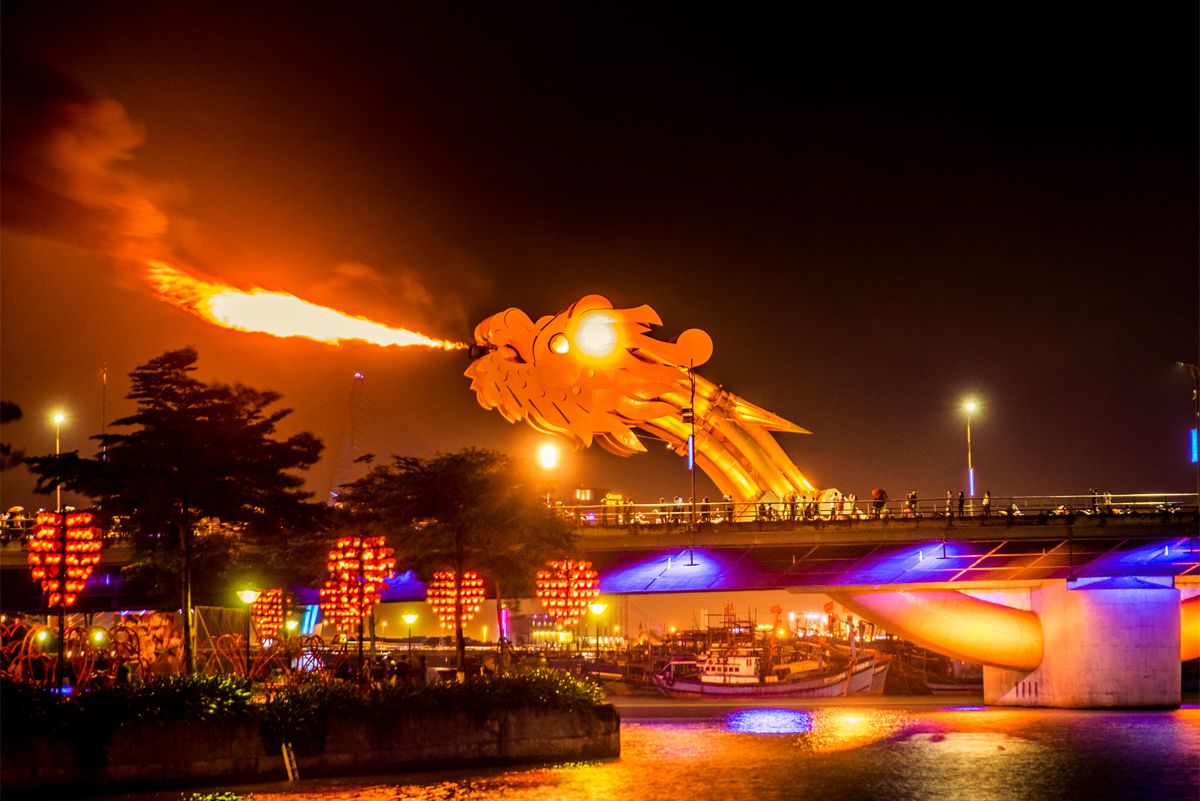
The Dragon Bridge is exactly what it sounds like — a long road bridge over the Han River built in the shape of a golden dragon, and a Da Nang landmark in its own right, lit in changing colours after dark. The reason to time a visit is the weekend show: at 9pm on Friday, Saturday and Sunday, the dragon’s head breathes real fire and then sprays water, which is a fun, free spectacle. Get there early for a spot near the head, and watch the water jets if you’re standing close.
7. Browse the local markets
Da Nang’s markets are a good way to get a feel for daily life and pick up cheap food and souvenirs, and they each have a different character.
Han Market
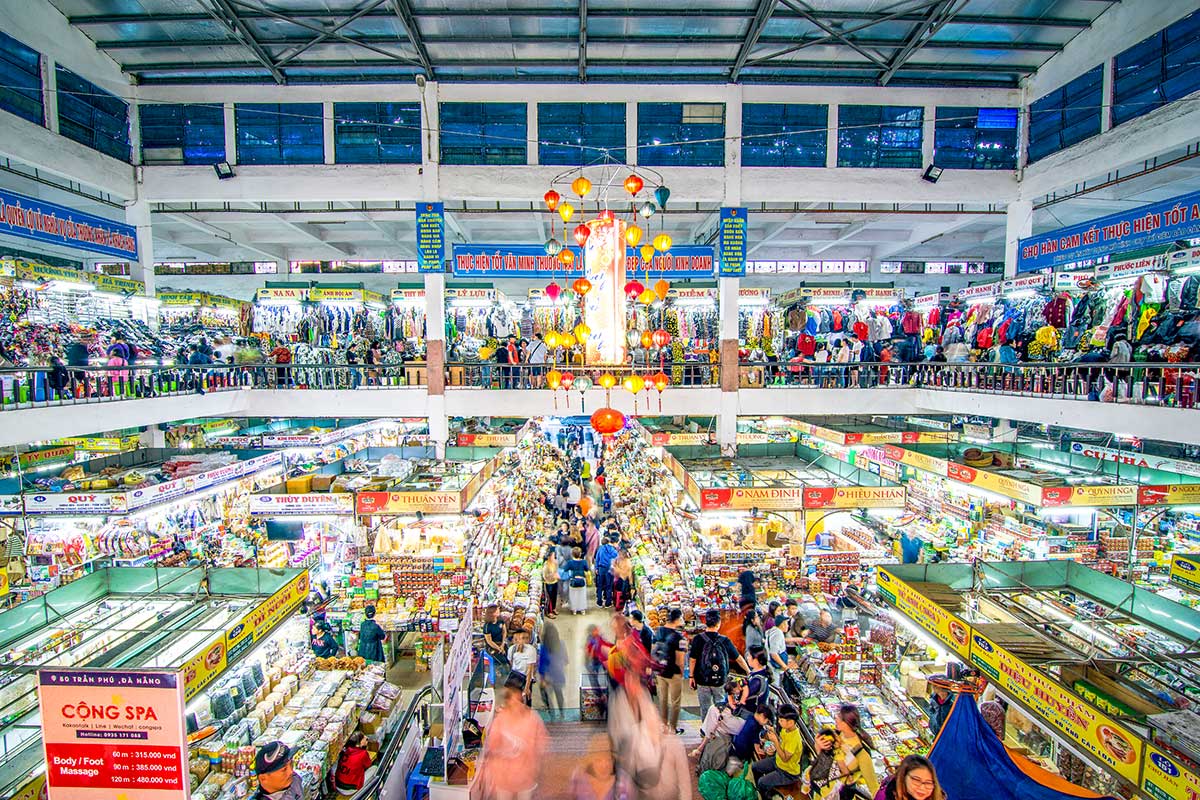
The Han Market, by the river in the centre, is the most tourist-friendly — clean, organised and easy to browse, with souvenirs, dried fruit, coffee, cashews and local specialities. Prices are fairly fixed, so there’s less haggling than elsewhere.
Con Market
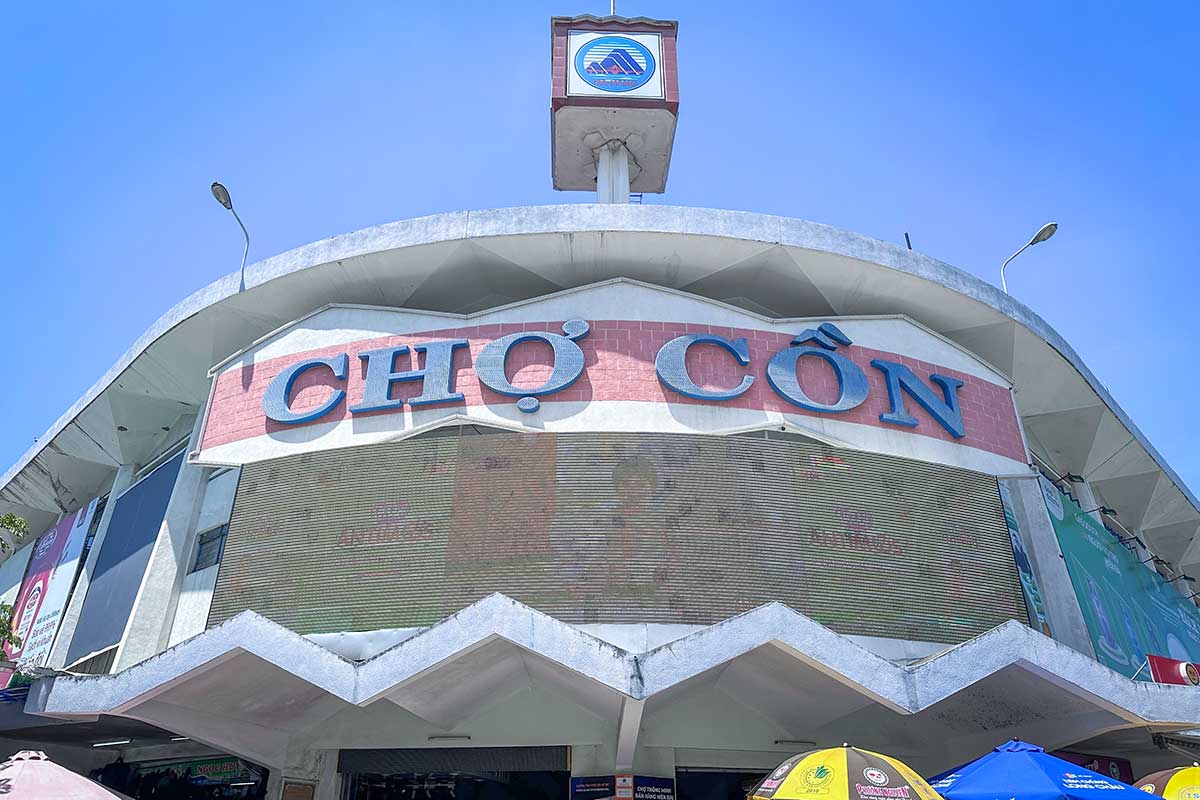
The Con Market is the bigger, more local one, with less of a tourist feel and pushier prices on goods but a brilliant food court — one of the best places in the city for cheap local dishes in a busy, authentic setting.
8. Eat your way through a night market

After dark, Da Nang’s night markets are the place for street food and a browse. The Son Tra Night Market, right by the Dragon Bridge, is the handiest — grilled seafood, skewers, snacks and souvenir stalls, easy to combine with the weekend fire show, though vendors can be a little persistent. Over on the beach side, the An Thuong Night Market is smaller and sits in the middle of the Western restaurant-and-bar area, handy if you’re staying near the beach.
9. Visit the Cham Museum
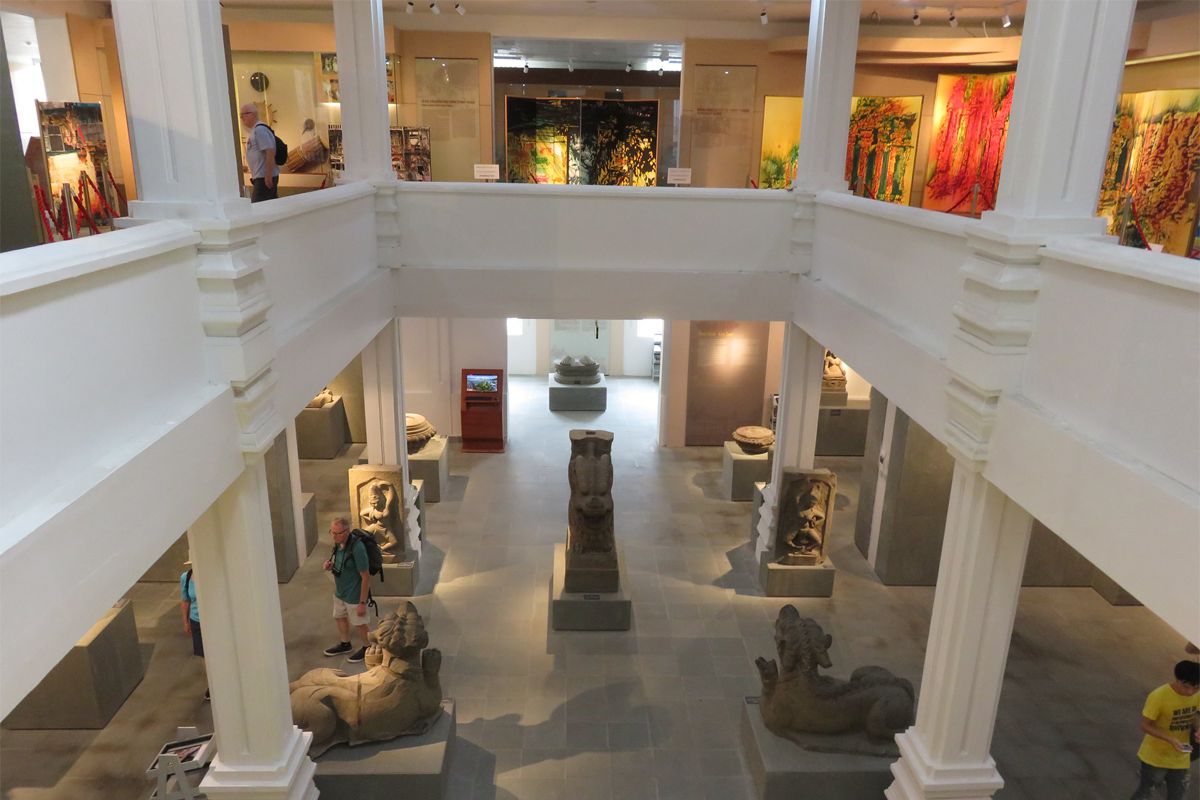
The Museum of Cham Sculpture holds the world’s largest collection of Cham art — hundreds of sandstone and terracotta sculptures from the ancient Champa kingdom that once ruled central Vietnam, housed in an elegant French-colonial building. It’s a small, manageable museum and genuinely worth an hour, especially if you plan to visit the Cham ruins at My Son, as it gives the carvings context. Entry is cheap.
Da Nang has a few other museums if you want more: the Da Nang Museum, recently rehoused and covering the city’s history, and the quirky 3D art museum (Art in Paradise) for families. The Cham Museum is the standout, though — for the rest, see our guide to the best museums in Da Nang.
10. See Da Nang Cathedral
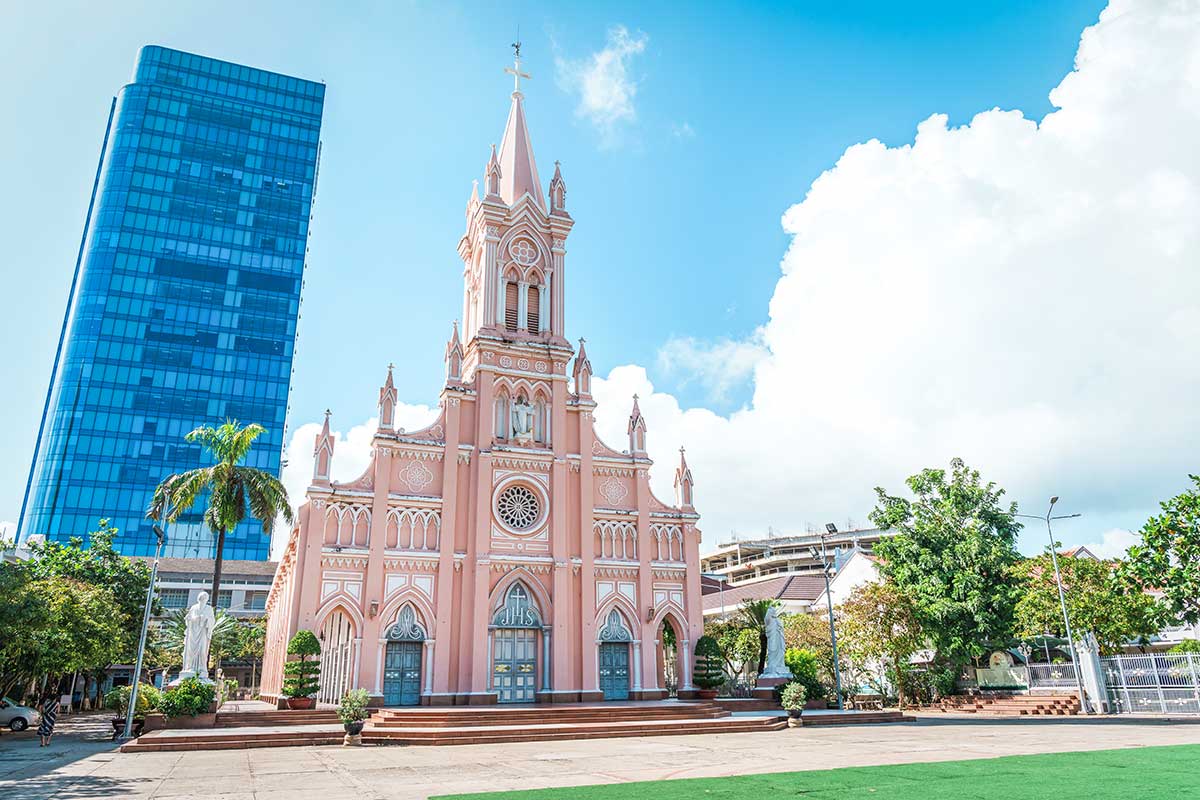
Da Nang Cathedral, nicknamed the “Pink Church,” is a candy-pink French-colonial church from 1923 in the city centre, topped with a rooster weathervane that gives it its other name. It’s a striking, much-photographed building and still an active place of worship, so the inside is only open at certain times. It’s a quick stop rather than a destination, easy to fit in near Han Market, and it looks its best lit up in the evening.
11. Get wet at Hoa Phu Thanh
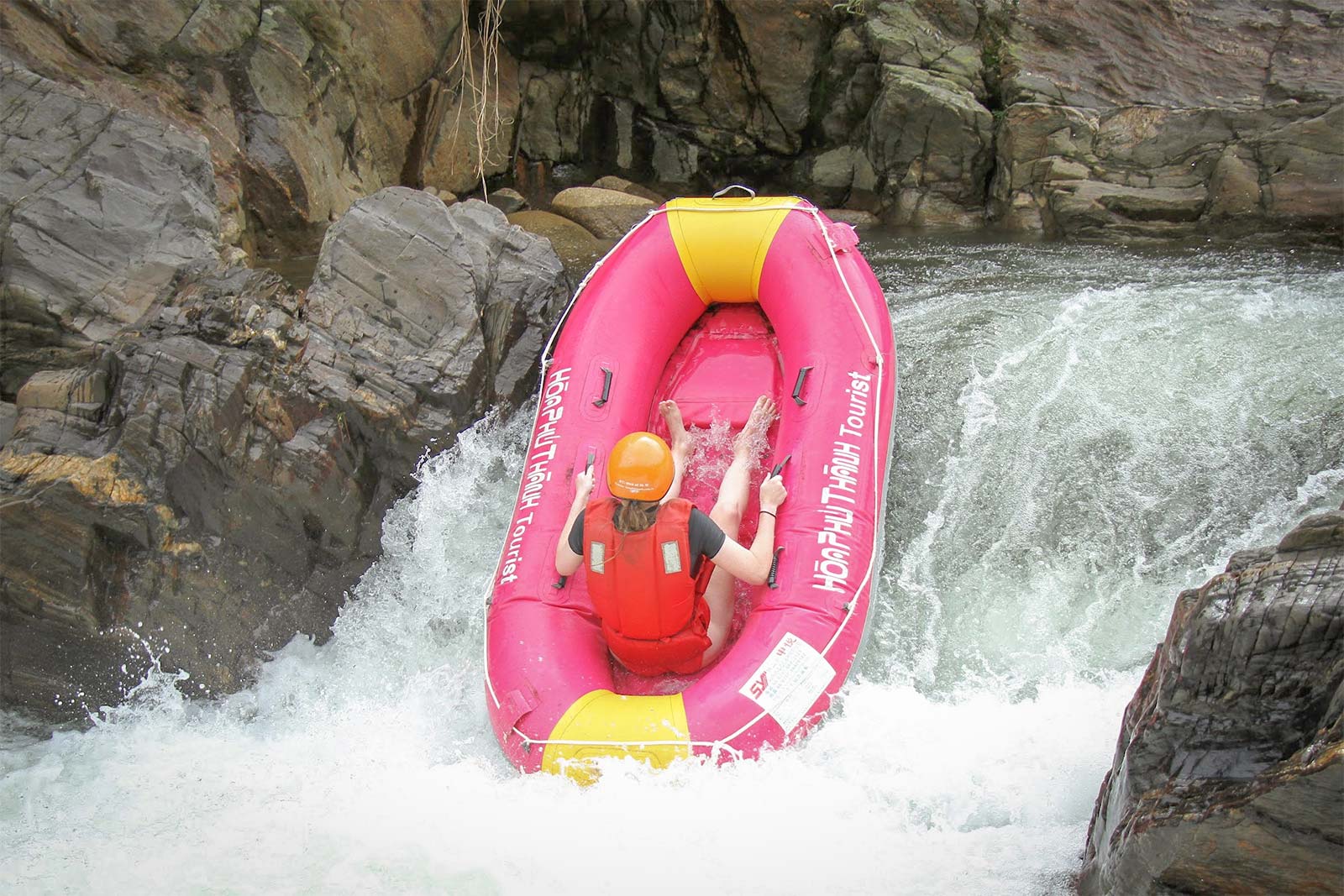
For an adventure day out of the city, Hoa Phu Thanh is an outdoor activity park in the hills about 40 minutes southwest, best known for white-water rafting — sliding a rubber raft down a 3 km forest stream through drops and rapids, the only spot of its kind in the area. There’s also a zipline, water slides, a pool and a fish spa. The rafting runs at set times (usually late morning and early afternoon), so check before you go, and bring a full change of clothes since you’ll get soaked. A fun, active half-day for thrill-seekers; not suitable for young children.
12. Visit the temples and pagodas
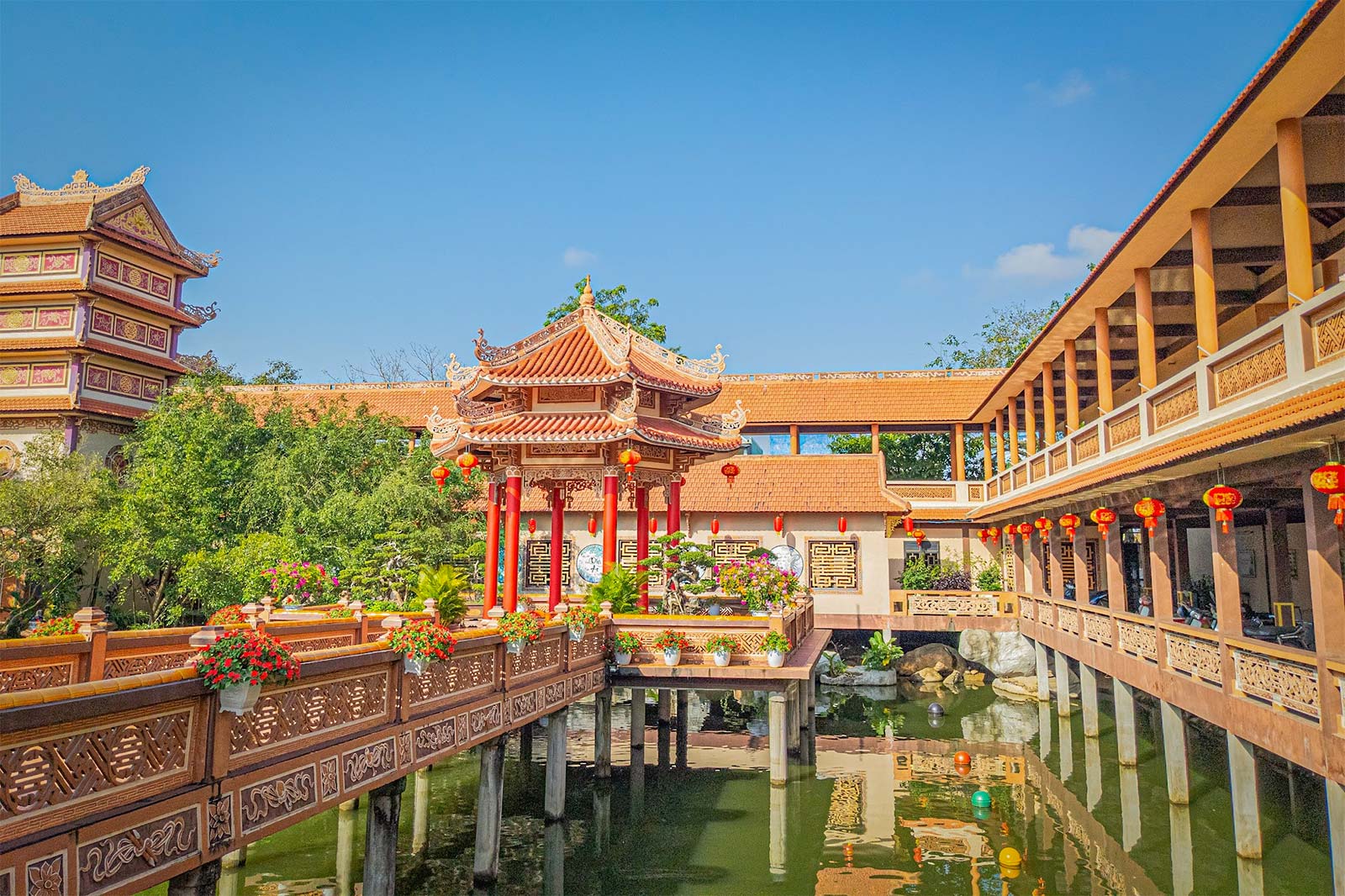
Beyond Linh Ung on Son Tra, Da Nang has a handful of temples and pagodas worth a look if you’re interested in the culture rather than just the beach. The hillside Nam Son Pagoda, southwest of the centre, is a large, photogenic complex that sees few foreign visitors, while several smaller temples and the cave shrines inside the Marble Mountains add to the picture. They make a calm contrast to the modern city, and most are free to enter — just dress respectfully, covering shoulders and knees.
Day trips from Da Nang
Some of the best things to do from Da Nang are the trips just outside it. The city sits in the middle of central Vietnam’s heritage corridor, so two UNESCO World Heritage Sites, an island and an old imperial capital are all within easy reach — most as a comfortable day trip, though a couple reward an overnight.
Hoi An

Hoi An is the famous lantern-lit old trading town just 45 minutes south, with its well-preserved merchant houses, tailor shops, riverside and night market. It’s the standout trip from Da Nang and easily fills a day, though it’s at its most atmospheric in the evening when the lanterns come on, so many people choose to stay overnight or base themselves there instead.
My Son Sanctuary

My Son is a cluster of ancient red-brick Cham temples set in a jungle valley about an hour and a half southwest, the most important Champa site in Vietnam. It’s smaller and more weathered than somewhere like Angkor, but quietly atmospheric, and it pairs well with the Cham Museum in the city. Go early to beat the heat and the tour buses; it works as a half- or full-day trip.
Cham Island
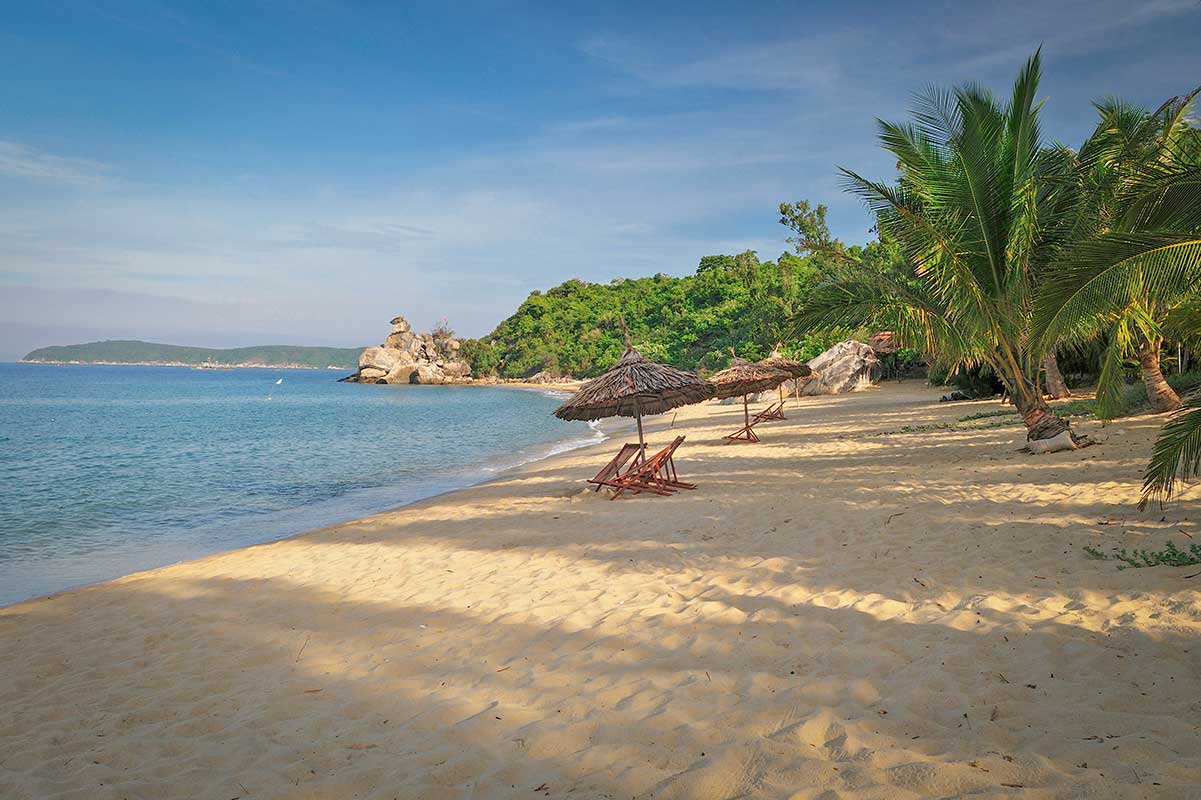
The Cham Islands are a cluster of islands an hour by boat off the coast near Hoi An, with clear water, coral, quiet beaches and snorkelling. They make a good day trip in calm weather, or an overnight if you want to slow down — but note that boats usually only run in the dry season (roughly March to September), and the sea is often too rough to visit the rest of the year.
Hue

Hue, the old imperial capital, lies on the far side of the Hai Van Pass, about two to three hours north, with its walled Citadel, royal tombs and riverside pagodas. The journey is half the appeal — over the pass by car or jeep, or on the coastal train. It can be done as a long day trip, but there’s enough to see that an overnight is the better way to do it justice.
Best time to visit Da Nang
The best time to visit Da Nang is the dry season, roughly February to August, when the weather is sunny and the sea is good for swimming. February and March can still be cool and breezy with a chilly sea; April and May are some of the nicest months, warm but not yet brutal; and June to August are hot and humid — peak beach season, but heavy going for sightseeing in the middle of the day.
The rainy season runs from September to January, with October and November bringing the heaviest rain and the odd storm, when the sea turns rough and beach time is hit or miss. December and January are cooler and drier than the peak of the rains, but still mild. For a month-by-month look, see our guide to the best time to visit Da Nang.
The Da Nang International Fireworks Festival

If you’re around in early summer, the Da Nang International Fireworks Festival is worth timing a visit for. Held over several weekends, usually from around June into July, it pits international teams against each other in big firework displays over the Han River. The city gets busy and rooms fill up, so book ahead if you want to be there for it.
Where to stay in Da Nang
Where you stay comes down to whether you want the beach, the city, or to base yourself in Hoi An instead.
An Thuong and My An (near My Khe Beach)
The An Thuong and My An area, just behind My Khe Beach, is the most popular base for travelers — walking distance to the sand, and packed with cafes, bars, Western and local restaurants and hotels at every budget. It’s the easy, sociable choice, especially for a first visit or a beach-focused trip.
Non Nuoc Beach
Non Nuoc Beach, at the southern end of the same long beach near the Marble Mountains, is quieter and more resort-focused. It’s still close enough to the city, but better suited to a relaxed stay where you want space and a pool rather than nightlife on the doorstep.
Da Nang city centre
Staying in the centre, around the Han River, puts you among the restaurants, bars and bridges, with the night markets and the Dragon Bridge nearby. It’s a livelier, more urban base than the beach, and a short ride from the sand.
Or base yourself in Hoi An
Many travelers skip a separate Da Nang stay and base themselves in Hoi An instead, day-tripping into Da Nang for the sights. The two are only 45 minutes apart, so there’s rarely any need to book in both. As a rough guide: choose Da Nang for the beach, the city buzz and easy transport links; choose Hoi An for old-town charm, lanterns and a slower pace. There’s more in our comparison of Da Nang or Hoi An.
How to get to Da Nang
Da Nang is one of the easiest cities to reach in Vietnam, sitting right in the middle of the country.
By plane
Da Nang airport sits right in the city, a rare convenience, with frequent domestic flights from Hanoi, Ho Chi Minh City, Dalat, Phu Quoc and more, plus a growing list of international routes across Asia. From the airport it’s a 10 to 15 minute Grab ride to the beach or the centre.
By train
Da Nang railway station is on the main north-south line, so trains connect it with the whole country. The short hop north to Hue, hugging the coast over the Hai Van headland, is one of the most scenic rail journeys in Vietnam and worth taking as a trip in itself.
By bus
Frequent buses, sleeper buses and limousine vans link Da Nang with Hue, Hoi An and everywhere further afield. For Hoi An in particular, a private car or Grab is cheap and only takes about 45 minutes.
How to get around Da Nang
Grab and taxi
Grab is the easiest way to get around, with both cars and motorbike taxis at fixed, fair prices — the simplest option for hopping between the beach, the centre and the sights. If you take a regular taxi, stick to known firms like Mai Linh or Vinasun.
Motorbike or scooter
Renting a scooter (around 130,000 to 150,000 VND a day) is the most fun way to reach the Hai Van Pass, Son Tra and the Marble Mountains under your own steam. Da Nang’s roads are calmer than Hanoi’s or Saigon’s, but only ride if you’re confident.
Car with driver
For day trips over the pass to Hue, or a comfortable run to Hoi An and Ba Na Hills, a car with a driver is easy to arrange and takes the stress out of the longer distances, especially for families.
Itinerary: 2 days in Da Nang
Two days covers the best things to do in Da Nang and its surroundings, mixing the beach with the sights nearby.
Day 1 — the city and the coast
- Start with a morning swim at My Khe Beach.
- Head to the Marble Mountains to explore the caves and viewpoints.
- Ride out to the Son Tra peninsula and Linh Ung Pagoda in the afternoon.
- In the evening, eat at a night market and catch the Dragon Bridge fire show (weekends).
Day 2 — the pass or the hills
- Spend the day on the Hai Van Pass, by scooter, jeep or car, with stops for the views.
- Or take the cable car up to Ba Na Hills and the Golden Bridge instead.
- Finish with a sunset drink at a rooftop bar by the river.
Tips for traveling to Da Nang
Beaches and the sea
The beaches are at their best in the dry season; in the rainy months the sea gets rough and rip currents are a real risk, so always swim between the flags and heed the lifeguards.
Getting around cheaply
Grab is your friend here — both cars and bikes are cheap and avoid the haggling of street taxis. Download it before you arrive and link a card or have cash ready.
Combining with Hoi An and Hue
Don’t treat Da Nang in isolation. It’s the natural base for central Vietnam, so plan it alongside Hoi An (45 minutes south) and Hue (over the pass to the north) rather than as a standalone stop.
Traveling with kids
Da Nang is one of the easier cities in Vietnam with children — the beach, Ba Na Hills, the 3D art museum and the rafting at Hoa Phu Thanh all work well. There’s more in our notes on Da Nang with kids.
When it rains
If the weather turns, there’s still plenty to do indoors — the museums, a cooking class, the markets and cafes. See our roundup of things to do in Da Nang when it rains.
What to expect from Da Nang: an honest verdict
Da Nang is a beach city in rapid development, and that’s both its strength and its weakness. There’s a lot happening, which is great for things to do, but it also means traffic has grown heavily and construction is everywhere. It has, without question, the nicest city beach in Vietnam — not the best beach in the country, but the best one right on a city’s doorstep — and there’s real atmosphere here, from the beachfront cafes and bars to the buzz of the centre. It’s also noticeably westernised, which brings an easy, comfortable feel but less of a traditional Vietnamese-town character. That makes it ideal for some and underwhelming for others: a great place to spend time once you’re in central Vietnam, but not somewhere to fly across the world specifically for. Tellingly, it’s exactly that mix that draws so many expats to live here.


