Food and drink safety in Vietnam
Understanding food and drink safety in Vietnam helps you avoid common stomach issues and travel more comfortably.
Drinking water
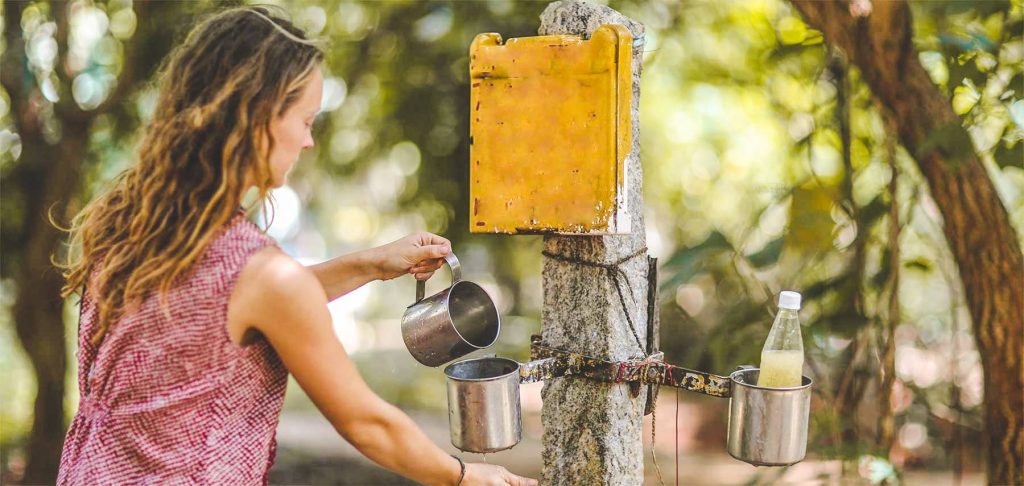
- Tap water in Vietnam is not safe to drink, so you should always use bottled or properly filtered water for drinking.
- For brushing your teeth, tap water is generally fine for most travelers, as long as you don’t swallow it. Ice cubes in Vietnam are usually made from filtered or factory-produced ice, especially in restaurants, cafes, and hotels, so they are generally safe in places that look clean and busy.
- Avoid drinking tap water directly, and be cautious in more remote areas where hygiene standards can be lower
For a more detailed explanation, read our full guide about tap water in Vietnam.
Food
- Food in Vietnam is generally safe, especially if you follow a few basic rules.
- Stick to well-cooked meat and fish, freshly prepared dishes, and fruit that you can peel yourself. Cooked vegetables are usually a safer choice than raw ones.
- Street food is not automatically unsafe, but hygiene varies. A good rule is to eat at places that are busy, where food is prepared fresh and turnover is high. Also pay attention to general cleanliness, such as how food is handled and stored.
- Restaurants and street stalls that look clean and are popular with locals are usually a safe choice.
For more detailed tips, read our guide on food hygiene in Vietnam.
Animals
Health and safety around animals in Vietnam mainly involves mosquitoes and being sensible around animals.
Mosquitoes
- Mosquitoes in Vietnam can carry diseases such as dengue and, in some areas, malaria.
- Dengue is more common and mosquitoes that spread it bite during the day, while malaria mosquitoes are active from the evening until early morning. Malaria risk is mostly limited to remote and forested areas, not major cities or typical tourist routes.
- To reduce the risk, use mosquito repellent, wear longer clothing in the evening, and sleep in places with air conditioning or mosquito nets when needed.
For a more detailed overview of risk areas and prevention, read our guide about malaria in Vietnam.
Mammals
- Rabies exists in Vietnam, but the risk for travelers is low if you avoid contact with animals. Avoid contact with stray animals, even if they seem friendly. If you are bitten or scratched, wash the wound immediately with soap and water and seek medical attention as soon as possible. Post-exposure treatment is widely available in Vietnam, especially in larger cities.
Vaccinations for Vietnam
Vaccinations for Vietnam are generally not mandatory, but some are recommended depending on your travel plans, duration, and activities.
Recommended vaccinations
For most travelers, the following vaccinations are commonly advised:
- DTP (diphtheria, tetanus, polio) – basic protection that should be up to date
- Hepatitis A – recommended for all travelers due to food and water risks
- Hepatitis B – for longer stays or possible medical exposure
- Typhoid – recommended if you stay longer or eat street food regularly
- Japanese encephalitis – mainly for rural areas and extended outdoor activities
- Rabies – only in specific cases, such as long stays, remote travel, or frequent animal contact
Yellow fever*
Yellow fever vaccination is only required if you have recently traveled through a country where yellow fever is present. This mainly applies to parts of Africa and South America.
If you are traveling directly from Europe, Australia, or most of Asia, this vaccination is not required.
Important
Vaccination advice depends on your personal situation, itinerary, and health. Always consult a doctor or travel clinic before your trip to Vietnam.
For a more detailed explanation of each vaccination and who should consider it, read our full guide about recommended vaccinations for Vietnam.
Medical care and safety in Vietnam
The level of medical care in Vietnam is good in major cities like Hanoi and Ho Chi Minh City, especially at private international hospitals. Outside of these cities, medical facilities are more limited.
Travelers are advised to take out good travel insurance, including coverage for medical treatment and possible repatriation. In many hospitals, especially private ones, you may need to pay upfront before receiving treatment.
If you need medical care or hospitalization, it is best to contact your insurance company directly so they can guide you to the right hospital and assist with payments.
For a detailed overview of where to go, read our guide about hospitals in Vietnam.
Emergencies
In case of an emergency in Vietnam, you can use the following numbers:
- 113 – Police
- 114 – Fire department
- 115 – Ambulance
Keep in mind that operators may not always speak English, and response times can vary depending on your location.
You can also contact your own embassy or consulate in Vietnam for assistance, especially in serious situations such as accidents or loss of documents.
Medicines
Pharmacies in major cities are generally well stocked, but availability can be more limited in smaller towns and rural areas.
If you take regular medication, bring enough for your entire trip, preferably in the original packaging. It’s also recommended to carry a basic travel pharmacy with common medicines.
For rules and restrictions, read our guide about bringing medicines into Vietnam.
Medical statement
If you are carrying medicines that are considered controlled substances (such as certain sleeping aids, ADHD medication, or strong painkillers), you may need a medical certificate in English.
Traveling with these medicines without proper documentation can cause problems at customs.
Apply for this document well in advance of your trip, as processing can take time.
Skincare and hygiene in Vietnam
Good skincare and hygiene in Vietnam help prevent infections, sunburn, and common travel-related issues.
- Take care of wounds – Clean and disinfect small cuts and cover them during the day to avoid infection, especially in hot and humid conditions.
- Use sunscreen – Protect exposed skin from the strong sun, even on cloudy days.
- Avoid attracting insects – Try not to wear very bright colors or strong perfumes, deodorants, or aftershave, as these can attract insects.
- Maintain good hygiene – Wash or disinfect your hands after using the toilet and before eating. Avoid biting your nails.
- Protect against the sun – Wear a hat or cap and consider sunglasses to prevent sunstroke and heat-related issues.
Traffic and road safety in Vietnam
Understanding traffic and road safety in Vietnam is important, as road accidents are one of the main risks for travelers.
Traffic in Vietnam can feel chaotic, especially in large cities like Hanoi and Ho Chi Minh City. Motorbikes dominate the roads, traffic rules are not always strictly followed, and crossing the street can be overwhelming at first.
- Be cautious when crossing streets – Walk slowly and predictably so drivers can anticipate your movement
- Be careful on motorbikes – Only rent and drive if you have experience and a valid license
- Use helmets at all times – This is mandatory and essential for safety
- Choose reliable transport – Use trusted taxi companies or ride-hailing apps instead of random street offers
- Avoid night travel on unfamiliar roads – Especially in rural or mountainous areas
For a more detailed guide with practical tips and transport options, read our guide about traffic and road safety in Vietnam.
Safety, scams and petty theft in Vietnam
General safety in Vietnam is good, and the country is considered safe for travelers. Violent crime is rare, but like in any destination, small scams and petty theft can occur.
Most issues travelers experience are minor and can be avoided with basic awareness.
- Watch your belongings – Especially in busy areas, markets, and on public transport
- Be careful with phones and bags – Snatch theft can happen, particularly in big cities
- Agree on prices in advance – For taxis, tours, or street vendors if prices are not clearly listed
- Use trusted services – Ride-hailing apps and reputable tour providers reduce risk
For a full overview of common situations and how to avoid them, read our guide about scams in Vietnam.
Climate, air quality and health in Vietnam
The climate and air quality in Vietnam can affect your health, especially if you are not used to heat, humidity, or pollution.
Vietnam has a tropical climate, meaning high temperatures and humidity in most parts of the country. This can lead to dehydration, fatigue, or heat exhaustion if you are not prepared.
- Stay hydrated – Drink plenty of water throughout the day
- Take breaks from the heat – Avoid intense activities during the hottest hours
- Wear light clothing – Breathable fabrics help you stay comfortable
- Be aware of air quality – In cities like Hanoi and Ho Chi Minh City, pollution levels can be high, especially during certain seasons
If you are sensitive to air pollution, consider limiting outdoor activity on bad days or using a mask.
Natural risks in Vietnam
Natural risks in Vietnam are mostly related to weather conditions, especially during the rainy season.
Heavy rain can lead to flooding in cities and low-lying areas, while mountainous regions in the north may experience landslides. Coastal areas can be affected by storms and typhoons at certain times of the year.
- Check weather forecasts regularly – Especially during the rainy season
- Be flexible with travel plans – Transport and tours may be delayed or canceled
- Avoid risky areas during heavy rain – Such as flooded streets or steep mountain roads
For more detailed information about when and where these conditions occur, read our guide about typhoon season in Vietnam.
Extra health and safety tips
A few additional health and safety tips for Vietnam can help you handle specific situations that may come up during your trip.
- Traveler’s diarrhea – Rest, stay hydrated, and use oral rehydration salts if needed. Medication like loperamide can help for short-term relief. For more detailed advice, read our guide about traveler’s diarrhea in Vietnam.
- Altitude and trekking – In mountainous areas like Sapa or Ha Giang, take time to adjust, stay hydrated, and don’t overestimate your fitness level.
- Solo and women’s travel – Vietnam is generally safe for solo travelers, including women. Use normal precautions, especially at night or in unfamiliar areas. For more tips, read our guide about solo women’s travel in Vietnam.
- LGBTQ+ travel – Vietnam is generally considered safe and tolerant for LGBTQ+ travelers. Public displays of affection are uncommon for all couples, but discrimination or safety issues are rare.
- Traveling with a disability – Accessibility in Vietnam can be challenging, especially due to uneven sidewalks and limited public transport infrastructure. However, private transport is relatively affordable, making door-to-door travel much easier to arrange.
- Travel insurance – Make sure you have insurance that covers medical treatment, accidents, and repatriation, especially if you plan active or remote travel.
Health and safety checklist
A simple health and safety checklist for Vietnam helps you prepare a basic medical kit for common travel issues.
Recommended items for your personal travel kit:
- Antibacterial cream – for minor skin infections (e.g. mupirocin)
- Antihistamines – for allergies or insect bites (e.g. cetirizine)
- Antiseptic – for cleaning cuts and wounds (e.g. iodine solution like Betadine)
- Insect repellent (DEET) – essential for protection against mosquitoes
- Diarrhea medication – for short-term relief (e.g. loperamide)
- Basic first aid kit – plasters, bandages, gauze, scissors, tweezers, safety pins
- Pain relief – paracetamol or ibuprofen
- Sunscreen – high SPF for strong sun exposure