North Vietnam - Best Places to Visit & Travel Guide
North Vietnam is one of the most diverse and rewarding regions to explore, known for its mountain landscapes, ethnic cultures, historic cities, and changing seasons. From busy cities and rice terraces to remote villages and dramatic karst scenery, traveling through northern Vietnam offers very different experiences depending on where and when you go. In this guide, you’ll find the best places to visit in North Vietnam, the top things to do in northern Vietnam, the best month to visit North Vietnam, and practical advice on how to travel and get around the region.
Overview
Noord-Vietnam – quick overview
Best time to visit
Travel is possible year-round. September to November and March to April usually offer the best weather. Summer (May to September) is greener, but also wetter.
How long to stay
Plan at least one week to see the main highlights. Most travelers spend around 7–10 days of their Vietnam trip in the north.
Highlights
The best-known destinations are Hanoi, Halong Bay, Ninh Binh, Sapa, and the Ha Giang Loop.
Landscape
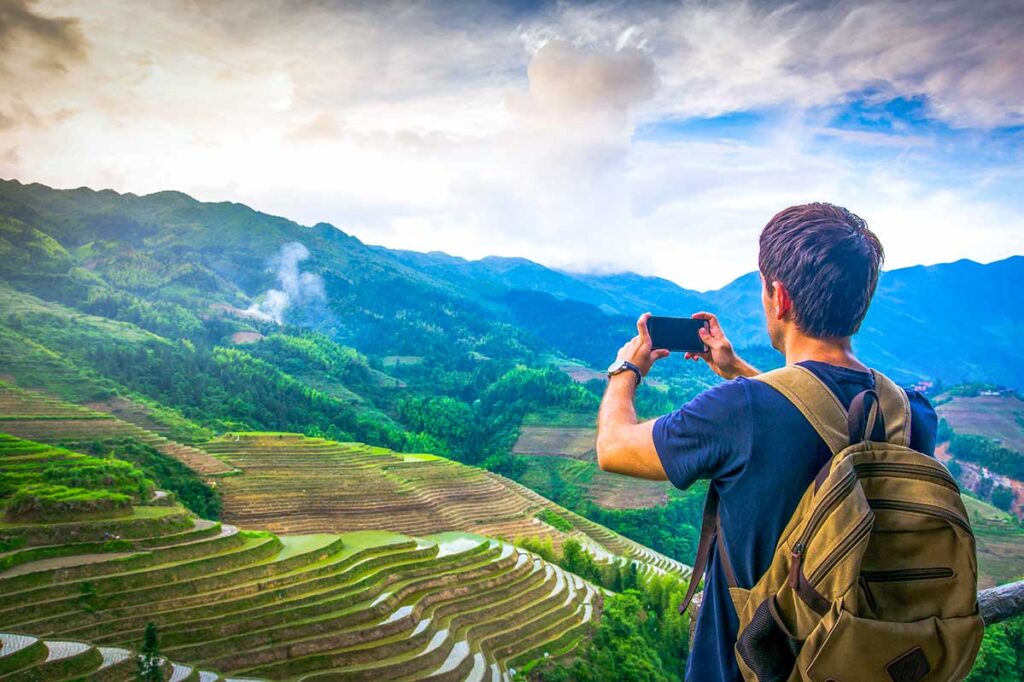
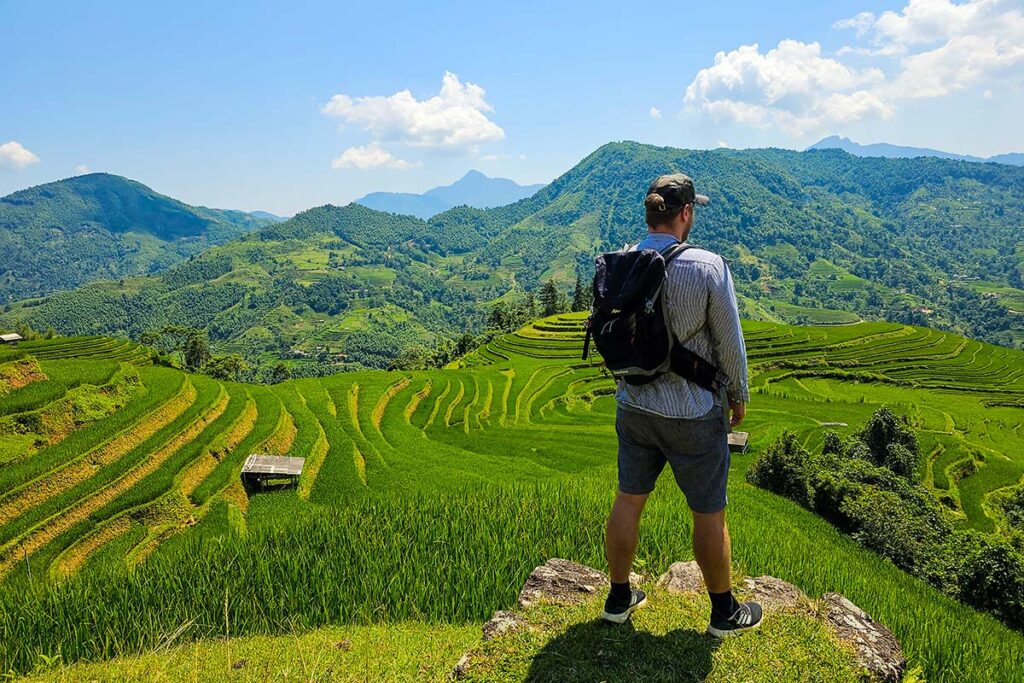
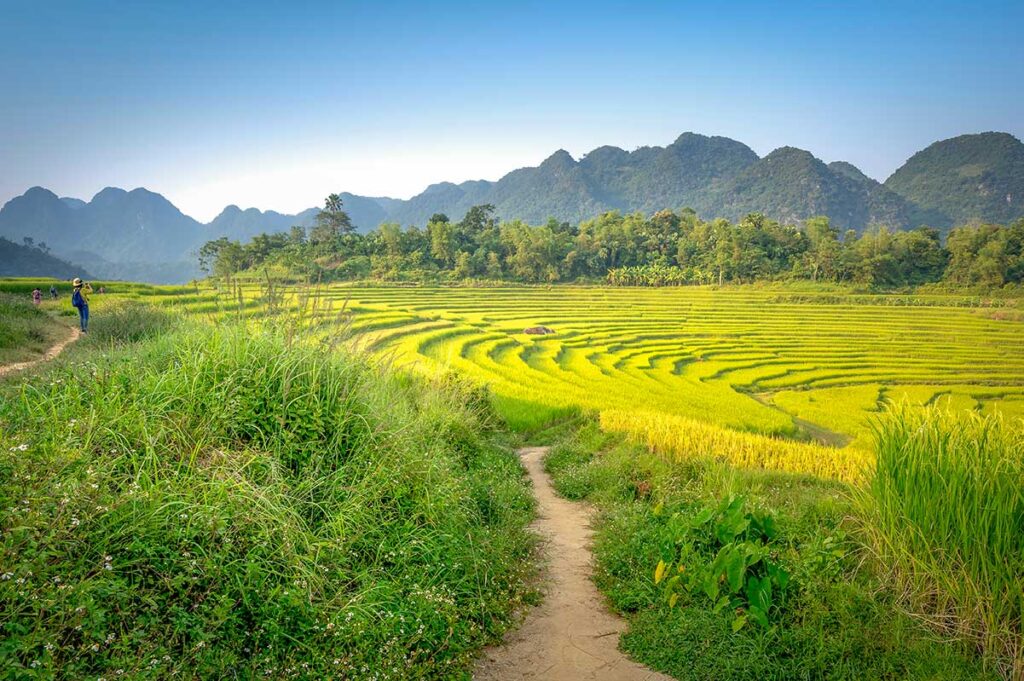
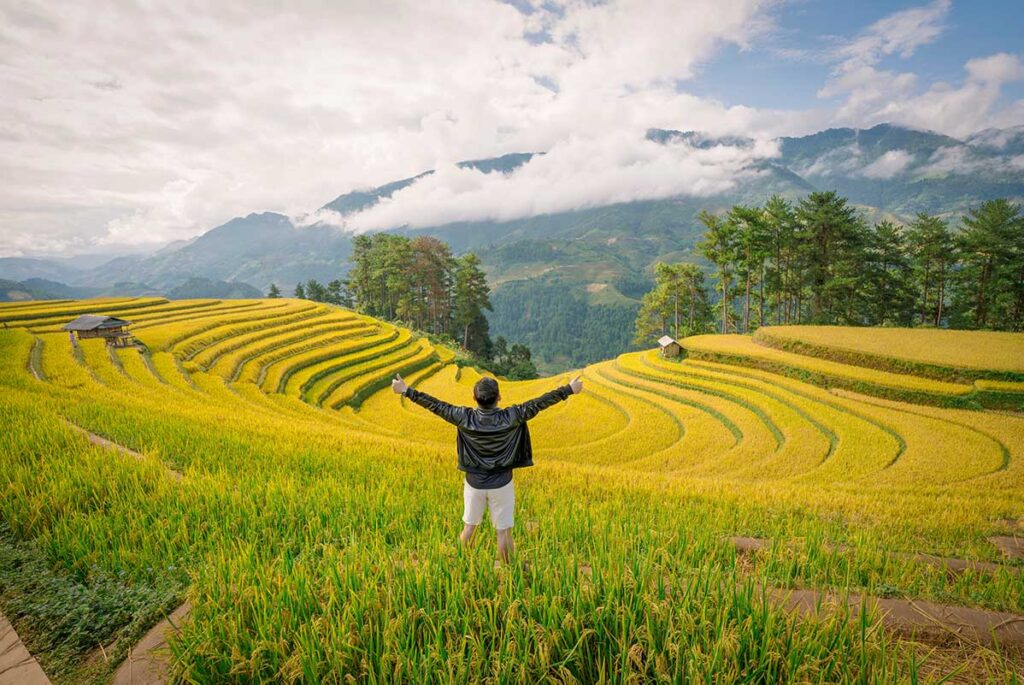
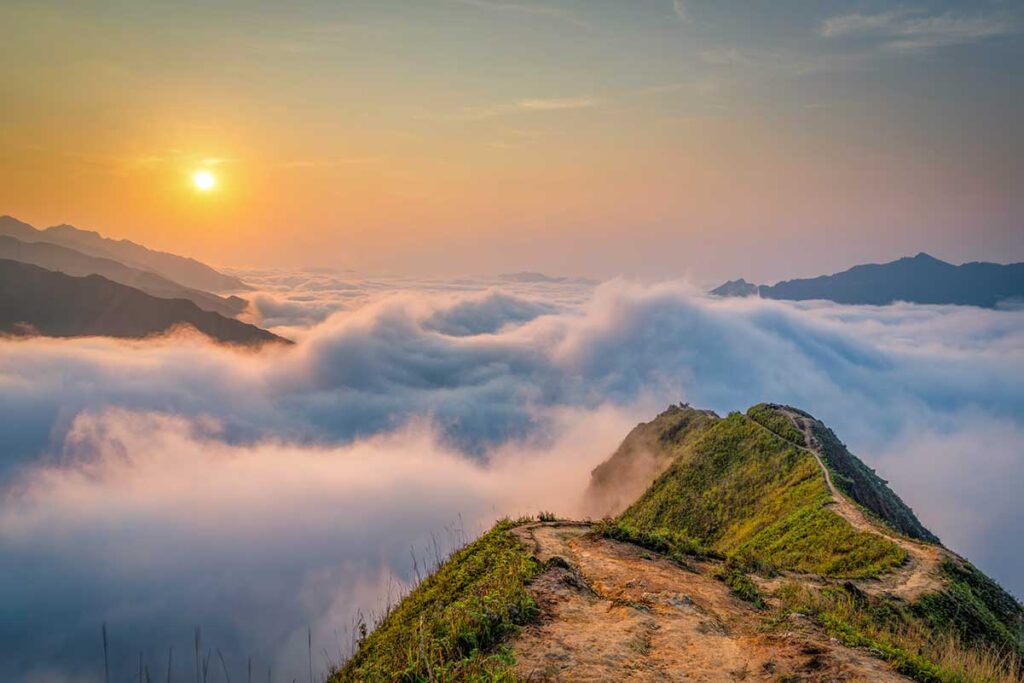
North Vietnam is known for its rice terraces, limestone mountains, and scenic mountain passes. In the highlands, the rice harvest is typically in September, while lower valleys often have two rice seasons per year.
Accessibility
Many destinations are located in remote mountain areas. Travel times are often longer than distances suggest, and mobile coverage is not available everywhere.
Safety
North Vietnam is very safe to travel in. The main risks are chaotic traffic and, during the rainy season, occasional landslides on mountain roads.
Travel pace
Because of the mountain roads and long distances, it’s best not to pack too many destinations into a short itinerary.
Travel North Vietnam
From Historic Cities to Mountain Landscapes and Remote Coastlines
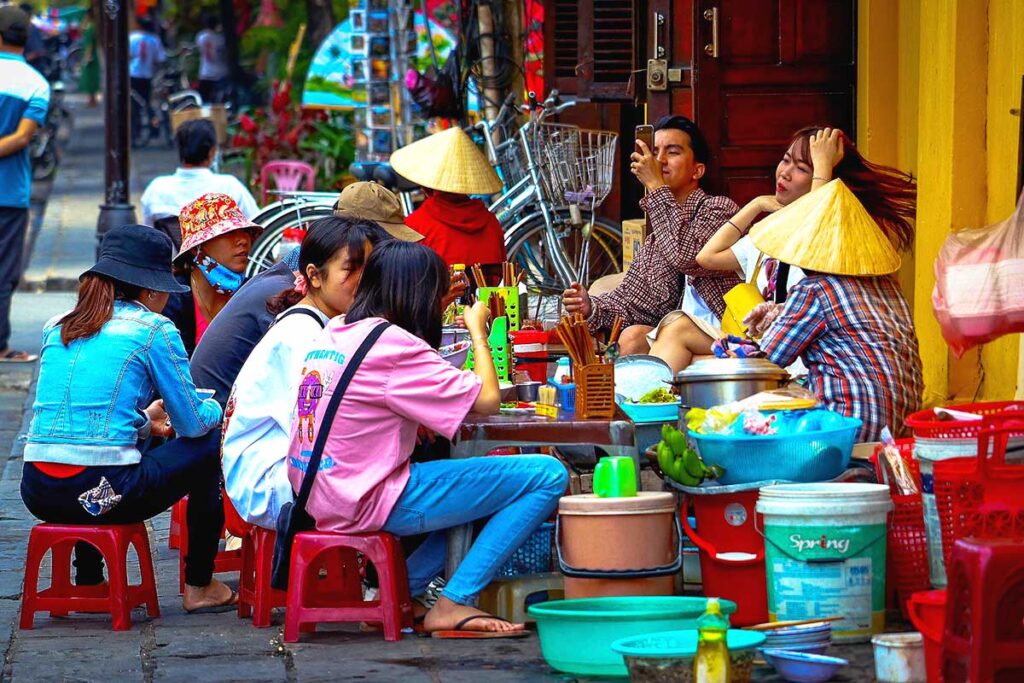
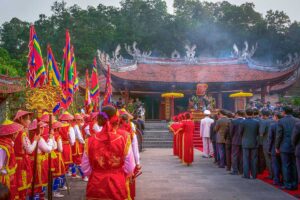
Traveling through North Vietnam means exploring the region where much of Vietnam’s history, culture, and identity were shaped. Hanoi and its surrounding areas form the political and cultural heart of the country, with old quarters, temples, and colonial-era buildings reflecting centuries of Chinese and French influence alongside local traditions. This historical depth is still visible today, not as isolated landmarks, but as part of daily life.
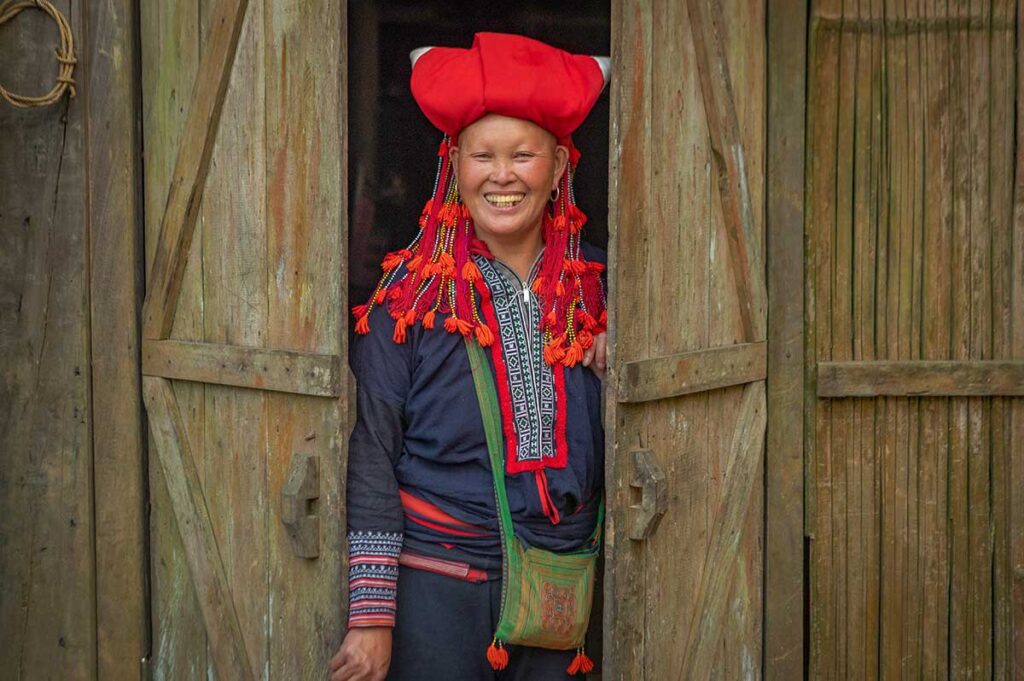
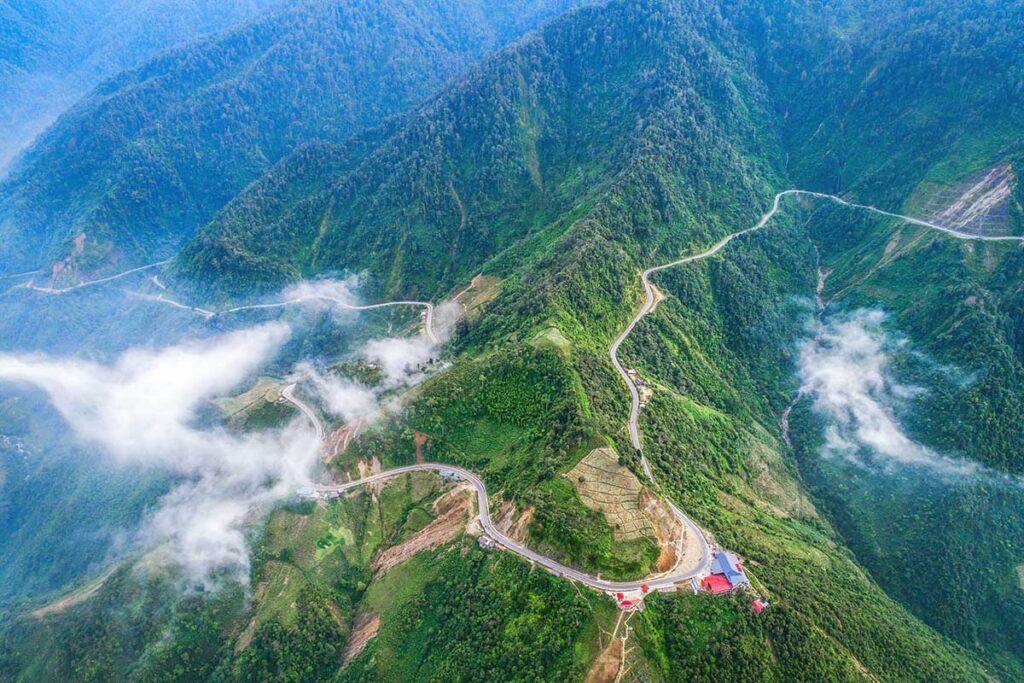
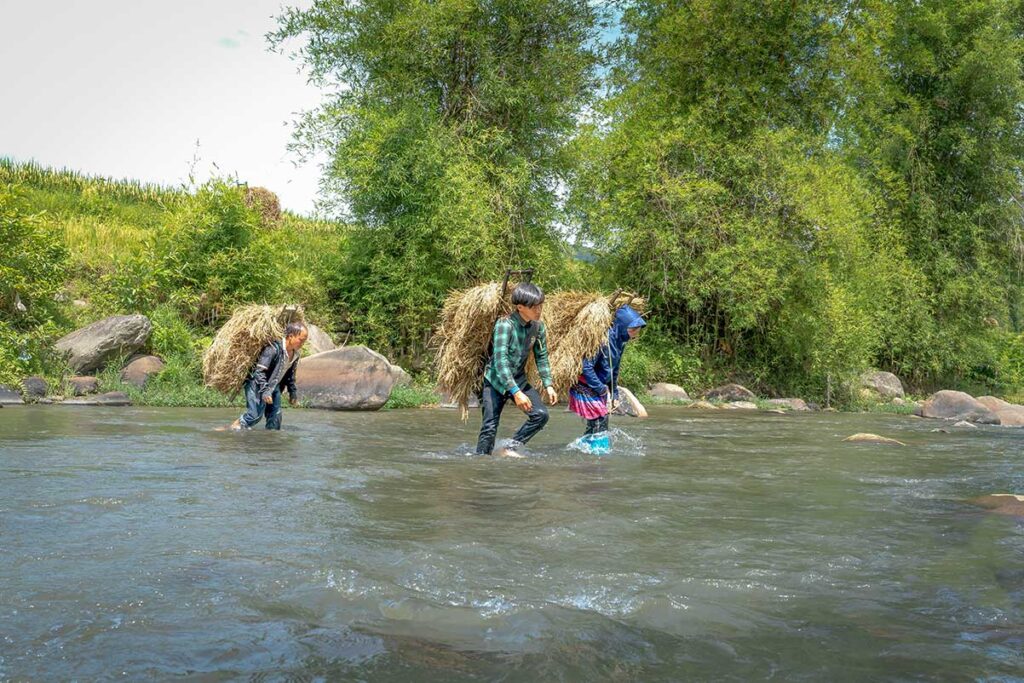
Beyond the cities, northern Vietnam opens up into some of the country’s most varied landscapes. Mountain regions such as Ha Giang, Sapa, and Hoang Su Phi are home to many ethnic minority communities, each with distinct cultures, markets, and traditions. From limestone karsts and terraced rice fields to high passes and coastal scenery around Halong Bay, North Vietnam offers constant contrasts — making it a region that rewards slow travel and careful planning.
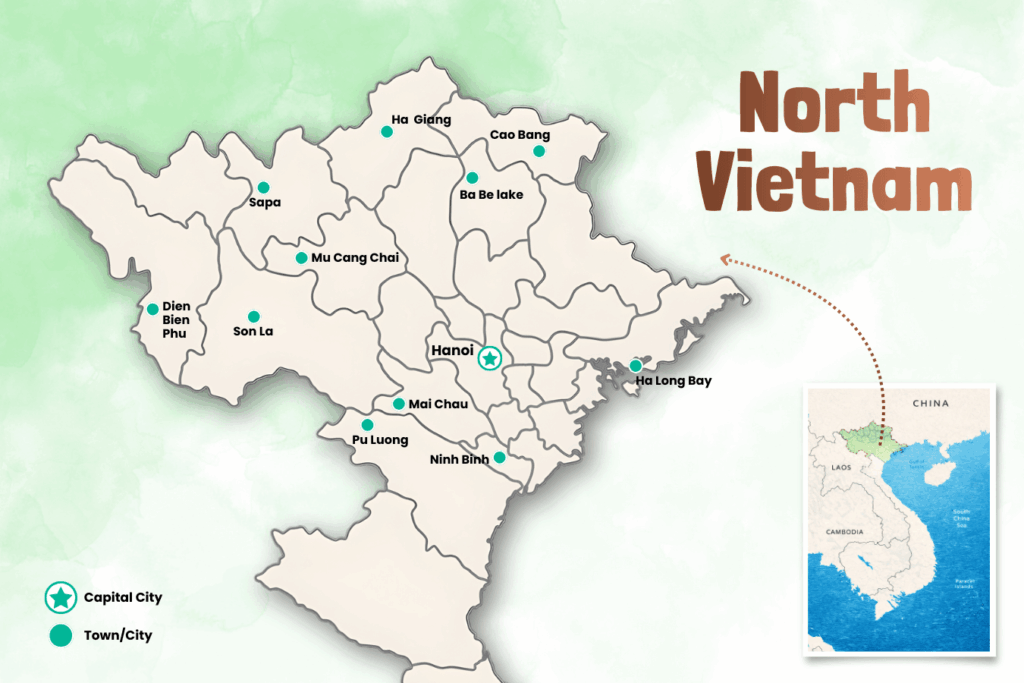
Map of North Vietnam
This map of North Vietnam highlights the most popular places to visit in North Vietnam, giving you a clearer overview of where destinations are located and how the region is laid out.
Best places to visit in North Vietnam
North Vietnam offers a wide range of landscapes, from limestone mountains and rice terraces to historic cities and remote border regions. The best places to visit in North Vietnam listed below are selected based on popularity, scenery, and cultural significance, helping you understand what kind of destination each place is before exploring individual sights or detailed travel guides.
1. Hanoi
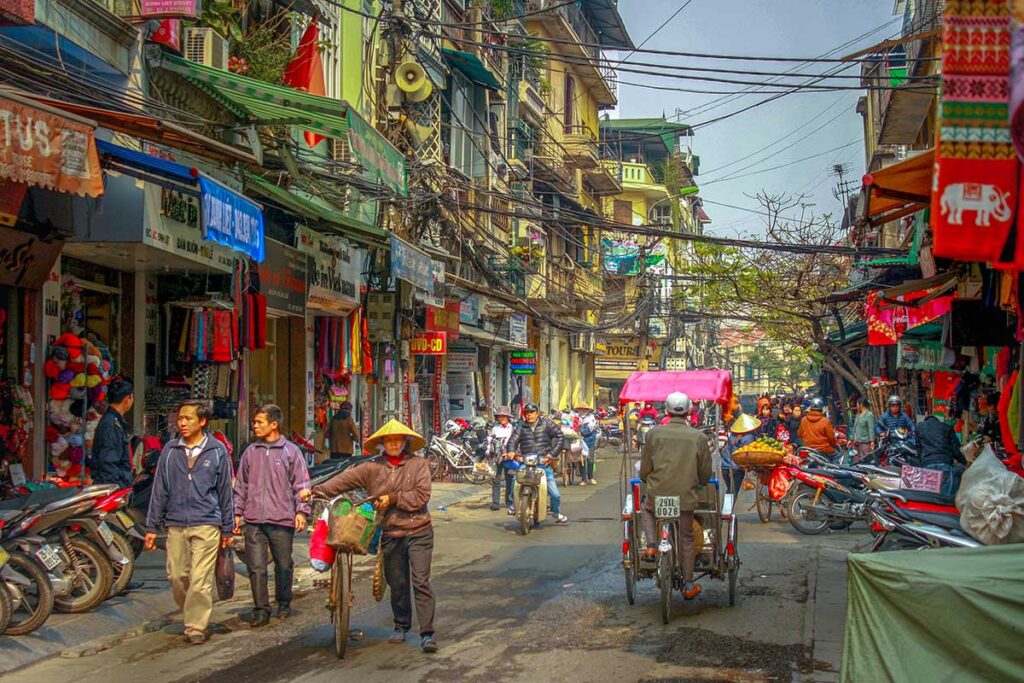
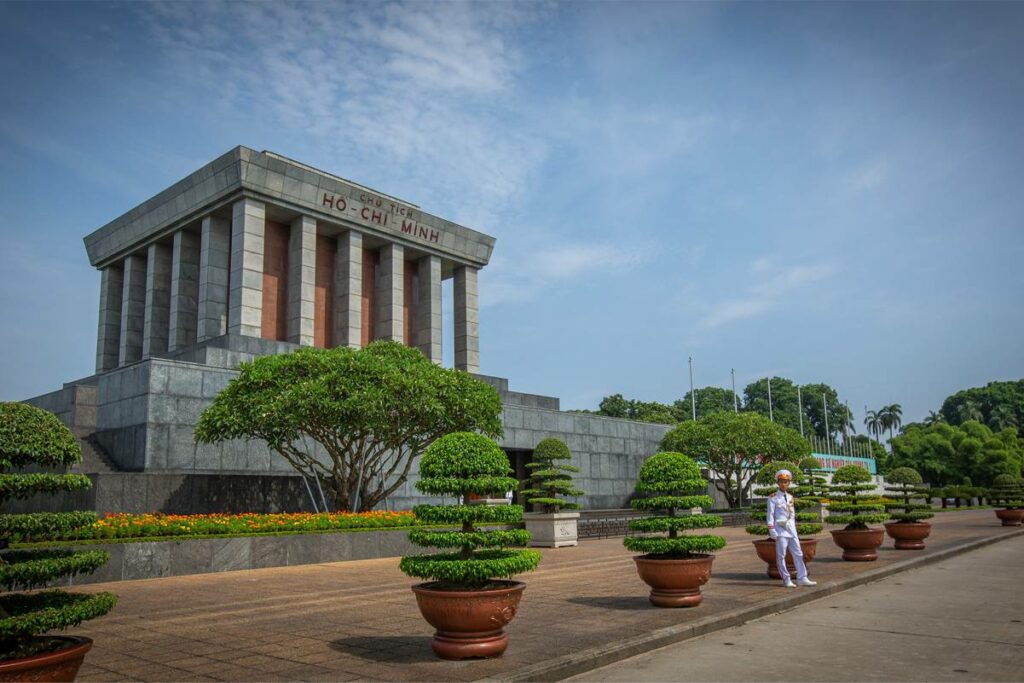
Hanoi is the capital of Vietnam and one of the best places to visit in North Vietnam if you want history, culture, and everyday local life in one place. The city mixes old quarters, lakes, temples, and French-colonial architecture with modern cafés and nonstop street energy. Hanoi is also the main transport hub for traveling north Vietnam, so most itineraries start or end here.
Best things to do in Hanoi:
Wander the Old Quarter to experience Hanoi’s street life, traditional shop-houses, and small local corners.
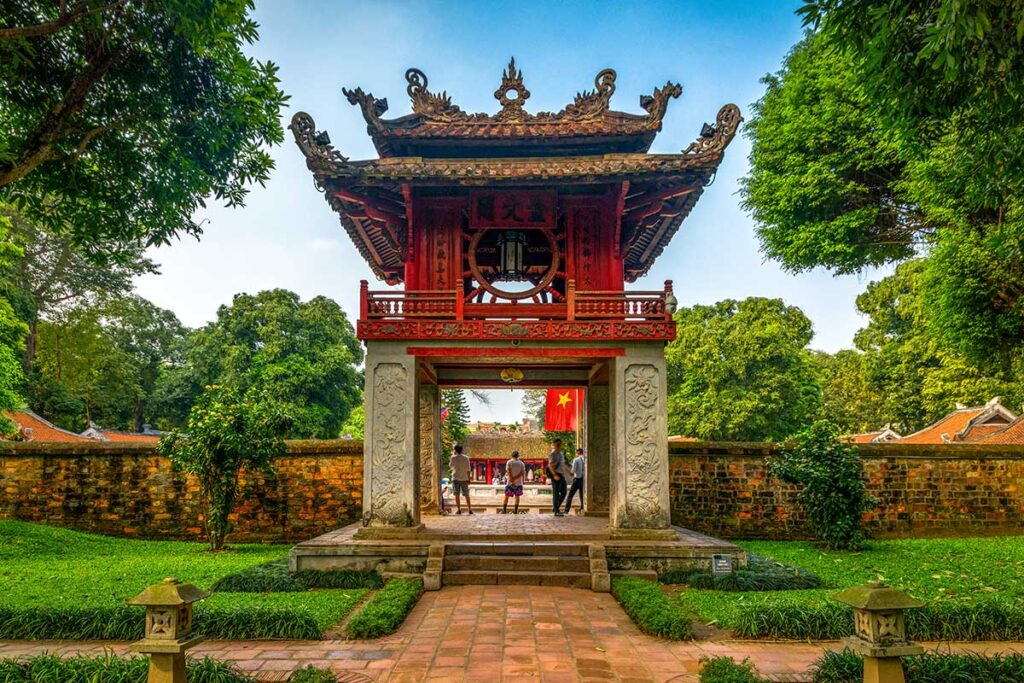
Explore the Temple of Literature to see one of Hanoi’s most important historic sites.
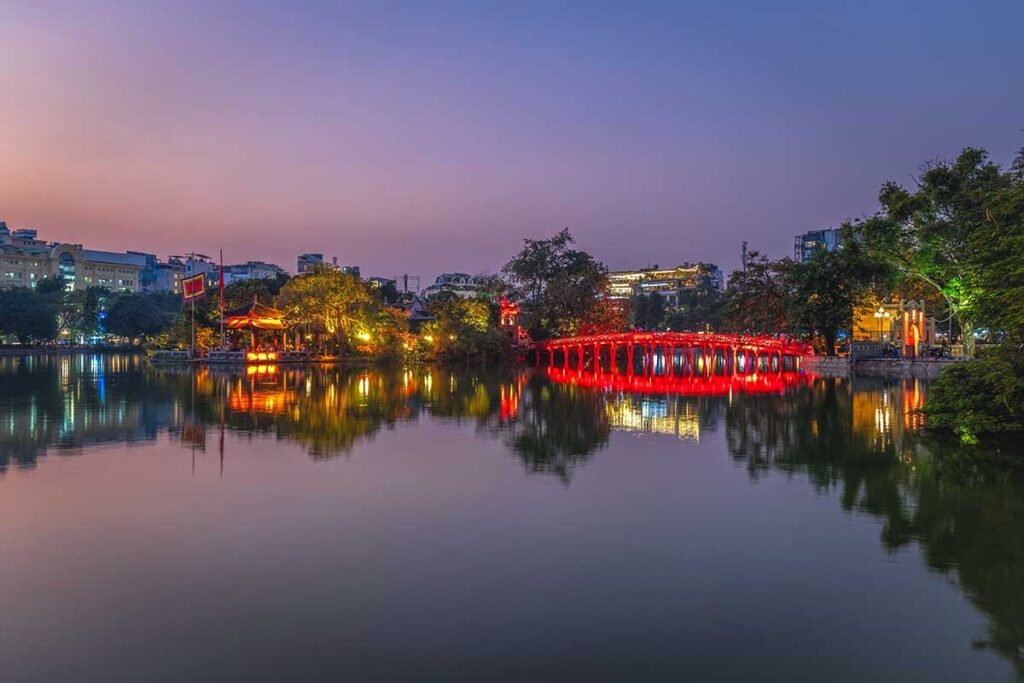
Walk around Hoan Kiem Lake and Ngoc Son Temple for an easy, classic Hanoi atmosphere.
Take a food tour or street food walk to properly taste Hanoi’s most iconic local dishes.
Tip: Ready to explore Hanoi beyond the obvious? Have a look at our Hanoi tours, including street food experiences and more authentic local corners.
2. Sapa
Sapa is one of the best places to visit in North Vietnam for mountain scenery, terraced rice fields, and ethnic minority culture. It’s located in Lao Cai Province, close to the Chinese border, and is known for cooler temperatures than most of Vietnam. The town has grown quickly, but the surrounding valleys and villages are still the main reason to come.
Best things to do in Sapa:
Do a trekking in Sapa through rice terraces and villages such as Lao Chai and Ta Van.
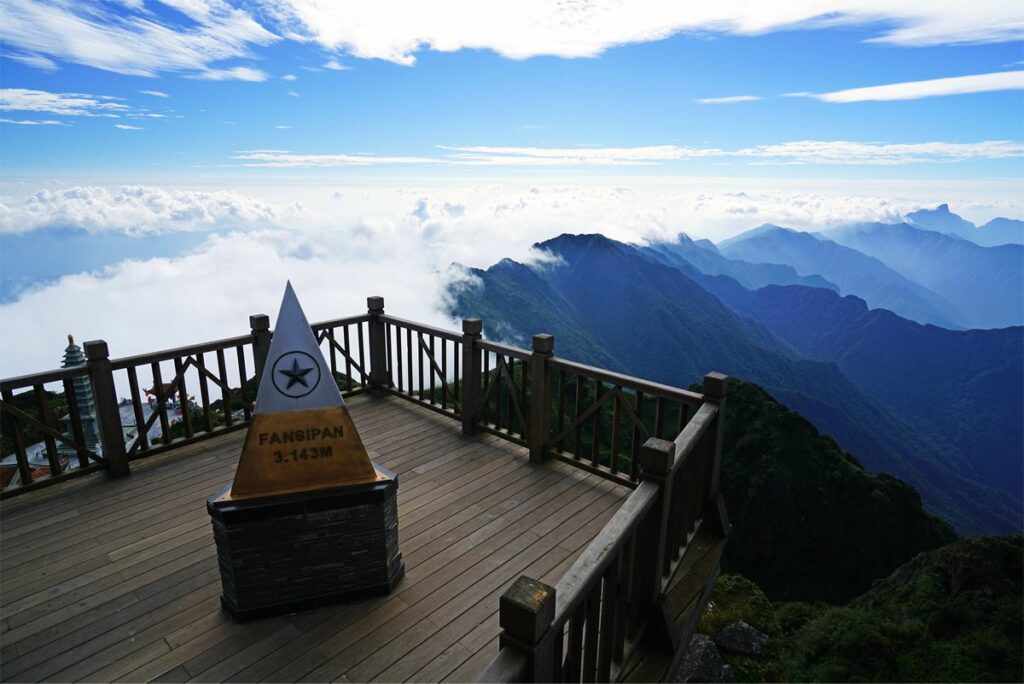
Visit Fansipan Mountain by cable car, or hike if you want a tougher challenge.
Explore minority villages around Sapa to see everyday life, traditional houses, and terraced landscapes in the surrounding valleys.
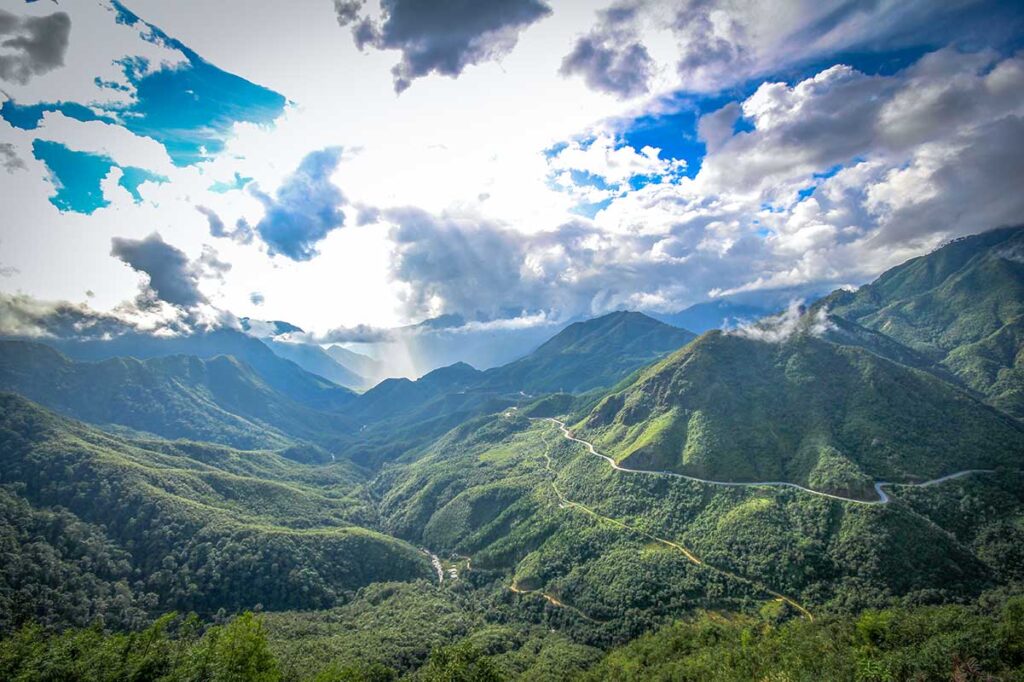
Drive or ride the Tram Ton Pass (O Quy Ho Pass) for some of the best mountain views in the region.
Tip: Want to experience Sapa properly? Have a look at our Sapa tours with trekking routes, local markets, and homestay-style stays in the valleys.
3. Halong Bay
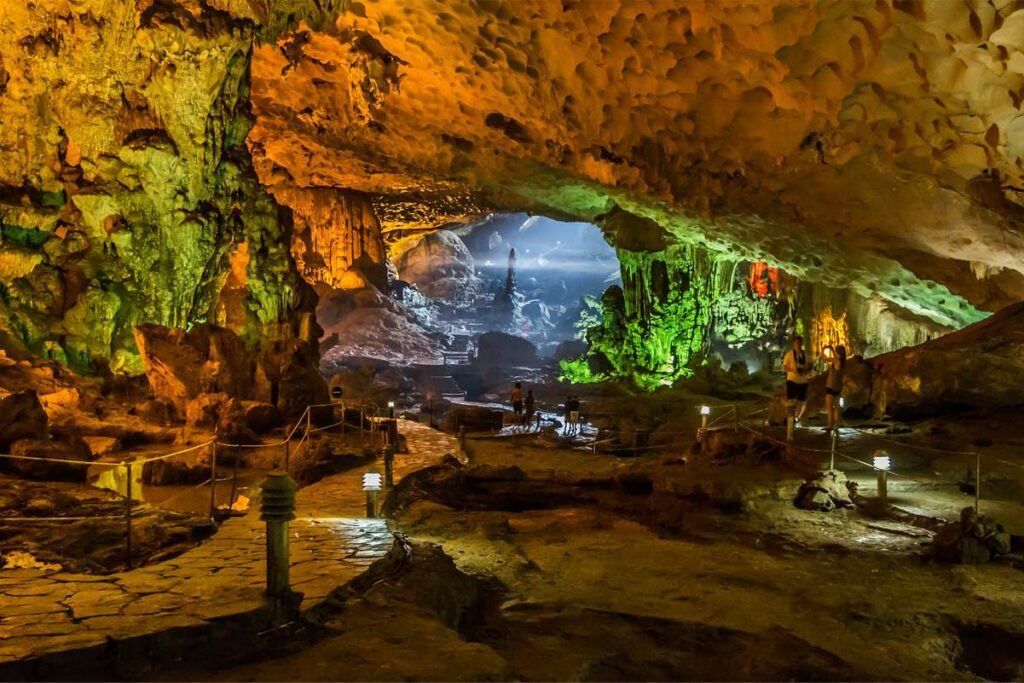
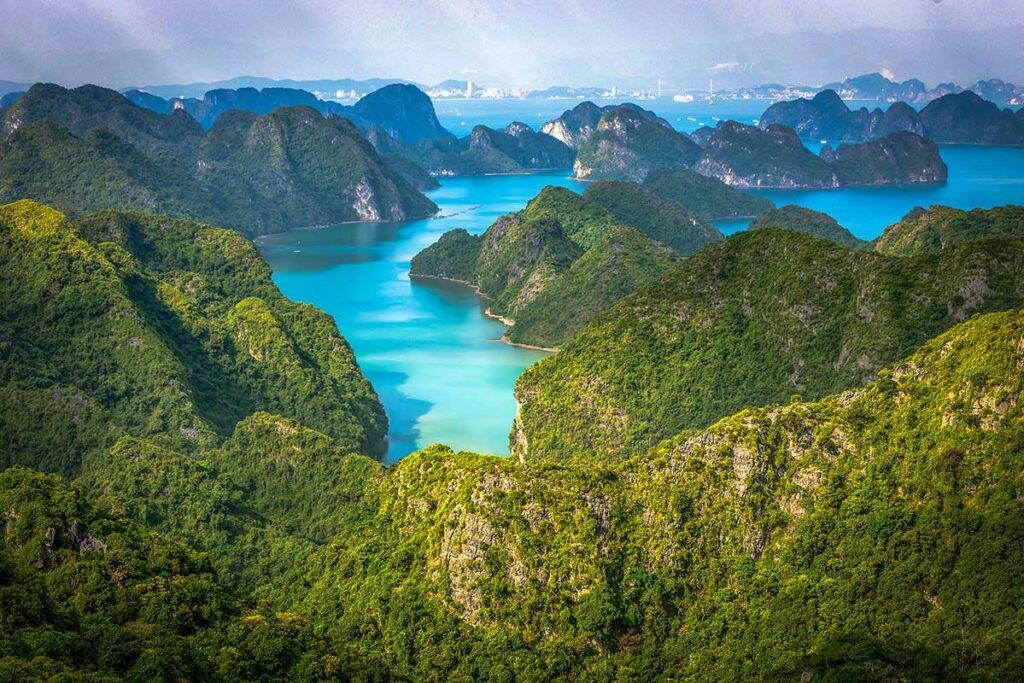
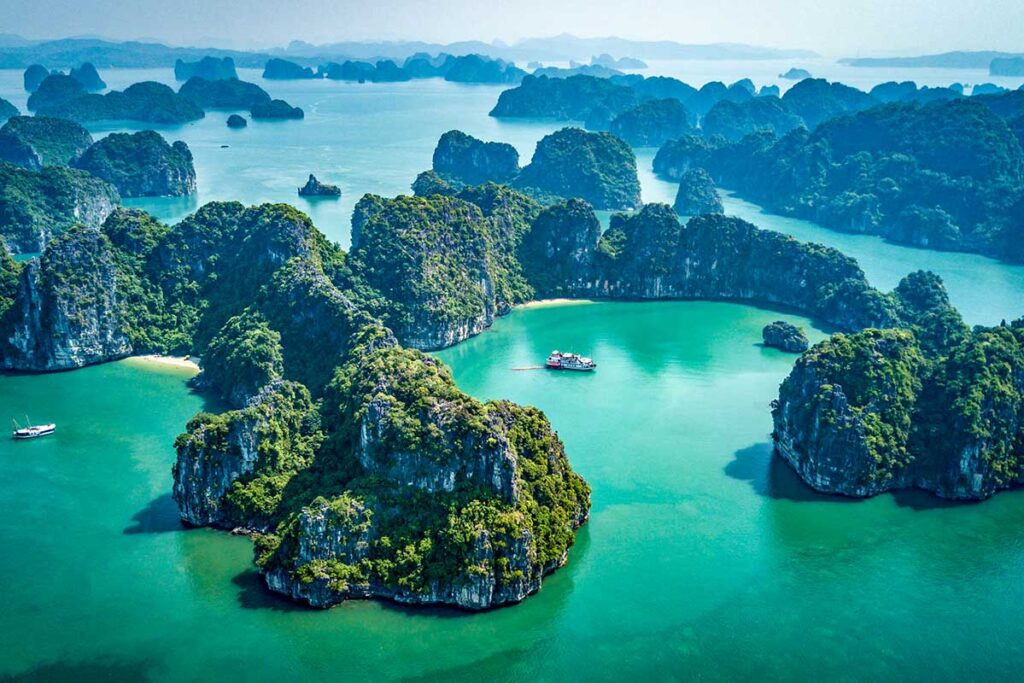
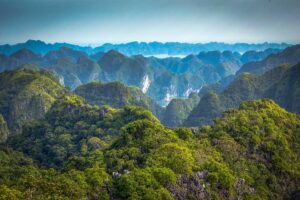
Halong Bay is Vietnam’s most famous seascape and one of the top must-see places to visit in North Vietnam. The bay is known for thousands of limestone karsts rising from the water, creating an iconic landscape that’s best experienced by boat. It’s heavily touristic in parts, but the scenery is still impressive enough to justify the trip for most travelers.
Tip: Prefer to see the bay the right way? Have a look at our Halong Bay cruises, with options for quieter routes and overnight stays on the water.
4. Ninh Binh
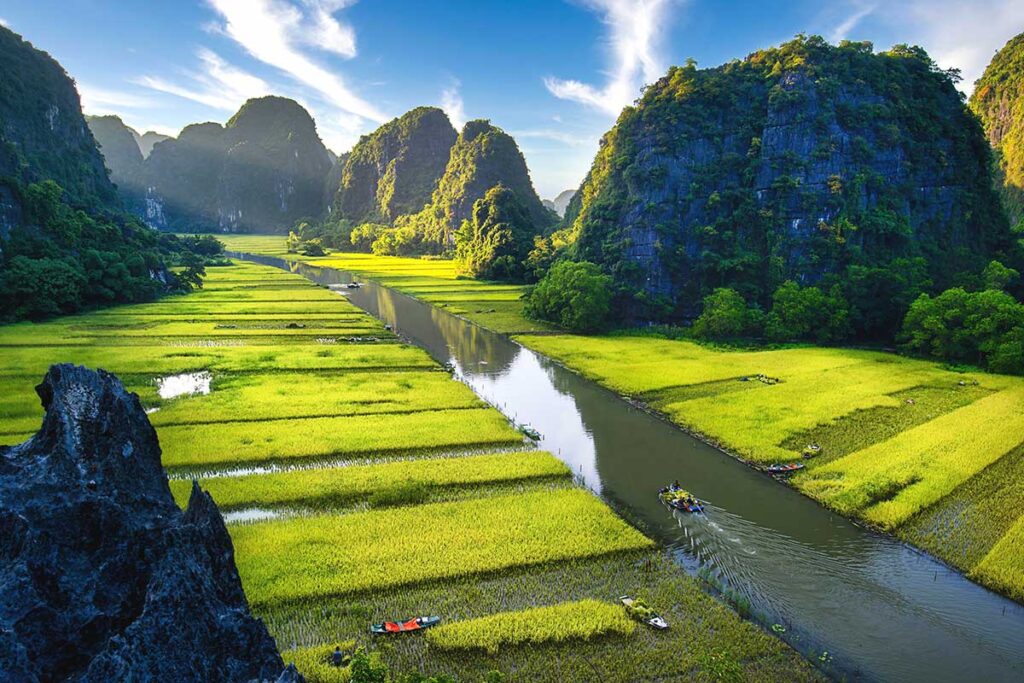
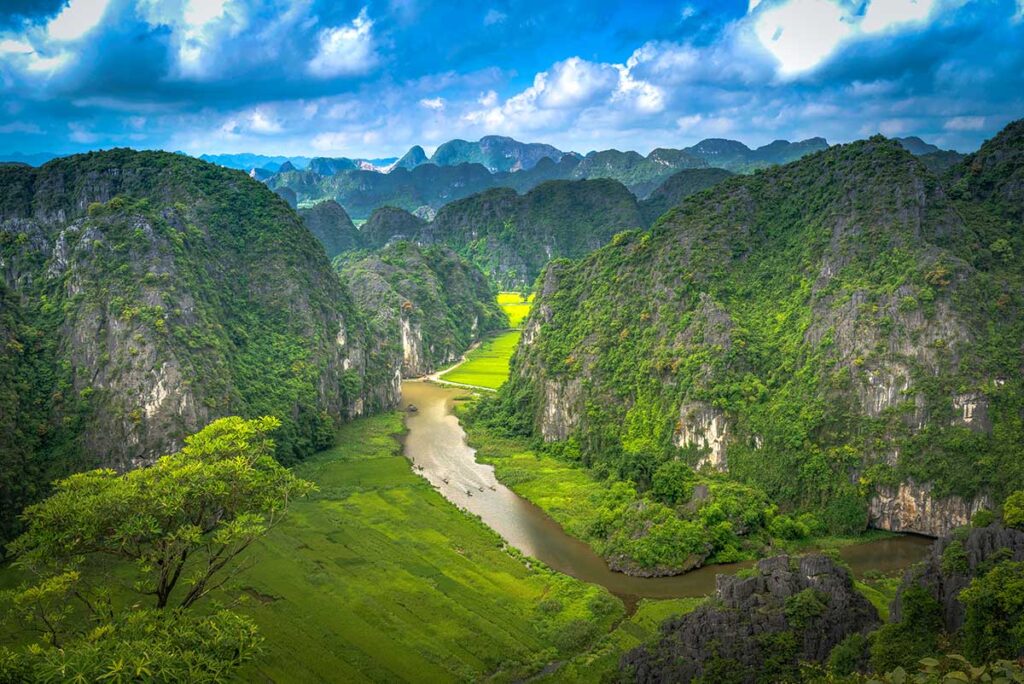
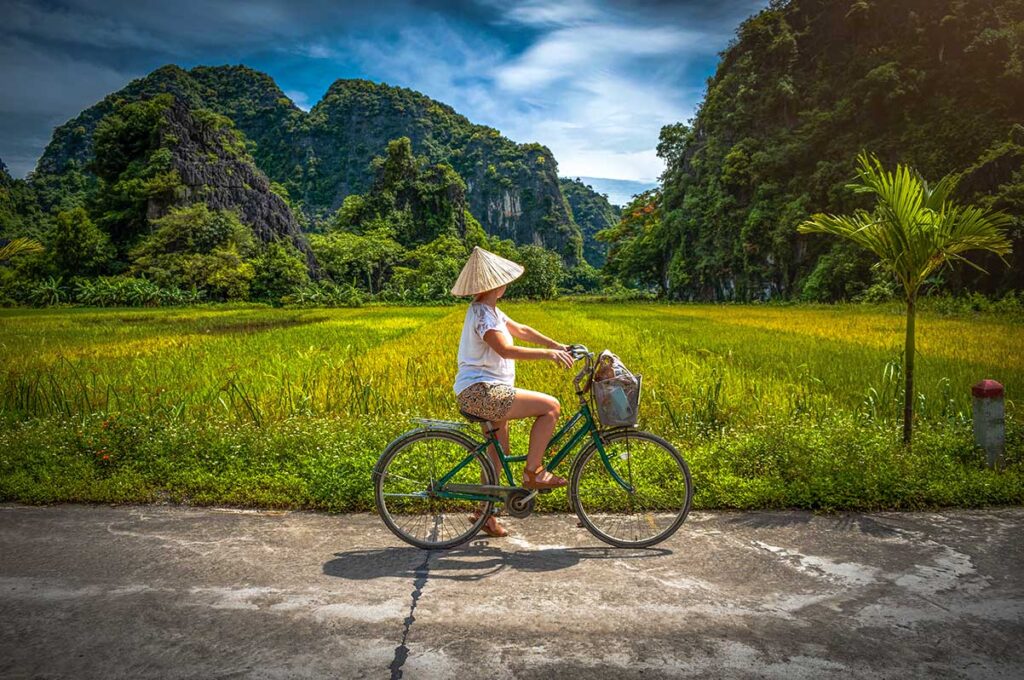
Ninh Binh is one of the best places to visit in North Vietnam for limestone landscapes, river scenery, and rural countryside. It’s often compared to Halong Bay, but instead of being on the sea, the karsts rise from rice fields and small waterways. Because it’s close to Hanoi, Ninh Binh is also one of the easiest northern Vietnam attractions to add to your itinerary.
Best things to do in Ninh Binh:
Take a Trang An boat trip to pass through caves, valleys, and limestone scenery.
Do the Tam Coc boat ride for classic river views through rice fields and karsts.
Climb Hang Mua Viewpoint for one of the best panoramic views in North Vietnam.
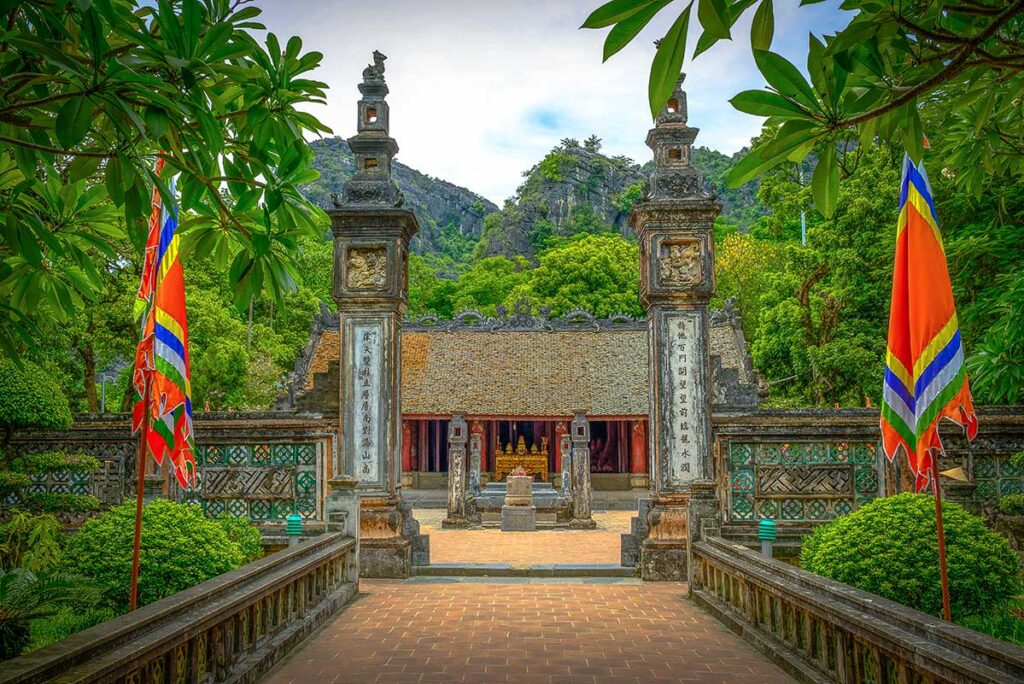
Visit Hoa Lu Ancient Capital to learn about Vietnam’s early dynasties in a historic setting.
Tip: Want to make the most of your time in Ninh Binh? Have a look at our Ninh Binh tours, from day trips to multi-day routes covering Tam Coc, Trang An, and nearby national parks.
5. Ha Giang
Ha Giang is the most remote and rugged destination in northern Vietnam, known for dramatic mountain scenery and strong ethnic identity. Located near the Chinese border, the region feels very different from more developed areas like Sapa, with fewer tourists and a slower pace of life. Ha Giang is best experienced as a journey rather than a single stop.
Best things to do in Ha Giang:
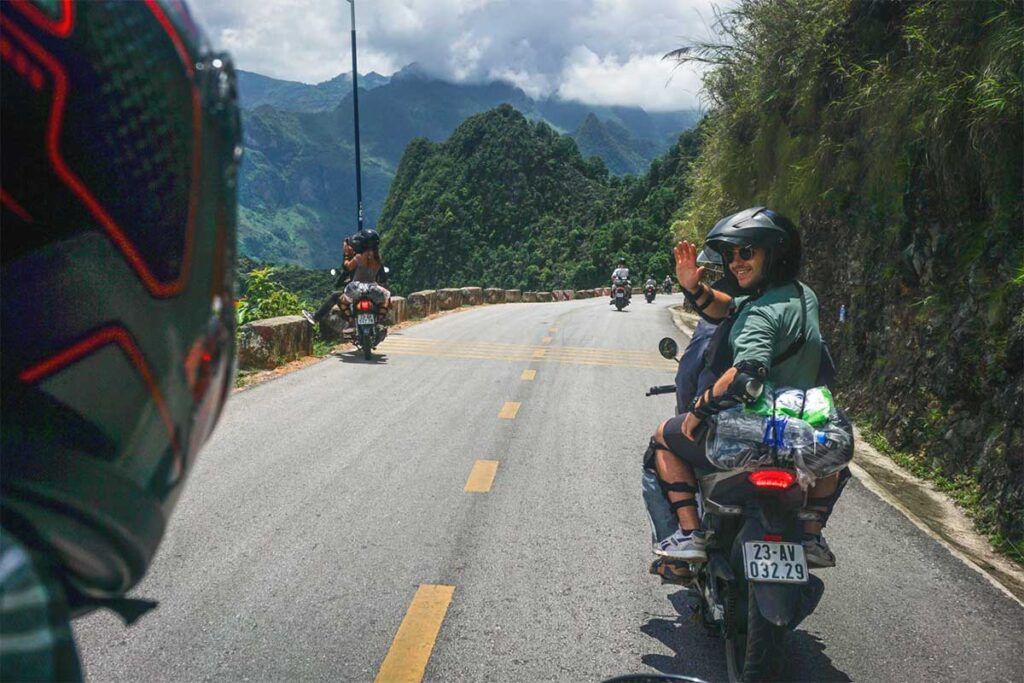
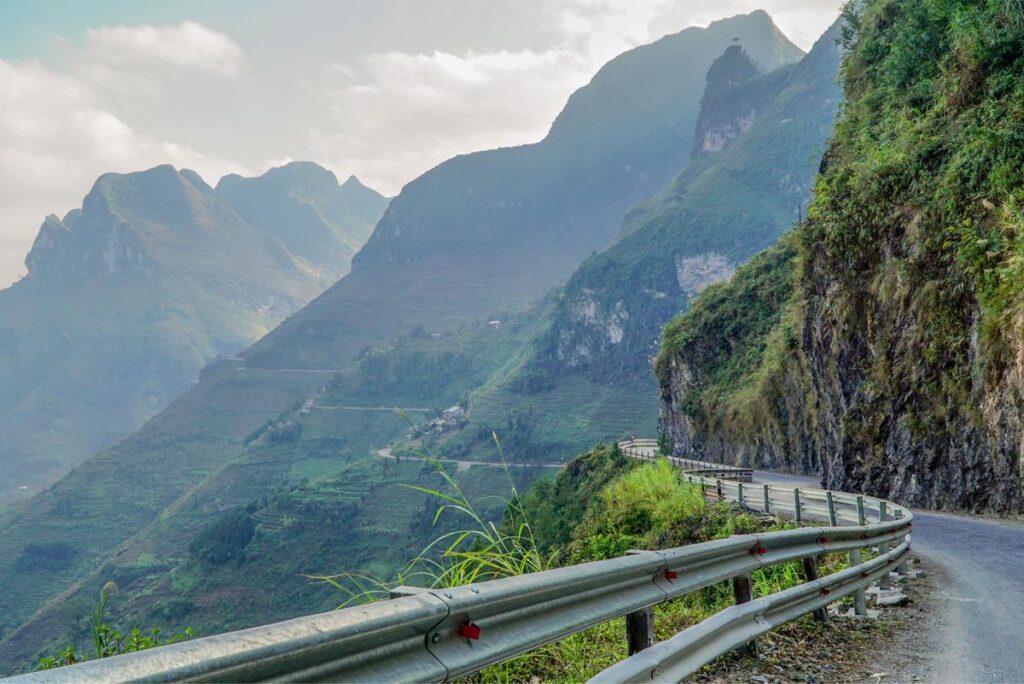
Do the Ha Giang Loop by motorbike or by car/jeep to experience mountain passes, valleys, and remote villages over several days.
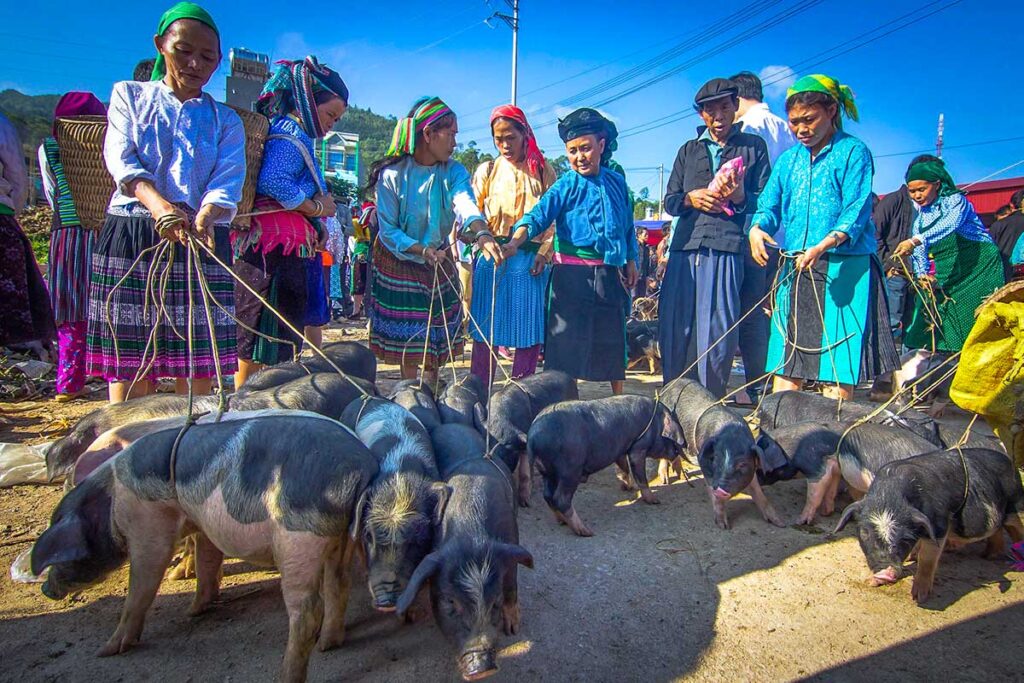
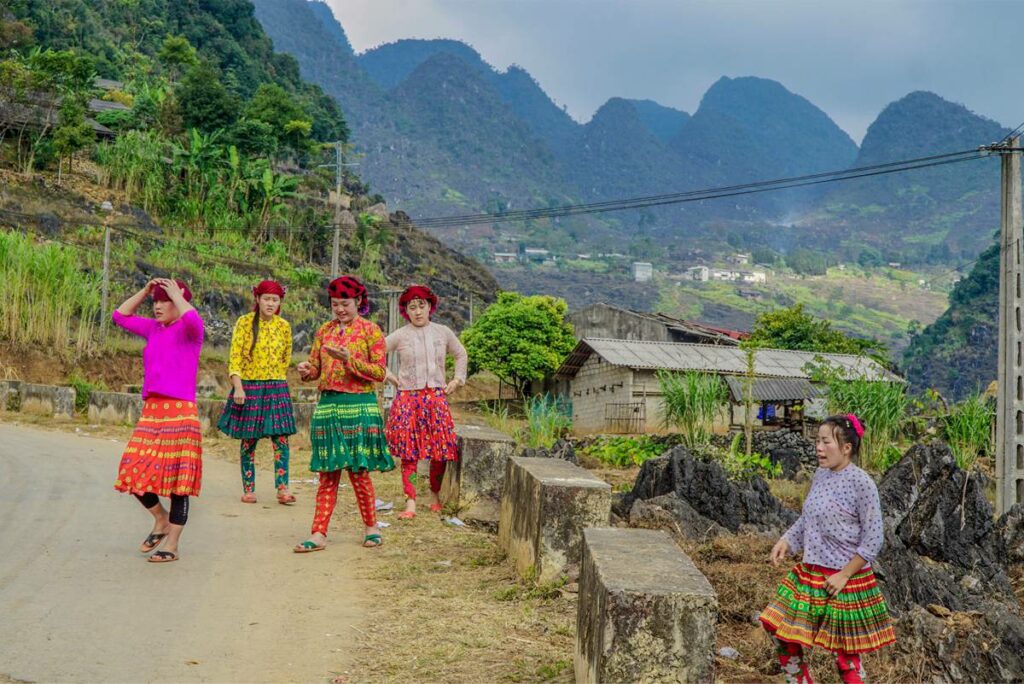
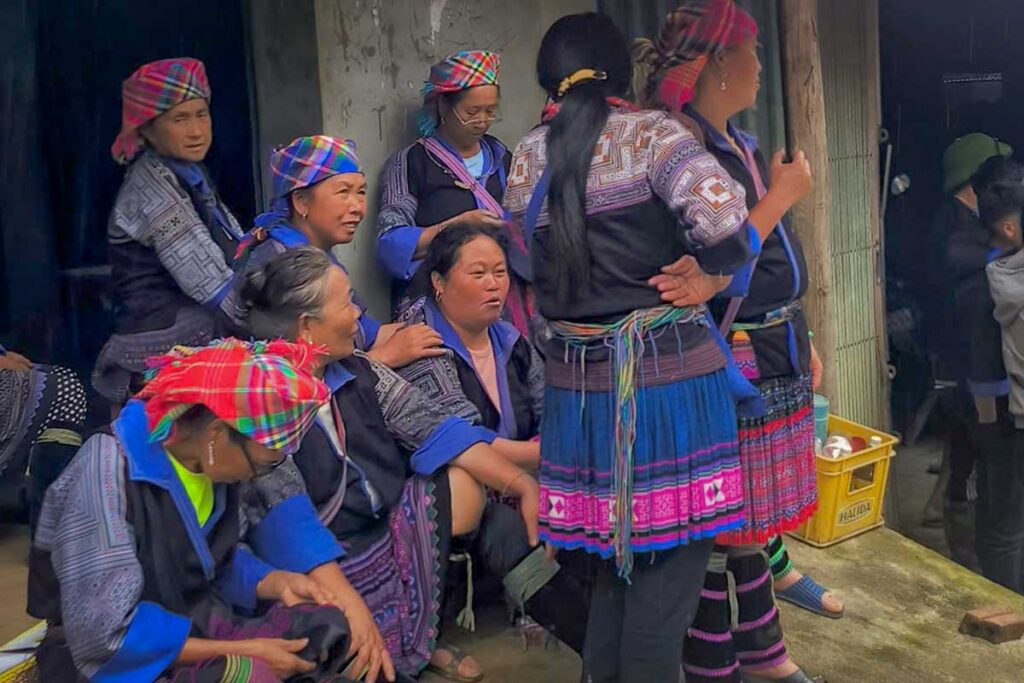
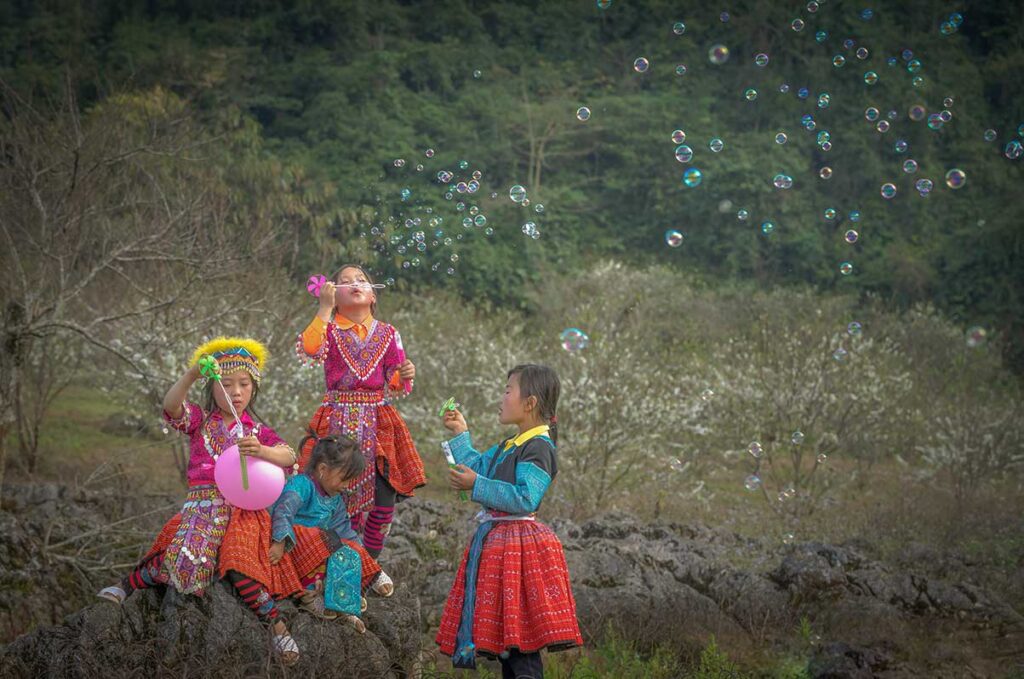
Visit ethnic minority markets such as Dong Van or Meo Vac to see local trade and traditional clothing in a real, working setting.
Go trekking in Hoang Su Phi to walk through some of Vietnam’s most impressive rice terraces and rural landscapes.
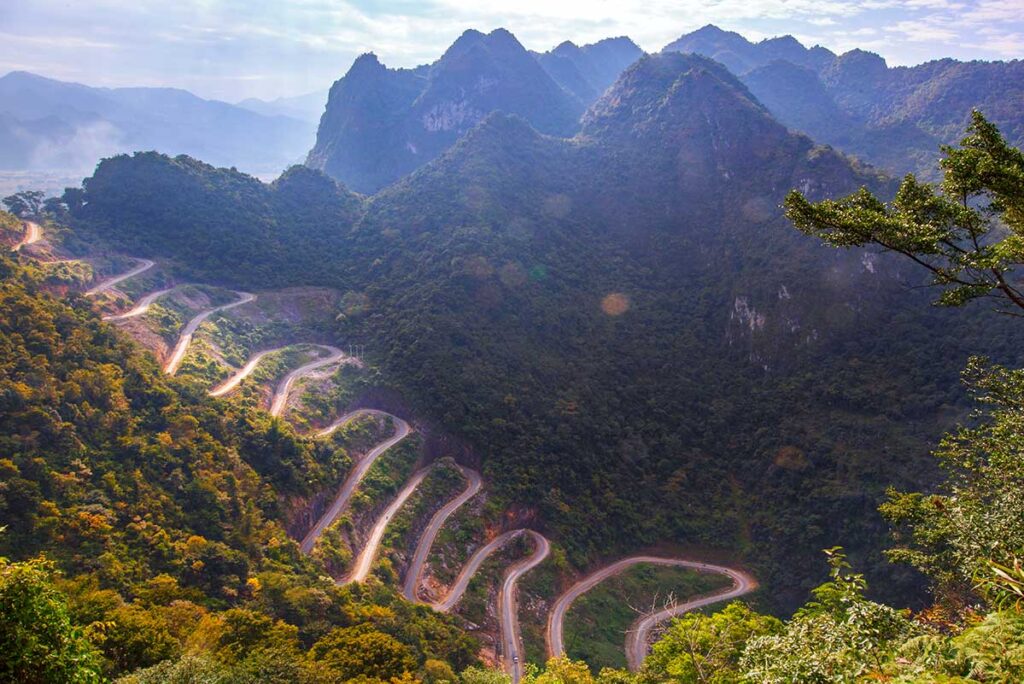
Drive or stop at Ma Pi Leng Pass to see one of the most dramatic mountain roads and viewpoints in Vietnam.
Spend time in small villages along the route to better understand ethnic cultures such as the Hmong, Dao, and Tay.
Tip: Planning to do the Loop without the backpacker vibe? Have a look at our Ha Giang tours by motorbike, car, or jeep — all focused on the best Loop scenery and local stops.
6. Cao Bang
Cao Bang is a quiet, nature-focused province in far northern Vietnam, close to the Chinese border. It’s known for open landscapes, rivers, karst mountains, and a feeling of space that’s increasingly rare elsewhere. Cao Bang suits travelers who prefer scenery and calm over busy tourist towns.
Best things to do in Cao Bang:
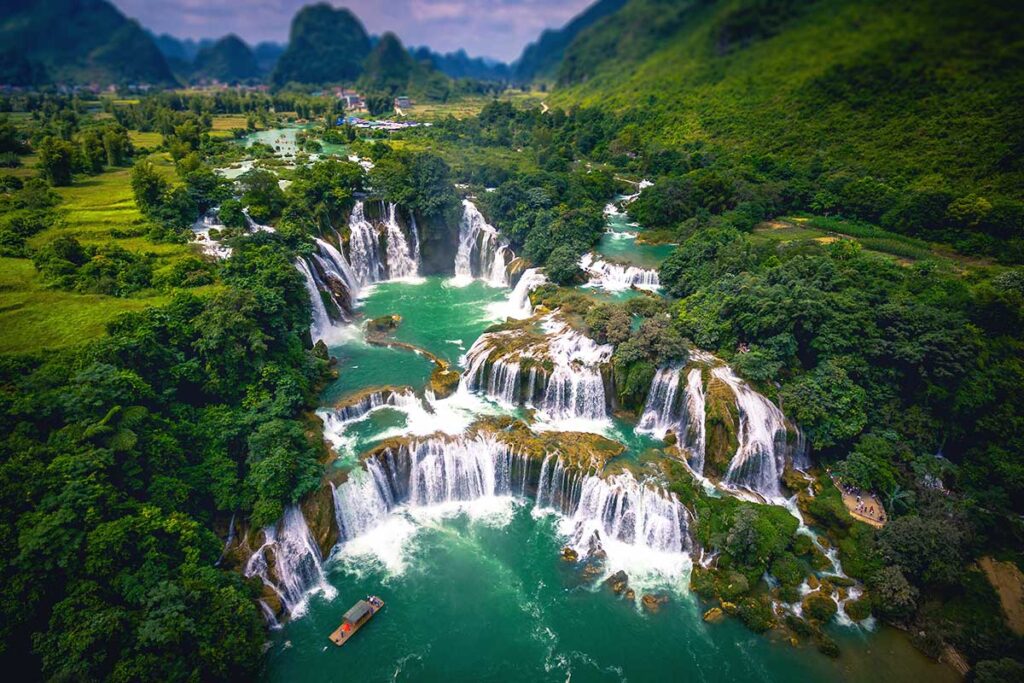
Visit Ban Gioc Waterfall, one of the largest and most impressive waterfalls in Southeast Asia.
Explore Phong Nam Valley to see rural villages, rivers, and limestone scenery far from mass tourism.
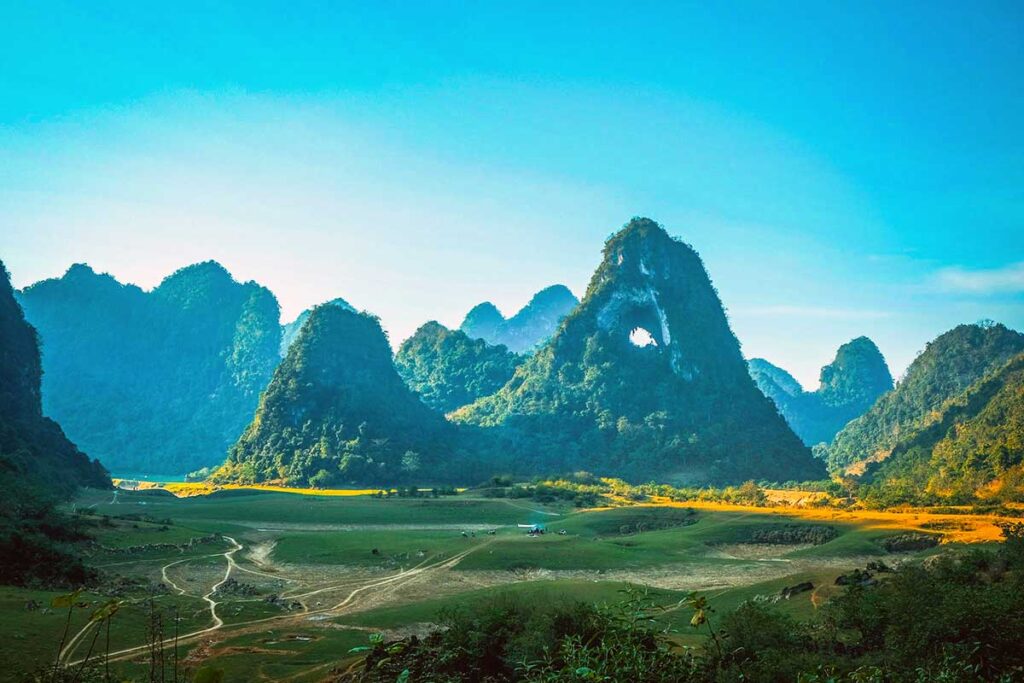
Stop at Angel Eye Mountain to see one of the most unique karst formations in northern Vietnam.
Combine Cao Bang with scenic road trips through mountain passes and border landscapes.
Travel slowly through villages and countryside to experience everyday life in a less-visited region.
Tip: Looking for a quieter, off-the-beaten-track north? Have a look at our Cao Bang tours, including Ban Gioc Waterfall and routes that combine well with Ha Giang.
7. Mai Chau
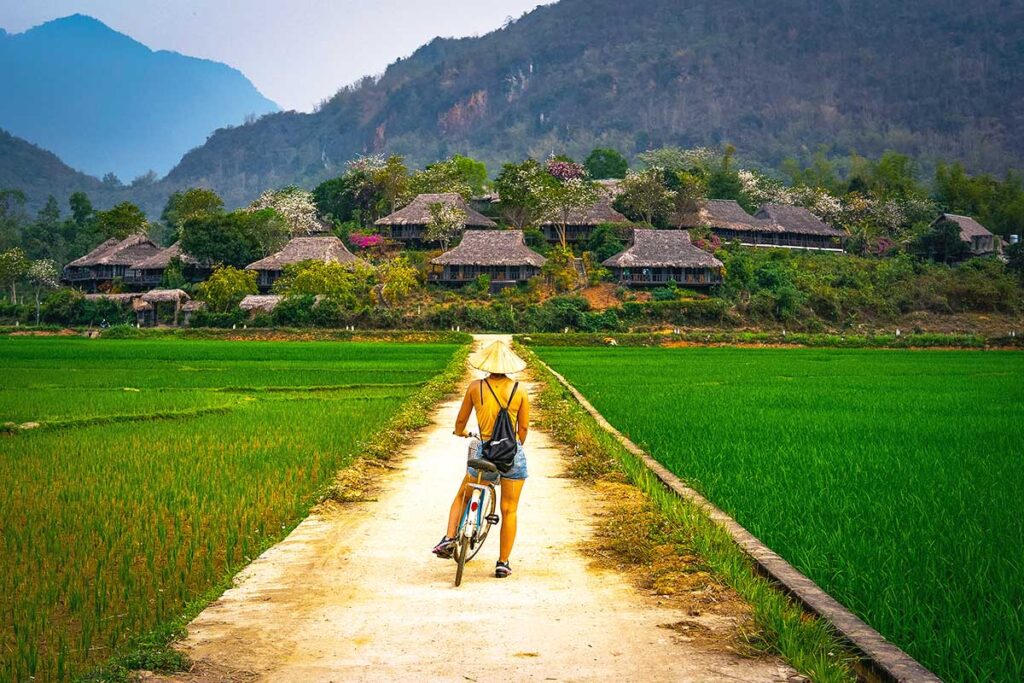
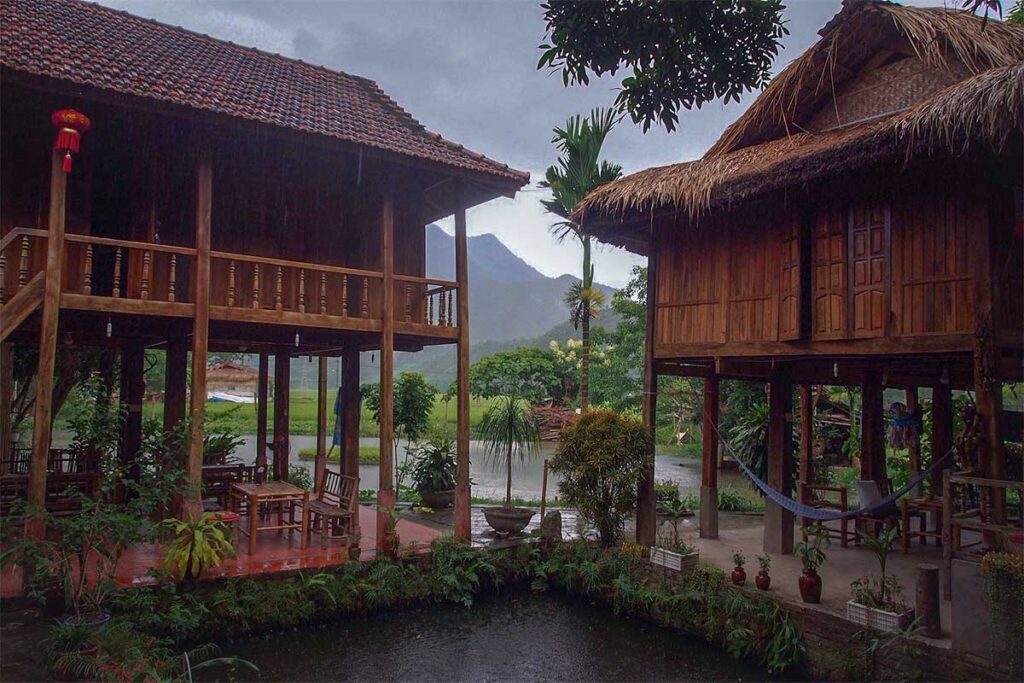
Mai Chau is a peaceful valley west of Hanoi, surrounded by mountains and rice fields. It’s known for its relaxed atmosphere and easy access to ethnic villages, making it a good introduction to rural northern Vietnam. Compared to high mountain regions, Mai Chau is gentler, greener, and easier to explore.
Stay in a traditional homestay to experience daily life and hospitality in ethnic Thai villages.
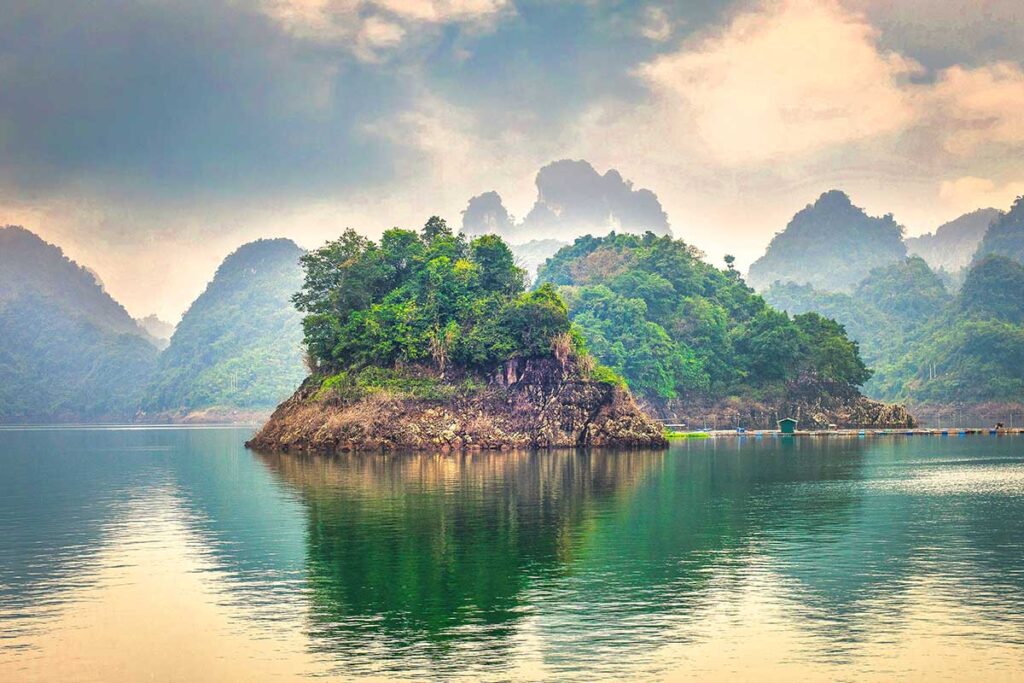
Take a boat trip on Hoa Binh Lake to see flooded valleys, forested hills, and quiet lakeside scenery.
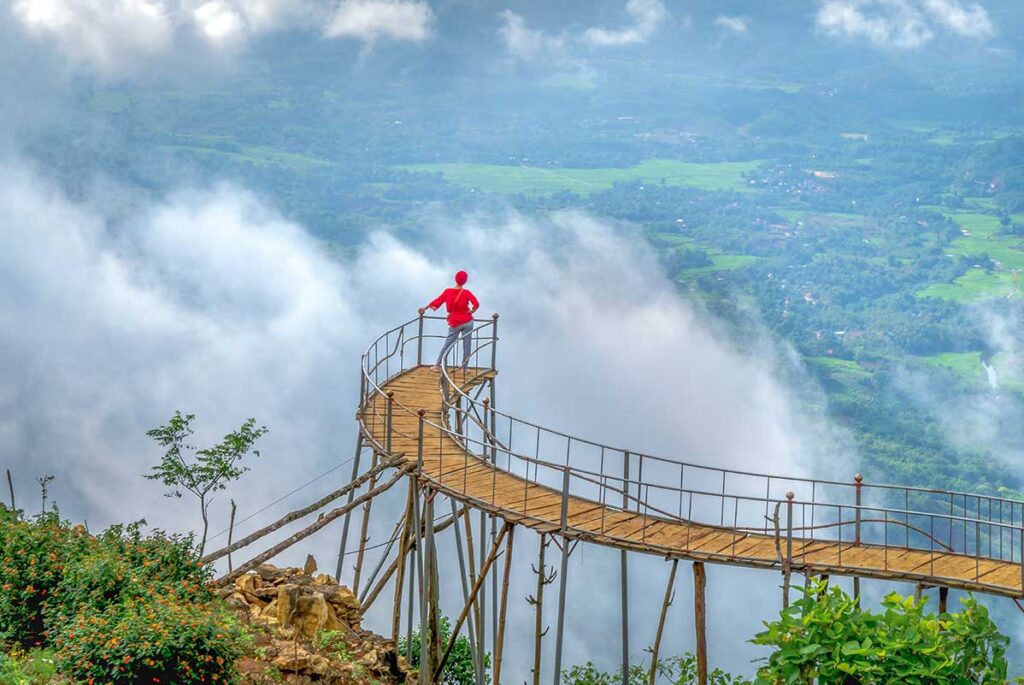
Visit Hang Kia for cloud hunting and mountain views, especially early in the morning.
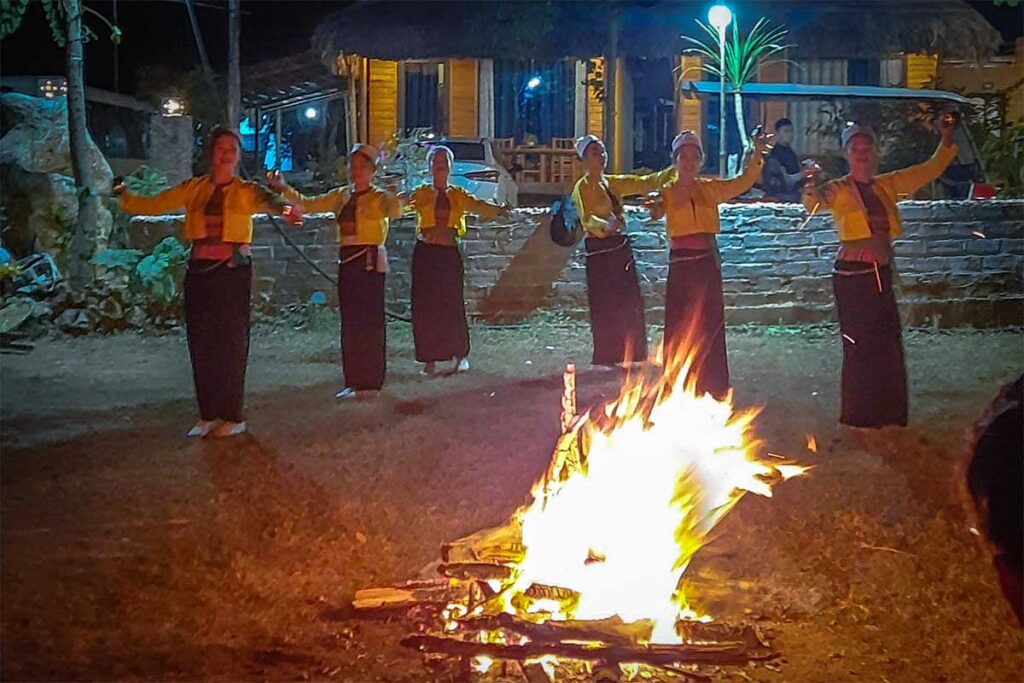
Learn about local ethnic cultures through village walks, weaving traditions, and community-based tourism.
Tip: Want an easy rural escape from Hanoi? Have a look at our Mai Chau tours with homestays, cycling through the valley, and options to combine with Pu Luong.
8. Pu Luong
Pu Luong Nature Reserve is a mountainous area southwest of Hanoi, known for rice terraces, forests, and small ethnic villages. The region feels rural and undeveloped, with limited infrastructure and a strong connection to nature. Pu Luong is ideal for travelers who want scenery, walking, and quiet village life rather than sightseeing.
Best things to do in Pu Luong:
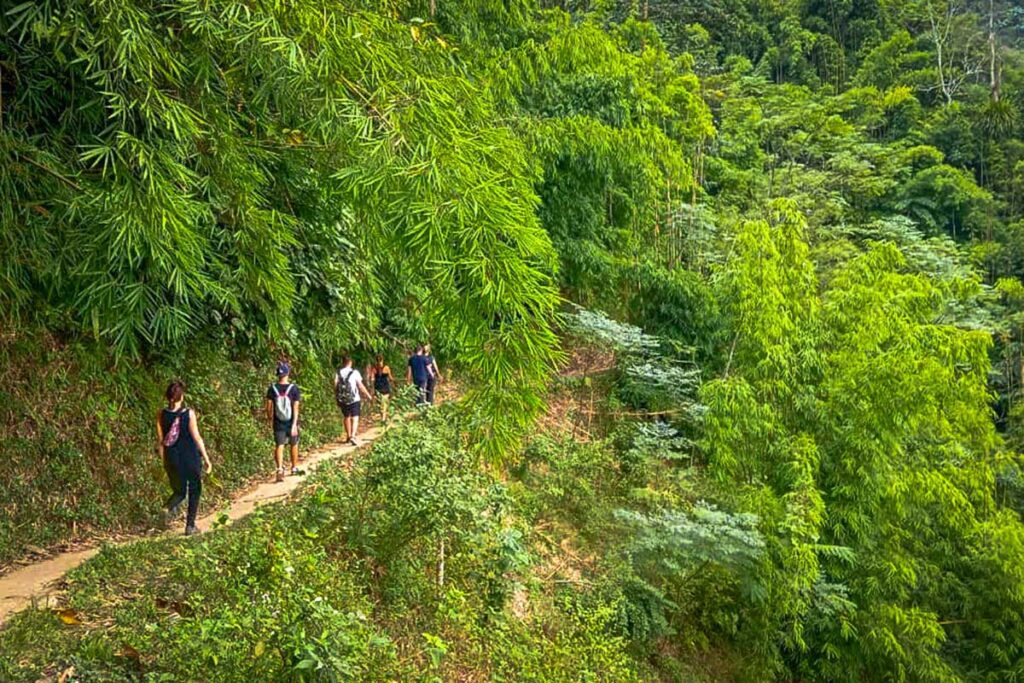
Go trekking through rice terraces, forests, and villages to experience Pu Luong’s landscapes on foot.
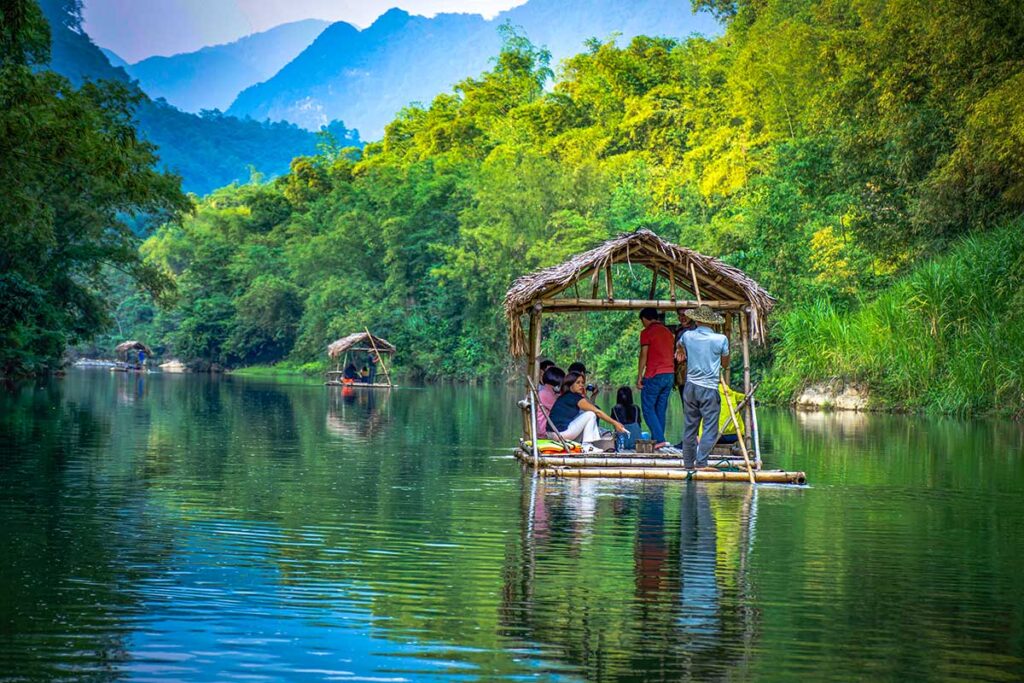
Try bamboo rafting on local streams for a slow, simple activity connected to village life.
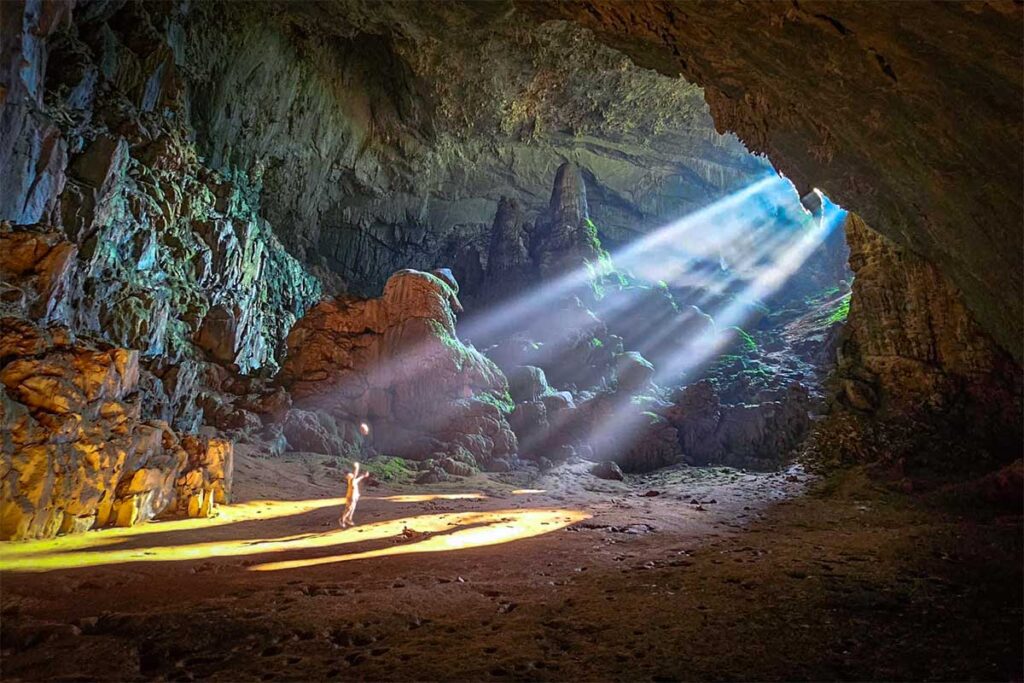
Visit Bat Cave (Kho Muong Cave) as part of a walk to Kho Muong village.
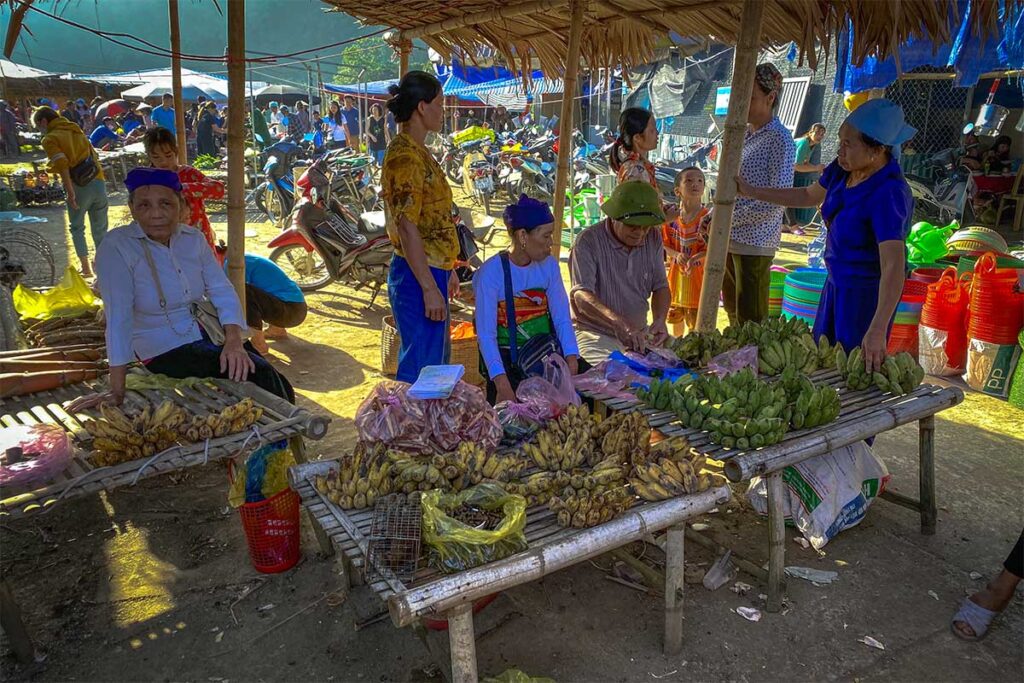
Explore Pho Doan Market to see a local trading market used mainly by nearby communities.
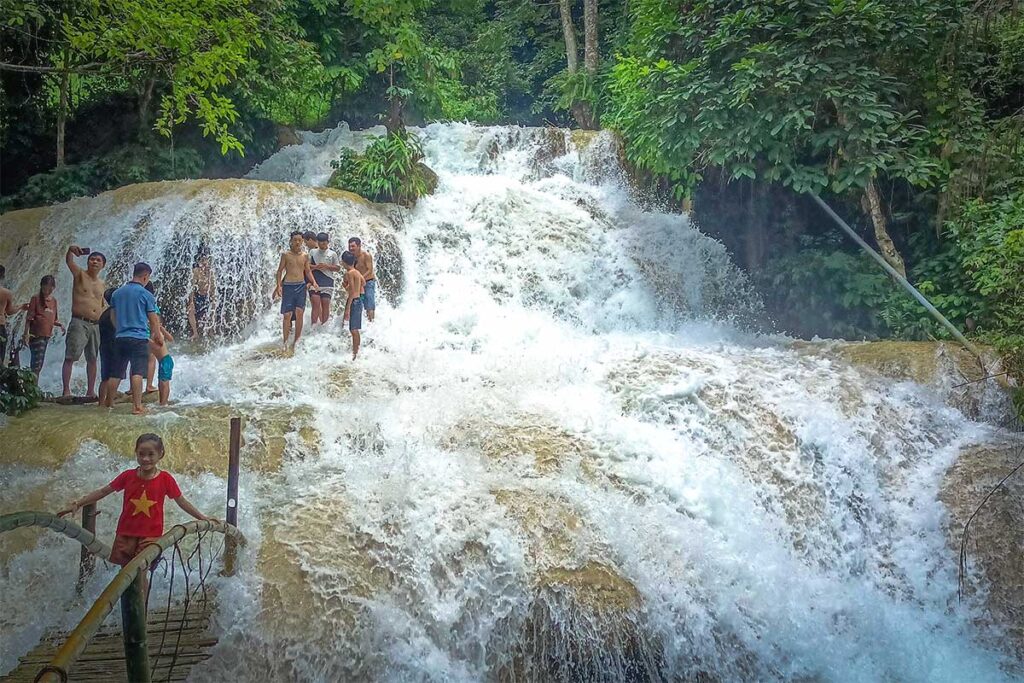
Swim at Hieu Waterfall to cool off in a natural setting surrounded by jungle and terraces.
Tip: Ready for slow travel in the mountains? Have a look at our Pu Luong Nature Reserve tours with scenic trekking routes and comfortable lodge stays.
9. Mu Cang Chai
Mu Cang Chai is a highland district in Yen Bai Province, best known for its dramatic rice terraces carved into steep mountain slopes. The area is remote, rural, and strongly seasonal, with landscapes changing completely throughout the year. Rather than a single town, Mu Cang Chai is about villages, mountain roads, and life shaped by farming.
Best things to do in Mu Cang Chai:
Go trekking through rice terraces and mountain villages to experience the landscape up close.
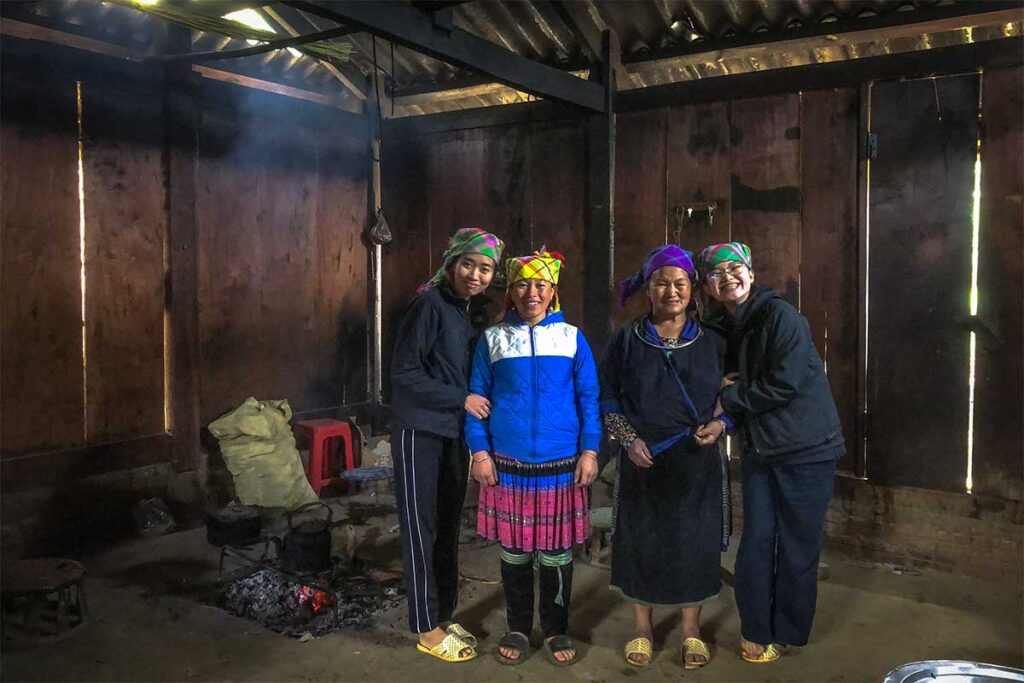
Stay in a local homestay to experience daily life in a rural, highland setting.
Explore ethnic life in villages inhabited by Hmong communities and other minority groups.
Drive or stop at Khau Pha Pass to see one of the most impressive mountain passes in northern Vietnam.
Travel through the countryside to see how farming and village life change with the seasons.
Tip: Want to visit Vietnam’s most impressive rice terraces? Have a look at our Mu Cang Chai tours focused on trekking, homestays, and ethnic cultures in the highlands.
10. Ba Be Lake
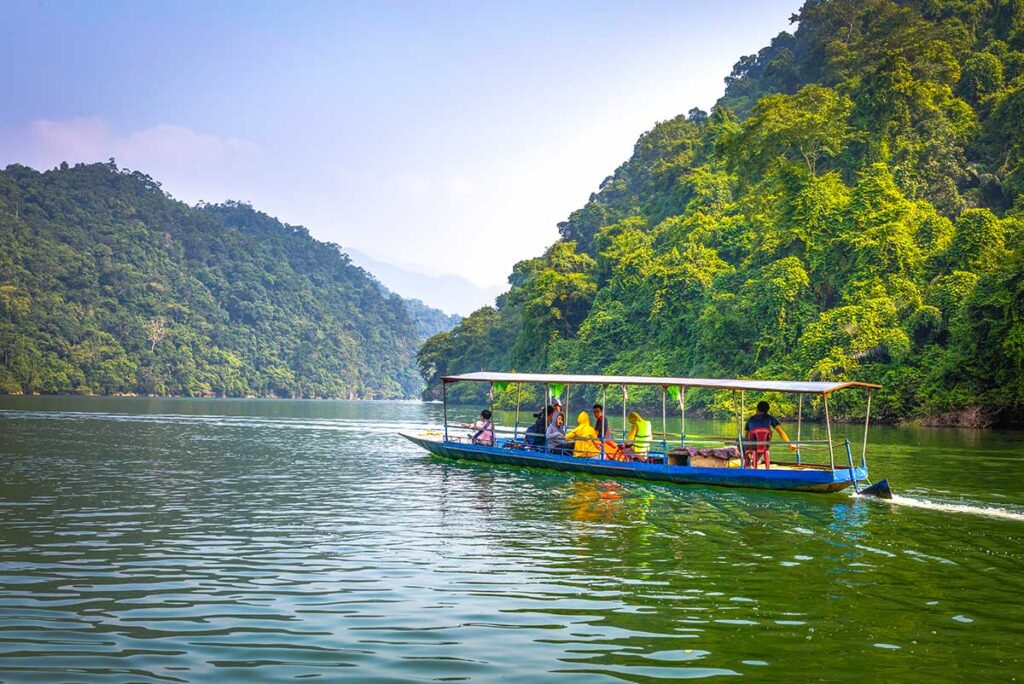
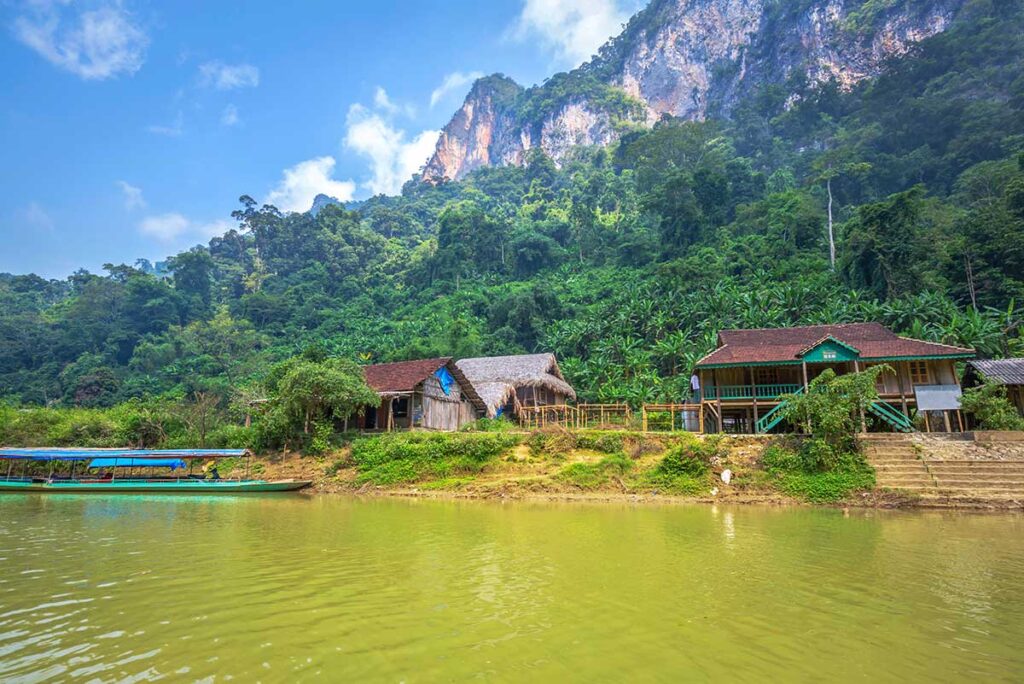
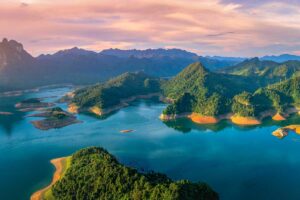
Ba Be Lake is located inside Ba Be National Park in Bac Kan Province and is one of the largest natural freshwater lakes in Vietnam. Surrounded by limestone mountains, forests, and small villages, the area feels quiet and undeveloped compared to better-known destinations. Ba Be is best suited for nature-focused travel and slow exploration.
Best things to do in Ba Be Lake:
Take a boat trip on Ba Be Lake to explore waterways, caves, and lakeside villages.
Go trekking in Ba Be National Park through forest trails and rural landscapes.
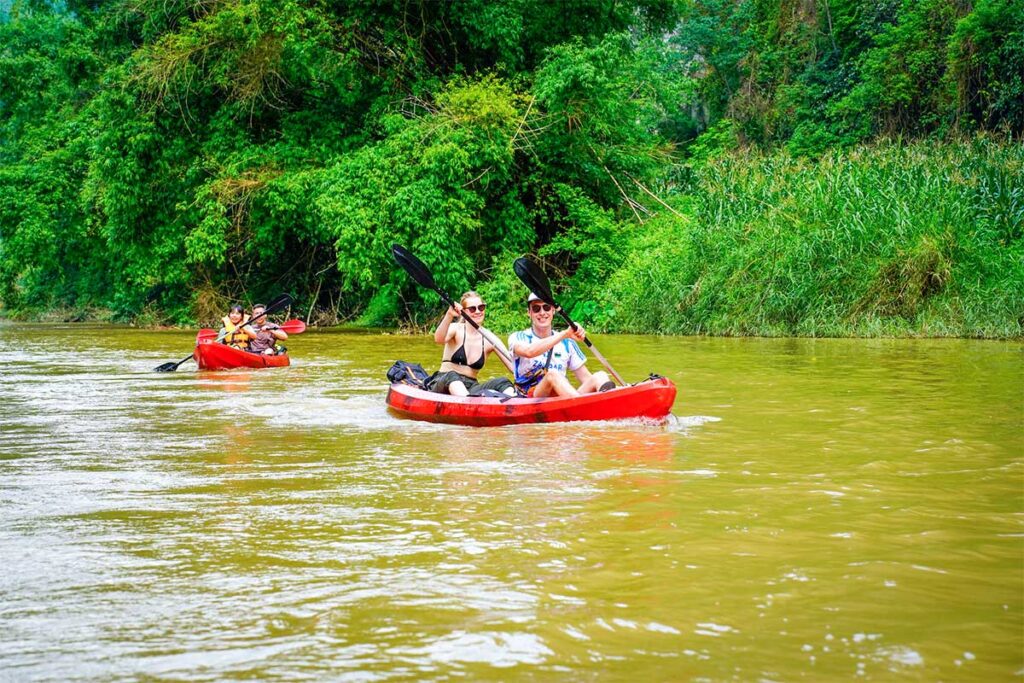
Swim or kayak in the lake during warmer months for a relaxed outdoor experience.
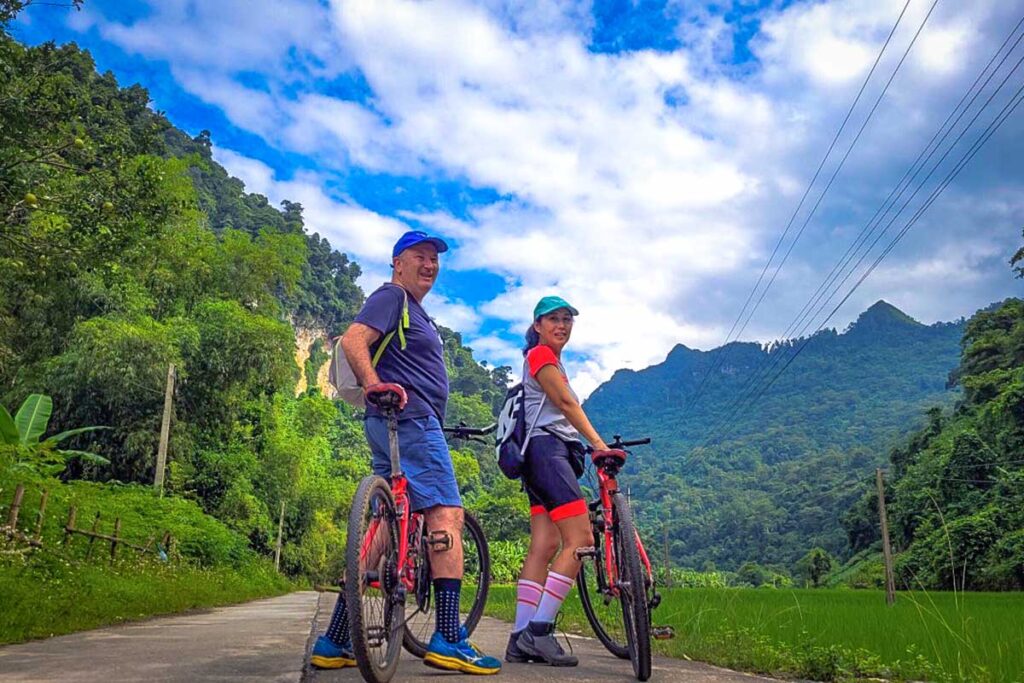
Cycle around the lake and nearby villages to explore the area at a slow pace.
Visit small ethnic villages around the park to understand local life and traditions.
Tip: Planning a nature-focused route in the northeast? Have a look at our Ba Be Lake tours with boat trips, trekking in Ba Be National Park, and options to combine with Cao Bang and Ban Gioc Waterfall.
11. Son La
Son La is a large mountainous province in northwest Vietnam, known for its cooler climate and agricultural landscapes. The region includes areas such as Moc Chau and is shaped by high plateaus, valleys, and ethnic diversity. Son La is less about individual sights and more about scenery, rural life, and seasonal highlights.
Best things to do in Son La:
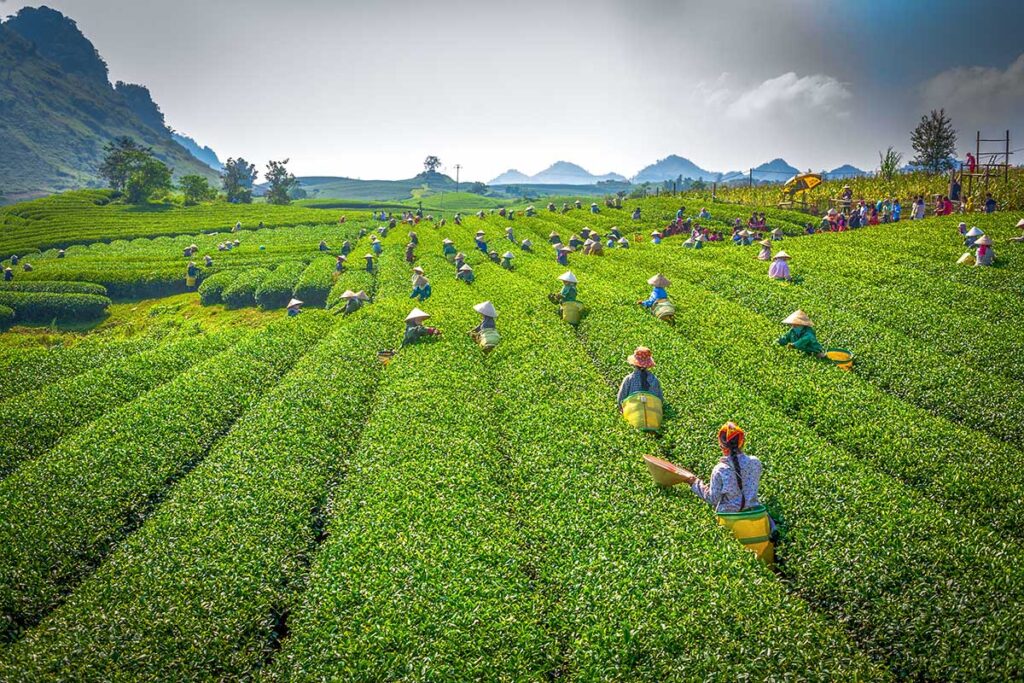
Visit Moc Chau tea plantations to see rolling hills covered in tea fields.
Visit Ta Xua for high mountain scenery and cloud-hunting viewpoints.
Learn about ethnic minorities by visiting villages and local markets in rural areas.
Travel during blossom season to see plum, peach, and other flowering trees across the highlands.
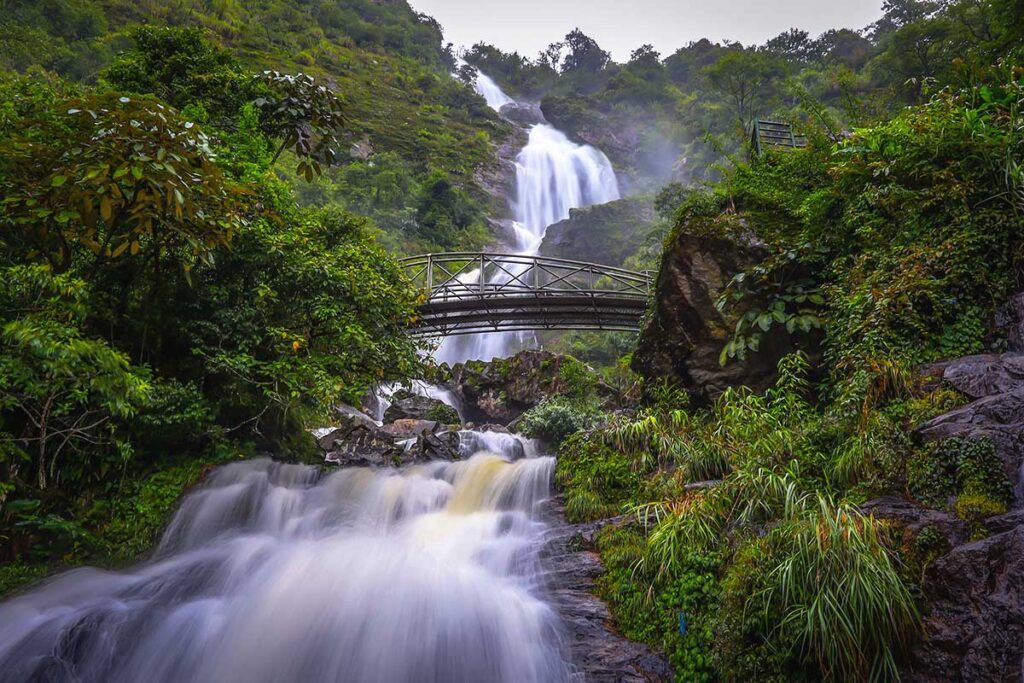
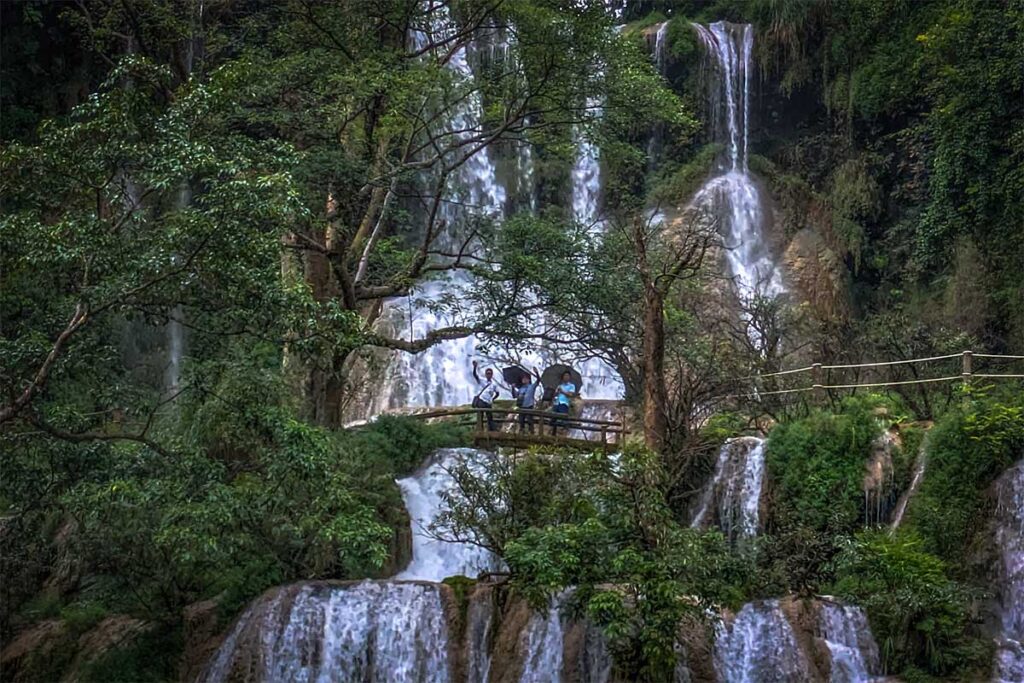
Explore waterfalls like Dai Yem Waterfall that are scattered across the province, especially during the wetter months.
Other places to visit in North Vietnam
Besides the main destinations, North Vietnam includes many provinces and regions that rarely appear on standard travel itineraries but still play an important role in the region’s culture and daily life. These areas are often more local, less developed for tourism, and better suited for travelers who enjoy slow travel, short regional detours, or understanding Vietnam beyond its headline attractions. While they may not be must-see stops for every itinerary, they help complete the picture of what northern Vietnam is really like.
Tuyen Quang
Tuyen Quang is a largely rural province in northern Vietnam best known for its river landscapes, forested hills, and historical importance during Vietnam’s revolutionary period, with Tuyen Quang often overlooked by international travelers.
Dien Bien Phu
Dien Bien Phu is best known for its historical significance during the First Indochina War, surrounded by a wide mountain valley near the Laos border, with Dien Bien Phu offering insight into Vietnam’s modern history rather than scenic tourism.
Vinh Phuc
Vinh Phuc is located just northwest of Hanoi and is mainly known for Tam Dao, a mountain town popular for its cooler climate, forest scenery, and weekend escapes from the capital.
Thai Nguyen
Thai Nguyen is most famous for its tea plantations, with Thai Nguyen tea considered some of the best in Vietnam, and the province also acts as a transition zone between the Red River Delta and the northern highlands.
Hung Yen
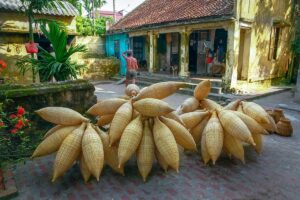
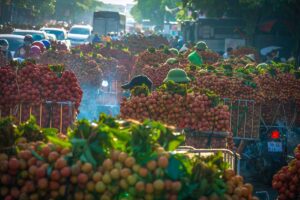
Hung Yen sits in the Red River Delta and is best known for traditional villages, riverside life, and longan orchards, with Hung Yen offering a glimpse into rural northern Vietnam close to Hanoi.
Bac Giang
Bac Giang is known for its agricultural landscapes, ancient pagodas, and as a gateway to northeastern mountain provinces, with Bac Giang remaining largely off the main tourist routes.
Phu Tho
Phu Tho holds deep cultural significance as the ancestral land of the Hung Kings, making Phu Tho an important place for understanding Vietnam’s early history and national identity.
Hai Phong
Hai Phong is northern Vietnam’s main port city, known for its colonial architecture, seafood culture, and as the primary gateway to Cat Ba Island and Halong Bay.
Lai Chau
Lai Chau is one of the most remote provinces in northern Vietnam, known for high mountains, dramatic scenery, and diverse ethnic minority communities living far from major cities.
Lang Son
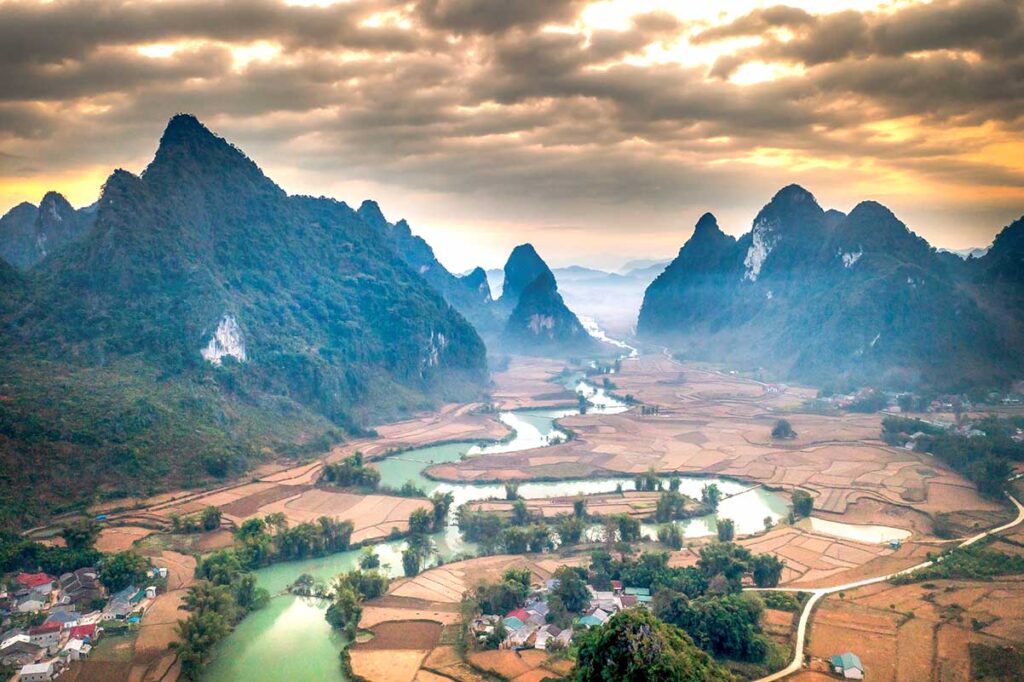
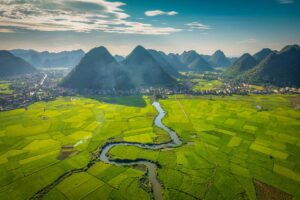
Lang Son is a mountainous border province in northeastern Vietnam, best known for its limestone landscapes, border trade with China, and scenic rural areas such as Bac Son Valley, where wide rice fields sit between dramatic karst mountains and traditional villages.
Nam Dinh
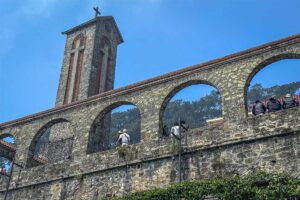
Nam Dinh is a coastal Red River Delta province best known for traditional Catholic churches, local markets, and everyday village life, with Nam Dinh rarely visited by foreign travelers.
Ha Nam
Ha Nam lies south of Hanoi and is mainly known for limestone landscapes, pagodas, and quiet countryside, offering a low-key alternative to more famous karst regions.
Thai Binh
Thai Binh is a flat agricultural province in the Red River Delta, with Thai Binh known for rice farming, coastal wetlands, and traditional rural culture.
Bac Ninh
Bac Ninh is culturally significant for its quan ho folk singing tradition, with Bac Ninh also known for temples, festivals, and proximity to Hanoi.
Hai Duong
Hai Duong is located between Hanoi and Hai Phong and is best known for agricultural products, traditional villages, and as a stop along historic trade routes.
Best time to visit North Vietnam
The best time to visit North Vietnam depends largely on what kind of traveler you are and what you value most during your trip. Some travelers prioritize dry, comfortable weather, while others prefer lush landscapes, rice terraces, and dramatic scenery even if that comes with occasional rain. Because North Vietnam has strong seasonal differences, timing can significantly shape your experience.
Best weather in North Vietnam
The dry season generally runs from October to April, with the most comfortable travel conditions found between October–November and March–April. During these months, temperatures are moderate, rainfall is low, and traveling between destinations is easier. December and January are the coldest months, especially in the mountains, with mist, drizzle, and chilly evenings — still manageable, but less ideal for trekking and outdoor activities.
Best scenery in North Vietnam
The rainy season, roughly from May to September, is when landscapes are at their most dramatic. Northern Vietnam rice fields turn deep green as rice is growing, while forests, waterfalls, and rivers are full and lively. Although rain showers are common, they are often short and concentrated, and the visual reward is highest during this period, especially in rural and mountainous regions.
The perfect balance
The best balance between weather and scenery is usually found in autumn, particularly September and October. September marks rice harvest season in many regions, while October offers clear skies, cooler temperatures, and still-beautiful landscapes as the rainy season fades. By late October, most rice fields are harvested, but the overall scenery and travel conditions remain very pleasant.
Northern rice seasons
Rice plays a major role in shaping the landscapes of North Vietnam, but growing cycles differ between highland and lowland regions. Understanding these seasons helps you plan for either lush green fields or golden harvest scenery.
Highland Rice Seasons (Sapa, Mu Cang Chai, Hoang Su Phi)
Highland regions generally have one rice season per year, due to cooler temperatures and steep terrain.
Planting & water-filled terraces (May–June): Fields are flooded, creating mirror-like reflections across mountain slopes.
Growing season (July–August): Rice terraces turn bright green as plants grow quickly during the rainy months.
Harvest season (September): Terraces turn golden and are harvested, creating the most iconic scenery of the year.
Lowland Rice Seasons (Mai Chau, Pu Luong, Ninh Binh)
Lowland areas typically have two rice harvests per year, resulting in more frequent changes in scenery.
First season: Planting starts around February–March, with harvest in May–June.
Second season: Fields are replanted in June–July and harvested again around September–October.
Because of these two cycles, lowland destinations often look green or active for a larger part of the year, making them more flexible for travel planning compared to highland regions.
Weather per month
January
January in North Vietnam is one of the coolest months of the year, with dry weather in most regions and noticeably colder conditions in the mountains. Lowland areas such as Ninh Binh and the Red River Delta are mostly dry but can feel grey, while highland regions like Sapa and Ha Giang often experience mist and cold nights. Rice fields are largely inactive, with most landscapes in a resting phase.
February
February in North Vietnam marks a gradual shift toward warmer temperatures, especially toward the end of the month. Rainfall remains low, making travel conditions comfortable, though mountain areas can still be chilly. Early rice preparation begins in some lowland regions, while the scenery remains relatively dry and subdued.
March
March in North Vietnam brings more stable weather and rising temperatures, making it one of the most pleasant months to travel. Lowland rice fields in areas such as Ninh Binh, Mai Chau, and Pu Luong begin turning green, while highland regions remain mostly brown but clearer and sunnier. This is a good balance between comfortable weather and improving scenery.
April
April in North Vietnam is warmer and increasingly green, especially in lowland and mid-altitude regions. Rice fields in places like Pu Luong and Ninh Binh are clearly visible and actively growing, while highland terraces are still being prepared. Weather is generally dry, though short pre-rainy-season showers can occur.
May
May in North Vietnam signals the start of the rainy season, with higher humidity and more frequent showers. Landscapes become greener across the region, forests thicken, and rivers begin to fill. In the highlands, rice planting starts, creating water-filled terraces, while lowland fields continue growing rapidly.
June
June in North Vietnam is warm and humid, with regular rain showers that usually come in short bursts. Rice terraces in highland areas begin to fill with water and young plants, while lowland regions are fully green. Waterfalls and rivers are active, making nature scenery particularly attractive despite the heat.
July
July in North Vietnam is firmly within the rainy season, with lush landscapes and frequent rainfall. Rice fields across both highland and lowland areas are bright green, and forests are at their most vibrant. Travel is still possible, but flexibility is important due to occasional heavy rain and reduced visibility in the mountains.
August
August in North Vietnam continues the wet season, but scenery reaches its peak. Rice terraces in mountainous regions like Mu Cang Chai and Hoang Su Phi are fully grown, while lowland fields are also dense and green. This month offers some of the most dramatic landscapes, balanced against higher humidity and rain.
September
September in North Vietnam is one of the most visually impressive months of the year. Rice harvest begins in highland regions, turning terraces golden, while lowland fields remain green or are entering their second growing cycle. Rainfall starts to decrease, making this a strong month for both scenery and travel.
October
October in North Vietnam offers some of the best overall travel conditions. The rainy season has mostly ended, temperatures are comfortable, and skies are clearer. Highland rice harvest is largely finished, but landscapes remain attractive, while lowland regions may still show active rice fields during the second harvest.
November
November in North Vietnam is dry, cool, and stable, making it ideal for road trips and outdoor activities. Most rice fields are harvested, leaving open rural landscapes, while forests and mountains remain green. This is a good month for trekking, motorbike routes, and cultural travel.
December
December in North Vietnam is one of the driest months, with cooler temperatures and clear days. Highland areas can feel cold, especially at night, while lowland regions remain mild and comfortable. Rice fields are mostly inactive, but visibility is excellent, making this a good month for scenery-focused travel and city exploration.
Getting around North Vietnam
Hanoi as a hub
Hanoi functions as the main transport hub for traveling around North Vietnam. Many destinations in the north are not directly connected to each other, so routes such as Sapa to Halong Bay or Ha Giang to Ninh Binh almost always pass through Hanoi. Mountain towns are linked mainly by smaller, slower roads, as there is little economic reason to build direct expressways between remote regions. Hanoi’s advantage is its full transport network, with an international airport, major train stations, and highways that radiate out toward most northern destinations.
Domestic airports
Compared to central and southern Vietnam, North Vietnam has relatively few domestic airports, especially near mountain areas. This is why most itineraries involve flying into Hanoi first, then continuing overland to other regions. Flights can save time for coastal or far-northeastern areas, but they rarely replace road travel entirely.
Main airports in North Vietnam:
Noi Bai International Airport (Hanoi) – The main gateway to North Vietnam, used for nearly all itineraries, with domestic connections across Vietnam and international routes.
Cat Bi International Airport (Hai Phong) – Useful for Halong Bay and Cat Ba Island, mainly connected to southern cities like Ho Chi Minh City and Da Nang.
Van Don International Airport (Quang Ninh) – Closest airport to Halong Bay, with limited domestic routes and occasional international flights.
Tho Xuan Airport (Thanh Hoa) – Sometimes used for travel toward Pu Luong or Thanh Hoa Province, with limited domestic connections.
Dien Bien Phu Airport (Dien Bien) – Serves the far northwest, mainly connected to Hanoi, useful for remote border regions but not common for standard itineraries.
Train travel
Train travel in Vietnam runs mainly along the north–south coastal corridor, which means most inland and mountain destinations in North Vietnam are not directly connected by rail. Trains are best used for reaching gateway cities, after which road transport is required to reach the final destination.
Major train stations in North Vietnam:
Hanoi Railway Station (Hanoi) – The central station for north–south routes and regional connections, used as the main rail hub for northern travel.
Hai Phong Railway Station (Hai Phong) – Used for travel between Hanoi and Hai Phong, convenient for onward trips to Cat Ba or Halong Bay.
Dong Dang Railway Station (Lang Son) – Located near the Chinese border, mainly relevant for cross-border routes rather than standard tourist travel.
Bus travel
Buses and limousine vans are the most common and widely used way of getting around North Vietnam. Almost every destination — from major cities to remote mountain towns — can be reached by road, making buses the backbone of regional travel. They are generally affordable, run frequently, and are widely used by both locals and travelers, especially for longer distances.
Main bus and van types you’ll encounter:
Standard sleeper bus – The most budget-friendly option, used on long routes such as Hanoi–Sapa or Hanoi–Ha Giang, with reclining beds rather than seats.
Cabin sleeper bus – A more modern version with semi-private sleeping cabins, offering more comfort and privacy on overnight routes.
Limousine vans – Smaller vehicles with wide, comfortable seats, better suspension, and door-to-door pick-up, popular for medium-distance routes.
Popular routes by bus or limousine van include:
Hanoi to Sapa
Hanoi to Ha Giang
Hanoi to Ninh Binh
Hanoi to Halong Bay or Cat Ba
Hanoi to Mai Chau or Pu Luong
These services are efficient for getting from A to B, but they usually follow fixed schedules and routes, with limited flexibility for sightseeing along the way.
Car with driver
Private car travel in North Vietnam always comes with a driver and is one of the most flexible ways to explore the region. This option is especially useful for travelers who want to stop for photos, visit villages, or explore landscapes between destinations rather than just moving from one place to another.
Compared to buses, private cars allow you to travel at your own pace and adjust routes along the way. This makes them particularly suitable for scenic road trips, multi-day itineraries, and remote areas where public transport is limited or inconvenient. While more expensive than buses, private cars often offer better value for families, small groups, or travelers prioritizing comfort and efficiency.
Motorbike Travel
Traveling by motorbike in North Vietnam can be rewarding, but it requires experience and preparation. Traffic in cities like Hanoi is chaotic, and mountain roads in regions such as Ha Giang or Cao Bang can be steep, narrow, and affected by weather conditions. Officially, riding a motorbike in Vietnam requires a valid motorbike license combined with an International Driving Permit (IDP); without it, riding is not legal and insurance coverage may be invalid.
For travelers who want the motorbike experience without riding themselves, Easy Rider tours are a popular alternative. An Easy Rider tour means you sit on the back of a motorbike driven by a local, experienced rider who knows the roads and conditions. This option combines the freedom and scenery of motorbike travel with greater safety and local insight, especially in mountainous regions.
Tips for traveling in North Vietnam
Before visiting the best places in North Vietnam, it helps to understand a few regional specifics that can make a real difference once you’re on the road. From remote mountain areas to rural villages and changing weather conditions, traveling in the north comes with challenges that are less common elsewhere in the country. These travel tips for North Vietnam focus on practical preparation, helping you stay connected, travel responsibly, and move more comfortably between the many different places in North Vietnam.
Rainy season travel: worth it, with awareness
Traveling during the rainy season can be very rewarding, with lush landscapes, full rivers, and dramatic scenery. Short rain showers are common and usually not a problem, but extended periods of heavy rain or typhoons can affect mountain roads and cause delays. Flexibility in your itinerary is more important than avoiding the season altogether.
Mobile coverage in remote North Vietnam
In remote regions such as Ha Giang, Cao Bang, and Hoang Su Phi, mobile coverage is not equal across providers. Viettel generally has the most reliable signal in mountain areas and along remote roads, while other networks may lose connection outside towns. If staying connected matters to you, choosing the right SIM card makes a real difference in the north.
Prepare for limited internet access
Even with a good SIM card, signal can disappear in valleys, villages, and mountain passes. Download Google Maps areas, Maps.me maps, and Google Translate offline language packs in advance, and save accommodation locations and confirmations as screenshots. This avoids stress when navigation or communication suddenly goes offline.
Cold season travel is about damp, not snow
Winter in North Vietnam (roughly December to February) isn’t freezing, but the cold feels different due to humidity and lack of heating. Mountain areas can feel particularly chilly at night, especially in homestays. Bringing warm layers and something windproof matters more than packing heavy winter gear.
Respect daily life in ethnic minority areas
In rural areas, rice fields, paths, and houses are part of people’s livelihoods, not attractions. Avoid stepping into rice fields unless invited, ask before photographing people, and dress modestly in villages. A respectful attitude goes a long way and often leads to warmer interactions with locals.
Visiting temples and pagodas
Temples are active religious spaces, not just sightseeing stops. Dress with covered shoulders and knees, lower your voice, and avoid pointing cameras directly at people who are praying. Removing shoes where required and following local behavior helps you blend in naturally.
Plan cash carefully in mountain regions
ATMs can be rare or unreliable outside major towns, and many homestays, markets, and small restaurants only accept cash. Carry enough small notes, especially when traveling through Ha Giang, Cao Bang, or rural Northern Vietnam. Don’t rely on cards once you leave the cities.
Food safety outside the cities
In rural areas, food is usually fresh and locally sourced, but preparation standards vary. Stick to busy local eateries, eat food that is freshly cooked, and be cautious with unboiled water and ice in very remote locations. Simple choices reduce stomach issues without limiting your experience.
Accommodation expectations in rural North Vietnam
Homestays and rural lodges offer atmosphere and location, not hotel-level comfort. Hot water can be limited, heating is rare, and sound carries easily in wooden houses. Going in with realistic expectations helps you enjoy the experience instead of comparing it to city hotels.
Distances in the mountains are misleading
A route that looks short on Google Maps can take much longer in the mountains. Narrow roads, steep passes, fog, livestock, and roadworks all slow travel down. When planning days in Ha Giang, Cao Bang, or Son La, focus on travel time rather than distance.
This guide was created by Local Vietnam
Local Vietnam is a Vietnam-based travel company founded by Dutch traveler Marnick Schoonderwoerd and his Vietnamese wife Nhung. Marnick has been living in Vietnam for over 10 years and has personally explored much of North Vietnam, including motorbike journeys through mountainous regions such as Ha Giang and Cao Bang. In addition, many members of the Local Vietnam team are originally from the north of the country, and we even operate our own lodge in Ha Giang. With this local knowledge and years of travel experience, we have created this in-depth guide to North Vietnam.
Ready to explore North Vietnam?
Local Vietnam is truly based on the ground and has been helping travelers plan routes through the north of Vietnam for years. Whether you want to spend a few days in the mountains or include North Vietnam as part of a longer trip, we’re here to help you plan it.