
Is Vietnam a good destination for families?
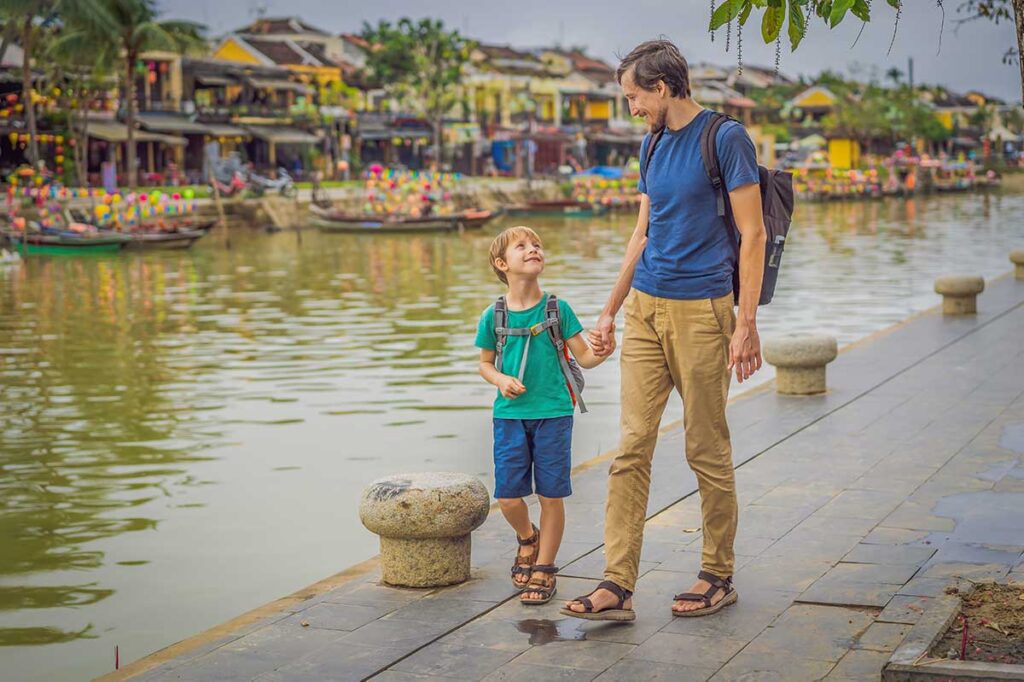
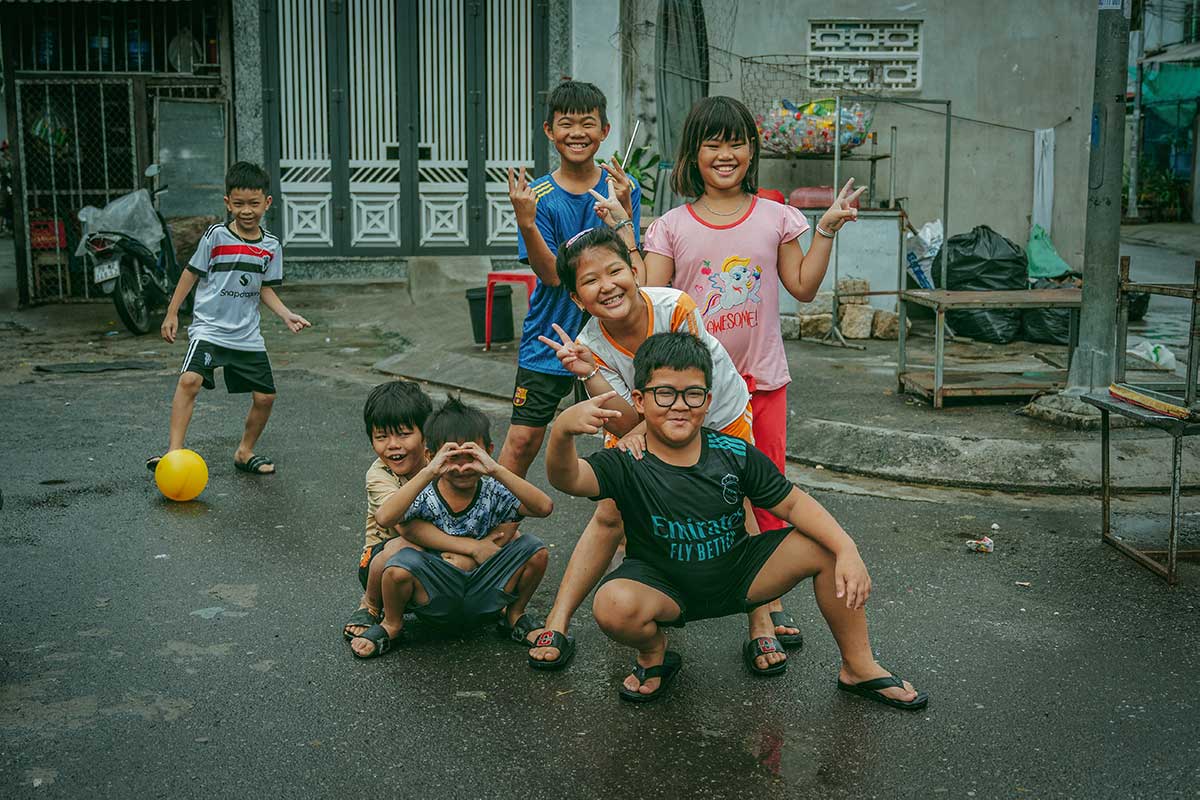
Yes, Vietnam works well for a family holiday, but how easy it is depends a lot on your kids’ ages. The country is safe, affordable, and full of things to do, and locals are wonderful with children. There is plenty to keep families busy: beaches, boat trips, cycling, swimming pools, cooking classes, and hands-on workshops. Getting around is easy with cheap domestic flights, comfortable trains, and private cars with a driver, and there are family-friendly places to stay almost everywhere, from countryside homestays to beach resorts.
The main thing to plan around is the chaotic traffic in the big cities and the long distances between regions. Neither is a real problem with a bit of planning, but both are worth knowing before you book. How much your kids will enjoy Vietnam, and which places suit them, depends mostly on their age.
Vietnam with a baby or toddler (0–3)
Traveling with a baby or toddler is very doable. Supermarkets in the cities stock diapers and formula, and locals adore small children. The trade-offs are the traffic, which makes walking with a pram hard, and the heat. Keep the pace slow, base yourself in comfortable places with a pool, and do not try to cover too much ground.
Vietnam with young children (4–9)
This is a great age for Vietnam. Kids this age love the boat trips, beaches, animals, cycling, and hands-on activities like making lanterns or basket-boat rides. They are old enough to enjoy and remember the experiences but may still tire quickly, so balance busy days with downtime at the pool.
Vietnam with tweens (10–12)
Tweens get the most out of Vietnam. They can handle longer days, short treks, and cultural sights, and they enjoy the more adventurous activities like kayaking, cooking classes, and exploring markets. This is an easy, rewarding age to travel with.
Vietnam with teenagers (13+)
Teenagers can do almost everything adults can, from trekking in Sapa to road trips in Ha Giang. The main challenge is keeping them engaged, so build in activities they find genuinely cool, like motorbike-backed jeep tours, beaches, and the photogenic spots they can share with friends.
For more on this age group, see our guide on traveling Vietnam with teens.
Safety and health in Vietnam with kids
Vietnam is a safe country to travel with children, and serious problems are rare. Most family health issues are minor and easy to prevent with a bit of common sense. Here is what to know before you go.
Is Vietnam safe for families?
Yes, Vietnam is one of the safest countries in Southeast Asia for families. Crime against foreign visitors is very rare, there is no real political unrest, and the country feels calm and welcoming almost everywhere. Vietnamese people are warm and a little shy, often curious about foreign children but always friendly, and families are treated with real kindness. The things worth planning for are practical, not threatening: chaotic city traffic, the heat, and mosquitoes, all of which are easy to manage once you know about them.
Read more about whether Vietnam is safe to travel.
Road and traffic safety
The biggest thing to be aware of is the traffic. In the cities, motorbikes, cars, and trucks weave around each other with few clear rules, and crossing the road feels intimidating at first. The trick is to walk slowly and steadily so traffic can flow around you, never stop suddenly or run, and hold younger children’s hands tightly or carry them. Follow what the locals do. Outside the cities, in places like Mai Chau or Ninh Binh, traffic is light and far more relaxed.
Food and water
Vietnamese food is generally safe, and most children handle it well. To avoid upset stomachs, choose busy places with high turnover, eat food that is freshly cooked while you wait, and be a little careful with raw herbs and salads early in the trip. Do not drink tap water, stick to bottled or filtered water, but ice in restaurants and cafes is normally fine.
Read more about eating safely in Vietnam.
Medicines and pharmacies
Pharmacies in the cities are well stocked and cheap, and staff often speak some English. Outside the cities, supplies can be limited, so bring any specific medicines your family needs in their original packaging. Pack a basic kit with children’s painkillers, rehydration salts, plasters, and anything for fever or upset stomachs.
Mosquitoes: dengue and malaria
The main mosquito concern for families is dengue, not malaria. Dengue is present year-round, more common in the rainy season, and found in towns and cities as well as rural areas, so mosquito protection matters everywhere. Malaria is now very low risk and only a small concern in remote rural and highland areas, with no risk in the cities, the main tourist regions, or islands like Phu Quoc. Use a repellent with DEET or picaridin, cover up at dawn and dusk, and use the mosquito nets or screens provided at accommodation. The Zika virus exists but the risk is very low.
Vaccinations
No vaccinations are required to enter Vietnam, but some are recommended, such as DTP, hepatitis A, and making sure routine childhood vaccinations like MMR are up to date. Speak to your doctor or a travel clinic well before you travel, ideally six to eight weeks ahead, as some vaccines need more than one dose.
See our full guide on recommended vaccinations for Vietnam.
Animals
Rabies is present in Vietnam, so it is best to keep children away from street dogs, cats, and monkeys, however friendly they look. Tell kids in advance not to touch or feed animals, and seek medical help quickly if anyone is bitten or scratched.
See our guide on dangerous animals in Vietnam for the full picture.
Petty theft
Vietnam has very little violent crime, but petty theft happens in the busy cities, mainly bag-snatching from passing motorbikes. Keep phones and bags on the inside of the pavement, stay aware in crowded markets, and do not leave valuables on display.
Best time to visit Vietnam for families
The best time for a family holiday in Vietnam depends a lot on where you go and what you want to do. This matters more than people expect: if you are planning beach days with the kids, you do not want to arrive and find the coast in the middle of its rainy season. A little planning around the weather makes a big difference to how much your family enjoys the trip.
The tricky part is that Vietnam is long and narrow, so there is no single best time for the whole country. The good news is that this also means some part of Vietnam has good weather almost any month of the year. Here is how it works by region.
Northern Vietnam (Hanoi, Halong Bay, Sapa, Ninh Binh)
Best from October to April, with cooler, drier weather that is comfortable for sightseeing and cycling. December and January can get genuinely cold in the mountains around Sapa, so pack warm layers. The summer months are hot, humid, and wetter.
Central Vietnam (Hoi An, Da Nang, Hue, Nha Trang)
Best from February to August, with hot, sunny weather and great beach days. Avoid roughly September to December, when the central coast gets heavy rain and the occasional typhoon, with October usually the wettest month.
Southern Vietnam (Ho Chi Minh City, Mekong Delta, Phu Quoc)
Best from December to April, when it is dry and sunny. The wet season from May to October brings short, heavy afternoon downpours that rarely ruin a day, though the Mekong Delta can flood later in the season.
The overall best time for families
If you want the best chance of good weather across all three regions in one trip, travel between February and April. This is the sweet spot when the north is pleasant, the central coast is dry, and the south is still sunny, which makes it the easiest window for a family trip that covers the whole country. It is also a popular time, so book family rooms and domestic flights ahead.
For a full month-by-month breakdown, see our guide on the best time to visit Vietnam.
Getting around Vietnam with kids
Vietnam is a long country, so most family trips involve a few longer journeys between regions. The good news is that getting around Vietnam with kids is easier and cheaper than many parents expect, as long as you pick the right options and avoid a couple of others.
Best ways to travel with children
These are the options that work best for families:
- Domestic flights: the fastest way to cover long distances, and often very cheap. A flight saves hours over land and keeps tired kids happy. Vietnam Airlines is the most comfortable, with proper service and luggage included.
- Private car with driver: the most flexible choice for families. You travel on your own schedule, stop when the kids need a break, and skip the stress of public transport. It is surprisingly affordable, especially split across a family. You cannot drive yourself in Vietnam, so a car always comes with a driver.
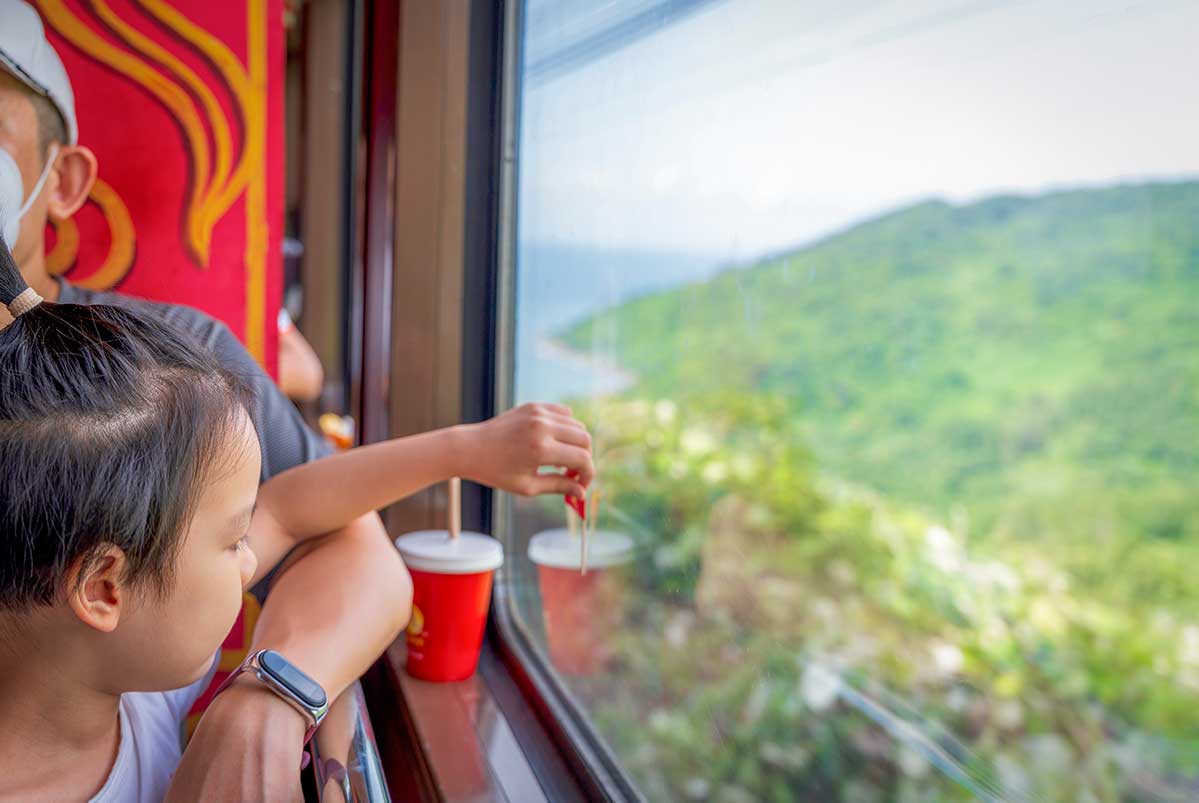
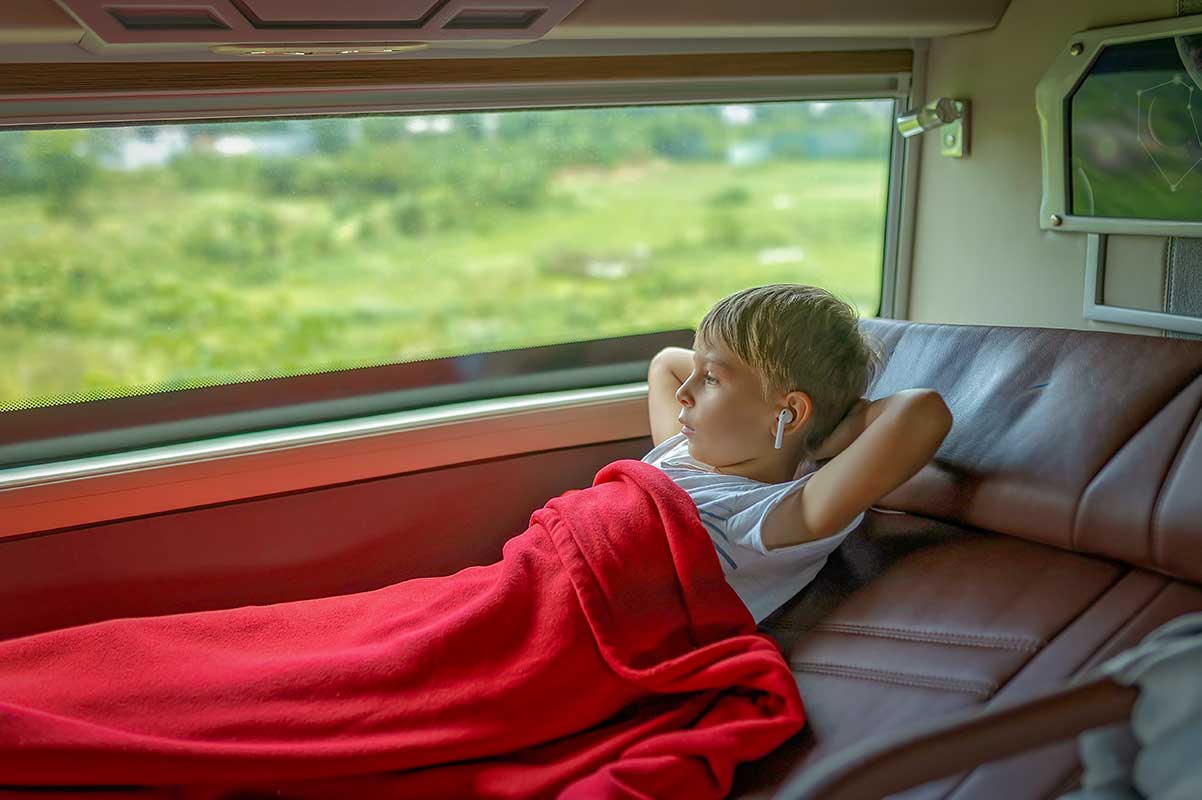
- Trains: a great experience with kids. The sleeper trains have private cabins where children can move around, a reliable toilet, and far more space than a bus. They are slow, but the journey becomes part of the trip rather than just transport.
What to watch out for
A few options are best avoided or need extra care when traveling Vietnam with kids:
- Sleeper buses: cheap, but cramped, with seats built for the average Vietnamese frame and too few toilet stops for children. Trains are almost always the better choice for the same routes.
- Walking with a pram: the pavements and roads are not made for prams, and city traffic makes them hard to use. A baby carrier is far more practical.
- Motorbikes and scooters: you will see whole Vietnamese families on one bike, but as a visitor with young children it is not worth the risk in chaotic traffic.
- Car seats: these are not standard in taxis or private cars in Vietnam, so if you want one for a baby or toddler, it is best to bring your own.
For more on this, see our guide on using a child car seat in Vietnam.
Family-friendly accommodation in Vietnam
Finding good places to stay is one of the easiest parts of planning Vietnam with kids. Family-friendly accommodation is widely available, from budget guesthouses to high-end resorts, and most places are used to welcoming children. The main thing is to pick the right type of stay for each part of your trip.
A few things worth looking for as a family:
- Family rooms or connecting rooms: many hotels offer rooms that sleep four, or two rooms with a connecting door, which is far more comfortable than squeezing everyone into one bed.
- A swimming pool: with Vietnam’s heat, a pool is not a luxury but a lifesaver. It gives kids somewhere to burn energy and gives parents downtime between busy days.
- Location: in busy cities, a quieter spot slightly away from the main streets means better sleep. Near the beach or in the countryside, you have more space and calmer surroundings.
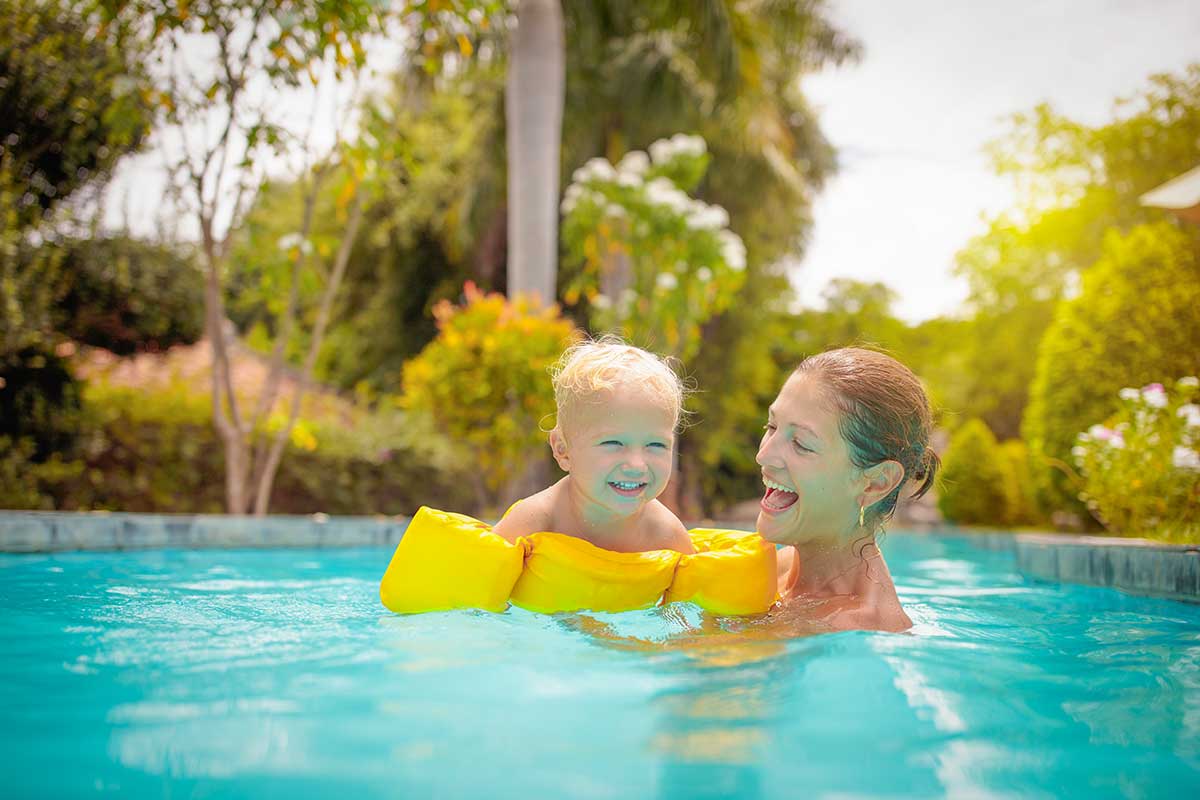
In the countryside, in places like Mai Chau, the Mekong Delta, and Ninh Binh, homestays are a great experience for families. Many are simple but comfortable, often with a pool and a garden, and they give kids a real taste of local life with welcoming hosts. Expect basic rooms rather than luxury, but a genuine and memorable stay.
For beach stays in Phu Quoc, Hoi An, or Nha Trang, resorts make family life easy, with pools, kids’ facilities, family rooms, and everything in one place. They cost more, but the convenience is often worth it with young children.
Wherever you stay, it pays to book ahead in high season, especially family rooms, which are limited and sell out fastest.
Budgeting a family holiday in Vietnam
One of the best things about a family holiday in Vietnam is the value. Compared to most family destinations, your money goes a long way here, which is a big reason Vietnam with kids is so popular with families on all budgets. Costs vary a lot by travel style, but here is a realistic picture for a family of four.
- A budget family trip, staying in simple hotels or homestays, eating mostly local food, and using public transport and Grab, runs around $100 to $150 a day for four people.
- A mid-range trip, with comfortable three or four-star hotels, family rooms, a mix of local and restaurant meals, private transfers for some legs, and a few paid activities, runs roughly $180 to $300 a day. These figures cover accommodation, food, local transport, and activities, but not international flights.
Where families save the most is food and everyday costs. Meals are cheap, especially local restaurants and street food, where a filling meal costs a few dollars, and local transport like Grab is inexpensive. Entry fees to most sights are low, and many parks, beaches, and markets are free.
Where families spend more is on the bigger items: family rooms or two hotel rooms instead of one, domestic flights to save time, private cars with a driver for comfort, and resorts with pools and kids’ facilities. None of these are essential, but they make traveling with children much easier, and most families decide they are worth it.
The good news is that Vietnam lets you mix and match. You can save on food and small costs, then spend where it matters most for your family, like a comfortable resort for a few beach days or a private car for the longer journeys.
Let Local Vietnam plan your family holiday
Before you read on, it is worth knowing you do not have to plan all of this yourself. Local Vietnam can do the work for you. We have real experience with family travel here, both from traveling Vietnam with our own kids and from arranging countless trips for families visiting the country. We know which destinations suit which ages, how to connect them without long, tiring travel days, and the best family-friendly places to stay.
As an agency based in Vietnam, everything is arranged in-house, and the trip is built fully around your family: your children’s ages, your pace, and your budget. That is what turns a good family holiday into an easy, stress-free one.
Start planning your custom family trip.
Prefer to begin from a ready-made plan? See our Vietnam family holiday packages.
Best destinations and things to do in Vietnam with kids
Not every part of Vietnam suits a family trip equally, so this section covers the best destinations for Vietnam with kids, what makes each one good for families, and the things to do at each with children of different ages. They range from easy, relaxed places for young kids to more adventurous spots for teenagers, so you can build a trip around your family’s ages and interests.
1. Hoi An and Da Nang
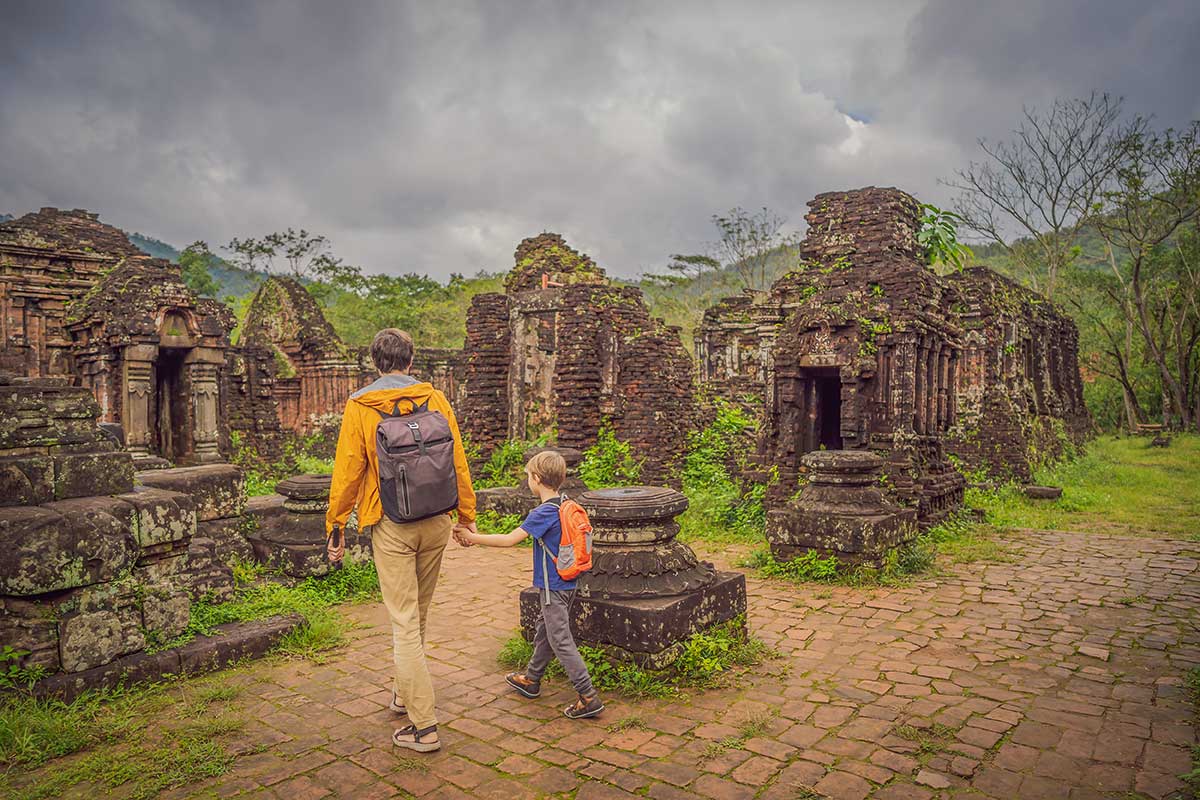
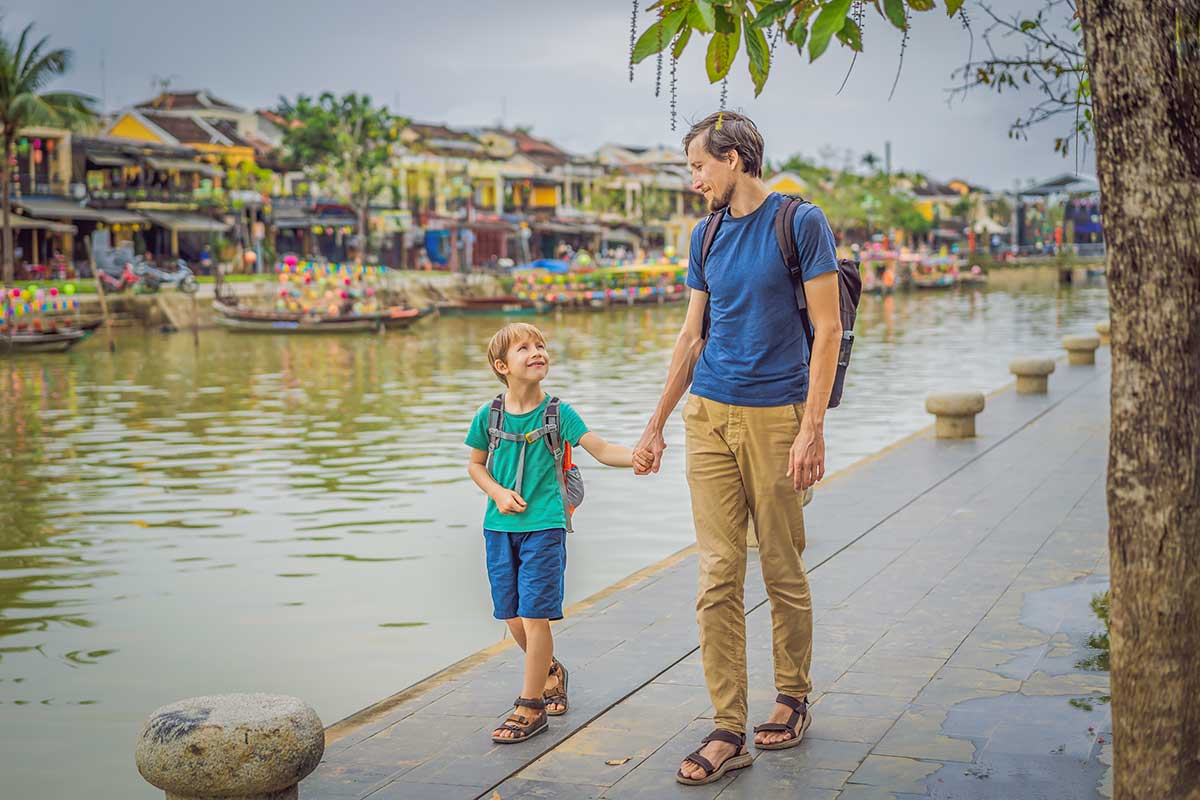
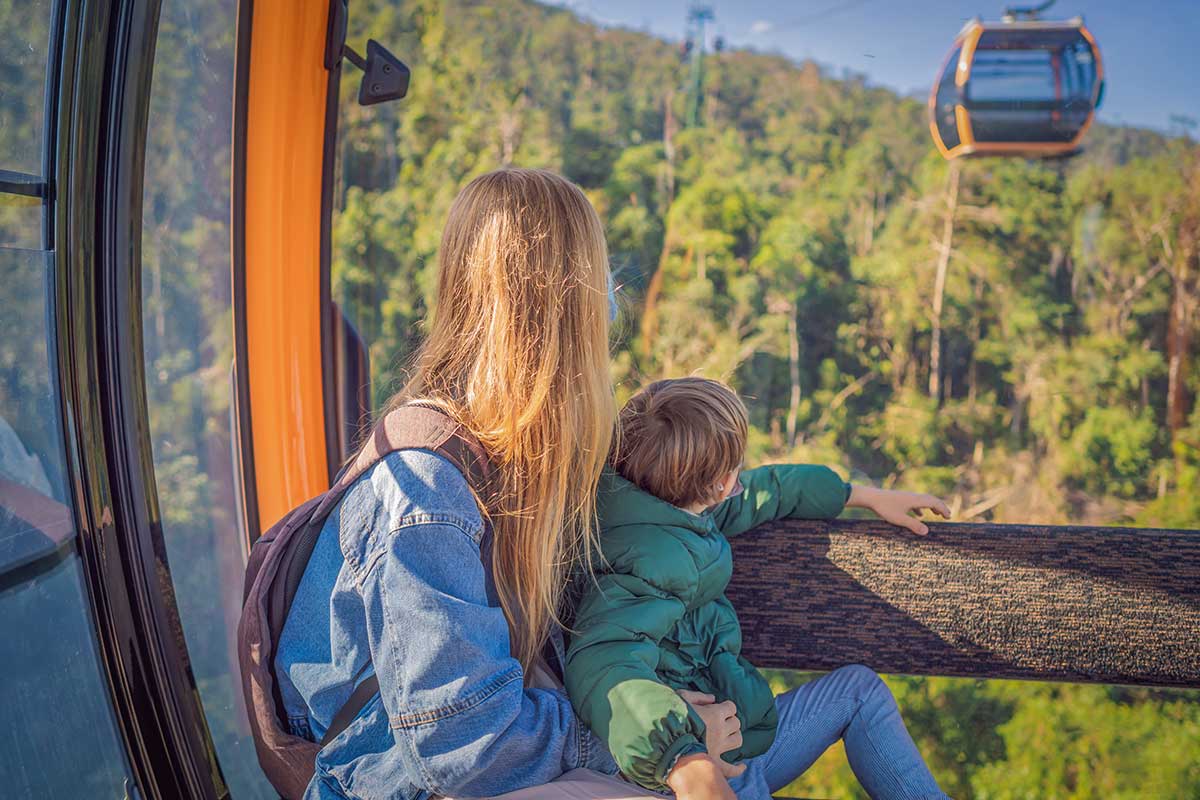
Hoi An is probably the single best destination in Vietnam with kids, and paired with nearby Da Nang it covers almost everything a family wants. Hoi An itself is a small, walkable old town that is largely traffic-free in the centre, magical in the evening when the lanterns light up, and surrounded by rice fields and quiet beaches. It is packed with hands-on activities, has some of the best family accommodation in the country, and the beach is right there. Da Nang, 30 minutes away, adds a big city beach, theme-park fun, and the airport, making this pair an easy, varied base for families.
Things to do in Hoi An and Da Nang with kids
- Lantern-lit old town in the evening: the streets turn magical after dark, with lanterns, the river, and floating candles, and most of the centre is closed to traffic.
- Hands-on workshops: kids can try basket-boat rides, make their own lanterns, join a cooking class, become a farmer for a day, or try pottery and woodworking.
- Tailor-made clothes: older kids and teens love designing their own clothes at Hoi An’s famous tailors.
- Beach days: An Bang and Cua Dai beaches near Hoi An, plus Da Nang’s long sandy beach, are calm and easy for families.
- Cham Islands by speedboat: a fun day trip out to sea for snorkelling and beach time (weather and age dependent).
- Ba Na Hills and the Golden Bridge (Da Nang): cable cars, the famous hand-held bridge, and a theme park that older kids enjoy.
- My Son Temples: a jungle temple site that feels more like an adventure than a history lesson, with a boat ride back along the Thu Bon River.
For more, see our full guide on Hoi An with kids and Da Nang with kids.
2. Halong Bay
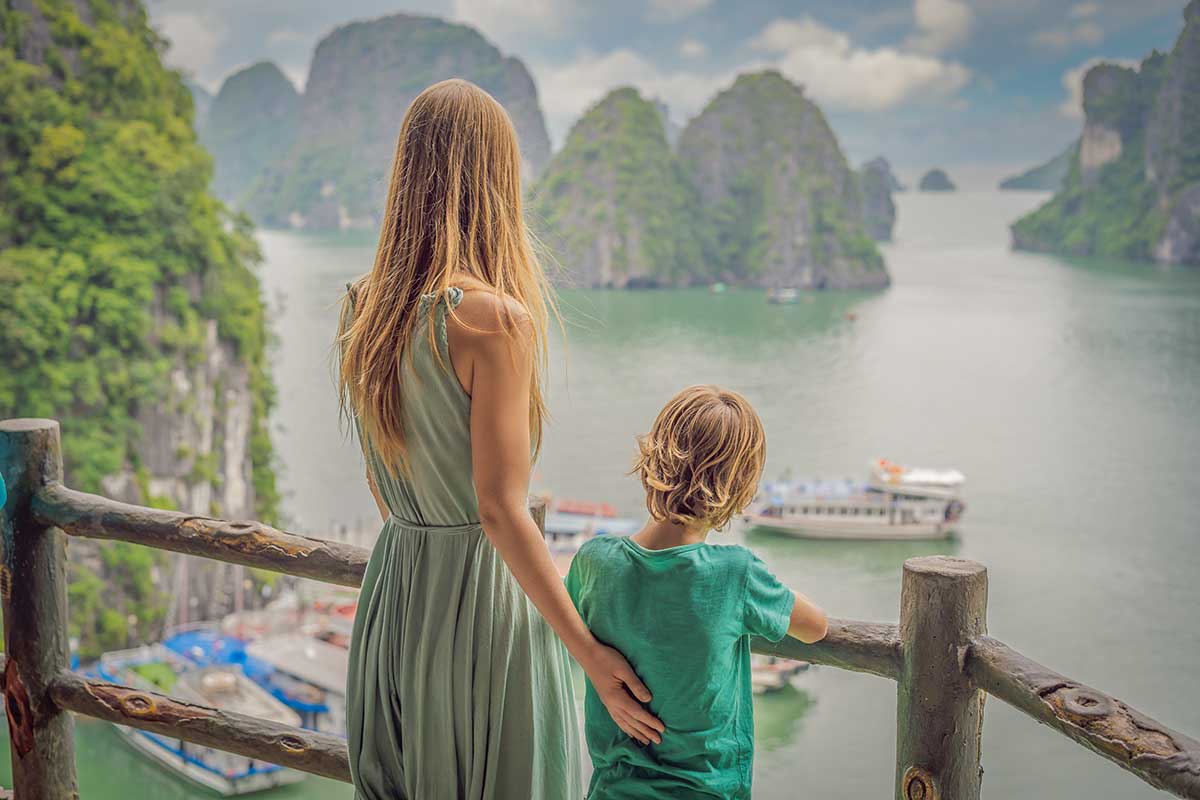
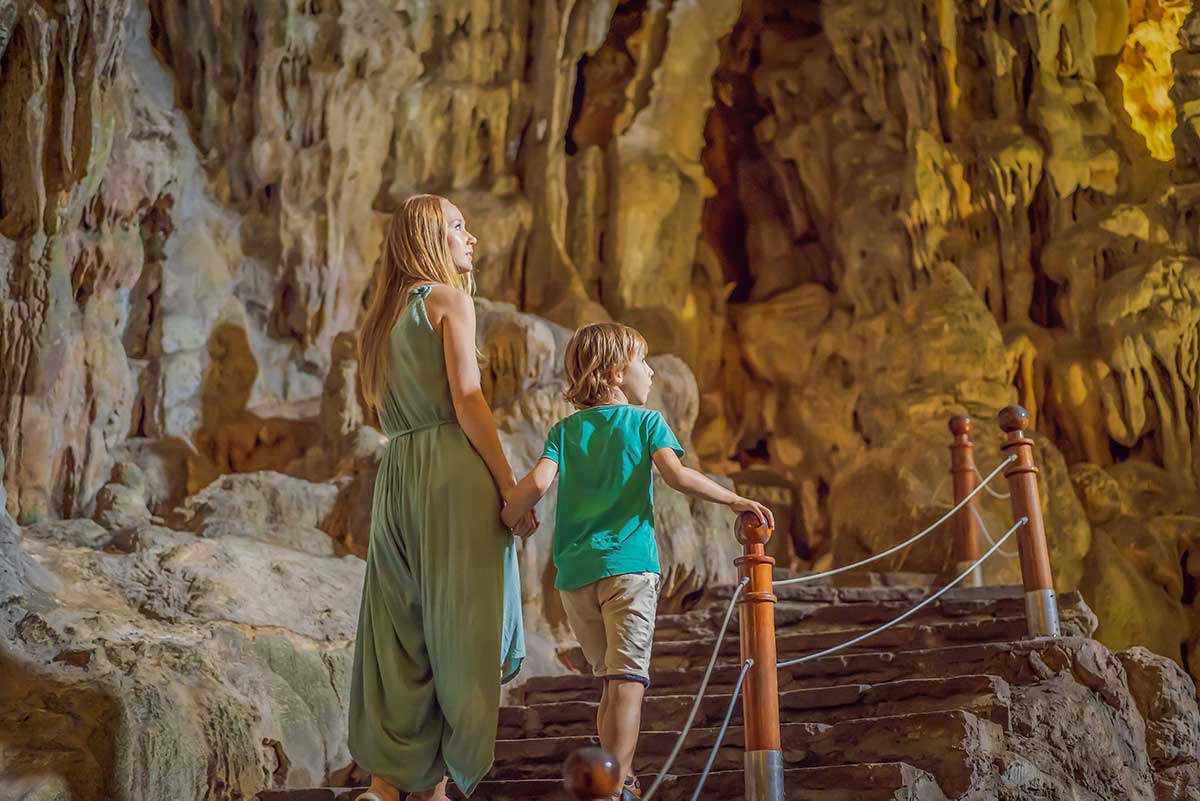
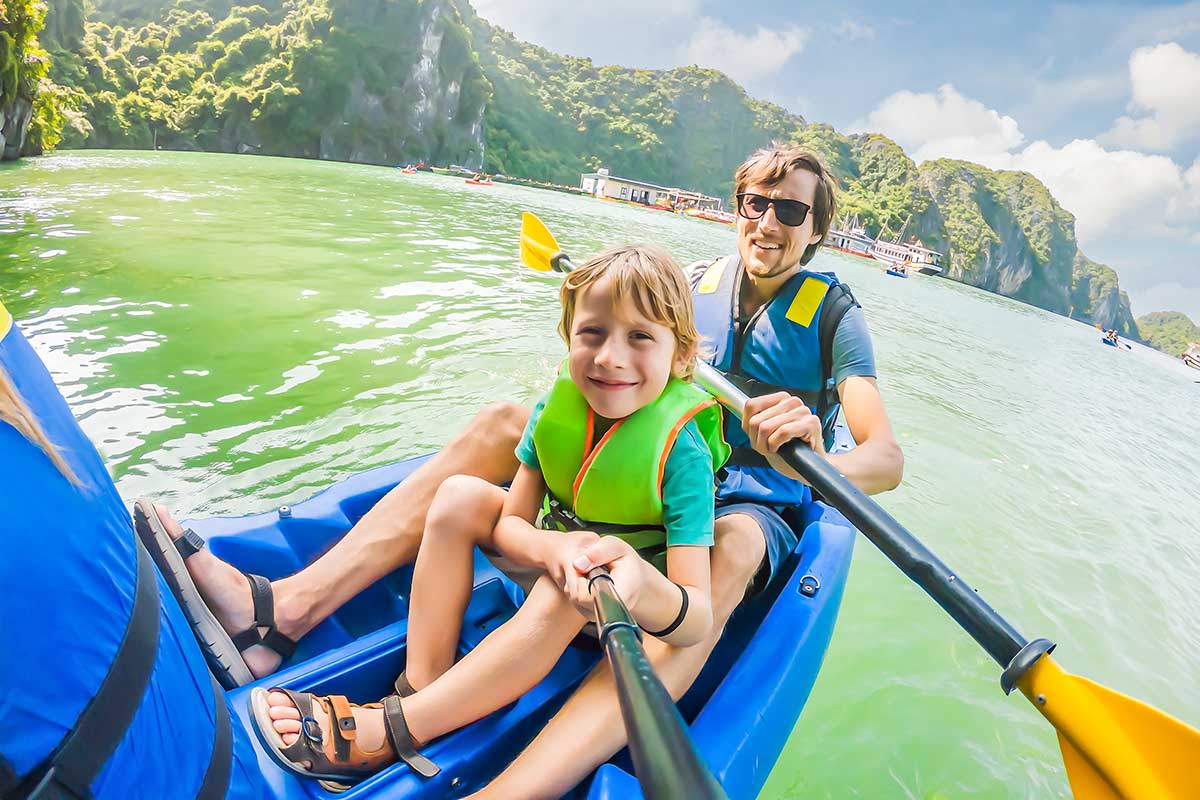
Halong Bay is one of the easiest places to enjoy Vietnam with kids, because on a cruise everything is arranged for you. Once you are on board, the meals, activities, and route are all taken care of, so parents can relax while the kids are kept busy. You sail through the famous limestone islands on emerald water, with swimming, kayaking, cave visits, and viewpoints along the way. Most cruises have family cabins, and the experience of sleeping on a boat among the karsts is something children remember for a long time.
Things to do in Halong Bay with kids
- Cruise among the limestone islands: the main event, with the scenery doing the work and everything organised on board.
- Swimming and kayaking: calm, sheltered water for a swim or a paddle around the karsts.
- Cave visits: big, easy-to-explore caves that feel like an adventure for kids.
- Island viewpoints: short climbs to the top of small islands for the classic bay views (good for older kids).
- Cooking and activities on board: many cruises run kid-friendly cooking demos and activities.
Tip: if your kids cannot sit still on a boat for long, consider Lan Ha Bay combined with Cat Ba Island. It is quieter than Halong Bay and lets you mix a cruise with time on land, so children are not stuck on board the whole trip.
For more, see our guide on Halong Bay with kids and family cruises.
3. Ninh Binh
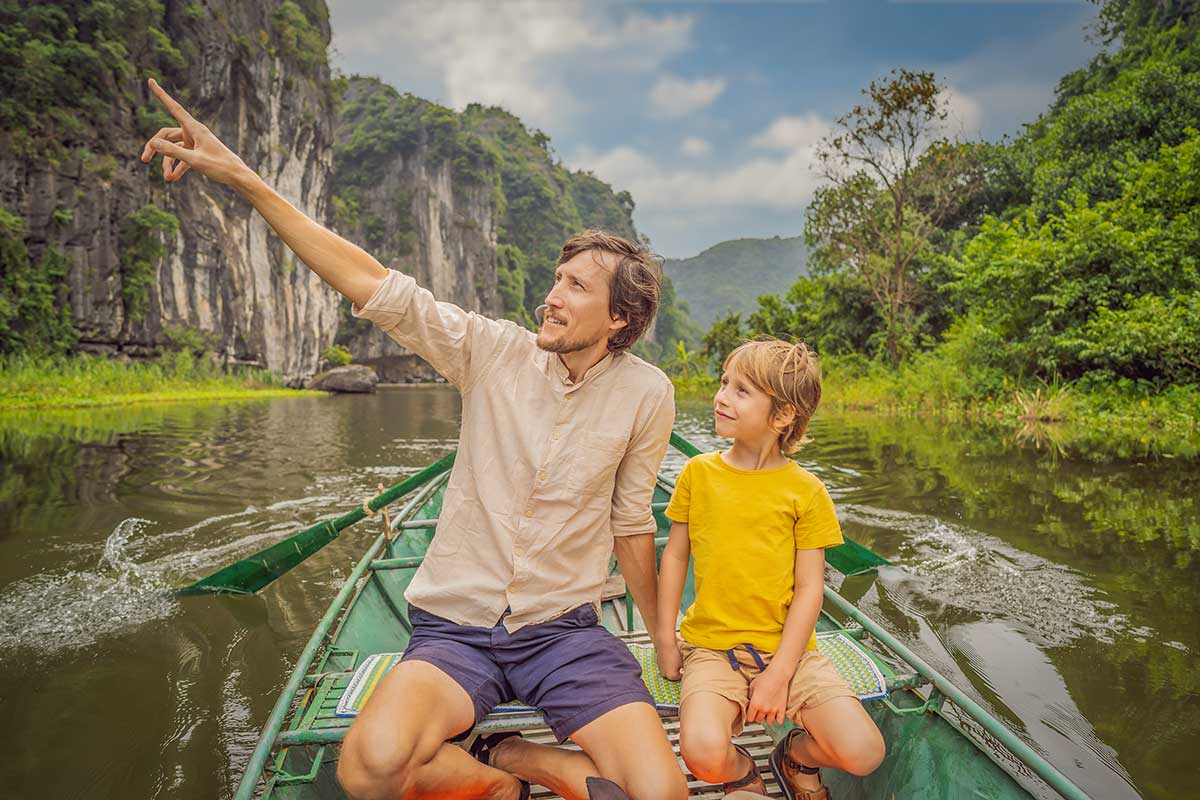
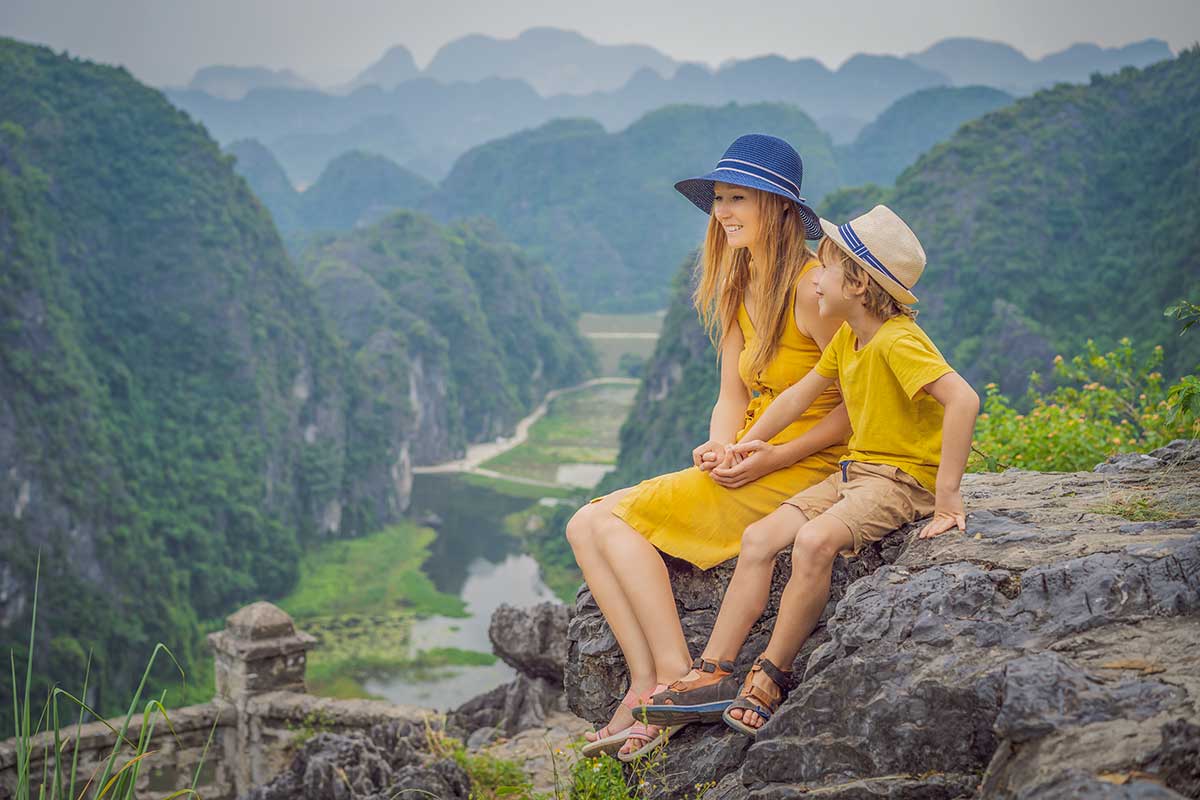
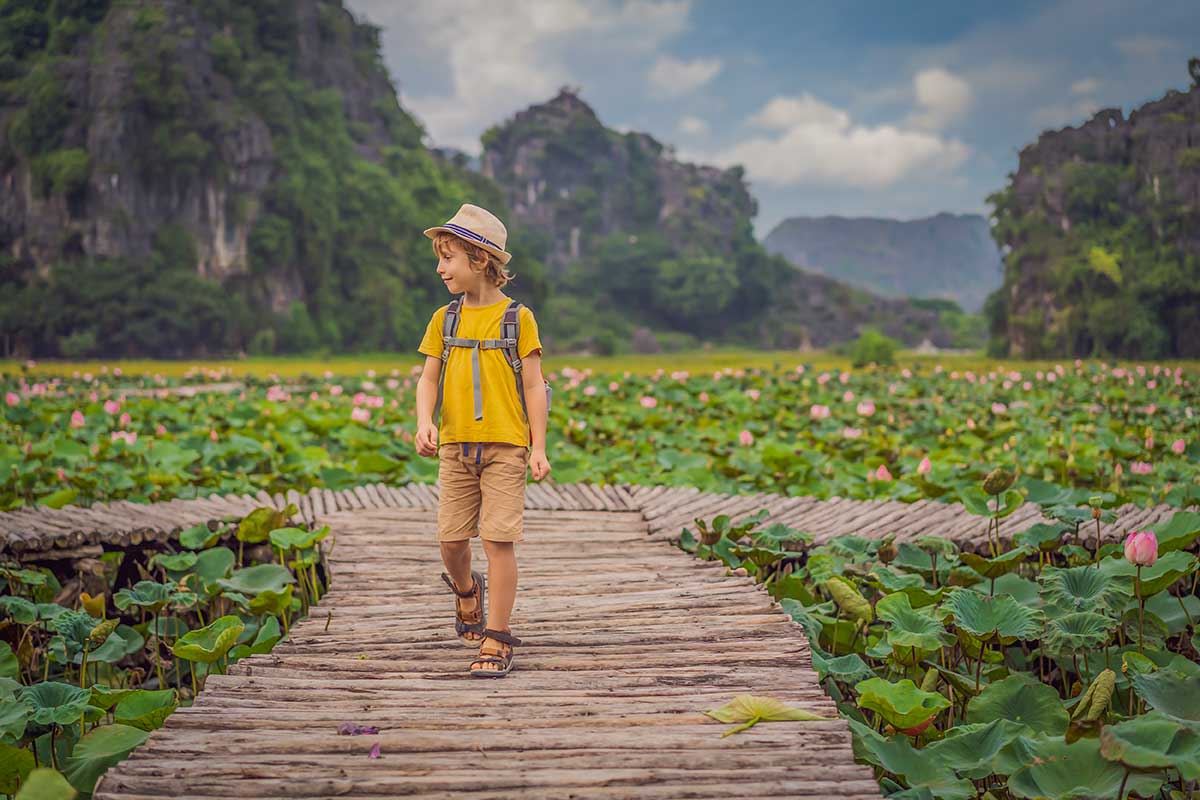
Ninh Binh is a calm, scenic destination that works really well for families, and it is an easy couple of hours from Hanoi. Often called “Halong Bay on land,” it is full of dramatic limestone mountains, rivers, rice fields, and caves, with the sights close together and little traffic. It is flat and great for cycling, the boat trips are gentle and beautiful, and there are plenty of photogenic spots that older kids love for photos. There is enough to fill a day or two without ever feeling rushed.
Things to do in Ninh Binh with kids
- Boat trip through caves and rice fields: a gentle row-boat ride through the Trang An or Tam Coc landscape, calm enough for all ages and a highlight for kids.
- Cycling the countryside: flat, quiet lanes between the karsts make this one of the easiest places to cycle as a family.
- Hang Mua viewpoint: a stair climb to a famous viewpoint, great for older kids and very photogenic.
- Temples and the ancient citadel: quick cultural stops at Hoa Lu that break up the outdoor activities.
- Goat spotting and local farms: Ninh Binh is known for its goats, and the rural setting is a nice change from the cities.
For more, see our guide on Ninh Binh with kids.
4. Mai Chau
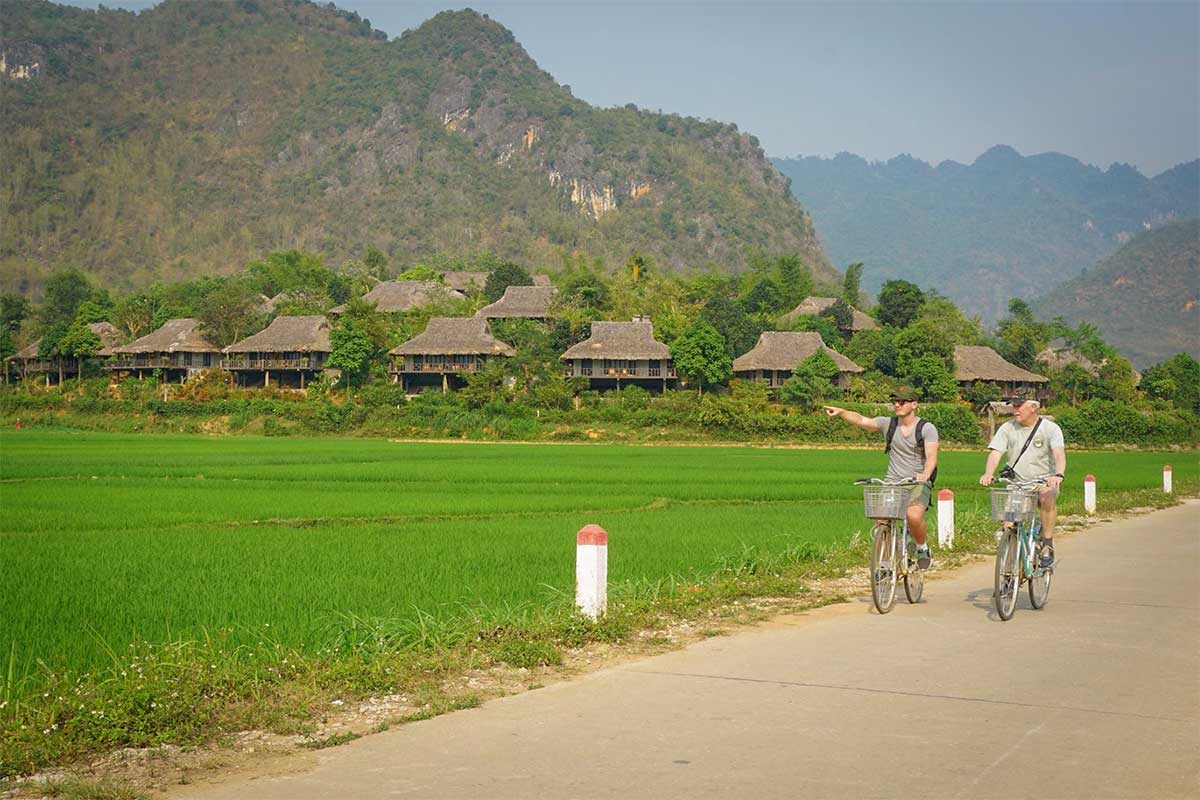
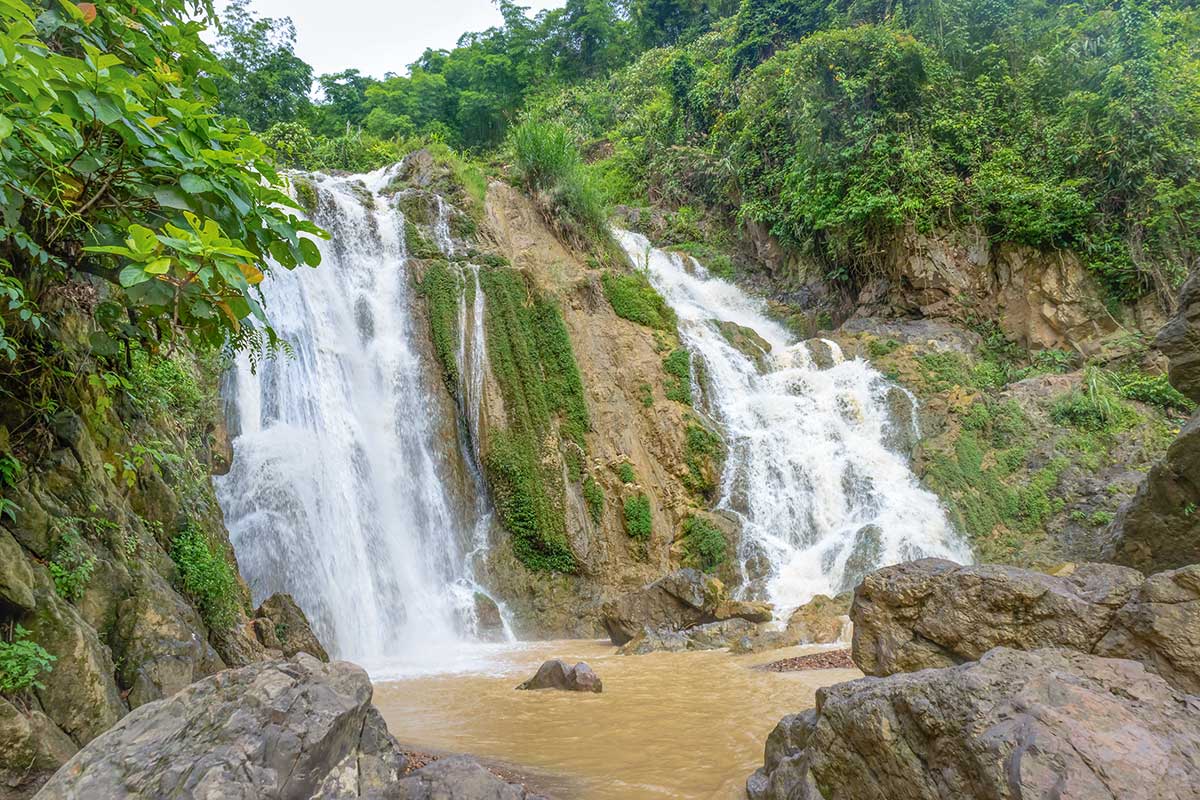
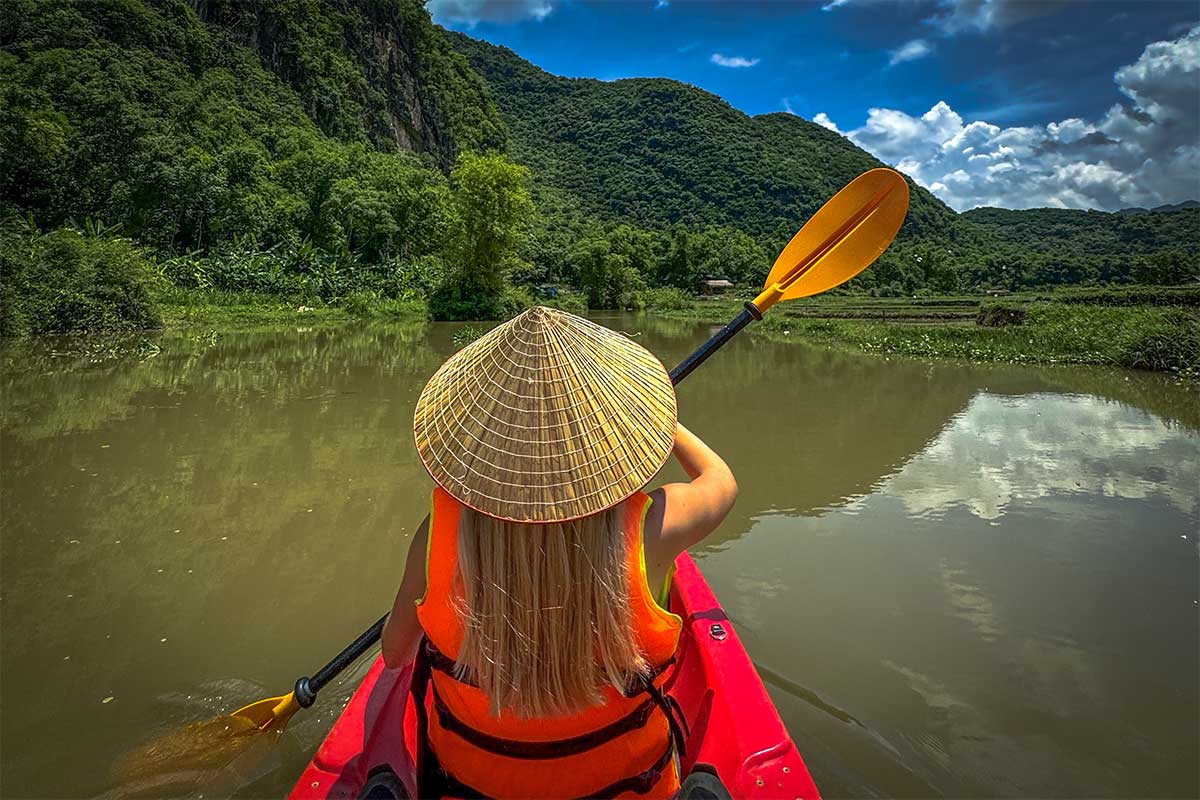
Mai Chau is one of the most relaxed places to visit in Vietnam with kids, and a good choice for families who want nature without the crowds. It is a quiet green valley a few hours from Hanoi, filled with rice fields and traditional stilt-house villages of the White Thai people. What makes it great for families is the calm: almost no traffic in the villages, flat lanes perfect for cycling, and a slow pace that suits younger children. There is not a huge list of attractions here, and that is the point, it is somewhere to slow down, cycle, and let the kids roam safely.
Things to do in Mai Chau with kids
- Cycling through the valley: flat, quiet, and traffic-free, making it one of the safest and easiest places to cycle as a family.
- Stay in a stilt-house homestay: simple, friendly, and a real taste of local village life, often with a pool.
- Village walks: easy strolls between the rice fields and villages to see daily life and traditional weaving.
- Pool and downtime: several places have pools, ideal for a relaxed break between busier parts of the trip.
5. Sapa
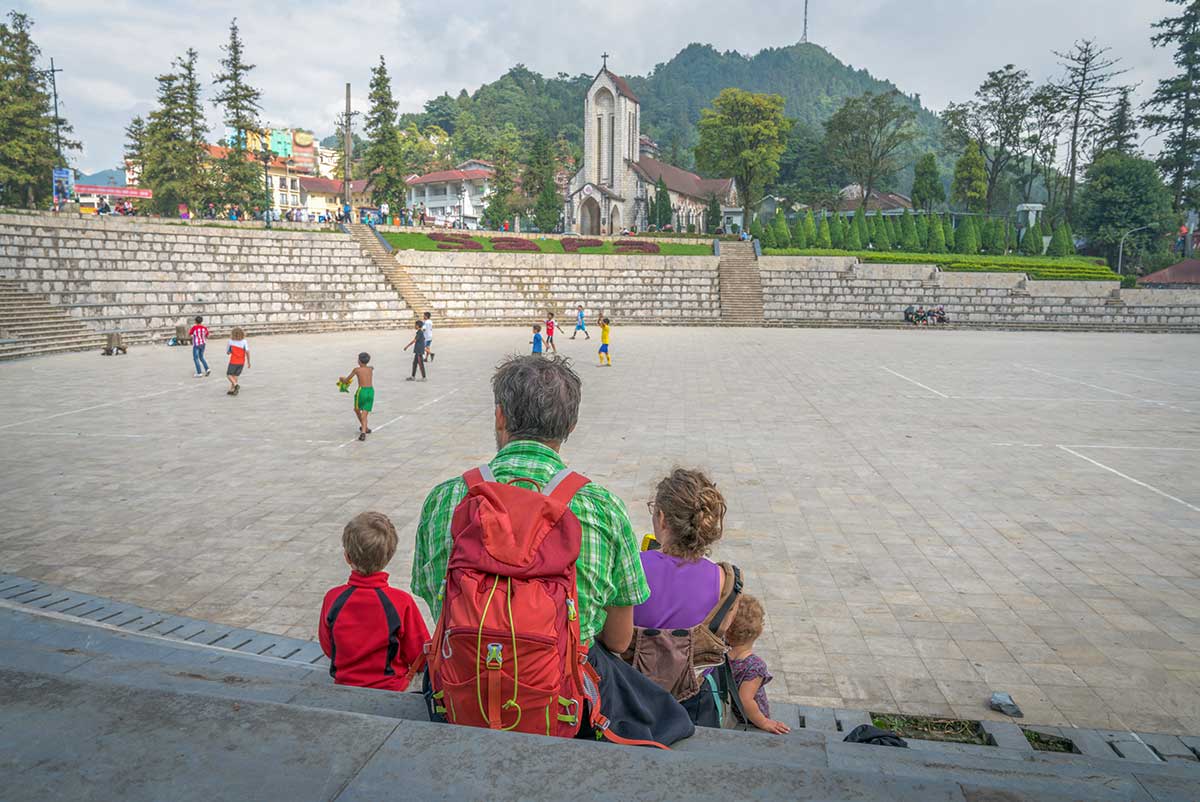
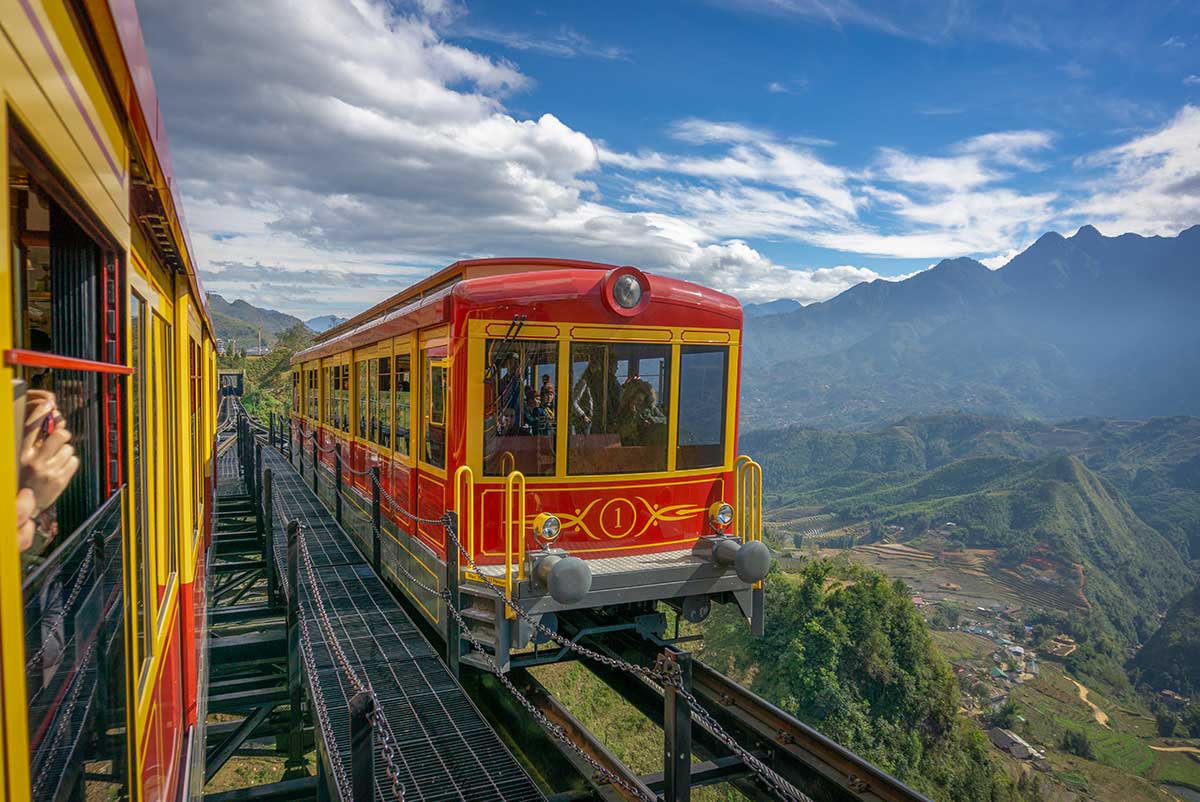
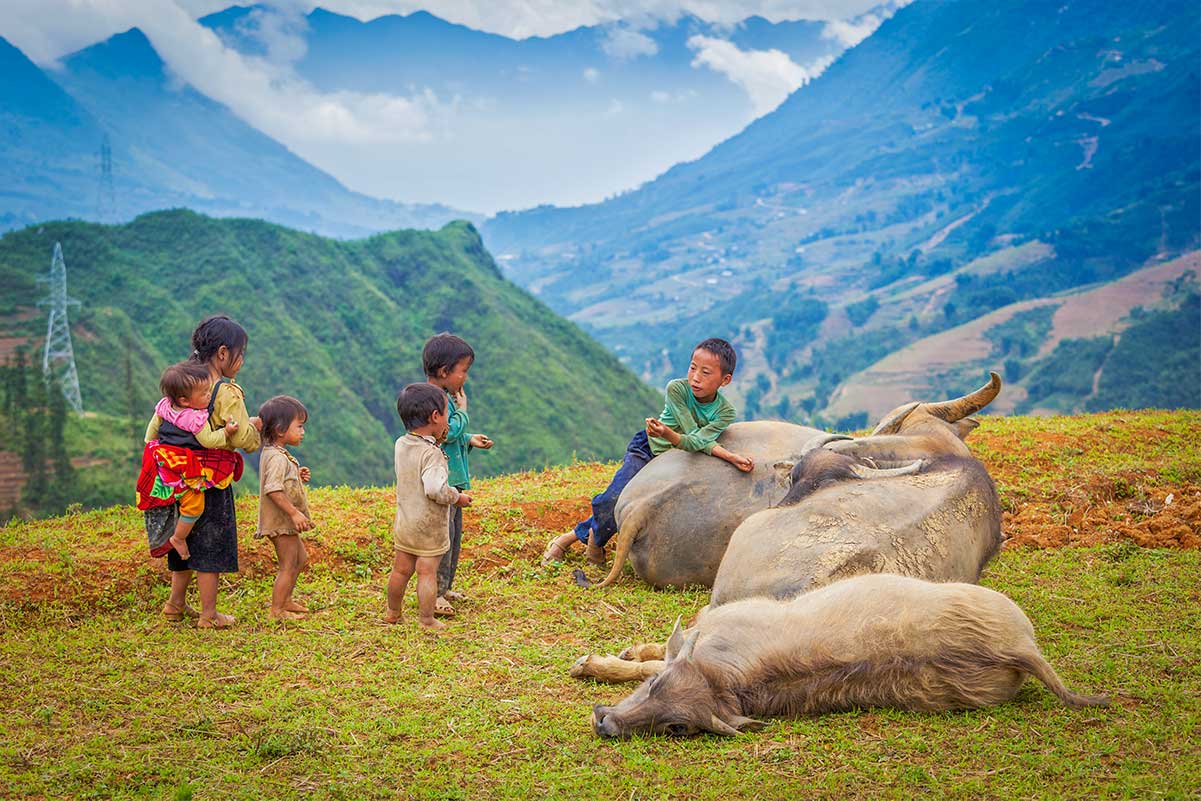
Sapa is the place to take the family into the mountains, and it works best for slightly older children. Set among the famous terraced rice fields of northern Vietnam, it is known for trekking through the hills and ethnic minority villages. The flexible part is that walks come in all lengths: little ones can manage a short, easy trek, while older kids and teens can do a full day or even an overnight stay in a village homestay, which is a genuinely special experience. The scenery is the main draw, and getting there by overnight train is part of the adventure.
Things to do in Sapa with kids
- Short or half-day treks: gentle walks through the rice terraces that even younger children can manage with breaks.
- Overnight village homestay: for older kids and teens, a night in a local minority village is a real highlight.
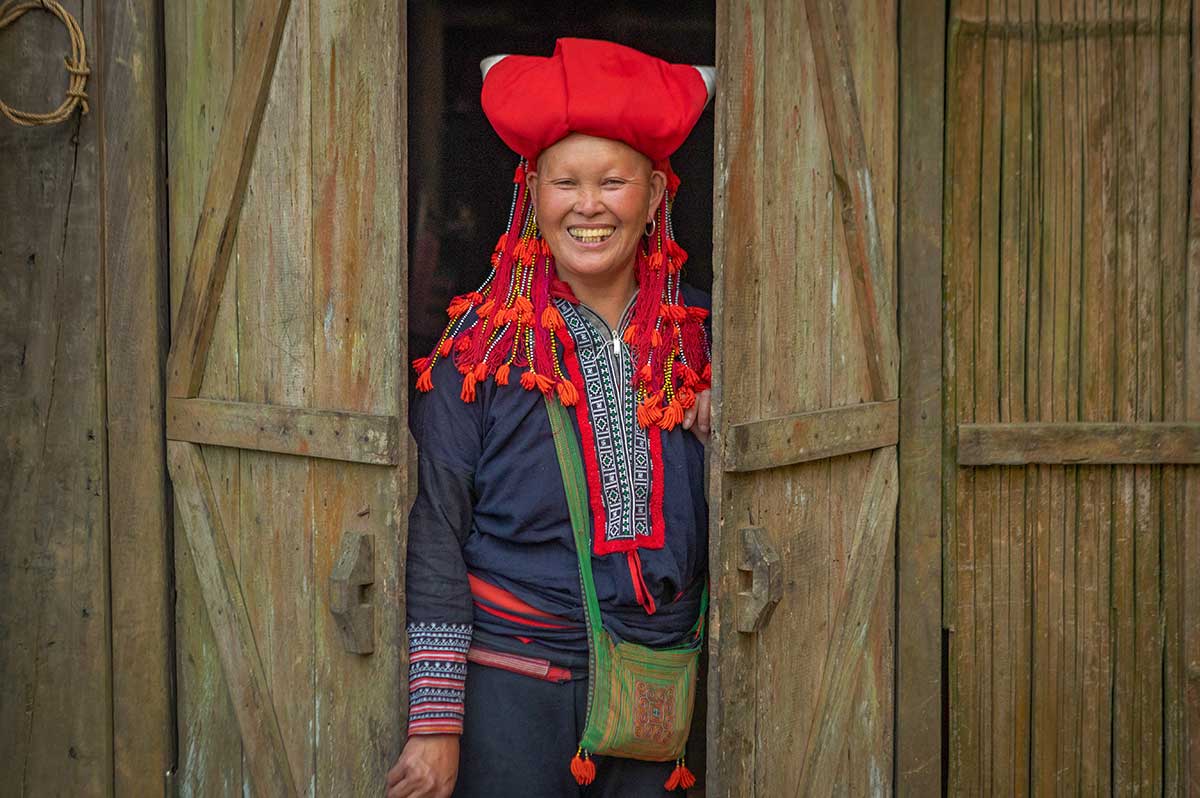
- Ethnic village visits: meeting local hill-tribe communities and seeing a very different way of life.
- The train journey: the overnight sleeper train from Hanoi to Lao Cai is an adventure in itself for kids.
For more, see our guide on Sapa with kids.
6. Hanoi
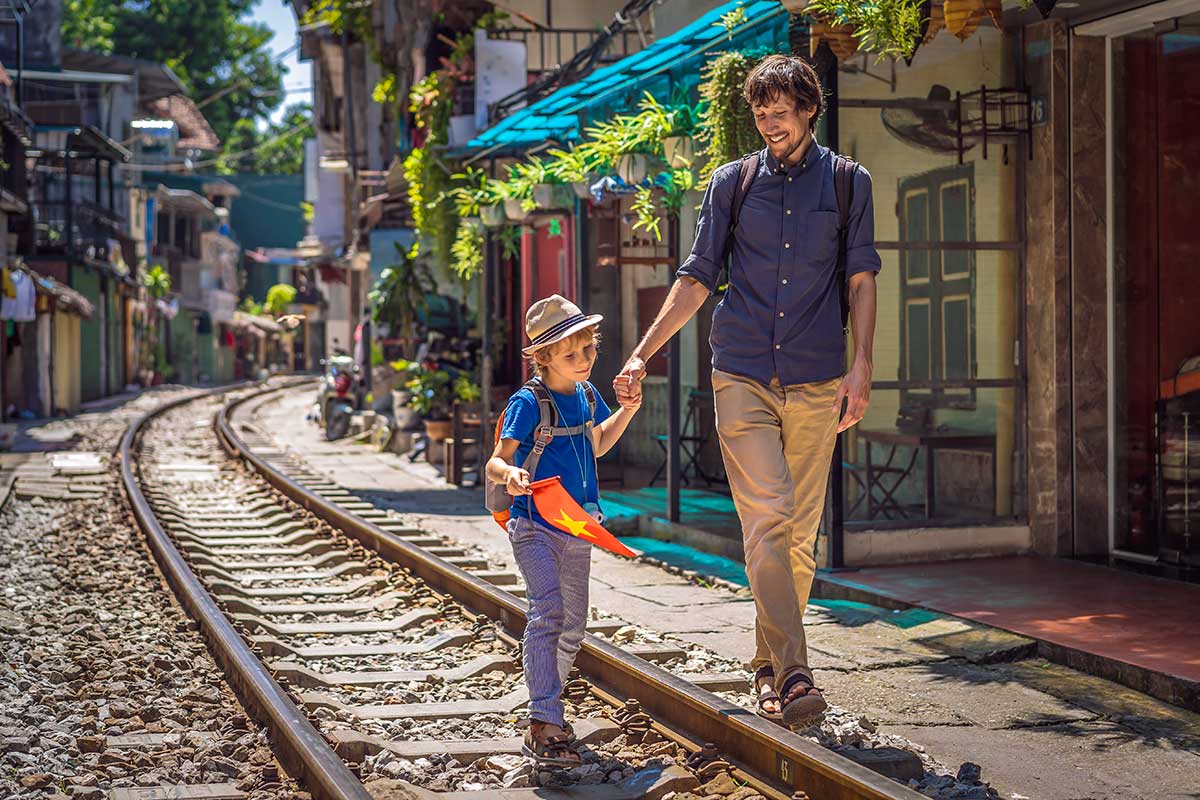
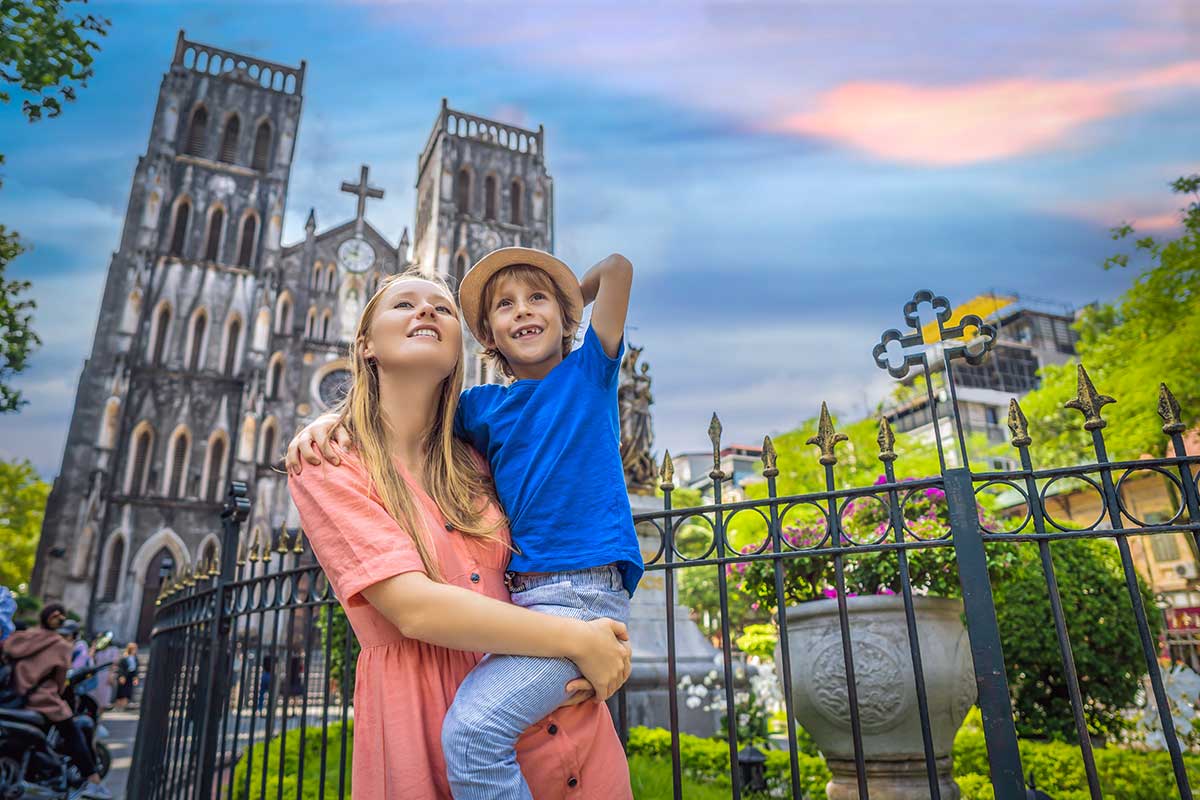
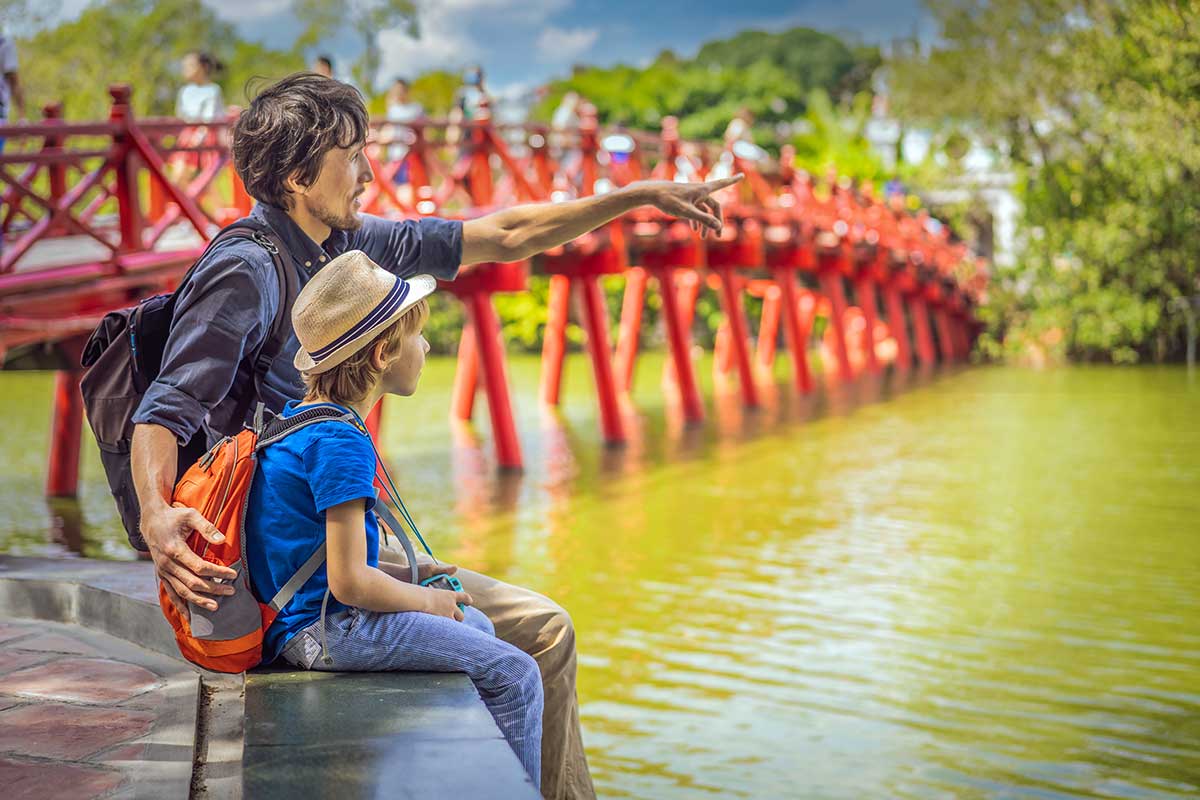
Hanoi is not the first place people picture for Vietnam with kids, and it is busy and chaotic, but it is worth a day or two for the pure experience. For children, the city is a sensory adventure: motorbikes streaming in every direction, street food on every corner, and the famous train street where a train squeezes past the houses. It is loud and intense, and not somewhere to linger with young kids, but a short stay leaves a strong impression and it is the natural gateway to Halong Bay, Sapa, and Ninh Binh.
Things to do in Hanoi with kids
- Water puppet show: a traditional show of puppets dancing on water, perfect for kids and uniquely Vietnamese.
- Old Quarter by cyclo: a fun ride through the chaotic streets without the kids having to walk it all.
- Train Street: watching a real train pass within arm’s reach of the cafes is a memorable, slightly thrilling sight.
- Street food and Hoan Kiem Lake: easy food adventures and a calm lake in the middle of the city for a break.
- Rainy-day backups: indoor play centres and water parks on the city edges are handy when the kids need to burn energy.
For more, see our guide on Hanoi with kids.
7. Mekong Delta
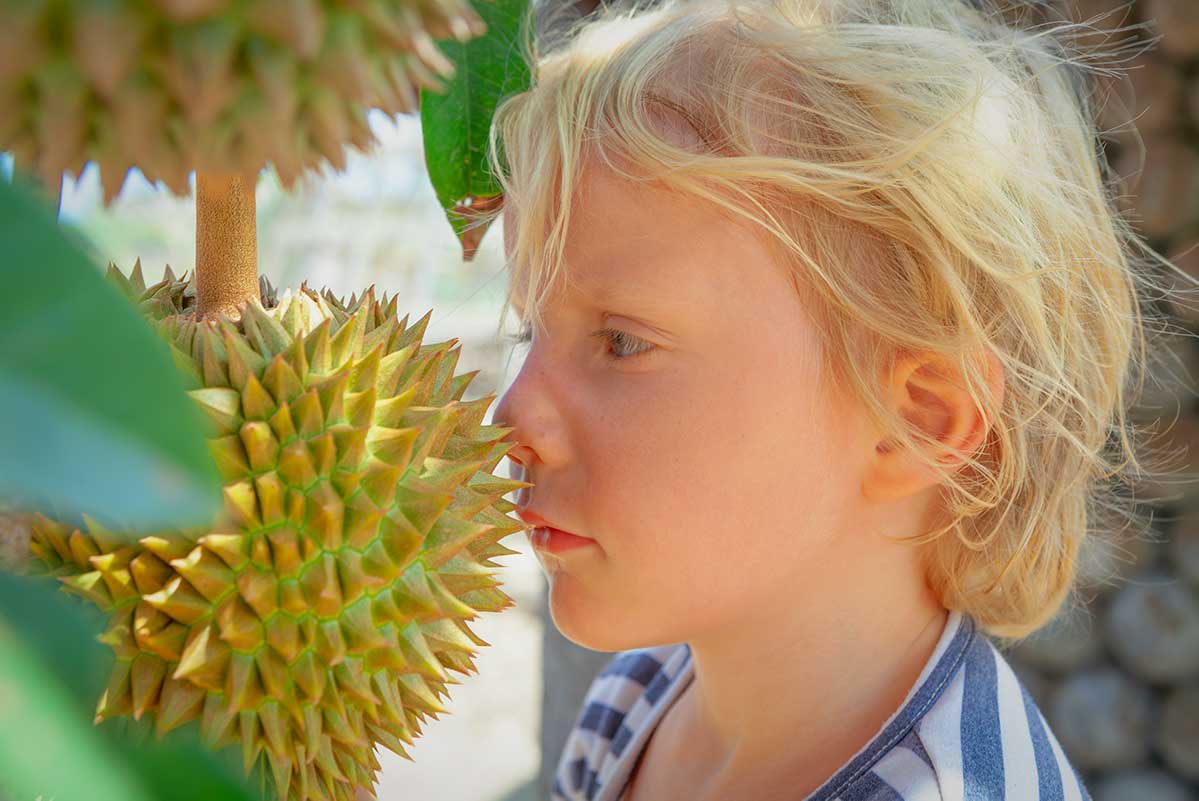
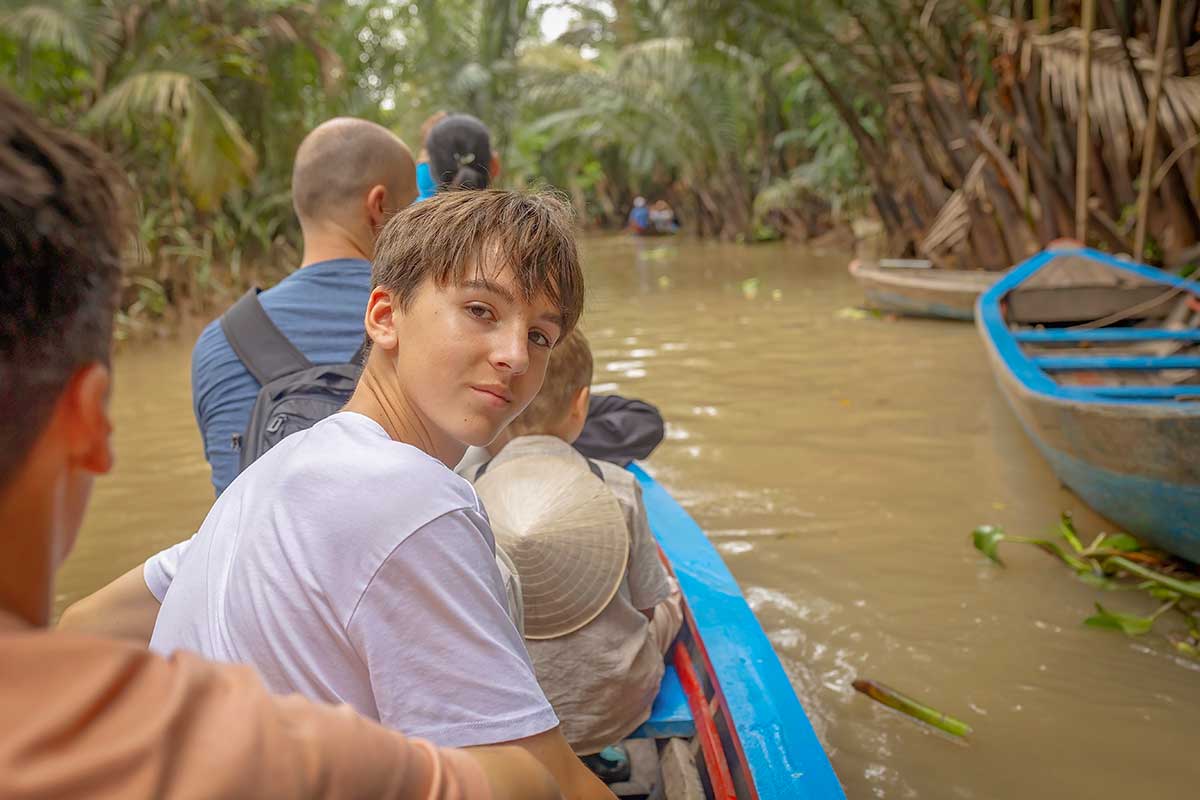
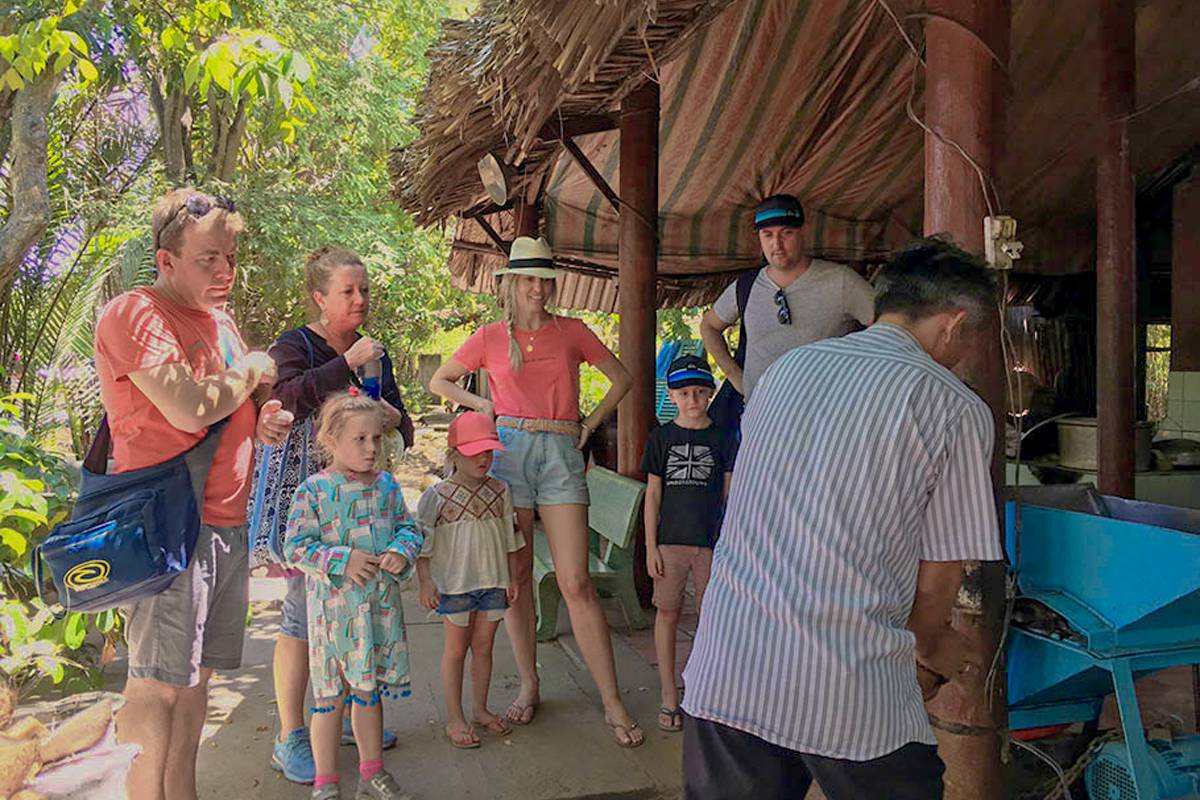
The Mekong Delta is a fun, gentle introduction to rural southern Vietnam, and a lovely change of pace for families. This is a green maze of rivers and canals where life happens on the water, so most of the activity is boat-based, which kids tend to love. It is peaceful and rural, with far less traffic than the cities, and full of hands-on experiences like fruit picking and simple workshops. A homestay here, often with a pool, lets families experience local river life up close.
Things to do in the Mekong Delta with kids
- Boat trips on rivers and canals: from bigger boats on the main rivers to small row-boats through narrow palm-lined canals.
- Floating markets: colourful, busy, and best seen early in the morning by boat.
- Fruit picking and orchards: kids can pick and taste tropical fruit straight from the trees.
- Workshops: simple, hands-on activities like making coconut candy or seeing how local products are made.
- Cycling and homestays: easy rides through the countryside and a riverside homestay for a real local stay.
For more, see our guide on the Mekong Delta with kids.
8. Phu Quoc
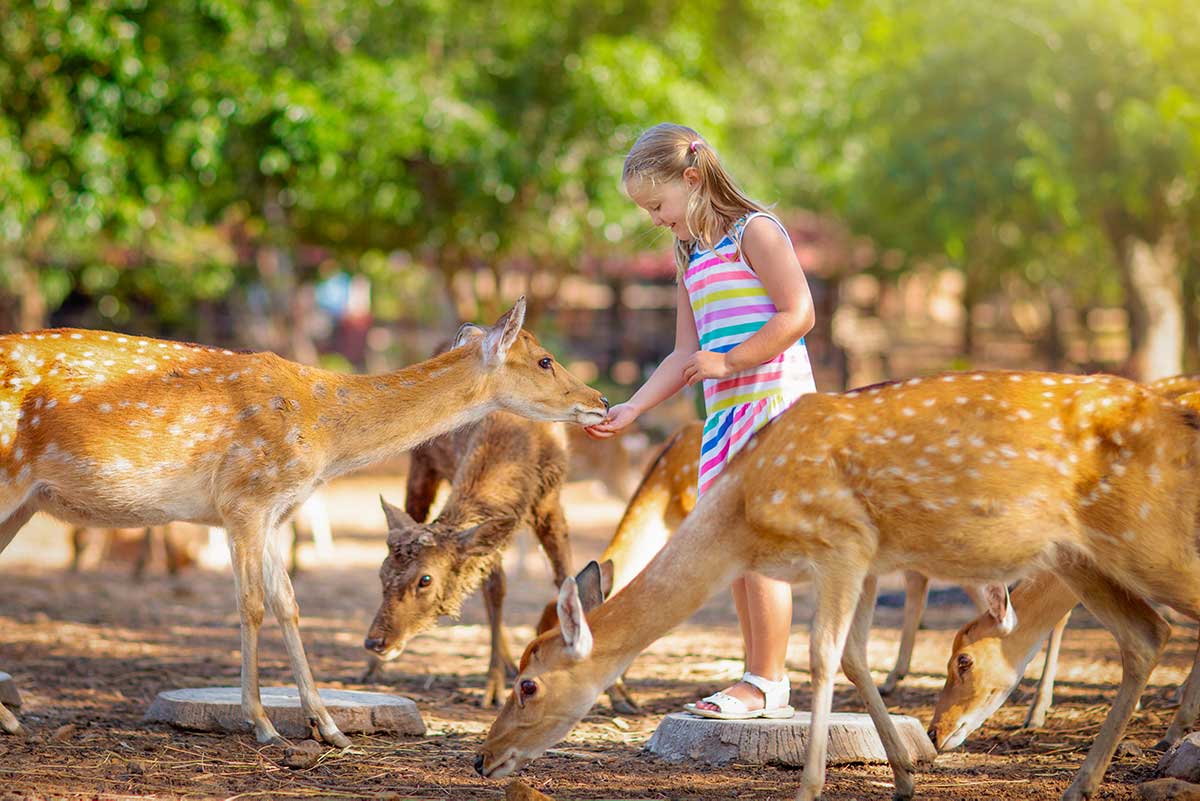
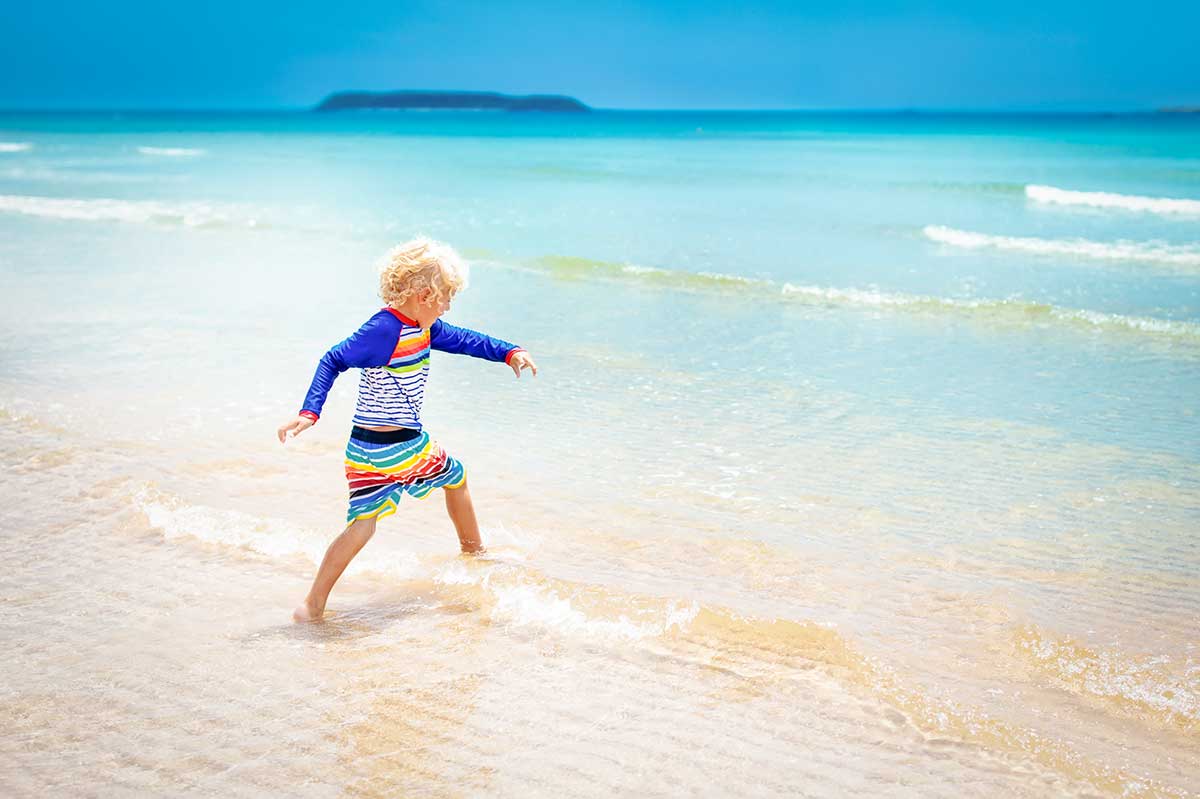
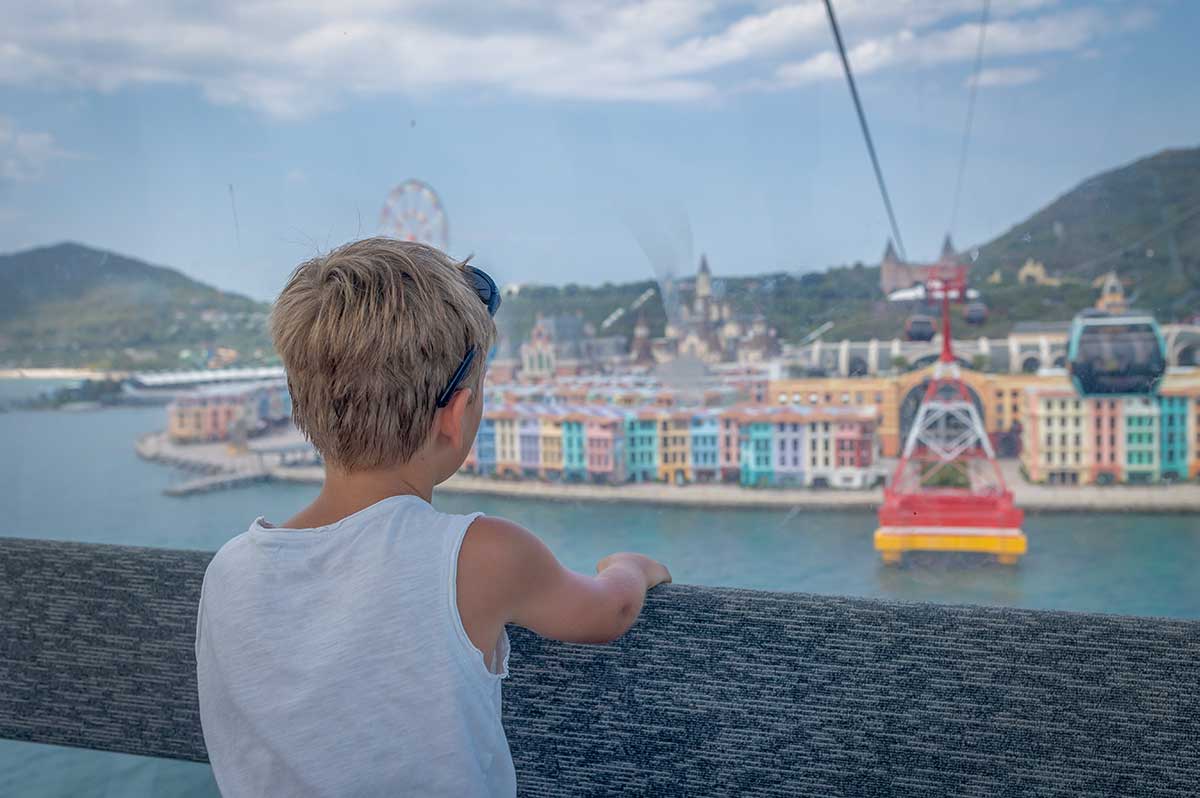
Phu Quoc is the easiest beach destination for Vietnam with kids, especially if you want a relaxed end to a busy trip. It is a large tropical island in the south with sandy beaches, calm seas, and the highest concentration of family resorts in the country, many with pools and kids’ facilities. Beyond the beach there is more to do here than on most Vietnamese islands, including a cable car, a safari-style zoo, and water parks, which makes it easy to fill several days with the kids. Direct flights from the main cities make it simple to reach.
Things to do in Phu Quoc with kids
- Beach and resort days: calm, sandy beaches and family resorts with pools, ideal for downtime with young kids.
- Cable car and island hopping: one of the world’s longest sea cable cars, plus boat trips to small islands for snorkelling.
- VinWonders and Safari: a large water-and-theme park and a safari-style zoo, both big hits with children.
- Fishing villages and pepper farms: easy day trips that show island life away from the resorts.
For more, see our guide on Phu Quoc with kids.
9. Nha Trang
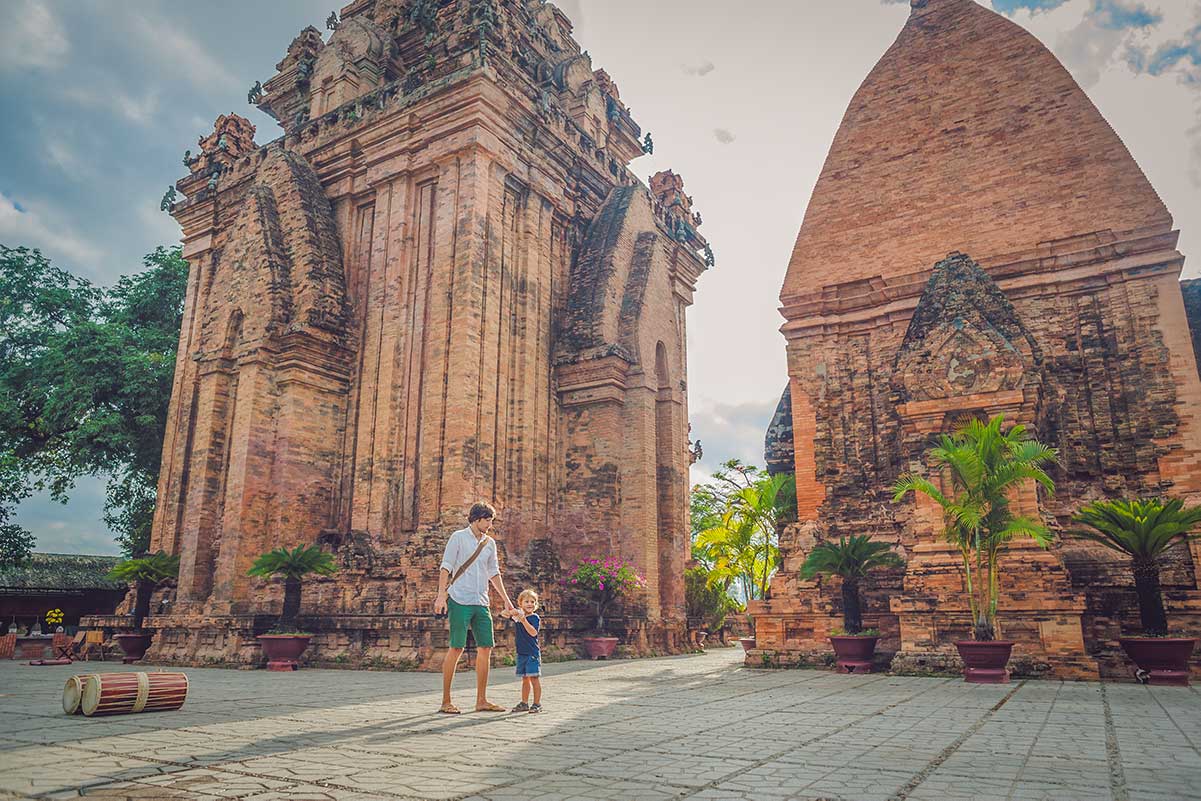
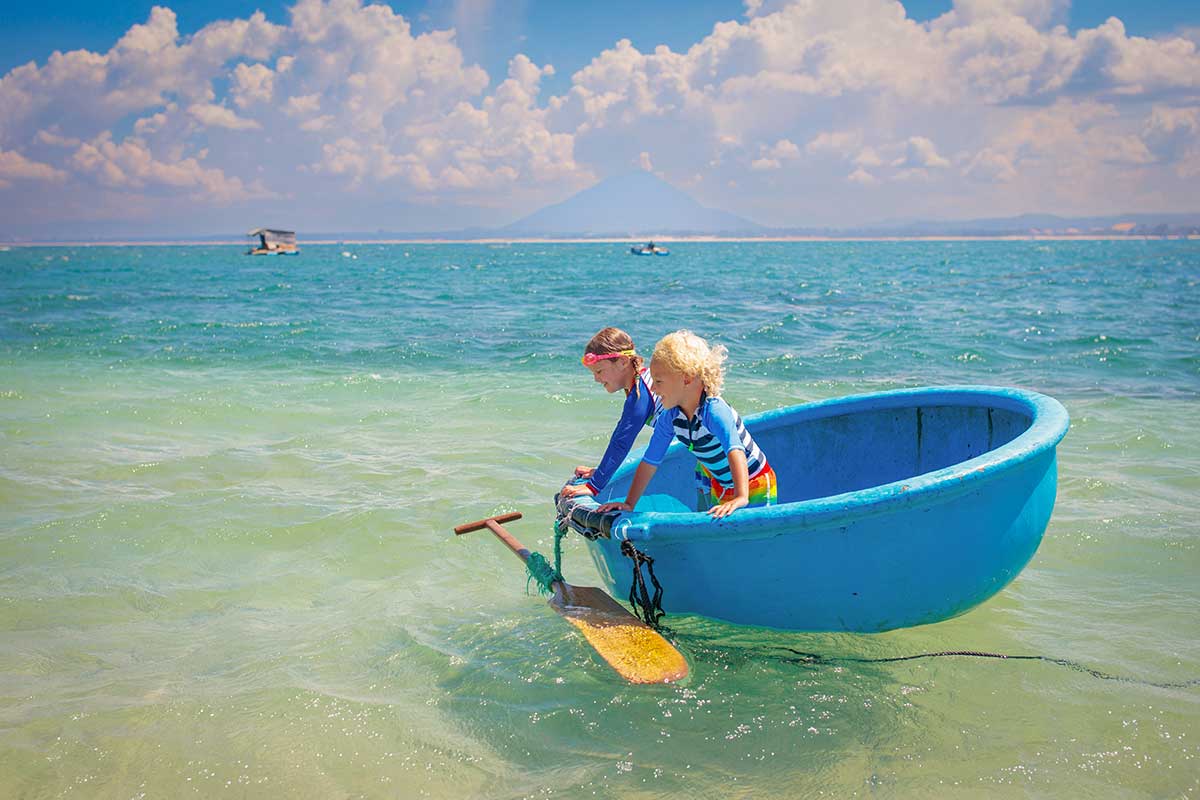
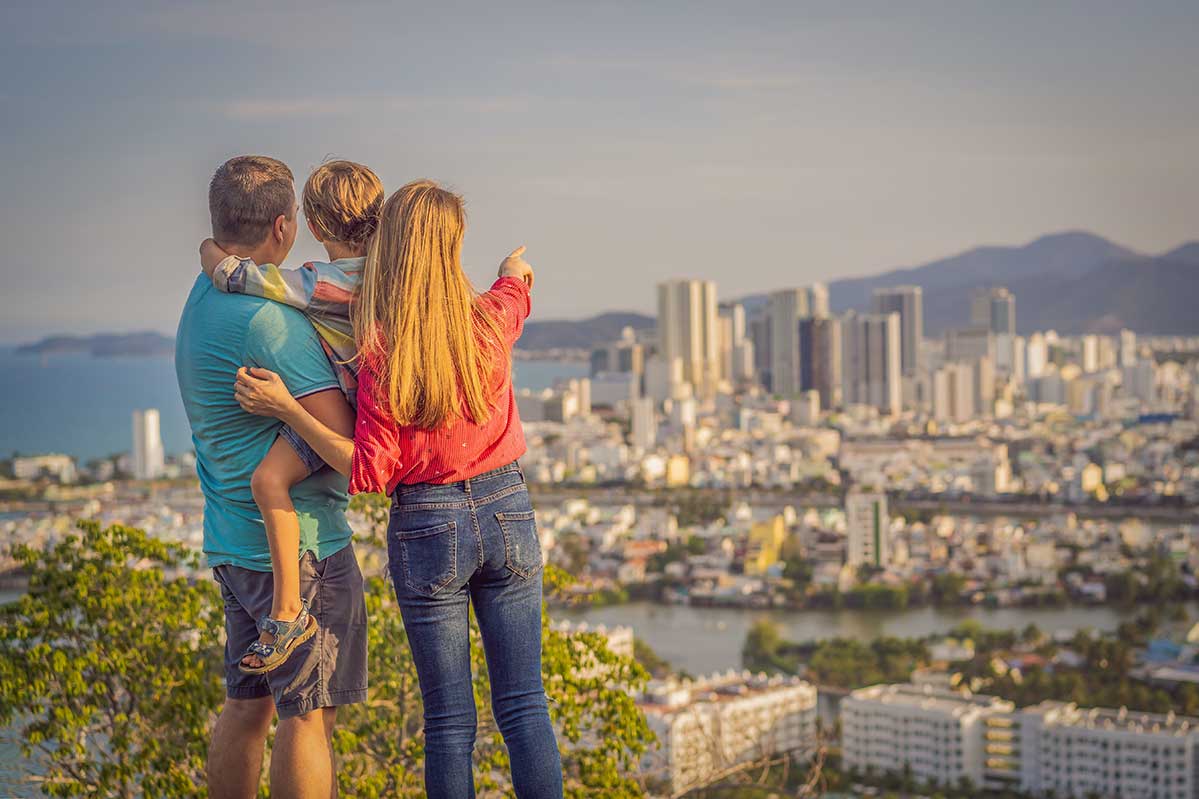
Nha Trang is a lively coastal city that suits families who want beaches plus plenty of organised activities. The long city beach is easy and central, and the area is built for tourism, so there is lots laid on for kids, including a cable car, island theme parks, and water parks. It is busier and more developed than Phu Quoc, which some families like for the convenience and energy. There are also mud baths and hot springs nearby, which children find novel and fun.
Things to do in Nha Trang with kids
- Beach days: the long central beach is easy to reach and good for a relaxed family day.
- VinWonders by cable car: an island theme park reached by a cable car over the bay, a favourite with kids.
- Mud baths and hot springs: warm, messy, and fun, and something a bit different for the family.
- Boat and island trips: snorkelling and island hopping in the bay for older kids.
For more, see our guide on Nha Trang with kids.
10. Dalat
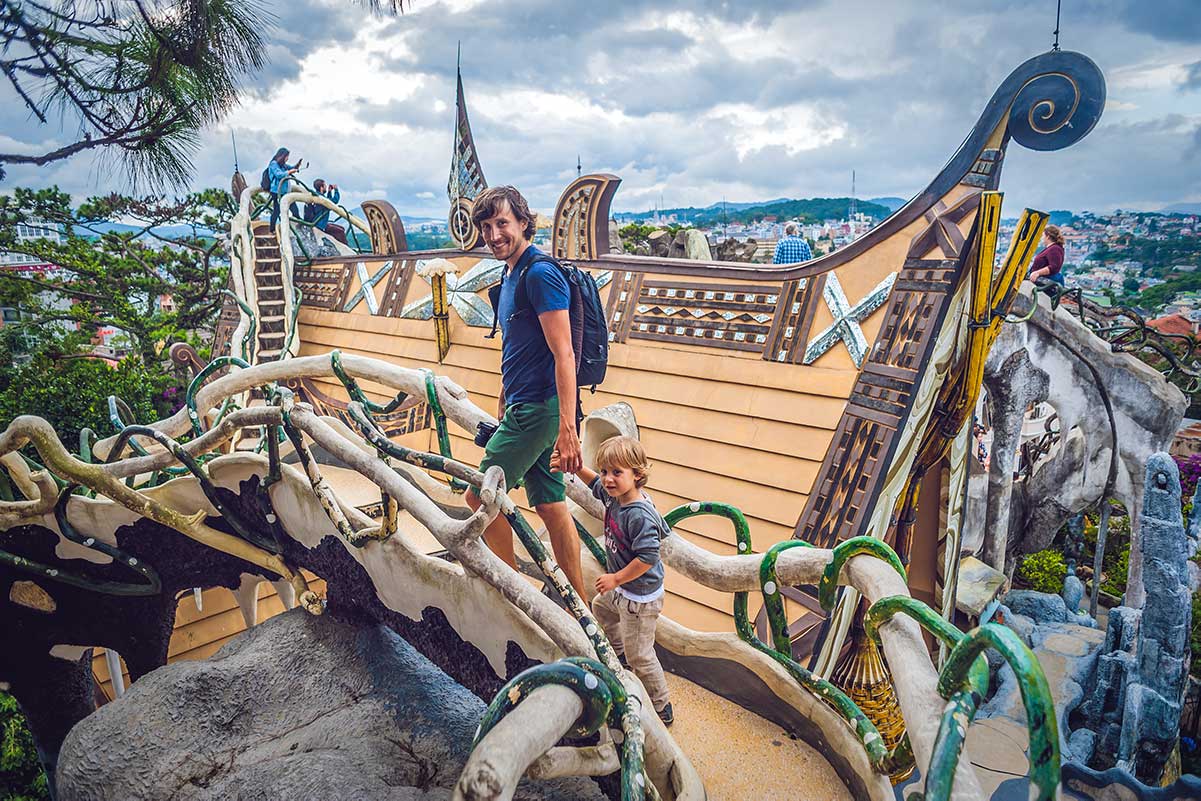
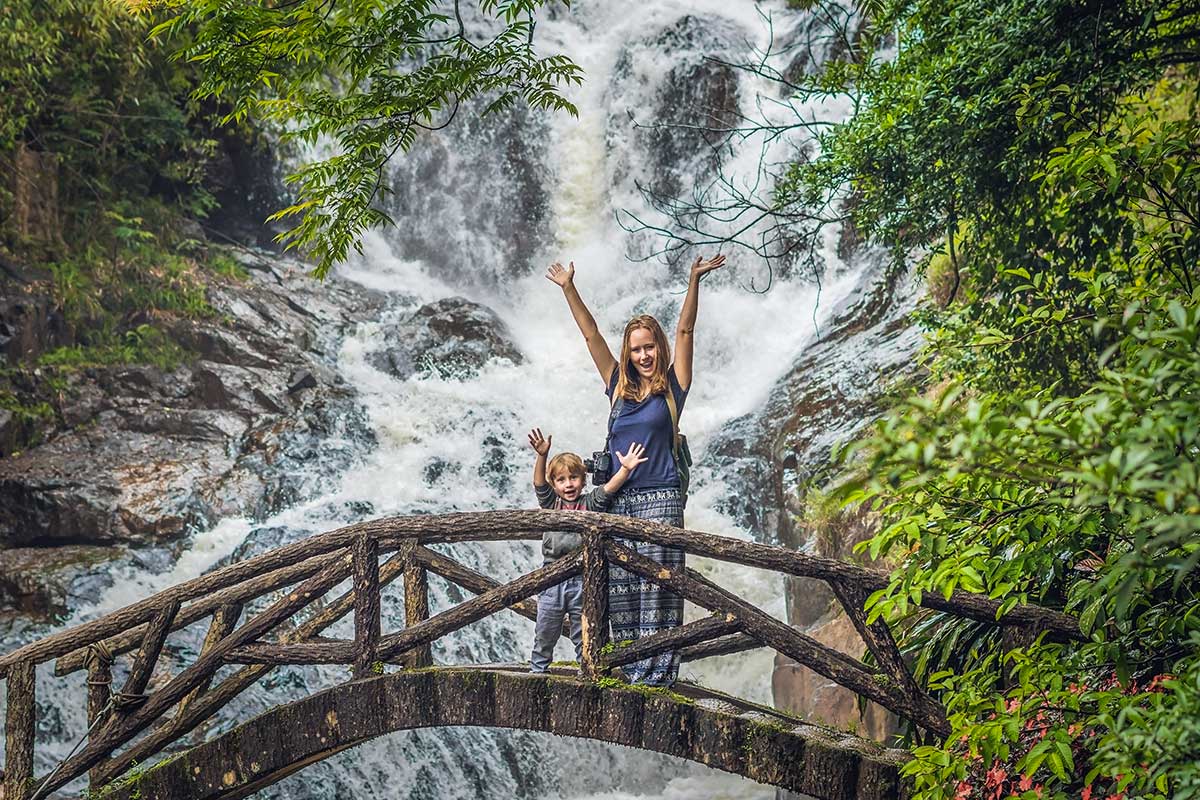
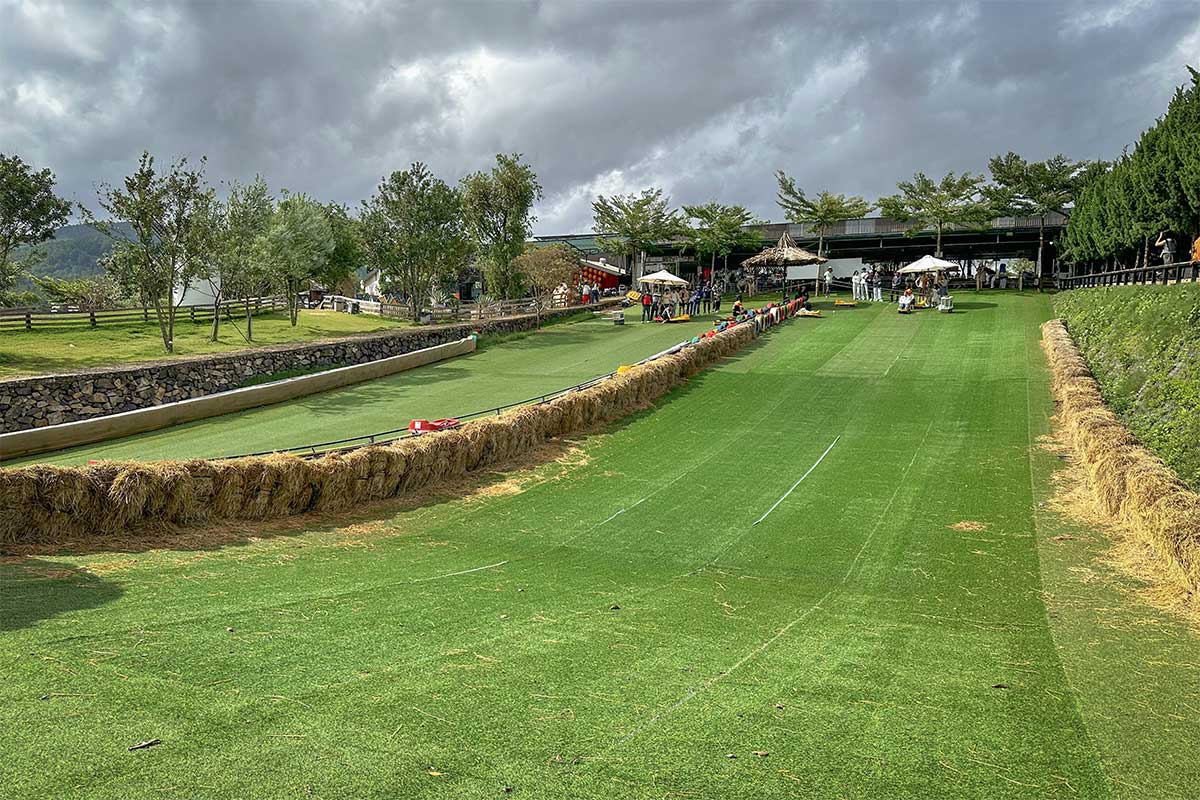
Dalat is a cooler, calmer mountain town that makes a nice change of climate for families, and it suits slightly older children well. Set in the highlands, it is pleasantly cool all year, green, and full of gardens, lakes, waterfalls, and quirky sights. The gentler pace and fresh air are a relief after the heat of the lowlands, and there is enough outdoor activity to keep older kids and teens interested without anything being too demanding.
Things to do in Dalat with kids
- Waterfalls and gardens: easy-to-visit waterfalls and flower gardens that are pretty and relaxed for all ages.
- Cable car and pagoda: a short cable car ride to a hilltop pagoda with views over the pine forest.
- Canyoning and adventure (teens): for older kids and teens, Dalat is Vietnam’s adventure-activity capital, with canyoning and abseiling.
- Lakes and farms: boating on the lake, plus strawberry and flower farms to visit.
11. Ha Giang
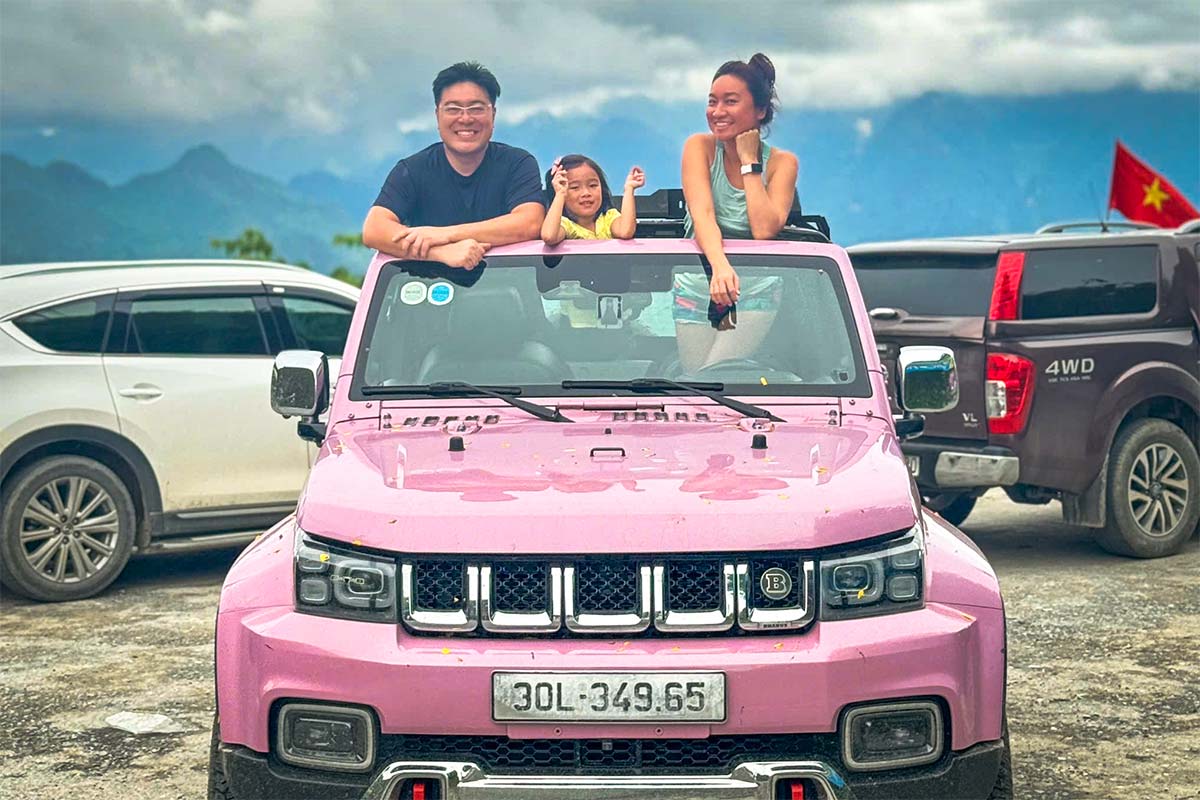
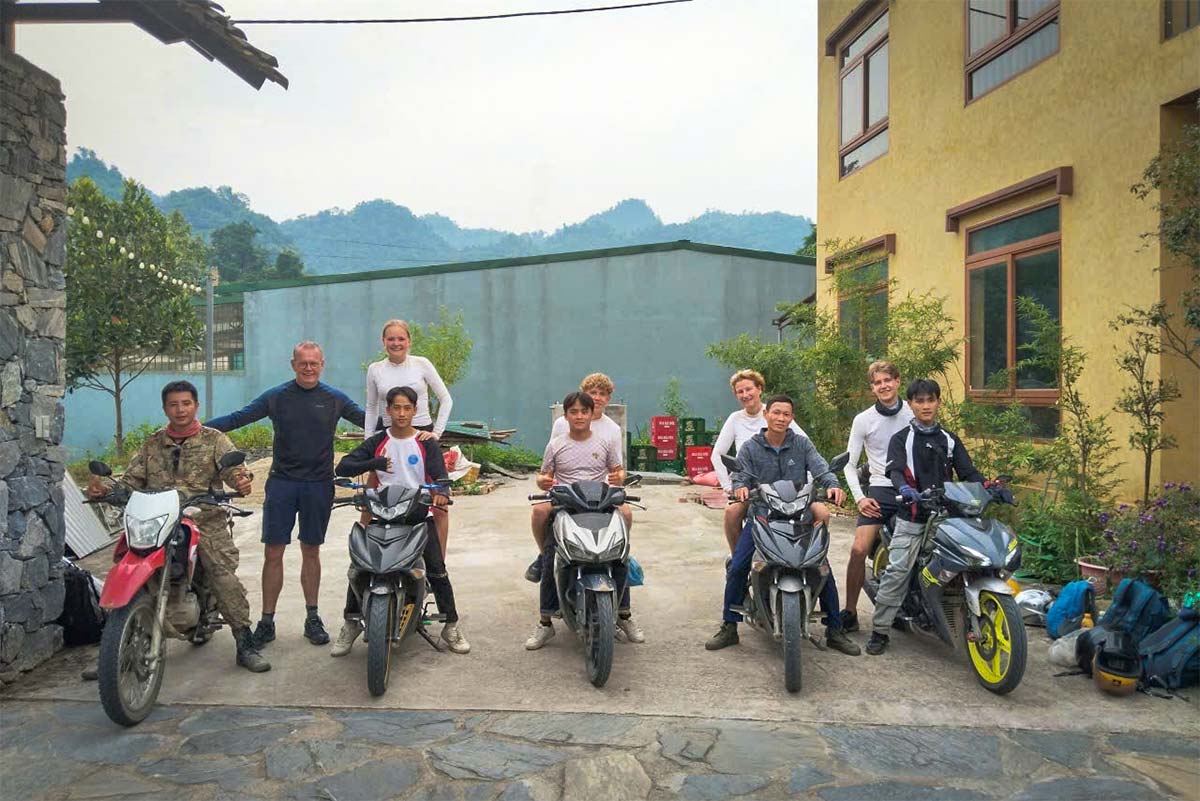
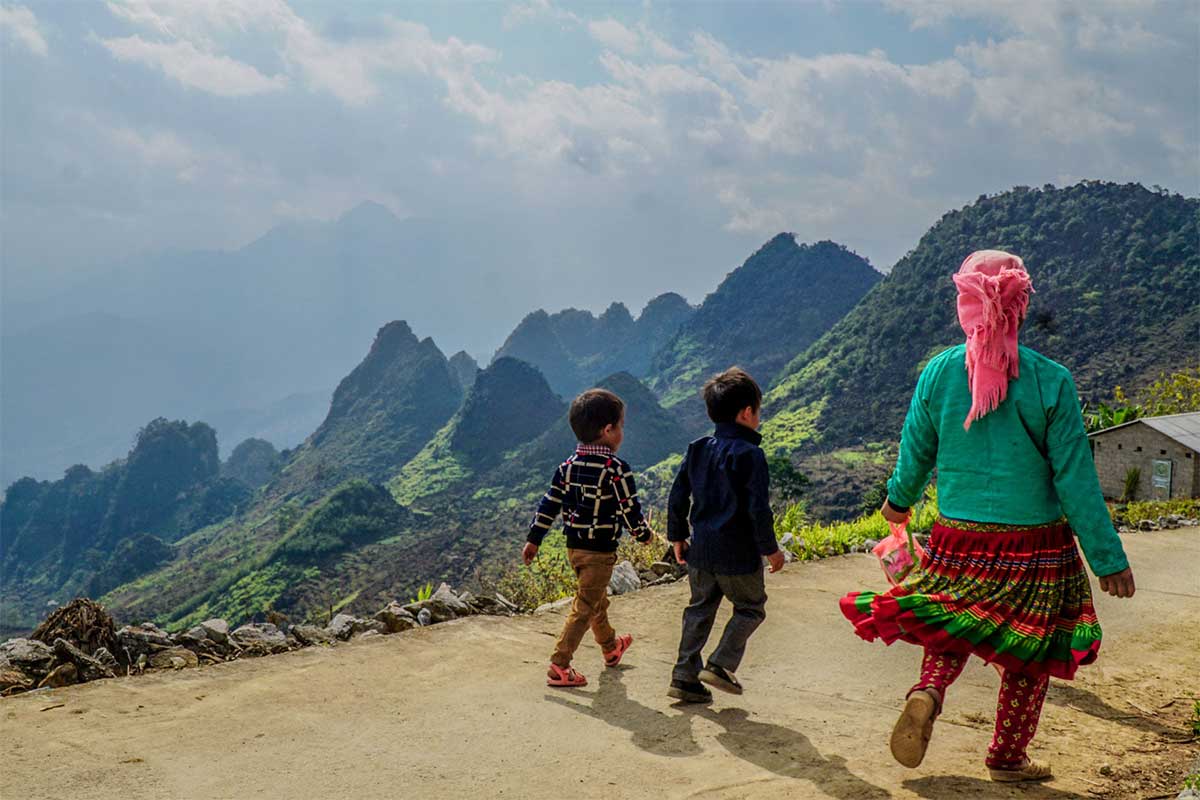
Ha Giang is the most adventurous destination on this list, and it is strictly for families with older teenagers. This is Vietnam’s most dramatic mountain region, famous for the road trip known as the Ha Giang Loop, winding through towering scenery, remote ethnic minority villages, and weekly markets. It feels like stepping into another world, an open-air museum that is completely real. Teens love it, but it involves long days on the road and is not suitable for younger children, who will get bored and restless in a car or on a bike.
Things to do in Ha Giang with kids (older teens)
- The Ha Giang Loop by car or jeep: the famous mountain road trip, best done in a private car or an open jeep for the views and comfort.
- Behind an Easy Rider (older teens): confident teens can ride pillion behind an experienced local driver, a real adventure if parents are comfortable with it.
- Ethnic minority villages and markets: colourful weekly markets and villages that feel a world away from modern life.
- Mountain viewpoints: dramatic passes and viewpoints like Ma Pi Leng that make the long drives worth it.
Family holiday itinerary ideas for Vietnam
These three routes show how a family holiday in Vietnam usually comes together, from a shorter trip to a full tour of the country. They are starting points, not fixed plans: the regions and pace work well in this order, and the trip can then be built around your kids’ ages, your dates, and how fast you want to travel.
Beaches and highlights with younger kids
Hanoi – Halong Bay – Hoi An & Da Nang – Phu Quoc | 10 to 14 days
A relaxed first trip for families with younger children. You get a short, lively taste of Hanoi, a cruise in Halong Bay, then the easy mix of old town, countryside, and beach around Hoi An and Da Nang, before finishing with resort days on Phu Quoc. Plenty of downtime, pools, and beaches, without trying to see everything.
North to central family explorer
Hanoi – Halong Bay – Ninh Binh – Hoi An & Da Nang | 14 days
For families who want more culture and variety, with school-age kids or tweens who can handle a fuller pace. After Hanoi and Halong Bay, you add the calm scenery and cycling of Ninh Binh, then continue to the historic town and beaches of Hoi An and Da Nang. A good balance of cities, nature, boat trips, and beach time.
Full-country family adventure
Hanoi – Sapa – Halong Bay – Ninh Binh – Hoi An & Da Nang – Phu Quoc | 18 to 21 days
For families with older kids or teens who want to see it all without rushing. This route runs the length of the country: the mountains and rice terraces of Sapa, the capital, a Halong Bay cruise, and the karst scenery of Ninh Binh in the north, the culture and beaches of Hoi An and Da Nang in the centre, and a beach finish on Phu Quoc in the south. With three weeks there is room to slow down between regions and add a sleeper-train leg for the adventure.
These itineraries are examples of what works well for families; the real value is shaping one around your own children’s ages, interests, and pace. Local Vietnam plans each family trip privately, taking care of the routing, family-friendly stays, and the activities your kids will enjoy.
Practical tips for traveling with kids in Vietnam
A few practical things make traveling Vietnam with kids smoother. Most are simple to sort before you go.
Visa
Check the visa rules for your nationality early. Most European families, including those from the Netherlands, Germany, the UK, and the Nordic countries, can enter Vietnam without a visa for up to 45 days. Families from the US, Canada, and Australia need a visa, but it is a simple e-visa applied for online before the trip. Children need their own visa or e-visa, so do not forget to apply for them too, and make sure every passport is valid for at least six months.
See our full guide on the Vietnam e-visa.
What to pack
Pack light, especially if you are moving between regions, as most domestic flights allow only around 20 kg of checked luggage. Bring what you rely on, as familiar brands can be hard to find:
- Any specific medicines, in their original packaging, plus a basic first-aid kit — here’s what to know about bringing medication into Vietnam
- Sunscreen and a good mosquito repellent with DEET or picaridin
- Light, cotton clothes and comfortable shoes; warm layers and a raincoat if you visit the north between December and February
- A baby carrier instead of a pram, which does not work well on Vietnam’s pavements
For everything to bring, see our full Vietnam packing list.
Baby and toddler supplies
If you are traveling with a baby or toddler, the basics are easy to find in Vietnam, and you do not have to worry about getting fake or low-quality products if you use the reliable chains. For baby goods, the big trusted chains are Con Cung and Bibo Mart, which sell genuine formula, baby food, diapers, and supplies. They have shops in every city and even many smaller towns. Your usual brand may not always be there, so bring a small supply to start, then restock as you go.
Pharmacies and health
Pharmacies are everywhere in Vietnam, but for peace of mind it is best to use the big chains, where you know the medicine is genuine and properly stored. Long Chau and Pharmacity are the two largest and most reliable, with shops in every city and most smaller towns, fixed prices, and staff who often speak some English. They can help with minor issues and stock most common children’s medicines, but bring anything specific your family needs from home. Travel insurance that covers the whole family is strongly recommended.
Bring water and snacks
You can find food and drink almost everywhere, but not always exactly when a hungry or thirsty child needs it. Carry plenty of water, as Vietnam gets hot and humid, and keep some snacks handy for long journeys and quiet moments between meals.
Plan in activities for the kids
Vietnam can be hot, busy, and overwhelming for children, so build in things they will genuinely enjoy: a beach day, a pool, a cooking class, a water park, or a fun show. Having something to look forward to keeps everyone happy through the busier, more cultural parts of the trip.
It also helps to plan around the heat. Save active things like hiking, cycling, or sightseeing for the cooler early morning or late afternoon, and use the hottest part of the midday for indoor activities, a workshop, lunch, or pool time. Getting the timing right keeps the kids comfortable and avoids the meltdowns that come with too much sun and tiredness.
Travel with a plan
It is easy to travel Vietnam spontaneously, but that is harder with kids. Book your hotels ahead, especially family rooms in high season, plan around the best weather for any beach time, and book domestic flights in advance. A little structure makes traveling with children far less stressful.
Frequently asked questions about Vietnam with kids
Is Vietnam safe to travel with kids?
Yes, Vietnam is one of the safest countries in Southeast Asia for families. Crime against tourists is rare, there is no real political unrest, and locals are warm and welcoming to children. The main things to be aware of are practical, not threatening: chaotic city traffic, the heat, and mosquitoes, all easy to manage with a bit of planning.
What is the best age to visit Vietnam with kids?
There is no single best age, as every age works with the right planning. Babies and toddlers are very doable but mean a slower pace and more care with the heat and traffic. Ages four and up tend to get the most out of it, enjoying beaches, boat trips, and hands-on activities, while teenagers can handle almost everything, including treks and road trips. The main thing is to match the destinations and pace to your children’s ages.
How many days do you need in Vietnam with kids?
For a first family trip, 10 to 14 days is a good amount, enough to combine the north, the centre, and a beach without rushing. If you want to see more of the country or travel at a relaxed pace with younger kids, two to three weeks is ideal. Less than a week is possible but means focusing on just one or two regions.
How much does a family trip to Vietnam cost?
Vietnam is excellent value for families. A budget family trip runs around $100 to $150 a day for a family of four, while a mid-range trip with comfortable hotels, family rooms, and some private transfers runs roughly $180 to $300 a day. Food and local transport are cheap, while family rooms, domestic flights, and resorts are where most of the spending goes. International flights are extra.
Is the food and water safe for children?
The food is generally safe, and most children handle it well. Stick to busy places with high turnover, eat food that is freshly cooked while you wait, and go easy on raw herbs and salads in the first few days. Do not drink the tap water, use bottled or filtered water, but ice in restaurants and cafes is normally fine.
Can you do a Halong Bay cruise with kids?
Yes, and it is one of the easiest family experiences in Vietnam, since everything on board is arranged for you. Choose a cruise that welcomes children, as some are aimed at couples, and check that family cabins and child-sized life jackets are available, as not all boats carry them for younger kids. If your children cannot sit still on a boat for long, Lan Ha Bay combined with Cat Ba Island lets you mix the cruise with time on land.
Do children need their own visa for Vietnam?
Yes, every traveler needs their own visa or visa exemption, including babies and children. Most European families can enter without a visa for up to 45 days, while families from the US, Canada, and Australia need an e-visa for each person, applied for online before the trip. Every passport, including children’s, must be valid for at least six months.
Can you use a stroller in Vietnam?
Not easily. The pavements are uneven, often blocked by parked motorbikes, and the city traffic makes pushing a stroller hard. A baby carrier is far more practical and far less stressful, especially in busy areas and on uneven ground.