Central Vietnam - Best Places to Visit & Travel Guide

Table of Contents

Central Vietnam is one of the most diverse regions in the country, stretching from historic cities and ancient trading towns to long sandy coastlines and remote highland areas. It sits between North and South Vietnam and has played a major role in the country’s history, culture, and development. In this guide, you’ll find an overview of Central Vietnam, including key places to visit in Central Vietnam, along with practical information about getting around, airports, the best time to visit, and how to plan your trip.

Travel Central Vietnam

Ancient towns, stunning coastline & highland cultures

Central Vietnam has long been a crossroads of trade, power, and culture. Coastal trading ports such as Hoi An connected Vietnam with China, Japan, and Europe as early as the 15th and 16th centuries, leaving behind a unique architectural and cultural legacy. Further north, Hue became the imperial capital under the Nguyen Dynasty, shaping the region with citadels, royal tombs, and court traditions. Later, French colonial rule added another layer, particularly visible in architecture, infrastructure, and plantation villages in both coastal areas and the Central Highlands. The region was also heavily affected by the Vietnam War, with key events taking place in Hue, the former DMZ area, and the Central Highlands, where long-lasting impacts such as unexploded ordnance and Agent Orange are still part of the historical narrative.

Today, Central Vietnam is defined by its variety. Modern beach cities like Da Nang sit alongside well-preserved heritage towns, while quieter coastal areas stretch south toward Quy Nhon and north toward Lang Co. Inland, the Central Highlands offer a very different experience, with cooler temperatures, ethnic minority cultures, coffee plantations, waterfalls, and national parks. This mix of history, landscapes, and lifestyles makes Central Vietnam a region where cultural sightseeing, beach travel, nature, and local life all come together within relatively short travel distances.
Map of Central Vietnam

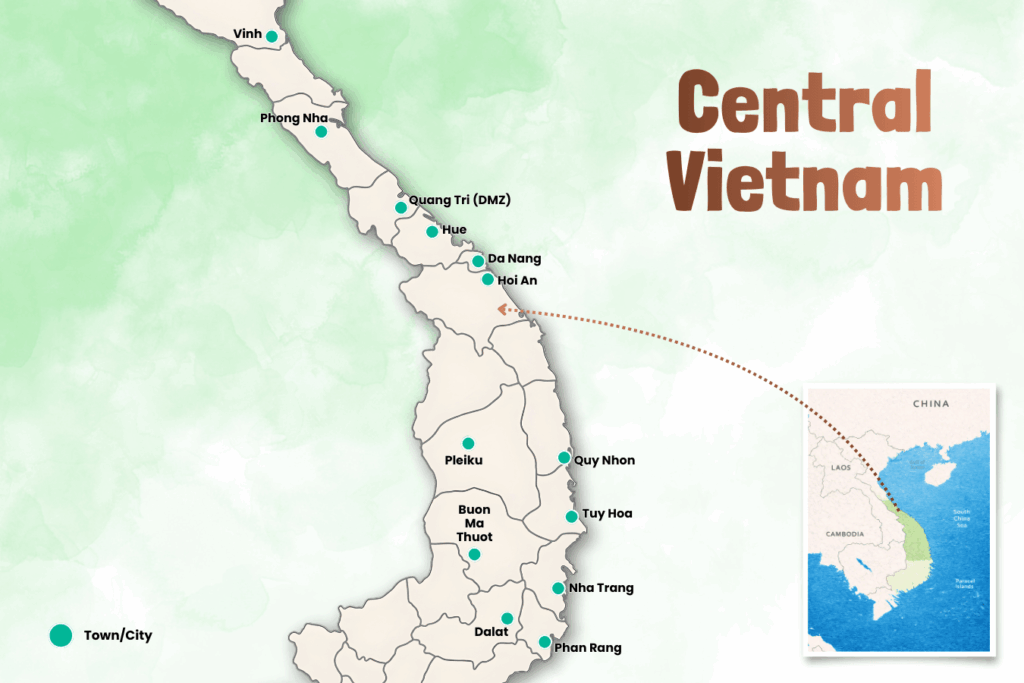
This map of Central Vietnam shows the key places to visit in Central Vietnam, from the central coast to inland areas, and helps you understand how destinations connect along the region’s main travel routes. 

Map of South Vietnam highlighting the main places to visit, including Ho Chi Minh City, the Mekong Delta, Phu Quoc Island, Con Dao, Mui Ne and southern coastal destinations.

Best places to visit in Central Vietnam

Central Vietnam offers a mix of historic towns, imperial cities, modern beach destinations, and easy access to nature. The places to visit in Central Vietnam listed below are selected based on popularity, unique character, and the variety of experiences they offer, helping you understand what kind of destination each place is before diving into detailed guides.

1. Hoi An

Hoi An is one of the best places to visit in Central Vietnam if you’re looking for a well-preserved historic town with a relaxed, walkable atmosphere. Once a major international trading port, the town is known for its yellow shophouses, lantern-lit streets, and strong blend of Vietnamese, Chinese, and Japanese influences. Today, Hoi An balances cultural heritage with nearby beaches and easy access to countryside and ancient sites.
Best things to do in Hoi An

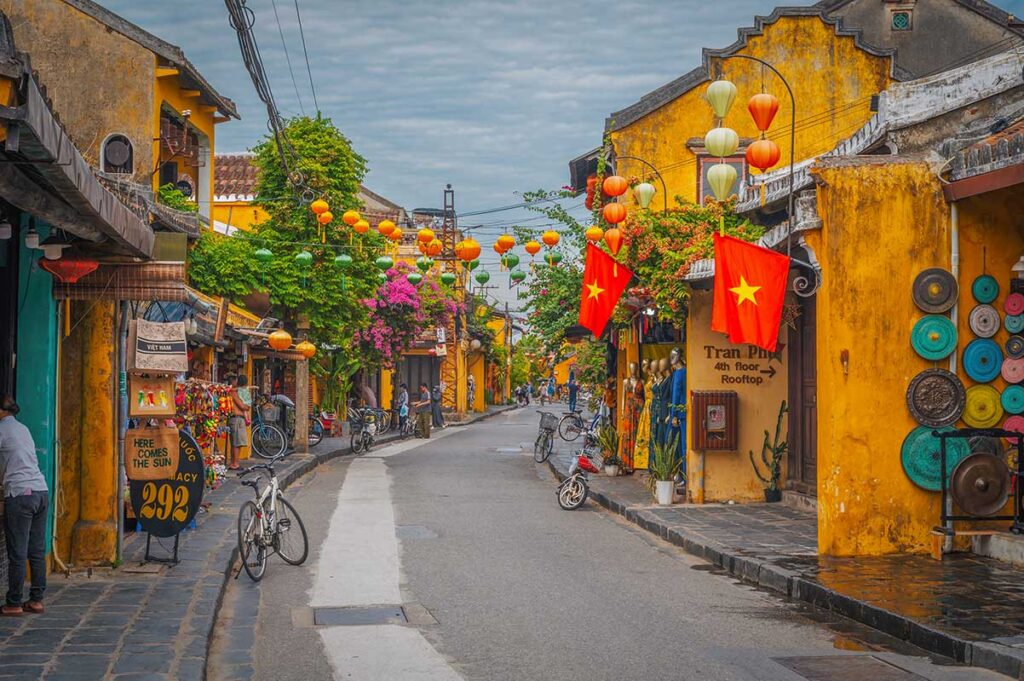
Yellow heritage houses and lanterns along the streets of Hoi An Ancient Town – a must-do walking experience in Vietnam.

Walking through Hoi An Ancient Town lets you explore historic merchant houses, assembly halls, temples, and riverside streets that define Hoi An Ancient Town’s UNESCO-listed character.

A traveller with conical hat on a bicycle is looking at the green rice fields during a countryside cycling ride around Hoi An

Cycling through the Hoi An countryside takes you past rice fields, local villages, and quiet backroads, offering a slower look at daily life around Hoi An.

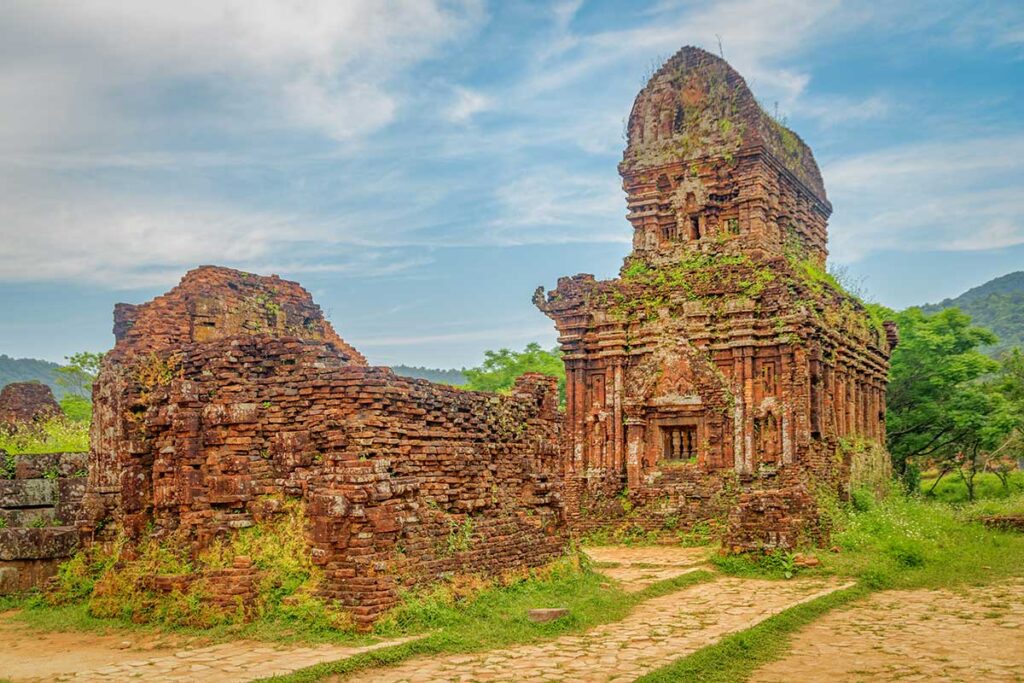
Ancient Cham temple ruins at My Son Sanctuary, an essential archaeological stop on historical Central Vietnam tours.

A visit to My Son Sanctuary introduces you to ancient Cham temple ruins set in a forested valley, easily combined with a stay in Hoi An.

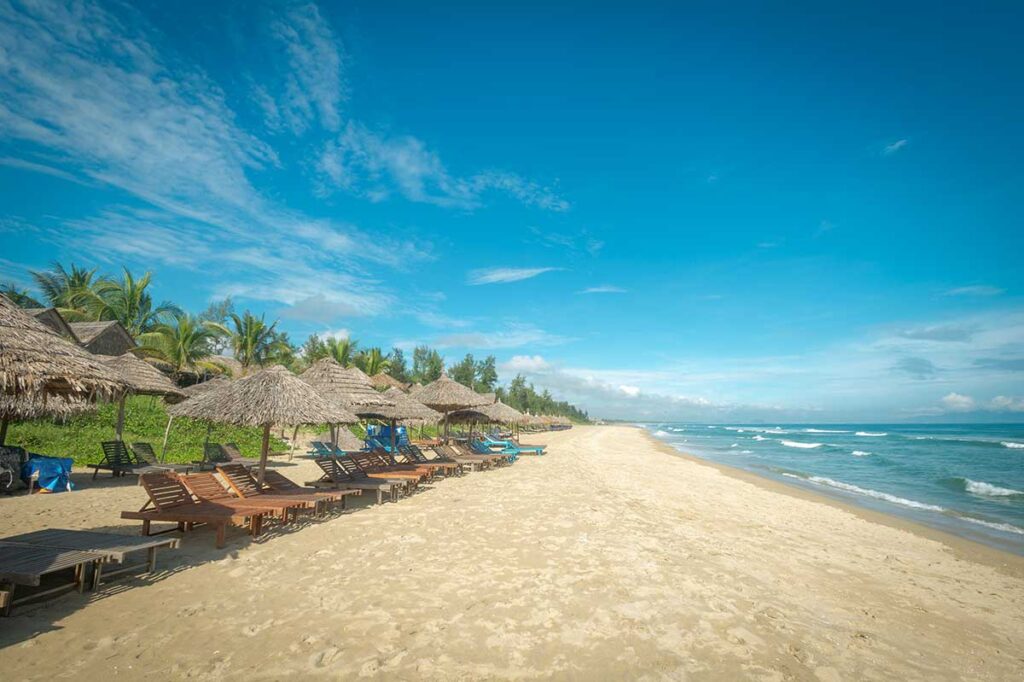
Peaceful morning view of An Bang Beach with straw parasols and empty sunbeds under a blue sky

An Bang Beach and Cua Dai Beach are the main beaches near Hoi An, known for their wide sandy stretches, beach cafés, and calm swimming conditions.

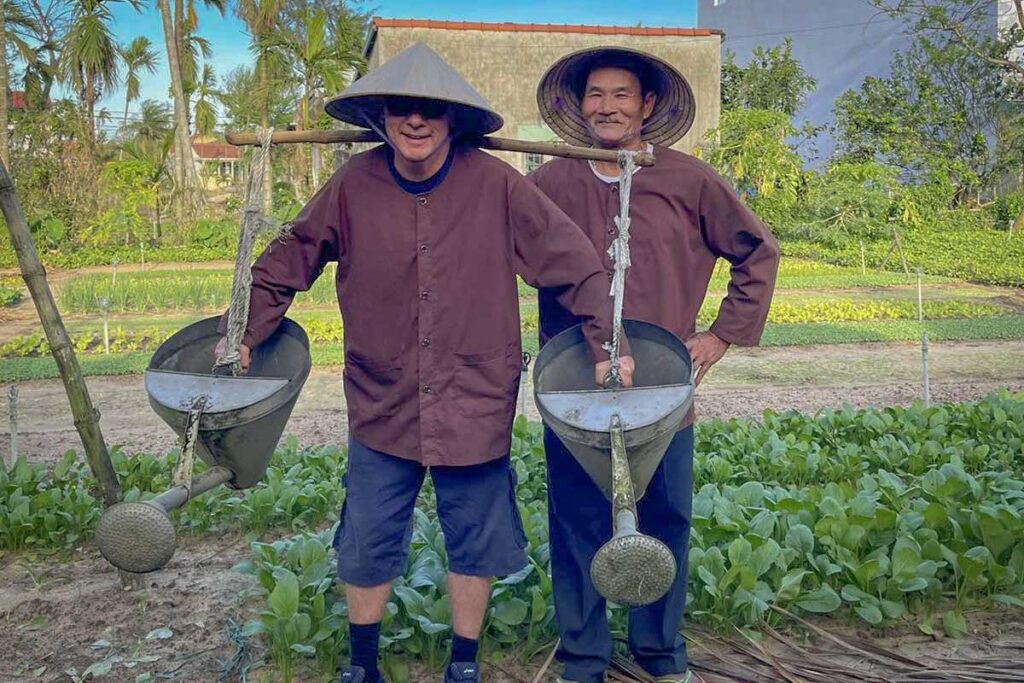
Vegetable farming at Tra Que Village during a Hoi An cooking class

Hoi An is well known for tailoring, traditional craft villages, and cooking classes, making it easy to experience local culture and hands-on activities.

Tip: Ready to explore Hanoi beyond the obvious? Have a look at our Hanoi tours, including street food experiences and more authentic local corners.

2. Hue

Hue is a historic city best known for its role as Vietnam’s former imperial capital. The city sits along the Perfume River and is defined by royal architecture, traditional neighborhoods, and a slower pace compared to nearby coastal cities. Hue also works well as a base for exploring surrounding landscapes, historic routes, and less-visited coastal and rural areas.

Best things to do in Hue

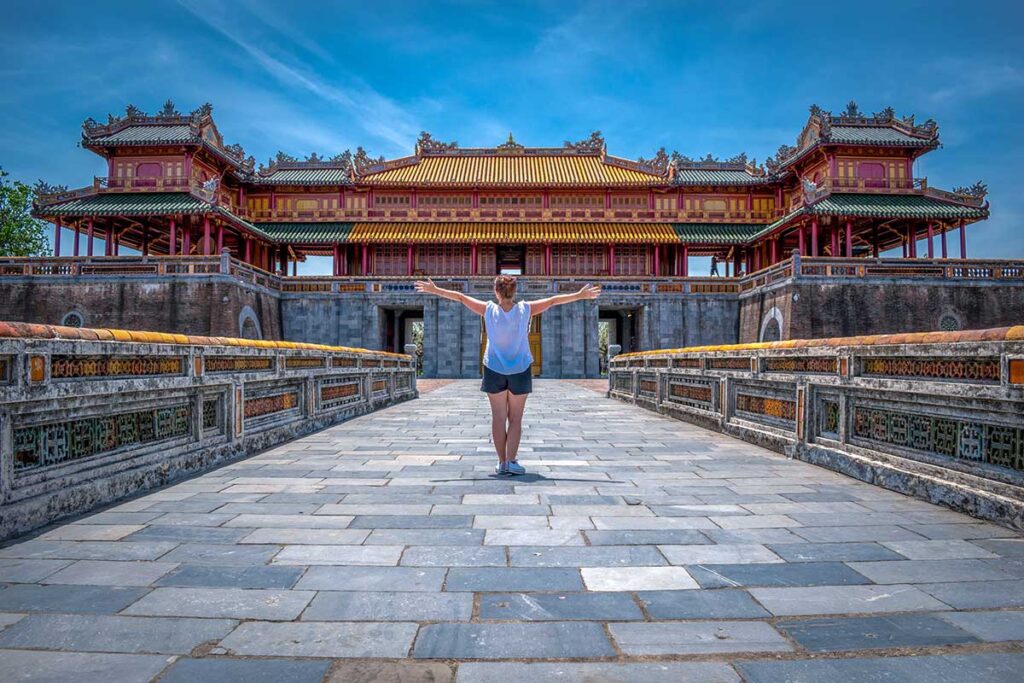
A woman standing on the stone bridge with Ngo Mon Gate in the background - the gate of the Imperial City

The Hue Imperial City is a vast walled complex of palaces, gates, and courtyards that once formed the political and ceremonial heart of imperial Hue.

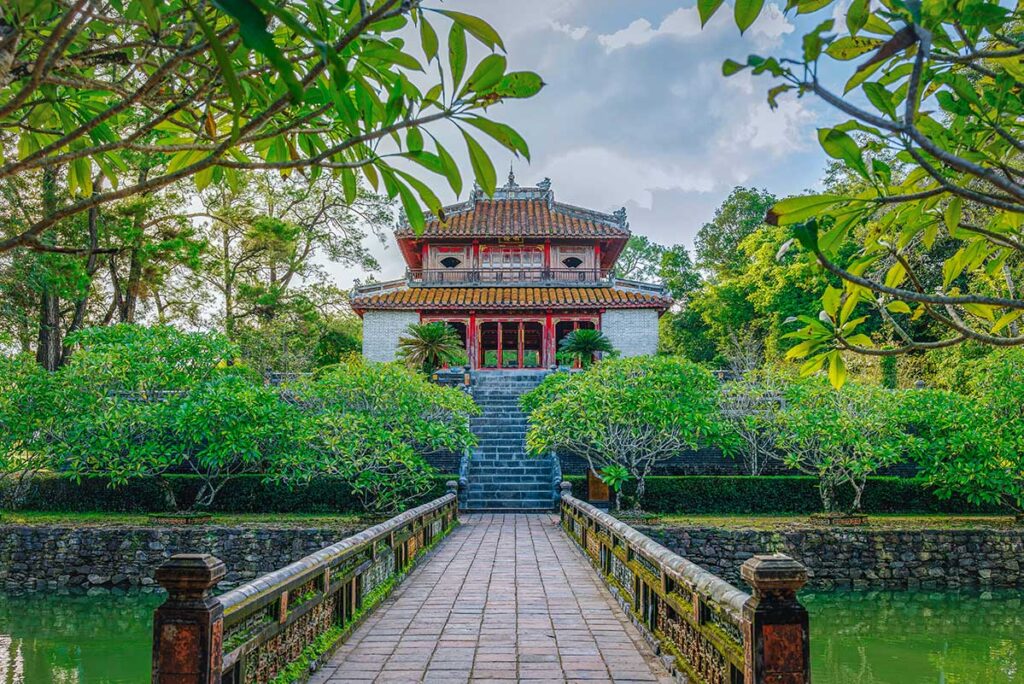
A stone bridge with steel house part of the tomb of Minh Mang in Hue

The royal tombs of Hue, spread along the Perfume River and surrounding countryside, showcase imperial architecture set in landscaped grounds.

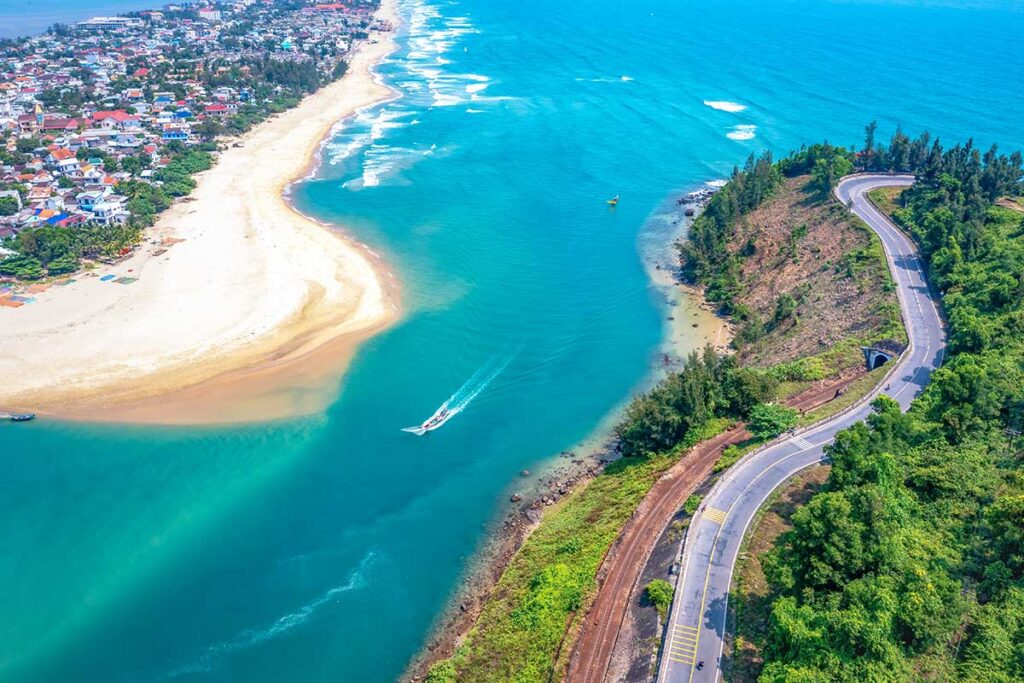
Lang Co Beach and Hai Van Pass seen from the air

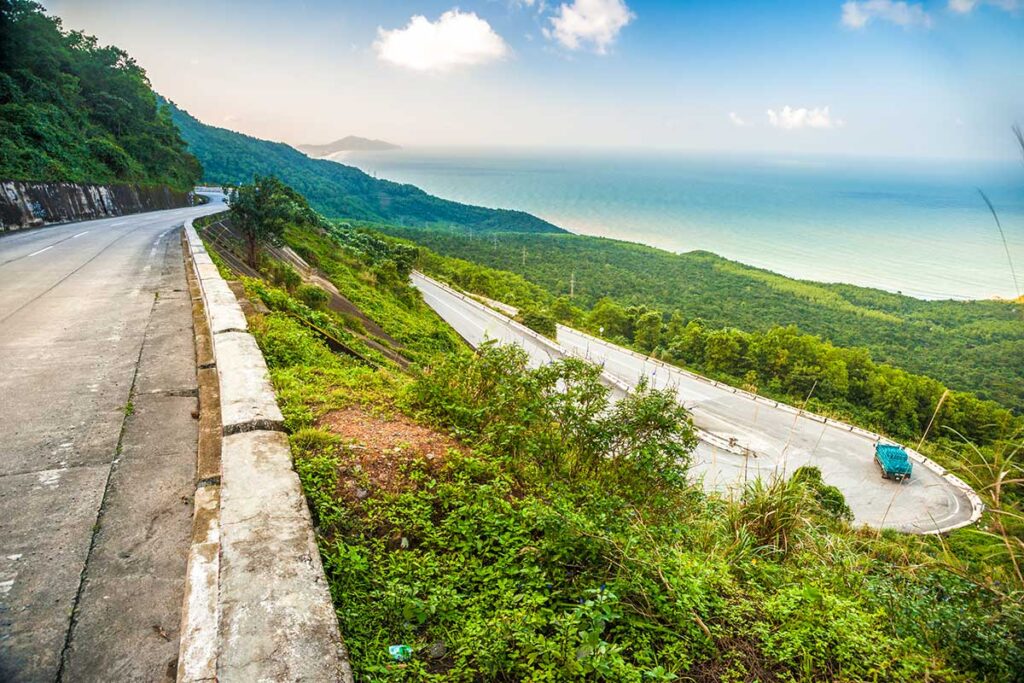
The Hai Van Pass connects Hue with Da Nang and is one of Vietnam’s most scenic coastal mountain roads.

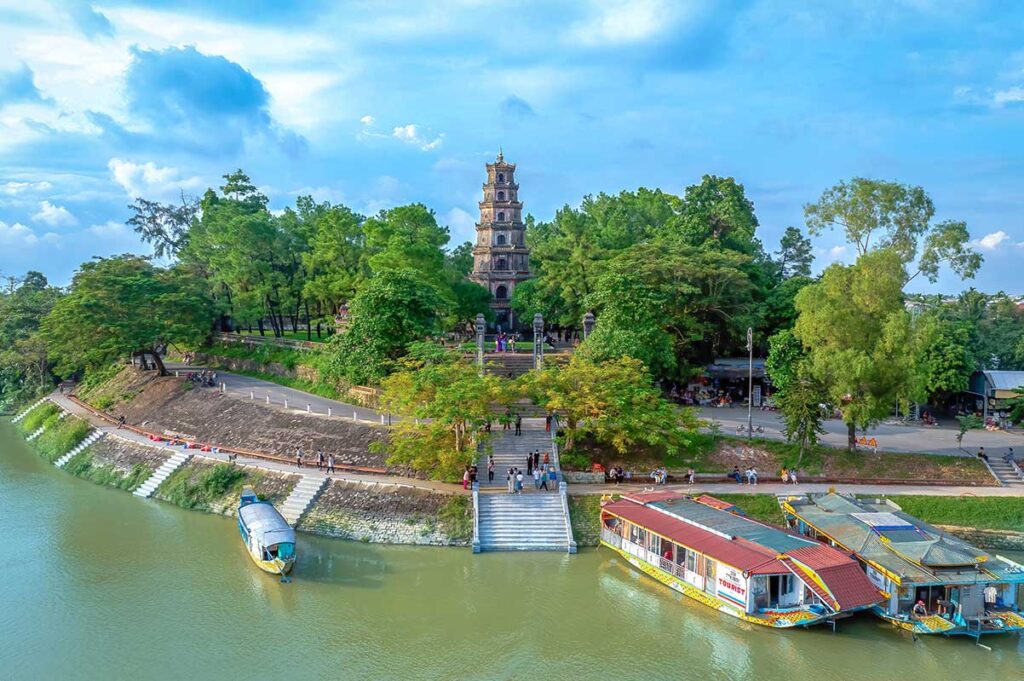
Dragon boats on the Perfume River are docked at Thien Mu Pagoda

Hue is home to many historic temples and pagodas, including riverside sites like Thien Mu Pagoda, that reflect the city’s strong Buddhist traditions.

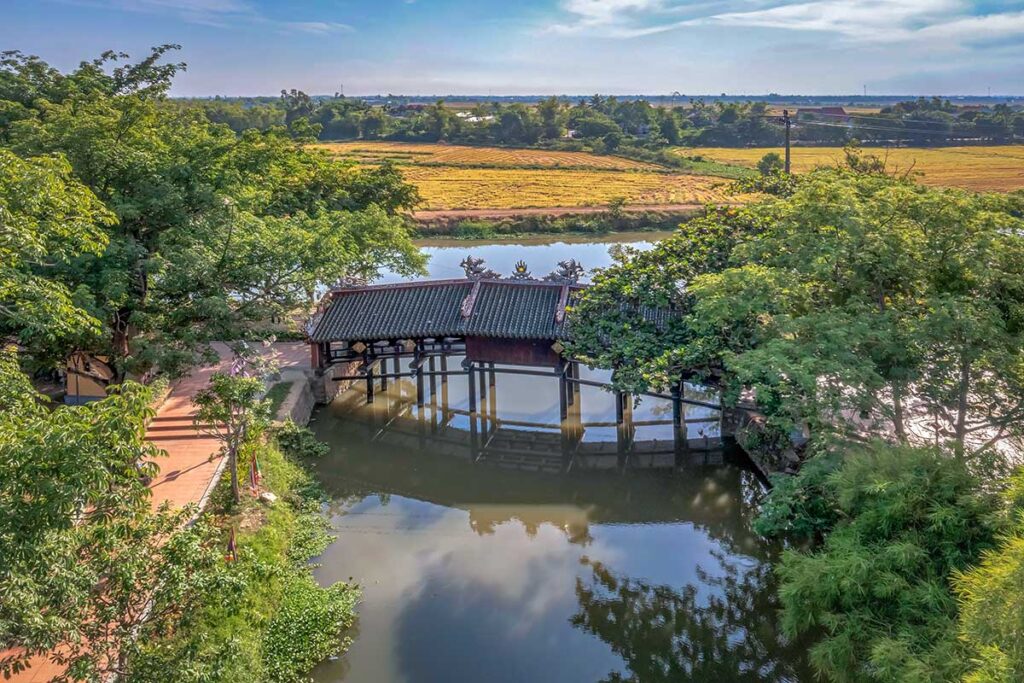
Aerial view of Thanh Toan Bridge in Hue

The countryside around Hue includes traditional villages, lagoons, waterfalls, and quieter beaches, offering a contrast to the historic city center.

Tip: Ready to explore Hanoi beyond the obvious? Have a look at our Hanoi tours, including street food experiences and more authentic local corners.

3. Da Nang

Da Nang is a modern coastal city that combines long sandy beaches with easy access to mountains and natural attractions. It is well connected by air and road, making it a popular base for exploring Central Vietnam. Compared to nearby historic towns, Da Nang feels more contemporary while still offering quick escapes into nature.

Best things to do in Da Nang

My Khe Beach in Da Nang is one of the most beautiful beaches in Vietnam

My Khe Beach is Da Nang’s main beach, known for its wide shoreline, gentle waves, and proximity to the city.

The road zigzagging up in the mountains and along the coast between Hue and Da Nang called the Hai Van Pass

Driving the Hai Van Pass from Da Nang offers dramatic views over the coastline and mountains, especially when combined with a route toward Hue.

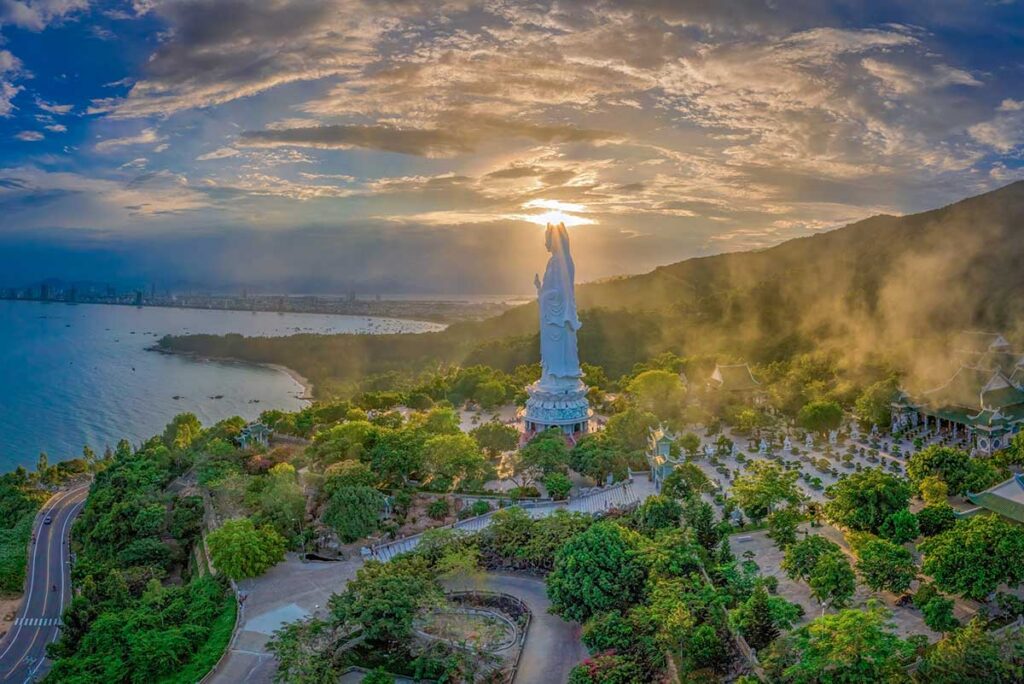
Private car rental from Hoi An with driver to Son Tra Peninsula and Lady Buddha Da Nang.

Son Tra Peninsula features forested hills, viewpoints, beaches, and wildlife, all located just outside central Da Nang.

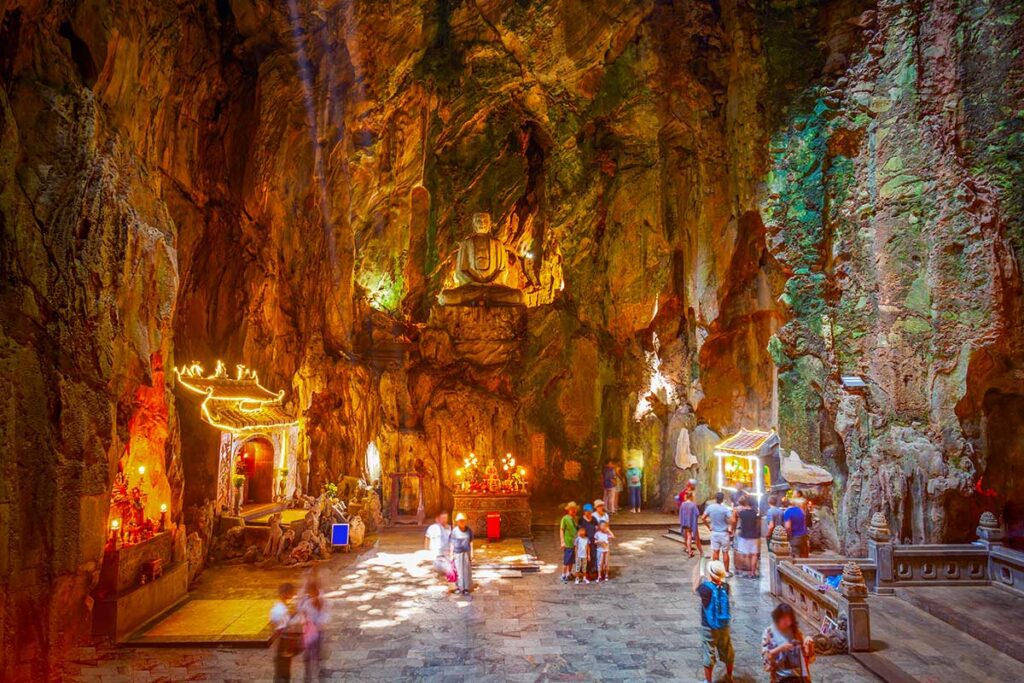
Marble Mountains cave temples near Da Nang – popular spiritual and adventure day trip from Hoi An

The Marble Mountains are a cluster of limestone hills with caves, pagodas, and viewpoints overlooking Da Nang and the coast.

The Golden Bridge in Ba Na Hills near Da Nang – famous day trip from Hoi An featuring panoramic views and unique design.

Ba Na Hills is a mountain resort area known for cooler temperatures, panoramic views, and large-scale attractions located inland from Da Nang.

Tip: Ready to explore Hanoi beyond the obvious? Have a look at our Hanoi tours, including street food experiences and more authentic local corners.

4. Phong Nha

Phong Nha is one of the most unique places to visit in Central Vietnam, especially for travelers interested in nature and adventure. Located in Phong Nha–Ke Bang National Park, the area is defined by limestone mountains, rivers, and some of the world’s largest caves. Despite its global reputation among adventurers, Phong Nha itself remains a relaxed rural destination with villages, farmland, and jungle landscapes.

Best things to do in Phong Nha

Light beams coming through a cave entrance shining on a campsite next to an underground lake at Hang En Cave in Phong Nha

Cave expeditions to Hang Son Doong, Hang En, or the Tu Lan cave system offer multi-day adventures deep into some of the world’s most spectacular cave networks.

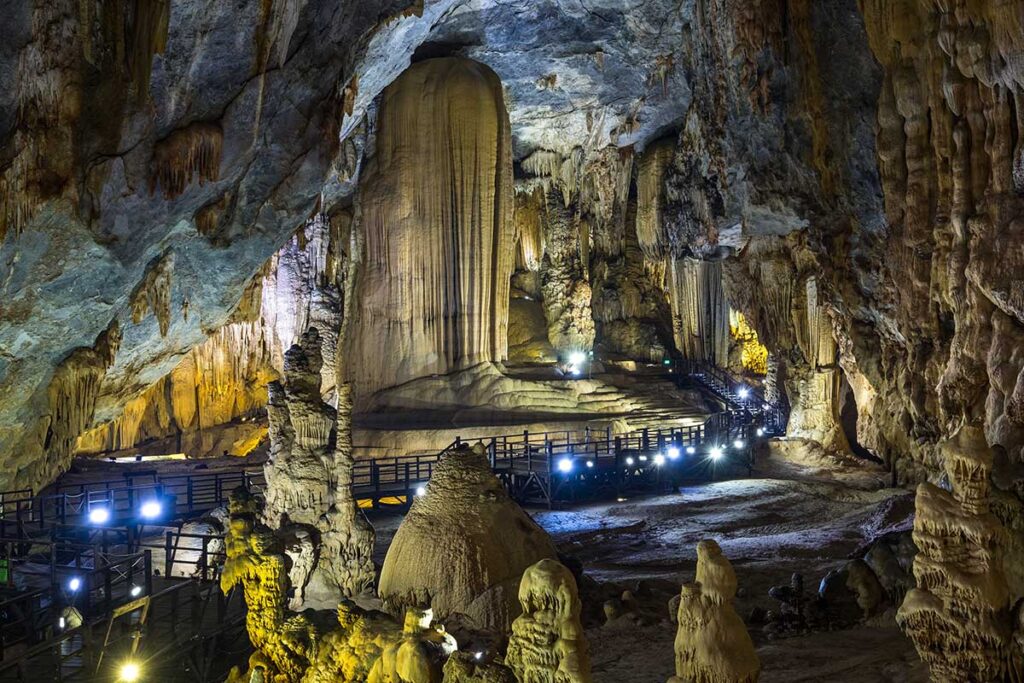
Paradise Cave in Phong Nha National Park

Easy cave visits like Phong Nha Cave and Paradise Cave allow you to experience the region’s karst landscapes without technical skills or long treks.

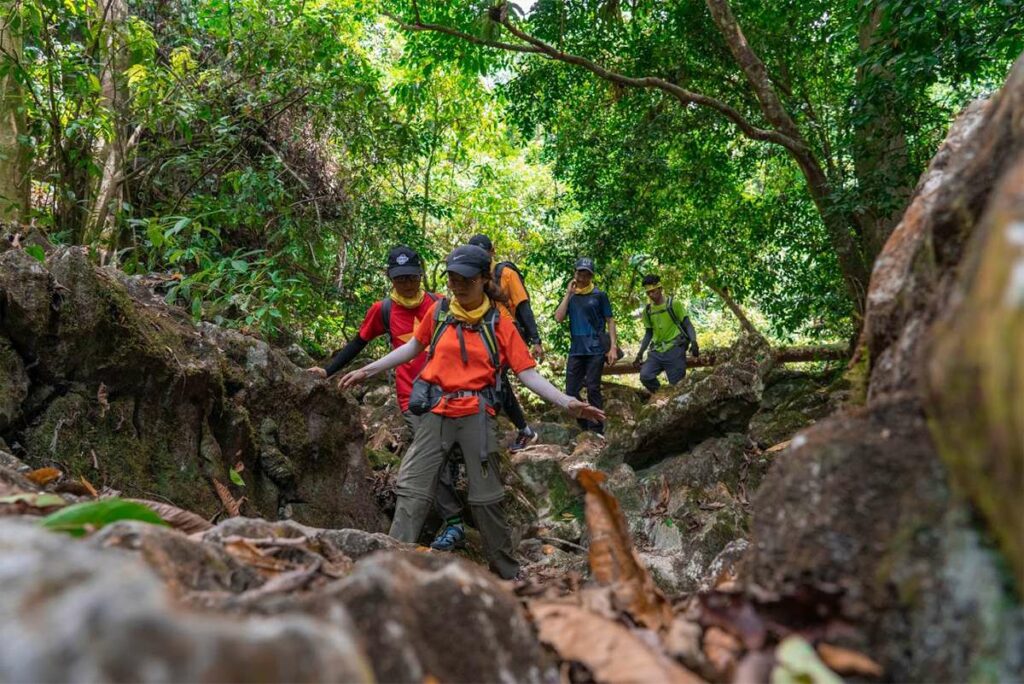
Phong Nha jungle trekking

Jungle trekking in Phong Nha can be done with a local guide for deeper forest routes or independently at the Botanical Garden, with options ranging from short walks to overnight camping.

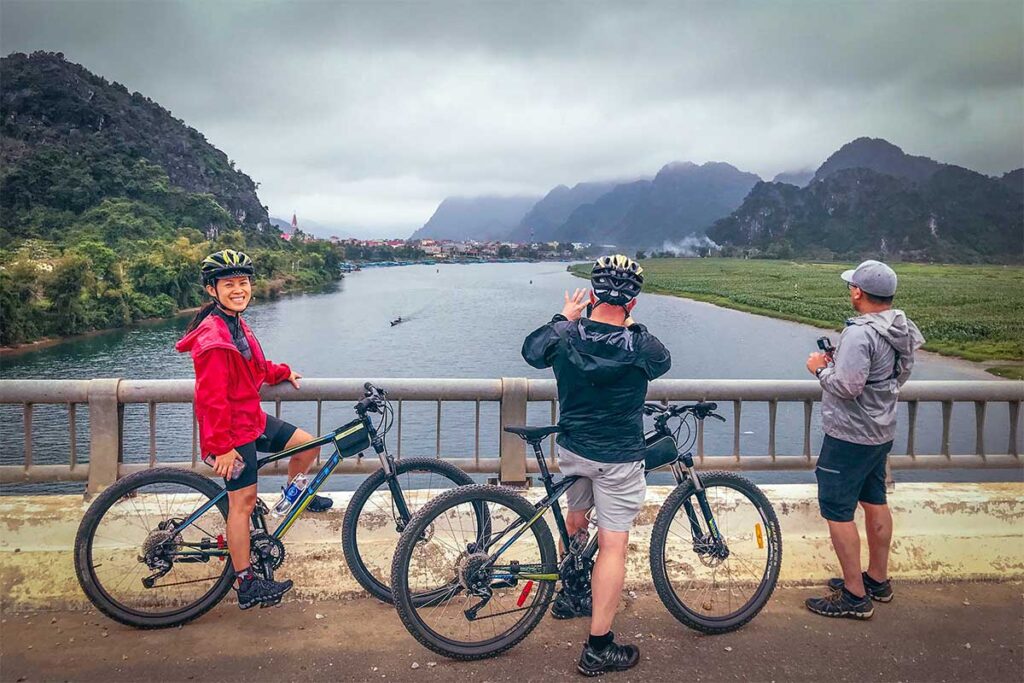
Cycling around Phong Nha

Cycling through the Phong Nha countryside takes you past rice fields, villages, the Duck Stop, and grazing water buffalo along quiet rural roads.

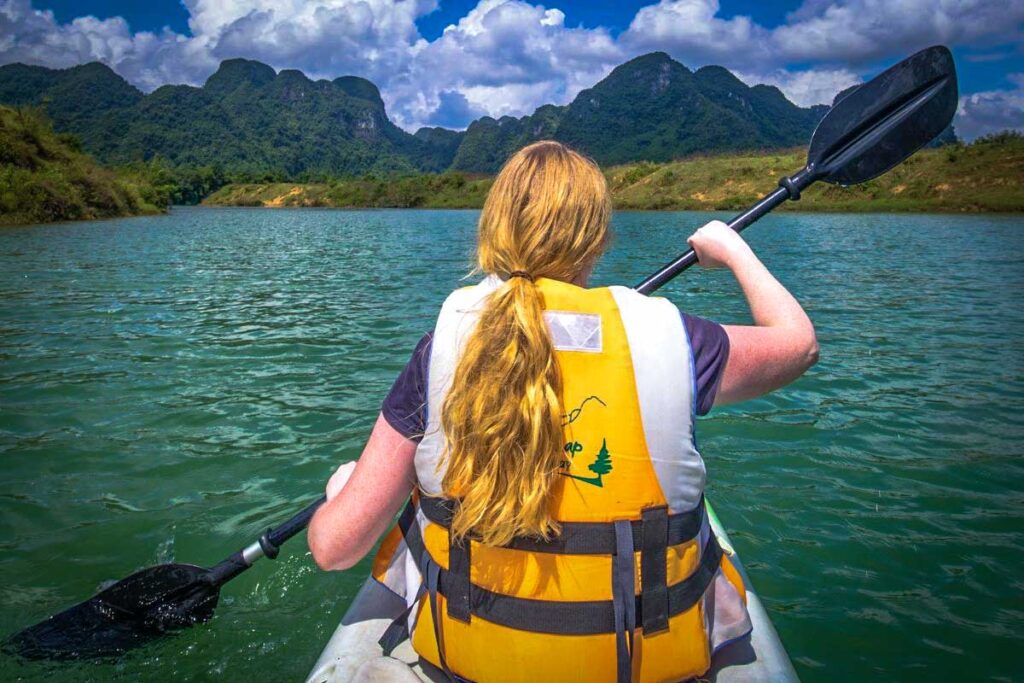
Kayaking on the Con River at Son Trach Town in Phong Nha National Park

Kayaking on the Son River or nearby waterways is a peaceful way to see Phong Nha’s landscapes from the water.

Tip: Ready to explore Hanoi beyond the obvious? Have a look at our Hanoi tours, including street food experiences and more authentic local corners.

5. Nha Trang

Nha Trang is a coastal city best known for its long beachfront, offshore islands, and marine activities. It combines a lively city atmosphere with easy access to quieter bays and islands nearby. While more developed than some other destinations in Central Vietnam, Nha Trang still offers a mix of beach life, water sports, and cultural sites.

Best things to do in Nha Trang

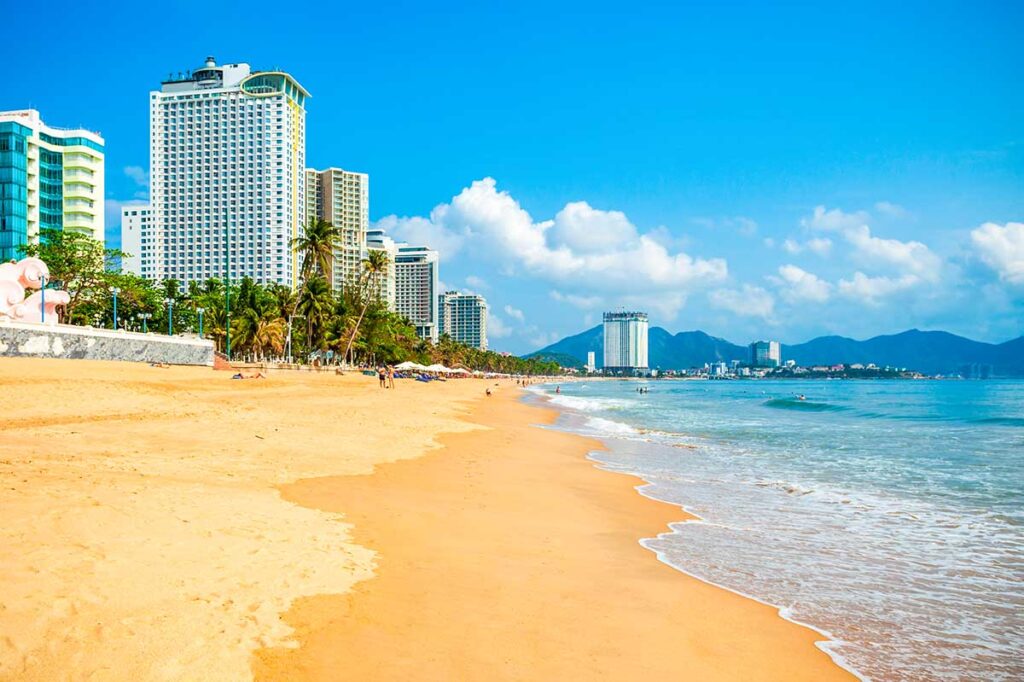
Nha Trang Beach or City Beach in Nha Trang is one of the most beautiful beaches in Vietnam

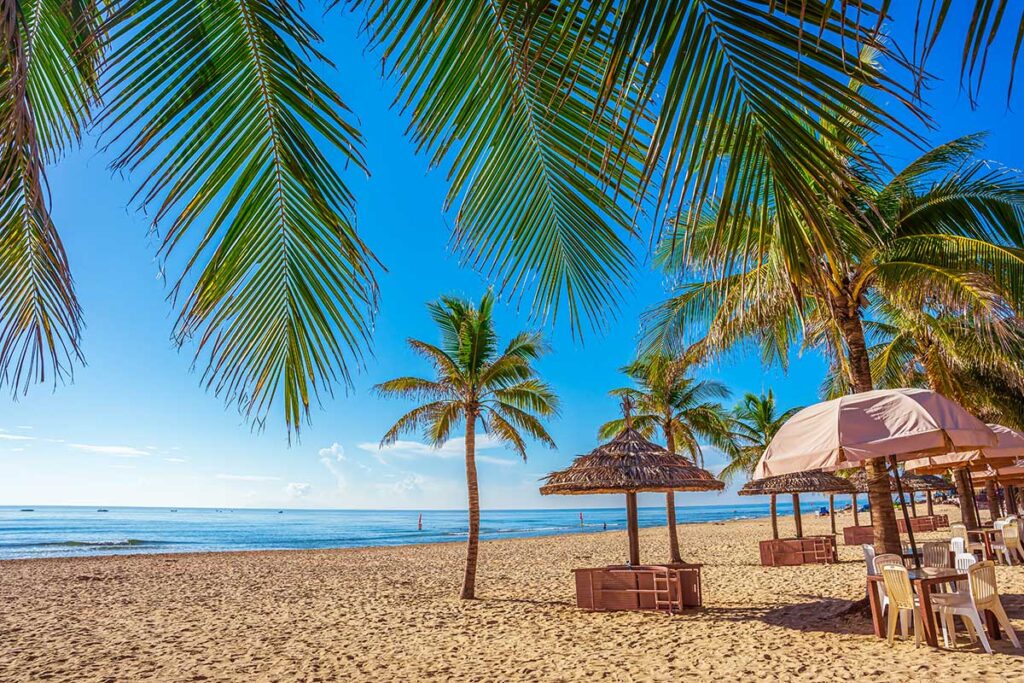
Nha Trang Beach stretches along the city and is ideal for swimming, sunbathing, and seaside walks.

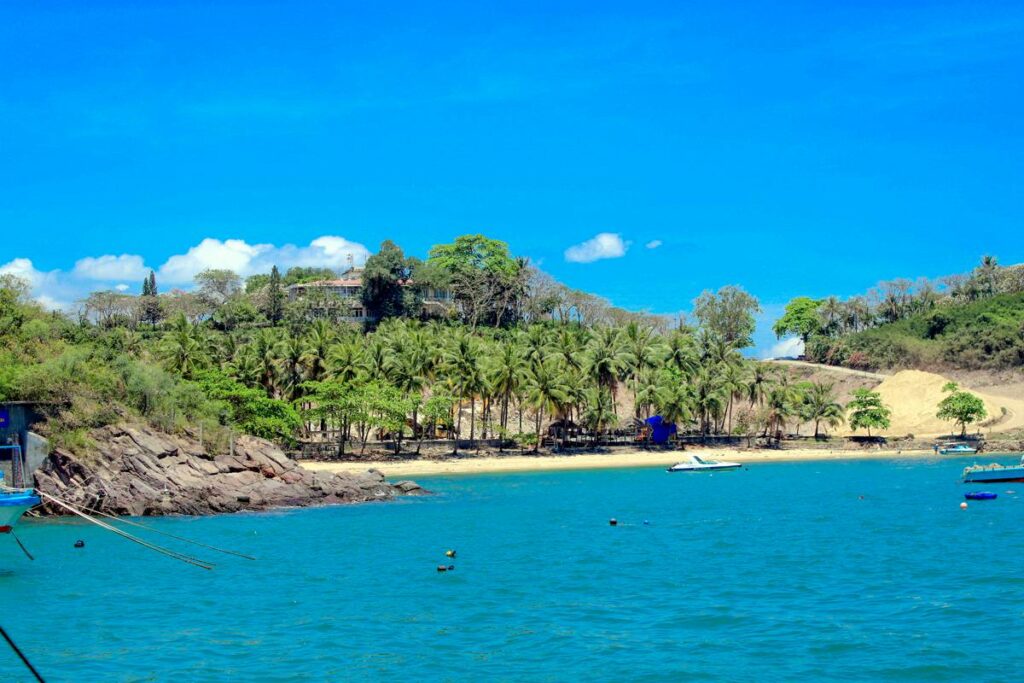
Ninh Van Bay and Van Phong Bay near Nha Trang are quieter coastal areas known for clear water, secluded beaches, and upscale resorts.

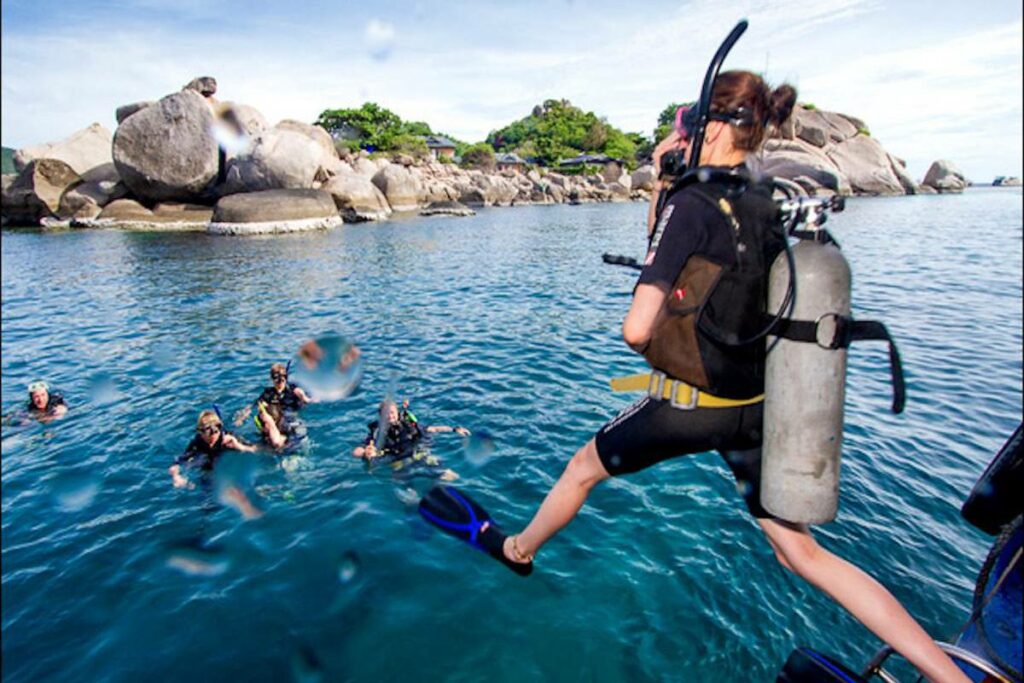
diving in Nha Trang

Diving and snorkeling around Nha Trang focus on coral reefs and marine life around nearby islands.

Hon Mun Island at Nha Trang

Island hopping tours from Nha Trang combine swimming, snorkeling, and short stops at different islands offshore.

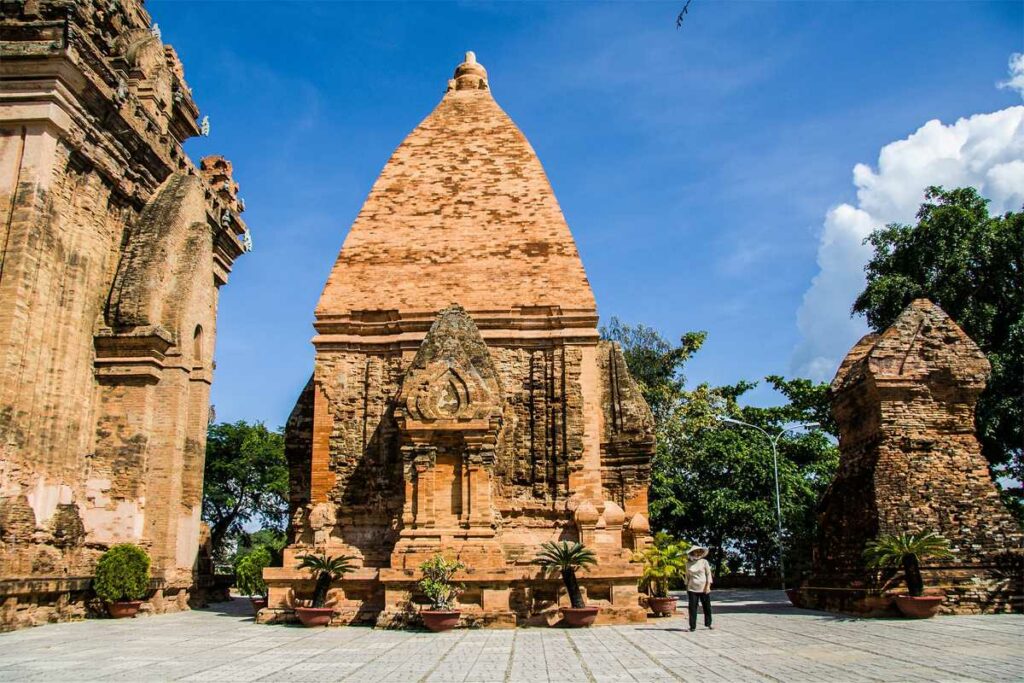
Po Nagar

Local markets, fishing villages, and Cham towers such as Po Nagar Cham Towers offer insight into Nha Trang’s cultural and historical background.

Tip: Ready to explore Hanoi beyond the obvious? Have a look at our Hanoi tours, including street food experiences and more authentic local corners.

6. Dalat

Dalat is a highland city known for its cooler climate, pine forests, and distinctive local culture. Located in the Central Highlands, it feels very different from Vietnam’s coastal cities, with rolling hills, farms, and lakes shaping the landscape. Da Lat has long been a popular retreat, combining outdoor activities with a creative, slightly unconventional atmosphere.

Best things to do in Dalat

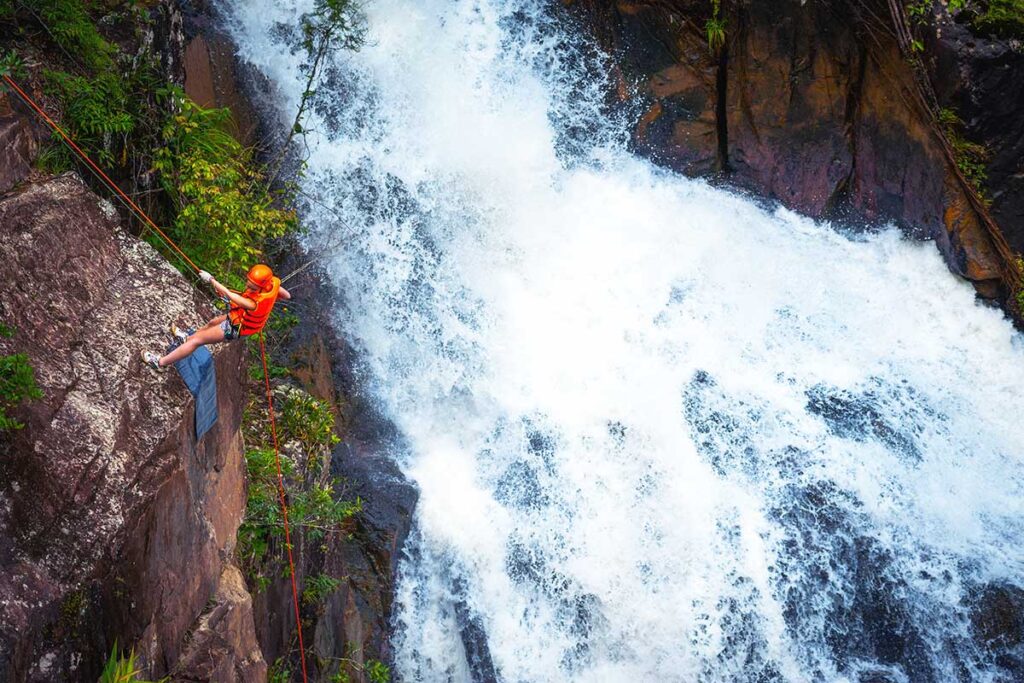
A man abseiling down a cliff next to a waterfall as part of canyoning in Dalat.

Canyoning in Dalat combines abseiling, swimming, and climbing through waterfalls and forested canyons.

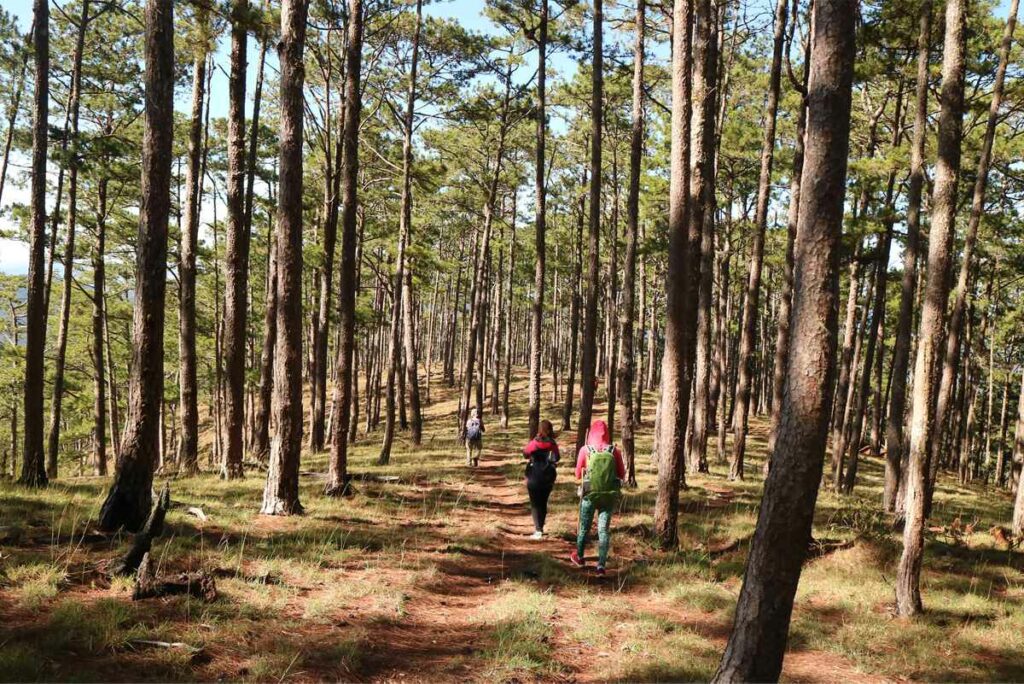
Bidoup National Park

Trekking in areas like Bidoup–Nui Ba National Park or Mount Langbiang offers forest trails, viewpoints, and cooler temperatures.

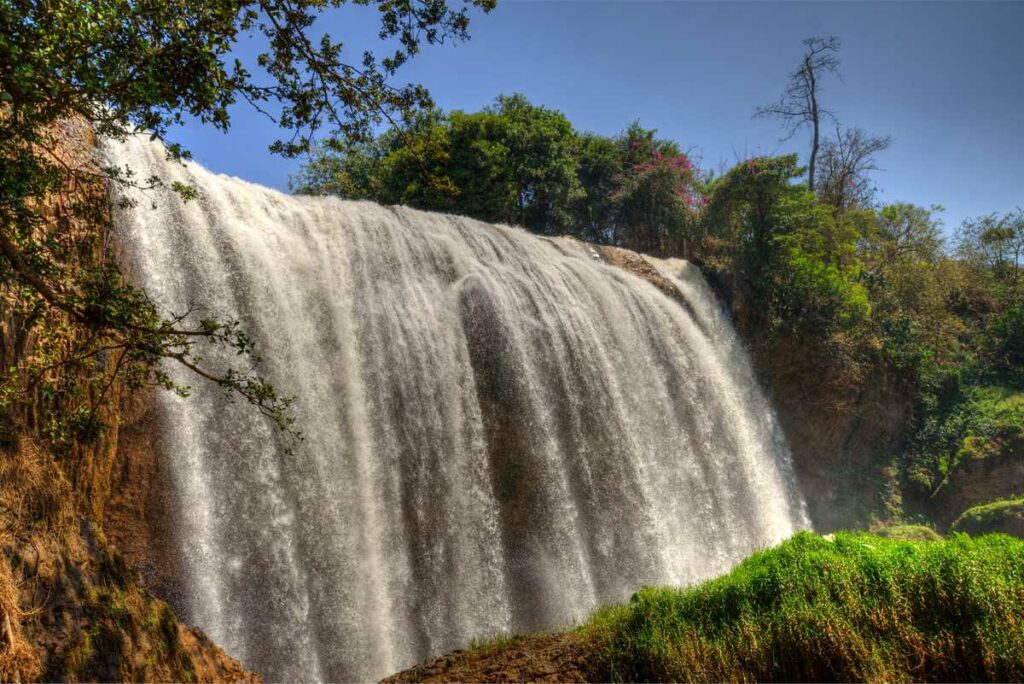
Elephant Waterfall Dalat

Waterfalls in Dalat such as Datanla Waterfall, Pongour Waterfall, and Elephant Waterfall are among the most visited natural sights around Da Lat.

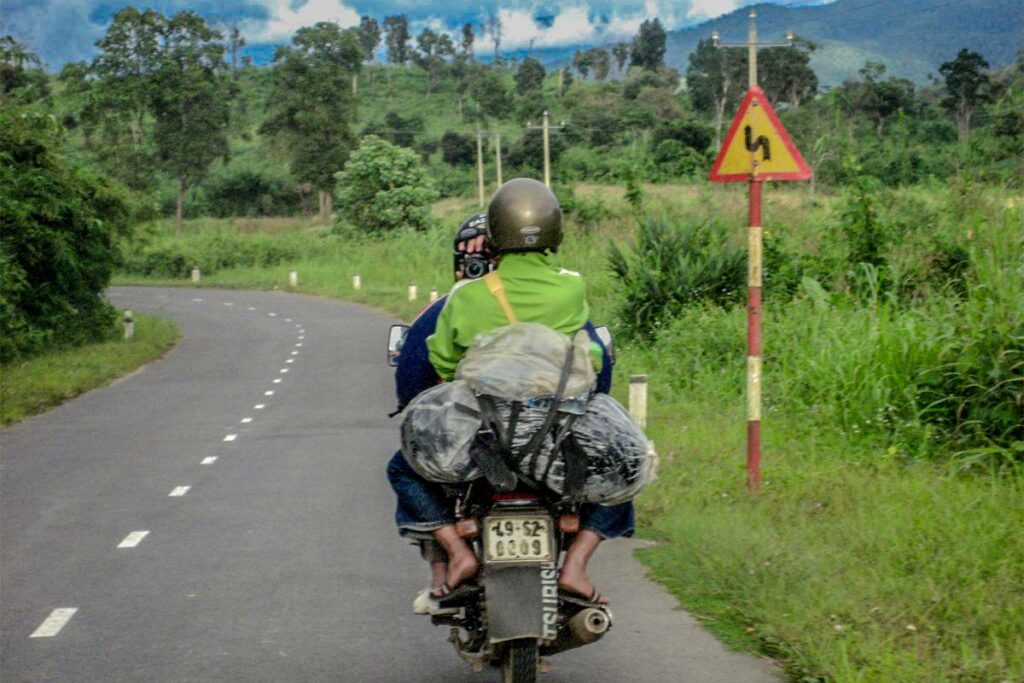
Easyrider tour Dalat

A Dalat Easy Rider tour often includes waterfalls, coffee and tea plantations, local workshops, and scenic backroads.

Crazy House Dalat

Dalat’s unique culture is reflected in places like the Crazy House, independent coffee shops, flower gardens, and creative local spaces.
Tip: Ready to explore Hanoi beyond the obvious? Have a look at our Hanoi tours, including street food experiences and more authentic local corners.

7. Buon Ma Thuot

Buon Ma Thuot is the informal capital of Vietnam’s Central Highlands and the country’s main coffee-producing region. The city itself is low-key, but it is surrounded by forests, waterfalls, and ethnic minority villages. Buon Ma Thuot works best as a base for nature, culture, and responsible wildlife experiences rather than classic sightseeing.
Best things to do in Buon Ma Thuot

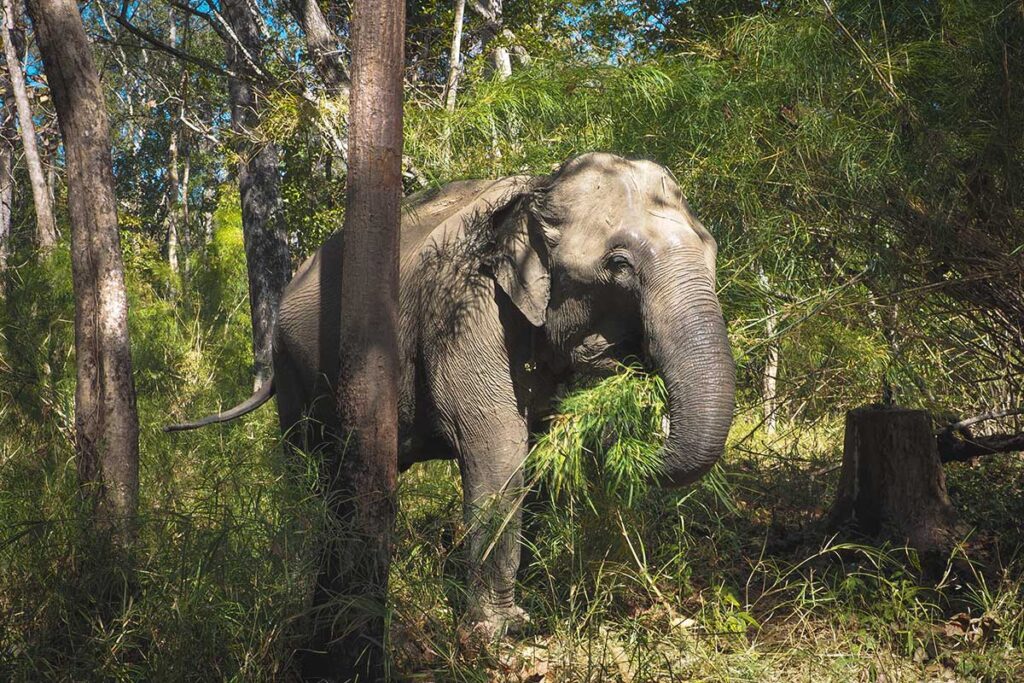
A wild elephant walking freely through the landscape of Yok Don National Park, surrounded by nature.

Ethical elephant experiences in Yok Don National Park focus on observation and conservation, allowing you to see elephants in their natural forest environment without riding.

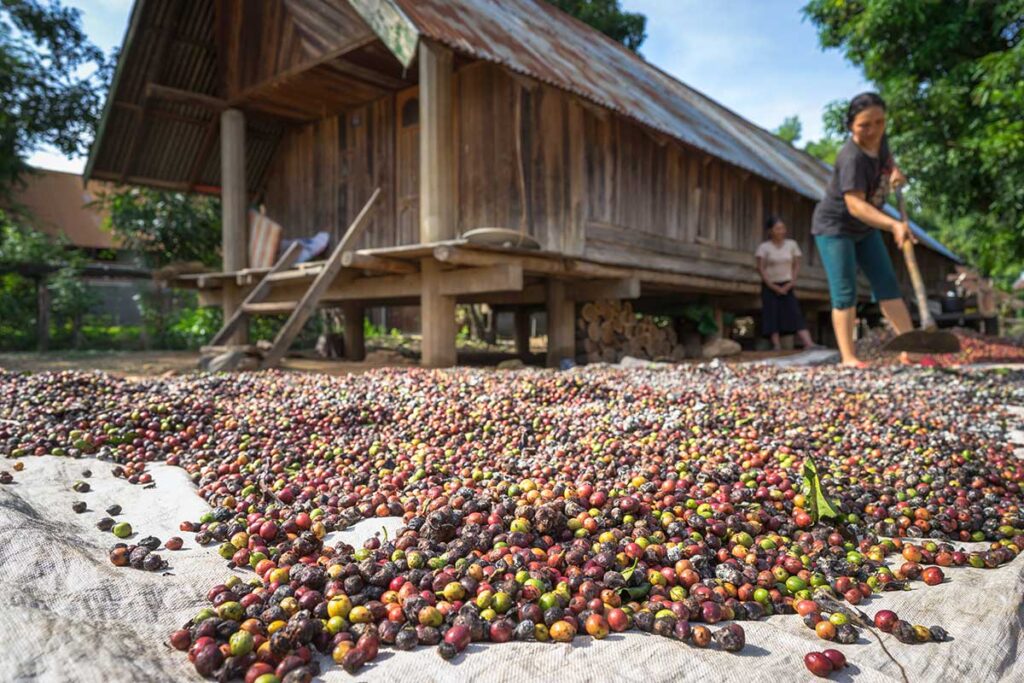
A large spread of coffee beans drying in the sun beside a traditional ethnic longhouse, showcasing the coffee production process in Vietnam's Central Highlands.
Coffee plantations around Buon Ma Thuot and places like the World Coffee Museum explain why this area is considered Vietnam’s coffee capital.
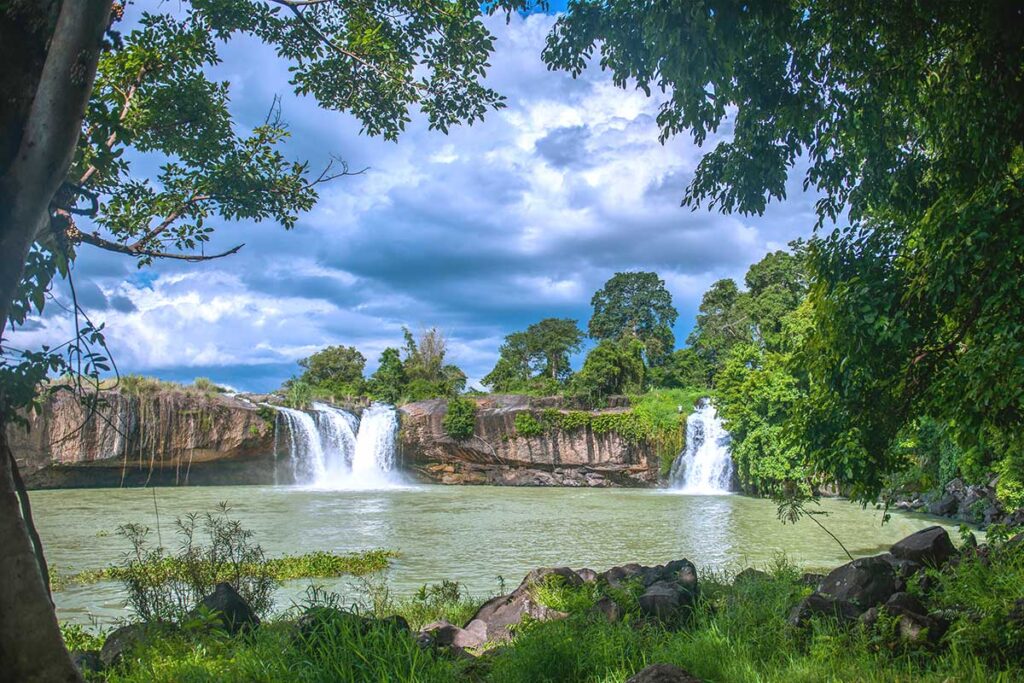
A peaceful path surrounded by lush trees, leading to Dray Sap Waterfall, where two streams of water cascade into a natural pool.

Waterfalls near Buon Ma Thuot, such as Dray Nur and Dray Sap, are among the most impressive waterfalls in the Central Highlands.

A large elephant standing in Buon Don Village, a place known for its elephant culture and rich traditions.

Ethnic minority villages around Buon Ma Thuot offer insight into traditional longhouses, weaving, and highland ways of life.

Dak Ke Lake

Lak Lake near Buon Ma Thuot is a large freshwater lake surrounded by ethnic minority villages, offering a quieter setting to learn about highland life, traditional longhouses, and rural landscapes.

8. Quy Nhon

Quy Nhon is one of the best places to visit in Central Vietnam if you’re looking for beaches without heavy tourism. This laid-back coastal city combines long beaches, nearby fishing villages, and historic Cham sites. Compared to more developed beach destinations, Quy Nhon feels local, spacious, and relatively undiscovered.

Best things to do in Quy Nhon

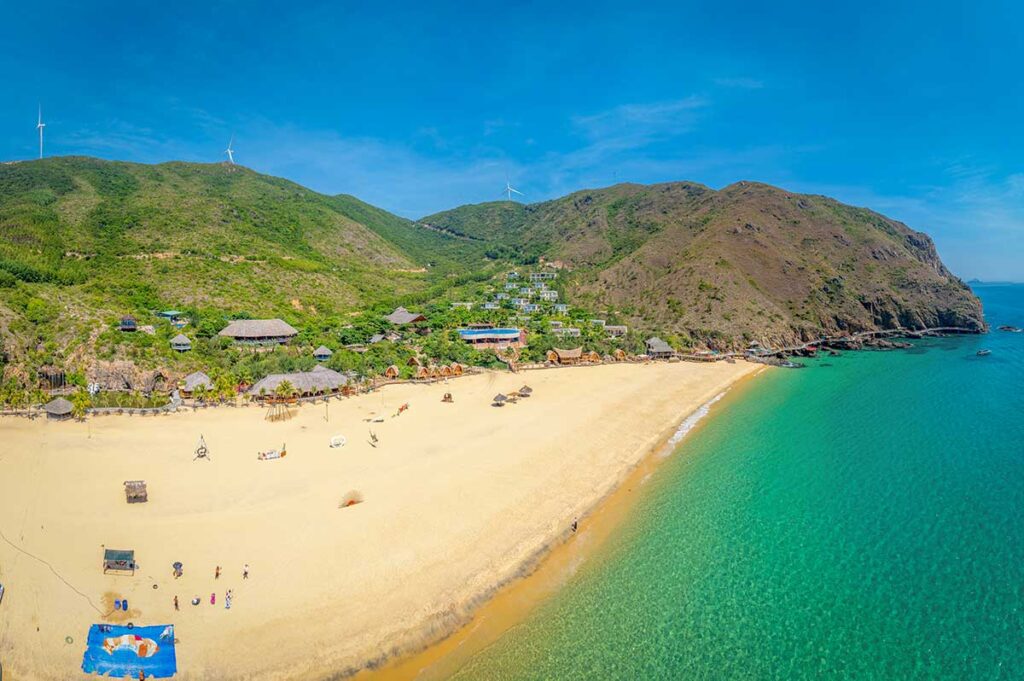
Aerial panorama of Ky Co Beach, Quy Nhon, Vietnam: broad golden sand, emerald water, cliff-backed bay with rustic huts and wind turbines on the ridge—a signature stop among the best beaches in Quy Nhon.

Beaches around Quy Nhon, including Bai Xep, Ky Co Beach, and Trung Luong Beach, are known for clear water and low crowd levels.

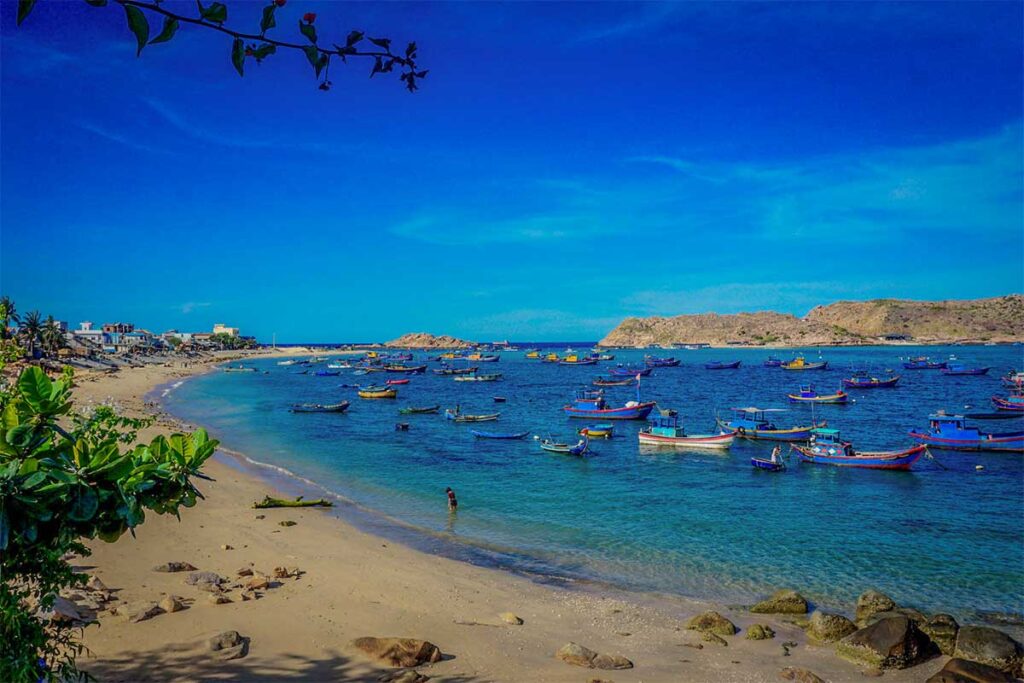
Beach in Nhơn Hải with colorful fishing boats – Sandy shoreline and calm waters where traditional wooden boats line up along the coast of Nhơn Hải fishing village.

Fishing villages like Nhon Hai and the area around Bai Xep Beach offer a glimpse into daily coastal life near Quy Nhon.

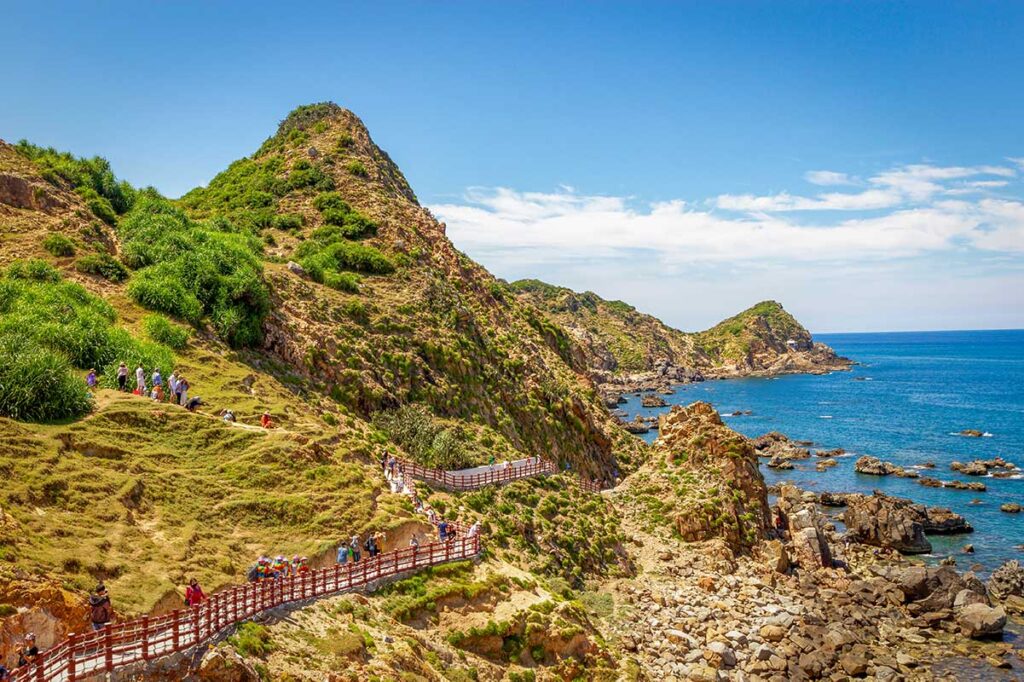
Tourists walking the red-railed coastal boardwalk along the cliffs at Eo Gió, Quy Nhon

Eo Gio is a dramatic coastal viewpoint with cliffs and walking paths overlooking the sea, one of Quy Nhon’s most scenic spots.

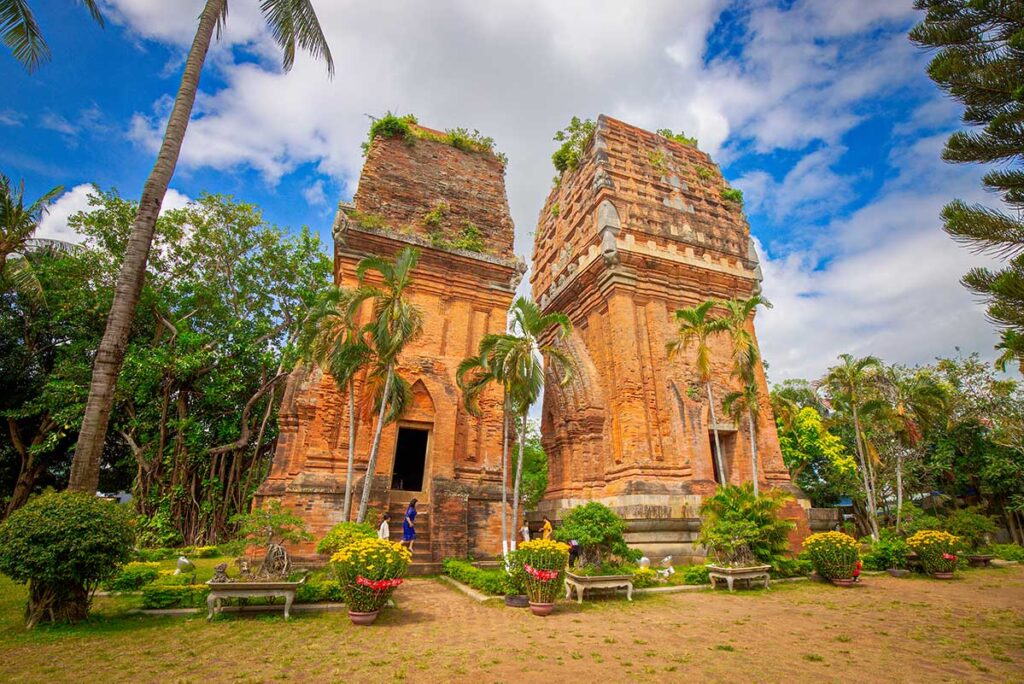
Front view of Cham Twin Towers in Quy Nhon city – Two red-brick towers standing side by side in a garden with palm trees.

Cham towers and archaeological sites near Quy Nhon highlight the region’s historical connection to the Champa Kingdom.

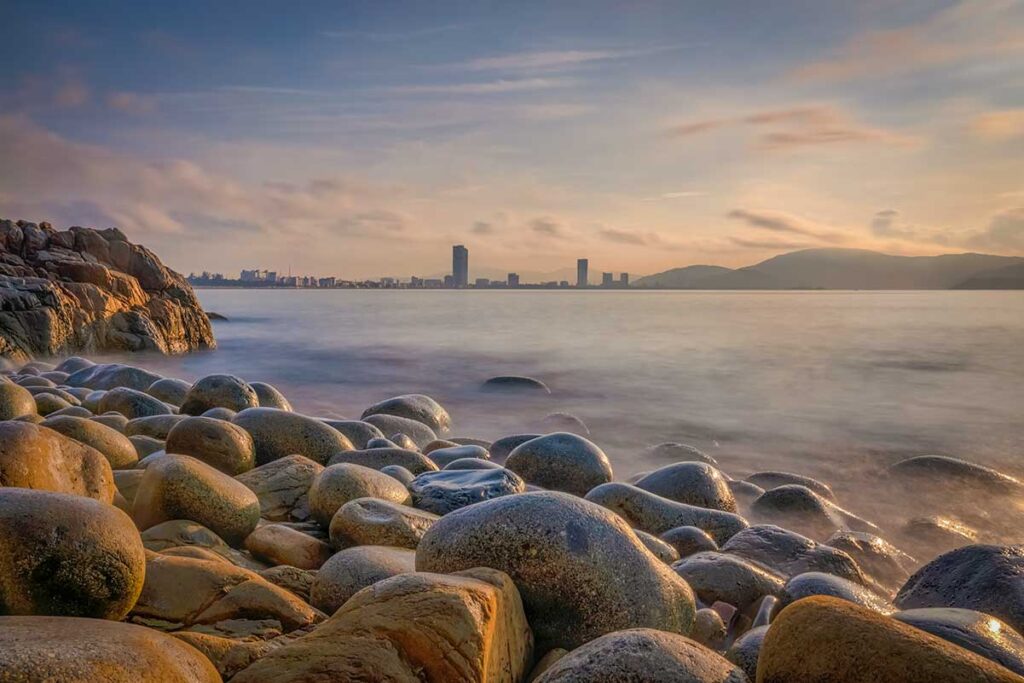
Queen’s Beach, Quy Nhon: smooth “egg” stones at dusk with the city skyline across the bay.

Short coastal drives around Quy Nhon link beaches, viewpoints, and fishing villages, making the area ideal for slow exploration.

9. Pleiku

Pleiku is a highland city in Gia Lai Province surrounded by volcanic landscapes, lakes, and coffee farms. It feels cooler and more rural than Vietnam’s coastal cities, with a strong connection to ethnic minority cultures. Pleiku is best suited for travelers interested in nature, scenery, and off-the-beaten-path experiences.

Best things to do in Pleiku

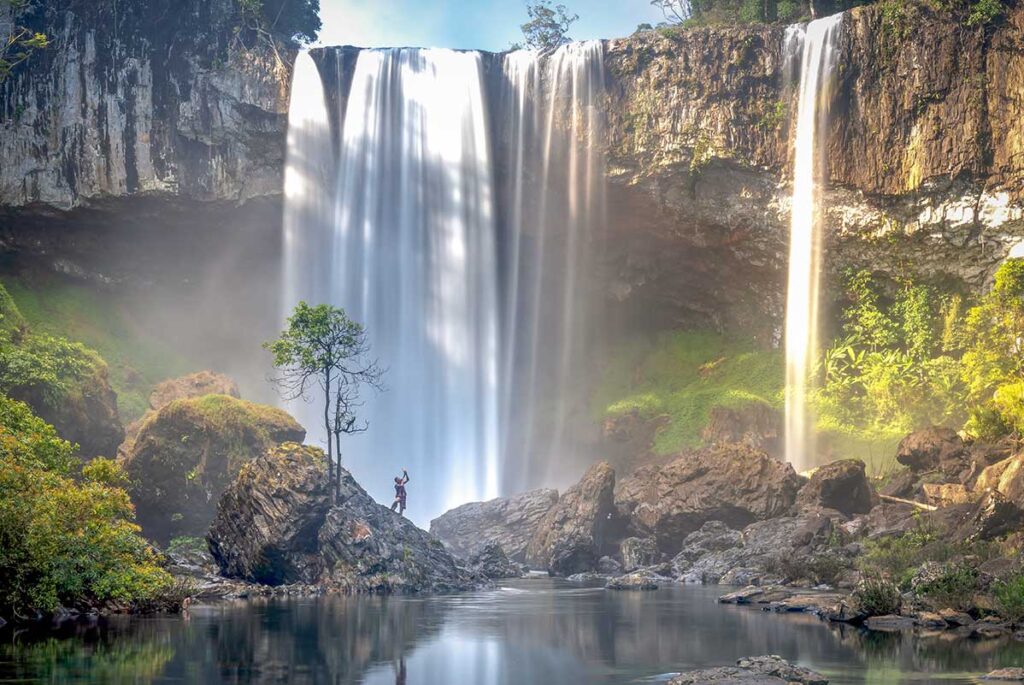
K50 Waterfall tours featuring the towering jungle waterfall and rocky pool in Kon Chu Rang

Kon Chu Rang Nature Reserve near Pleiku is a remote forest area known for trekking routes and K50 Waterfall deep inside the jungle.

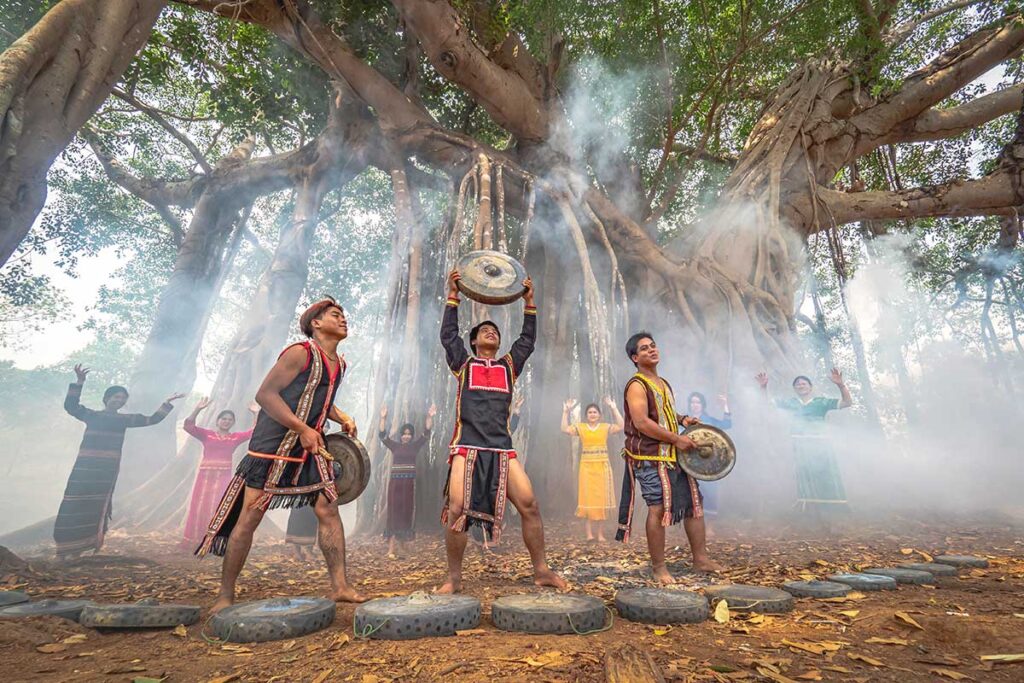
A group of Ba Na people performing a cultural dance, showcasing their traditions in Gia Lai Province.

Ethnic minority communities around Pleiku maintain traditional longhouses, festivals, and agricultural traditions.

A breathtaking aerial perspective of Bien Ho Lake, showing its emerald waters and surrounding greenery near Pleiku, Gia Lai.

Bien Ho Lake is a volcanic crater lake near Pleiku, popular for scenic walks and sunrise views.

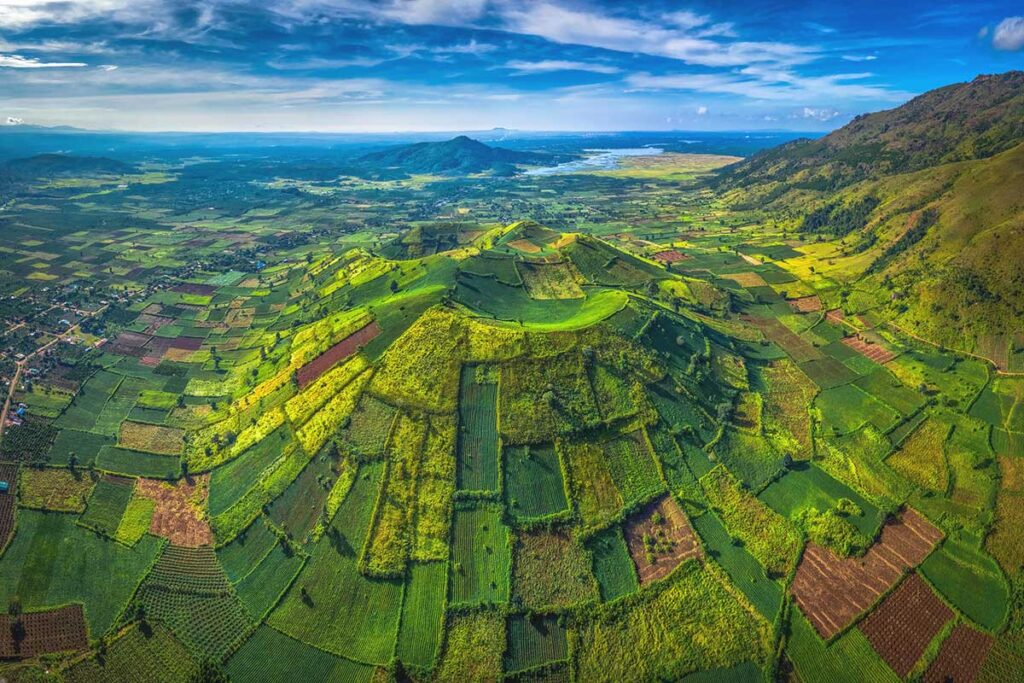
A wide aerial shot capturing the different shades of green and brown fields spread across Chu Dang Ya Volcano.

Chu Dang Ya Volcano is an extinct volcano near Pleiku, especially scenic during the green season and flower blooms.

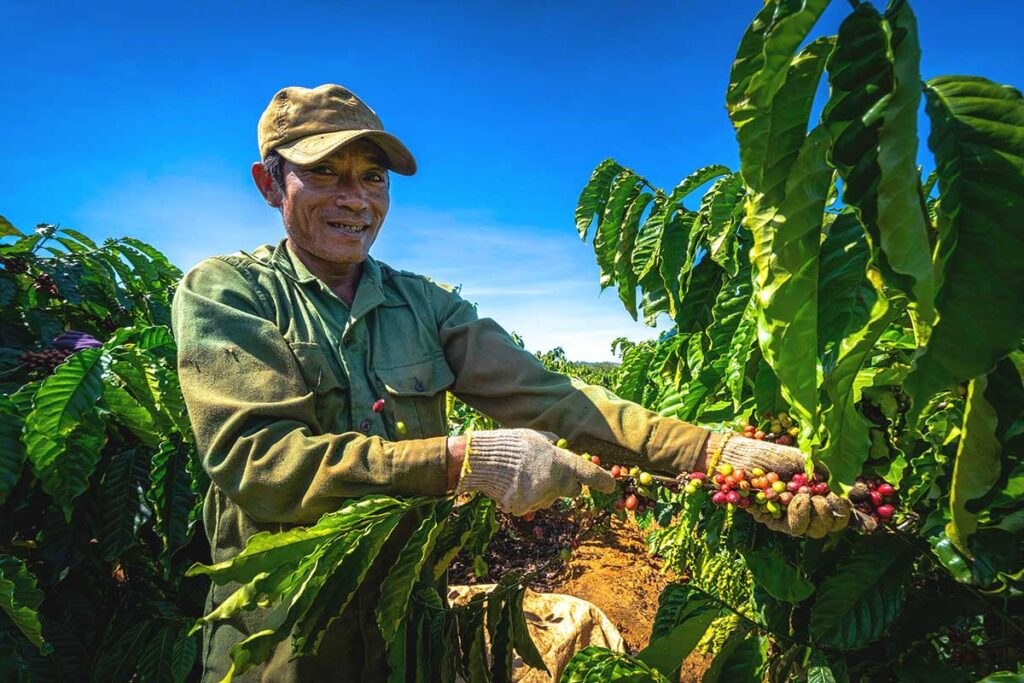
A farmer wearing a cap carefully handpicking coffee cherries from a plantation in Gia Lai, a major coffee-growing region.

Coffee plantations around Pleiku show how the highland climate and basalt soil shape local coffee production.

10. Quang Tri (DMZ)

Quang Tri Province is one of the most historically significant areas in Central Vietnam. It lies along the former Demilitarized Zone and was heavily affected during the Vietnam War. While quiet today, Quang Tri offers powerful historical sites that help explain the country’s past.

Best things to do in Quang Tri

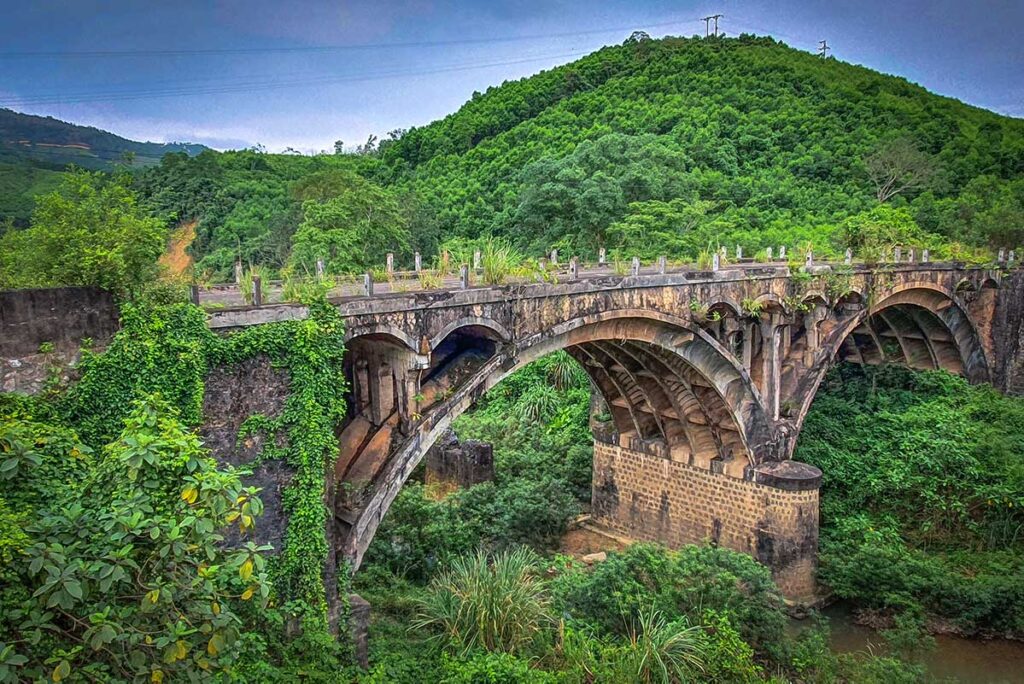
Dau Mau Bridge along the Ho Chi Minh Trail

The Ho Chi Minh Trail runs through much of Central Vietnam, but some of its most famous and accessible sections are located in Quang Tri.

Deep underground in the Vinh Moc Tunnels

Vinh Moc Tunnels are an underground village built to shelter civilians during intense bombing near the former DMZ.

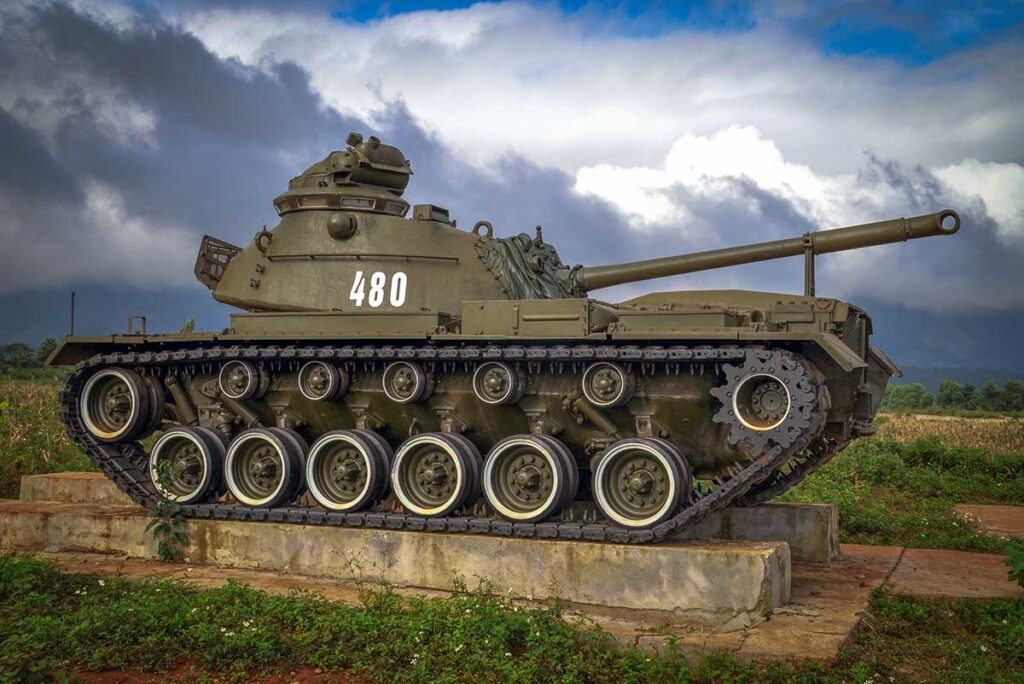
A US Army tank used during the Vietnam War is displayed at Khe Sanh Combat Base part of the Vietnam DMZ

Khe Sanh Combat Base is a major Vietnam War site with remnants of airstrips, bunkers, and military exhibits.

The Hien Luong Bridge with on the background the flag tower with huge Vietnamese flag in the DMZ

Hien Luong Bridge once marked the division between North and South Vietnam and remains a powerful historical symbol.

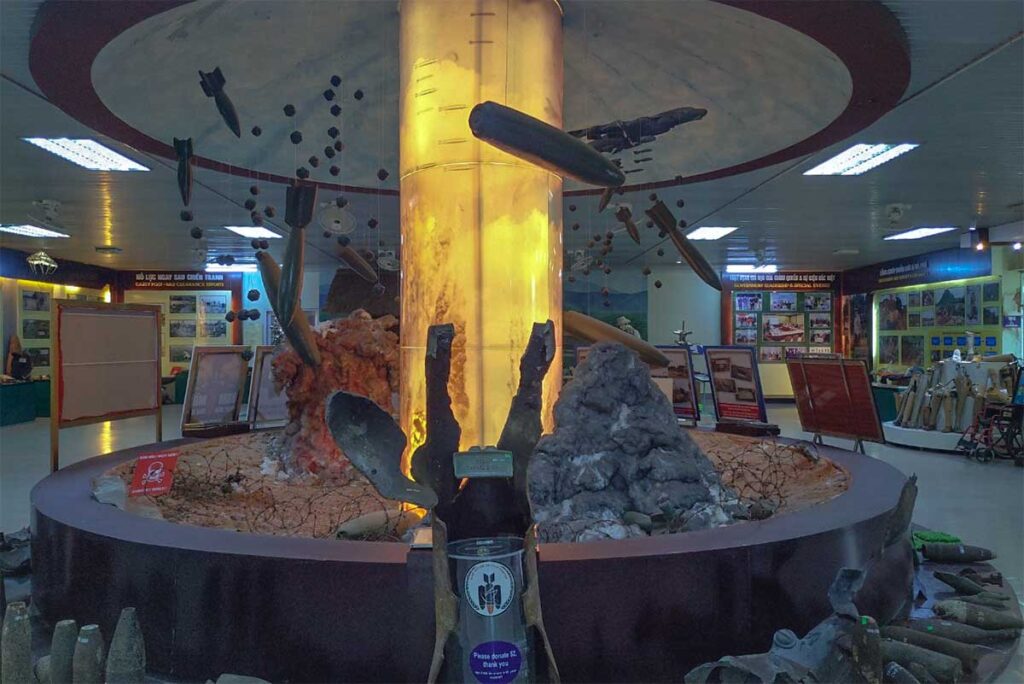
Displays and exhibits inside Mine Action Visitor Center for education and showing people about bombs and mines that are still dangerous today in the region of Quang Tri

DMZ museums and memorial sites in Quang Tri, including the Truong Son National Cemetery and the Mine Action Visitor Center, provide broader context about the DMZ and the long-term impact of the war on the region.

Tip: Ready to explore Hanoi beyond the obvious? Have a look at our Hanoi tours, including street food experiences and more authentic local corners.

Other places to visit in Central Vietnam

Central Vietnam covers a large and varied part of the country, and beyond the main highlights, there are many other places to visit in Central Vietnam that can be interesting if you prefer quieter destinations or off-the-beaten-track travel. These locations are less visited by international travelers but can add depth to a Central Vietnam itinerary, especially for those interested in local life, nature, or regional culture.

Vinh

Vinh is a coastal city in north-central Vietnam best known as a transport hub and regional capital, with Vinh often used as a stopover rather than a destination in itself, though it provides access to nearby beaches and rural areas.

Da Han Waterfall in Dong Nai

Dong Nai

Dong Nai Province lies inland from the coast and is known for forested landscapes, rivers, and large protected areas, with Dong Nai mainly attracting travelers interested in nature and national parks rather than classic sightseeing.

Kon Tum tours with a traditional Rong house standing tall in an ethnic village

Kon Tum

Kon Tum is a highland town near the Laos border known for its ethnic minority communities, wooden churches, and riverside setting, with Kon Tum offering a quieter and more traditional Central Highlands experience than larger cities.

Peaceful Bai Xep Beach in Phu Yen with cactus-lined dunes, soft sand, and thatched umbrellas facing the turquoise sea.

Phu Yen

Phu Yen is a coastal province characterized by undeveloped beaches, fishing villages, and open landscapes, with Phu Yen appealing to travelers looking for scenic coastlines without mass tourism.

Scenic beach in Ninh Thuan with goats grazing on sandy cliffs overlooking turquoise water and rocky headlands.

Ninh Thuan

Ninh Thuan is one of Vietnam’s driest regions and is known for its Cham culture, vineyards, salt fields, and rugged coastal scenery, with Ninh Thuan offering a very different landscape compared to other parts of Central Vietnam.

Best time to visit Central Vietnam

The best time to visit Central Vietnam depends largely on where you plan to go, as the region is divided into two distinct climate zones: the Central Coast and the Central Highlands. While they are often grouped together, these areas follow different seasonal patterns, which can strongly affect weather, travel conditions, and activities. This section gives a brief overview, with more detailed month-by-month guidance available in the dedicated guide.

Best time to visit the Central Coast

(Hoi An, Hue, Da Nang, Quy Nhon, Nha Trang, Phu Yen, Ninh Thuan)

When most travelers talk about Central Vietnam, they are usually referring to the Central Coast, especially when searching for weather or beach conditions. This region has a clear split between dry and rainy seasons, but rainfall patterns are different from northern and southern Vietnam.

  • Dry season: February – August
  • Rainy season: September – January

The best time to visit the Central Coast is generally from March to August, when rainfall is low, temperatures are warm, and beach conditions are at their best. This period is ideal for coastal cities like Da Nang and Nha Trang, as well as heritage towns such as Hoi An.

A key travel tip is to avoid October and November, when heavy rain, typhoons, and flooding are most likely. During these months, historical towns like Hoi An and Hue are particularly vulnerable to flooding, which can disrupt sightseeing and transport.

Best time to visit the Central Highlands

(Da Lat, Buon Ma Thuot, Pleiku, Kon Tum)

The Central Highlands follow a different climate pattern from the coast and are more similar to southern Vietnam, with clearer wet and dry seasons. Higher elevation also means cooler temperatures throughout the year.

  • Dry season: December – April
  • Rainy season: May – November

The overall best time to visit the Central Highlands is from December to March, when the weather is drier, cooler, and more comfortable for trekking, motorbike trips, and outdoor activities.

While the rainy season is not considered ideal for travel conditions, it has its advantages. From June to September, waterfalls are at their most powerful, forests are lush and green, and the landscapes are at their most dramatic, making this period appealing for nature-focused travelers despite more frequent rain.

Weather per month

The weather in Central Vietnam changes noticeably throughout the year, especially along the Central Coast. Below is a short, month-by-month overview focused on coastal destinations such as Hoi An, Hue, Da Nang, Quy Nhon, Nha Trang, Phu Yen, and Ninh Thuan.

If you’re traveling to the Central Highlands instead, refer to the dedicated guide about weather and best time to visit Dalat.

January

January in Central Vietnam is part of the rainy season on the Central Coast, with cooler temperatures and frequent rainfall, especially around Hue and Hoi An. Beach conditions are generally poor, and flooding can still occur in low-lying areas.

February

February in Central Vietnam marks the transition toward drier weather, with rainfall decreasing and more stable conditions returning. While the sea can still be rough, sightseeing becomes easier and temperatures remain comfortable.

March

March in Central Vietnam brings drier days, rising temperatures, and improving beach conditions. It is one of the best months for combining cultural sightseeing with early beach time.

April

April in Central Vietnam is firmly within the dry season, offering warm temperatures and low rainfall. Beaches are generally calm, making April a strong month for coastal travel and outdoor activities.

May

May in Central Vietnam is hot and mostly dry, with long sunny days and excellent beach conditions. Humidity starts to increase, but rainfall is still limited across most coastal areas.

June

June in Central Vietnam is hot and sunny, with stable weather along the coast. It is a good month for beach destinations like Da Nang, Nha Trang, and Quy Nhon, though midday heat can be intense.

July

July in Central Vietnam remains hot with generally good beach conditions, though short rain showers become more common. Sea conditions are usually suitable for swimming, especially further south.

August

August in Central Vietnam is still part of the dry season, but humidity increases and rainfall becomes more noticeable toward the end of the month. Beach travel is still possible, though weather can be less predictable.

September

September in Central Vietnam marks the beginning of the rainy season, particularly in the north-central coast. Rainfall increases, and beach conditions start to decline, especially around Hue and Hoi An.

October

October in Central Vietnam is one of the wettest months, with heavy rain, typhoons, and a high risk of flooding. This is generally not a good month for beach travel or historic towns like Hoi An.

November

November in Central Vietnam continues the rainy season, with frequent rain and unstable weather. Coastal travel is possible but often disrupted, and beach conditions are usually poor.

December

December in Central Vietnam sees gradually improving weather toward the end of the month, though rain is still common early on. Temperatures are cooler, but beach conditions remain limited until later in the dry season.

Getting around Central Vietnam

Central Vietnam is relatively easy to travel through, especially along the coast where most major cities and transport routes are located. Depending on your itinerary, you’ll likely combine flights, trains, and buses to move between destinations. Below is a clear overview of the main transport options and how they work in Central Vietnam.

Airports in Central Vietnam

Flying is the fastest way to cover longer distances in Central Vietnam, especially if you are short on time or combining regions. The main airports are well connected to Hanoi and Ho Chi Minh City, with some limited international routes.

  • Da Nang International Airport – Serves Da Nang, Hoi An, Hue, and the central coast; the busiest airport in Central Vietnam with both domestic and international connections.
  • Phu Bai Airport (Hue) – Serves Hue and nearby areas; mainly domestic flights, mostly to Hanoi and Ho Chi Minh City.
  • Cam Ranh International Airport (Nha Trang) – Serves Nha Trang and surrounding coastal destinations; strong domestic network and international flights.
  • Lien Khuong Airport (Da Lat) – Serves Da Lat and the Central Highlands; domestic flights and limited international connections.
  • Buon Ma Thuot Airport – Serves Buon Ma Thuot and nearby highland areas; domestic flights only.
  • Pleiku Airport – Serves Pleik, Gia Lai Province and Kon Tum; domestic flights only.

For most travelers, Da Nang and Cam Ranh are the main gateways, while highland destinations rely more on domestic flights or overland travel.

Train travel in Central Vietnam

Train travel in Vietnam runs mainly along the coastline, making it a good option for coastal cities and beach destinations in Central Vietnam. It works well for places like Hue, Da Nang, Quy Nhon, Nha Trang, and Phu Yen, but does not serve the Central Highlands. Destinations such as Da Lat, Buon Ma Thuot, Pleiku, and Kon Tum are not connected by rail.

Vietnam’s trains are generally safe and comfortable, though slower than flying. For longer distances, sleeper trains are common and allow overnight travel, while daytime seats work well for shorter coastal routes.

Major train stations in Central Vietnam

  • Hue Railway Station – Serves Hue and nearby coastal areas.
  • Da Nang Railway Station – Serves Da Nang and Hoi An (via road transfer).
  • Dieu Tri Station (Quy Nhon) – Main station for Quy Nhon and the surrounding coast.
  • Tuy Hoa Station – Serves Phu Yen Province.
  • Nha Trang Railway Station – Serves Nha Trang and Cam Ranh area.
  • Dong Hoi Station – Serves Phong Nha–Ke Bang National Park (via road transfer).

These are the main hubs, but in practice, almost all coastal towns in Central Vietnam can be reached by train. For booking tips, station access, and seat classes, refer to the detailed train travel in Vietnam guide.

Bus travel in Central Vietnaml Vietnam

Bus travel is the most common way to get around Central Vietnam and reaches virtually every destination, from small coastal villages to remote towns in the Central Highlands. Buses are affordable and frequent, but quality and safety can vary, especially on overnight routes.

There are some safety concerns with long-distance sleeper buses, so it’s important to choose reputable bus companies and avoid the cheapest options when possible. Reading a dedicated guide on bus travel in Vietnam helps you understand how to select operators, book tickets, and avoid common issues.

Common bus and van types

  • Sleeper buses – Standard overnight buses with reclining beds; widely available but quality varies.
  • Cabin sleeper buses – Newer buses with semi-private cabins, offering more comfort and privacy.
  • Limousine vans – Small, high-end vans with limited seats, popular for shorter routes and day travel.

Popular routes by bus or limousine van

  • Da Nang ↔ Hoi An
  • Hue ↔ Da Nang
  • Da Nang ↔ Phong Nha
  • Nha Trang ↔ Da Lat
  • Quy Nhon ↔ Nha Trang
  • Buon Ma Thuot ↔ Da Lat

Buses and vans offer the greatest flexibility in Central Vietnam, especially when combining coastal destinations with the Central Highlands.

Car with driver

Hiring a car with a driver is the most flexible way to travel around Central Vietnam. It is more expensive than buses or trains, but also safer, more comfortable, and far more adaptable. A car with driver allows you to stop along the way for sightseeing, photos, meals, or short detours, instead of simply traveling from point A to point B.

This option is especially useful for families, couples, or travelers with limited time who want to combine transport with sightseeing in one day.

Popular routes by car with driver

  • Hue – Hoi An – Often driven via the Hai Van Pass, with optional stops at fishing villages, lagoons, and coastal viewpoints.
  • Phong Nha – Hue – A scenic route that can include DMZ-related sites and historical stops along the way.
  • Da Lat – Nha Trang – A beautiful mountain-to-coast route passing forests, coffee plantations, and waterfalls.

Motorbike travel in Central Vietnam

Motorbike travel is one of the most immersive ways to experience Central Vietnam, offering freedom, scenery, and access to areas that are hard to reach by public transport. It is particularly popular among experienced riders looking for scenic routes rather than city traffic.

There are two main motorbike routes that travelers focus on:

The coastal route
The coastal route follows beaches, fishing villages, and seaside roads from Hue and Da Nang down toward Quy Nhon, Nha Trang, and beyond. It offers easy navigation, frequent towns, and scenic ocean views.

The Central Highlands route (Ho Chi Minh Trail)
The Central Highlands route follows sections of the Ho Chi Minh Trail through mountains, forests, and ethnic minority areas. This route is quieter, cooler, and more remote, linking destinations such as Phong Nha, Kon Tum, Pleiku, Buon Ma Thuot, and Da Lat.

There are two main ways to travel Central Vietnam by motorbike:

Driving yourself
Self-driving offers complete freedom and is a memorable adventure, but it requires experience. You should be comfortable riding long distances and in varying road conditions. A valid motorbike license and an International Driving Permit (IDP) are required to legally ride in Vietnam.

Easy Rider tours
Easy Rider tours allow you to experience Central Vietnam by motorbike without riding yourself. You sit on the back of a motorbike driven by a local guide, combining safety, local knowledge, and scenic routes, especially popular in the Central Highlands.

Tips for traveling in Central Vietnam

Before visiting the best places to visit in Central Vietnam, it helps to understand a few regional specifics that can shape your experience on the road. While Central Vietnam is generally easier to travel than the north, weather patterns, regional differences, and tourism pressure in certain areas can still affect how smoothly your trip goes. These travel tips for Central Vietnam focus on realistic preparation and making the most of both popular highlights and lesser-visited areas.

Rainy season travel: plan with awareness

Traveling during the rainy season along the Central Coast is very different from short tropical showers elsewhere in Vietnam. Rain can be prolonged, combined with strong wind and rough seas, which limits beach time and water activities. If beaches are a priority, plan carefully or reduce the number of coastal days during peak rainy months.

Flood risk in historic towns

Historic towns such as Hoi An and parts of Hue are vulnerable to flooding during the wettest months, especially in October and November. Flooding does not happen continuously, but when it does, streets, attractions, and transport can be disrupted. Keeping some flexibility in your itinerary and avoiding tight schedules in flood-prone periods makes travel much easier.

Central Coast vs Central Highlands travel expectations

The Central Coast is well developed, easy to navigate, and focused on cities, beaches, and heritage sites. The Central Highlands are more rural and slower paced, with longer travel times, fewer services, and simpler accommodation in remote areas. Knowing this difference helps set realistic expectations when combining both regions in one itinerary.

Mobile coverage: coast vs highlands

Mobile coverage is strong in coastal cities and tourist areas such as Da Nang, Hoi An, Hue, and Nha Trang. In the Central Highlands, coverage remains good in towns like Pleiku and Buon Ma Thuot, but can drop in more remote parts of Gia Lai, Kon Tum, and national park areas. Downloading offline maps and saving key locations in advance is still recommended.

Getting out of the tourist centers pays off

Places like Hoi An, Hue, and Da Nang are among the most popular places to visit in Central Vietnam and can feel busy at times. Short trips outside these centers often lead to quieter beaches, fishing villages, lagoons, and rural landscapes that show a more local side of the region.

Book accommodation ahead in high season

Central Vietnam has a wide range of accommodation, so rooms are rarely unavailable. However, the best beachfront hotels, boutique stays, and well-located properties often book out early during high season and holidays. Booking ahead gives you better choice rather than better prices.

Cultural sensitivity still matters, even in tourist areas

Despite heavy tourism, temples, pagodas, Cham sites, and fishing villages are active cultural spaces. Dress modestly where appropriate, ask before taking photos of people, and be mindful of daily life, especially outside major tourist zones. Respectful behavior is usually met with very warm local responses.

Try regional dishes from Central Vietnam

Central Vietnamese cuisine is known for bold flavors, smaller portions, and regional specialties. Dishes such as cao lau, mi quang, bun bo Hue, banh beo, and fresh seafood along the coast are closely tied to local culture and worth seeking out as part of the travel experience.

Scroll to Top

FREE EBOOK
Vietnam Travel Guide​

vietnam free ebook