


Map and overview of the best motorbike routes in Vietnam
Vietnam stretches over 1,600 km from north to south, and the riding experience changes a lot between regions. From high mountain passes in the north to coastal roads in central Vietnam and flat countryside in the south, each area offers a very different type of route.
Motorbike route map of Vietnam
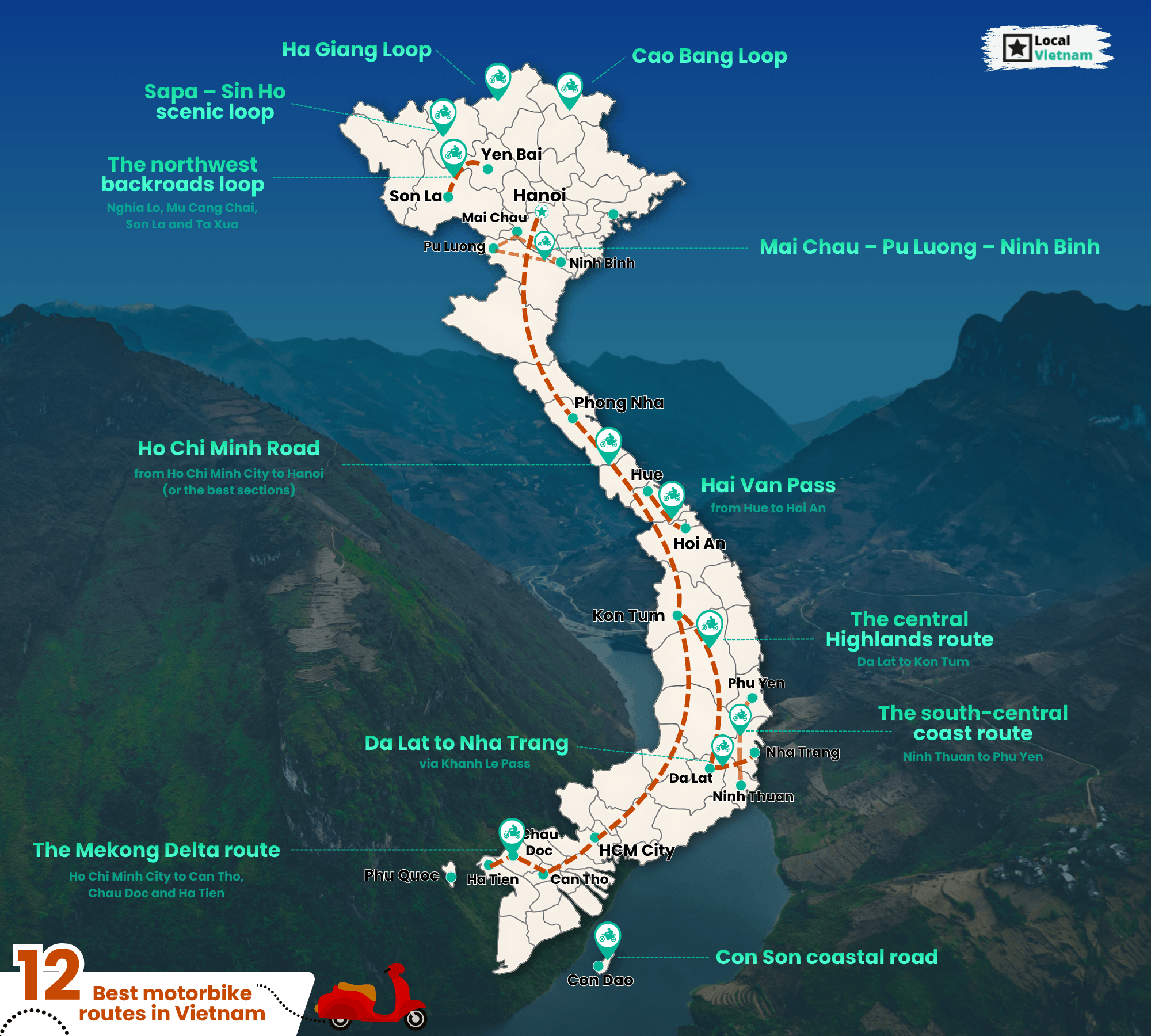
How to choose the right route
Not every route is about the same kind of experience. Some are about scenery, others about culture, and some are simply easier to ride.
- Best for mountain scenery: Ha Giang, Cao Bang, Sapa–Sin Ho, Northwest loop
- Best for coast roads: Hai Van Pass, Central Coast, Con Son coastal road
- Best for long-distance adventure: Ho Chi Minh Road
- Best for culture and rural life: Central Highlands, Mai Chau–Pu Luong–Ninh Binh, Mekong Delta
- Best for shorter or easier rides: Hai Van Pass, Con Son coastal road, Da Lat to Nha Trang
If you’re not sure which one to pick, think first about how many days you have and how comfortable you are riding. That already narrows it down a lot.
The 12 best motorbike routes in Vietnam
These routes are not ranked from best to worst. The best motorbike route in Vietnam really depends on what kind of trip you want—mountains, coast, culture, or a longer adventure. Some of these are full loops, while others are one-way rides or just the best sections of a larger route.
1. Ha Giang Loop
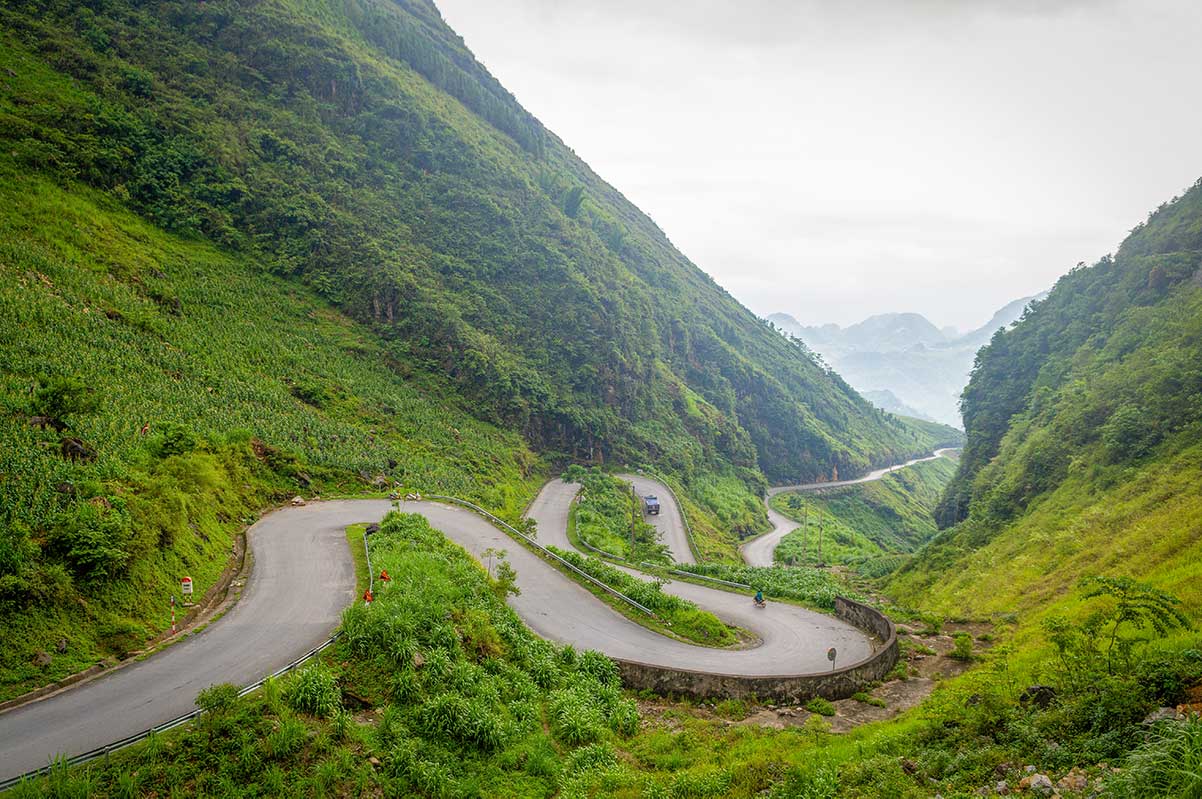
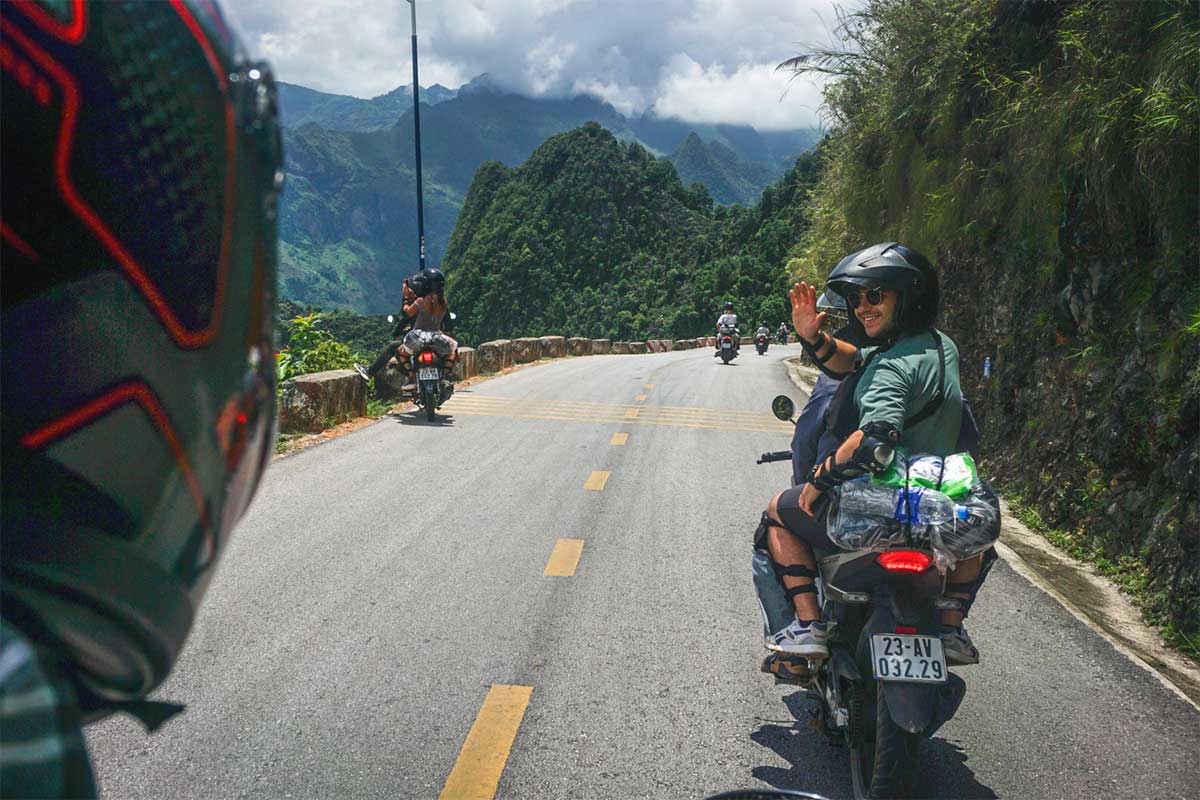
One of the best motorbike routes in Vietnam, the Ha Giang Loop is known for its dramatic mountain scenery and winding roads in the far north near the Chinese border.

Route summary
- Distance: ~300–400 km depending on variation
- Best route: Ha Giang – Quan Ba – Yen Minh – Dong Van – Meo Vac – Du Gia – Ha Giang
- Best for: Mountain scenery, adventure, ethnic culture
- Ideal time: March to May and September to November
- Difficulty: Intermediate
The Ha Giang Loop is famous for a reason. You ride through a landscape of sharp limestone peaks, deep valleys, and mountain passes that feel completely different from the rest of Vietnam. The highlight for many is Ma Pi Leng Pass, a narrow road high above the Nho Que River, but the entire region is full of impressive views.
Along the way, you pass through small towns and ethnic minority villages, where life still follows a slower rhythm. Markets, local houses, and roadside scenes give you a glimpse into daily life in northern Vietnam.
It is often called a “loop,” but there are many variations. Longer routes can include places like Du Gia or smaller backroads that avoid the busier sections. These versions feel more relaxed and give you more time to explore beyond the main road.
That said, it is no longer as remote as it once was. The popularity of the loop has grown quickly, and you will share the road with other travelers—many of them inexperienced riders. It is still beautiful, but it’s good to set the right expectations.
This route is best for riders who want the classic northern Vietnam experience with big scenery and a bit of adventure.
Tip: Explore the Ha Giang Loop with a local Easy Rider and stay at our mountain lodge
If you don’t feel comfortable riding yourself, you can join an Easy Rider tour and sit on the back of a motorbike with a local driver. Some routes go beyond the standard loop and include quieter backroads. On our Ha Giang Loop tours by motorbike, you also stay at our lodge in a Hmong village with wide mountain views, and some itineraries include short treks to experience local life more closely.
2. Cao Bang Loop
The Cao Bang Loop is a quieter alternative in northern Vietnam and a great choice if you want scenic riding without the crowds of Ha Giang.


Route summary
- Distance: ~250–350 km depending on route
- Best route: Cao Bang – Quang Uyen – Trung Khanh – Ban Gioc Waterfall – Phong Nam – Cao Bang
- Best for: Scenic landscapes, relaxed riding, waterfalls
- Ideal time: September to November and March to May
- Difficulty: Beginner to intermediate
Compared to Ha Giang, Cao Bang feels more peaceful. The scenery is still impressive, but the atmosphere is calmer and the roads are less busy. You ride through wide limestone valleys, along rivers, and close to the Chinese border.
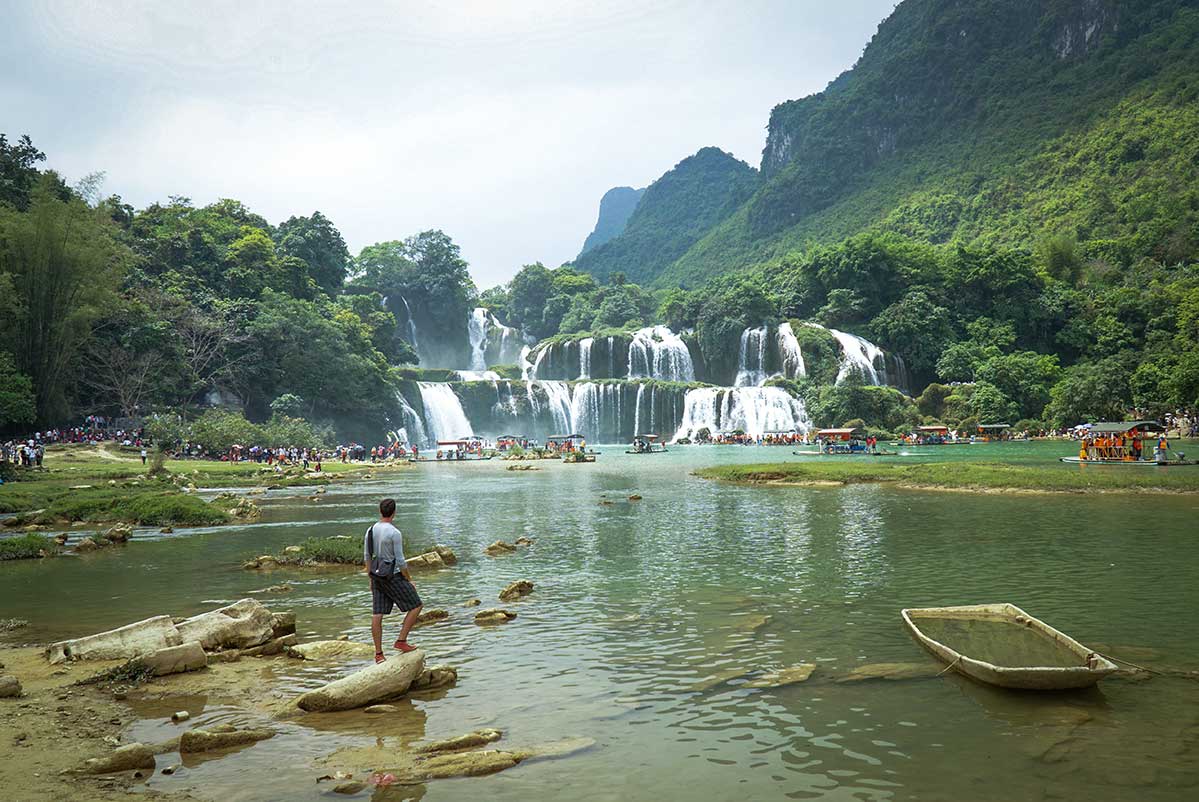
The highlight is Ban Gioc Waterfall, one of the largest waterfalls in Vietnam, located right on the border. But the route itself is just as interesting, especially in areas like Phong Nam Valley, where the landscape opens up into green fields surrounded by limestone mountains. Me Pia Pass adds some curves and viewpoints, and Angel Eye Mountain is a unique stop with a natural hole through the rock.
The scenery here is slightly less dramatic than Ha Giang in terms of steep cliffs and high passes, but it makes up for it with a more relaxed pace and a wider variety of landscapes.
This route is ideal for riders who want beautiful scenery but prefer fewer crowds and an easier rhythm.
Tip: Discover the Cao Bang Loop with flexible routes and extensions to Ha Giang or Ba Be Lake
We offer different Cao Bang loop options, from shorter routes to larger loops that explore more remote areas. It’s also easy to combine this region with Ha Giang or Ba Be Lake for a longer trip. You can explore all options through our Cao Bang tours, depending on how much time you have and how far you want to ride.
3. Ho Chi Minh Road – from Ho Chi Minh City to Hanoi (or the best sections)
Often considered the best motorbike route in Vietnam for long-distance travel, the Ho Chi Minh Road runs through the country’s interior from south to north, offering a quieter and more varied alternative to the busy coastal Highway 1.
Route summary
- Distance: ~1,800+ km (full route)
- Best route: Ho Chi Minh City – Gia Nghia – Buon Ma Thuot – Pleiku – Kon Tum – Kham Duc – A Luoi / Khe Sanh – Phong Nha – Tan Ky – Hanoi
- Best for: Long-distance riding, remote landscapes, history
- Ideal time: March to September (best for central sections)
- Difficulty: Intermediate to advanced (multi-day ride)
When people talk about riding the Ho Chi Minh Trail, they are actually referring to the Ho Chi Minh Road. The original trail was a network of jungle paths during the war and is no longer rideable. Today’s road follows a similar corridor but is fully paved and accessible.
What makes this route special is that it avoids the crowded coastline and takes you through the backbone of Vietnam. You ride through regions that feel much more local, with long stretches of road where traffic is light and the scenery changes constantly.
It helps to think of this route in sections rather than one long ride.
Southern section (Ho Chi Minh City to Kon Tum)

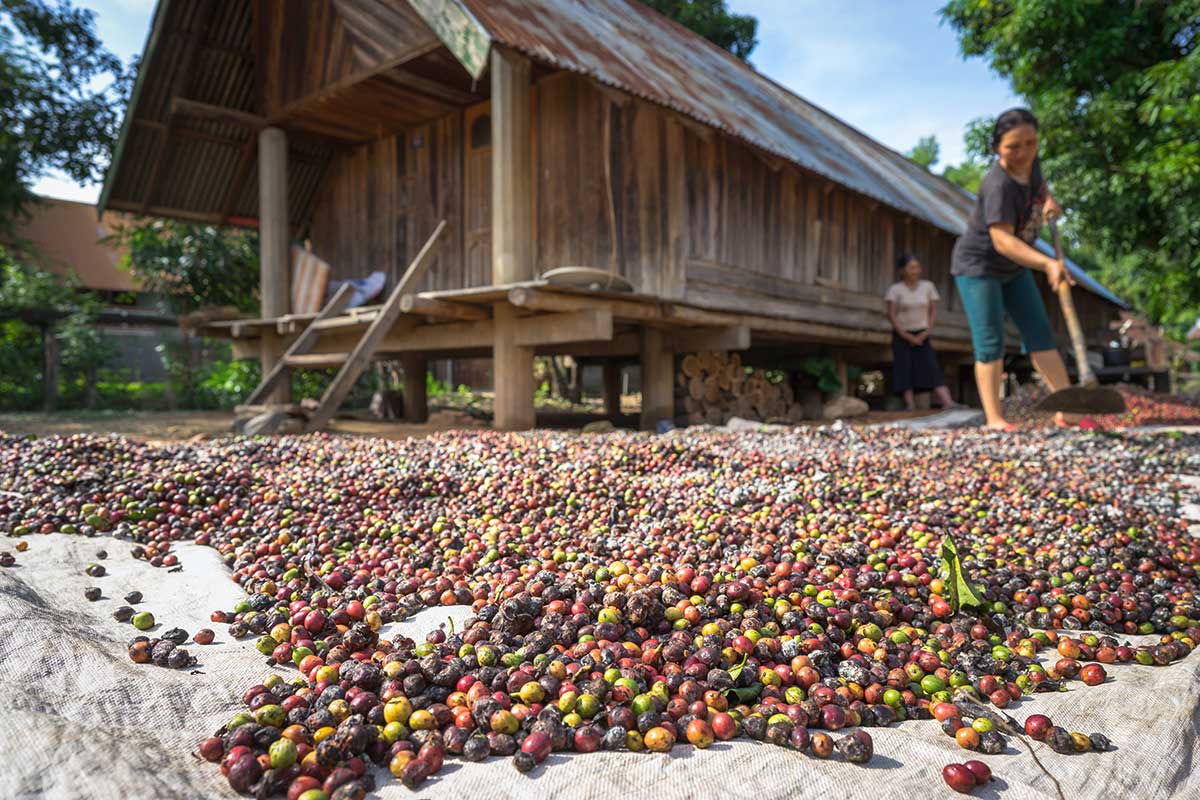
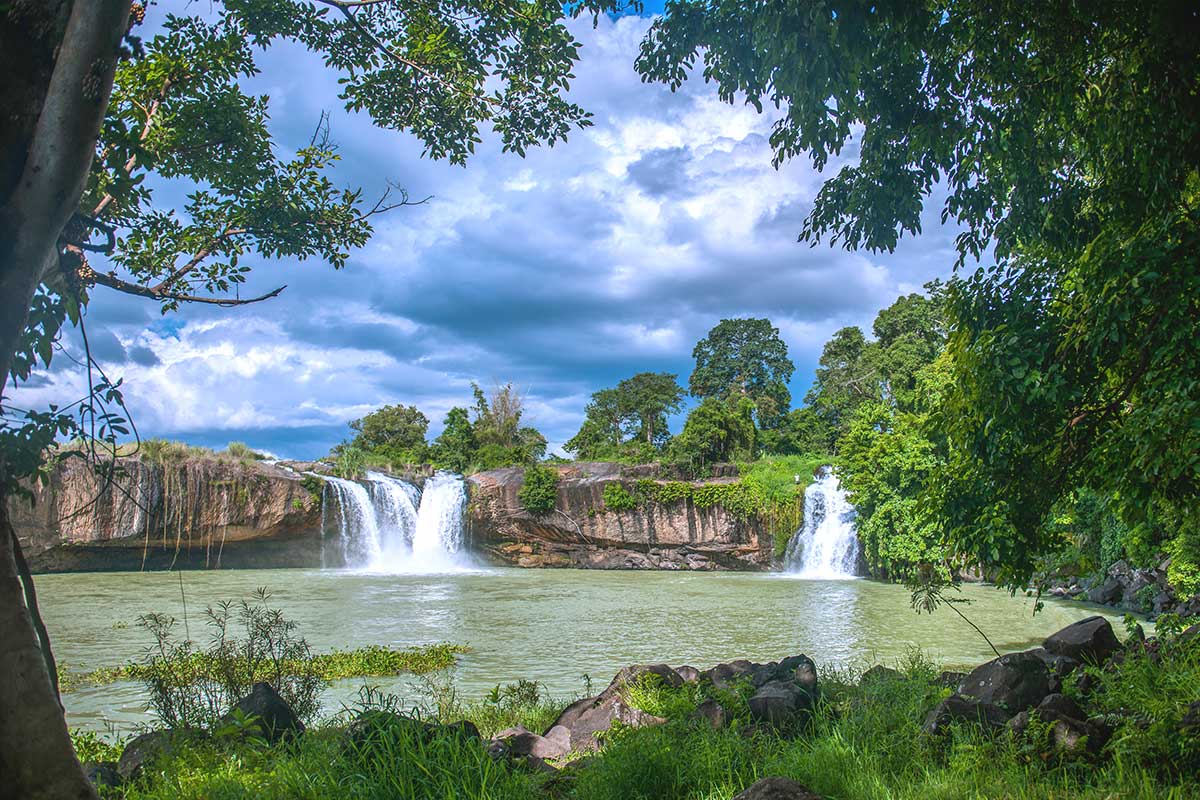
The southern section (Ho Chi Minh City to Kon Tum) passes through the Central Highlands. This part is more about local life than dramatic scenery, with coffee plantations, farmland, and towns like Buon Ma Thuot and Pleiku. It’s interesting, but not the most spectacular part of the journey.
Central section (Kon Tum to Phong Nha)
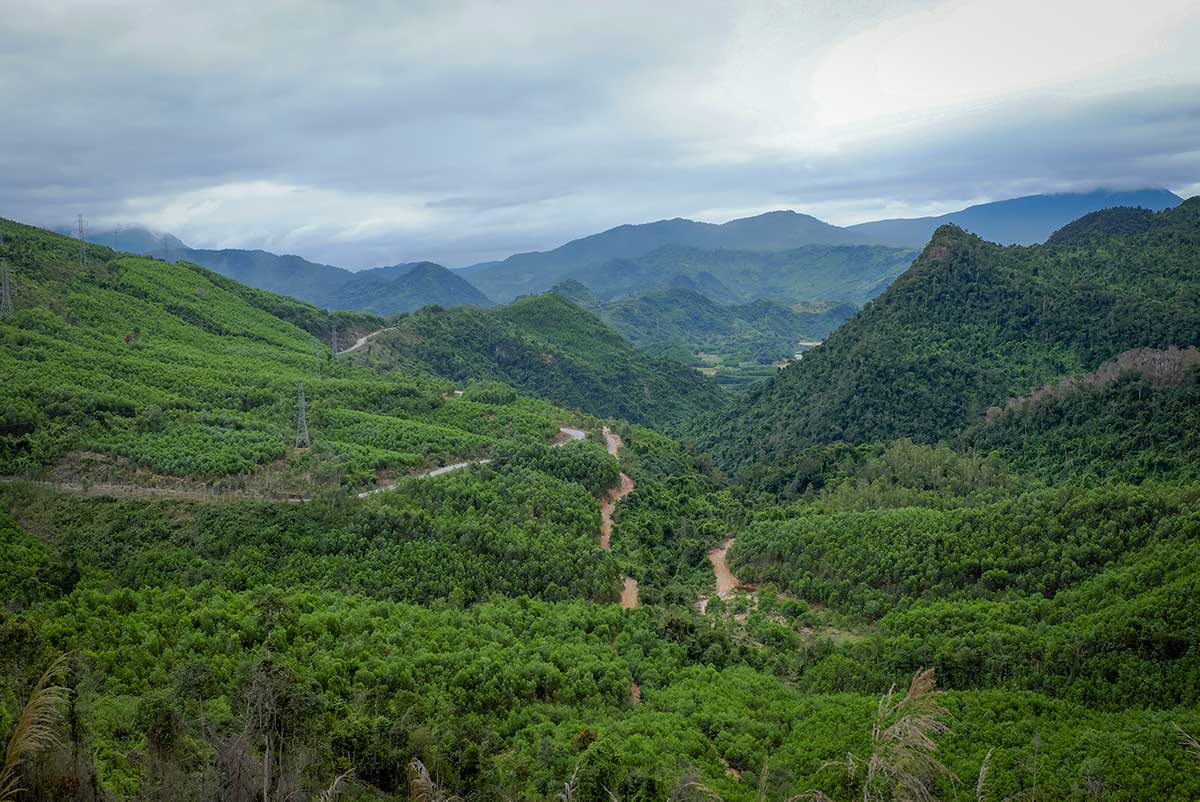
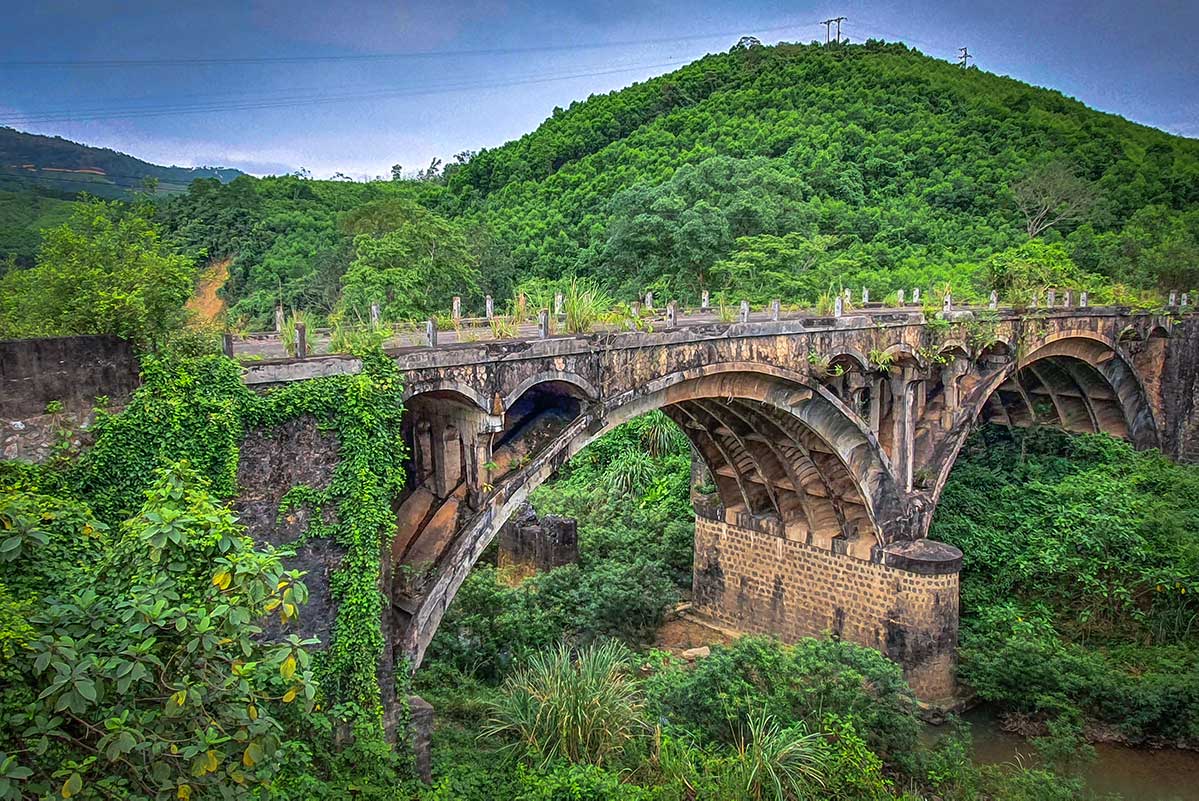
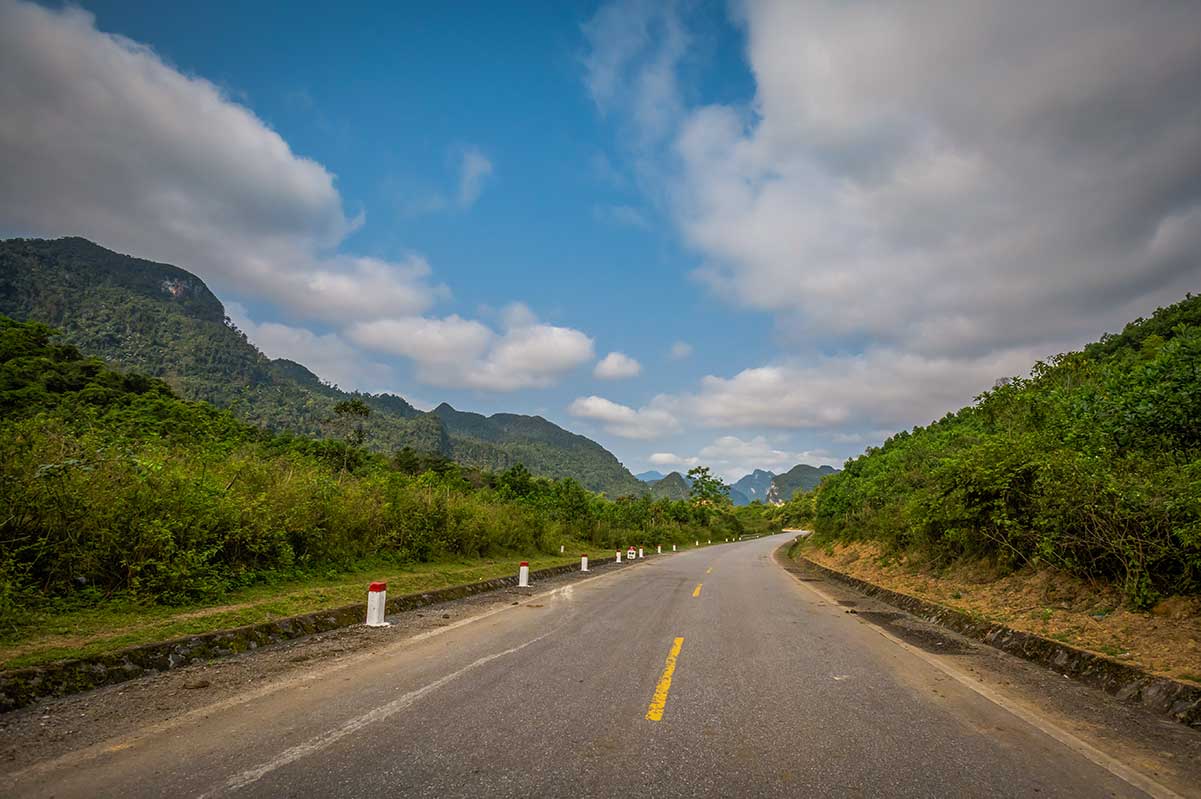
The central section (Kon Tum to Phong Nha) is the highlight. This is where the road becomes quieter, more remote, and more scenic. You pass through mountains, jungle, and former war zones. Small towns like Kham Duc and A Luoi are good overnight stops, and the feeling of isolation makes this part stand out.
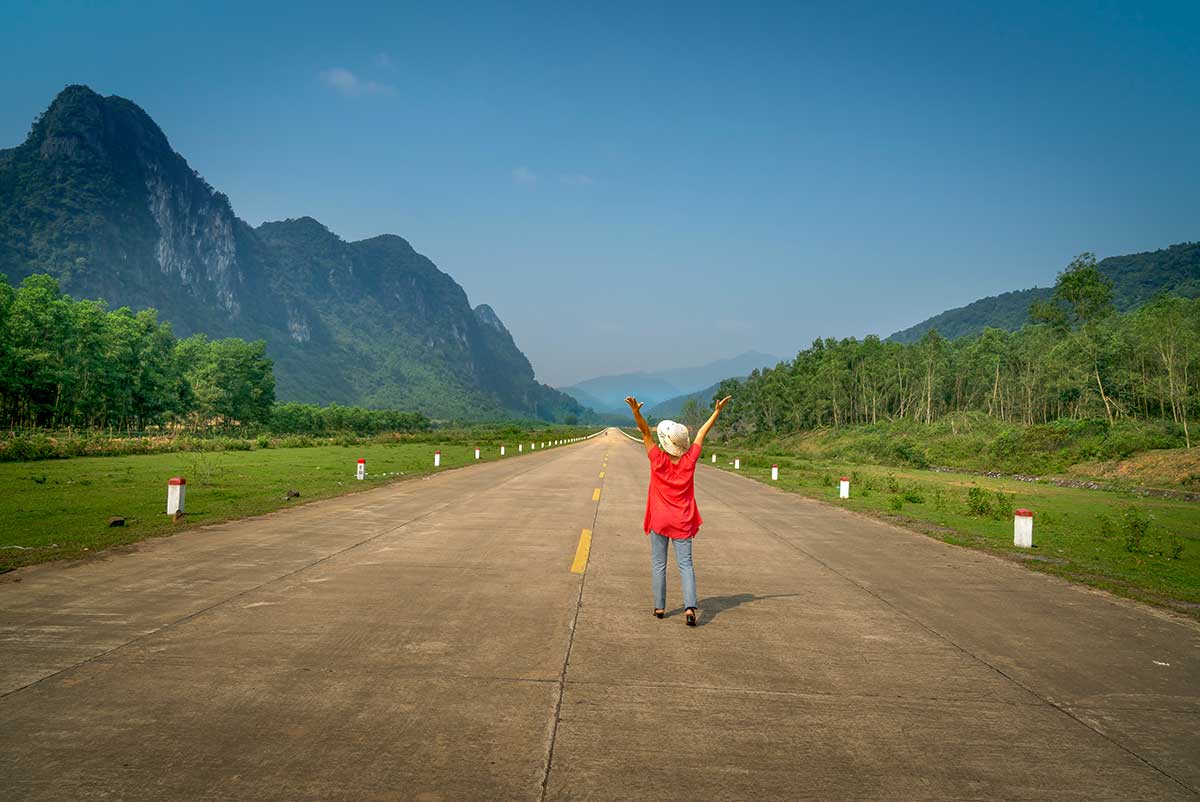
The best stretch of all is the Western Ho Chi Minh Road between Khe Sanh and Phong Nha. This section is often mentioned as one of the best rides in Vietnam. The road is narrow in parts, with almost no traffic, and runs through dense forest, along rivers, and over mountain passes. It feels remote in a way that is increasingly rare.
Northern section (Phong Nha to Hanoi)
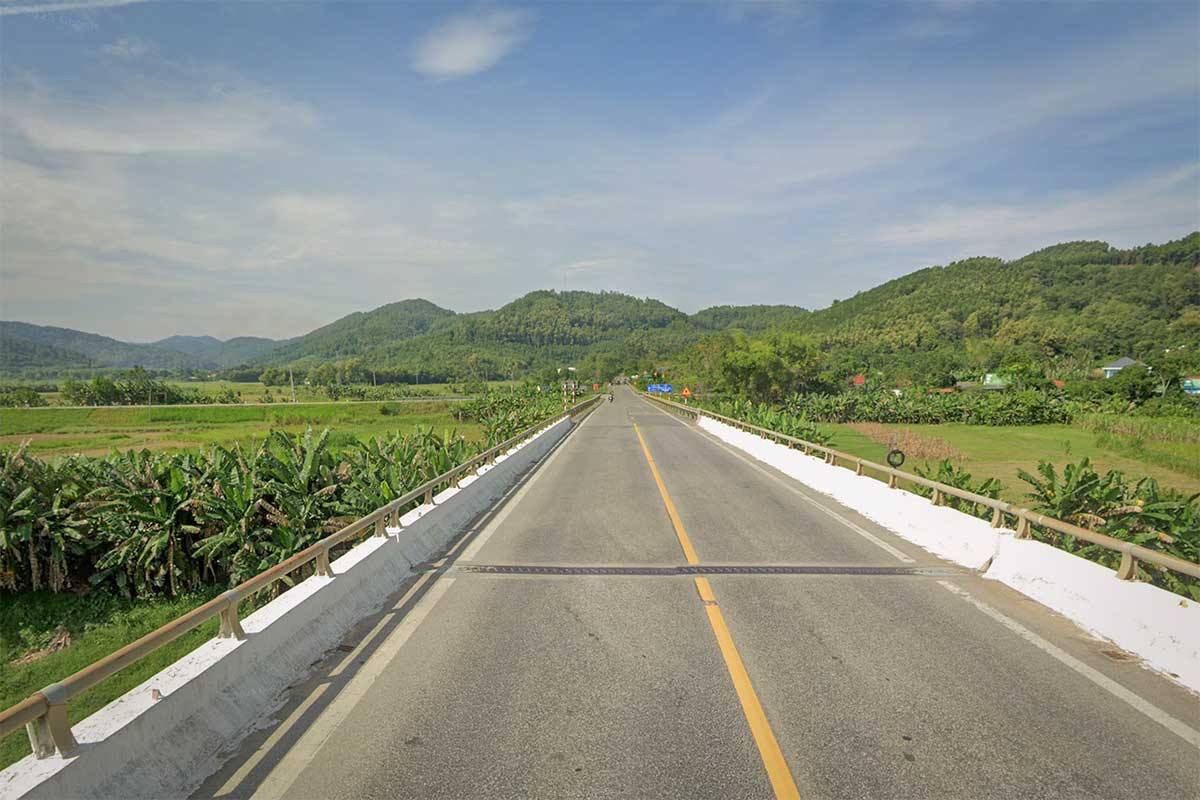
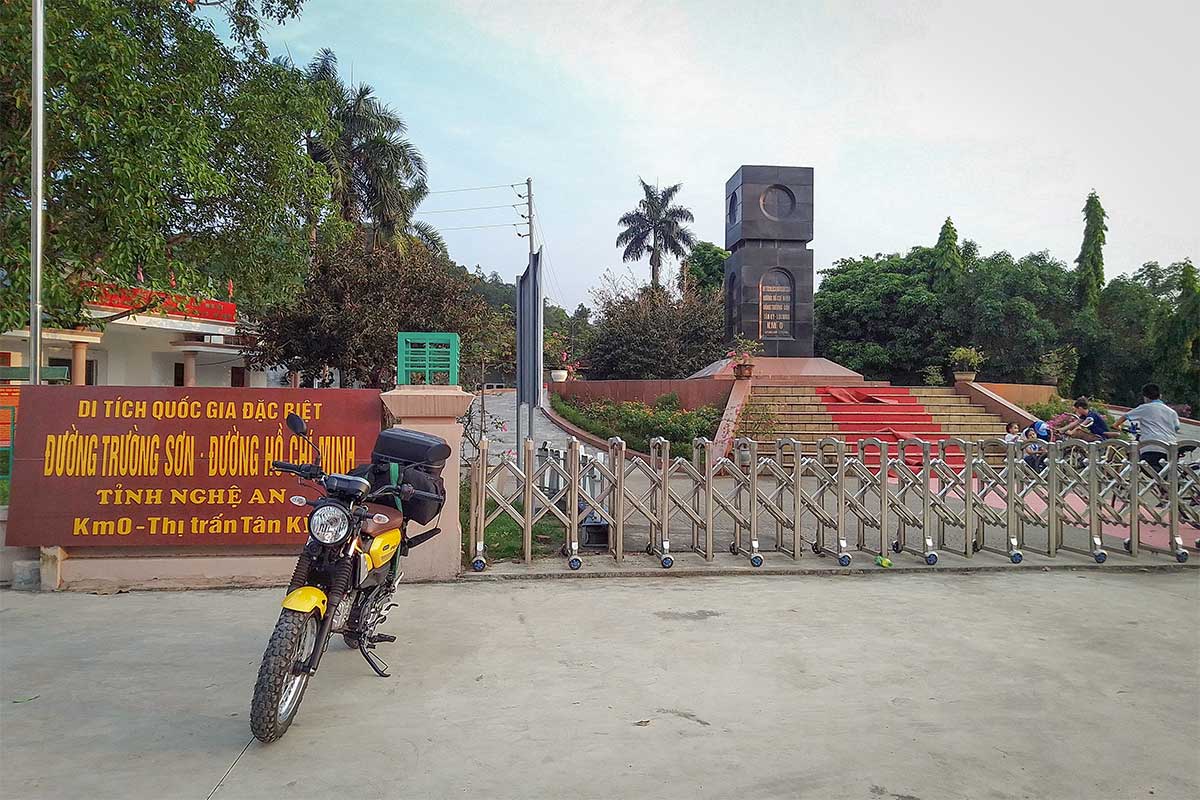
The northern section (Phong Nha to Hanoi) becomes more rural and less dramatic again. You ride through farmland, small towns, and quieter backroads before reaching the busy outskirts of Hanoi.
While it is possible to ride the full route, it is a serious journey that takes time and planning. Many travelers choose to focus on just one or two sections, especially the central part, which offers the best balance of scenery, history, and riding conditions.
If you are looking for a longer adventure and want to see a different side of Vietnam beyond the usual tourist route, this is one of the most rewarding options.
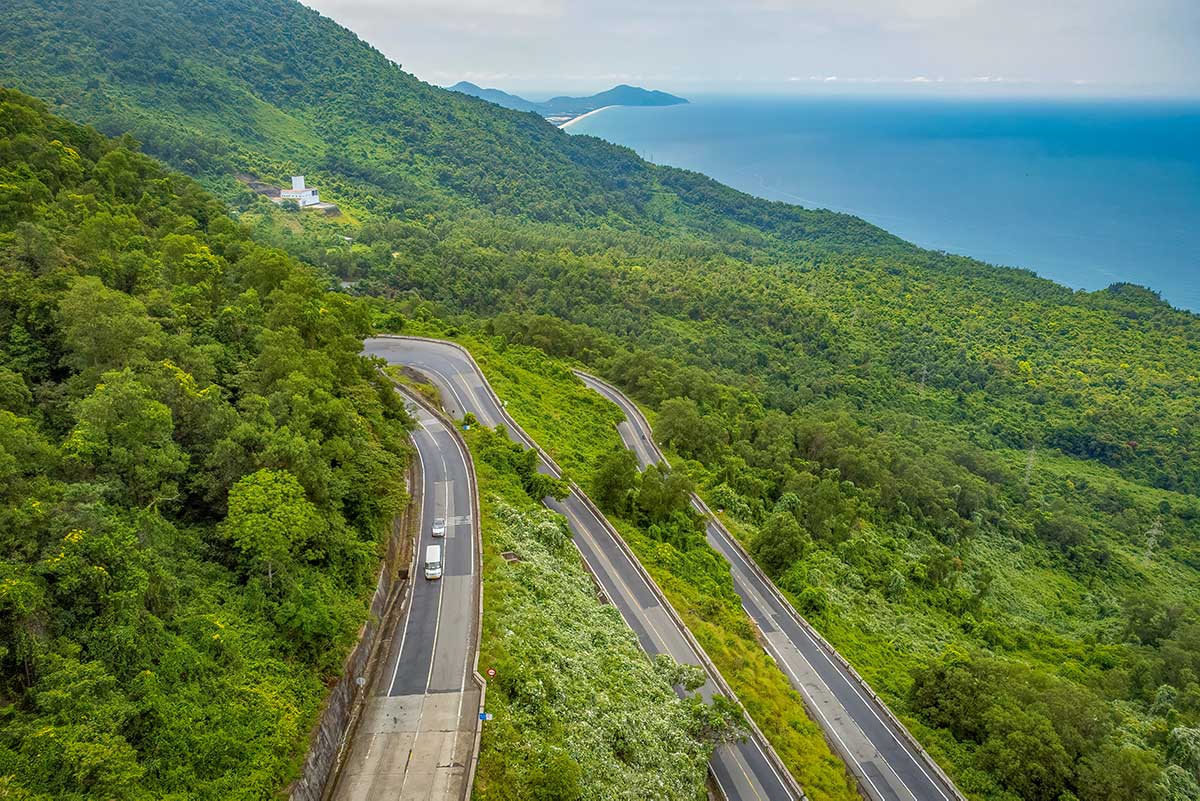
4. Hai Van Pass – from Hue to Hoi An
One of the best motorbike routes in Vietnam for beginners, the Hai Van Pass is a short but very scenic ride along the central coast.
Route summary
- Distance: ~120 km (including stops)
- Best route: Hue – Lang Co – Hai Van Pass – Da Nang – Marble Mountains – Hoi An
- Best for: Scenic day trip, coastal views, easy riding
- Ideal time: February to August
- Difficulty: Beginner
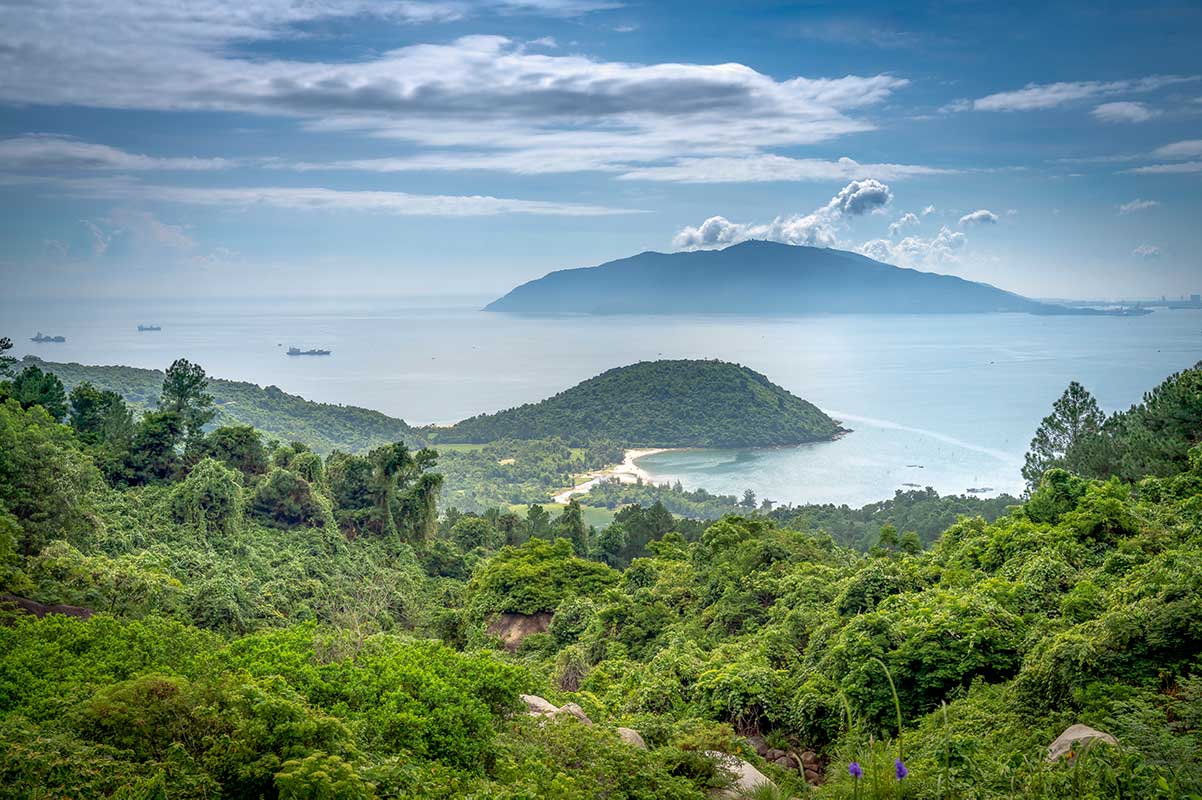
The Hai Van Pass is one of the most well-known roads in Vietnam, and for good reason. It combines mountain curves with wide views over the ocean, all in a route that can easily be done in one day.
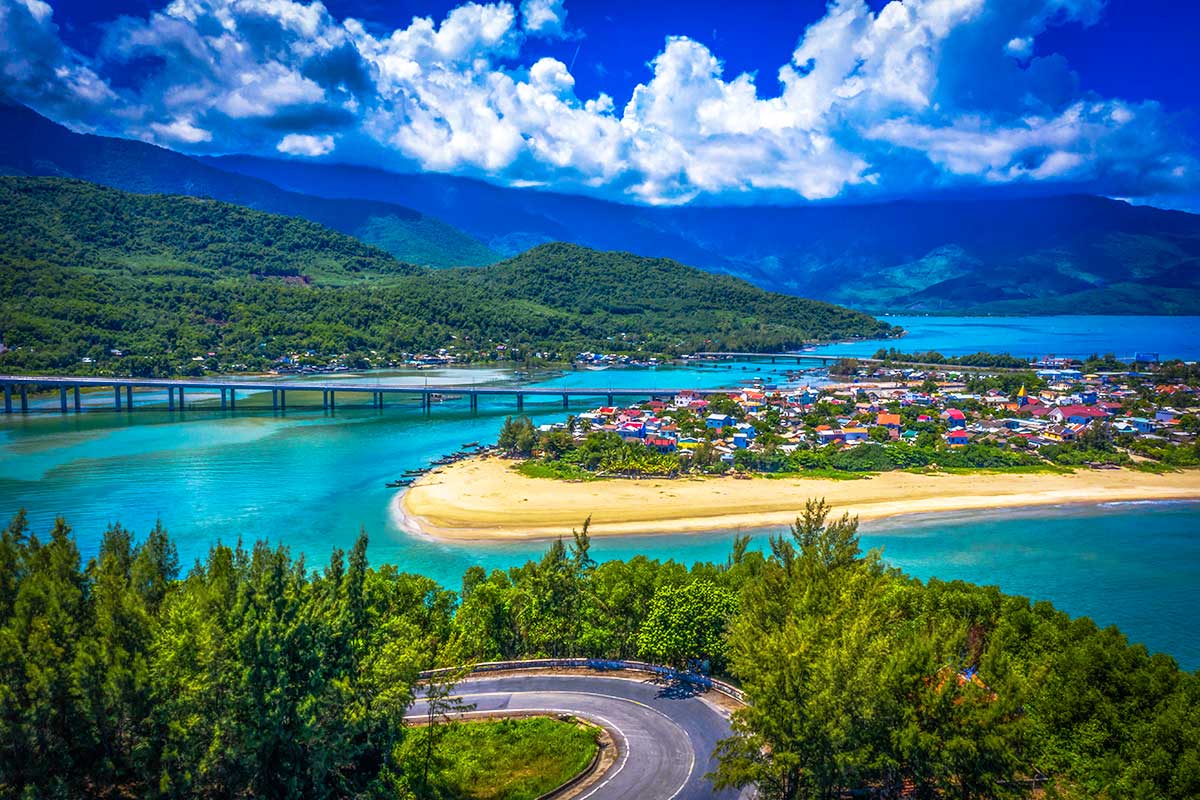
Starting from Hue, you ride through the countryside before reaching Lap An Lagoon, a quiet stop with views over the water and mountains. From there, the road continues to Lang Co Bay, one of the most beautiful coastal stretches in central Vietnam. The climb up the Hai Van Pass itself is where the ride becomes more interesting, with winding roads and viewpoints looking out over the coastline.
After the pass, you descend towards Da Nang, where the scenery shifts to a more urban coastal setting. You can continue along the beach road or make a stop at the Marble Mountains before finishing in Hoi An.
One of the reasons this route works so well is the balance between scenery and practicality. It’s easy to organize, doesn’t require multiple days, and the road conditions are generally good. Also, most heavy traffic now uses the tunnel, so the pass itself is relatively quiet.
It is important to note that this is a short ride. While the views are excellent, it’s not a deep multi-day motorbike adventure. It’s best seen as a memorable one-day experience rather than a full journey.
This route is ideal for travelers who want a scenic ride without committing to a longer or more demanding trip.
Tip: Experience the Hai Van Pass by Easy Rider or open military jeep with Local Vietnam
If you don’t want to ride yourself, you can join an Easy Rider tour and sit on the back with a local driver. Another option is our open military jeep tour, which offers the same route with a different experience. You can explore both options through our Hai Van Pass tours, depending on how you prefer to travel.
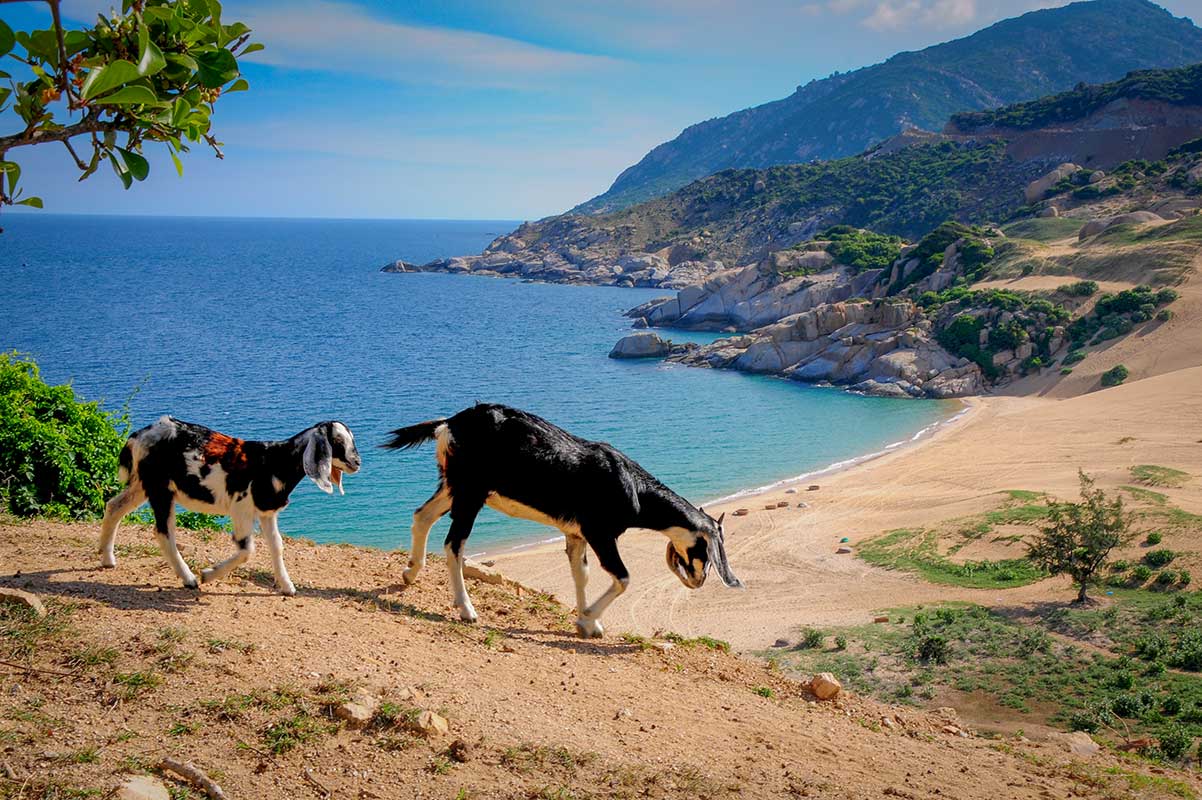
5. The south-central coast route – Ninh Thuan to Phu Yen
This is one of the best coastal motorbike routes in Vietnam, especially if you enjoy a mix of ocean views, quiet roads, and changing landscapes.
Route summary
- Distance: ~250–350 km depending on stops
- Best route: Phan Rang / Ninh Chu – Nui Chua Coast – Cam Ranh – Nha Trang – Phu Yen
- Best for: Coastal scenery, relaxed riding, photography
- Ideal time: January to September
- Difficulty: Beginner to intermediate
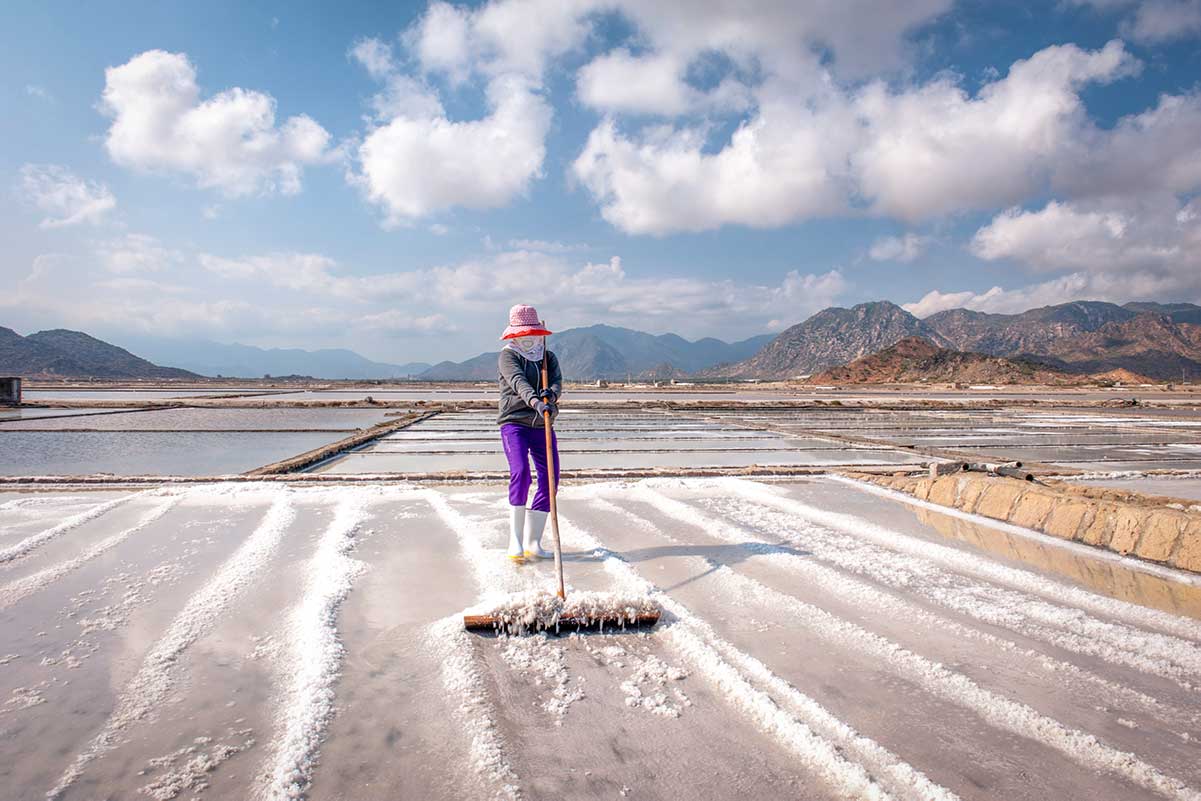
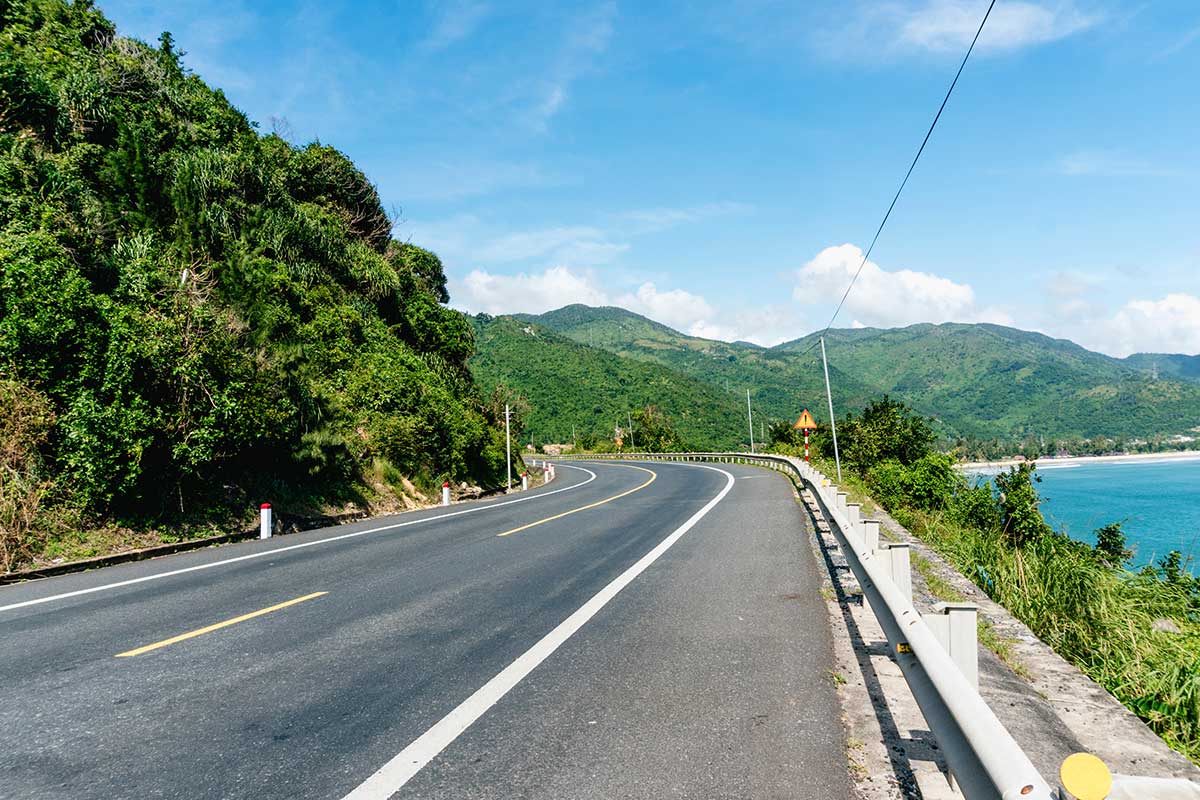
This route stands out because it feels very different from most of Vietnam. Around Ninh Thuan, the landscape becomes dry and rocky, with fewer rice fields and more open, almost desert-like scenery. The Nui Chua coastal road is a highlight here, with stretches of road running between mountains and the sea.
As you continue north, the scenery changes again. You pass fishing villages, small beaches, and sections where the road climbs slightly into the hills before dropping back to the coast. The ride between Cam Ranh and Nha Trang is more developed, but still offers some nice views.
Further north towards Phu Yen, the coastline becomes quieter again, with fewer tourists and more local life. This part feels less polished but more authentic, especially if you take smaller roads where possible.
This is not a route to rush. It works best when you break it into sections and take time to stop along the way. Some stretches are very scenic, while others are more about getting from one area to another.
Overall, this is a great choice if you want a coastal ride that feels varied and relatively easy, without the intensity of mountain routes.
6. The central Highlands route – Da Lat to Kon Tum
One of the best motorbike routes in Vietnam for culture and highland scenery, this route takes you through a quieter and less touristy part of the country.
Route summary
- Distance: ~400–500 km depending on route
- Best route: Da Lat – Buon Ma Thuot – Pleiku – Kon Tum (optional extension to Mang Den)
- Best for: Culture, landscapes, multi-day riding
- Ideal time: December to April
- Difficulty: Beginner to intermediate
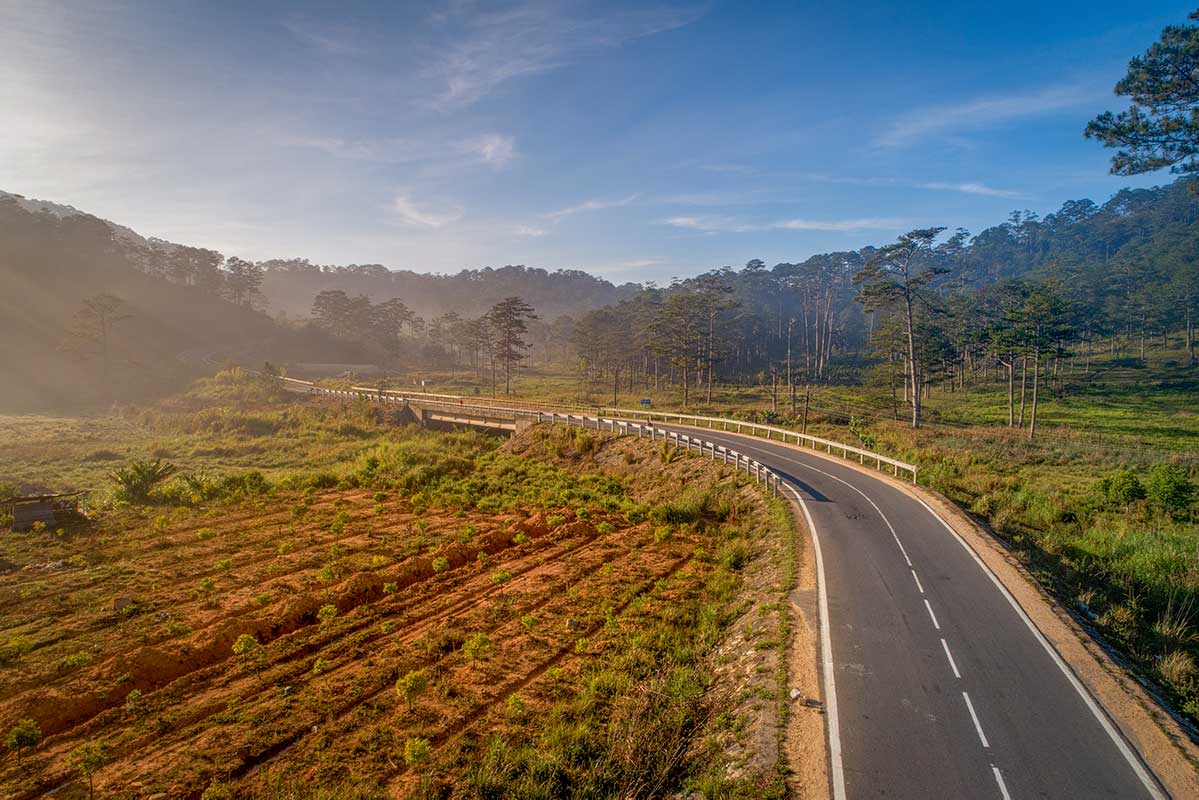
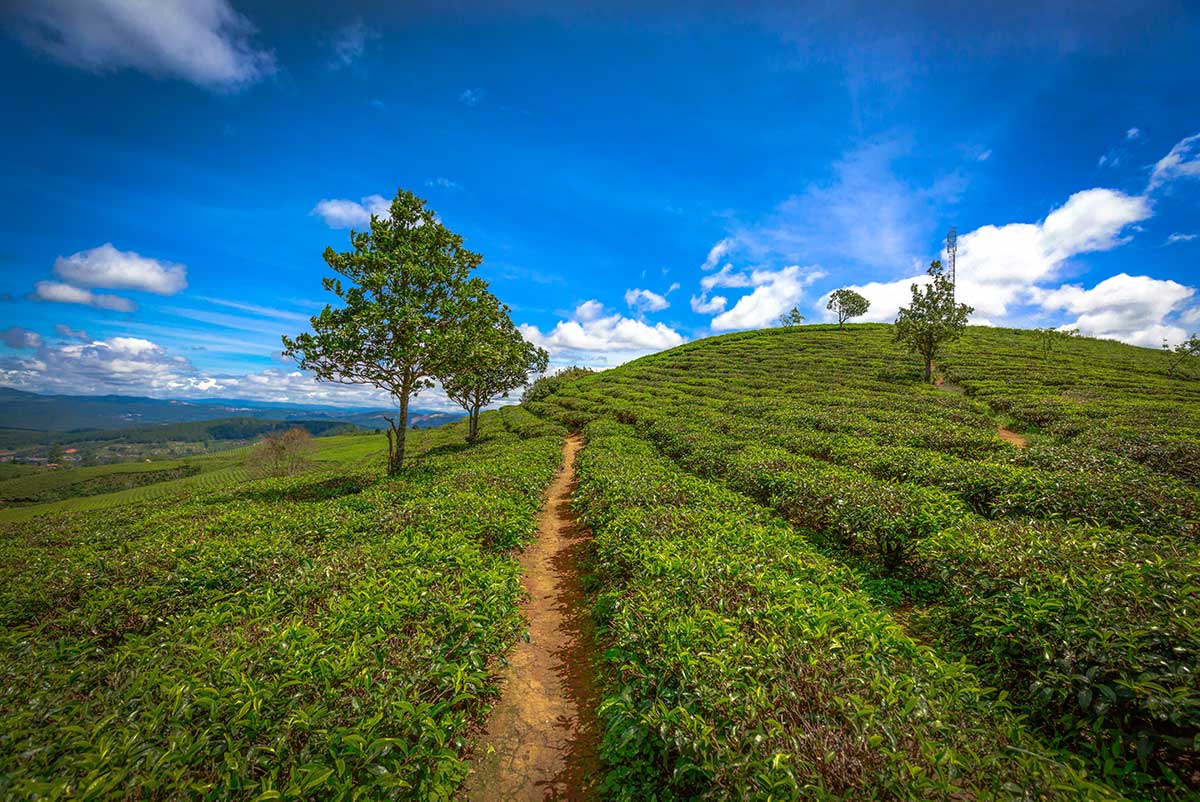
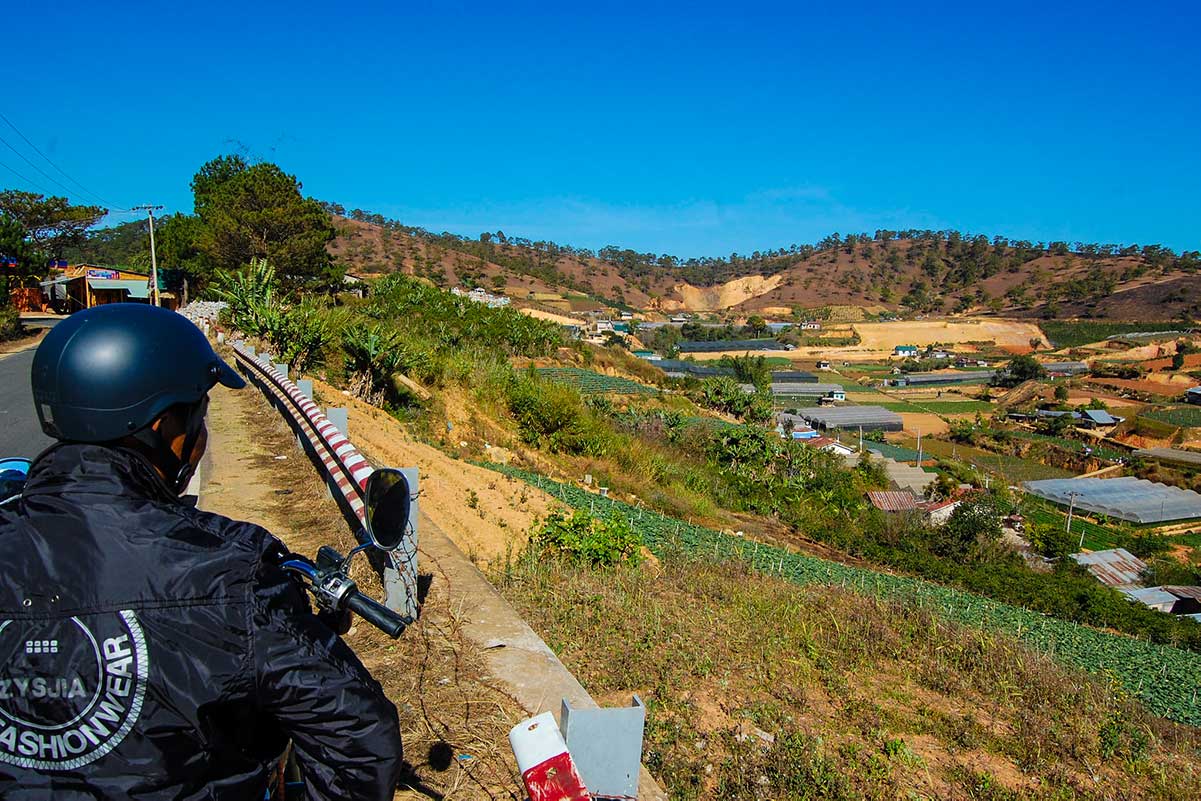
The Central Highlands offer a completely different experience compared to northern Vietnam. Instead of sharp limestone peaks, you get rolling hills, forests, and large agricultural plateaus. The climate is also cooler, especially around Da Lat.
Starting in Da Lat, you ride through pine forests and farmland before heading towards Buon Ma Thuot, known as Vietnam’s coffee capital. From there, the route continues through Pleiku and Kon Tum, where you can see more of the region’s ethnic culture and rural life.
The ride is less about dramatic viewpoints and more about the overall experience. You pass waterfalls, coffee and pepper plantations, and small towns where daily life feels unchanged by tourism. The roads are generally good, and traffic is much lighter than on the main highways.
This route may not have the same immediate visual impact as Ha Giang, but it offers more depth. It’s a good option if you want to travel at a slower pace and explore areas that feel less visited.
It’s also well suited for multi-day trips, especially if you combine it with other routes or continue onto the Ho Chi Minh Road.
Tip: Ride through the Central Highlands with a Da Lat Easy Rider tour tailored to your trip
Easy Rider tours from Da Lat are a popular way to explore this region. You can choose short one-day rides around Da Lat or longer multi-day routes through the Central Highlands. If you want a guided experience, you can check our Dalat Easy Rider tours, which follow similar routes with local drivers.
7. Mai Chau – Pu Luong – Ninh Binh
This is one of the most accessible motorbike routes in northern Vietnam and a great option if you don’t want to go all the way to Ha Giang.
Route summary
- Distance: ~300–450 km depending on route
- Best route: Hanoi – Mai Chau – Pu Luong – Cuc Phuong / backroads – Ninh Binh – Hanoi
- Best for: Short loops, countryside, relaxed riding
- Ideal time: September to May
- Difficulty: Beginner to intermediate
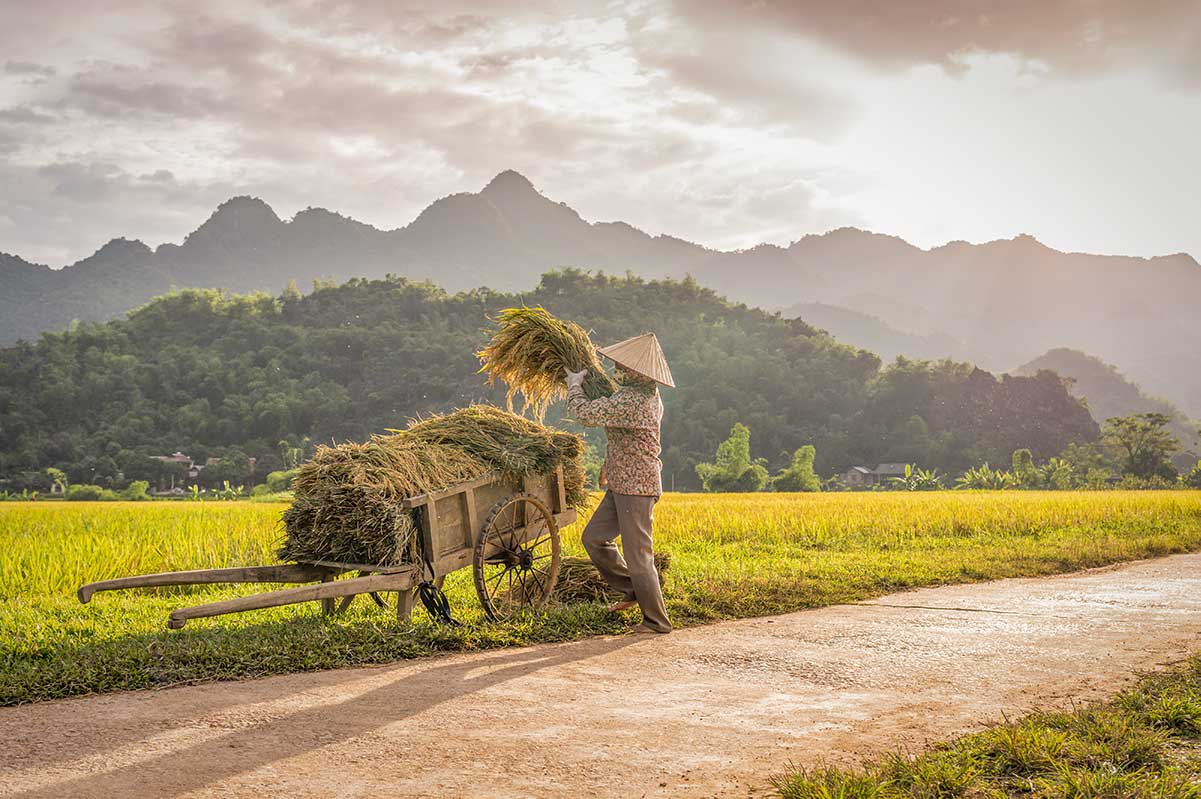
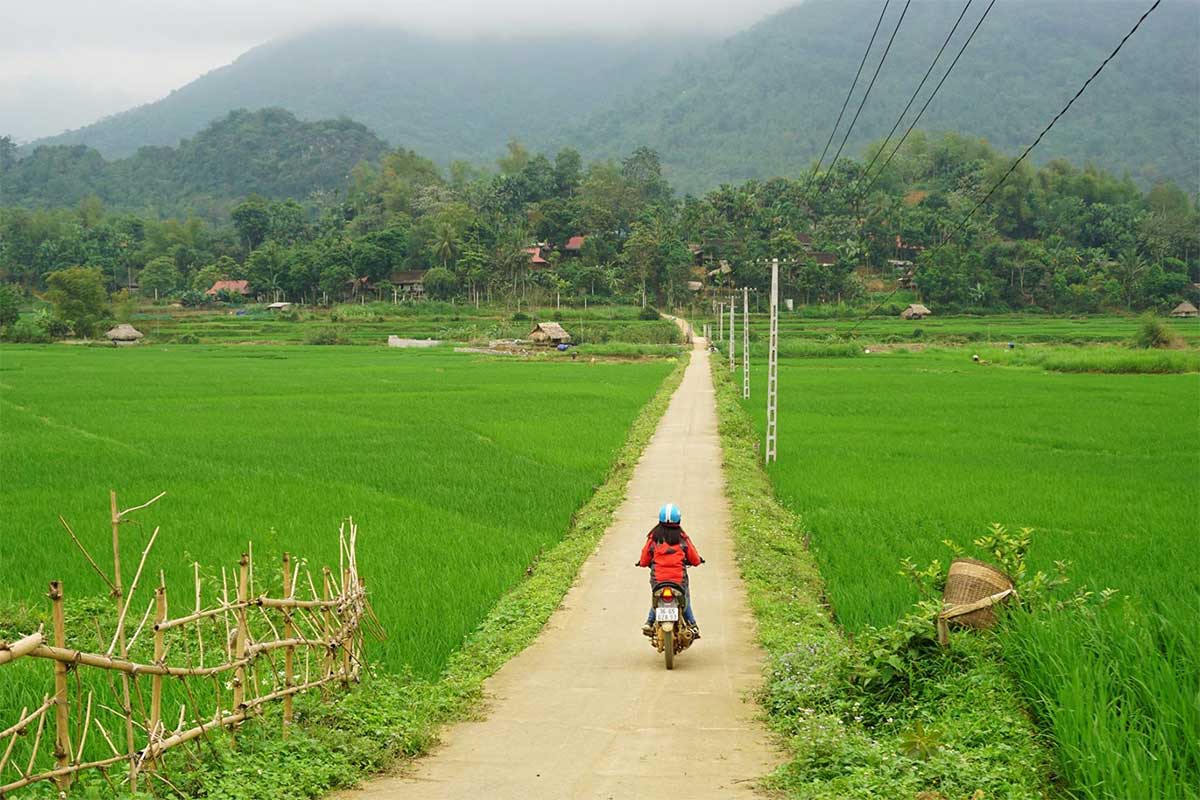
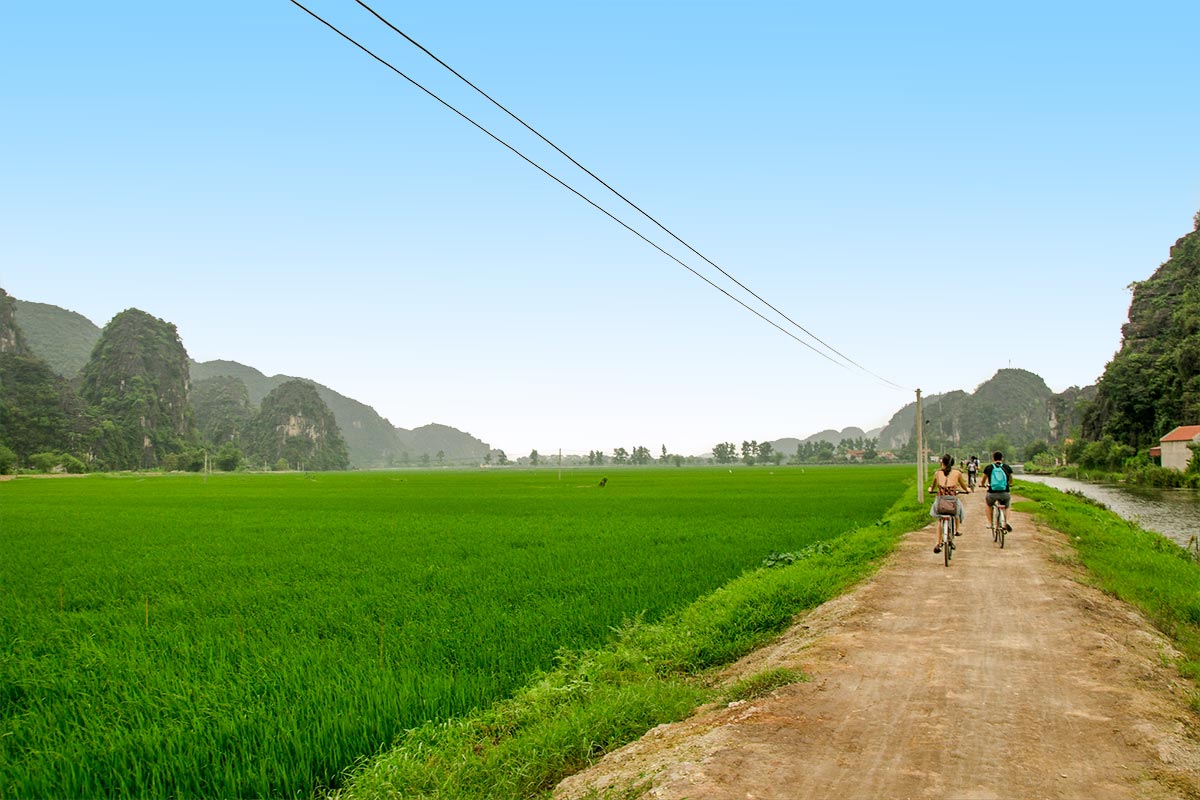
This route offers a softer introduction to northern Vietnam. Instead of extreme mountain passes, you ride through limestone landscapes, rice valleys, and small villages connected by quiet roads.
From Hanoi, the road climbs gently towards Mai Chau, known for its valley views and stilt houses. From there, you can continue to Pu Luong, where the scenery becomes more rural, with rice terraces, bamboo water wheels, and small villages spread across the hills.
The route towards Ninh Binh passes through backroads and areas near Cuc Phuong National Park, before reaching the well-known karst landscape around Tam Coc and Trang An.
Compared to Ha Giang or Cao Bang, this route is less dramatic. But that’s also its strength. It’s easier to ride, closer to Hanoi, and offers a good mix of scenery and comfort with plenty of homestays and accommodation options along the way.
This is a strong choice for a 3–5 day loop, or as part of a longer itinerary through northern Vietnam.
8. The Mekong Delta route – Ho Chi Minh City to Can Tho, Chau Doc and Ha Tien
This route is completely different from the mountain rides in the north and central regions.
Route summary
- Distance: ~400–600 km depending on route
- Best route: Ho Chi Minh City – Ben Tre / Vinh Long – Can Tho – Chau Doc – Ha Tien
- Best for: Local life, culture, slow travel
- Ideal time: December to April
- Difficulty: Beginner
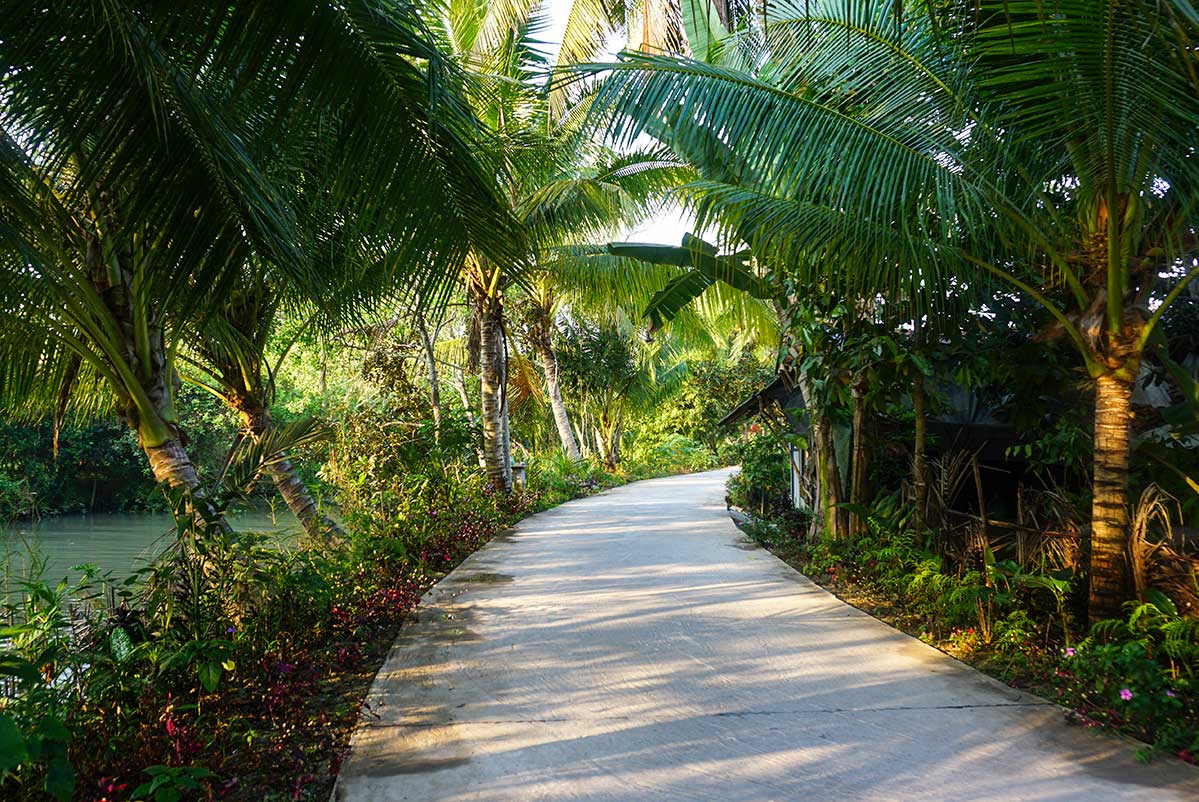
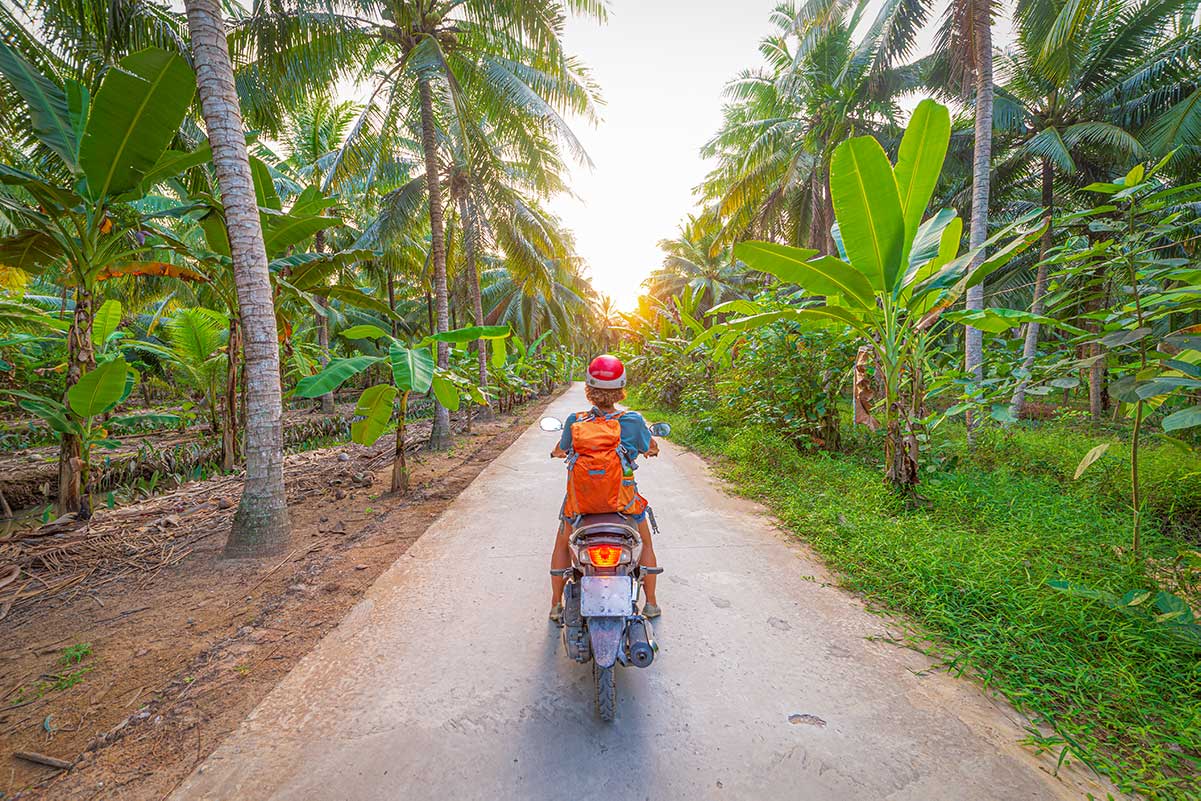
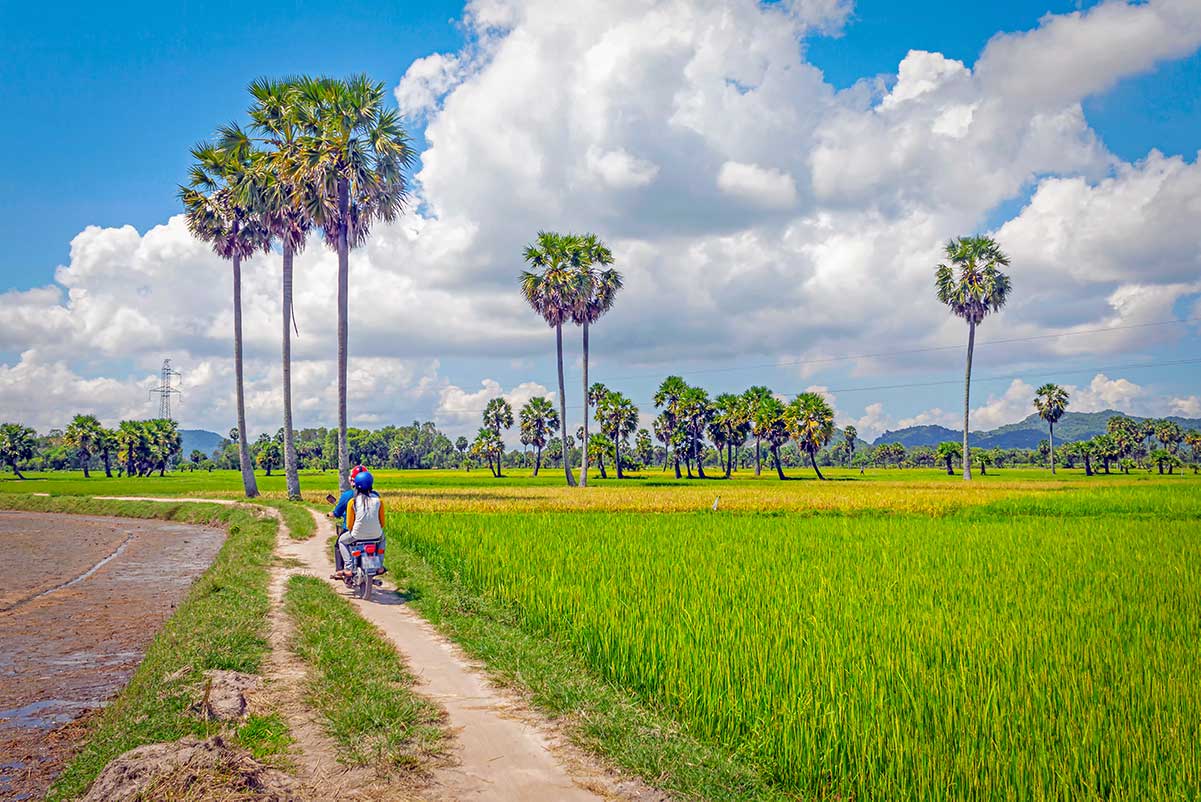
The Mekong Delta is flat, green, and full of waterways. Instead of mountain passes, you ride along rivers, through rice fields, and across countless small bridges and ferries.
From Ho Chi Minh City, you can head towards Ben Tre or Vinh Long, where the landscape starts to open up into coconut groves and canals. Further on, Can Tho is the main hub, known for its floating markets and river life.
Continuing to Chau Doc brings you closer to the Cambodian border, with a mix of Vietnamese and Khmer culture. The final stretch towards Ha Tien follows quieter roads near the coast, with a slower pace and fewer tourists.
This is not a route for fast riding or sharp curves. It’s more about what you see along the way: markets, farms, temples, and everyday life in the Delta.
If you are looking for exciting riding, this might not be the best choice. But if you want to experience local life and travel at a slower pace, it becomes a very rewarding trip.
9. Sapa – Sin Ho scenic loop
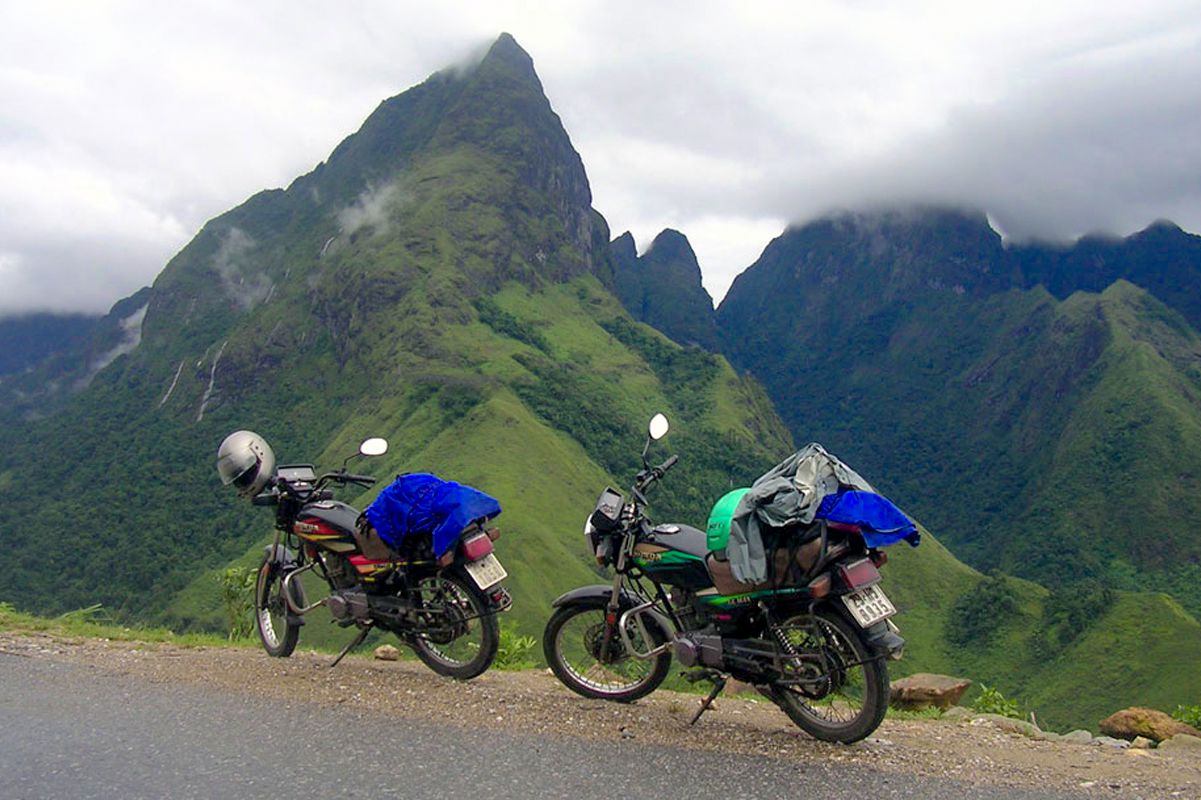
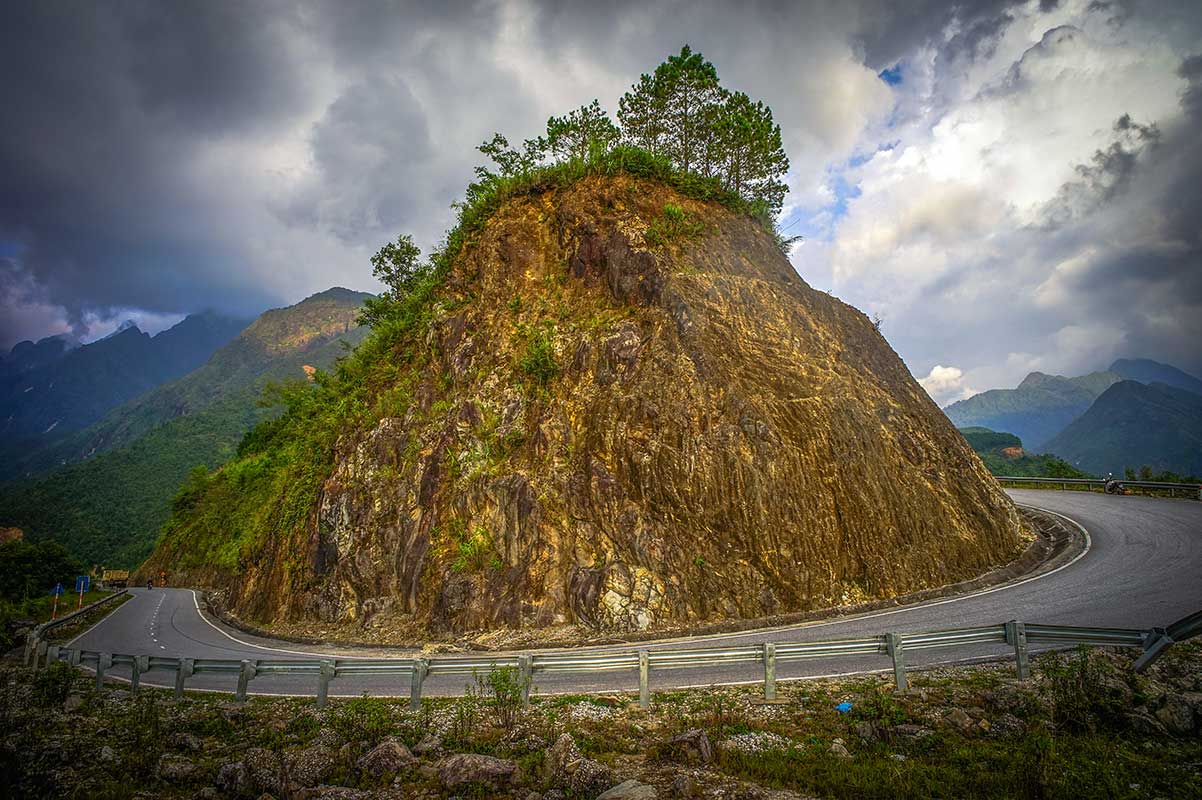
The Sapa – Sin Ho loop is one of the best motorbike routes in Vietnam for high mountain scenery, especially if you want big landscapes without the crowds of Ha Giang.
Route summary
- Distance: ~300–350 km
- Best route: Sapa – O Quy Ho Pass – Lai Chau – Sin Ho – return loop via mountain roads
- Best for: Mountain scenery, experienced riders
- Ideal time: March to May and September to November
- Difficulty: Intermediate to advanced
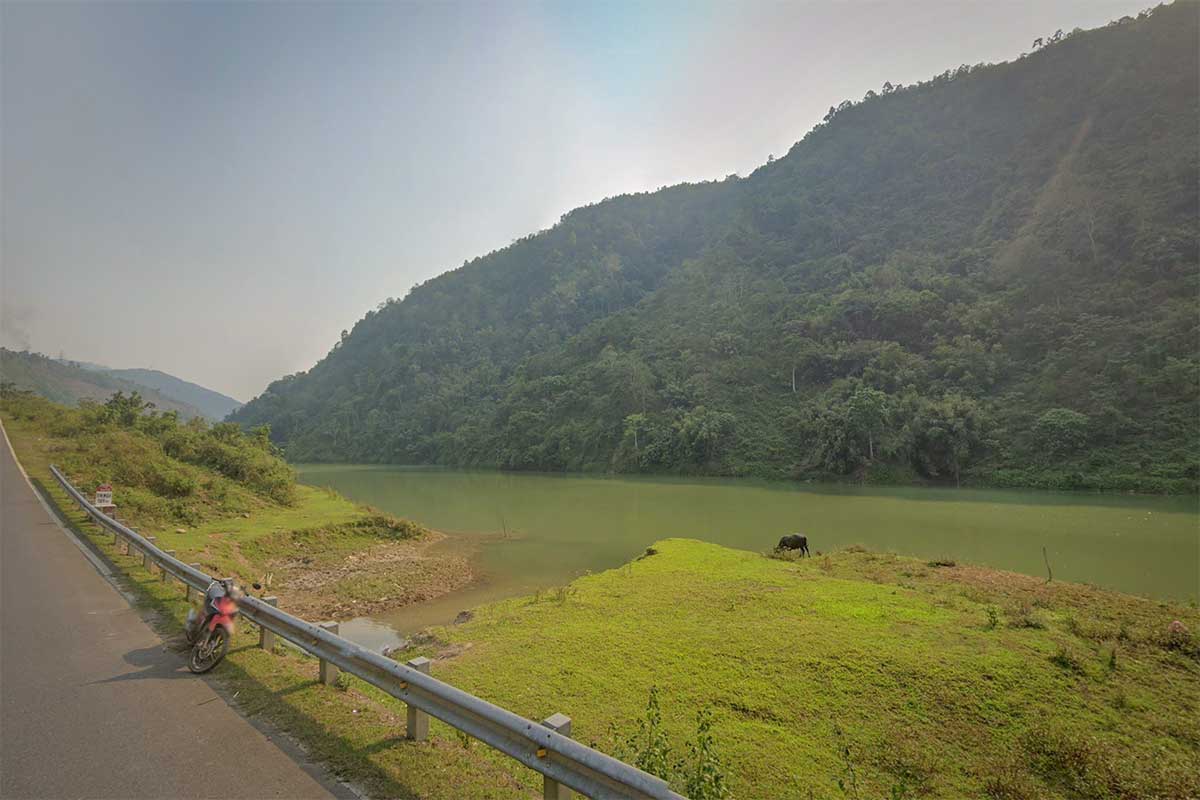
This route starts from Sapa and quickly climbs into the mountains via O Quy Ho Pass, one of the highest passes in Vietnam. From there, you descend into Lai Chau and continue towards Sin Ho, a more remote and less visited area.
The scenery here feels bigger and more open than in Ha Giang. You ride through wide valleys, high mountain ridges, and long stretches of road with very little traffic. After leaving Sapa, the number of tourists drops quickly.
What makes this route special is that it’s more about the ride itself than specific stops. There are viewpoints and villages along the way, but the main highlight is the continuous mountain scenery and the feeling of space.
Weather can change quickly in this region, and some sections can be more challenging than they first appear, especially in fog or rain. It’s a better fit for riders with some experience.
If you want mountain riding without the busier atmosphere of Ha Giang, this is a strong alternative.
10. The northwest backroads loop – Nghia Lo, Mu Cang Chai, Son La and Ta Xua
This route is less known but offers some of the most rewarding riding in northern Vietnam.


Route summary
- Distance: ~400–600 km depending on variation
- Best route: Nghia Lo – Tu Le – Mu Cang Chai – Than Uyen / Son La side – Ta Xua / Bac Yen
- Best for: Off-the-beaten-path travel, rice terraces, mountain riding
- Ideal time: May–June (green season) and September (harvest season)
- Difficulty: Intermediate
This loop is all about exploration. Instead of following one fixed route, you connect different mountain roads and valleys depending on your time and direction.
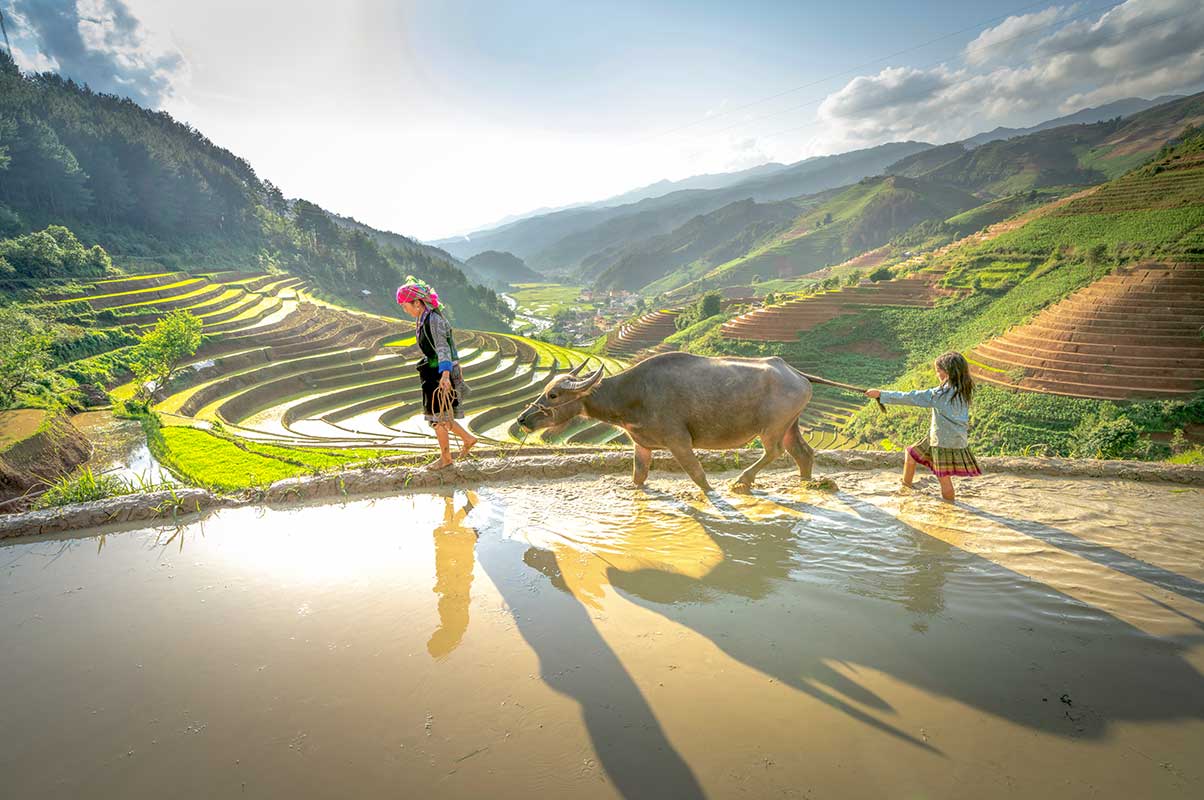
Starting from Nghia Lo, the road climbs towards Tu Le and Mu Cang Chai, one of the most famous areas in Vietnam for rice terraces. From there, you can continue deeper into the mountains towards Son La or loop back via Ta Xua and Bac Yen, known for cloud hunting and remote scenery.
The landscapes are varied: steep mountain passes, wide valleys, terraced fields, and small villages. Compared to Sapa or Ha Giang, this area sees fewer tourists, which makes the experience feel more relaxed.
This route is less “iconic” in the sense that there is no single famous pass or viewpoint that defines it. But for many riders, that’s exactly what makes it interesting.
It’s best suited for travelers who want to explore beyond the usual routes and don’t mind a bit more planning.
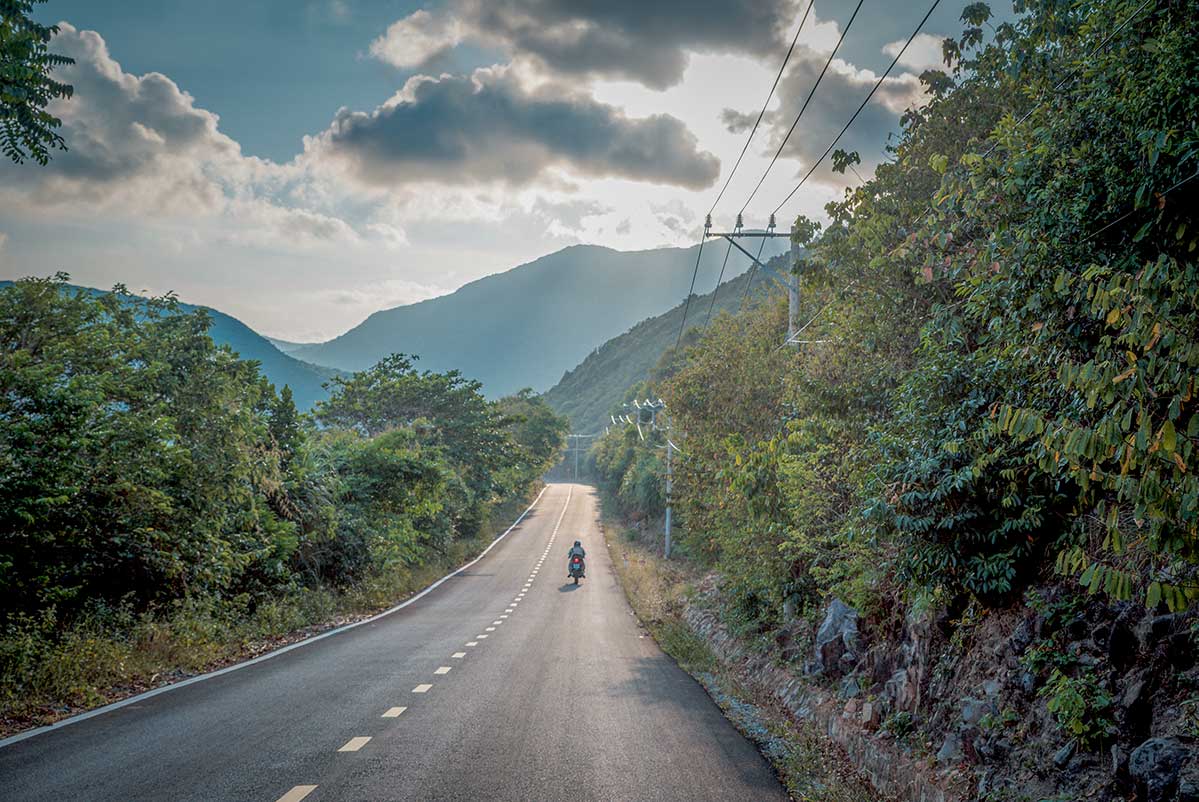
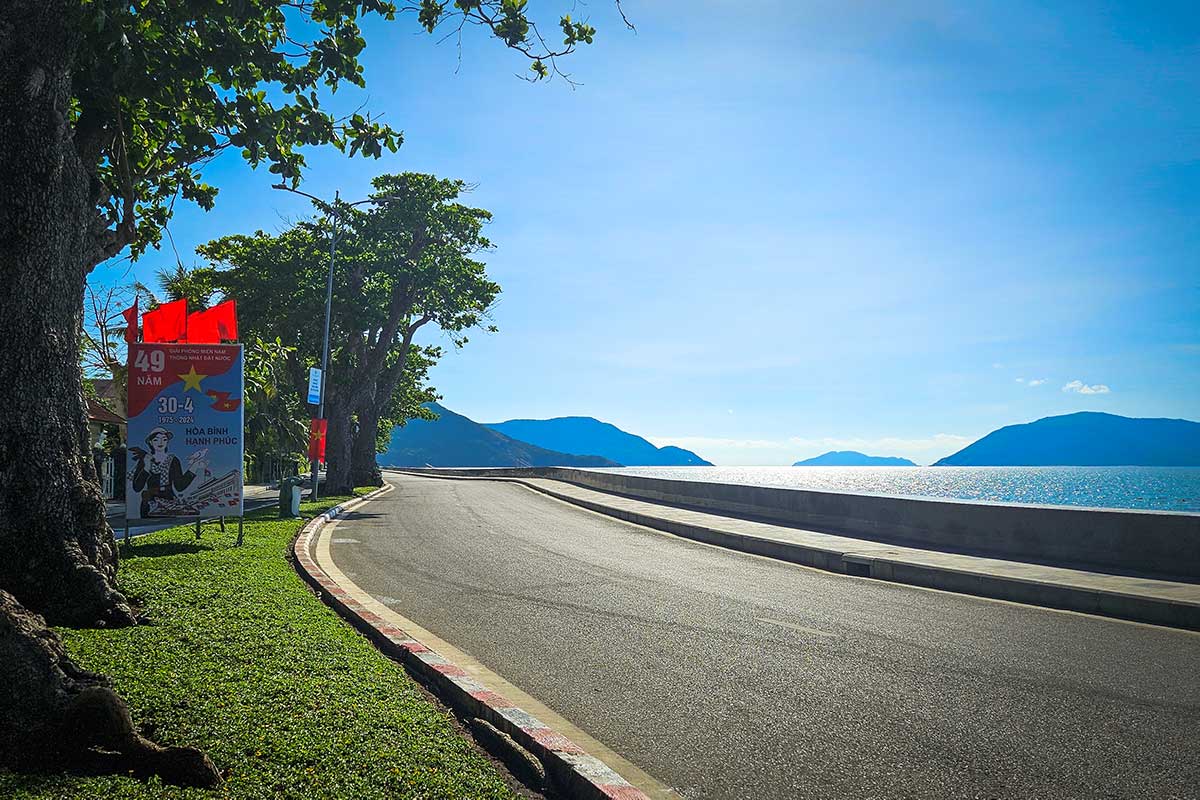
11. Con Son coastal road
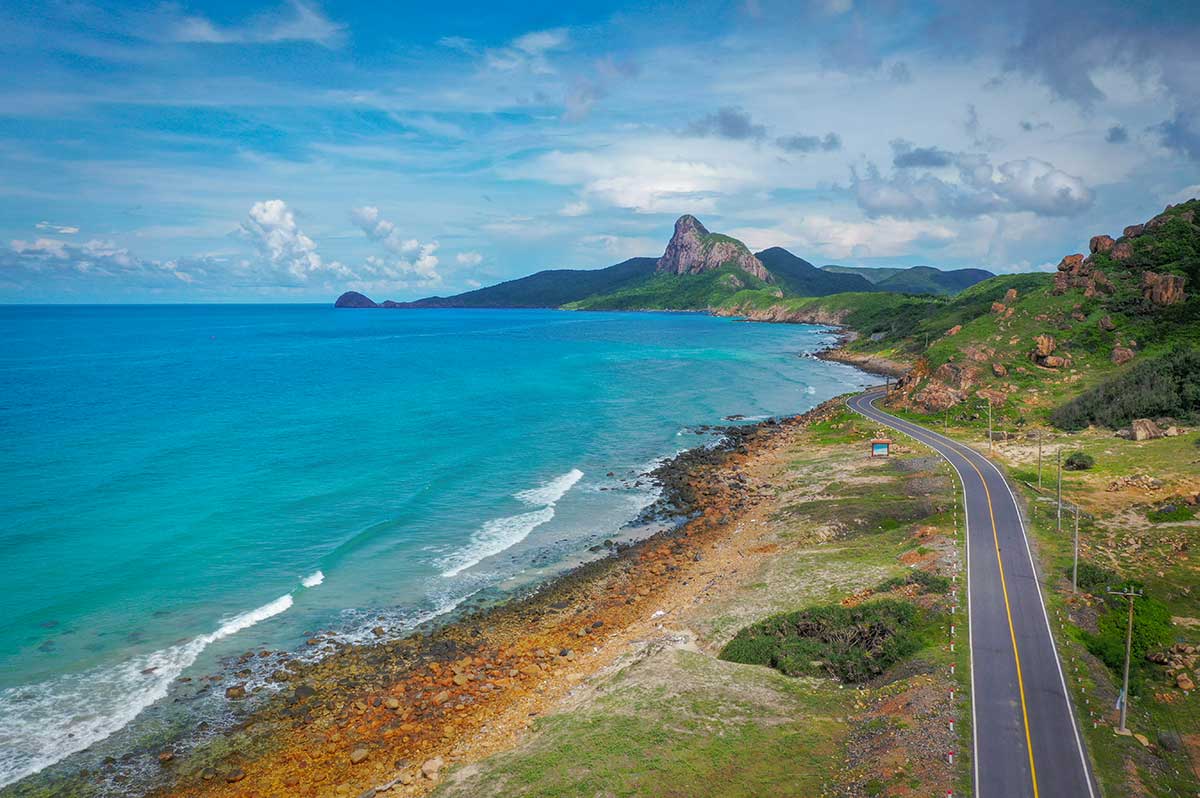
This is the best motorbike route in Vietnam if you are looking for an island ride.
Route summary
- Distance: ~30–40 km
- Best route: Ben Dam – Con Son town – Dam Trau – return via the island coast road
- Best for: Short scenic rides, beaches, island exploration
- Ideal time: March to September
- Difficulty: Beginner
Con Son Island is small, but the coastal road that circles it is very scenic. You ride between forest and ocean, with cliffs, quiet beaches, and viewpoints along the way.
The road is in good condition and traffic is very light, which makes it easy to explore at your own pace. Stops like Dam Trau Beach and the road towards Ben Dam offer some of the best views on the island.
This is not a long-distance route. You can ride the entire island in a day, with plenty of time to stop for photos or a swim.
It’s also important to see it in context. This is not a reason to travel to Vietnam on its own, but if you are already visiting Con Dao, it’s one of the best ways to explore the island.
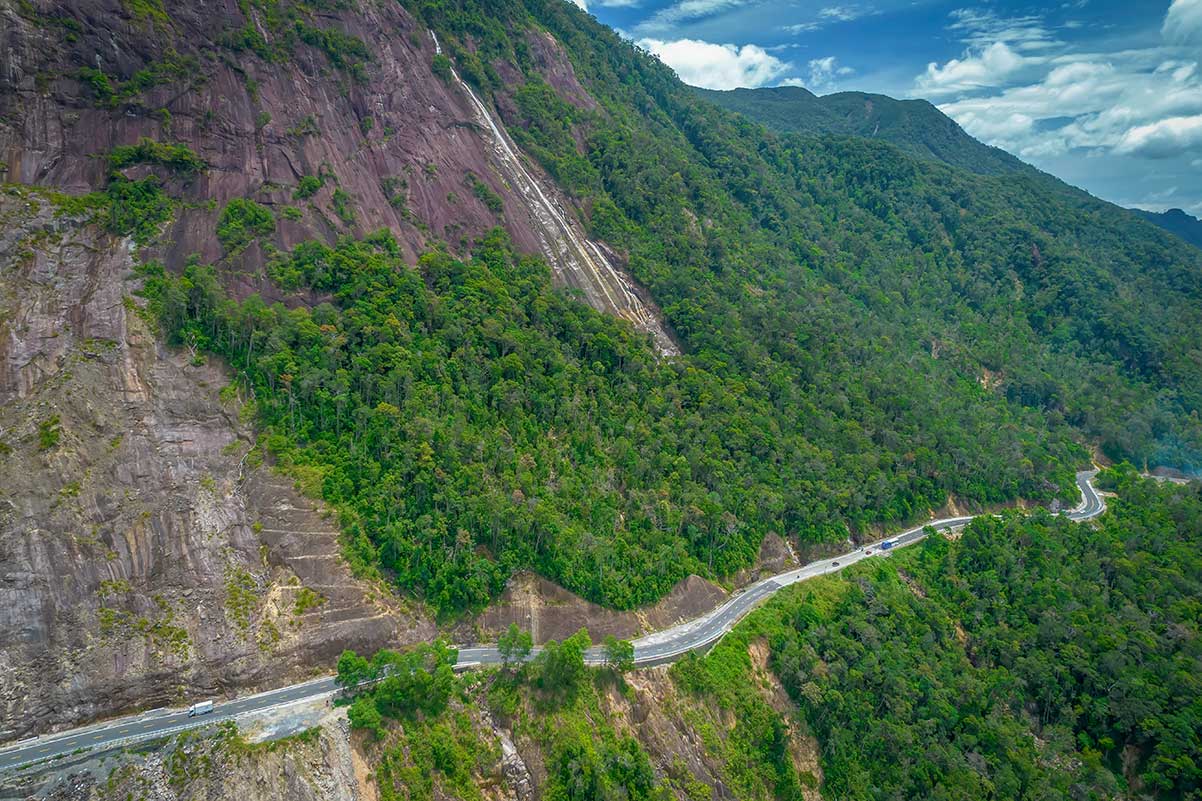
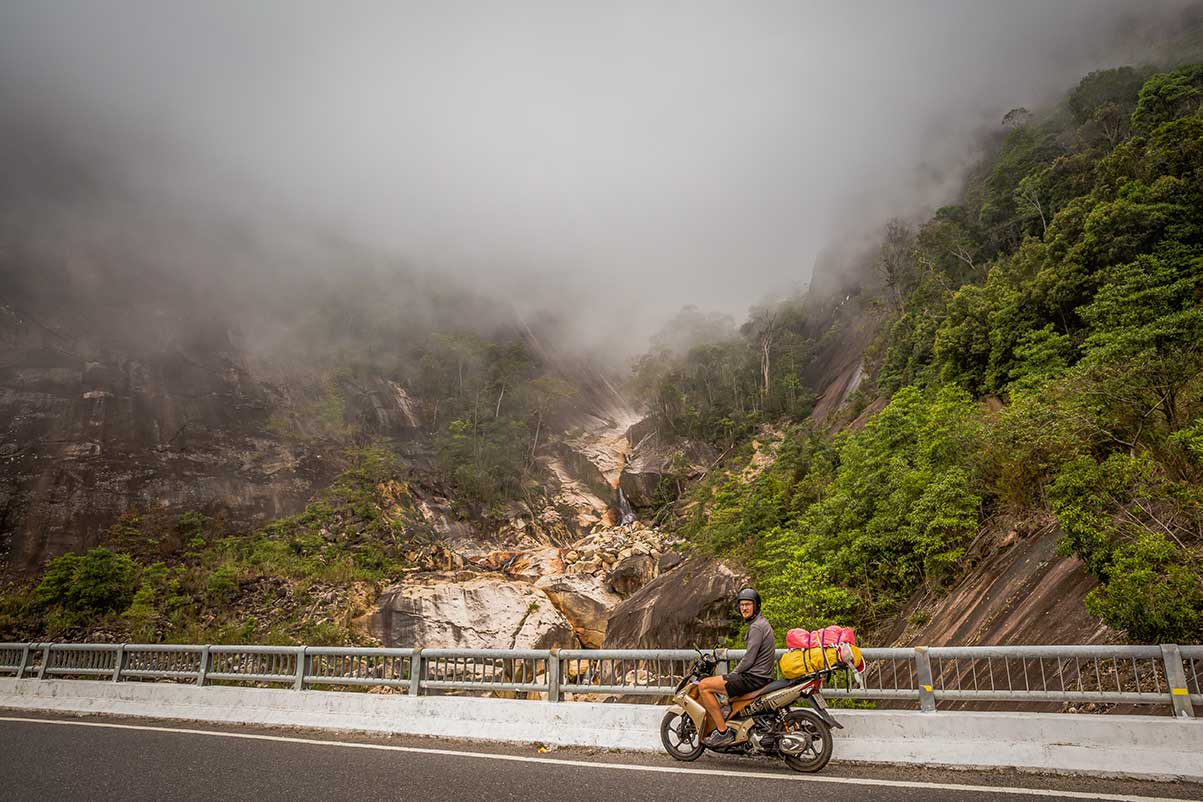
12. Da Lat to Nha Trang via Khanh Le Pass
The route from Dalat to Nha Trang is one of the best mountain-to-sea motorbike routes in southern Vietnam.
Route summary
- Distance: ~130–150 km
- Best route: Da Lat – Khanh Vinh – Khanh Le Pass – Nha Trang
- Best for: Scenic ride, elevation change, linking destinations
- Ideal time: January to September
- Difficulty: Beginner to intermediate
This route connects the cool highlands of Dalat with the coastal city of Nha Trang in just one ride.
Starting from Dalat, you ride through pine forests and farmland before climbing and descending through the Khanh Le Pass. The road is known for its curves, mountain views, and changing scenery.
As you descend, the landscape shifts from cool mountain air to warmer coastal climate. You pass through forested valleys, small waterfalls, and eventually reach the flatter roads leading into Nha Trang.
This route is not as rich in cultural stops as longer journeys like the Central Highlands or Ho Chi Minh Road. But as a pure riding experience, it’s very enjoyable and easy to combine with other destinations.
It’s a good choice if you want a scenic transfer between Da Lat and the coast, rather than just taking a bus.
Travel tip: Ride from Da Lat to Nha Trang by Easy Rider with Local Vietnam
Want to experience this route more than just a transfer? Our Da Lat to Nha Trang by Easy Rider tour includes scenic stops along the way, with a local driver who knows the route and best viewpoints. Check our Da Lat to Nha Trang by Easy Rider tour and let us know your plans via the form below.
Motorbike driving rules in Vietnam
Before you start riding any of these motorbike routes in Vietnam, it is important to understand the legal basics. Many travelers overlook this, but it can have serious consequences if something goes wrong.
License rules for foreign riders
To ride legally in Vietnam, you need a valid motorcycle license for the type of bike you are using. A car license is not enough.
Vietnam only recognizes an International Driving Permit (IDP) based on the 1968 Vienna Convention. This is where things often go wrong. Some countries—like the United States, Canada, and Australia—commonly issue IDPs under the 1949 Convention, which are not officially valid in Vietnam.
In practice, many travelers still rent and ride motorbikes without the correct license. Rental shops often don’t check, and police stops are not very common in tourist areas.
The real issue is insurance. If you have an accident and don’t have the correct license and IDP, your travel insurance may not cover any costs. This can become very expensive, especially in serious situations.
Basic traffic rules that matter most
Traffic in Vietnam can feel chaotic at first, and not all rules are strictly followed. Still, there are a few basics that matter and are important for your safety.
- Always wear a helmet
- Do not speed, especially on mountain roads
- Never ride after drinking alcohol
- Be careful on blind corners, especially for trucks and buses
- Expect other road users to behave unpredictably
- Take extra caution in the mountains and during rain
Riding in Vietnam is not difficult, but it does require attention and a defensive mindset. If you ride carefully and stay aware of your surroundings, it becomes much more manageable.
Tips for riding the best motorbike routes in Vietnam
These tips will help you get more out of the best motorbike routes in Vietnam and avoid common mistakes, especially if it’s your first time riding here.
Renting or buying a motorbike
Most travelers choose between renting a motorbike or buying one for longer trips.
Renting is the easiest option. You can pick up a bike in one city and sometimes drop it off in another. It’s more convenient, and if something goes wrong, the rental company often helps with repairs or replacement.
Buying a motorbike is usually cheaper if you travel for several weeks or longer. Some travelers buy a bike in Hanoi or Ho Chi Minh City and sell it again at the end of their trip. The downside is that you are responsible for maintenance, and selling the bike can take time.
For most travelers, renting is the better and less stressful choice. If you want to understand this in more detail, check our dedicated guide about renting or buying a motorbike in Vietnam.
Riding on the back with an Easy Rider
If you don’t want to drive yourself, an Easy Rider is a very good alternative.
Easy Riders are local drivers who take you on the back of their motorbike. They know the routes, road conditions, and places to stop, and many speak English. This makes the experience easier and often more informative.
This option is best if you:
- Have little or no riding experience
- Don’t feel comfortable in traffic
- Want to focus on the scenery instead of navigation
It’s especially popular in places like Ha Giang and the Central Highlands.
Choosing the right route for your skill level
Not every route is suitable for every rider. Choosing the right one makes a big difference.
Beginner:
Hai Van Pass, Con Son coastal road, Da Lat to Nha Trang, Mekong Delta
These routes have easier roads, less challenging terrain, and shorter distances.
Intermediate:
Mai Chau – Pu Luong – Ninh Binh, Central Highlands, Cao Bang Loop
You’ll deal with more curves and longer days, but still manageable with some experience.
Experienced:
Ha Giang Loop, Sapa – Sin Ho loop, Northwest backroads, Ho Chi Minh Road (long sections)
These routes include mountain passes, remote areas, and changing weather conditions.
Best time of year by region
Vietnam’s weather changes a lot depending on the region, so timing matters.
North (Ha Giang, Sapa, Cao Bang):
Best from March to May and September to November. Winters can be cold and foggy, while summer can bring heavy rain.
Central (Hue, Da Nang, Central Coast):
Best from February to August. The rainy season peaks around October and November.
South (Ho Chi Minh City, Mekong Delta):
Best from December to April during the dry season. Rainy season (May to October) usually means short but heavy showers.
Packing light but smart
You don’t need much, but a few items make a big difference.
- A light rain layer for sudden showers
- Gloves for better grip and comfort
- A power bank for long riding days
- A small backpack instead of large luggage
- Luggage straps to secure your bag on the bike
Keep it simple. The lighter you pack, the easier the ride.
Use offline maps and do not overplan your days
Mobile signal can be weak in mountain areas and remote regions. Download offline maps before you go, such as Google Maps or Maps.me.
Also, don’t plan every day too tightly. Roads can take longer than expected, weather can change quickly, and you may want to stop more often than planned.
Leaving some flexibility in your schedule makes the trip more enjoyable and less stressful.
FAQs about motorbike routes in Vietnam
What is the most scenic motorbike route in Vietnam?
The Ha Giang Loop is often considered the most scenic, thanks to its dramatic mountain landscapes and famous passes like Ma Pi Leng. That said, routes like Cao Bang and the Sapa – Sin Ho loop offer similar scenery with fewer crowds, while the Hai Van Pass is one of the best scenic rides if you are short on time.
Which motorbike route in Vietnam is best for beginners?
The Hai Van Pass is one of the best options for beginners. It’s relatively short, the road is in good condition, and it can be done in one day. Other beginner-friendly routes include the Con Son coastal road and the ride from Da Lat to Nha Trang.
Is the Ha Giang Loop the best motorbike route in Vietnam?
It’s the most famous route and for many travelers the highlight of their trip. But it’s not automatically the best for everyone. It can be busy, and the roads can be challenging. If you prefer a quieter or more relaxed experience, routes like Cao Bang or the Central Highlands might suit you better.
Can you ride the Ho Chi Minh Road without doing the full route?
Yes, and most travelers do. The full route from Ho Chi Minh City to Hanoi takes time and planning. Many people choose to ride only the most scenic sections, especially the part between Phong Nha and Khe Sanh, which is often considered the highlight.
What is the best coastal motorbike route in Vietnam?
The Hai Van Pass is the most iconic coastal ride, especially for a short trip. For longer coastal riding, the south-central coast between Ninh Thuan and Phu Yen offers more variety, with quiet roads, ocean views, and small fishing villages.
Is it better to self-drive or go with an Easy Rider?
It depends on your experience and comfort level. Self-driving gives you more freedom and flexibility. Easy Rider tours are a good option if you don’t have much riding experience or prefer not to deal with navigation and traffic. You still get the same routes, but with a local driver.
Do you need a license to ride a motorbike in Vietnam?
Yes, legally you need a valid motorcycle license and an International Driving Permit (1968 Convention). In practice, many travelers ride without it, but this can cause problems with insurance if you have an accident.