

Sin Suoi Ho – a remote Hmong village in the mountains of Lai Chau
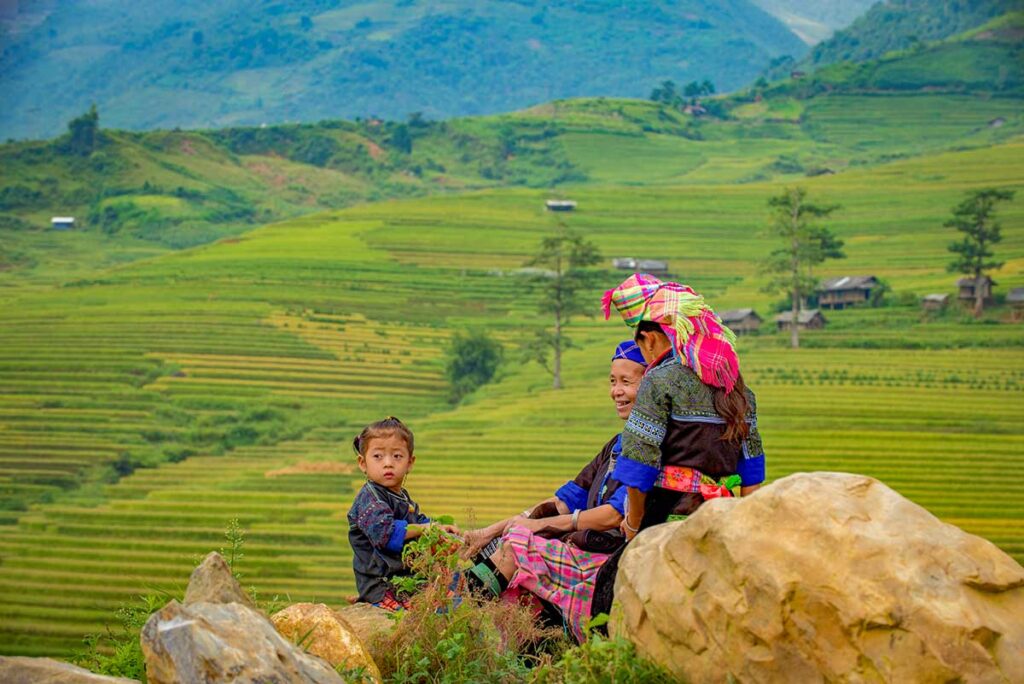
Sin Suoi Ho is a Hmong village in Phong Tho District, Lai Chau Province, at an altitude of around 1,500 meters. It sits high on the mountain slopes, where the air is cool, clouds often hang low over the hills, and village paths are lined with flowers, stone fences, and traditional houses.
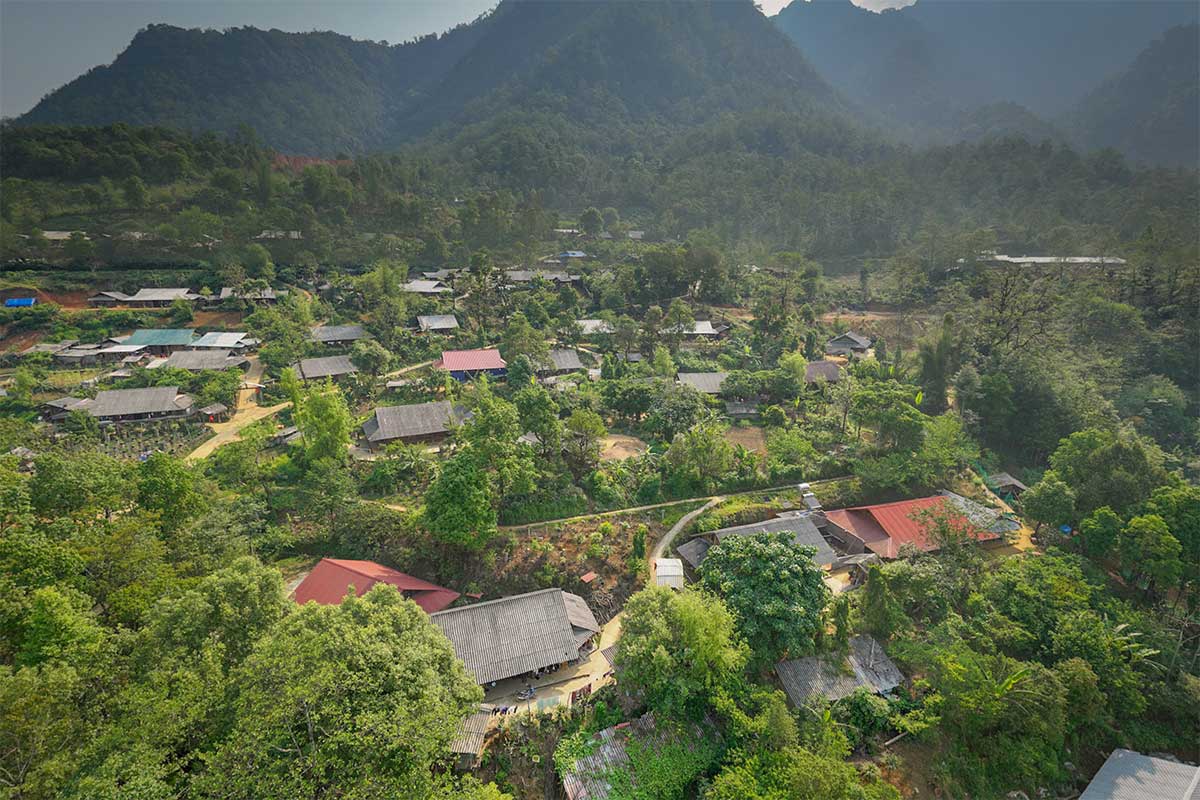
What makes Sin Suoi Ho stand out is not one major sight, but the overall experience: a community tourism village with a strong local identity, a cleaner and more organized feel than many remote villages, and a story of how the community turned the village into a welcoming place for visitors.
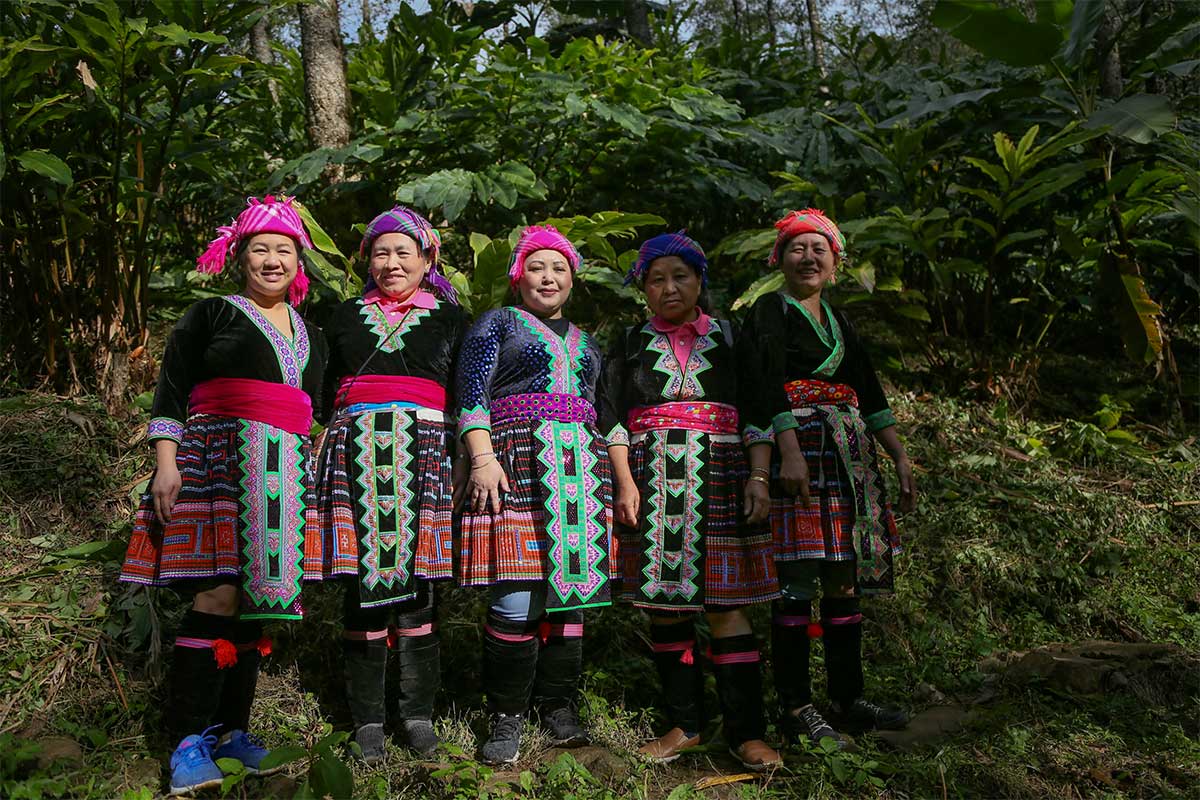
The Saturday market and Heart Waterfall are the two clearest highlights, but for most travelers, Sin Suoi Ho is more about atmosphere, local culture, easy walks, and enjoying a simple mountain setting than rushing from one attraction to the next.
Best things to do in Sin Suoi Ho
1. Walk around the village itself
One of the best things to do in Sin Suoi Ho is simply to walk around without a plan. The village is small, but full of details: traditional Hmong houses, low stone fences, flower-lined paths, and views over the surrounding mountains.
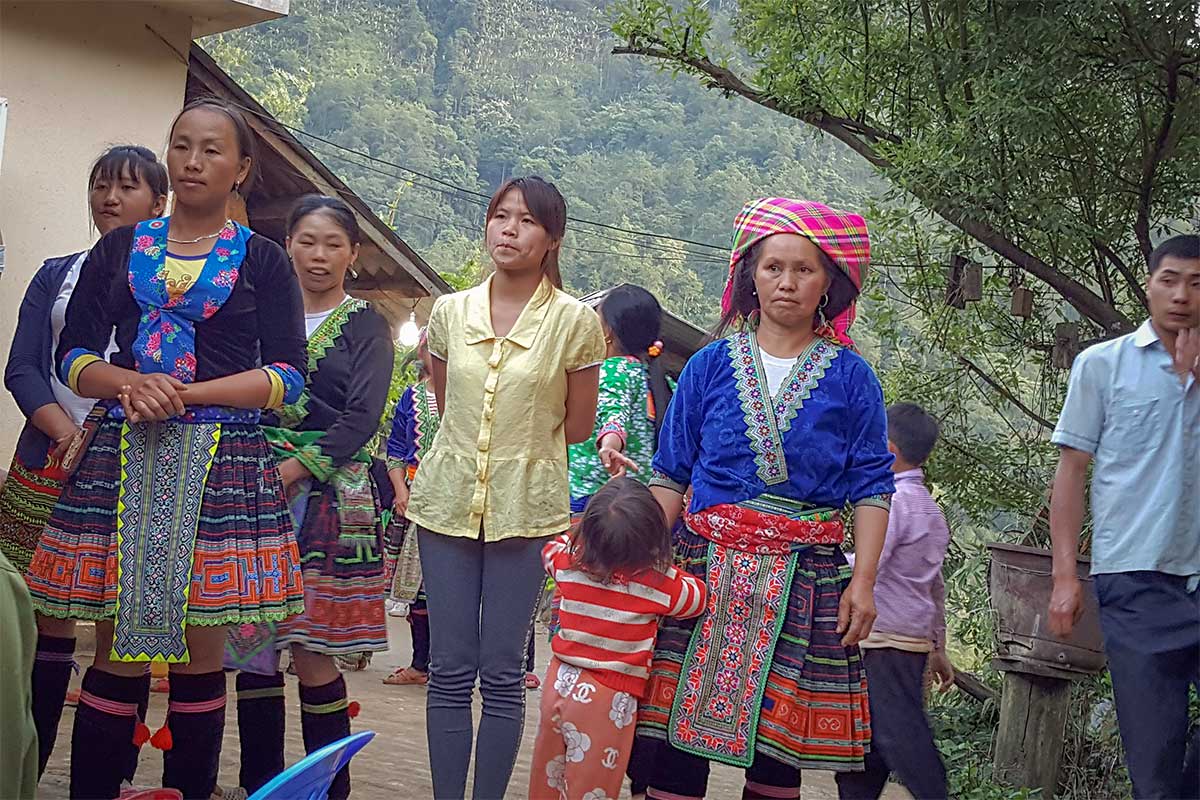
You will often see daily life happening around you, from people working in the fields to locals sitting outside their homes or tending small gardens. It feels calm and lived-in, not staged for tourists. This is not a place where you rush from one highlight to another. Take your time, walk slowly, and just observe what is around you.
2. Visit Heart Waterfall
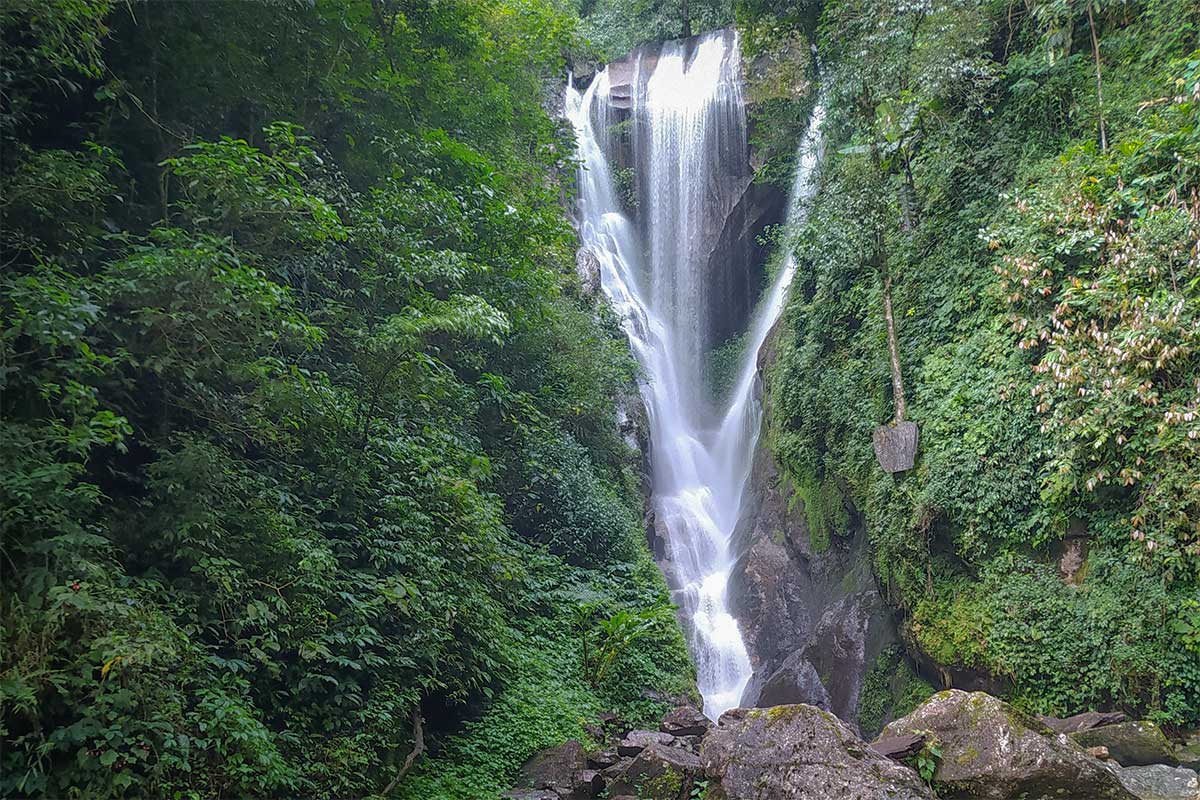
Heart Waterfall is the main natural highlight near the village and worth the short walk. From the center of Sin Suoi Ho, you can reach it on foot, following a path that goes through forest and rocky terrain.
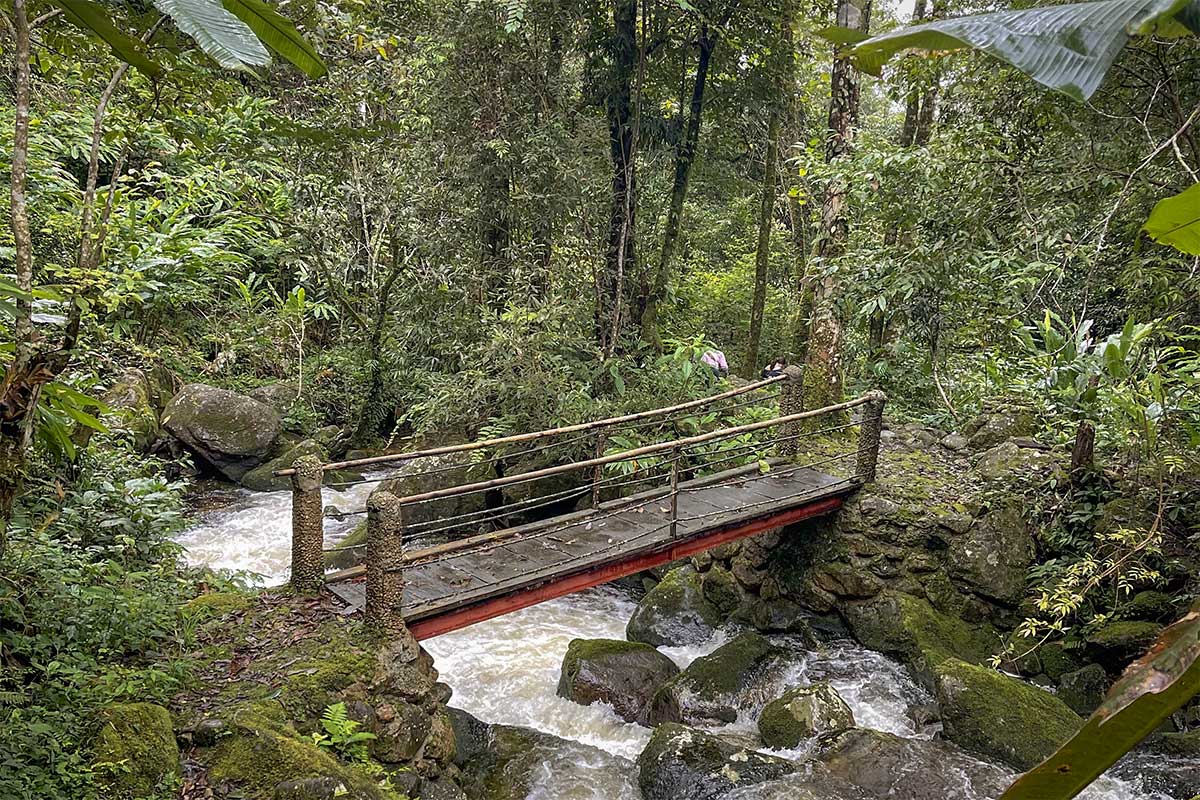
The route is generally manageable for most people, with parts of the path paved or turned into steps, but it is not completely smooth. Some sections can be narrow or uneven, especially after rain. Good shoes are recommended, as sandals can be slippery.
The waterfall itself is set in a quiet, green area and feels quite untouched. It is a nice place to relax and enjoy the cooler air. Facilities are basic, so do not expect changing rooms or proper infrastructure.
3. Go to the Saturday market
If possible, plan your visit around the Saturday market. This is one of the most interesting moments to see local life in Sin Suoi Ho.
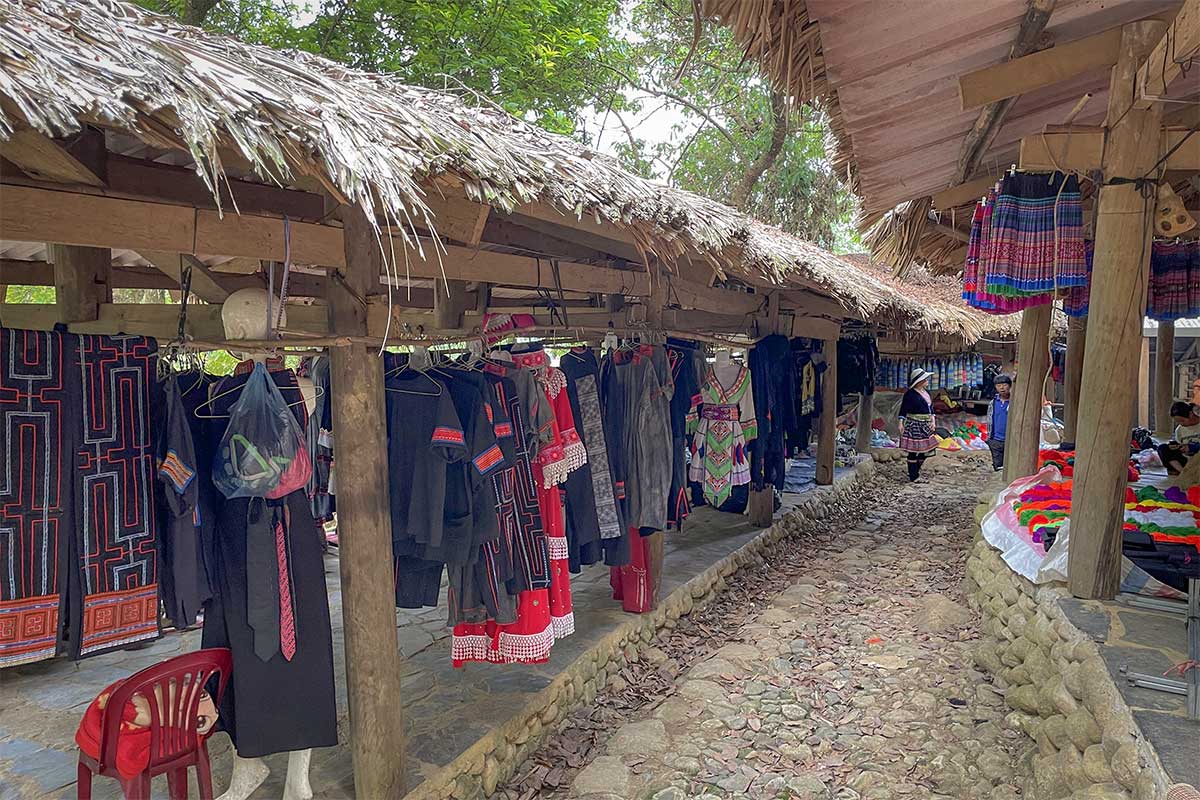
People from nearby villages come here to trade goods, meet each other, and spend time together. You will see traditional clothing, local produce, and everyday items being sold. Compared to markets around Sapa, it feels less touristy and more local.
It is not mainly about shopping. The real value is the atmosphere, the people, and the chance to see a weekly routine that has been part of life here for a long time.
4. Stay in a homestay and experience village life
Staying overnight in Sin Suoi Ho is not just practical, it is part of the experience. Most visitors stay in local homestays, which gives you a closer look at daily life in the village.
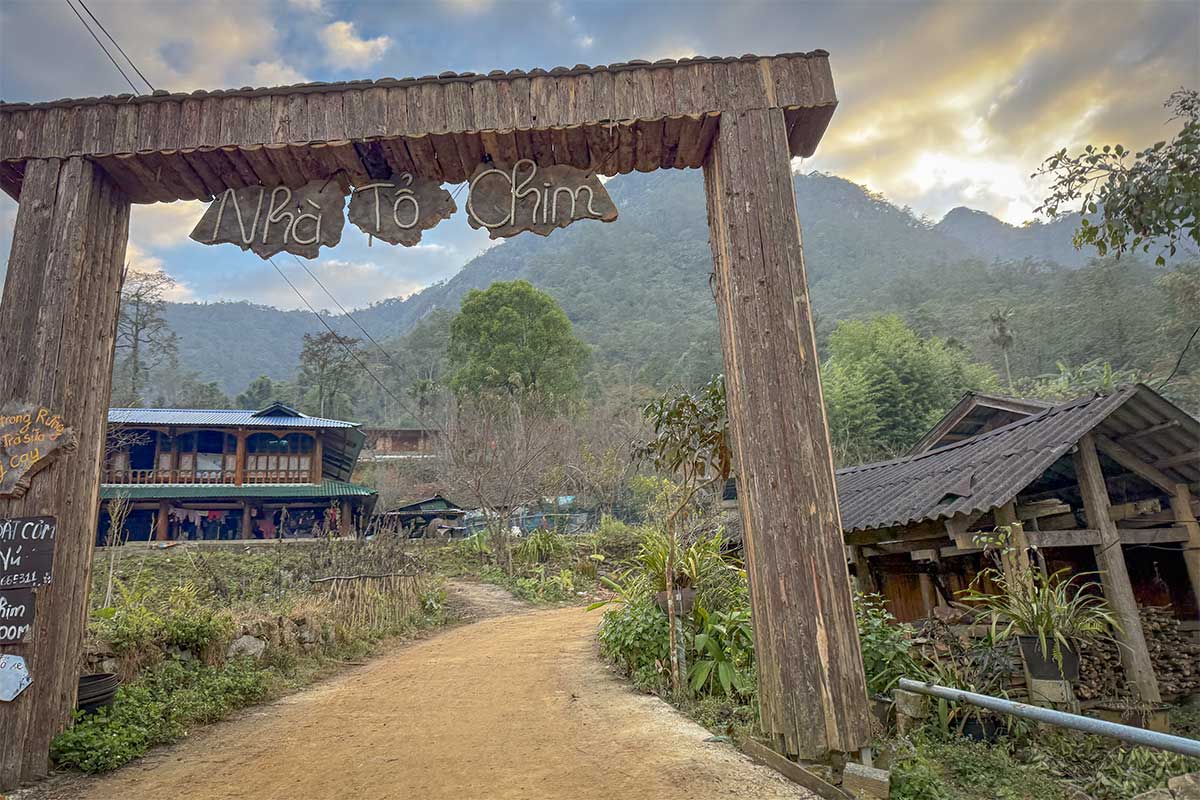
Meals are usually simple and shared, often with the host family or other guests. Evenings are quiet, and there is not much to do besides relax, talk, or enjoy the surroundings. That is exactly what makes it interesting.
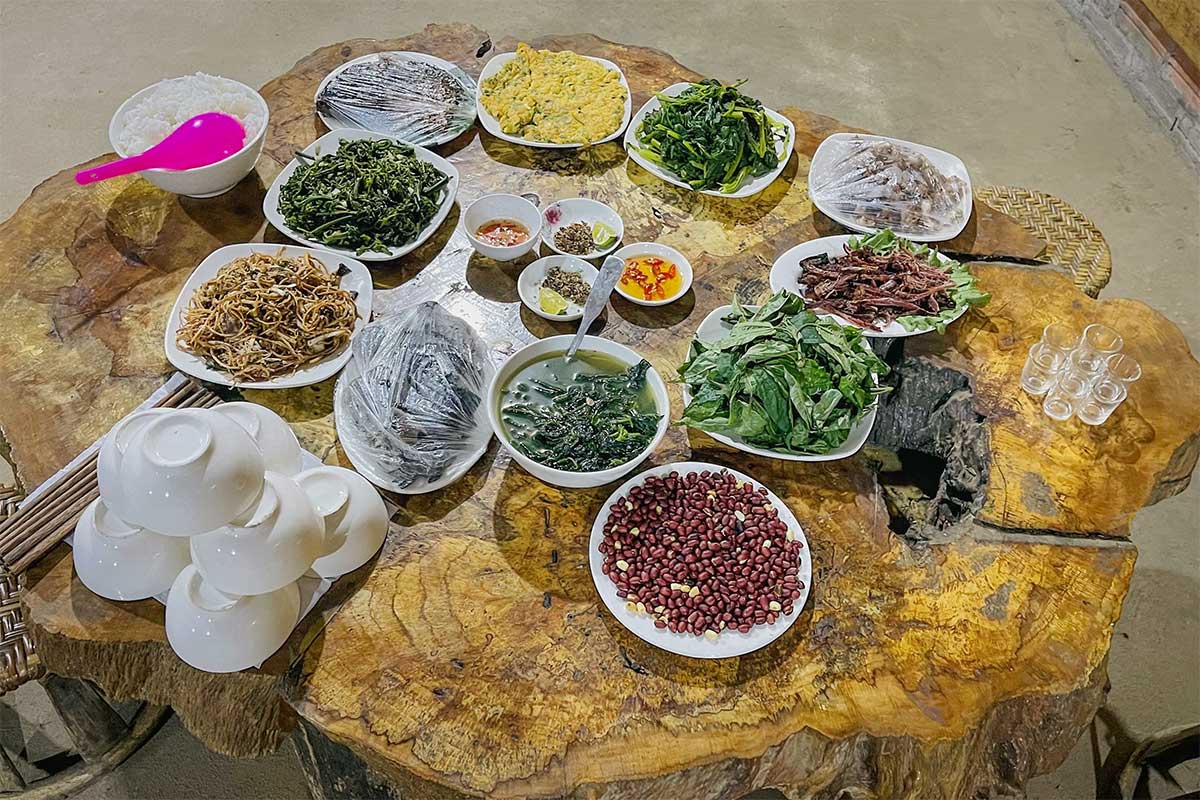
If you are looking for comfort or variety, this may feel limited. But if you want a more local and slower experience, staying in a homestay is one of the highlights of visiting Sin Suoi Ho.
5. Explore the surrounding mountain roads by motorbike or car
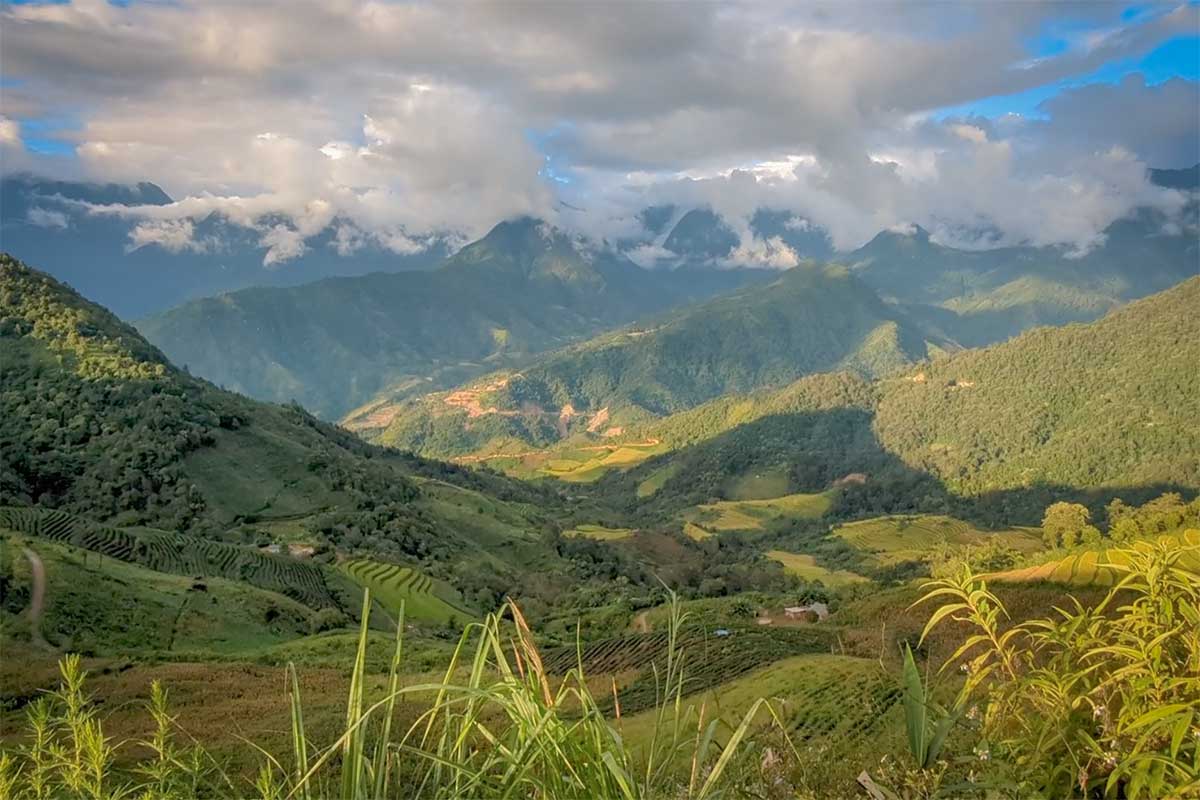
Getting to Sin Suoi Ho is already part of the experience. The roads in this area wind through mountains, valleys, and small villages, with plenty of viewpoints along the way.
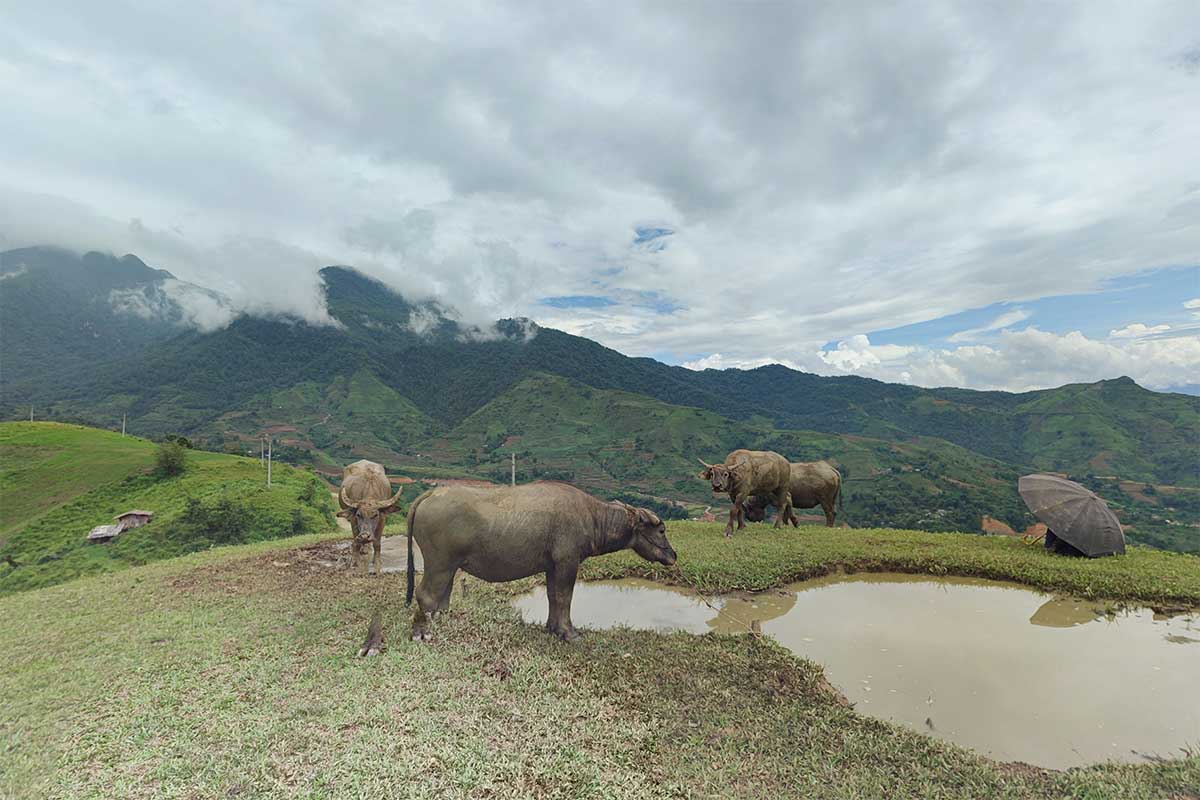
If you are an experienced rider, exploring by motorbike gives you the most freedom. You can stop wherever you want and take smaller roads into the hills. For most travelers, going by car with a driver is easier and still offers the same scenery.
The journey itself is often just as memorable as the village, especially if you take your time instead of going straight from A to B.
6. Do a short trek through the village surroundings
You do not need a long or difficult trek to enjoy the area around Sin Suoi Ho. Short walks between the village, nearby fields, and forest paths are already rewarding.
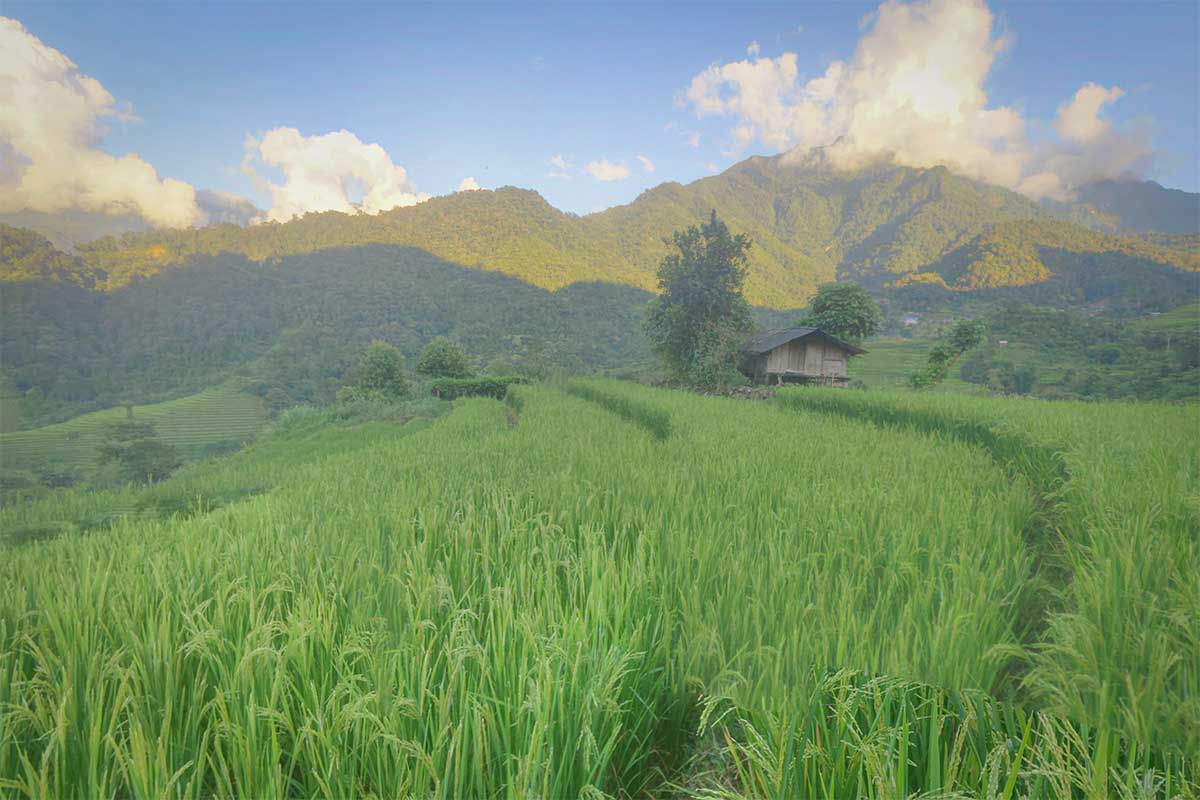
Depending on the season, you may walk past green or golden rice fields, small streams, and quiet hillside paths. These are not marked trekking routes like in Sapa, but more natural paths used by locals.
This makes it feel more authentic, but also means you should not expect clear signage or structured trails. It is more about exploring at your own pace than following a fixed route.
7. Use Sin Suoi Ho as a base for local experiences
Sin Suoi Ho works well as a base to experience local culture in a simple way. You can spend time in the village, visit nearby homes, and see small-scale activities like weaving, farming, or daily household routines.
There are also small local shops and places where you can see handmade products or interact with people in a natural setting. These experiences are not organized like tours, which makes them feel more real, but also less structured.
This is best suited for travelers who enjoy observing and interacting, rather than ticking off a list of sights.
8. Trek Ky Quan San if you are an experienced hiker
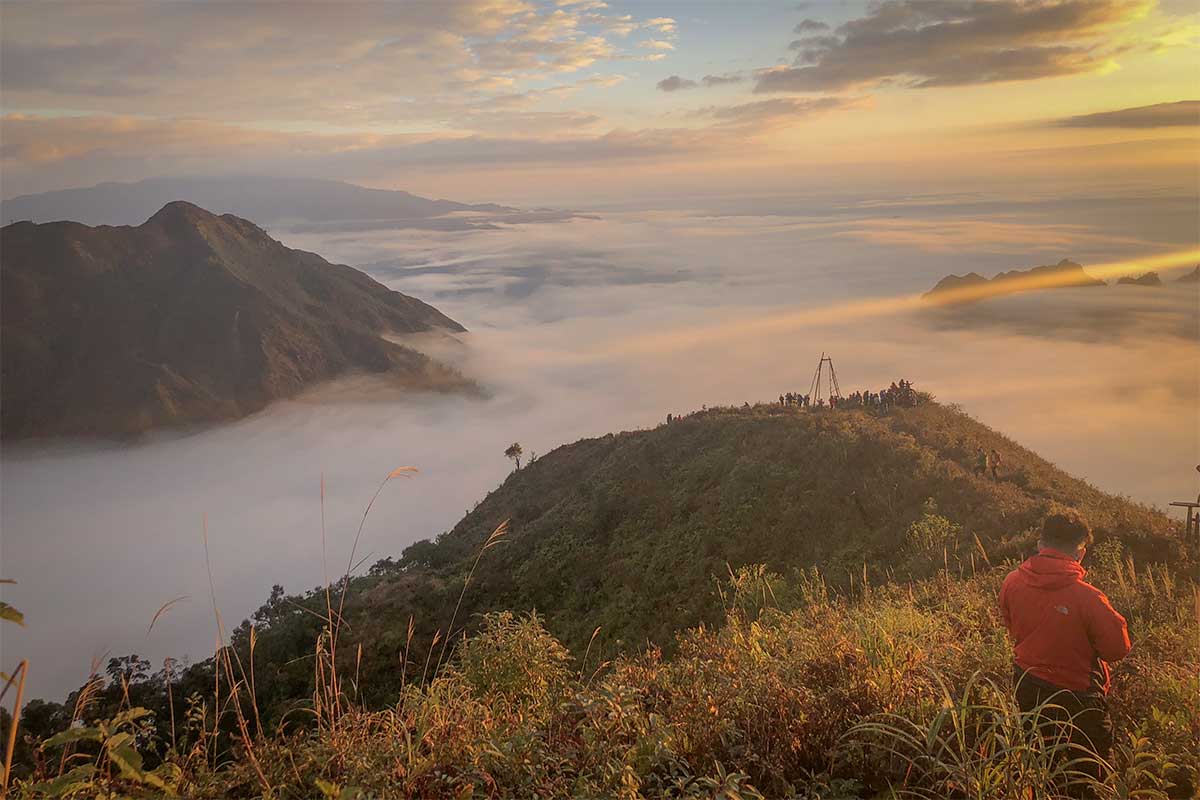
For experienced hikers, the wider region around Sin Suoi Ho offers access to serious mountain treks like Ky Quan San (Bach Moc Luong Tu), one of the higher peaks in northern Vietnam.
This is not a casual activity. It usually takes multiple days, requires a guide, and can be physically demanding, especially in wet or foggy conditions. The reward is strong, with views over mountains and cloud seas, but it needs proper planning.
For most travelers visiting Sin Suoi Ho, this is not the main reason to come. But if you are already interested in trekking in northern Vietnam, it can be an interesting addition to your itinerary.
Best time to visit Sin Suoi Ho
Best time to visit for weather
The best time to visit Sin Suoi Ho for comfortable weather is usually spring (around March to May) and autumn (around September to November). During these months, temperatures are mild, rainfall is lower, and visibility is often better for mountain views.
Summer (June to August) is greener, but also wetter. You can expect more rain, sometimes heavy and sudden, which can affect road conditions and walking paths. On the positive side, the landscape looks very fresh and full.
Winter (December to February) can feel quite different. It is colder, especially in the mornings and evenings, and fog or low clouds are common. This can create a quiet and atmospheric setting, but it also means you may not always have clear views.
One important thing to keep in mind is that mountain weather changes quickly. It is not unusual to have sun, clouds, and rain all in the same day, regardless of the season.
Best time to visit for scenery
If scenery is your main focus, the experience changes a lot throughout the year.
From late spring into summer, the rice fields are green, and the whole area looks very lush. This is a good time if you like vibrant landscapes and don’t mind occasional rain.
Around September and October, the rice fields turn golden before harvest. This is often considered the most photogenic period, although Sin Suoi Ho is not as famous for rice terraces as places like Mu Cang Chai or areas closer to Sapa.
In early spring, you may see blossoms and flowers around the village, which add color to the already scenic setting. The village itself is known for its flowers and plants, so it can look attractive even outside peak rice seasons.
Fog and clouds are also part of the scenery here. On some days, especially in cooler months, the village can be surrounded by mist, creating a softer and more quiet atmosphere. On other days, it clears up completely and opens wide mountain views.
Sin Suoi Ho lies in the same northern mountain climate zone as Sapa. If you want a more detailed month-by-month breakdown, including rice seasons and weather patterns, it is worth reading our guide about the best time to visit Sapa.
How to get to Sin Suoi Ho
Where is Sin Suoi Ho?
Sin Suoi Ho is located in Phong Tho District, Lai Chau Province, in the far northwest of Vietnam. It sits in the mountains about 30 km from Lai Chau City.
Most travelers reach it either from Lai Chau City or from the Sapa side via the O Quy Ho Pass. For international travelers, Sapa is usually the most practical starting point, because many people are already there before continuing deeper into the region.
In simple terms: you first travel to Sapa (or Lai Chau), and from there you continue into the mountains to reach Sin Suoi Ho. You can read our guide from Hanoi to Sapa, to cover the first part of this route.
Getting from Sapa to Sin Suoi Ho
From Sapa, you travel over O Quy Ho Pass towards Lai Chau, then continue on smaller mountain roads to reach the village. The distance is not very long, but the journey takes time because of winding roads and changing conditions.
Expect a few hours of travel, depending on your transport and the weather. Roads are generally paved, but still narrow in parts, with sharp curves and steep sections.
The route itself is scenic, with mountain views and changing landscapes along the way. It is worth treating this as part of the experience, not just a transfer.
Going by motorbike
Going by motorbike is one of the most rewarding ways to reach Sin Suoi Ho, especially if you enjoy mountain riding. The route offers great views, quiet roads, and the flexibility to stop along the way.
However, this is only recommended if you are an experienced rider. Mountain roads can be steep, foggy, or wet, and traffic conditions are unpredictable. Some sections are remote, so you should be prepared and not rely on finding help quickly.
If you are comfortable riding, this option combines transport and exploration in one trip.
Going by private car with driver
Hiring a private car with driver is the easiest way to reach Sin Suoi Ho if you want comfort and do not want to ride yourself.
The driver will take you directly to the village, and you can still enjoy the scenery along the way. This is a good option if you are traveling with luggage or prefer a more relaxed journey.
The main limitation is that the driver is not a guide. They can bring you from A to B, but they usually do not explain places or suggest stops unless you already know where you want to go.
Joining a guided trip
For most international travelers, joining a guided trip is the most practical option.
A guide can help with communication, explain what you are seeing, and take you to places you might not find on your own. This is especially useful in a destination like Sin Suoi Ho, where experiences are more about local life than clearly marked sights.
Tours can be done by car or on the back of a motorbike (with an Easy Rider), depending on your preference. It is also easier to combine the visit with the Saturday market, village walks, and nearby scenic spots.
Staying in Sin Suoi Ho
What kind of accommodation can you expect?
Accommodation in Sin Suoi Ho is mostly based on homestays and small local guesthouses. These are usually family-run places, often inside traditional-style houses or simple wooden buildings.
Some homestays offer private rooms, while others have shared sleeping areas. Comfort levels vary, but in general, facilities are basic. Do not expect boutique hotels, luxury design, or high-end services. What you get instead is a more local and personal experience.
Over the years, the village has developed more options, so you will find enough places to stay, but it still feels like a village, not a tourist town.
What is it like to stay overnight?
Staying overnight in Sin Suoi Ho is a big part of the experience. Evenings are quiet, with little noise and not much to do in the typical tourist sense. You might spend your time having dinner, talking with your hosts, or just relaxing.
The atmosphere is simple and calm. It is not about entertainment, but about slowing down and enjoying the surroundings. This makes it especially suitable for travelers who want a break from busy places like Sapa.
It may feel basic, but it is often memorable because of the setting and the hospitality. If you make the effort to come here, it is worth staying at least one night.
Where do you eat in Sin Suoi Ho?
Most meals in Sin Suoi Ho are served at your homestay or in small local places. There are a few simple restaurants and cafes in the village, but the choice is limited.
Food is usually local and home-style, often prepared by your hosts. You eat what is available rather than choosing from a long menu. This is part of the experience, but it also means less flexibility if you have very specific preferences.
Do not expect Western food or a wide range of options. Eating here is more about trying local dishes and sharing meals than about variety or convenience.
Practical tips for visiting Sin Suoi Ho
Bring enough cash
Sin Suoi Ho is a remote village, and most places do not accept cards. You will need cash for your homestay, meals, small purchases, and the Saturday market. It is best to withdraw money in Sapa or Lai Chau before you go.
Dress for mountain weather
Weather in the mountains can change quickly. Bring layers so you can adjust during the day. A light rain jacket is useful in most seasons, and in colder months you will need something warm, especially in the morning and evening.
Wear proper footwear for walking and waterfalls
Good shoes make a big difference here. Paths around the village and the route to Heart Waterfall can be uneven or slippery, especially after rain. Avoid sandals and choose something with grip.
Download offline maps and translation tools
Mobile signal can be weak or disappear completely in some areas. Download offline maps before you arrive, and consider using offline translation tools if you travel independently. It makes navigation and communication much easier.
Be respectful when photographing local people
Always ask before taking photos of people, especially close-up portraits. Many locals are friendly, but it is still important to show respect and not treat people as part of the scenery.
Do not walk into fields or private spaces without permission
Rice fields and farmland are part of people’s daily work. Avoid walking into fields or entering homes unless you are invited. Staying on paths and respecting boundaries helps keep tourism positive for the community.
Do not expect Western-style tourism services
Facilities in Sin Suoi Ho are simple. English may be limited, service can be slower, and things are not always perfectly organized. This is part of the experience of visiting a remote village, not a developed tourist destination.
Food is local and simple
Meals are usually local and based on what is available. You will not find many options or Western dishes. It is best to be open to trying what is served and see it as part of the cultural experience.
Plan your visit around the Saturday market
The Saturday market is one of the highlights of Sin Suoi Ho. If your schedule allows it, plan your visit so you can be there on that day. It adds a completely different dimension to your trip.
Be realistic about road safety
Roads in this region are mountainous, with sharp turns, changing weather, and sometimes limited visibility. If you plan to ride a motorbike, make sure you have enough experience. Even by car, it is a route where you should take your time.
Bring basic essentials with you
Shops in the village are small and limited. Bring what you might need, such as sunscreen, insect repellent, basic medicine, snacks for the road, and a power bank for your devices.
Stay at least one night
Sin Suoi Ho is not a place you quickly visit and leave. Staying overnight allows you to experience the quiet evenings, the morning atmosphere, and daily village life. If you only come for a short stop, you will miss a big part of what makes this place interesting.
Is Sin Suoi Ho worth visiting?
Sin Suoi Ho is worth visiting if you are looking for a remote mountain village where local life, simple homestays, and quiet surroundings are more important than big attractions. It suits travelers who enjoy a slower pace, walking around a village, visiting a local market, and experiencing daily life in a place that feels much less touristy than Sapa.
At the same time, it is not the most convenient destination. Getting here takes time, infrastructure is basic, and there are fewer obvious highlights compared to more popular places in northern Vietnam. If you have limited time, mainly want easy-access rice terraces, or prefer comfort, variety, and polished tourism services, there are easier options closer to Sapa.
Sin Suoi Ho is not a must-visit for every traveler. But if you like off-the-beaten-path destinations, don’t mind simple conditions, and want a more local and quiet mountain experience, it can be one of the more rewarding places to add to your trip in the Lai Chau region.