
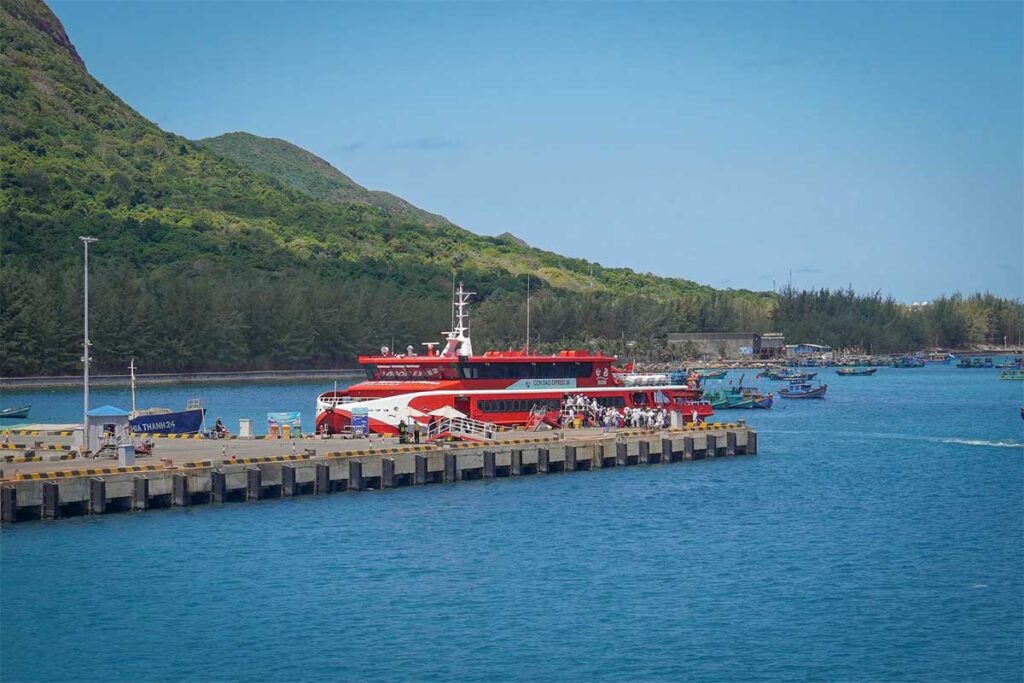

About Con Dao
Before diving into how to get to Con Dao by ferry, it helps to understand where it is and what kind of destination you’re traveling to.
Con Dao is an island group in southern Vietnam, located in the East Sea about 180 km off the mainland coast. The closest access points are in the Mekong Delta (Soc Trang) and along the south coast near Vung Tau. Because of this distance, reaching the islands always involves either a flight or a relatively long ferry journey.
What’s important to know is that Con Dao is not a large or highly developed island destination. The main island, Con Son, is small, mountainous, and still relatively quiet compared to places like Phu Quoc. That’s part of its appeal, but it also means there are fewer transport connections. Both flights and ferries run on limited schedules, and availability can change depending on demand and weather.
Con Dao is best known for its remote beaches, historical prison sites, and a protected national park that offers trekking and excellent diving. In the right season, it’s also one of the best places in Vietnam to see sea turtles. For a full overview of what to do here, read our guide things to do in Con Dao.
Overview of ferry connections to Con Dao
There are two main ferry routes to Con Dao, and choosing the right one depends mostly on where you are coming from.
- Tran De (Soc Trang – Mekong Delta)
Best option if you are traveling in the Mekong Delta or don’t mind a longer transfer on land for a shorter and more stable ferry ride. - Vung Tau
More convenient if you are starting from Ho Chi Minh City, but the ferry ride is longer and can be rougher.
Both routes arrive at Ben Dam Port on Con Son Island, about 10–15 km from the main town.
Which one should you choose?
- From Ho Chi Minh City → Vung Tau is easier to reach, but longer at sea
- From Mekong Delta → Tran De is the best choice
- Prefer a shorter ferry → Tran De
- Prefer a shorter land journey → Vung Tau
In both cases, you’ll need to combine land transport (bus, van, or private car) with the ferry.
Tran De (Mekong Delta) → Con Dao
This is generally the best and most efficient ferry route to Con Dao.
Location & how to get there
Tran De Port is located near Soc Trang, in the Mekong Delta.
- From Ho Chi Minh City: 4 to 5 hours by bus or private transfer
- Often combined with a Mekong Delta trip (Can Tho, Soc Trang)
This route requires more effort to reach, but the ferry itself is much shorter.
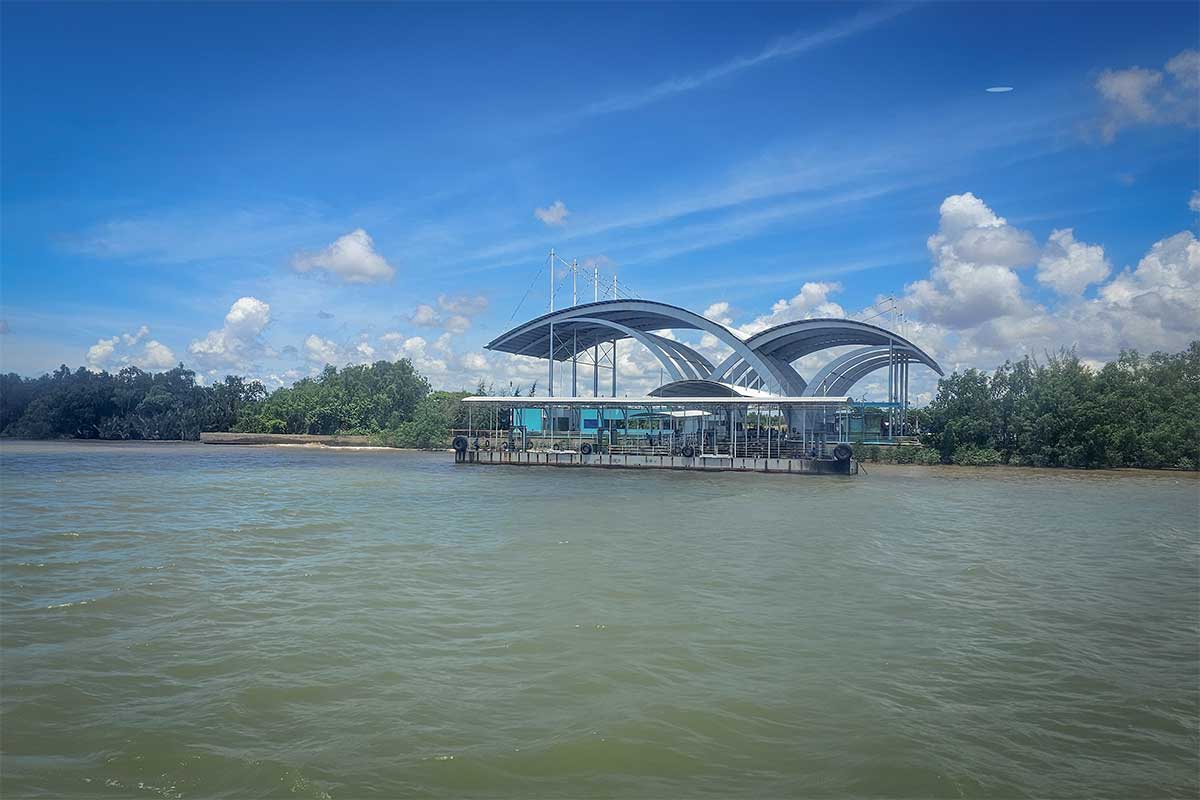
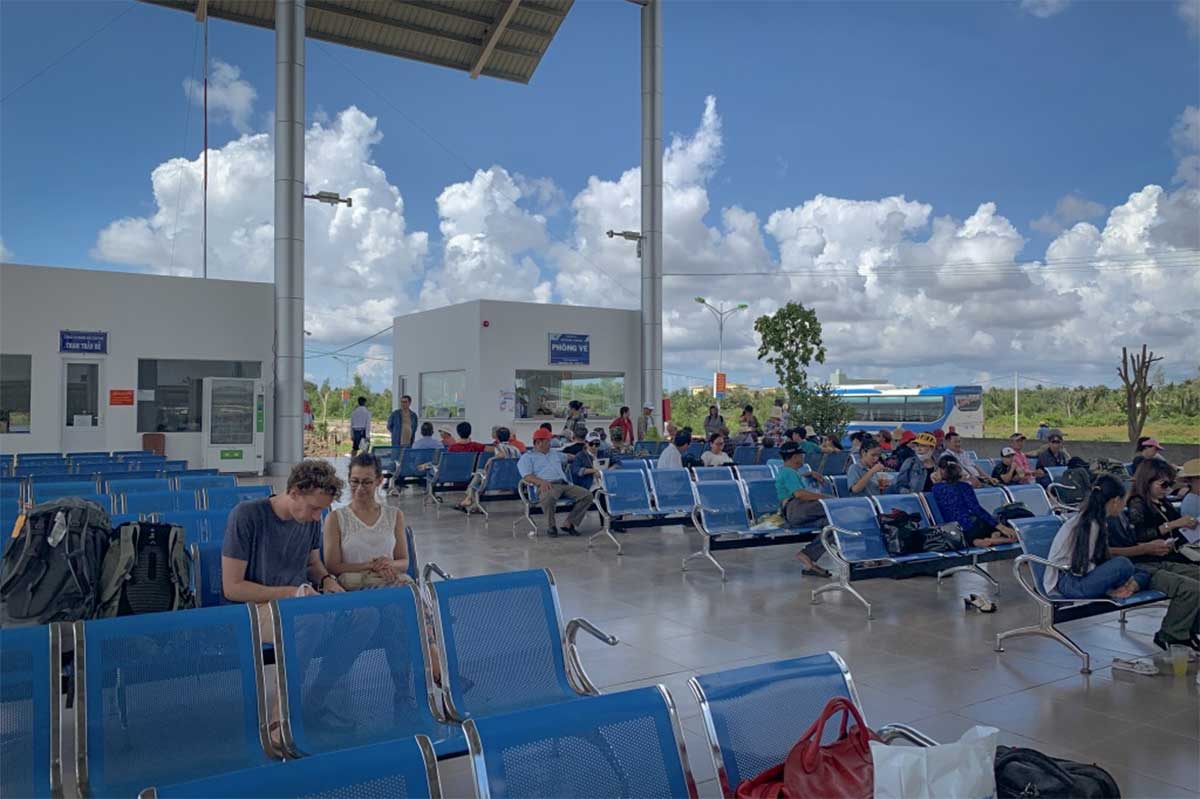
Ferry crossing
- Travel time: 2 to 2.5 hours
- Usually 1–2 departures per day (depending on season)
This is the shortest sea route to Con Dao, which makes it more comfortable and less prone to rough conditions.
Ferry type & operators
- High-speed ferries with enclosed cabins
- Air-conditioned seating (economy and sometimes VIP classes)
Main operators:
- Phu Quoc Express
- Superdong
These are modern ferries, similar to those used on other island routes in southern Vietnam.
Ticket price
- Around 350,000 – 650,000 VND
- Price depends on seat class and operator
This is the cheapest way to reach Con Dao by boat.
Who is this route best for?
- Travelers combining with the Mekong Delta
- Those who prefer a shorter ferry ride
- Budget-conscious travelers
The main downside is the longer journey to reach the port.
Vung Tau → Con Dao
This is the most convenient ferry route from Ho Chi Minh City, but comes with trade-offs.
Location & how to get there
Vung Tau is a coastal city about 2 to 2.5 hours from Ho Chi Minh City.
- Easy to reach by bus, limousine van, or private car
- Good road connections and frequent departures
This makes it the most straightforward option logistically.
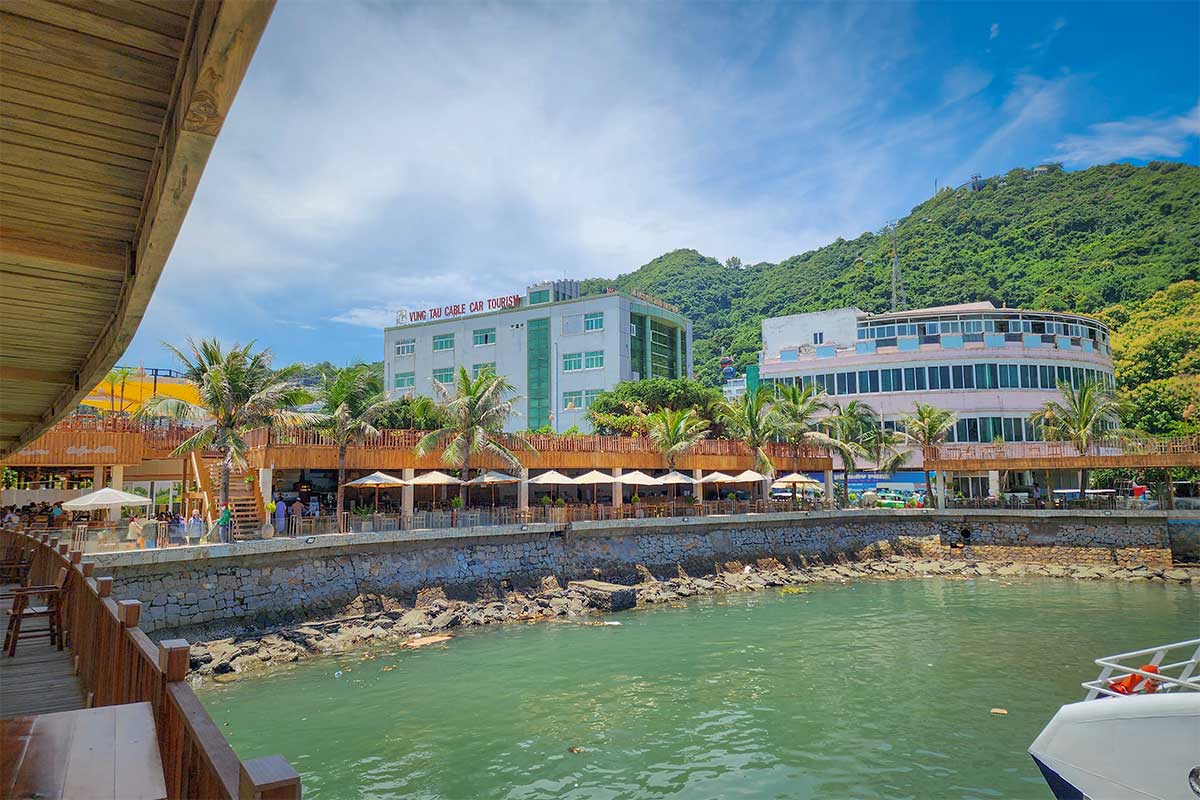
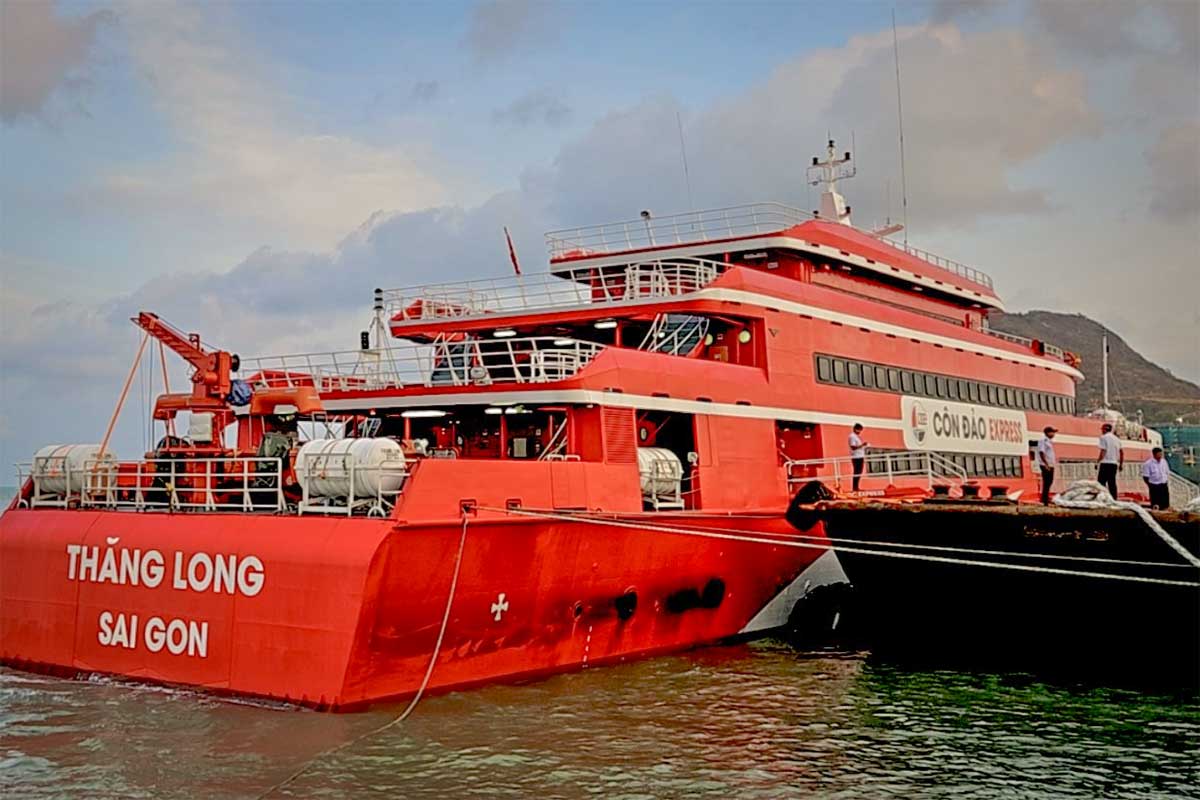
Ferry crossing
- Travel time: 3.5 to 4 hours
- Usually 1 departure per day
Because the journey is longer and further offshore, sea conditions can be rougher than the Tran De route.
Ferry type & operators
- Larger high-speed ferries
- Enclosed, air-conditioned cabins with assigned seats
Main operator:
- Phu Quoc Express
Schedules on this route have changed several times in recent years. It does operate, but always check availability in advance.
Ticket price
- Around 800,000 – 1,200,000 VND
More expensive than Tran De, mainly due to the longer route.
Who is this route best for?
- Travelers starting in Ho Chi Minh City
- Those who want to avoid traveling deep into the Mekong Delta
- People who prefer a simpler overall journey (even if the ferry is longer)
Important to know
- The sea can be rough → seasickness is more common
- Schedules may change → always check close to your travel date
Getting from Ho Chi Minh City to Con Dao
There are three main ways to travel from Ho Chi Minh City to Con Dao, depending on your budget, time, and travel style:
- Direct flight
The fastest and easiest option. Flights take around 45–60 minutes and run daily. This is the most reliable way to reach the island. - Bus to Vung Tau + ferry
A more budget-friendly option. Travel 2 to 2.5 hours by bus or van to Vung Tau, followed by a 3.5 to 4-hour ferry to Con Dao. Straightforward, but the sea can be rough. - Via Mekong Delta (Tran De ferry)
A slower but more interesting route. Travel to the Mekong Delta (Can Tho or Soc Trang), then continue to Tran De Port for a 2 to 2.5-hour ferry. Shorter sea crossing, but longer overall journey.
Tip: Travel via the Mekong Delta to Con Dao with Local Vietnam
Combine your journey with a short Mekong Delta experience instead of just transferring. Visit Can Tho’s floating markets, explore the countryside by bicycle, stay in a local homestay, and take boat trips through small canals. The trip includes all transfers, from Ho Chi Minh City to Can Tho, onward to Tran De Port, and the speed ferry to Con Dao — making it a smooth and more memorable way to reach the island.
How the ferry works
Taking the ferry to Con Dao is relatively simple, but it works a bit differently from flights. From booking your boat ticket to boarding and arriving at Ben Dam Port, it helps to know what to expect so your journey goes smoothly.
Step 1: Booking
Booking a ferry to Con Dao is straightforward.
- Book online via platforms like 12Go Asia or Baolau, or directly with the operators
- Main operators: Phu Quoc Express and Superdong
- Most tickets are e-tickets, so no need to print
- You’ll need your passport details when booking
It’s best to book a few days in advance, and earlier during peak periods, as most routes only have one departure per day.
Step 2: Before departure
- Arrive at the port 45 to 60 minutes before departure
- Check-in is simple — show your ticket and passport
- Luggage is usually included, but keep valuables with you
Ports are small and basic, so the whole process is quick and much easier than at an airport.
Step 3: Onboard
Ferries to Con Dao are modern high-speed boats with enclosed cabins.
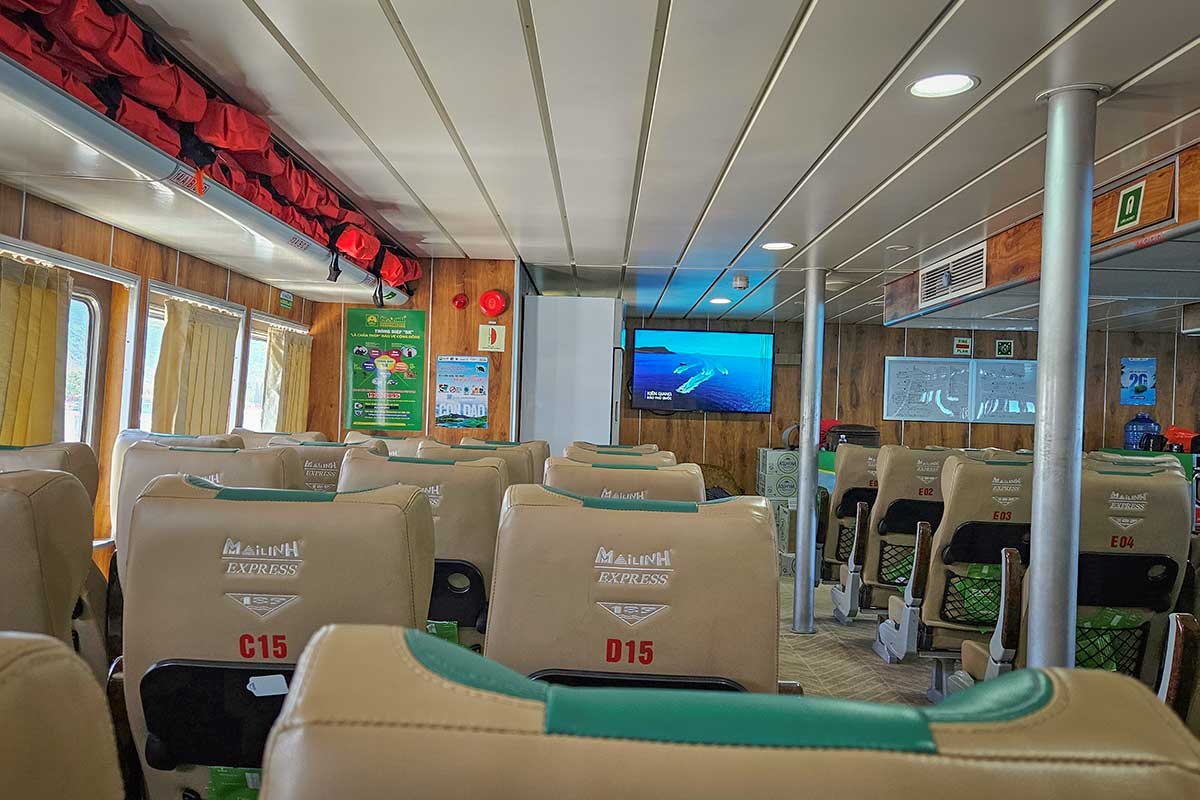
- Air-conditioned seating with assigned seats
- Different classes (economy and sometimes VIP)
- Toilets onboard
- Sometimes snacks and drinks available
The ride is generally comfortable, but seas can be rough — especially on the Vung Tau route. If you’re sensitive to motion sickness, it’s worth preparing.
Step 4: Arrival in Con Dao
All ferries arrive at Ben Dam Port, which is located on the opposite (southwestern) side of the island, while the main town and most hotels are in the central area.
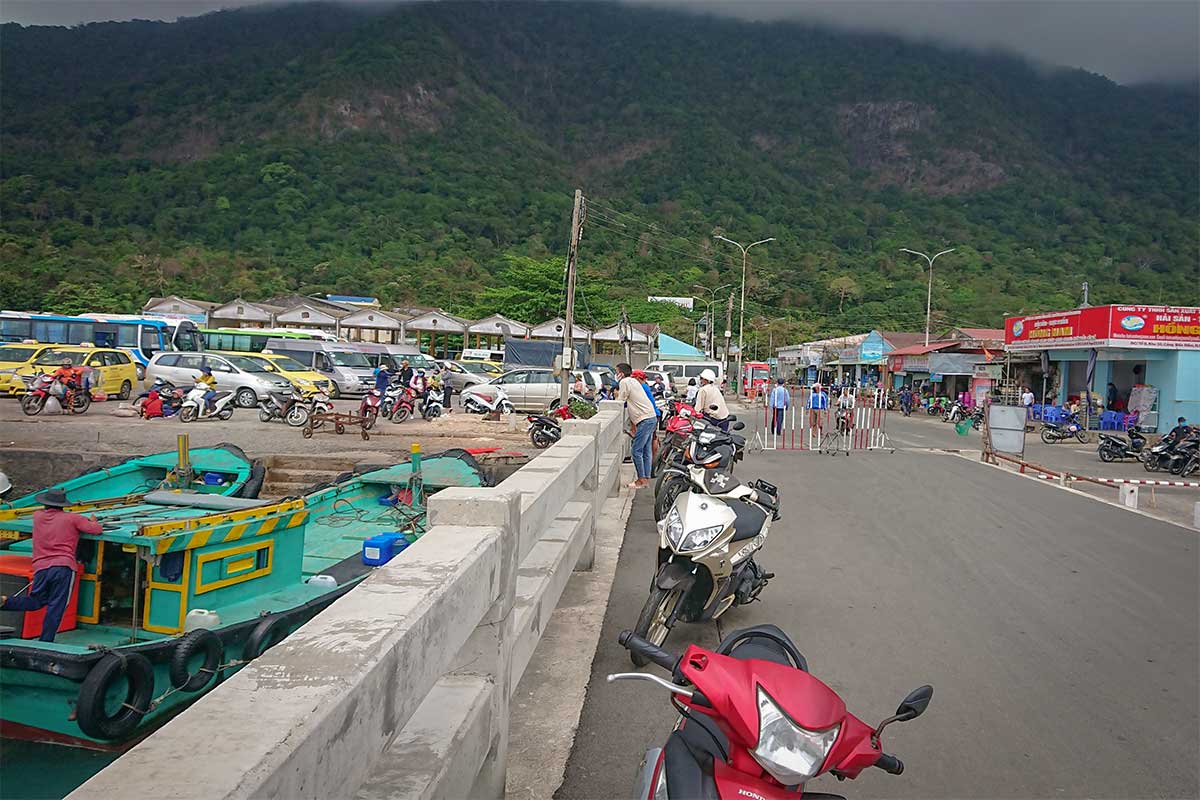
Because of this, you’ll need transport to reach your accommodation:
- Travel time: 15–25 minutes
- Taxi cost: around 100,000 – 300,000 VND depending on distance
Taxis are usually waiting at the port when ferries arrive. Some hotels and resorts also offer transfers, but it’s best to arrange or confirm this in advance.
Tips for taking the ferry to Con Dao
Taking the ferry to Con Dao is quite straightforward, but a few practical tips can help you avoid surprises and plan your trip more smoothly.
Best time to take the ferry (weather & sea conditions)
The best period for ferry travel is generally between March and September, when the sea is calmer.
From October to February, conditions can be rougher, with higher waves and a greater chance of delays or cancellations. This is especially noticeable on the Vung Tau route, which is more exposed than the shorter Tran De crossing.
Seasickness
Seasickness is one of the most common complaints on this route.
The longer Vung Tau ferry is more likely to be rough, but even the Tran De route can feel choppy on certain days. If you’re sensitive, it’s worth preparing.
Sitting in the middle of the boat, avoiding heavy meals before departure, and taking motion sickness tablets can make a big difference.
Cancellations & delays
Ferry schedules depend on sea conditions, and delays or cancellations do happen.
If your ferry is cancelled, operators usually offer a later departure, reschedule, or refund, depending on availability. However, this can still disrupt your travel plans, so it’s best not to plan tight connections on the same day.
Luggage rules
Luggage is generally not a problem. Standard suitcases and backpacks are included, and there are no strict airline-style limits.
If you’re traveling with oversized items or a motorbike, check in advance, as not all ferries can accommodate this.
When to book your ferry
Ferries don’t run very frequently, and seats can sell out quickly.
During weekends, holidays, and peak travel periods, it’s common for departures to be fully booked a few days in advance. If your dates are fixed, it’s best to book early rather than waiting.
Safety onboard
Ferries are modern and equipped with life jackets and basic safety systems.
While safety briefings are usually minimal, the overall standard is comparable to other ferry routes in Vietnam, and generally considered safe.
Alternative: flying to Con Dao
If the ferry doesn’t fit your plans, flying is the main alternative.
Flights take less than an hour and are much more reliable, but also more expensive and limited in availability. The ferry is cheaper and more scenic, but takes longer and depends on weather conditions.
For most travelers, it comes down to time versus budget.