


Where is Con Dao National Park and what does it include?
Con Dao National Park is located in the southeast of Vietnam and covers a large part of the Côn Đảo archipelago, with Côn Sơn as the main island. The park was established to protect both the fragile rainforest and the surrounding marine ecosystems. Unlike many other national parks in Vietnam, Con Dao National Park includes not only land but also a vast protected marine area.
The park can be roughly divided into two parts:
Land area
- Mountainous and densely forested landscape
- Tropical rainforest, mangroves, and coastal forests
- Hiking and trekking routes you can explore independently
- Habitat for wildlife such as black squirrels, monkeys, reptiles, and birds
Marine area
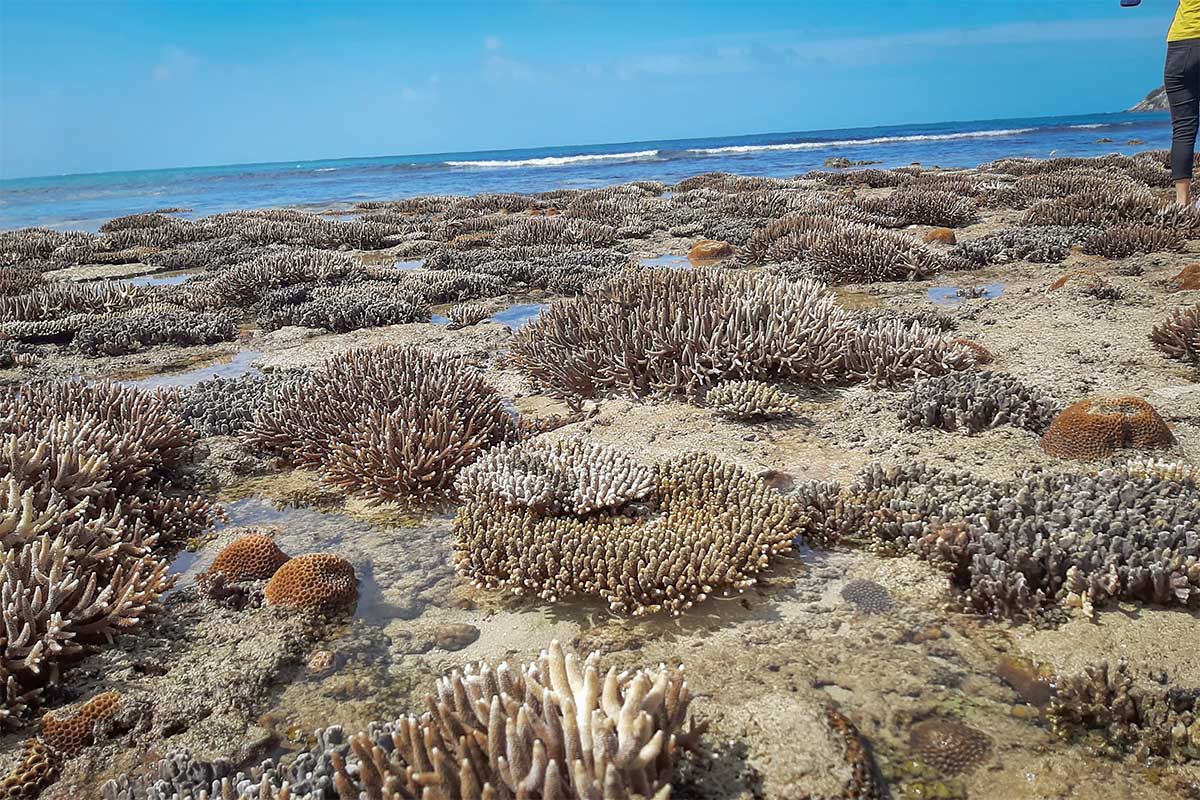
- Coral reefs and seagrass meadows
- Important nesting grounds for sea turtles
- Suitable for snorkeling and diving (covered in detail in a separate guide)
The national park on land: jungle, mountains and biodiversity
The land area of Con Dao National Park consists of rolling hills and low mountains almost entirely covered in tropical rainforest. Large parts of the island remain largely undeveloped, which means the natural environment has stayed remarkably intact. As you walk through the park, you pass dense forest filled with tall trees, vines, bamboo, and ferns, mixed with coastal forest and small valleys.
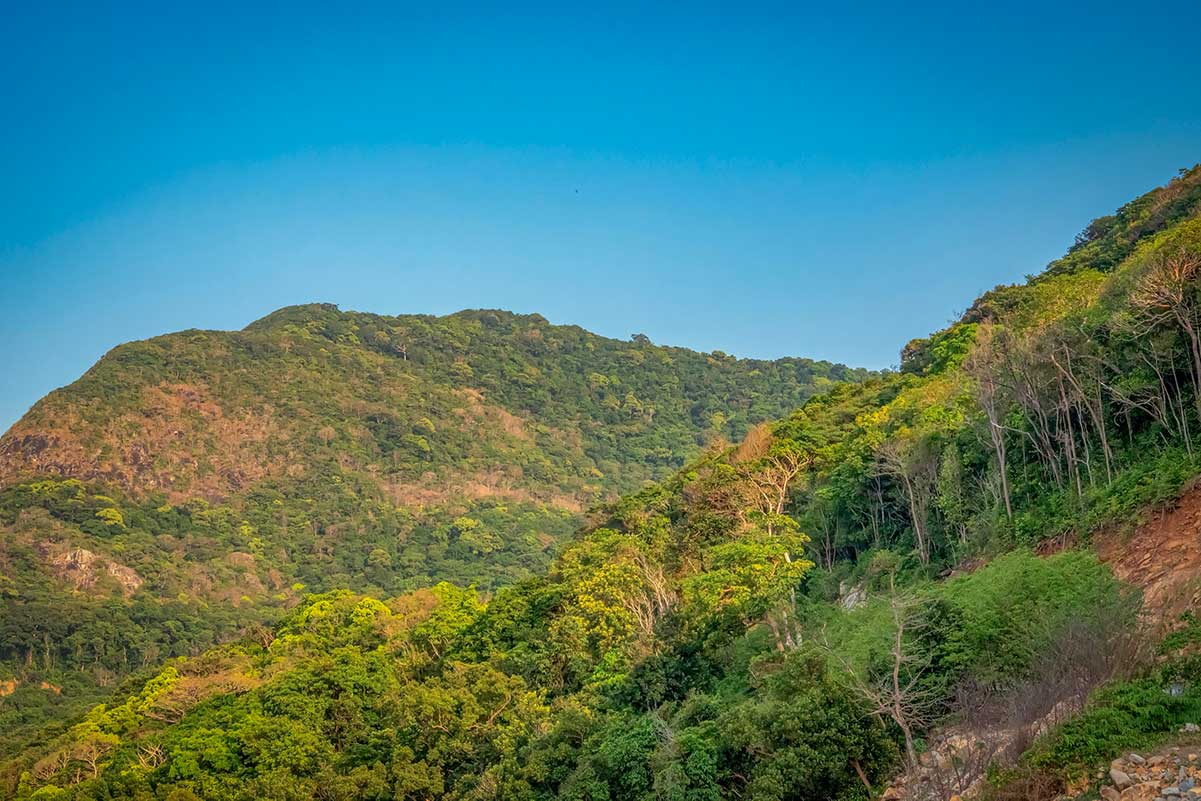
The park is especially known for its biodiversity on land. It is home to several species that are rarely seen elsewhere in Vietnam, including the endemic Con Dao black squirrel, macaques, monitor lizards, and a wide variety of bird species. Reptiles and insects are also abundant. Larger mammals are shy and difficult to spot, but it’s the smaller wildlife that makes every walk interesting if you pay attention to your surroundings.

What sets Con Dao apart from many other national parks is that you can explore this landscape on foot without the need for long expeditions or a mandatory guide. Most trails run through shaded forest, so you spend much of your time out of direct sunlight. The terrain isn’t dramatically mountainous, but the combination of jungle, quiet surroundings, and wildlife makes the land area appealing for travelers looking for more than just beaches.
If you want to actively explore this part of the national park, trekking routes are the best option. Further down in this guide, you’ll find an overview of the best hikes and trekking routes in Con Dao National Park.
The national park underwater: coral reefs and marine life
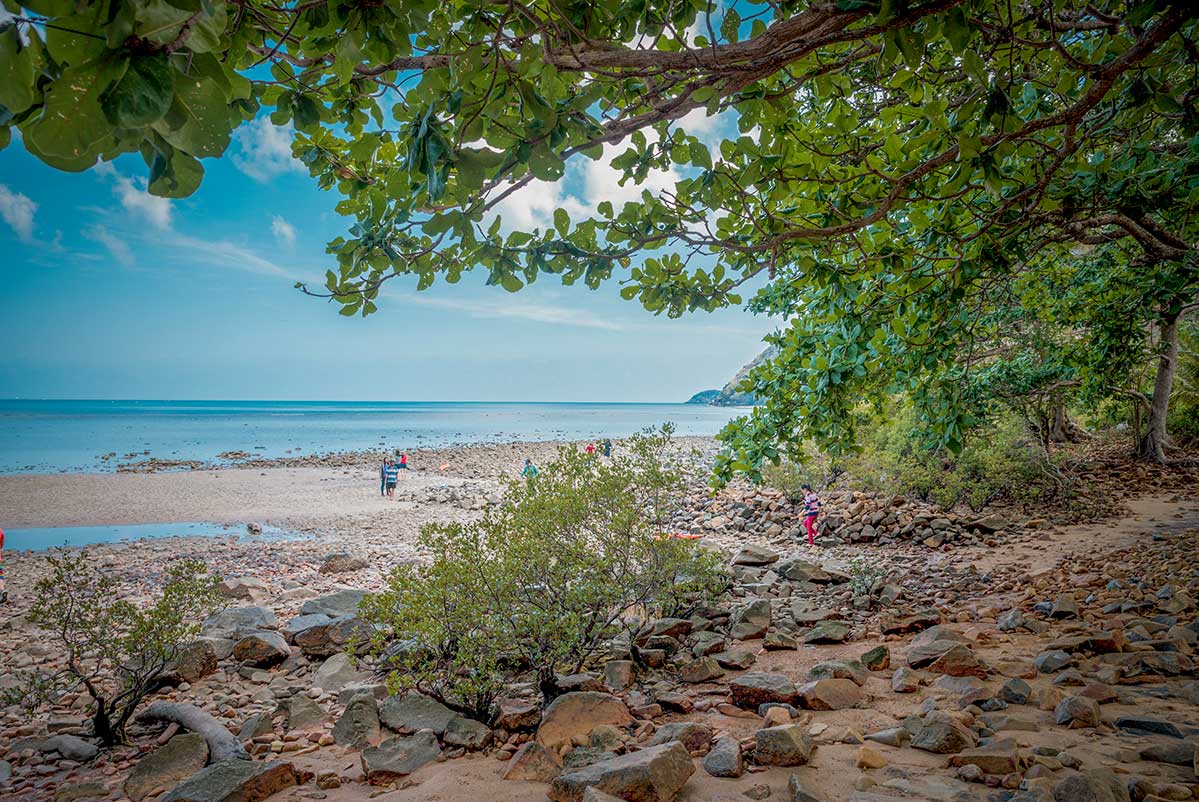
In addition to its rainforest, Con Dao National Park also protects a large marine area surrounding the islands. This underwater section is just as important as the land and forms one of the best-protected marine ecosystems in Vietnam. Around the islands, you’ll find coral reefs, seagrass meadows, and rocky formations that serve as habitats for a wide variety of fish and marine species.

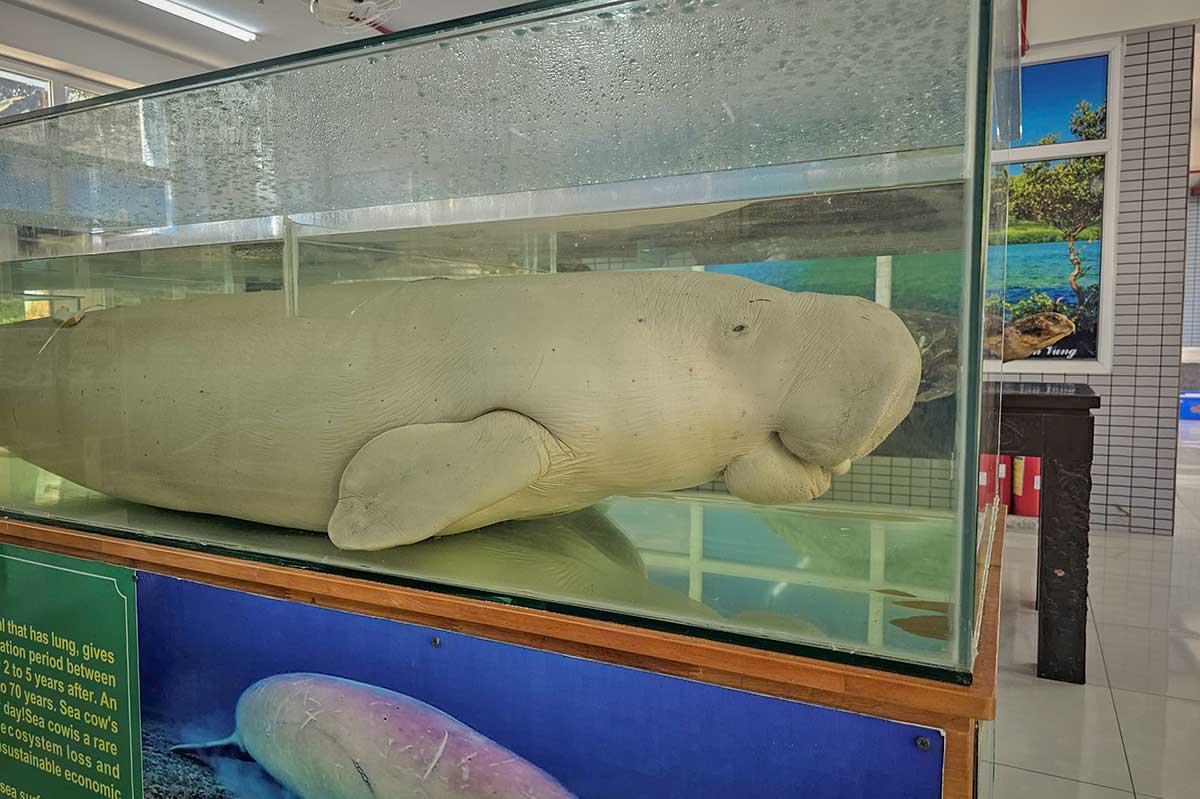
The waters around Con Dao are known for their relatively healthy coral and good visibility, especially during the dry season. While snorkeling or diving, you may encounter colorful reef fish, moray eels, rays, and various types of crustaceans. One of the park’s more unique features is the presence of dugongs, which feed on seagrass in sheltered bays. In addition, Con Dao is one of the most important nesting areas for sea turtles in Vietnam.
For travelers, this means the underwater world is mainly accessible through snorkeling and diving trips, usually by boat to smaller islands around Côn Sơn. What you actually see depends heavily on the season, visibility, and specific location, but the marine part of the park is especially appealing if you value conservation and relatively quiet dive sites over large concentrations of marine life.
If you want to explore this part of the national park, diving or snorkeling is the best option. In our separate guide, you can read everything about diving in Con Dao.
Practical information for trekking in Con Dao National Park
National Park Office (starting point for most hikes)
Most trekking routes in Con Dao National Park start at or near the Con Dao National Park Office. This is the main hub where you buy your entrance ticket and where the key trails begin.
The office is located a short distance from Con Son Town and is easy to reach by scooter or taxi. If you take a taxi, it’s a good idea to arrange a pickup time in advance or exchange phone numbers—especially if you’re planning a longer hike and may not have mobile signal inside the park.
- Opening hours: daily from 07:00 to 17:00
- Entrance fee: 50,000 VND per person (approx. €1.80)
- Facilities: toilets available
- Small museum: a modest exhibition space focused mainly on marine life (including dugongs). Worth a quick look, but not a highlight in itself
Best time to go hiking
If you’re planning a longer route, it’s best to start early. Not only because you’ll need more time, but also because temperatures are noticeably cooler in the morning. That said, most trails run under forest cover, so you’ll spend a lot of time in the shade.
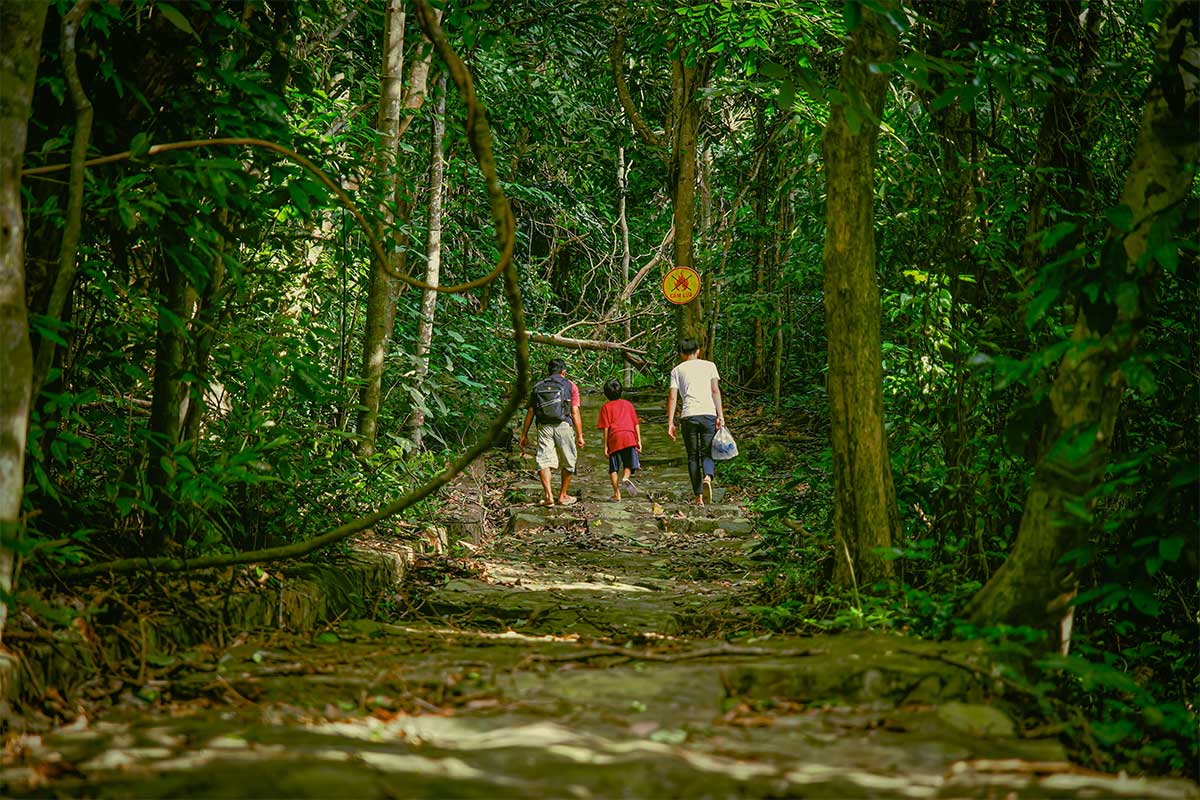
The heat is manageable, but the combination of high temperatures and humidity can make hikes feel more demanding than expected.
What to bring and how to prepare
Even though the trails are relatively accessible, this is not a park with facilities along the way.
- Plenty of water (more than you think you’ll need)
- Snacks or a light lunch, especially for routes leading to beaches
- Proper shoes with good grip – paths can be slippery due to moss
- Phone with a full battery (signal may be limited in the forest)
- Sun and insect protection (hat, sunscreen, and possibly mosquito repellent)
- Take your trash back with you; bins are only available at the park office
Do you need hiking experience?
For most routes in Con Dao National Park, you don’t need any special hiking experience. The trails are clearly marked, not technically difficult, and are even suitable for families. However, keep in mind:
- stairs and short steep sections
- heat and high humidity
- slippery paths after rain
If you’re comfortable walking for a few hours in warm conditions, most routes are very doable. If you’re expecting alpine-style trekking or dramatic viewpoints, this isn’t the place—this park is all about quiet nature, jungle surroundings, and the overall experience of being outdoors.
Best trekking routes in Con Dao National Park
Con Dao National Park offers several hiking options, but not all routes are equally suitable or rewarding for independent travelers. The routes below are selected based on accessibility, clear trails, overall nature experience, and what you can realistically expect as a visitor. Most of them start at the National Park Office and are the best ways to explore the land area of the park without a guide or complicated logistics.
Route 1: Jungle loop from the National Park Office
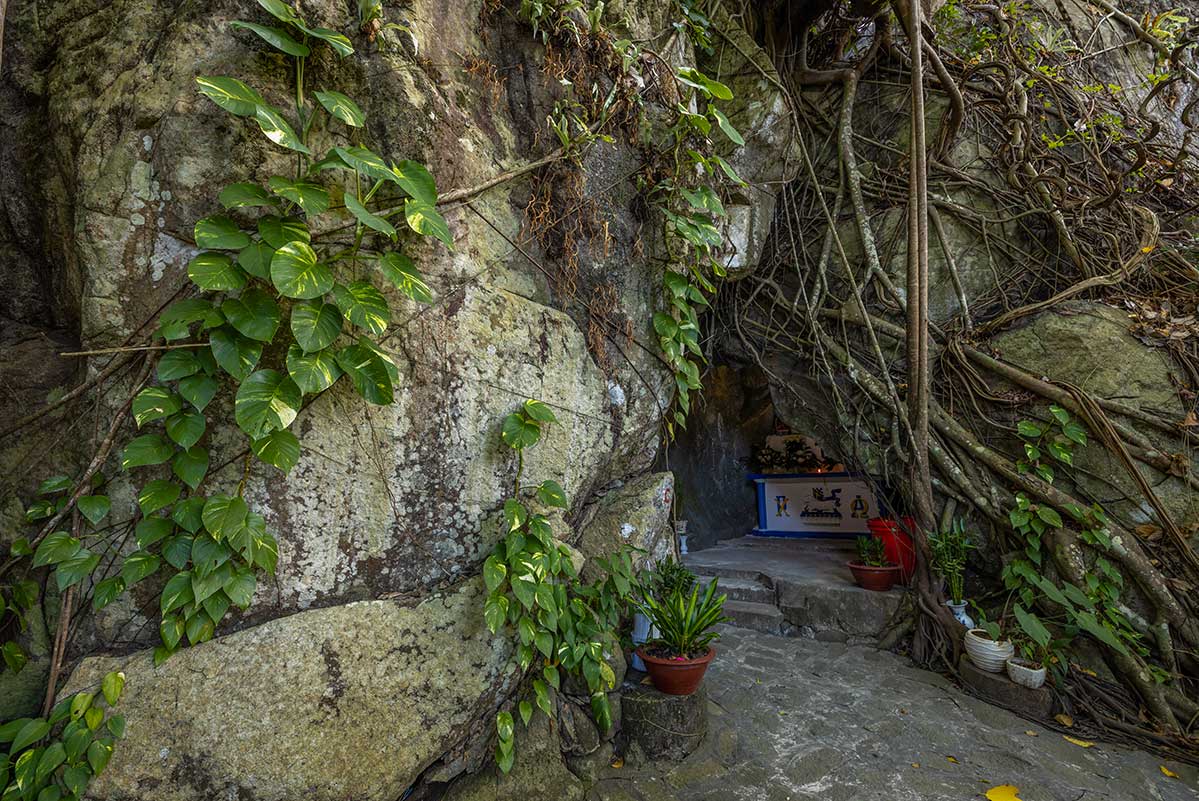
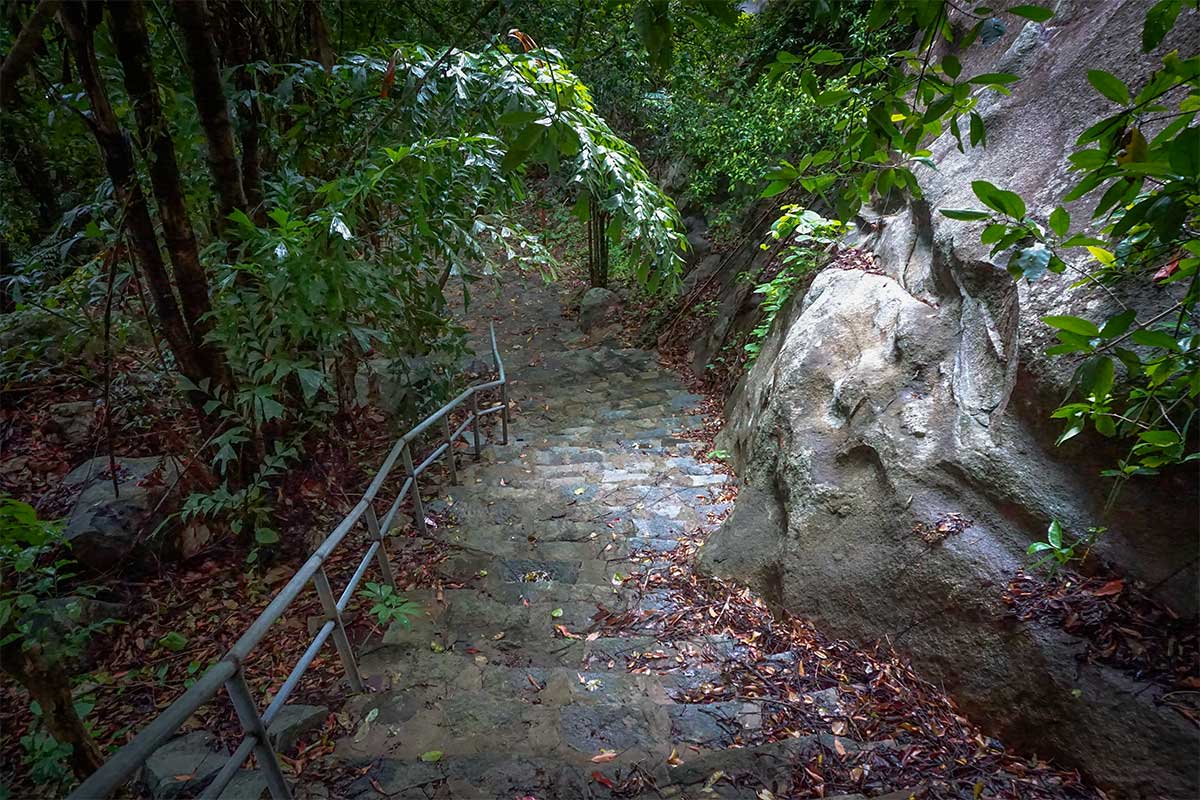
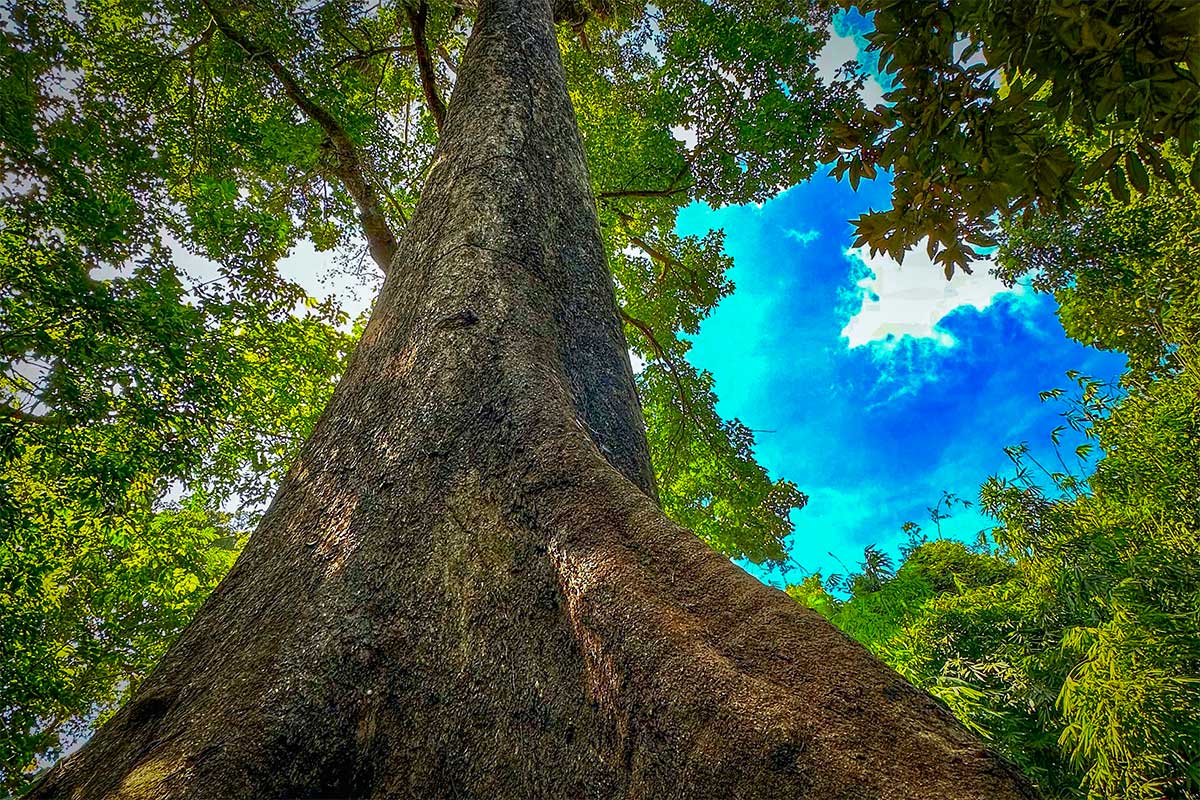
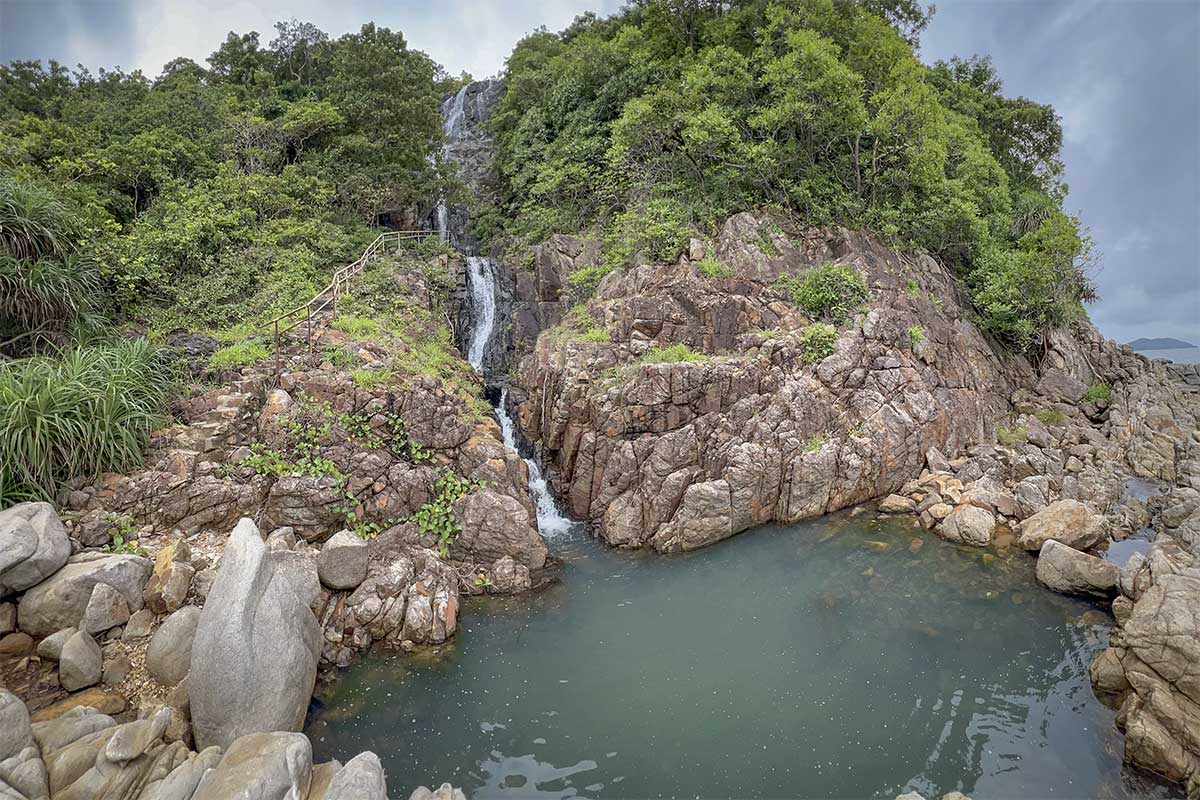
The most complete introduction to Con Dao’s rainforest.
Highlights
- Dense jungle with plenty of wildlife (monkeys, black squirrels, lizards, birds)
- Multiple side trails: cave, heritage tree, waterfall, and two beaches
- Quiet surroundings with few other hikers
- Well-marked main route
Practical details & difficulty
- Start: Con Dao National Park Office (ticket required)
- Distance: approx. 6–6.5 km return (depending on side trails)
- Duration: 2–3 hours (without long breaks)
- Difficulty: easy to moderate
- Trail condition: paved stone paths and stairs
- Note: paths can be very slippery due to moss, especially after rain
- Physical effort: not technical, but hot and humid; includes stairs down and back up toward the beach
Short description
This is the most varied hike starting from the park office and the best option if you only plan to do one walk. You’ll move through dense rainforest and pass several side trails, including a small cave, a large old tree, and routes leading to a waterfall and beaches. The reward isn’t in dramatic viewpoints or perfect swimming spots, but in the forest itself: quiet surroundings, nature, and wildlife.
Route 2: Dat Tham Beach trail
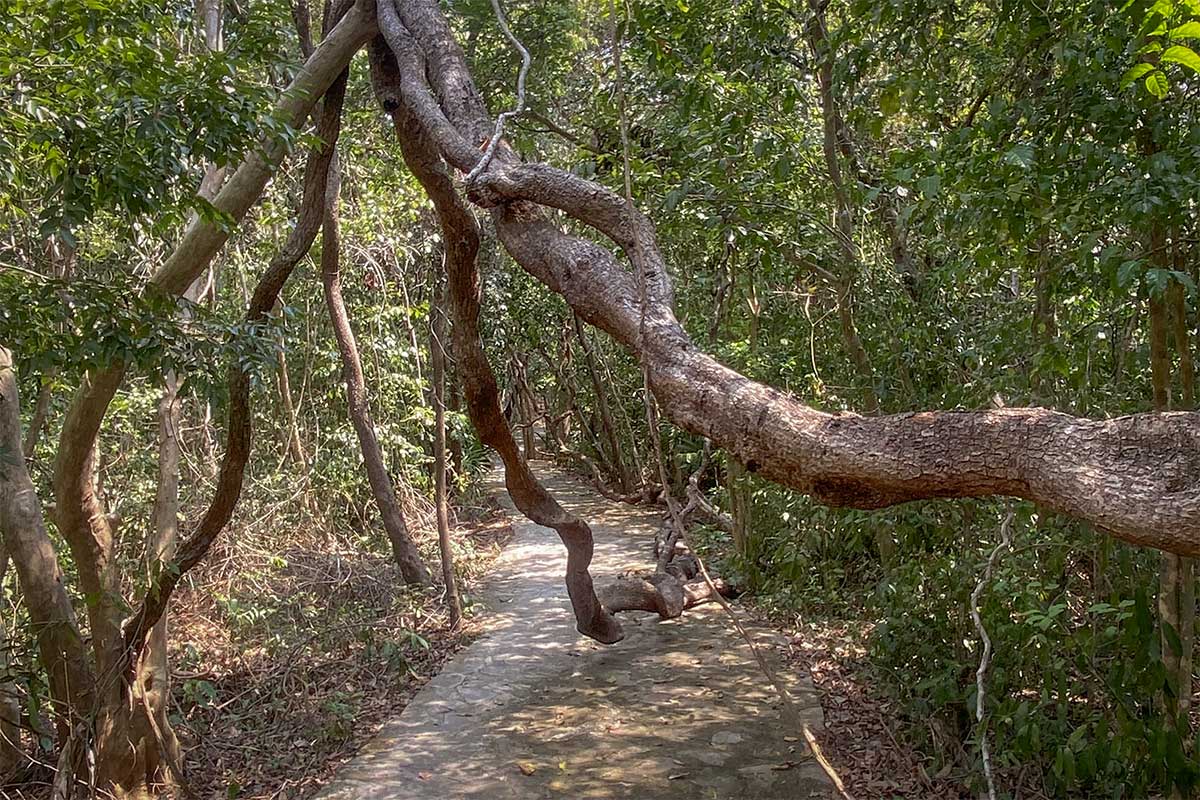
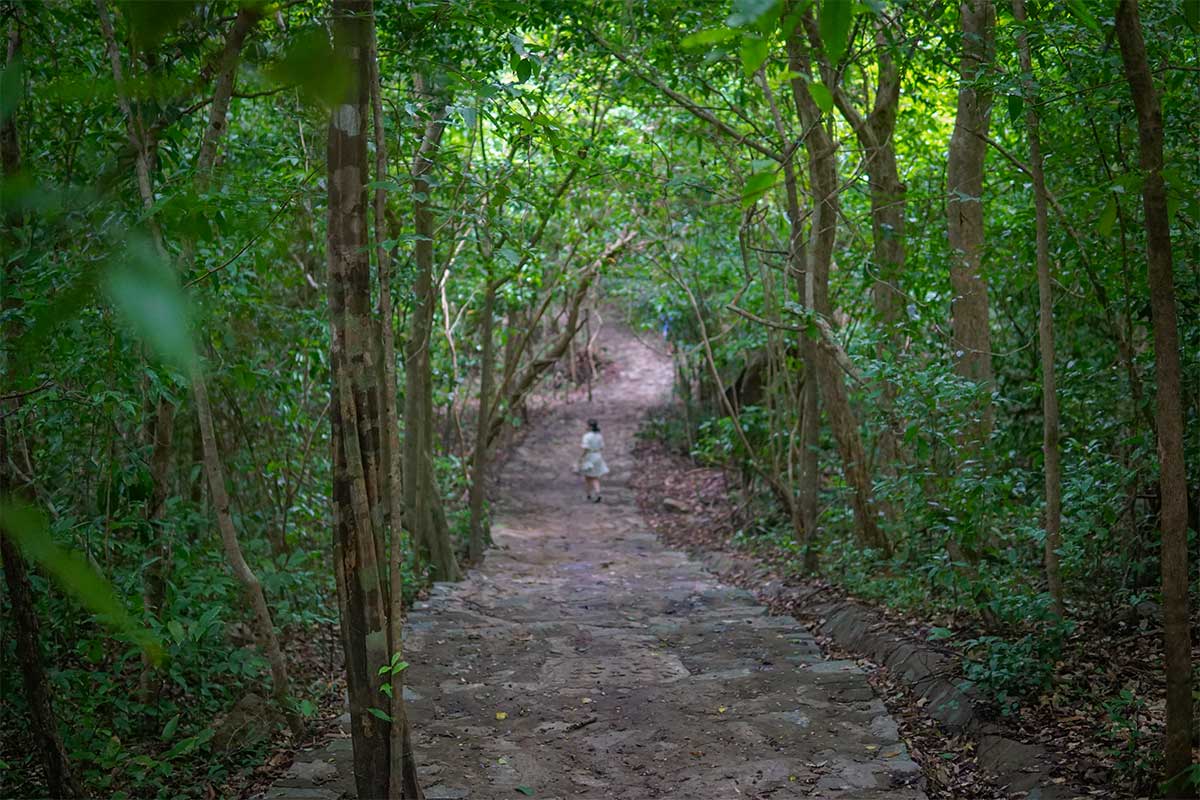
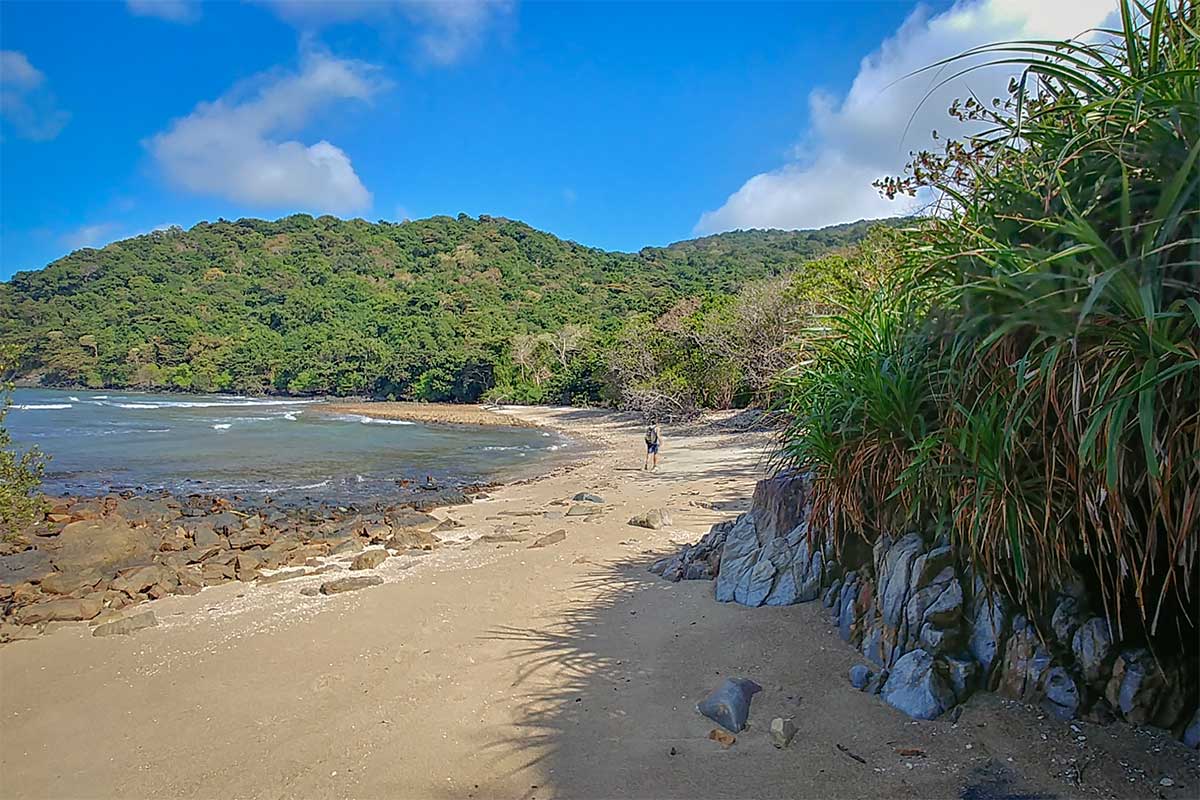
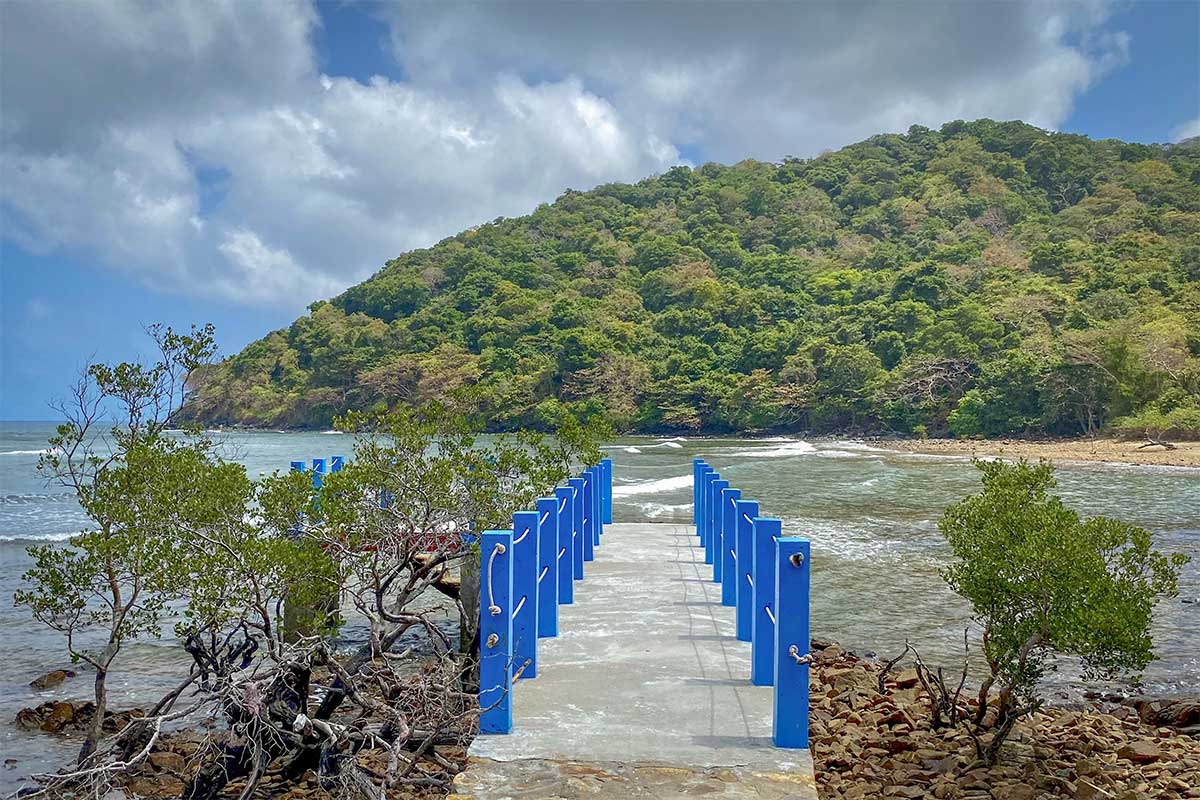
The most balanced hike: jungle combined with a quiet coastline.
Highlights
- Scenic forest walk with educational signs
- Relatively quiet and remote bay
- Small stream and ranger station at the beach
- Suitable for children and less experienced hikers
Practical details & difficulty
- Start: Con Dao National Park Office / official trailhead
- Distance: approx. 3 km one way
- Duration: 30–45 minutes each way
- Difficulty: easy to moderate
- Trail condition: clear and well-maintained path
- Physical effort: gentle elevation changes, no steep climbs
Short description
This route is ideal if you’re looking for an accessible hike without committing to a longer jungle trek. The trail runs through forest and ends at a quiet bay where you’ll often have the place almost to yourself. Swimming can be tricky due to rocks and tides, but as a nature walk, this is one of the most enjoyable routes in the park.
Route 3: Bai Bang trail
The most adventurous jungle hike.
Highlights
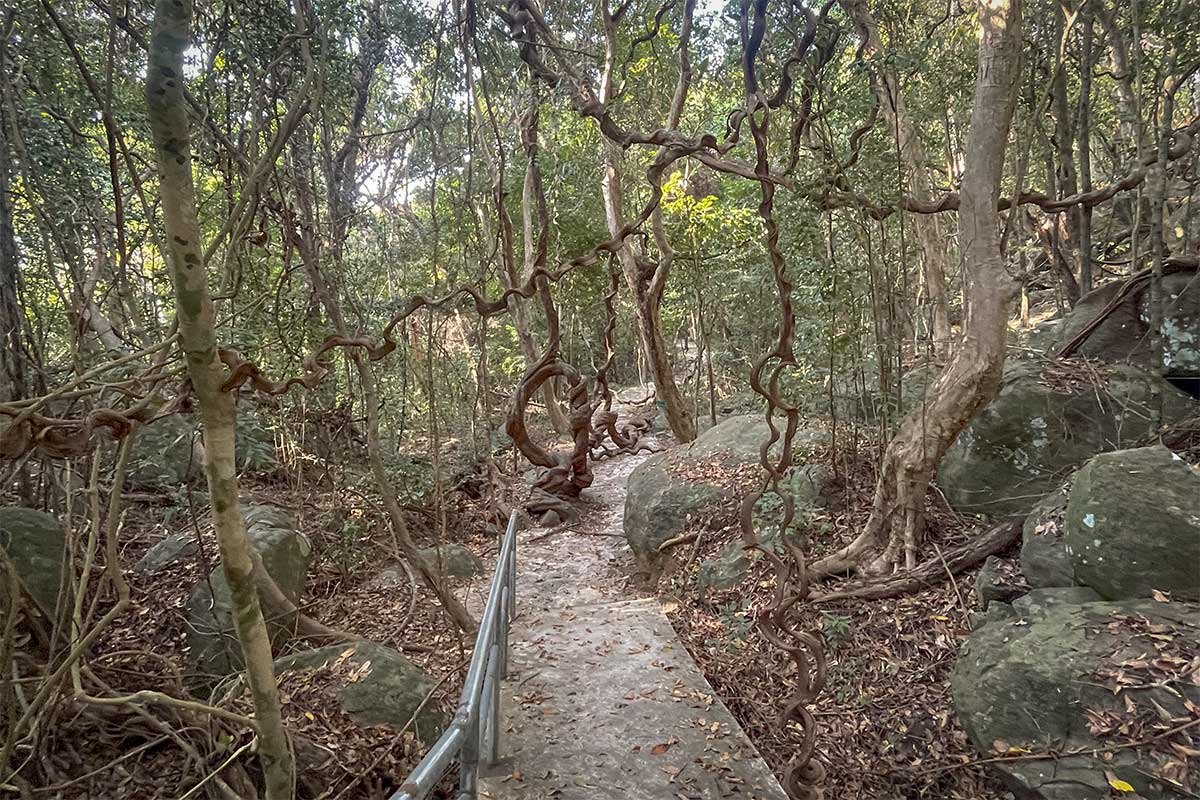
- Deep jungle with vines and old-growth trees
- Very quiet surroundings
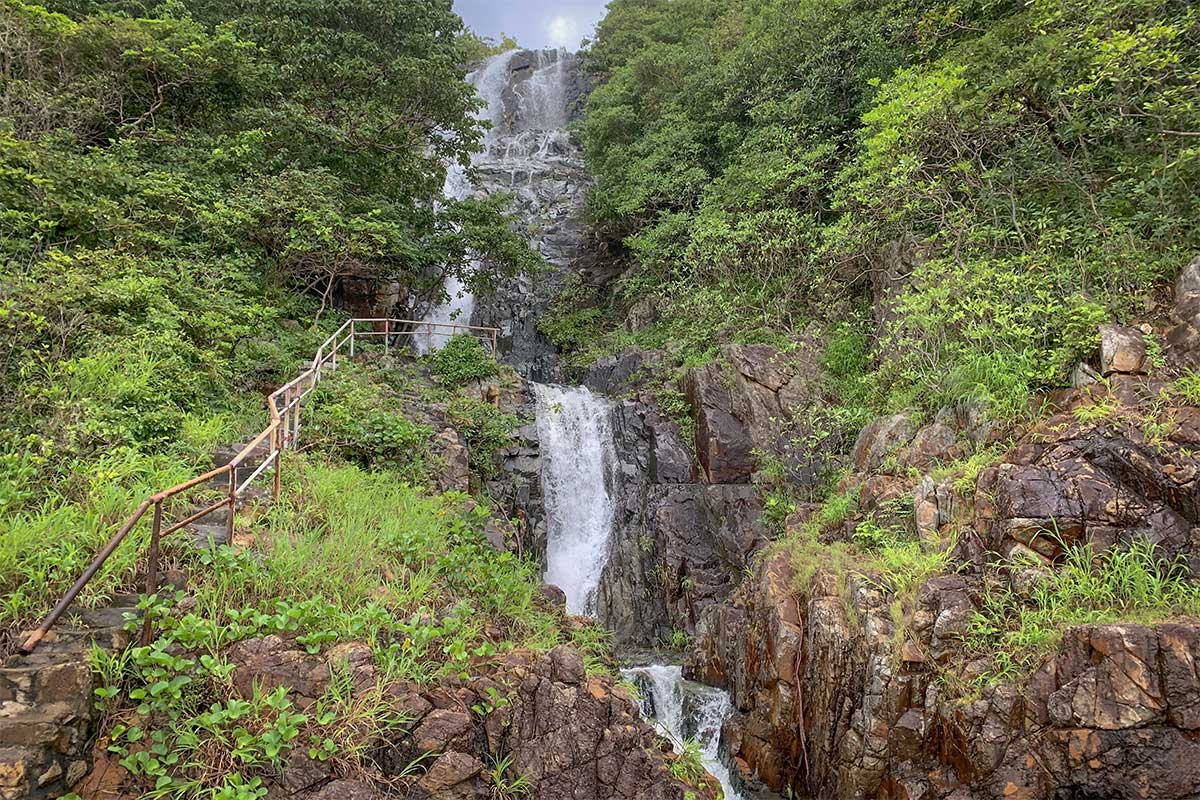
- Waterfall (mainly interesting in the rainy season)
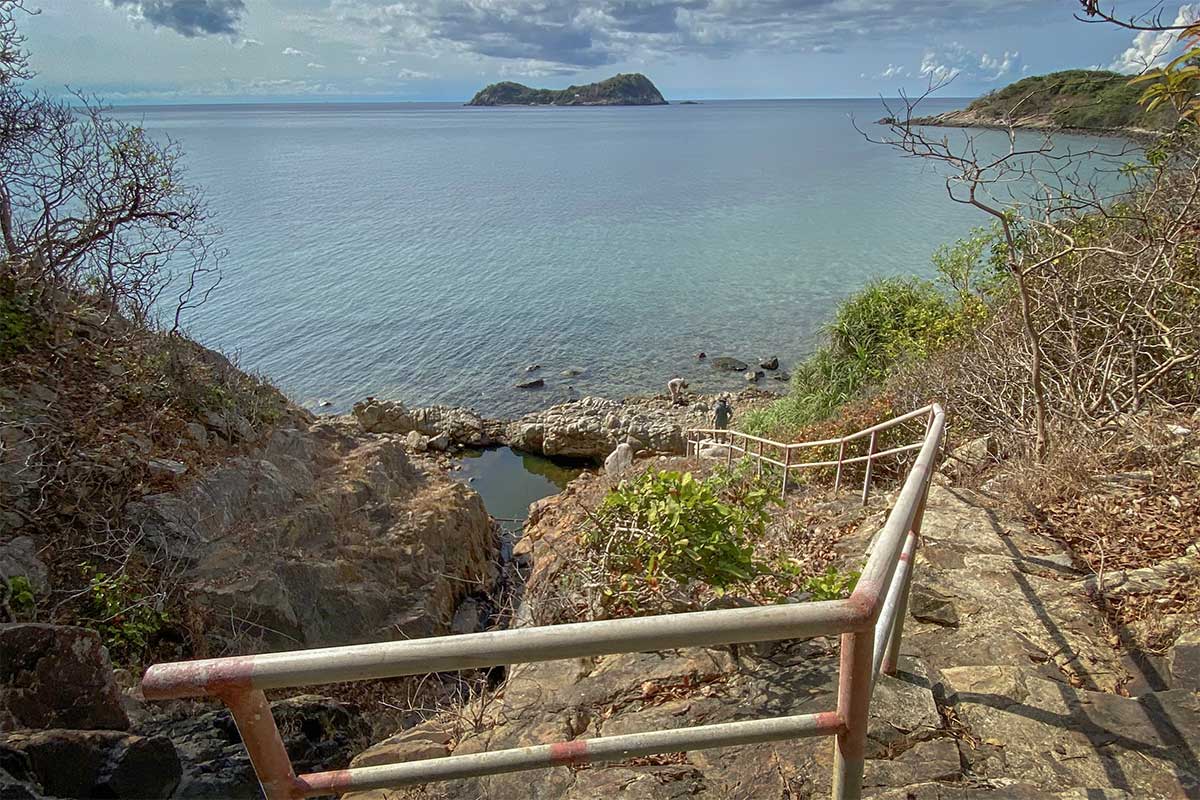
- Potential snorkeling spot in the right conditions
Practical details & difficulty
- Start: Con Dao National Park Office
- Distance: approx. 2 km one way
- Duration: around 1 hour each way
- Difficulty: moderate
- Trail condition: stone paths and stairs, often slippery
- Physical effort: more climbing and descending than Dat Tham
Short description
Bai Bang is mainly about the jungle experience. The hike feels more demanding than the distance suggests and requires a bit of fitness, especially in the heat. The beach itself is rocky and not ideal for swimming, but the trail makes this a good option for travelers who prioritize nature and quiet surroundings.
Route 4: So Ray Viewpoint hike
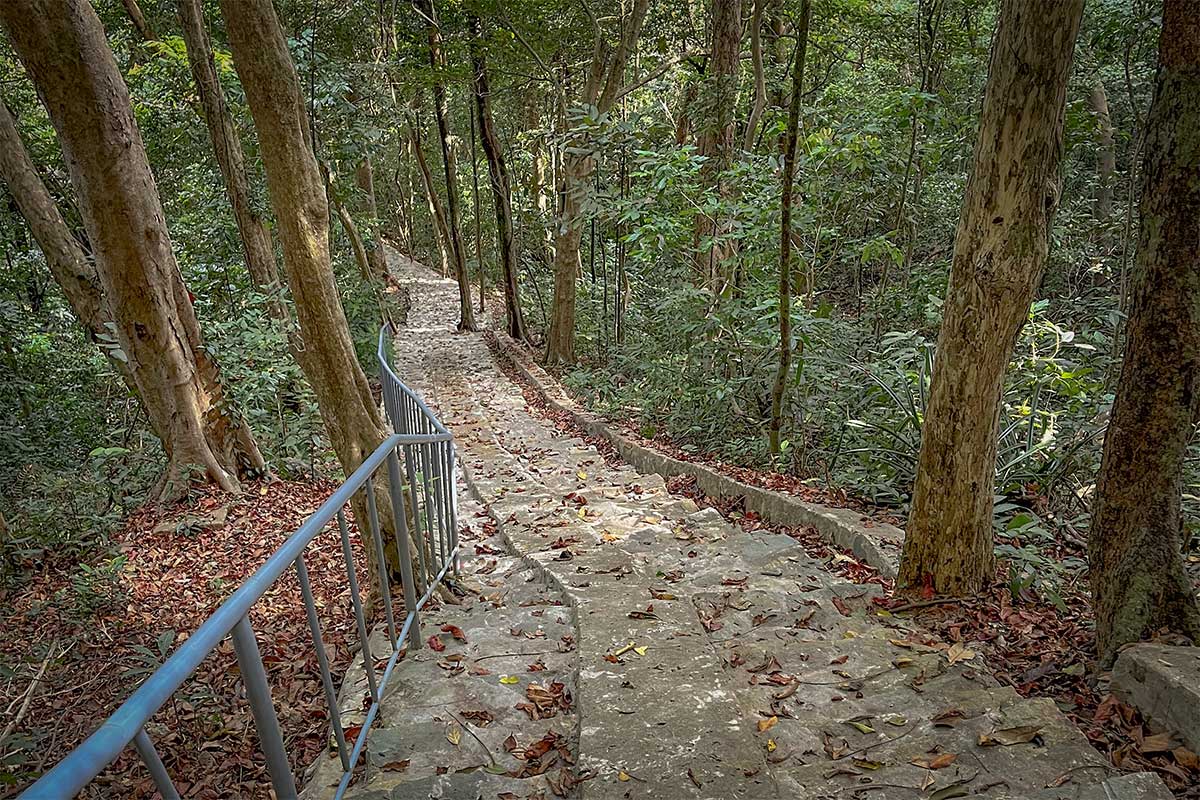
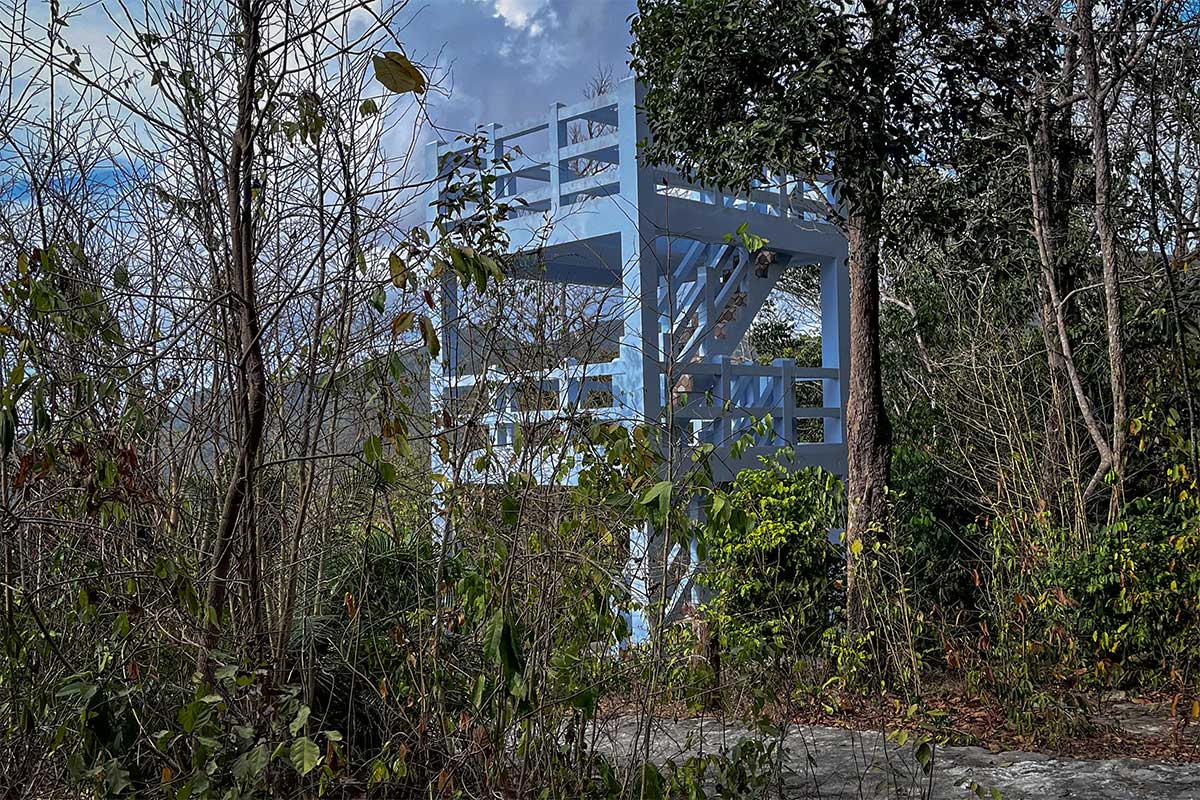
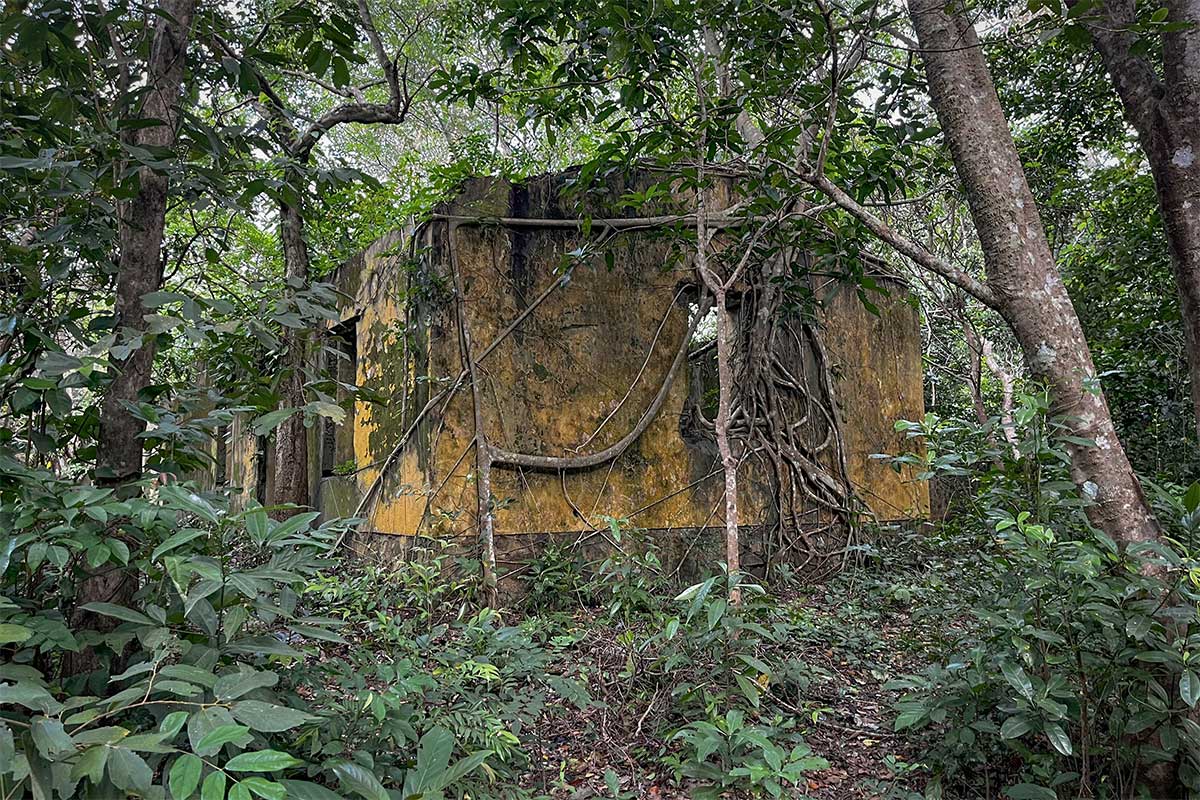
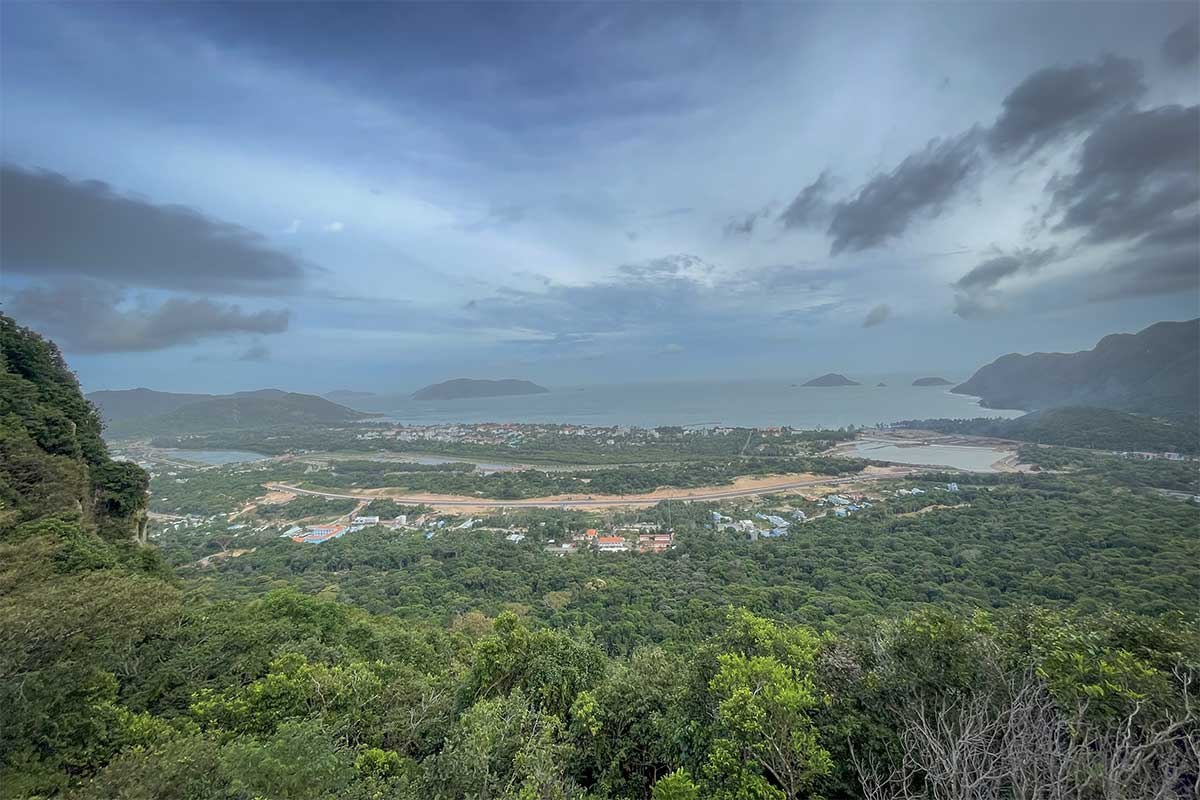
The best hike for views over Con Dao.
Highlights
- Panoramic views over Con Son Bay and the town
- Viewing tower at the top
- Remains of an old French plantation and abandoned buildings
- Wildlife along the way
Practical details & difficulty
- Start: park office or trailhead near the western road around town
- Distance: not fixed, usually 1.5–2.5 hours total
- Duration: approx. 40–45 minutes uphill
- Difficulty: moderate
- Trail condition: well-built stairs with railings
- Physical effort: short but steep sections
Short description
This is the best hike on Con Dao if you’re looking for views. The climb is short but fairly steep, leading through forest to a viewing tower with wide panoramas over the bay. The atmosphere is unique, with abandoned buildings and a sense of history. Note: connecting trails from here to other beaches are poorly marked and not recommended without a guide.
Other hiking routes in Con Dao National Park (limited or uncertain)
Not all hiking routes in and around Con Dao National Park are equally suitable for independent travelers. Some are (temporarily) closed, poorly marked, or require extra logistics, a guide, or specific conditions. Below is a brief overview of routes you may come across in travel blogs or local tips, but which are less accessible or less worthwhile in practice.
Dam Tre Bay
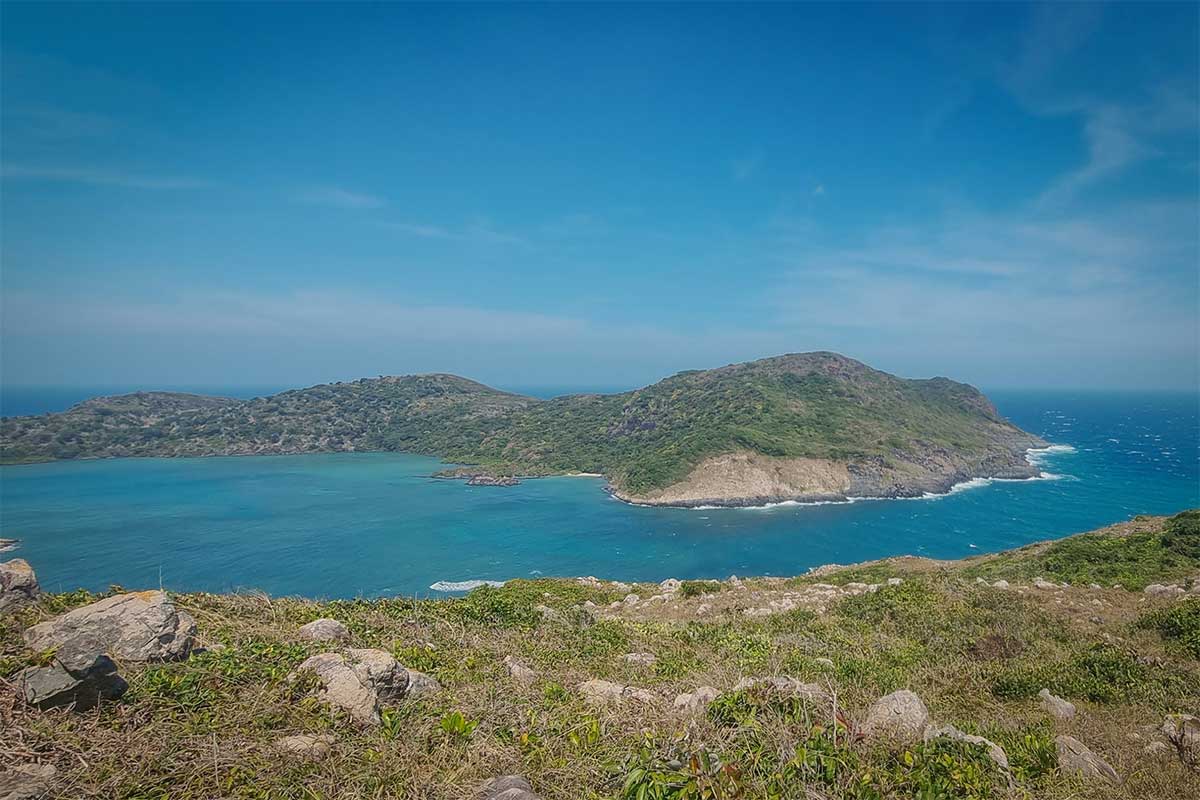
A long and demanding hike in the north of the island, not accessible from the National Park Office. The route combines beaches, stairs, and forest, and requires proper planning (tides, heat, water). Only suitable for experienced hikers with enough time; for most travelers, this is too complicated.
Ong Dung Bay
Historically part of the national park and often mentioned in older guides, but recent reports indicate that access is now closed due to resort development. The route was already physically demanding and ended at a small, rocky bay. At the moment, this hike is likely not accessible.
Nui Thanh Gia (Holy Cross Mountain)
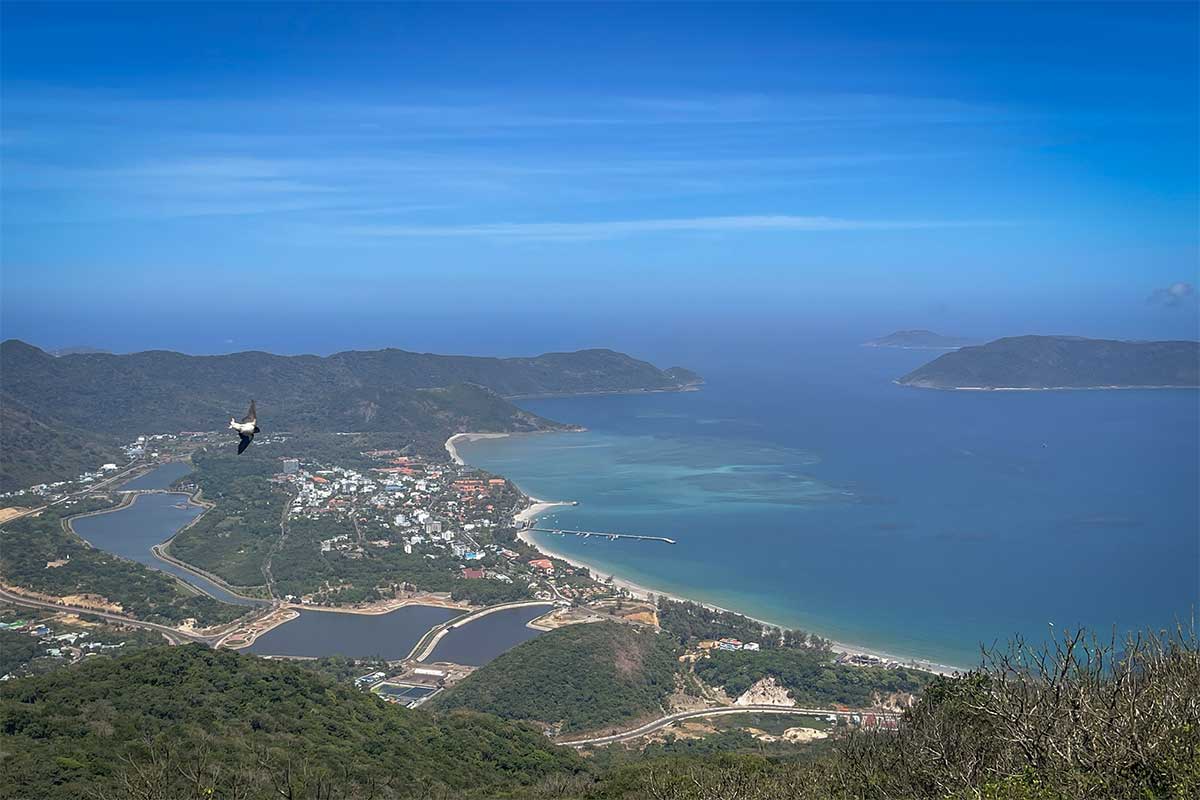
Often mentioned as a viewpoint, but for several years now largely part of a military area. Access is frequently restricted, and the summit is not freely accessible. Not a viable hiking option for travelers.
Maria’s Cave (Duc Me Cave – standalone visit)
The cave itself is small and mainly of religious significance. As a standalone hike, it’s not particularly worthwhile for most travelers. However, as a short detour from the main jungle route starting at the park office, it’s a logical stop to include.