
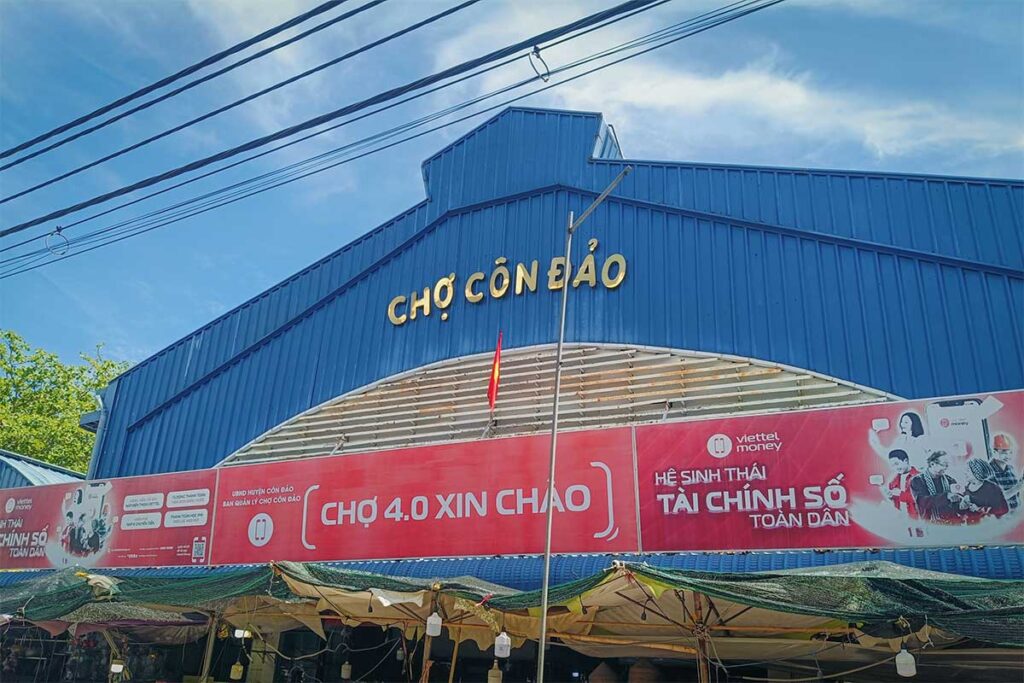

Con Dao Market vs Night Market – How it actually works
One of the biggest points of confusion is that Con Dao Market and the Night Market sound like two different places, but in reality, they are the same central market area that changes throughout the day. During the daytime, this is a traditional local market where residents shop for fresh seafood, vegetables, and daily goods. In the evening, the surrounding streets transform into a lively night market, with food stalls and seafood vendors setting up outside.
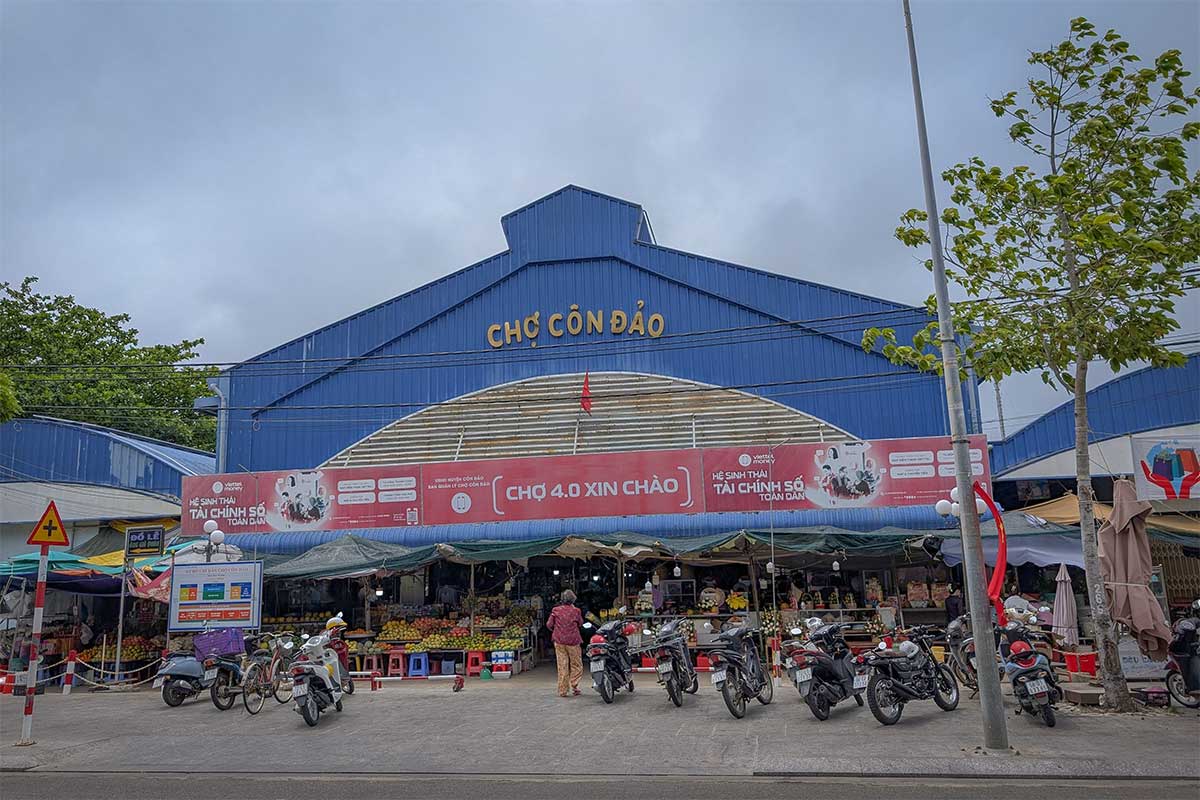
The layout reflects this shift. During the day, most activity takes place inside the covered market building, where you’ll find rows of seafood, produce, and household goods. As the sun sets, the focus moves outside onto the nearby streets, where temporary stalls, plastic tables, and small restaurants create a casual open-air dining area.
The atmosphere also changes depending on the time you visit. Early in the morning, the market feels local and authentic, with fishermen bringing in fresh catches and residents doing their daily shopping. In the afternoon, it becomes much quieter, with fewer stalls and less energy. By evening, the area comes alive again, turning into a busy street food scene centered around fresh seafood and grilled dishes.
It’s important to set the right expectations: this is not two separate markets or a large-scale night market like in big cities. Instead, it’s one compact market area that evolves throughout the day, offering different experiences depending on when you go.
What Con Dao Market is like during the day
Morning market (best time for authenticity)
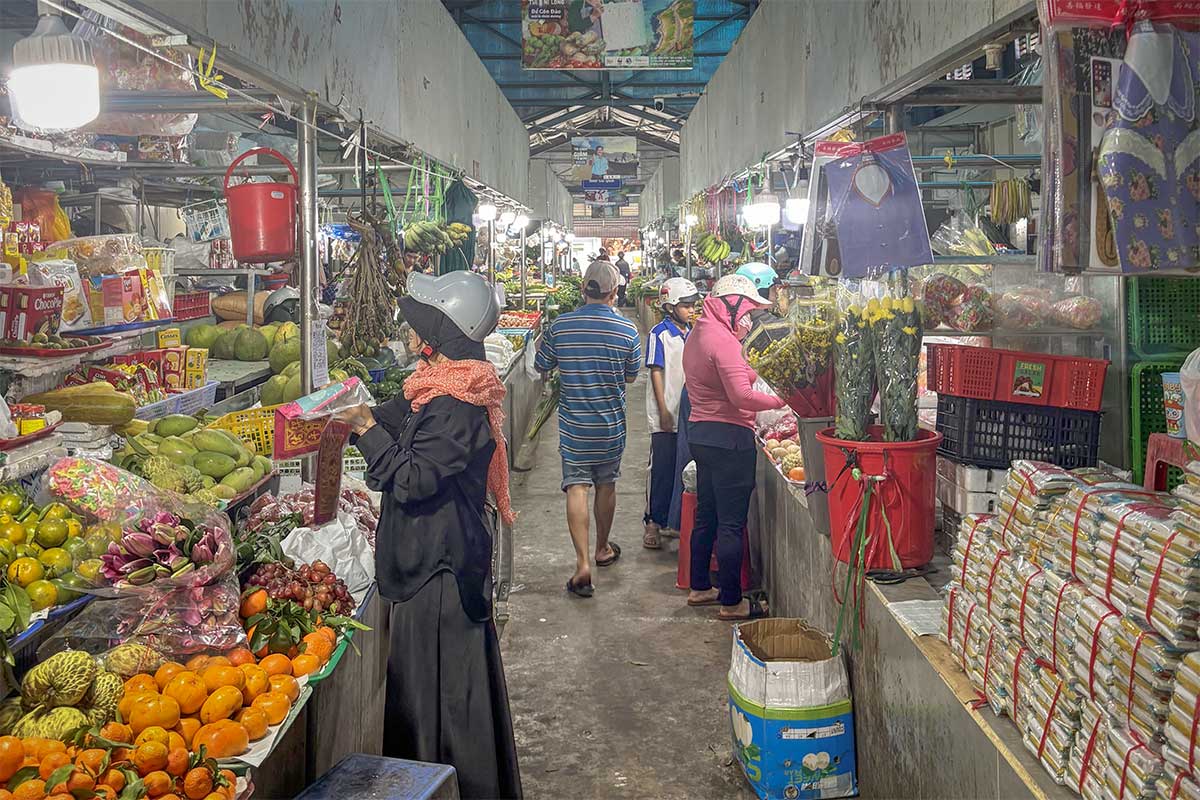
The morning market is when Con Dao Market feels the most local and alive. From around 5:00 to 10:00, this is where residents come to buy fresh seafood, vegetables, and daily essentials, and you will see the market at its most active.
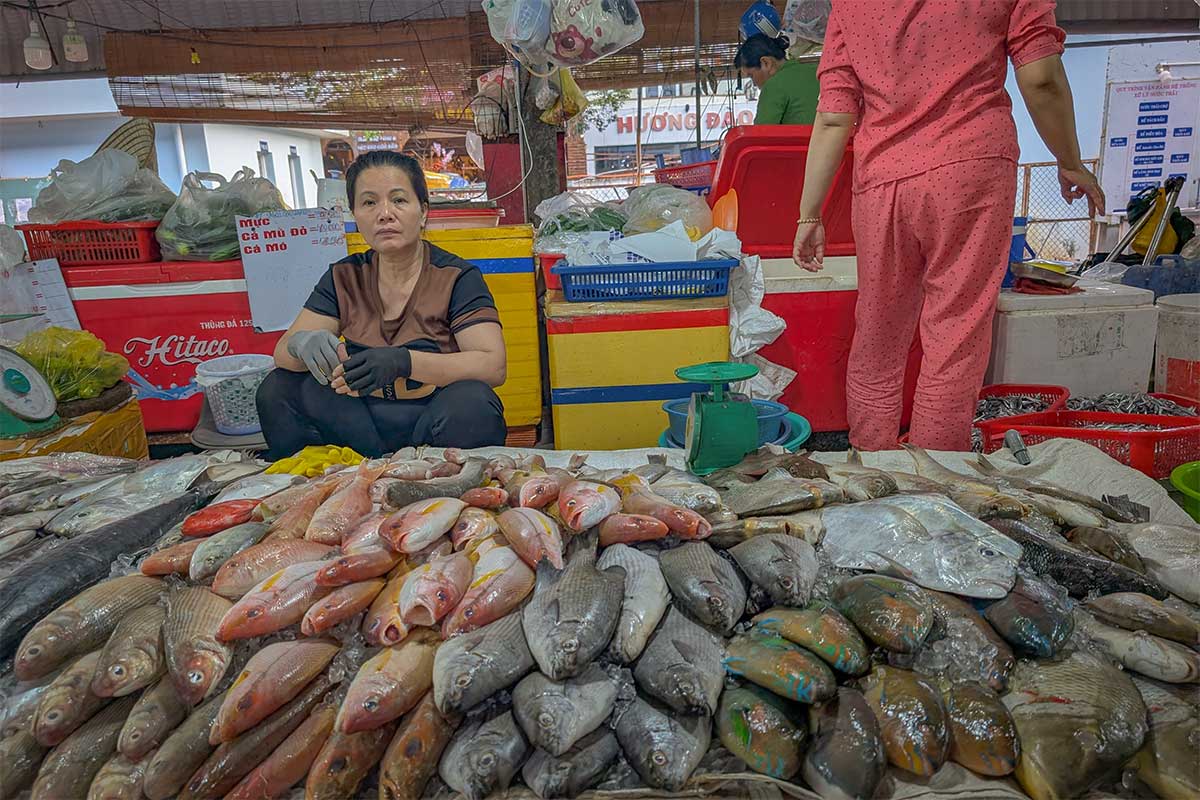
Seafood is the highlight here. Much of it comes in fresh from the boats early in the morning, and you will see everything from fish and shrimp to crabs and shellfish laid out on ice or still moving in trays. It is not a polished or tourist-focused experience, but that is exactly what makes it interesting.
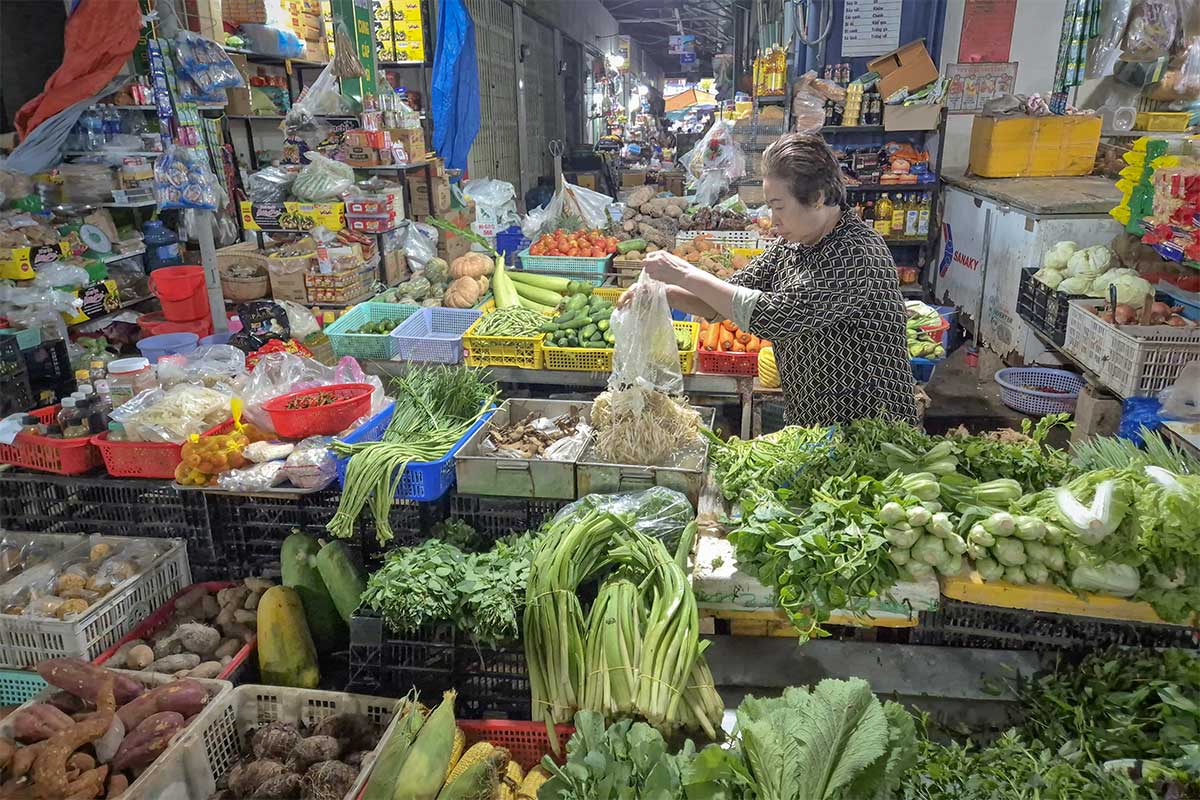
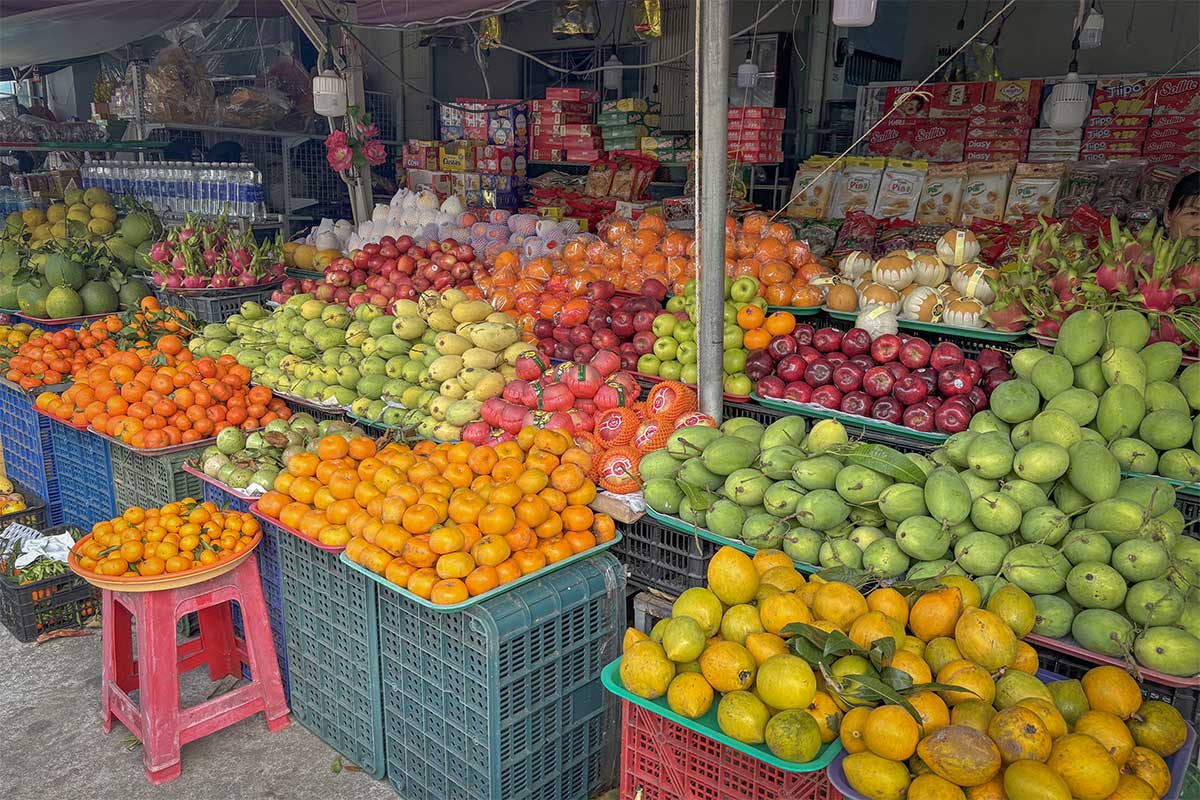
Besides seafood, there are stalls selling fruits, herbs, meat, and basic groceries. You will also find a few simple food stalls serving breakfast dishes like noodle soups or rice meals.
Expect a real market atmosphere. It can feel a bit chaotic, with narrow walkways, wet floors, and a strong smell of the sea. It also gets quite busy, especially in the early hours. If you are comfortable with that, this is easily the best time to visit for an authentic experience.
Afternoon market (less interesting)
In the afternoon, from around 15:00 to 18:00, the market becomes much quieter. Many of the fresh seafood stalls are either gone or less active, and the energy drops significantly compared to the morning.
At this time, you will see more stalls focused on dried seafood, snacks, and simple souvenirs. Some local vendors are still around, but overall there is less happening, and the atmosphere feels slower.
If you are already nearby, it is still worth a short walk through. But if you are deciding when to visit, the afternoon is generally not the best time, especially if you want to see the market at its most lively.
Con Dao Night Market – what to expect in the evening
Atmosphere & setup
From around 17:00, the area around Con Dao Market starts to change. Stalls are set up outside, plastic tables and chairs appear, and the space turns into an open-air dining area. By 19:00, the night market is in full swing, and it usually stays busy until around 22:00, sometimes later depending on the season.
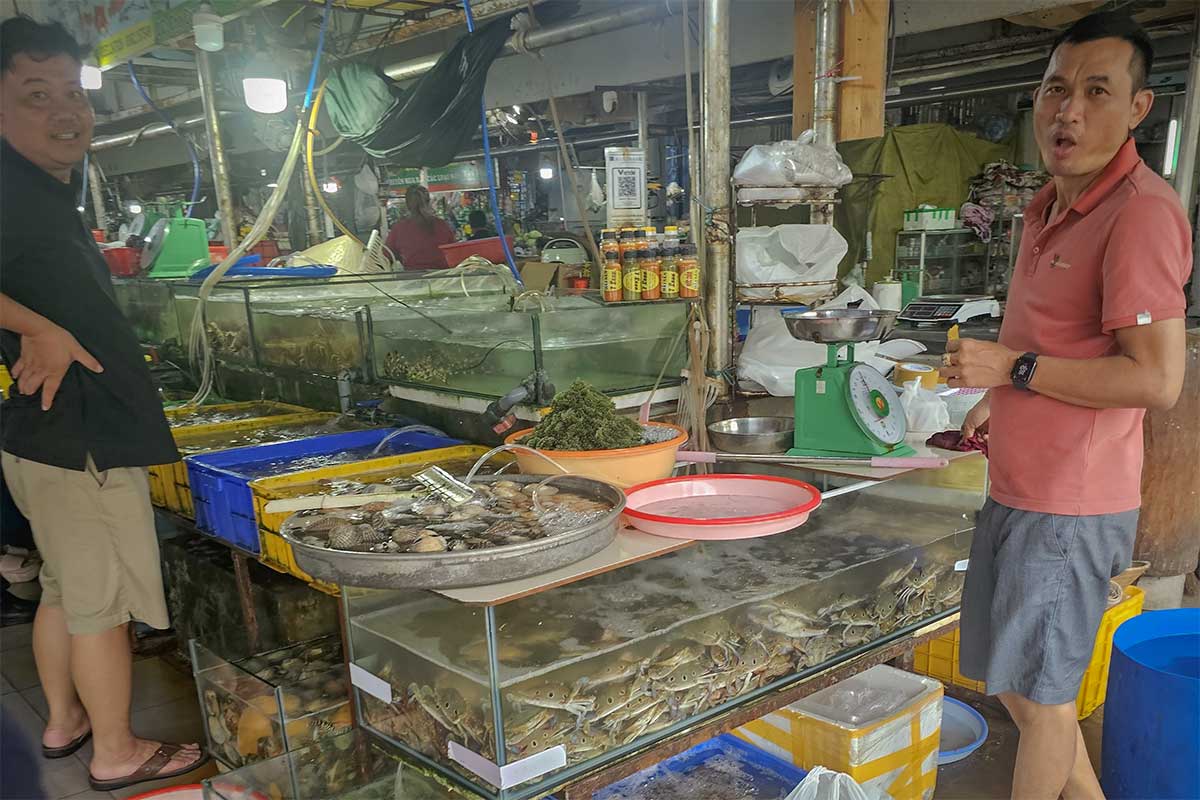
The setup is simple. Most of the action happens on the streets around the market rather than inside the building. You will see rows of seafood stalls, small grills, and casual seating areas where people sit down for dinner. It feels like a mix between a street food market and a row of informal seafood restaurants.
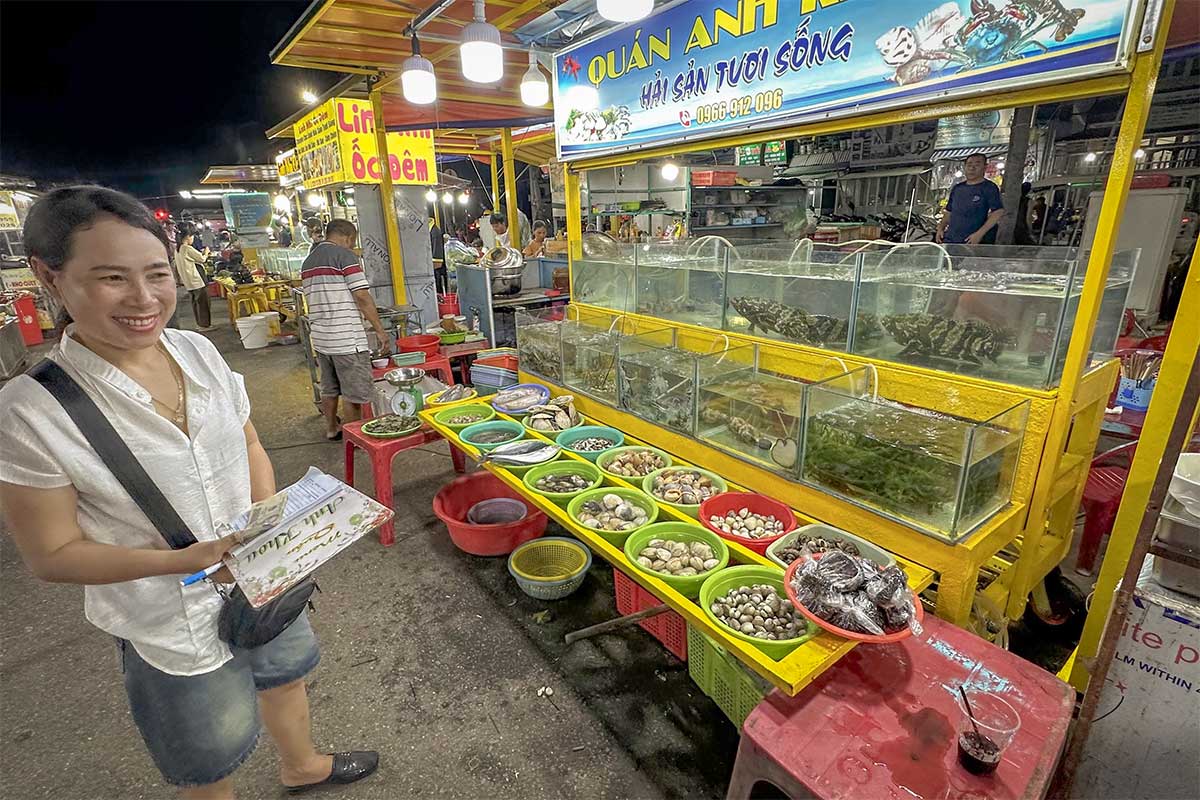
It gets busy, but not overwhelming like in larger cities such as Ho Chi Minh City or Hanoi. The atmosphere is lively but still relatively relaxed. Vendors are generally friendly and not pushy, which makes it easy to walk around and choose where you want to eat.
During peak hours, you may have to wait a bit for food, especially at popular seafood stalls. Seating can also be limited, so it helps to be flexible.
What makes it special
The main reason people come here is the seafood experience. Many stalls display live seafood in tanks or on ice, and you can choose exactly what you want. The staff will weigh it and cook it on the spot, usually grilled, steamed, or stir-fried.
This creates a very social dining atmosphere. You sit on small plastic chairs, share dishes, and eat in the middle of a busy but relaxed environment. It is a mix of locals and tourists, with both coming here mainly for dinner rather than sightseeing.
It is worth setting expectations though. The night market is not particularly traditional or cultural in the sense of handicrafts or performances. It is mostly about food. If you come here for a local dining experience and fresh seafood, it works very well. If you expect a large, diverse night market with many types of goods, it may feel a bit limited.
What to eat at Con Dao Market & Night Market
Fresh seafood (highlight)
Seafood is the main reason to come here, especially in the evening. You will see tanks and trays filled with crab, shrimp, squid, sea urchins, snails, and different types of fish. The process is simple: you choose what you want, it gets weighed, and the stall prepares it on the spot.
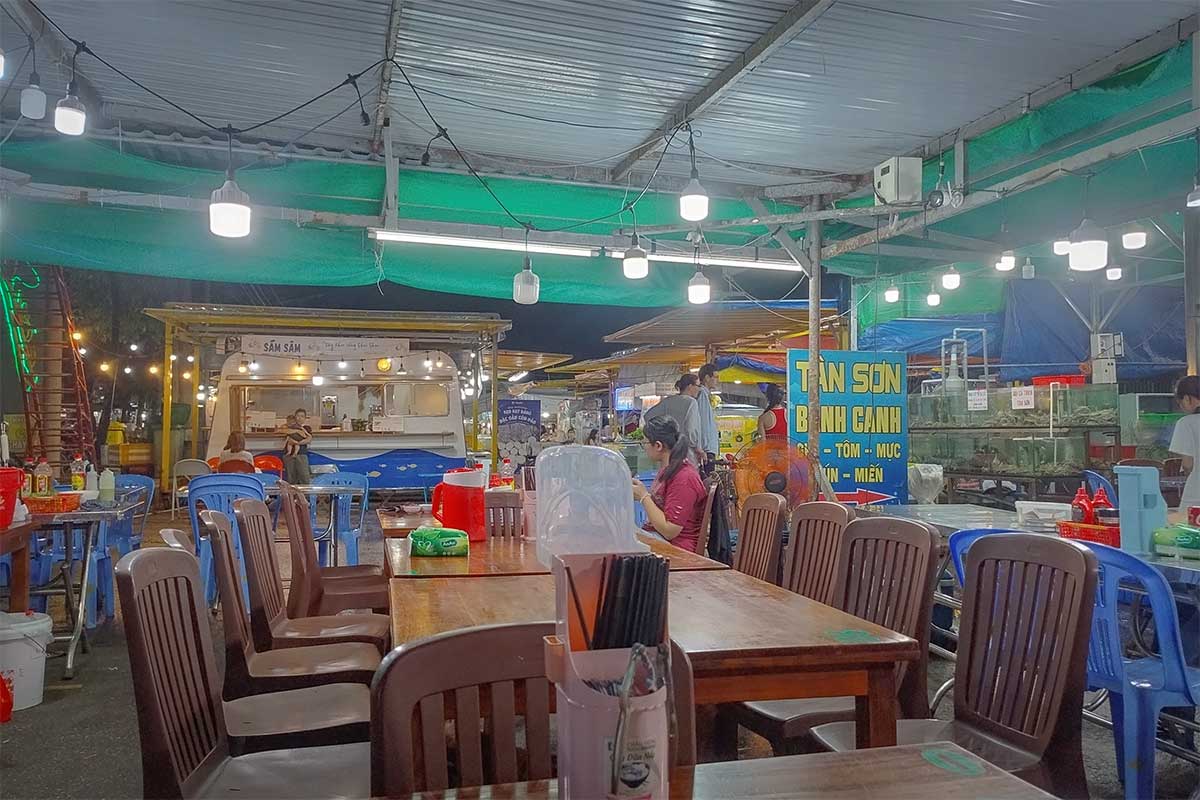
The quality is one of the strongest points. Multiple visitors mention how fresh everything is, and you can often see it for yourself. Compared to mainland Vietnam, prices are a bit higher, but for the freshness and island setting, it is generally considered good value.
If you are unsure what to pick, most vendors can suggest simple preparations like grilling, steaming, or stir-frying, which work well with fresh seafood.
Street food & snacks
Besides seafood, there is a good mix of simple street food options. These are easy to try if you don’t want a full seafood meal.
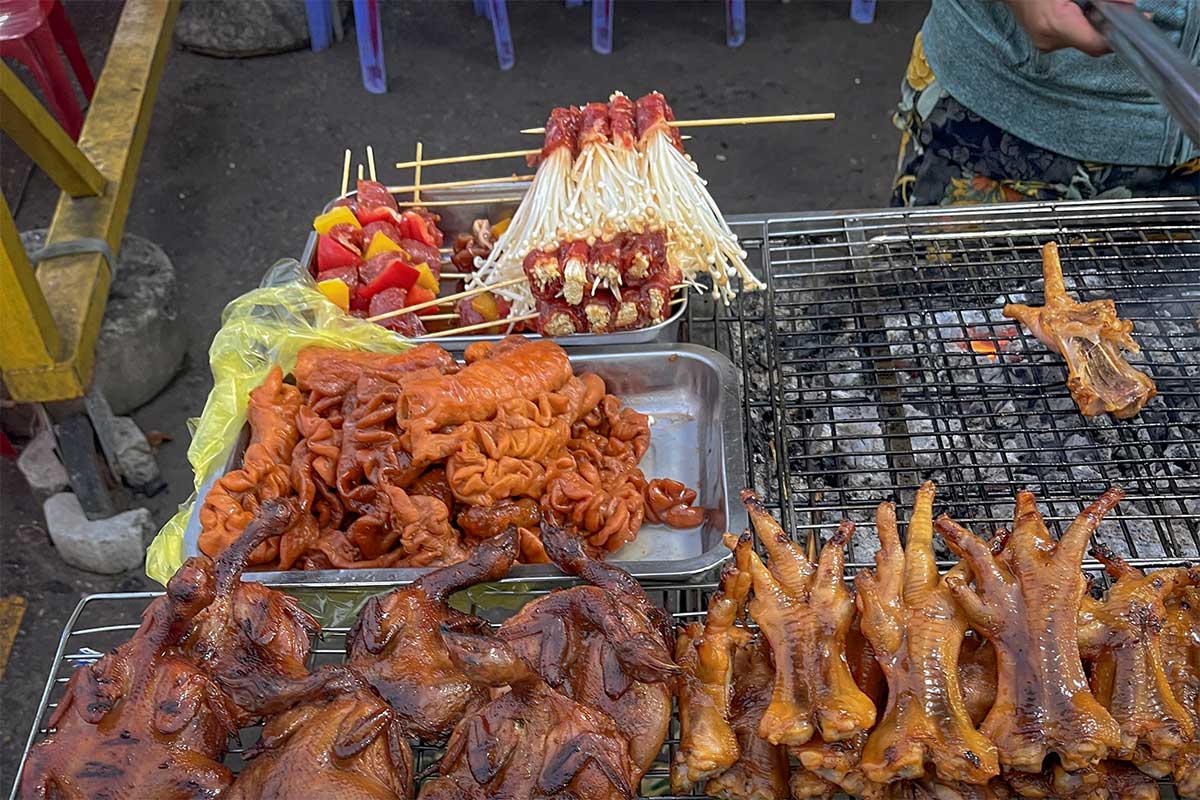
Common options include grilled skewers, Vietnamese pizza (banh trang nuong), fried banana, and crispy rice. These are quick, affordable, and good for sharing. You will find them both in the night market area and sometimes around the market during the day.
It is not a huge variety compared to big cities, but there is enough choice to try a few different things.
Local dishes (day market)
During the day, especially in the morning, you will find small food stalls serving local dishes. These are more typical Vietnamese meals rather than snacks.
Dishes like bun rieu cua bien, com tam, and bun mam are commonly available. They are simple, filling, and usually cheaper than eating at restaurants. This is a good option if you want a quick local breakfast or lunch.
Drinks & desserts
For something lighter, there are also drinks and desserts scattered around the market and night market.
Coconut ice cream is one of the more popular treats, especially in the evening. You will also find smoothies, fresh juices, and various sweet snacks. These are easy to grab while walking around or after a seafood meal.
What to buy (food & souvenirs)
Dried seafood & local products
One of the most common things to buy at Con Dao Market is dried seafood. You will see stalls selling dried squid, shrimp, fish, and other preserved products that are easy to take home.
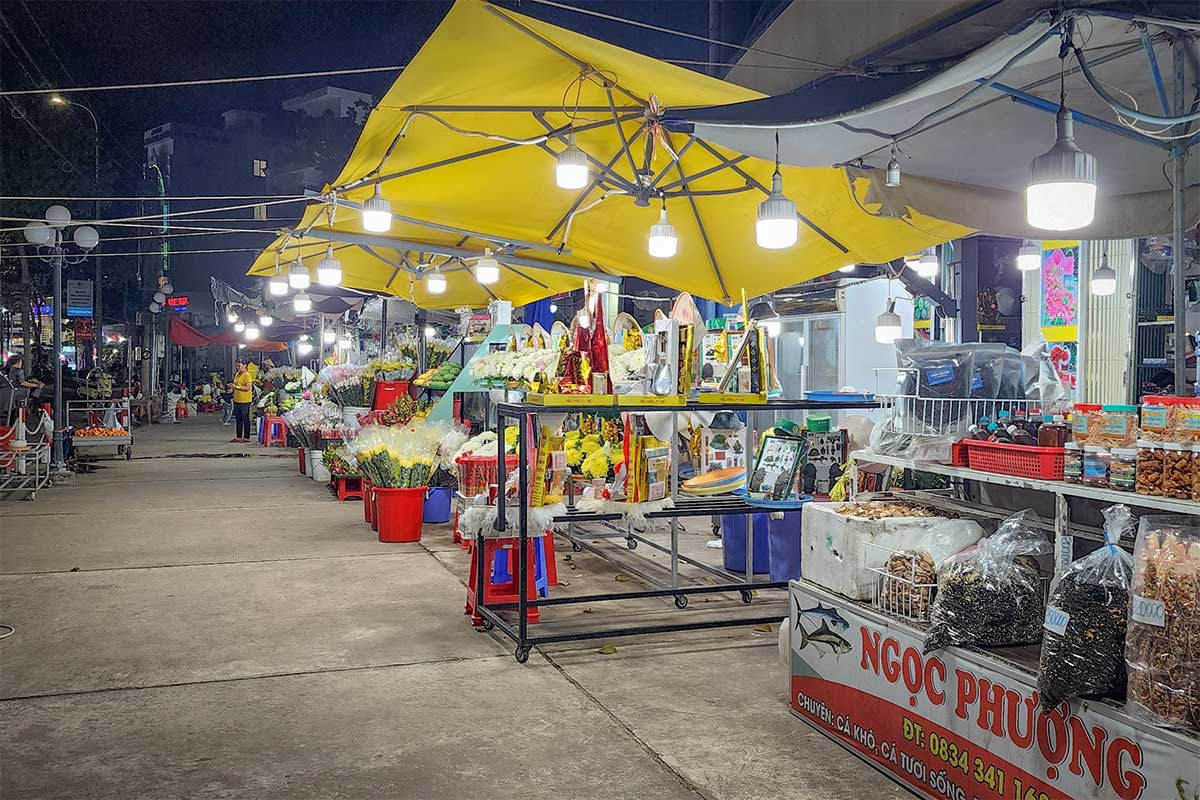
These are popular as gifts, and many vendors will pack them properly for travel. You will also find local snacks such as roasted nuts and simple packaged goods, which are easier to carry if you are not planning to transport seafood.
As always, it is worth checking a few stalls before buying, as quality and prices can vary slightly.
Souvenirs
Souvenirs are available, but this is not a major shopping destination. Most items are simple and locally made, such as shell decorations, small handicrafts, and basic accessories.
It is more of a place to pick up a small, casual souvenir rather than something unique or high-quality. If you are expecting a wide range of handicrafts, the selection here may feel limited.
Offerings (important cultural insight)
Around the market, you will also see many stalls selling flowers, incense, and other offerings. These are commonly bought by both locals and visitors who plan to visit Hang Duong Cemetery, one of the most important spiritual sites on the island.
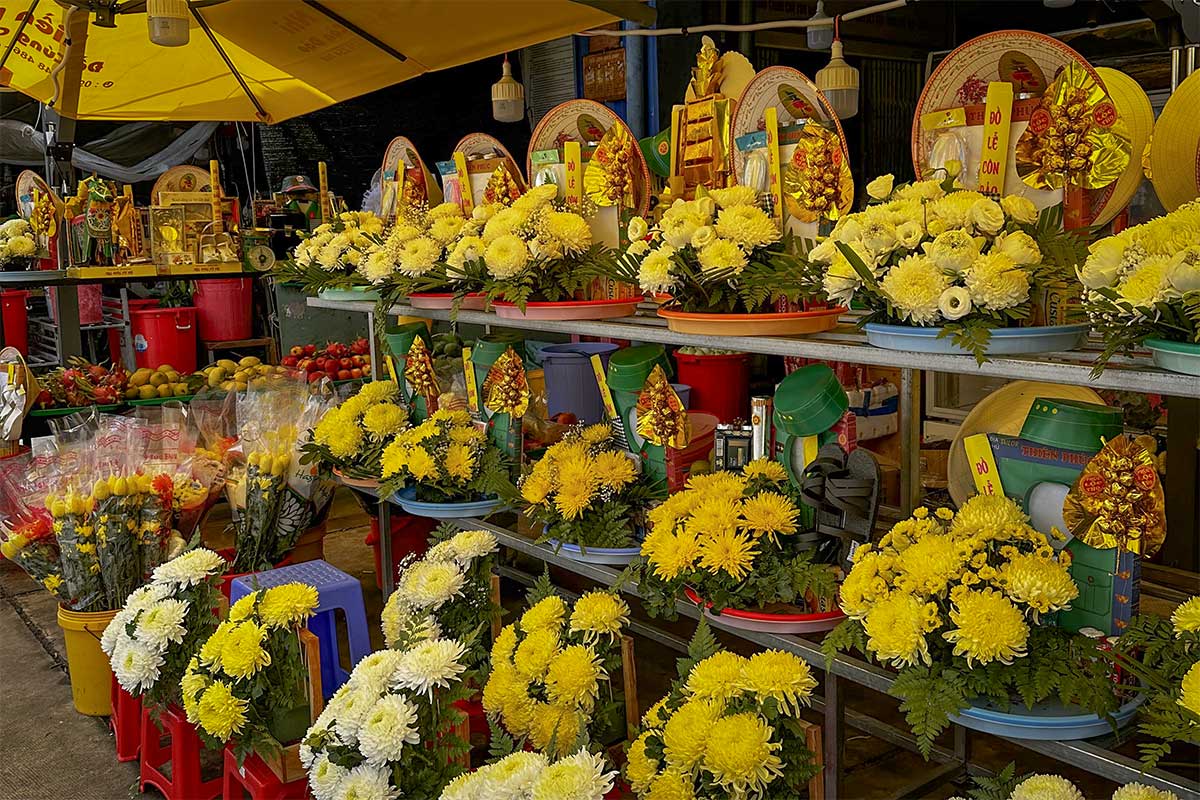
It is a practical place to buy these items before heading there, but prices can be noticeably higher compared to the mainland. Some travelers recommend buying offerings elsewhere if possible, especially if you are familiar with typical prices.
Location, opening hours & practical info
Location
Con Dao Market is located in the center of Con Son Town, making it very easy to reach. If you are staying anywhere in town, you can usually walk there within a few minutes.
Most hotels, restaurants, and cafes are concentrated in this area, so visiting the market fits naturally into your daily plans without needing extra transport.
Opening hours
The market changes throughout the day, with different peak times depending on what you want to see:
- Morning market: 5:00 – 10:00
- Afternoon market: 15:00 – 19:00
- Night market: from around 17:00, busiest between 19:00 – 22:00
Keep in mind that the afternoon period is relatively quiet, while the morning and evening are the most interesting times to visit.
How to visit
Getting there is simple. Most people visit on foot, but you can also go by bicycle or scooter if you are staying slightly outside the center.
The market is easy to combine with nearby sights, such as the Con Dao Museum and the French Tiger Cages. This makes it a convenient stop either during the day or in the evening after sightseeing.
Prices, quality & tips for visiting
Prices and value
Prices at Con Dao Market and the night market are generally higher than in many other parts of Vietnam. This is especially true for seafood. While it is not cheap, the quality is usually very good, and most visitors feel it is fair value considering how fresh everything is.
At the night market, prices can sometimes feel closer to restaurant levels rather than typical street food. That said, prices are usually clearly displayed, and there is little sign of scams or aggressive selling. What you see is generally what you pay.
What to expect
There are a few practical things to keep in mind. The area can get quite crowded in the evening, and seating is limited, especially during peak hours. If it rains, the experience can also be less comfortable, as most of the night market is outdoors without proper cover.
Best time to visit
To get the most out of your visit, timing matters. Early morning is best if you want to see the market at its most local and experience the freshest seafood coming in. The evening is the best time if your focus is on eating and enjoying the atmosphere.
Practical tips
It helps to walk around and compare a few seafood stalls before choosing, as quality and prices can vary slightly. Some stalls change from day to day, so you may not see the exact same setup every time you visit. Bringing cash is recommended, and a bit of flexibility will make the experience more enjoyable.


