

History of the Con Dao Prison
When you visit the Con Dao prison sites, you’ll quickly notice that on-site explanations are quite limited. Many buildings only have a few signs, usually in Vietnamese, with short and fragmented information. The museum provides a more complete overview, partly in English, but even there the story isn’t fully comprehensive.
That’s exactly why historical context matters. Without some background knowledge, your visit remains mostly visual, while the meaning of this place goes much deeper.
The colonial context: French Indochina
To understand the Con Dao prison, you need to go back to the French colonial period in Vietnam. From the mid-19th century, Vietnam became part of French Indochina, a colonial system in which France exercised direct political and military control.
Resistance to this system was strongly suppressed, and political opponents were often imprisoned or exiled.
Con Dao, a remote island group far from the mainland, was ideal from a French perspective. Escape was nearly impossible, and communication with the outside world was extremely limited. As a result, the islands were quickly identified as a suitable location for a penal colony.
Establishment of the prisons (Late 19th Century)
The first Con Dao prison was built in 1862, shortly after France consolidated its control over southern Vietnam. Initially, the facility was used mainly for common criminals, but this soon changed.
Con Dao became the main destination for political prisoners, including nationalists, intellectuals, and later also communist activists.
Conditions were harsh. The climate, isolation, and strict discipline made Con Dao notorious, even within the wider colonial prison system. During this period, the foundation was laid for multiple prison camps, which would later be expanded further.
Expansion and systematic repression (Early 20th Century)
In the first half of the 20th century, resistance against French rule increased across Vietnam. As a result, the number of political prisoners on Con Dao also grew.
The Con Dao prison system expanded with new camps and stricter regimes. Torture, forced labor, and long-term imprisonment were not exceptions, but part of a system designed to break prisoners and deter resistance.
During this period, Con Dao developed its reputation as one of the harshest prison sites in Vietnam. Many future leaders of the independence movement were held here, forming networks despite the conditions.
From French rule to South Vietnam (1954–1975)
After the French left in 1954, control of Con Dao passed to the South Vietnamese government, supported by the United States. This period coincided with the Vietnam War, during which North and South Vietnam were in conflict.
The function of the Con Dao prison changed very little. Once again, political prisoners were held here—this time mainly suspected communists and their supporters.
It was during this period that infamous elements such as the so-called “tiger cages” were used on a larger scale. From the 1970s onward, international attention brought global awareness to the conditions on Con Dao, leading to strong criticism.
Closure and commemoration after reunification
After the reunification of Vietnam in 1975, the Con Dao prison system was closed. The site was not demolished but largely preserved in the state it was left behind.
Today, the prison camps function as historical and memorial sites, focused on remembrance, education, and national commemoration.
The narrative strongly reflects the Vietnamese perspective of resistance and sacrifice. For international visitors, this can sometimes feel one-sided or difficult to interpret without additional context—which is exactly why having a clear historical overview beforehand adds so much value to your visit.
Visiting information: Con Dao Prison today
What can you see today?
Today, when you visit the Con Dao prison, you are exploring what remains of the former prison system. The prisons are no longer in use, but a large part of the buildings, courtyards, and cell blocks has been preserved and is open to visitors.
Together, these sites form the main highlights of the Con Dao prison, spread across several zones on and around Con Son Island.
This section serves as a bridge between the history and what you will actually see on-site. In the next chapter, each individual prison and camp is explained in detail. Here, it’s mainly important to understand that you are not visiting a modern museum with detailed explanations in every building, but a historical complex with original structures that have largely been left as they were.
Entrance fee and Opening hours
A visit to the Con Dao prison always starts at the Con Dao Museum. This is where you buy your ticket—tickets are not available at the prison sites themselves.
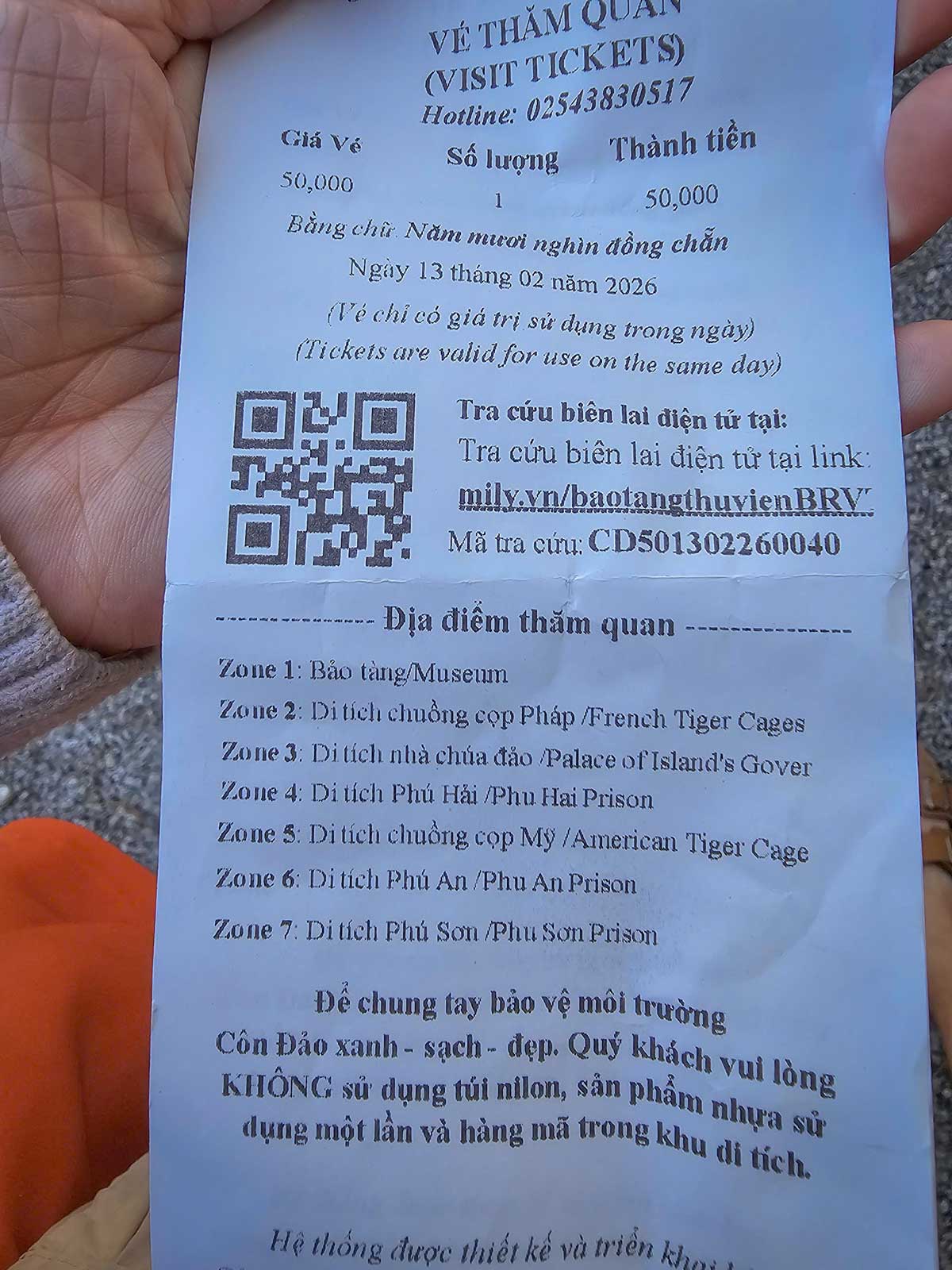
The entrance fee is 50,000 VND (approximately $1.90, depending on the exchange rate). This ticket gives you access to seven zones:
- Zone 1: Con Dao Museum
- Zone 2: French Tiger Cages
- Zone 3: Palace of the Island Governor
- Zone 4: Phu Hai Prison
- Zone 5: American Tiger Cages
- Zone 6: Phu An Prison
- Zone 7: Phu Son Prison
All seven zones are explained individually in the overview of Con Dao prison highlights.
Opening hours:
Daily:
07:30–11:30
13:30–17:00
Keep in mind that the sites close for about two hours around midday.
Clothing and behavior
There are no strict or official dress codes. Shorts and T-shirts are allowed and commonly worn by visitors. However, it is appreciated if you take the nature of the site into account. Very short clothing, tank tops, or beachwear feel less appropriate given the historical significance of the location.
You’ll notice that many Vietnamese visitors dress more neatly when visiting the Con Dao prison, as a sign of respect. It’s not required, but it does fit the atmosphere of the place.
Context and preparation
One thing almost all visitors notice: there is very little explanation at the prison sites themselves. Information boards are limited, usually only in Vietnamese, and often lack context. This makes it difficult to fully understand what you are seeing while walking around.
There are three main ways to deal with this:
- Read up in advance about the history and the different prison camps
- Visit the museum, where significantly more context is provided, including in English
- Go with a local guide, who can explain what you’re seeing and provide additional historical context on-site
Travel Tip:
The museum offers valuable background information and helps you better understand the prison sites afterward. At the same time, it’s smart to plan your visit around the weather. The prisons are best visited in the morning, when temperatures are cooler and before any rain showers. The museum is covered and relatively cool, making it a good option during the hottest part of the day or in bad weather.
How much time do you need?
In general, you can visit all Con Dao prison sites and the museum in half a day. The locations are spread out and sometimes quite large, but because there is limited information on-site, you won’t spend hours at each prison. Once you’ve seen one cell block, others that look similar often don’t add much new.
The museum itself can be done fairly quickly in about 45 minutes. If you take the time to read the information and fully understand the context, you’ll likely spend one and a half to two hours there.
Combined, this determines how in-depth your visit will be, but for most travelers, half a day is more than enough.
Highlights of the Con Dao Prison
The main sites of the Con Dao prison are divided into the same zones listed on your entrance ticket. Together, they form one historical complex, but each zone highlights a different aspect of the prison system and the history of Con Dao.
Below, these highlights are explained one by one, in the same order as on the ticket.
1. Con Dao Museum
A visit to the Con Dao prison always starts at the Con Dao Museum. This is where you buy your ticket. Many visitors head straight to the prisons afterward and skip the museum, but that’s a missed opportunity.
The museum is not interactive, but it’s also not outdated. It’s clearly laid out, reasonably modern, and pleasantly cool—something you’ll appreciate on a hot day.
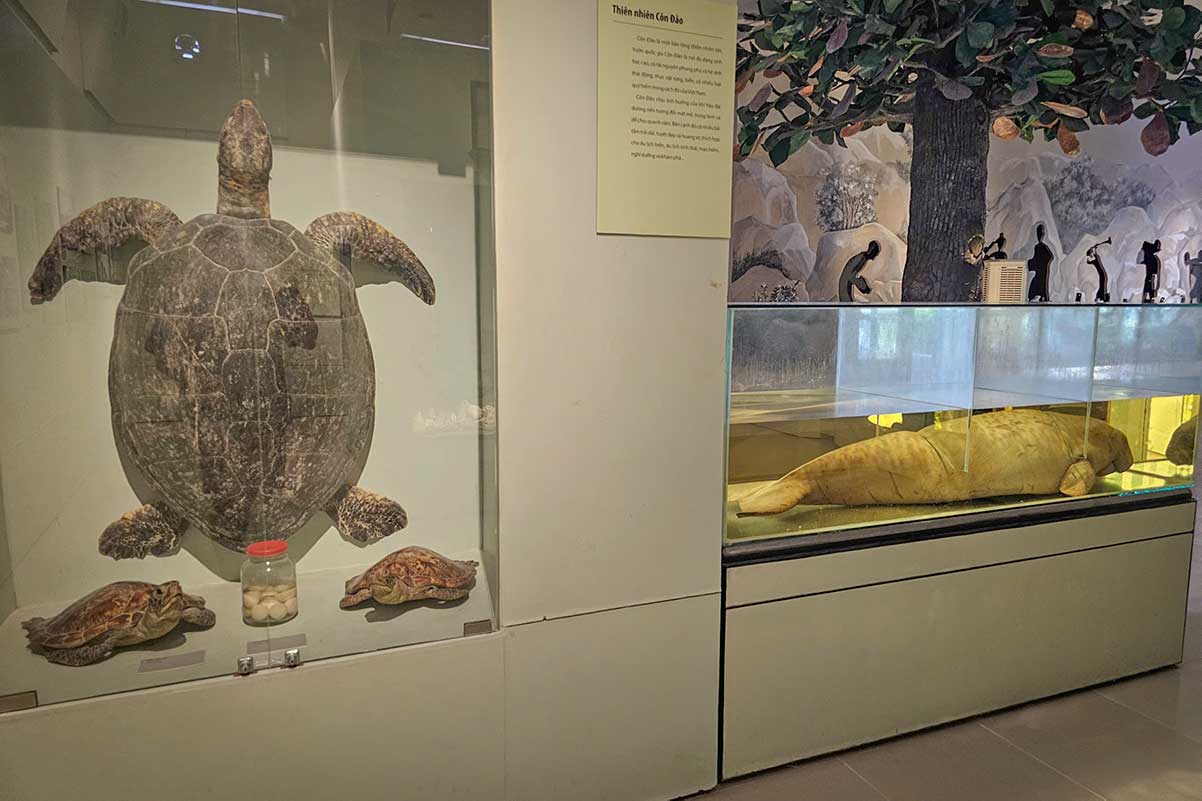
The first, smaller section focuses on the natural environment of Con Dao. You’ll get a short introduction to the islands, the surrounding sea, and the wildlife, both on land and underwater.
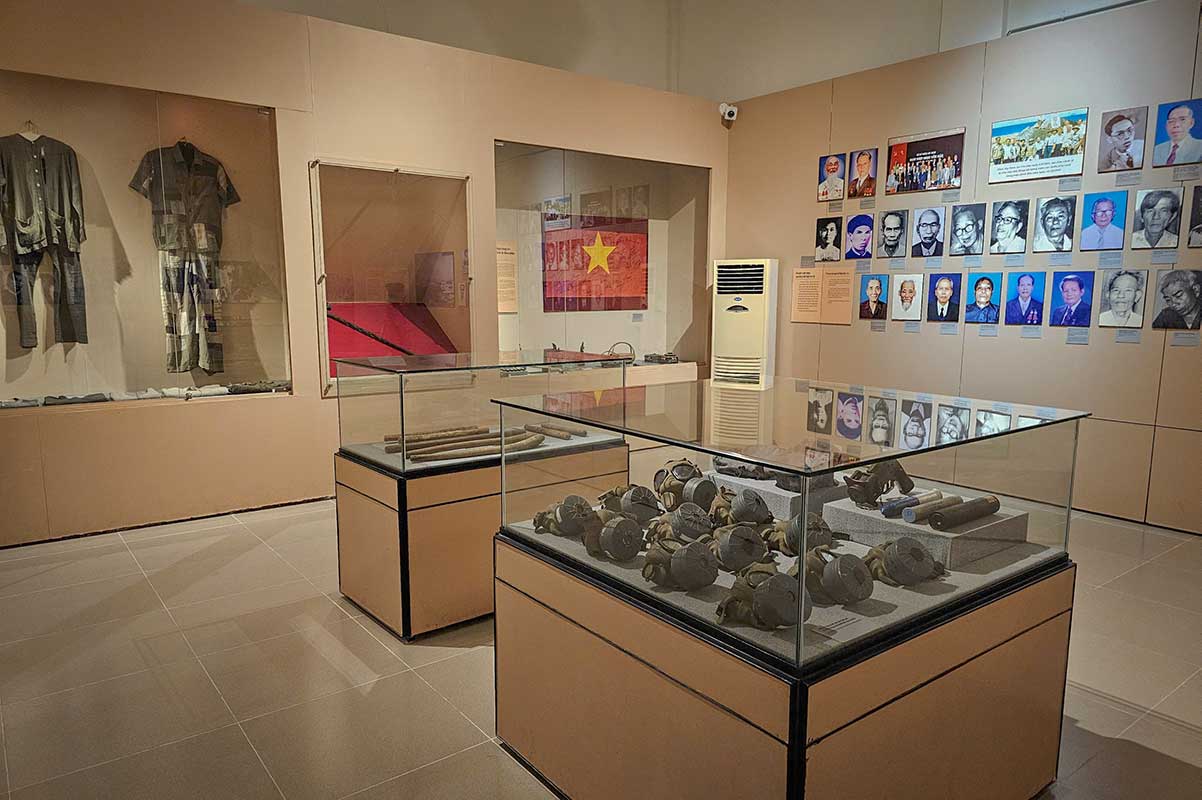
This is followed by the early history of Con Dao, including the arrival of the first Europeans and the strategic importance of the islands. From here, the museum transitions into its largest section, dedicated to the French colonial period. You’ll see original objects, documents, and visual material, combined with preserved stories of prisoners and guards.
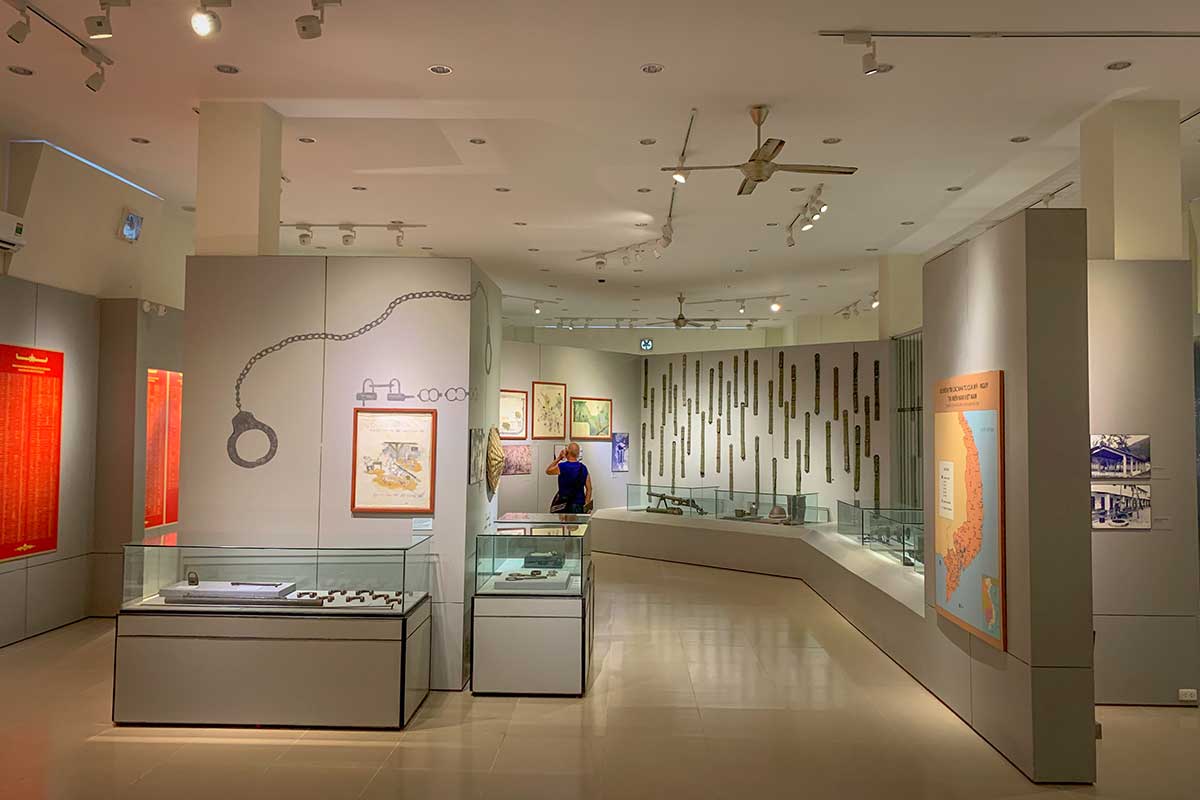
The Vietnam War period is also covered in detail. The museum shows how the Con Dao prison was used during this time, with items from the daily lives of both prisoners and guards.
The final section focuses on Con Dao after 1975, including the development of fishing and agriculture, daily life on the islands, and the strong focus on nature and marine conservation that defines Con Dao today.
2. French Tiger Cages
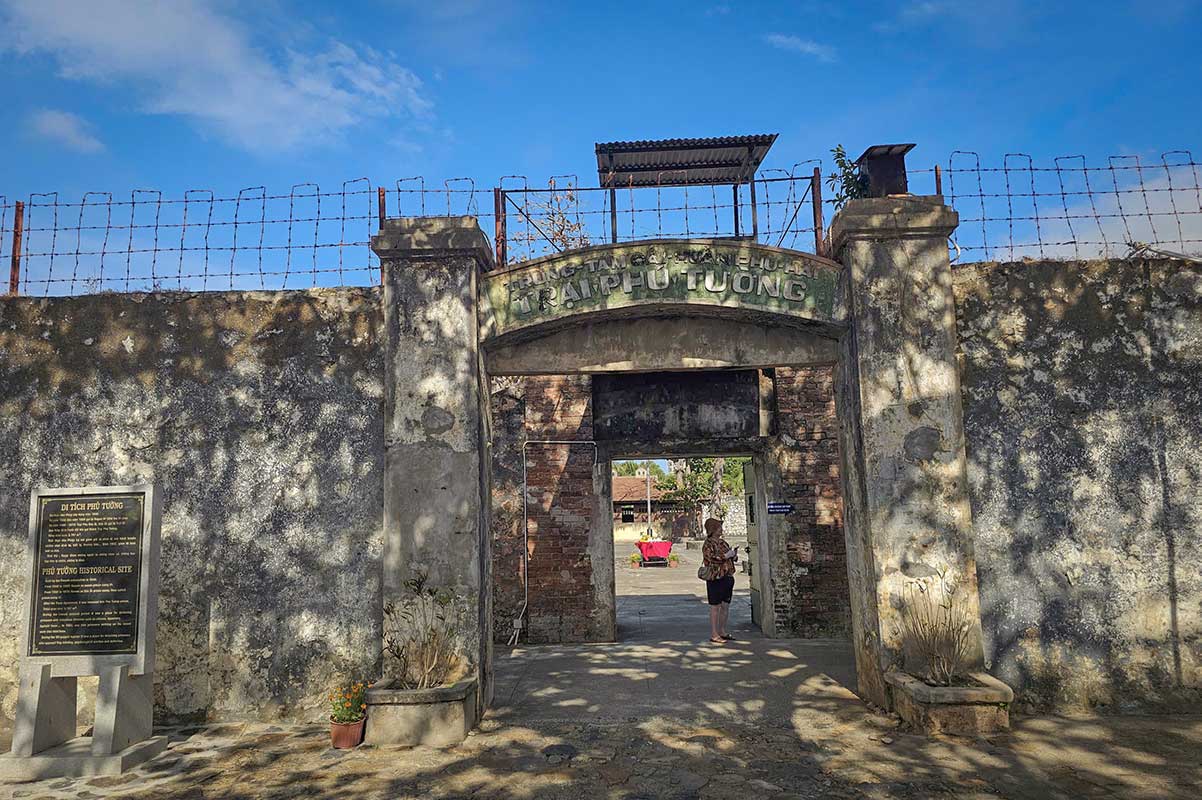
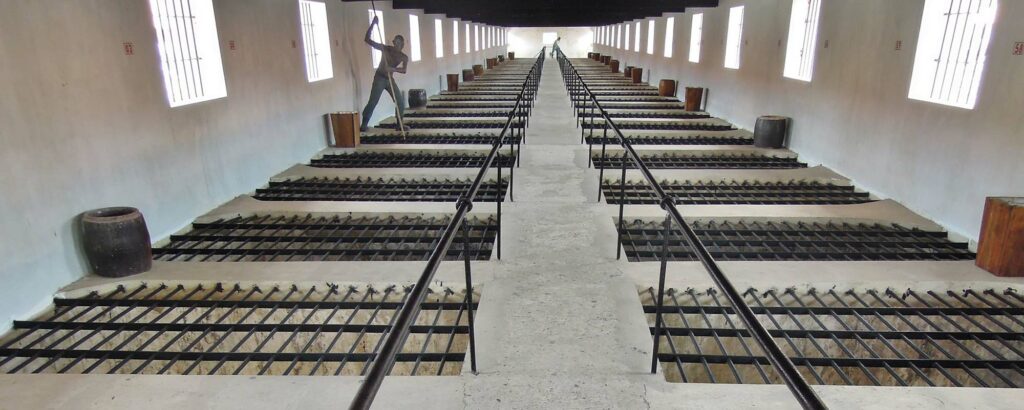
The French Tiger Cages are the most well-known and most visited part of the Con Dao prison. These cells were built during the French colonial period and became a symbol of harsh punishment and isolation.
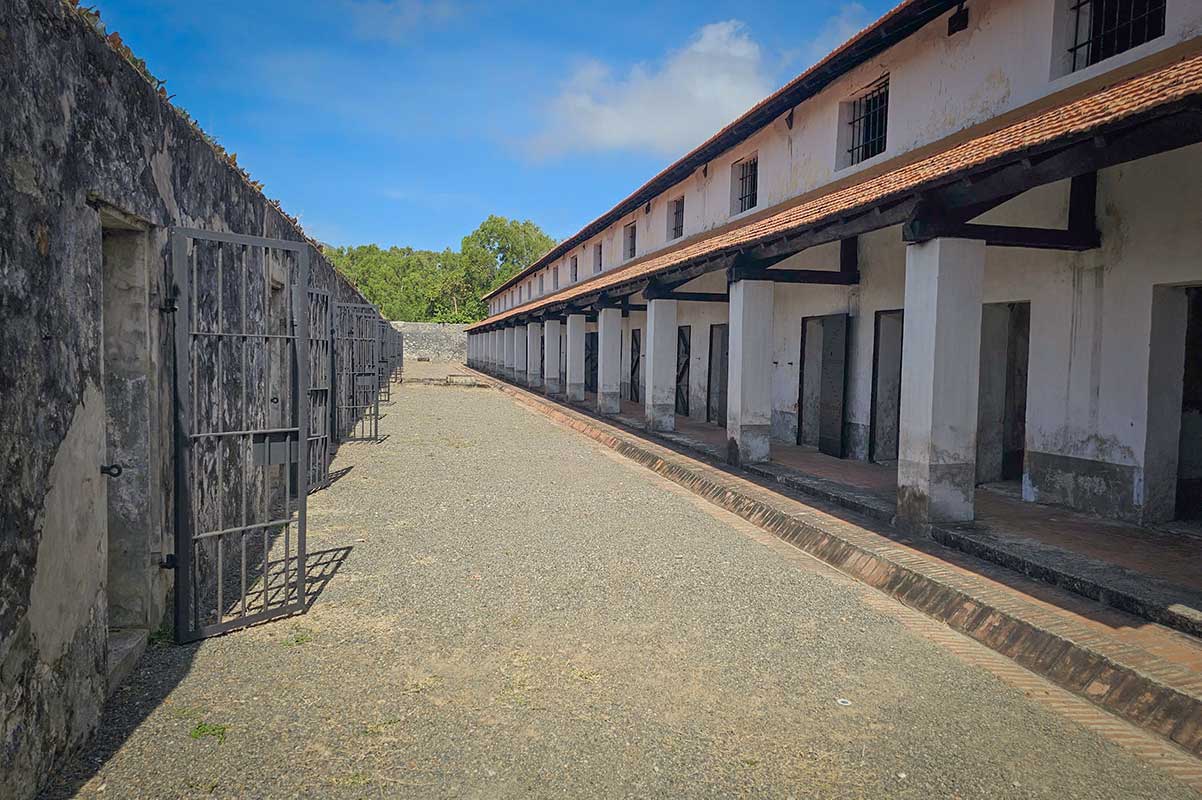
Prisoners were held in extremely small spaces, often without protection from sun or rain, while guards could monitor them from above through iron bars.
What makes this site unique is its construction. Instead of walking past regular cells, you move along a walkway above them, looking directly down into the cages. This gives a very direct and confronting impression of how the system worked.
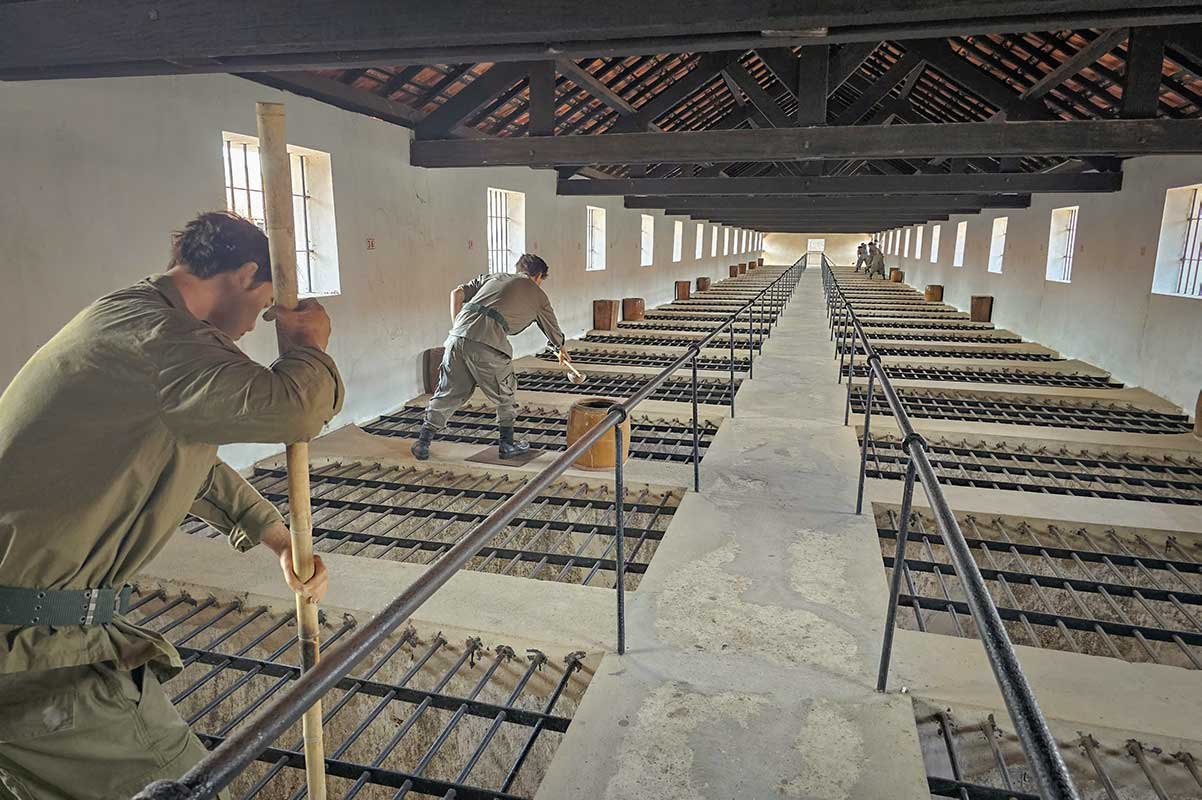
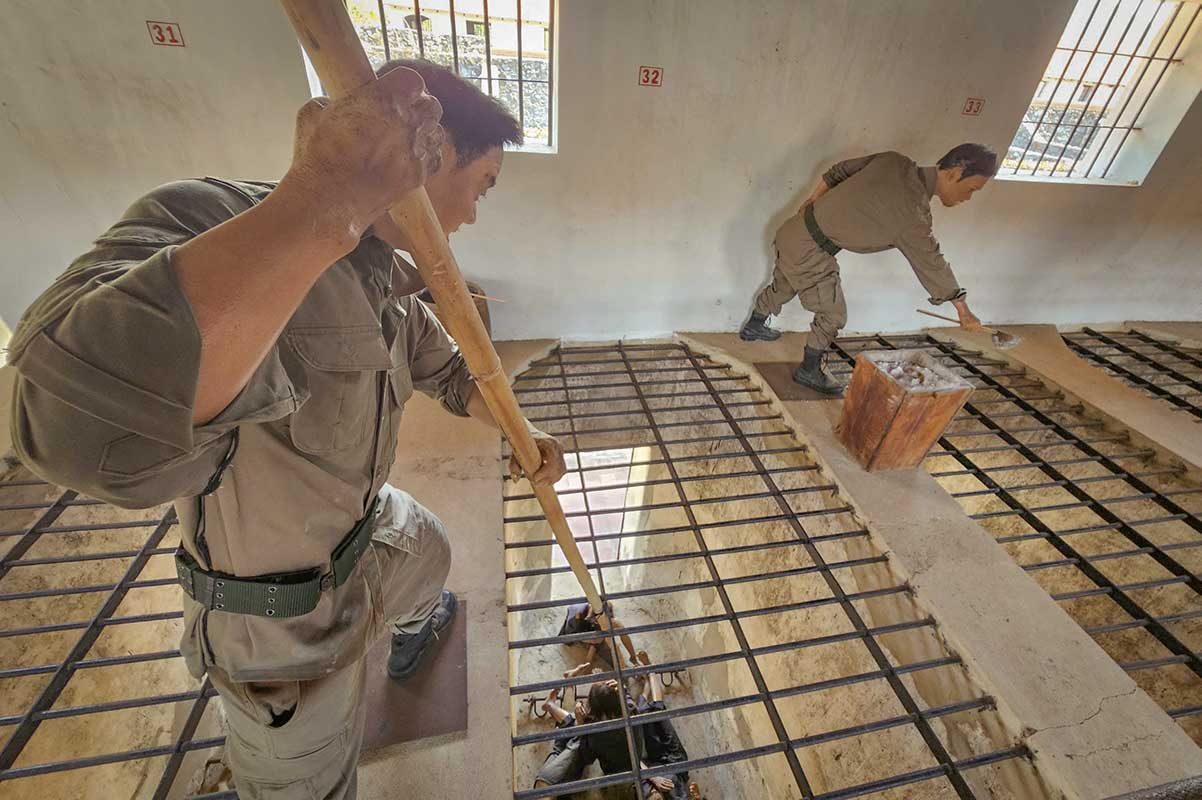
Part of the complex includes reconstructions with mannequins, which help visualize the conditions.
Although there are multiple blocks, they are very similar. After seeing one or two, you understand the concept. Still, this remains one of the most impactful places on Con Dao, precisely because it so clearly shows how isolation was used as punishment.
3. Palace of the Island Governor
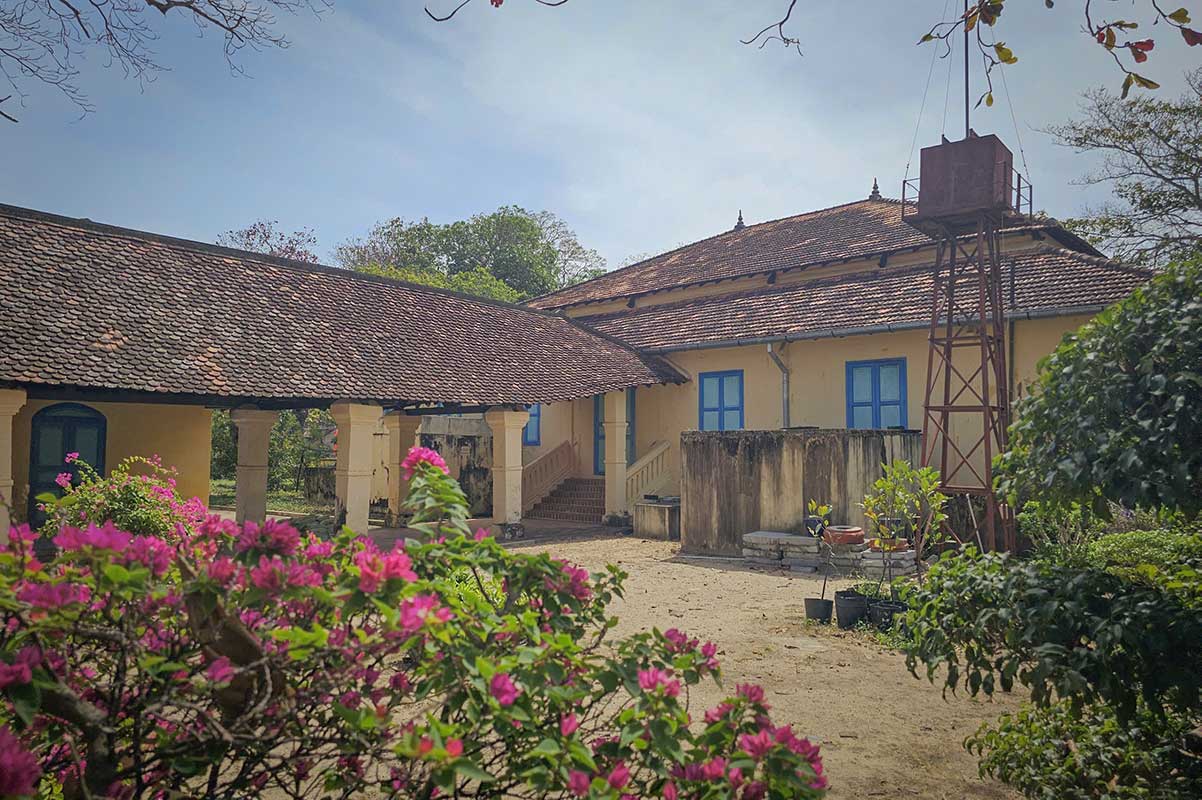
The Palace of the Island Governor served as the residence and administrative center of the colonial authorities on Con Dao. From here, the prison system was managed and decisions were made about discipline, punishment, and daily operations.
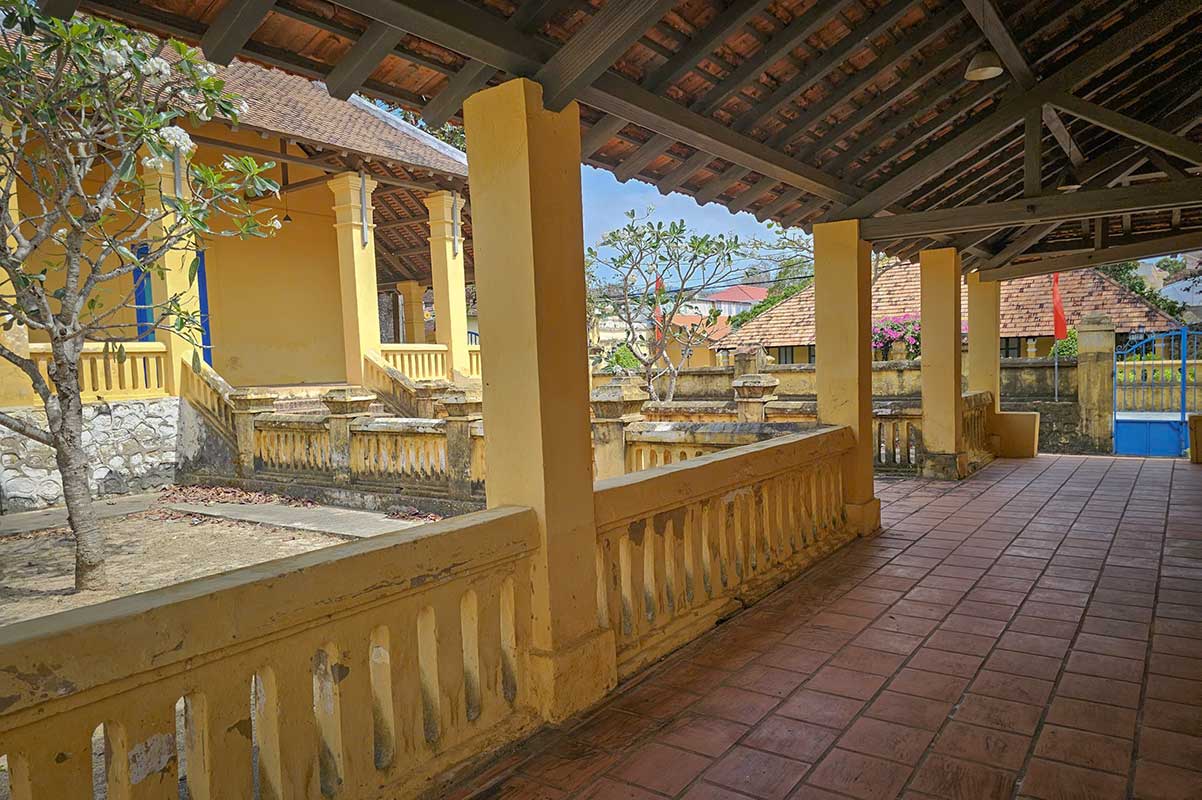
The contrast between this building and the prisons is striking and clearly illustrates the power dynamics of that time.
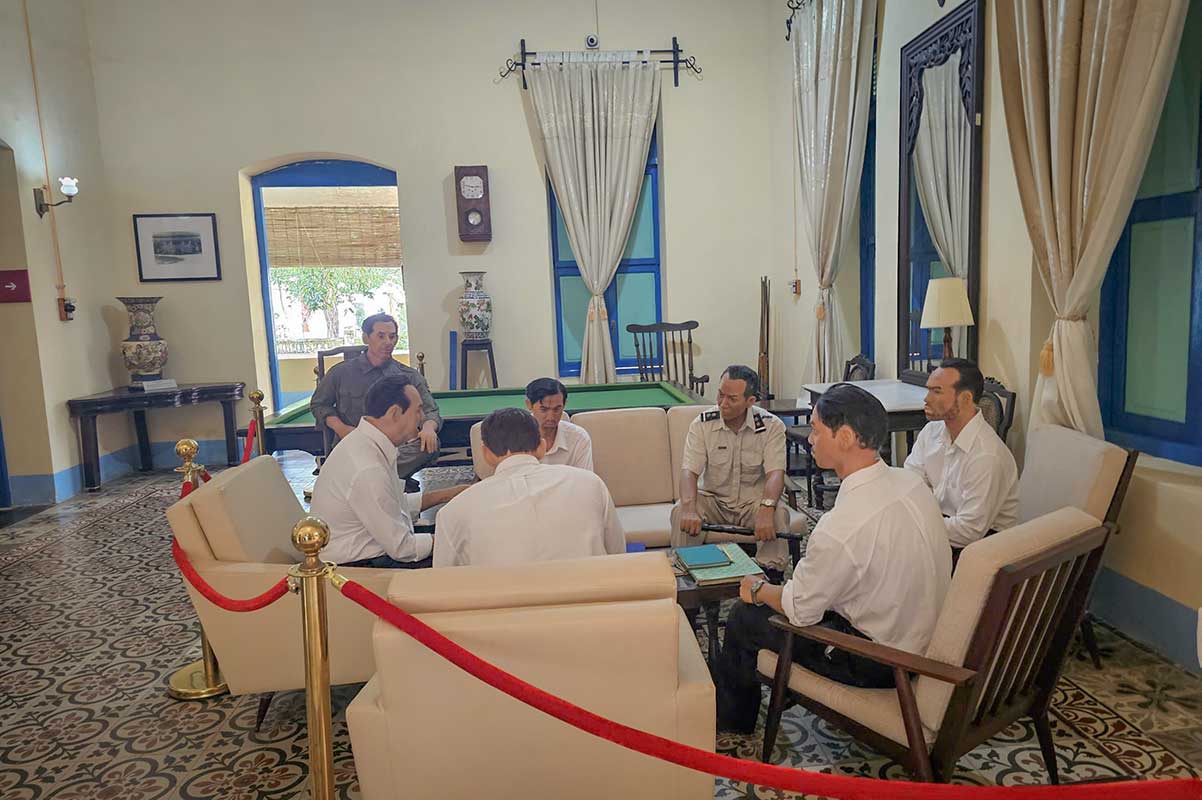
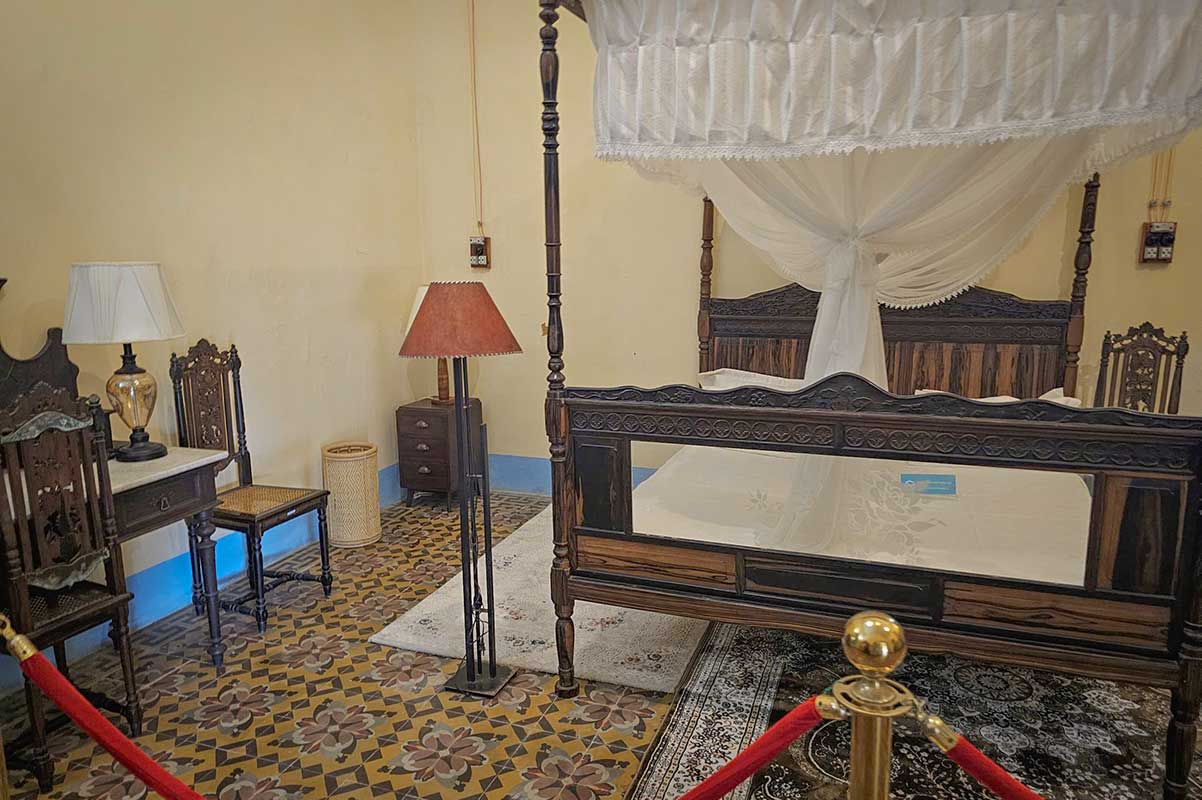
During your visit, you’ll see several buildings within the complex. Inside the main building, rooms are furnished with furniture and mannequins, including a dining room, living room, and bedroom.
This gives a concrete impression of the life of the governor and his staff, and forms a sharp contrast with the harsh and minimal conditions in the prison camps.
4. Phu Hai Prison
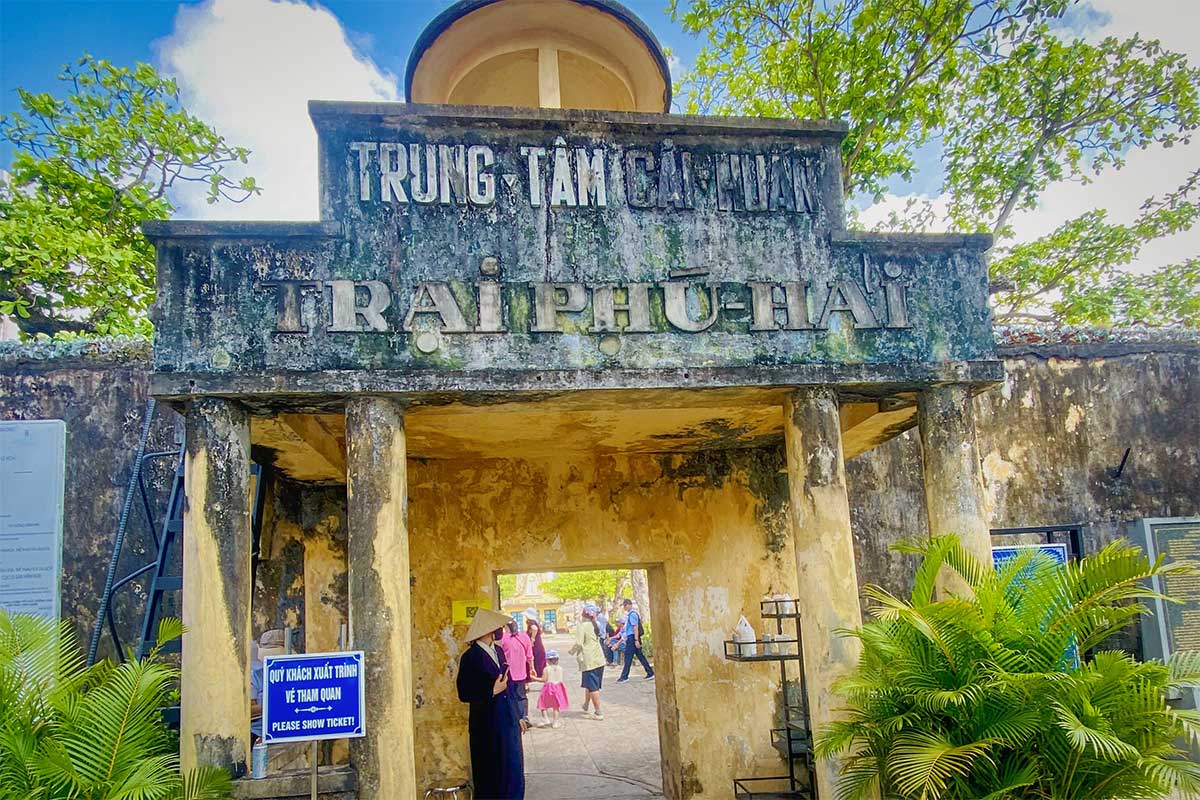
Phu Hai Prison is one of the oldest and best-preserved prisons on Con Dao and provides a good introduction to the system as a whole.
Built by the French, the complex shows how prisoners were held in larger groups, alongside smaller punishment cells for isolation.
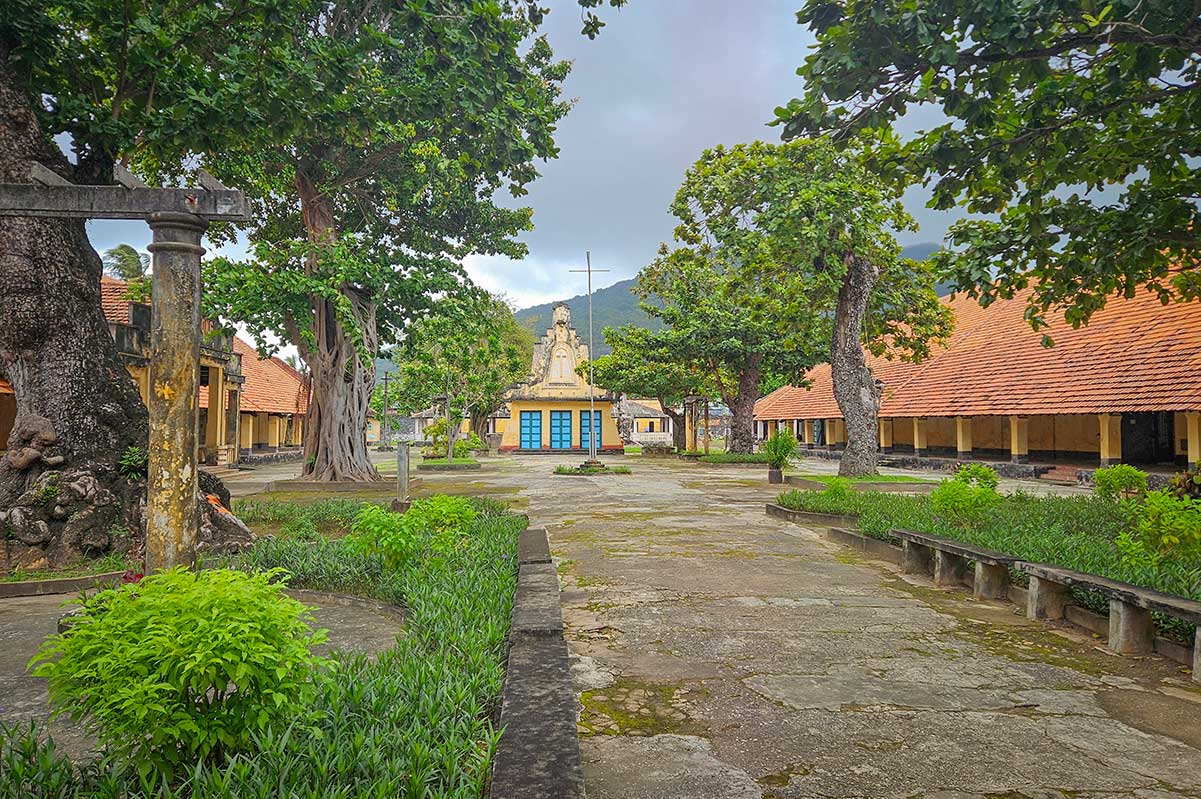
The layout is relatively easy to understand, with a central courtyard surrounded by long rows of cells. Compared to the tiger cages, the focus here is less on extreme isolation and more on daily life inside the prison.
You can see how spaces were organized, where prisoners stayed, and how the system functioned overall.
As you walk through open courtyards and along thick walls and heavy doors, you’ll notice that some areas include reconstructions with statues, while others are left empty. This combination works well—it gives you both visual explanation and space to imagine what it must have been like.
5. American Tiger Cages (Phu Binh Camp)
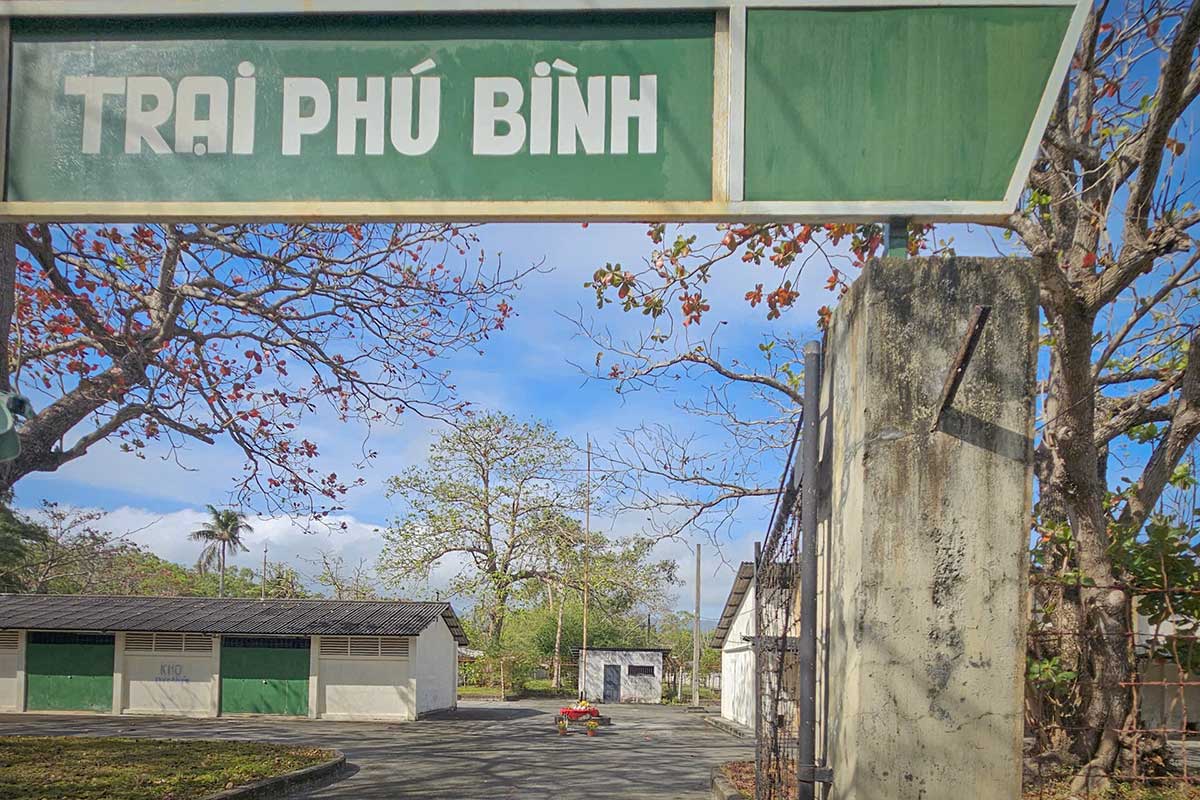
The American Tiger Cages, officially known as Phu Binh Camp, were built in 1971 and are therefore much more recent than the French tiger cages.
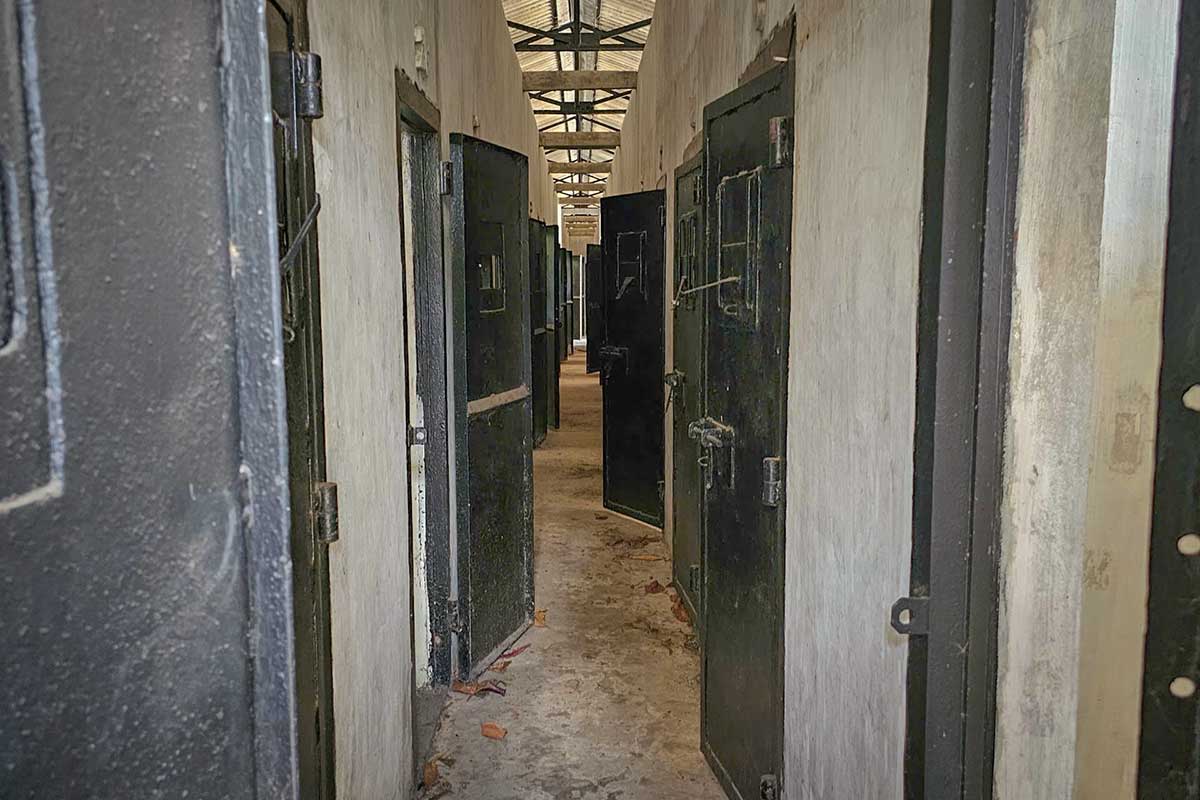
This complex was designed for maximum control and systematic isolation of prisoners during the Vietnam War. While the French version was already harsh, this system was further developed and applied on a larger scale.
The camp consists of long, identical blocks with hundreds of small cells. Everything feels highly structured and repetitive, as if it was built purely for function, without any nuance.
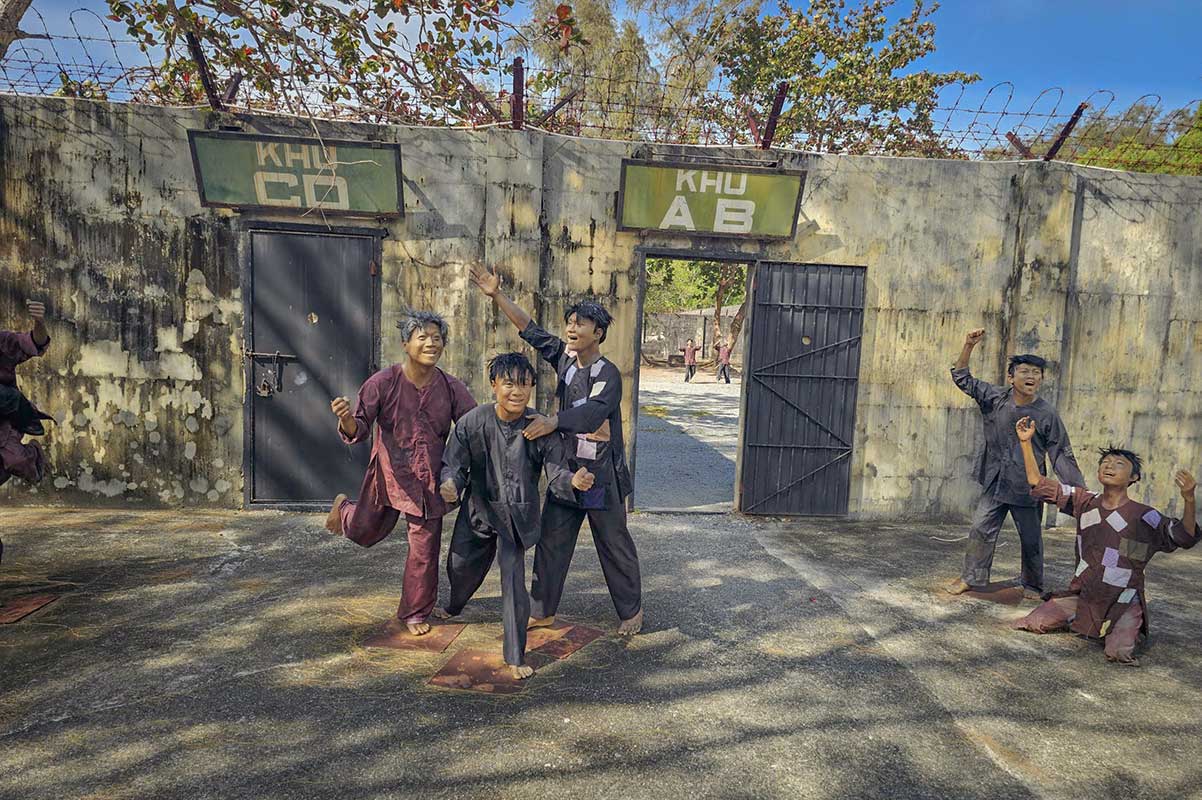
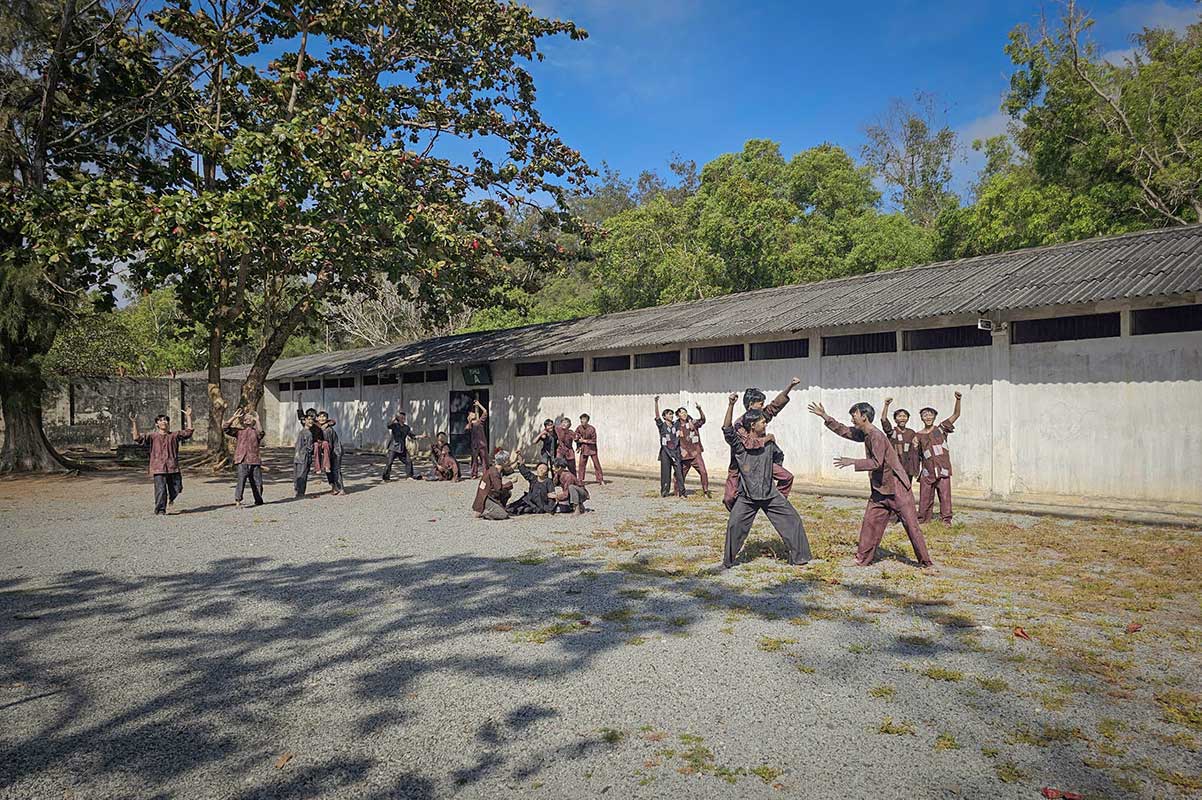
Part of the complex includes reconstructions with mannequins, but most of it is empty. You walk through long corridors lined with identical cells, which actually makes the experience more impressive.
Compared to the French tiger cages, this site is less iconic but larger and more systematic. It clearly shows how the Con Dao prison evolved over time, becoming increasingly focused on control and efficiency.
6. Phu An Prison
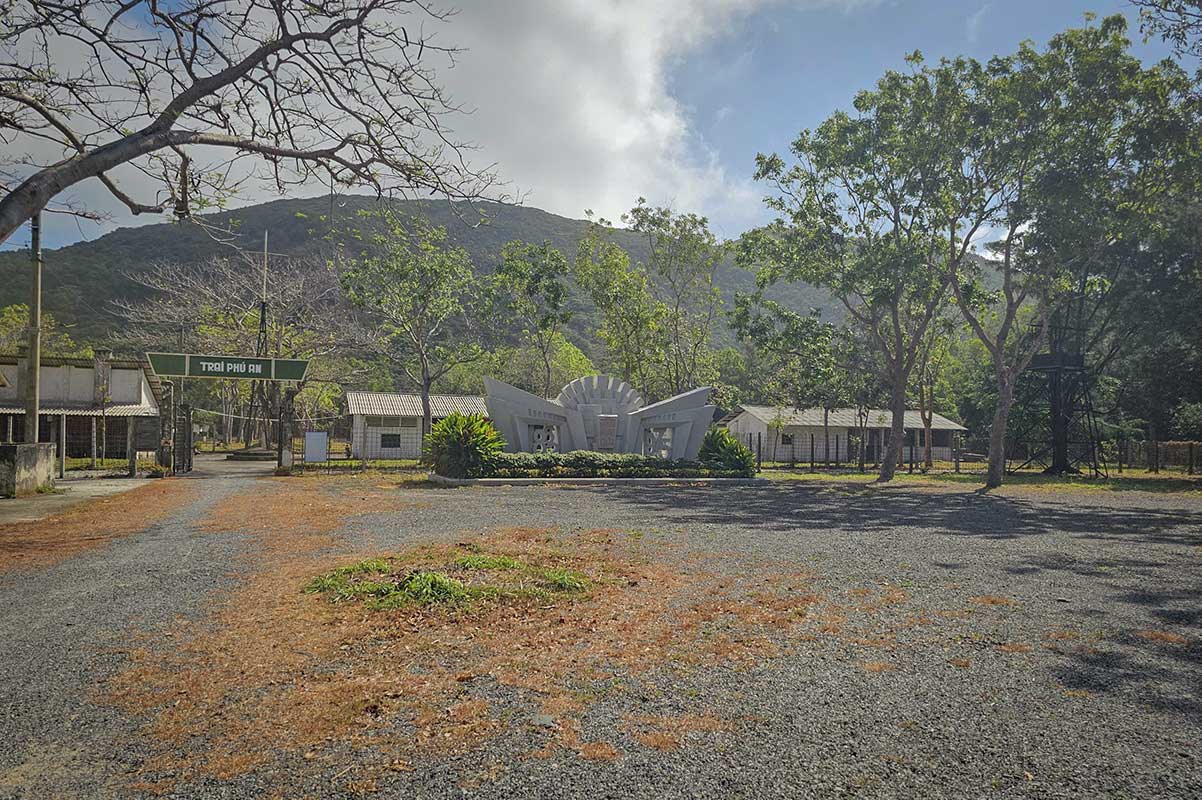
Phu An Prison is located opposite Phu Binh Camp and is clearly part of the same larger system.
Unlike the tiger cages, this camp appears to have been more focused on holding groups of prisoners in larger spaces rather than isolating individuals.
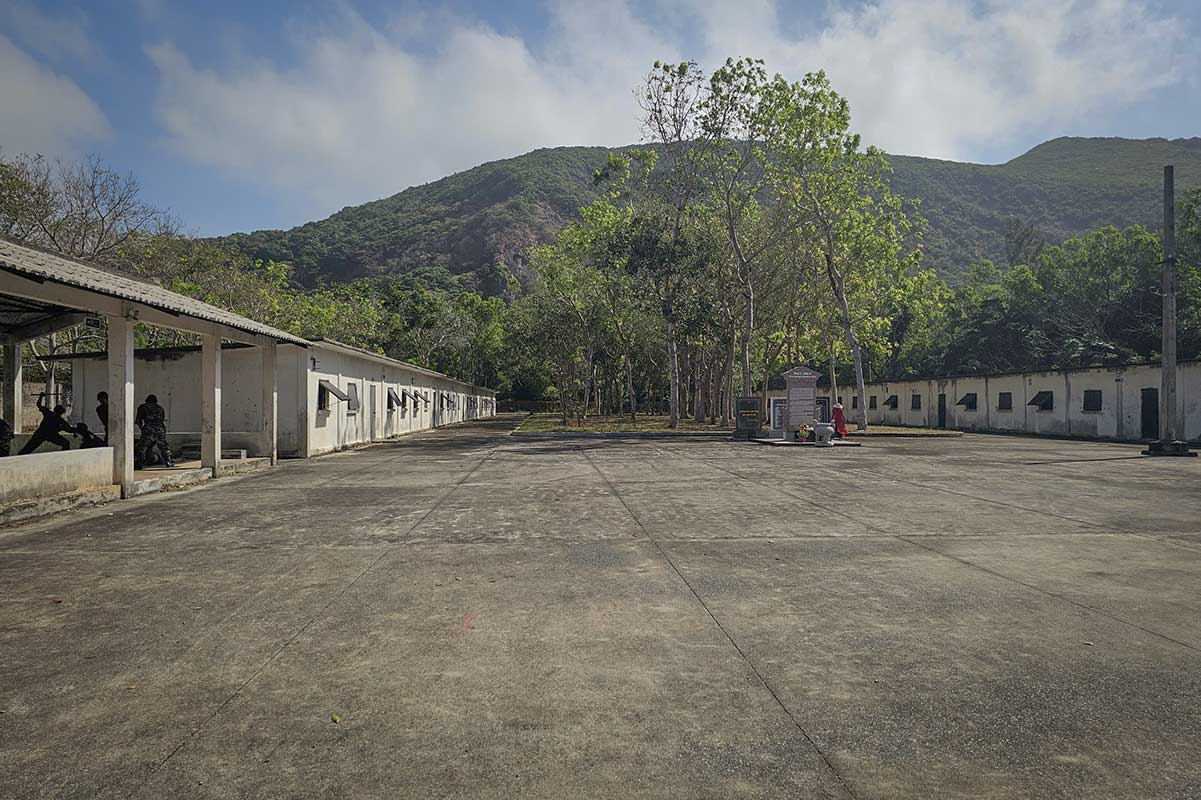
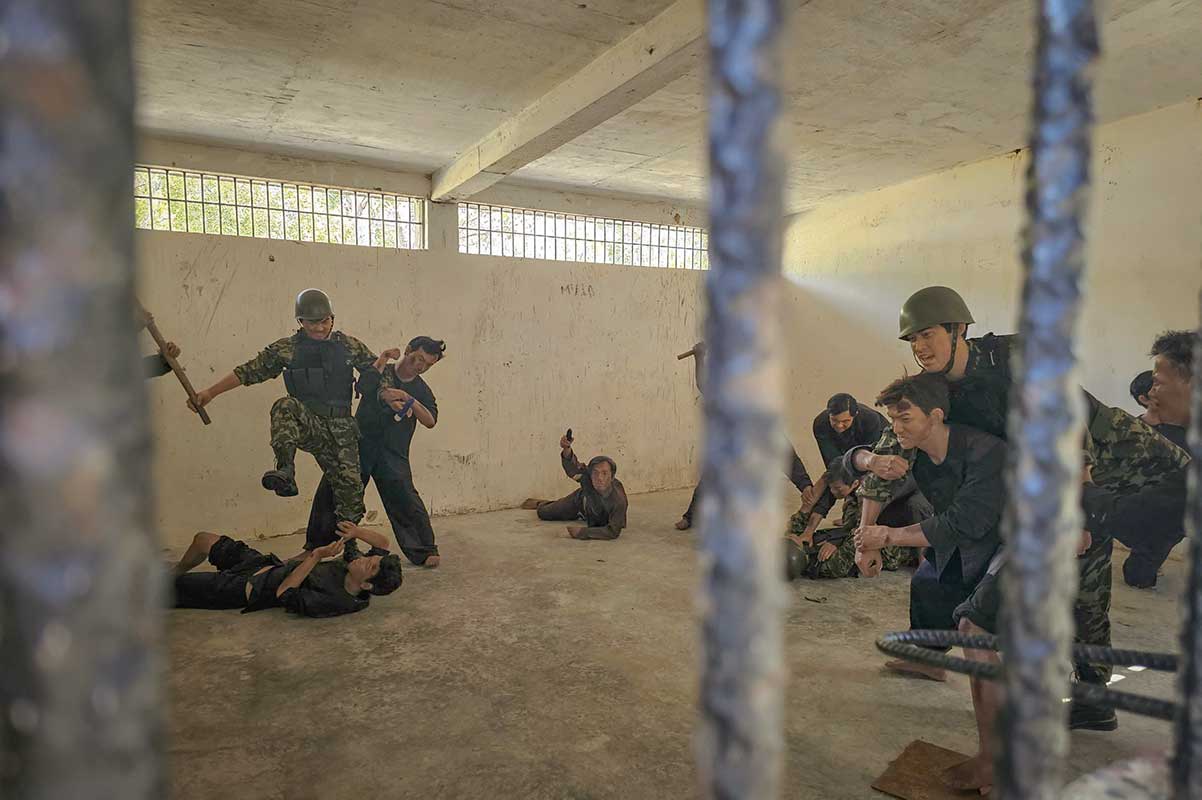
The site is relatively open and consists of simple buildings, with limited explanation on-site. As a result, it feels less striking than some other locations, but it does help complete the overall picture.
Here, you mainly see the scale and repetition of the system, with blocks that look very similar to each other.
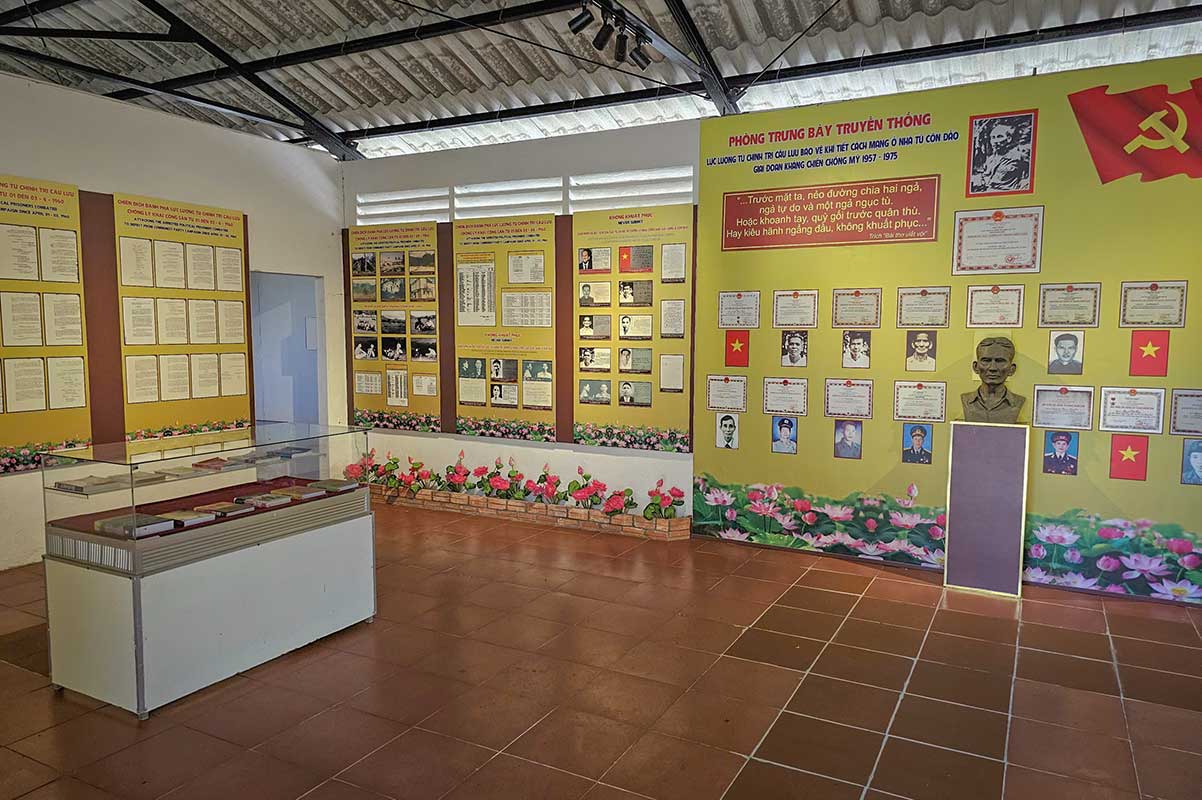
There is also a small exhibition space with photos and portraits of former prisoners. This adds some context and makes the visit more personal. It may not be a highlight on its own, but it is a valuable addition for understanding how extensive the Con Dao prison network was.
7. Phu Son Prison
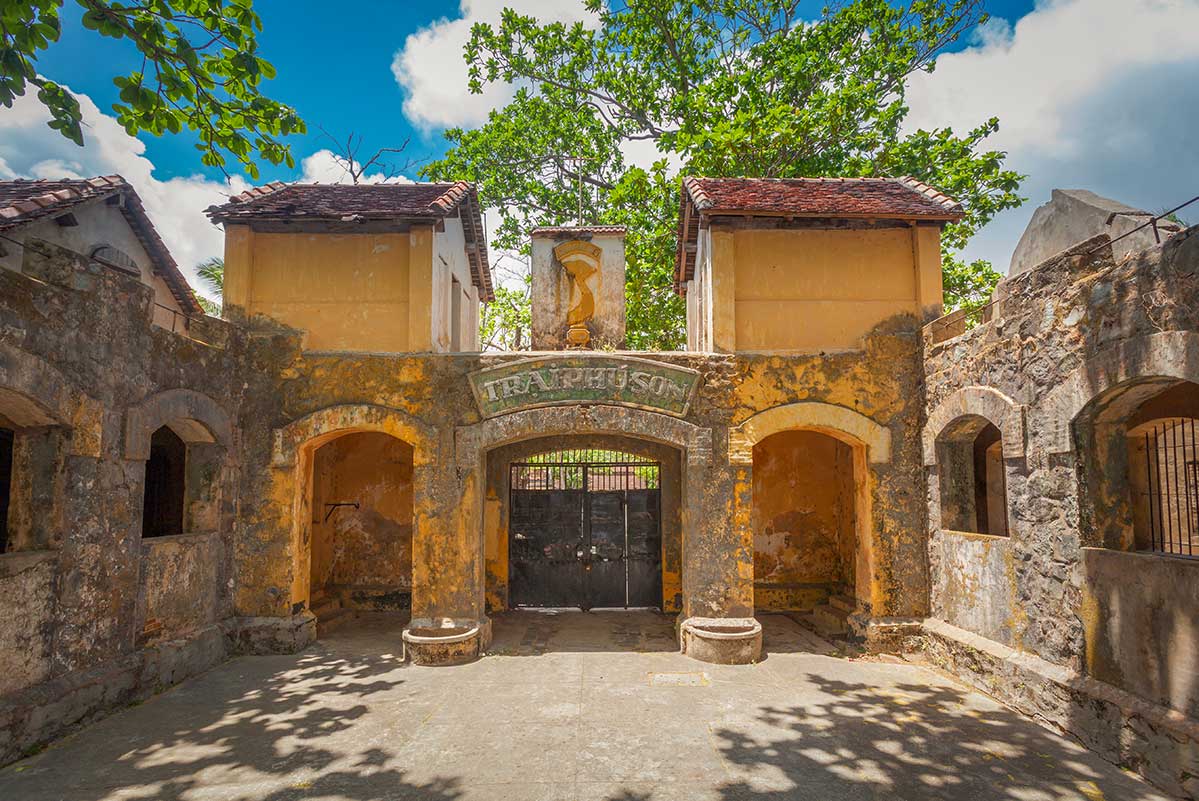
Phu Son Prison is one of the oldest prisons on Con Dao, built by the French in 1916.
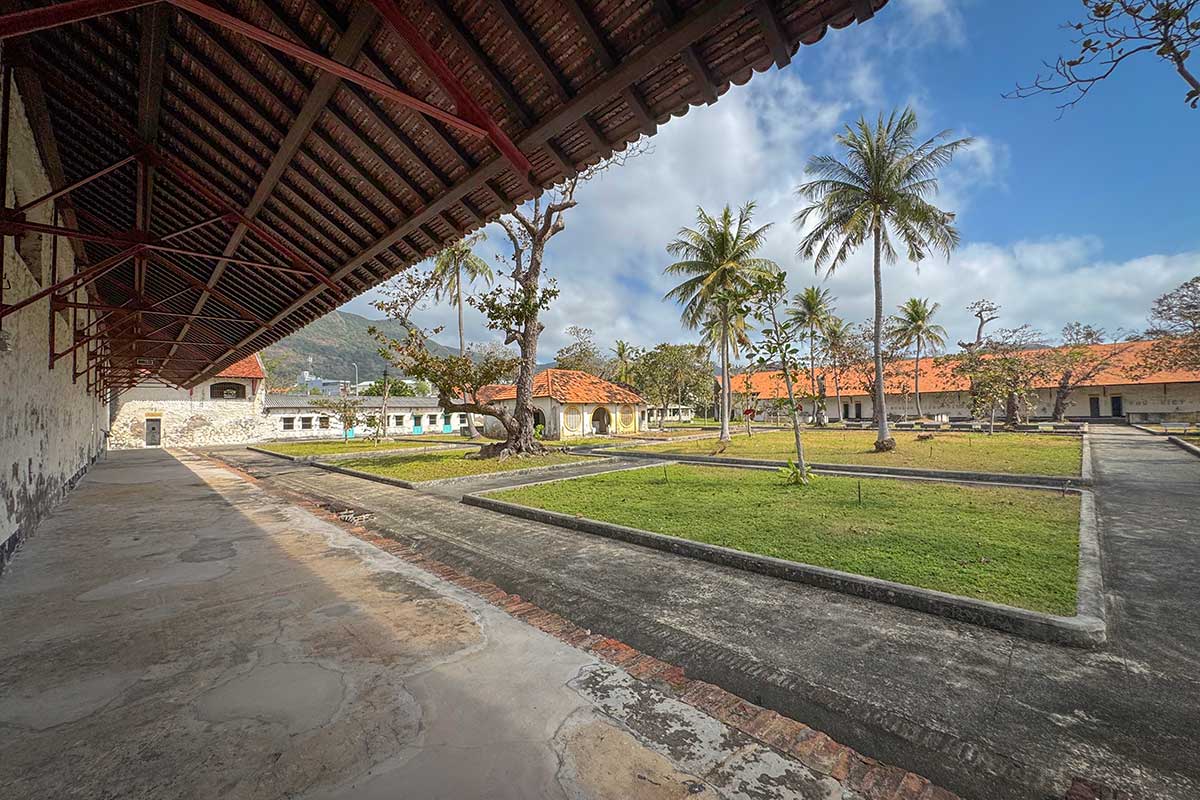
Unlike later camps, the focus here is less on isolation and more on holding larger groups of prisoners. The buildings consist of large halls where prisoners stayed together, offering a very different perspective on life in detention.
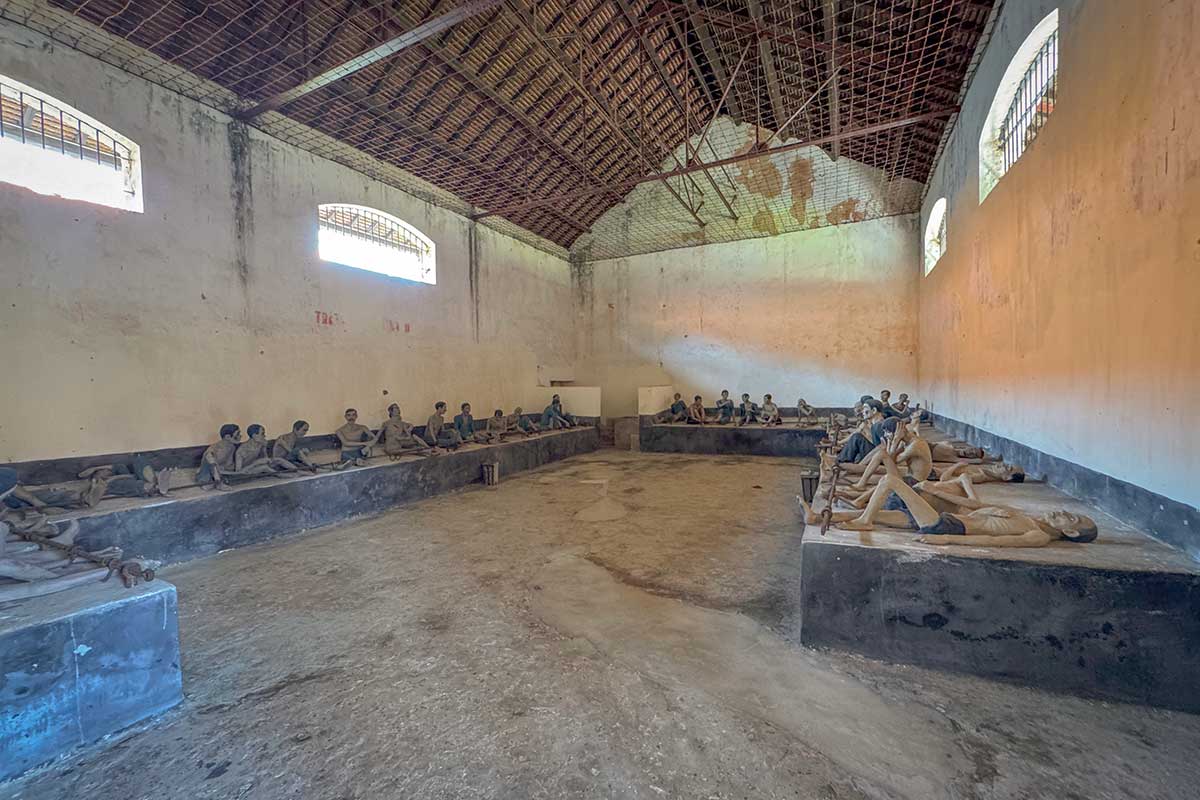
This setup also made it easier for prisoners to communicate and organize among themselves, which played a role in the broader political history of Vietnam.
Today, you walk through a large and relatively open area with old buildings, courtyards, and long cell blocks. It feels less oppressive than some of the other camps, but because of that, it actually gives a clearer impression of daily life inside the prison.
It’s a good place to put everything into perspective, especially if you’ve already visited the other sites.
Tips for visiting the Con Dao Prison
Some of the Con Dao prison sites are located close to each other in and around Con Son town, but others are clearly more spread out. If you want to visit all seven zones, walking is not practical. Even short distances can feel exhausting in the heat and humidity.
Below are the most common and realistic options.
Taxi
For many travelers, a taxi is the most comfortable option. Con Dao is small, and the prisons are the island’s main highlight, so you don’t need to explain much to the driver. Simply say you want to visit the Con Dao prison sites, and they will understand.
The usual approach is straightforward: the driver first takes you to the ticket office at the museum, and then drives you to the different locations, such as the tiger cages, Phu Binh Camp, and other zones. The driver will wait at each stop until you’re ready to continue.
Taxis operate by distance, and you usually don’t pay extra for waiting time. For a half-day visit covering multiple sites, you’ll typically pay around $10 USD, sometimes even less.
Comfortable, efficient, and hassle-free.
Local guide
A local guide often arranges transport as well (car or taxi), but the real added value is the context. As mentioned earlier, explanations on-site are limited, with few signs and mostly in Vietnamese.
A guide can explain what you’re seeing, connect the historical context, and answer questions that would otherwise remain unclear.
If you’re interested in the history and not just looking around, this adds real value. Logistically, a taxi is easy to arrange yourself—but in terms of understanding the Con Dao prison, a guide makes a clear difference.
Renting a scooter
Many travelers rent a scooter and move between the different prison sites independently. Scooters are rented per day, usually starting from around 120,000–150,000 VND (approximately $5–$6 USD), depending on the type and rental place.
The roads on Con Dao are surprisingly good: fully paved, well maintained, and with little traffic. Getting lost is unlikely, and driving is relatively easy.
That said, don’t rent a scooter if you have no riding experience. Officially, you need a valid license. Rental shops rarely check this, and enforcement is limited, but in case of an accident, it can affect your insurance.
For experienced riders, it’s a flexible and enjoyable way to explore the island. For others, a taxi is the safer option.