


About the Con Dao Museum
The museum is mainly focused on Con Dao’s history as a prison island. Most of the content covers the French colonial period and the Vietnam War, with stories about prisoners, the prison system, and the island’s role in Vietnam’s history. There is also a small section about nature and the environment, but this is clearly not the main focus.
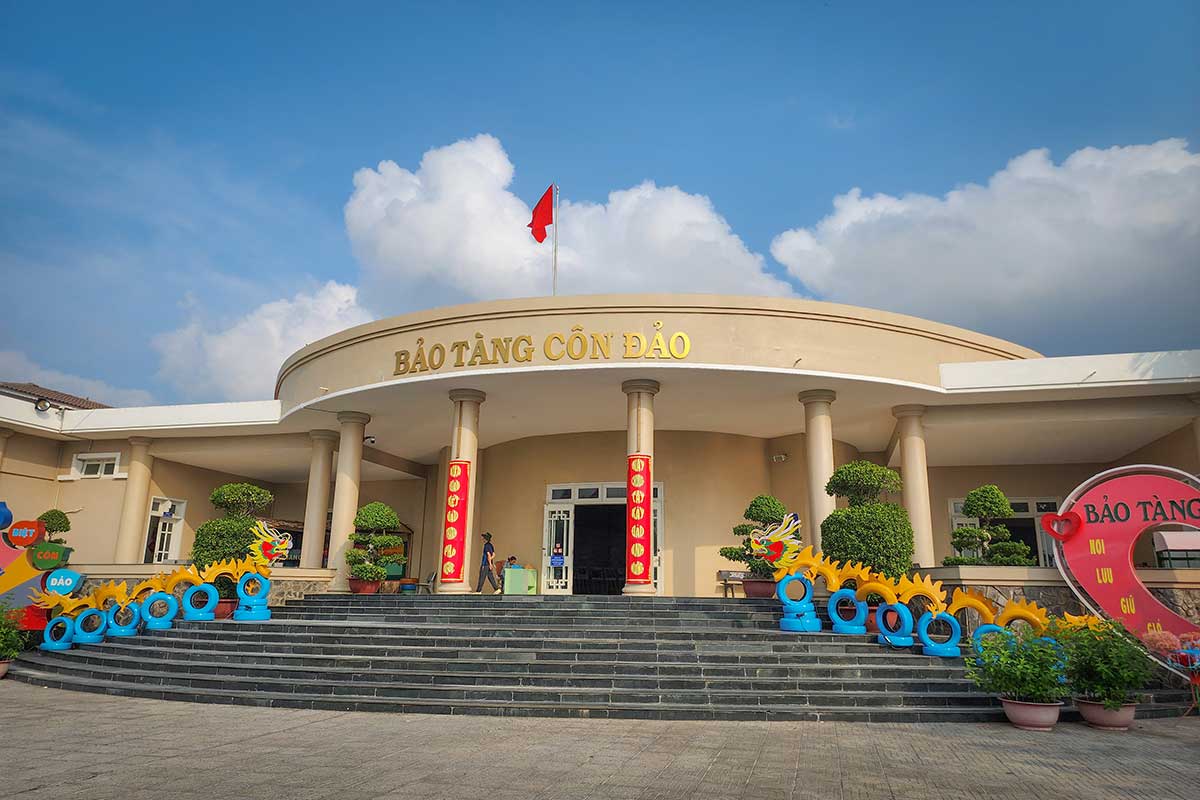
Your entrance ticket doesn’t just give access to the museum—it also includes several nearby prison sites. This makes it a logical starting point before visiting places like the Con Dao Prison, as the museum provides the background that’s often missing on-site.
The museum itself is quite modern in layout. It’s not interactive, but it’s also not outdated or poorly presented. Displays are clear, with a mix of photos, objects, and short explanations in both Vietnamese and English.
Another practical advantage is that the entire museum is indoors, air-conditioned, and easy to walk through. That makes it a good option during the hottest part of the day or if you happen to get rain.
What can you see inside the museum
The Con Dao Museum is not a huge or high-tech museum, but it does a good job of explaining the island’s story in a clear, chronological way. If you walk through it from start to finish, you basically move from nature and early history into the prison years, and finally to what Con Dao looks like today.
1. Nature, marine life and early history
The visit usually starts with a section that surprises many people.
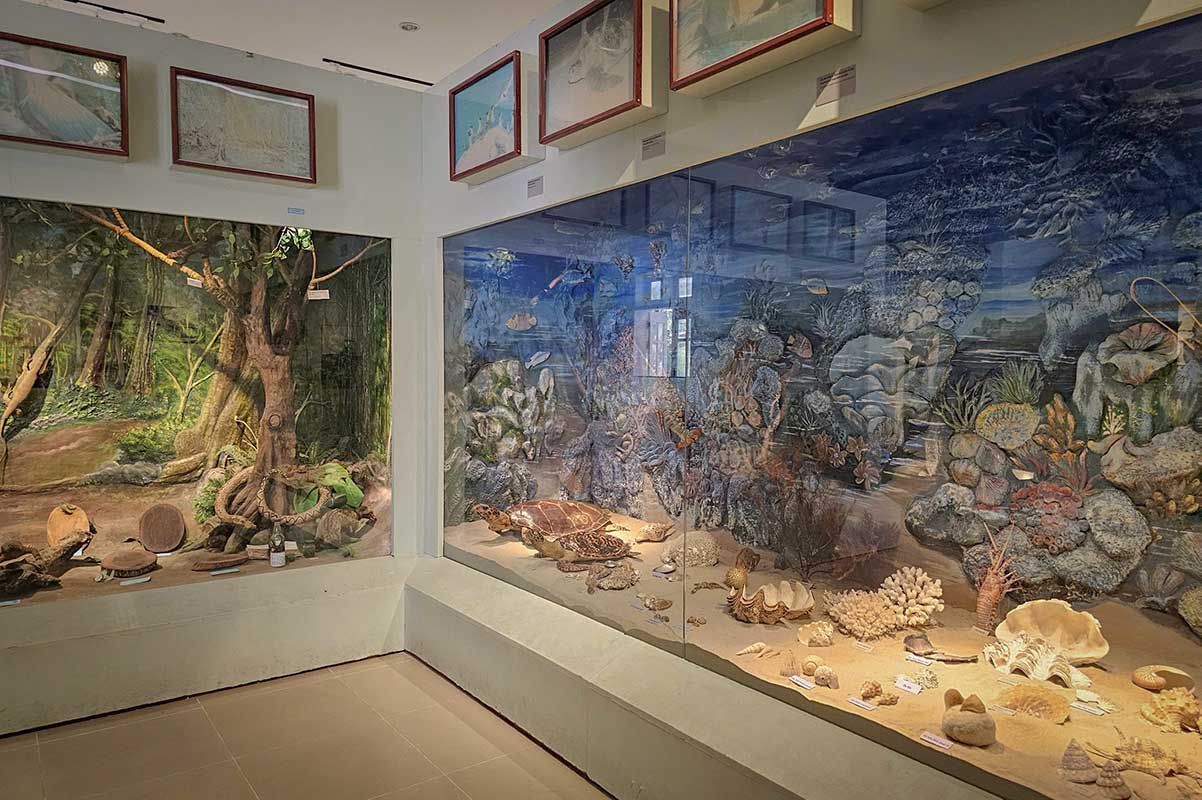
Instead of prisons, you first see displays about the island itself—its environment, marine life, and early history. There are exhibits about coral ecosystems and animals like sea turtles, along with a basic timeline showing when the first people arrived and when Europeans first reached the island.
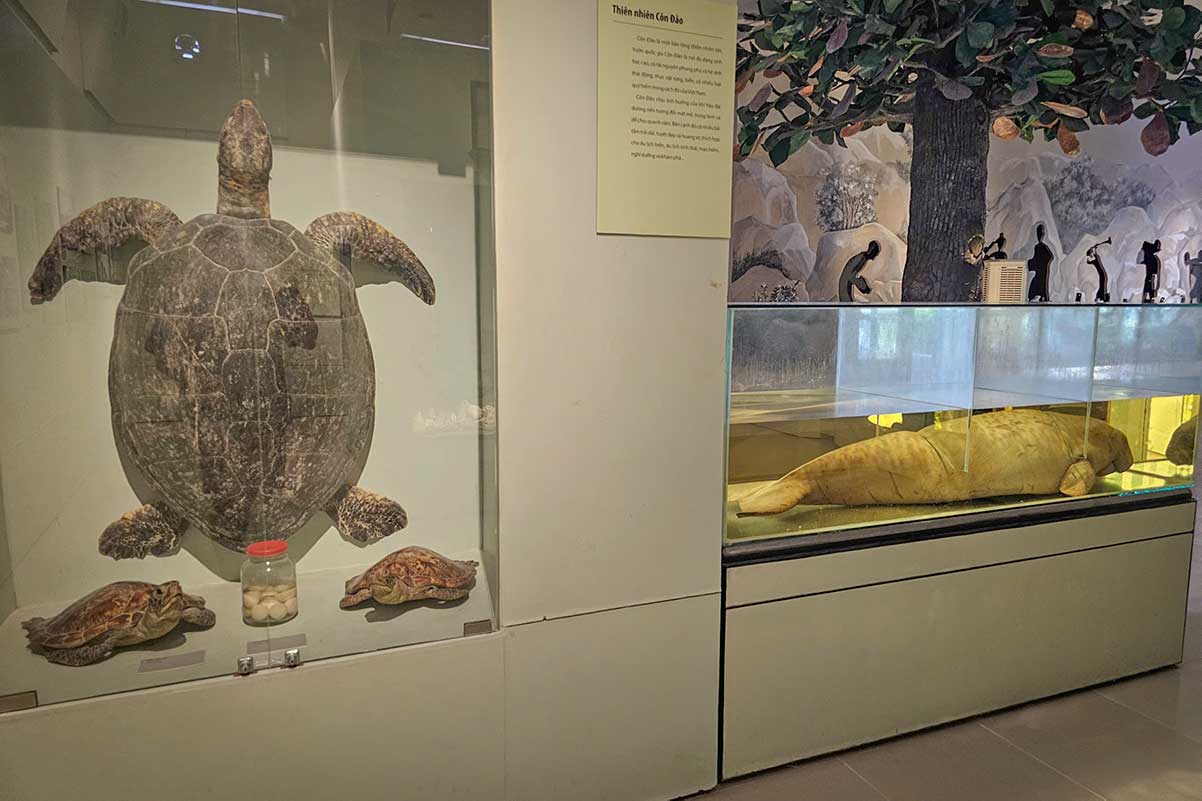
It’s not very detailed, but it gives useful context. You quickly understand that Con Dao is not just a historical site, but also a protected island with important nature.
2. From remote island to French prison colony
After that, the tone changes.
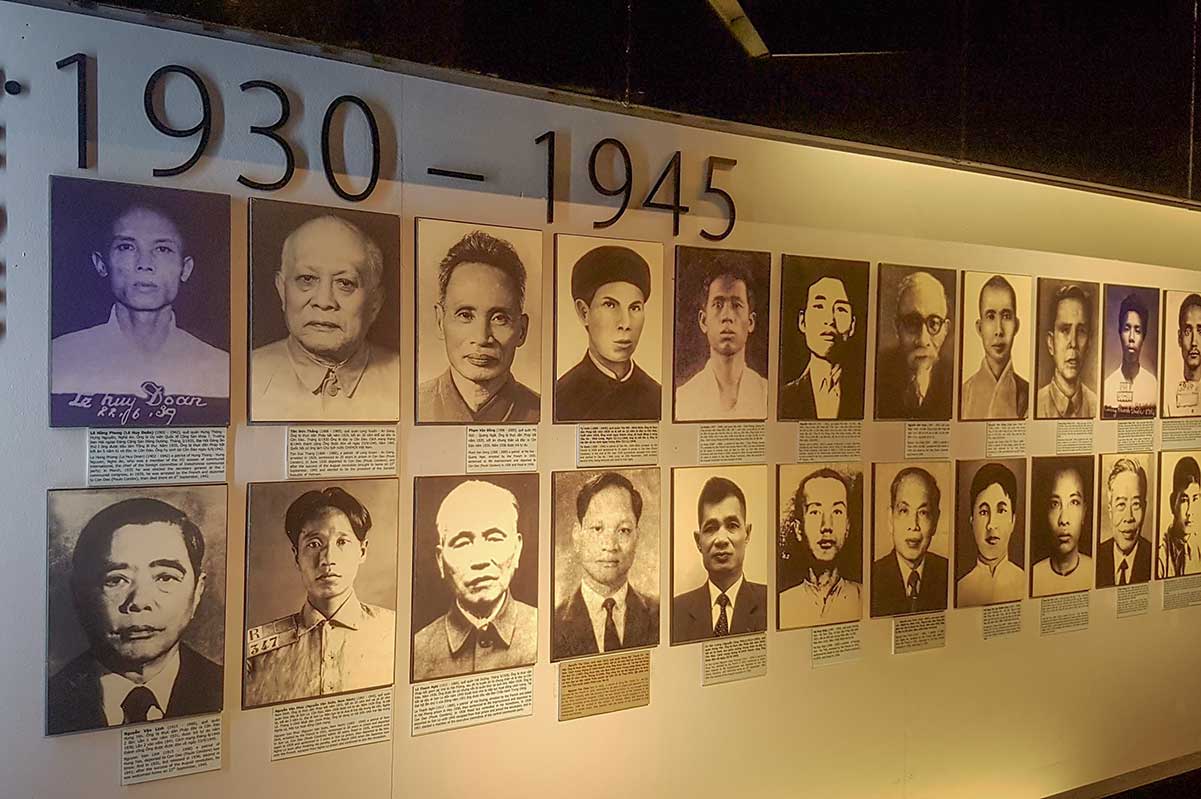
This section explains how Con Dao became a prison island during the French colonial period. You’ll see when the French arrived, why they chose this remote location, and how the prison system was set up.
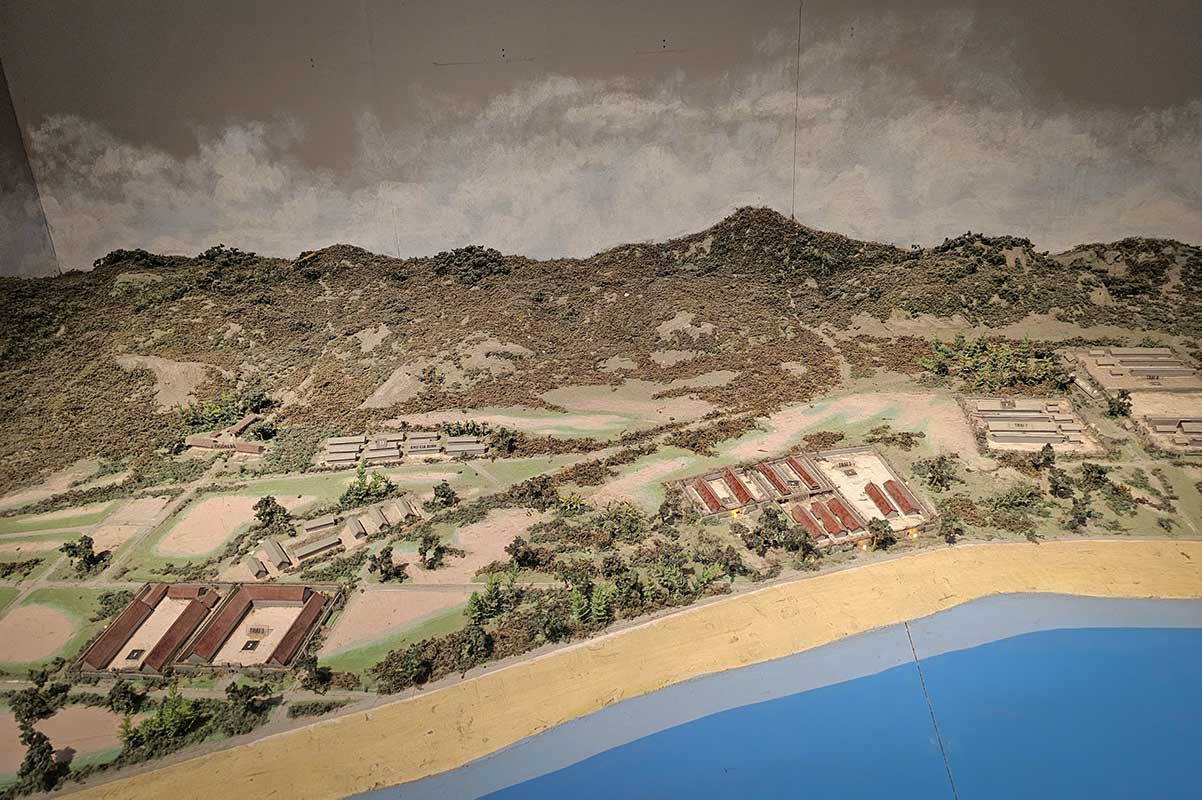
There are photos, documents, and short explanations that show how the island gradually turned into one of the most notorious prison sites in Vietnam.
3. Prison life, suffering and resistance
This is the main part of the museum and the reason most people visit.
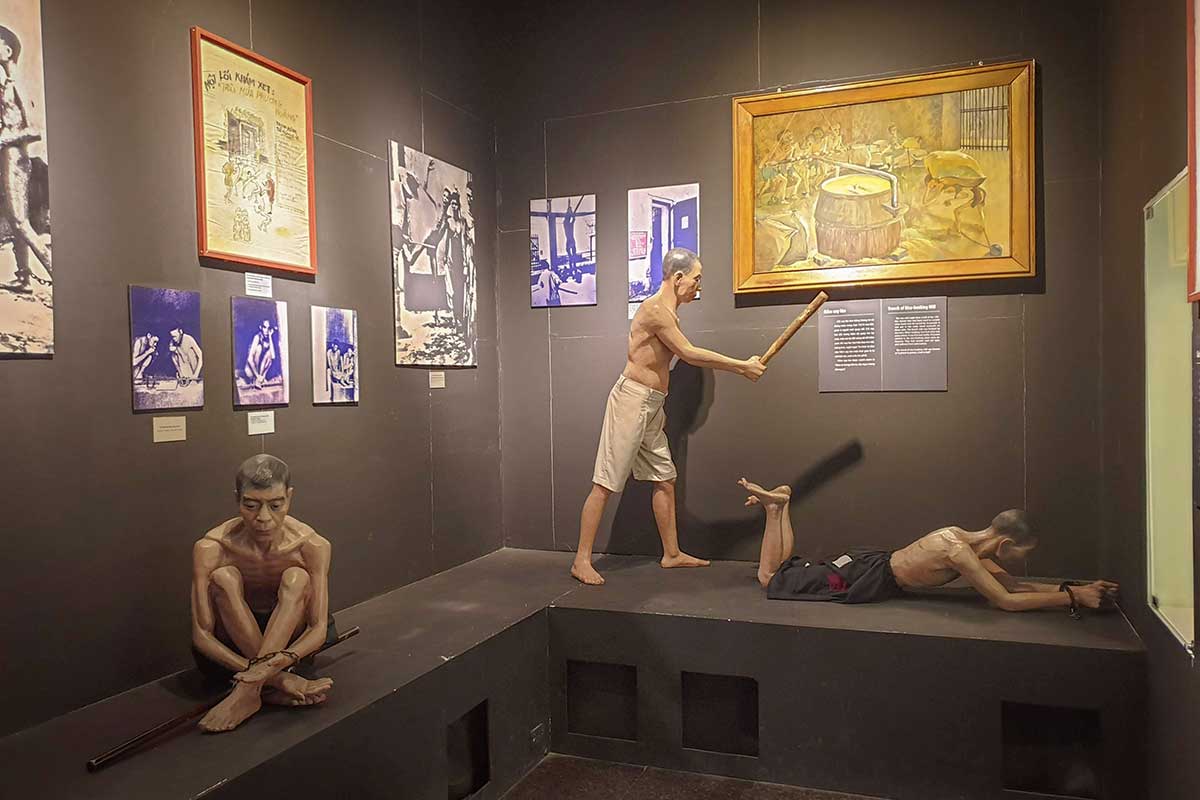
Here you learn what life was like inside the prisons—harsh conditions, forced labor, and different forms of punishment. At the same time, there is also attention on resistance: how prisoners organized themselves and supported each other.
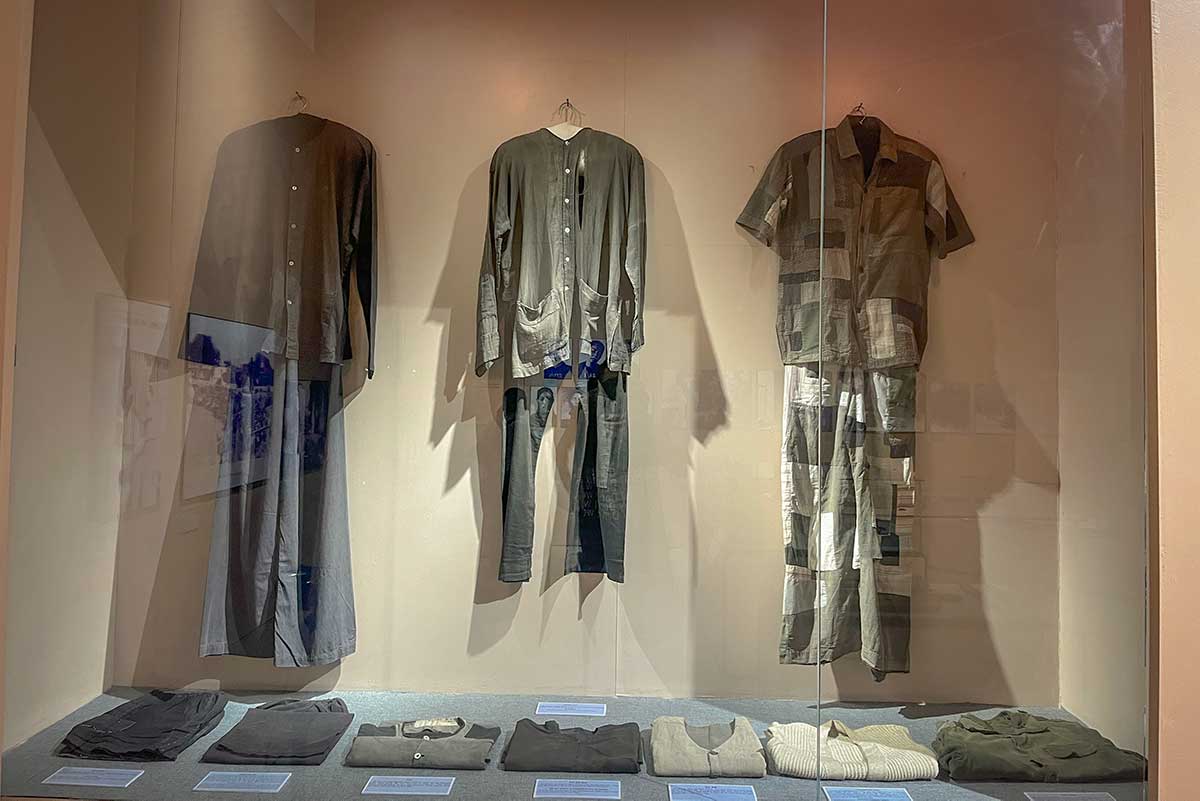
It gives important background before visiting the actual prison sites like Con Dao Prison, which are located nearby.
4. The Vietnam War period
The museum then moves into the later years, during the Vietnam War.
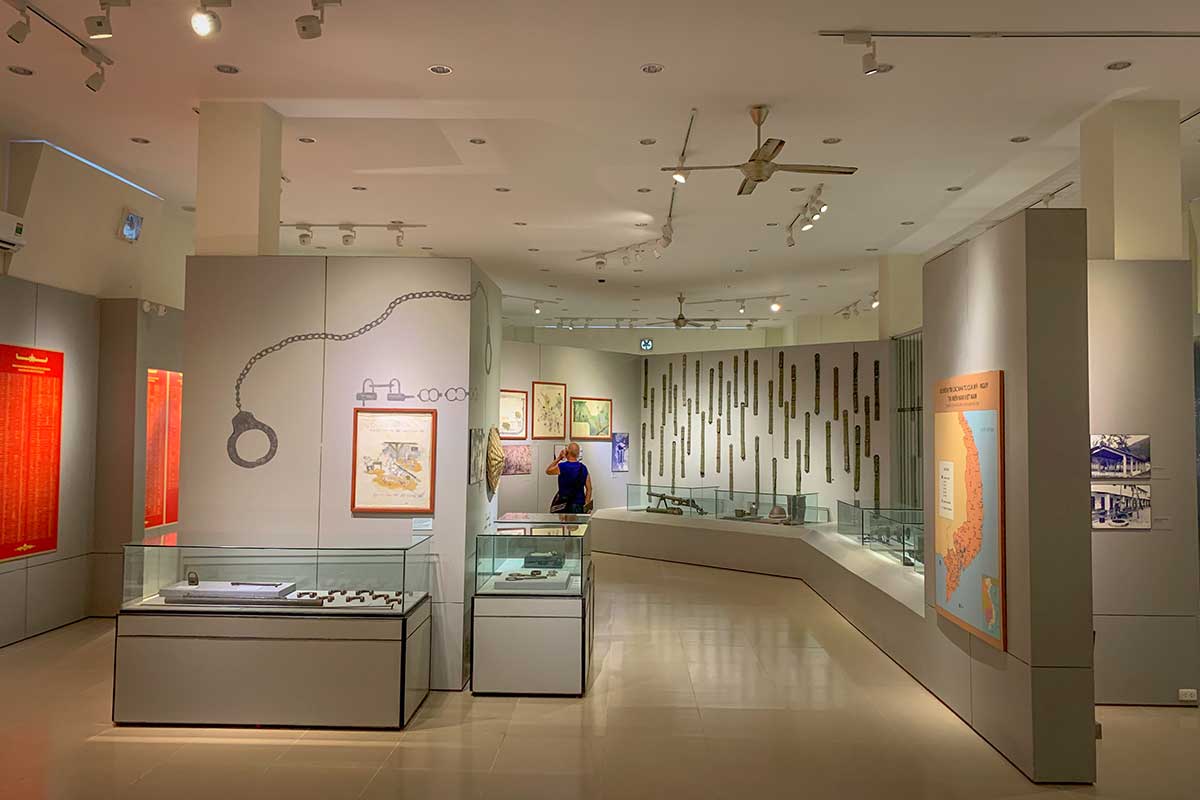
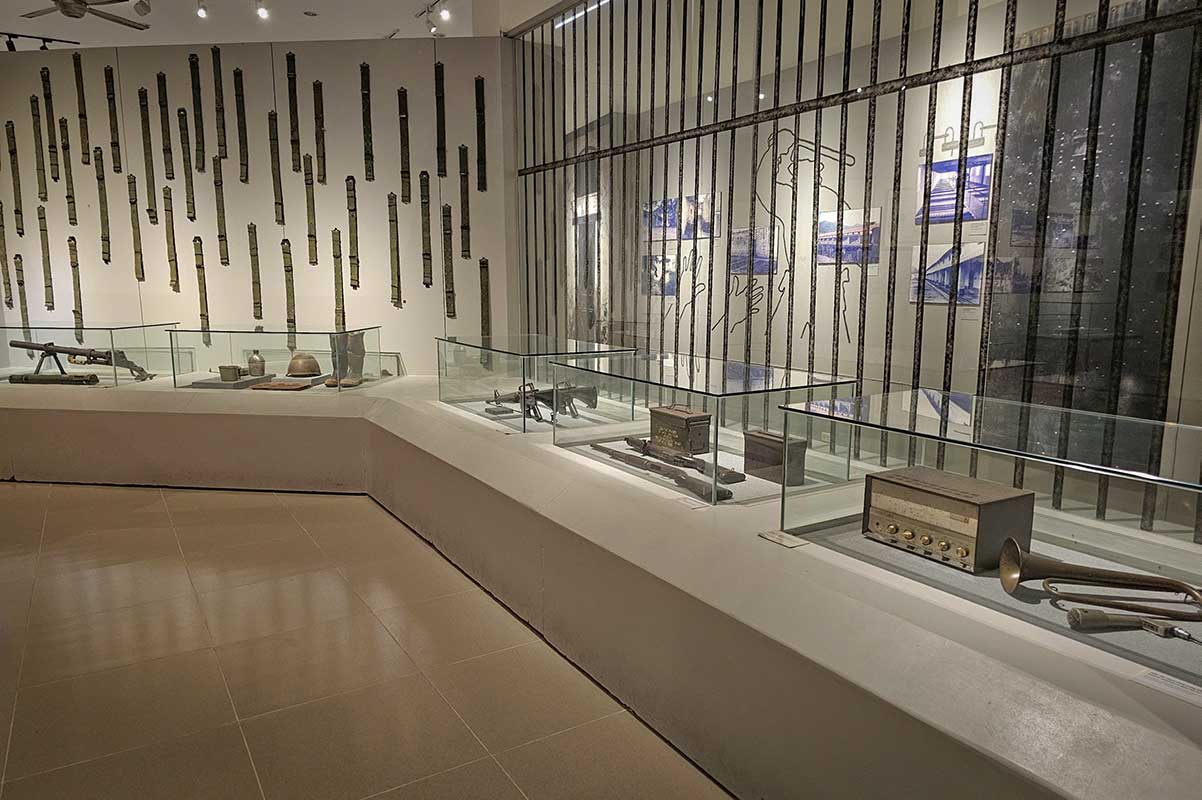
This section focuses on how the prison system continued and expanded, and how conditions eventually gained international attention. It overlaps a bit with the previous part, but adds more recent history and context.
5. Con Dao after 1975 and today
The final section shows a completely different side of the island.
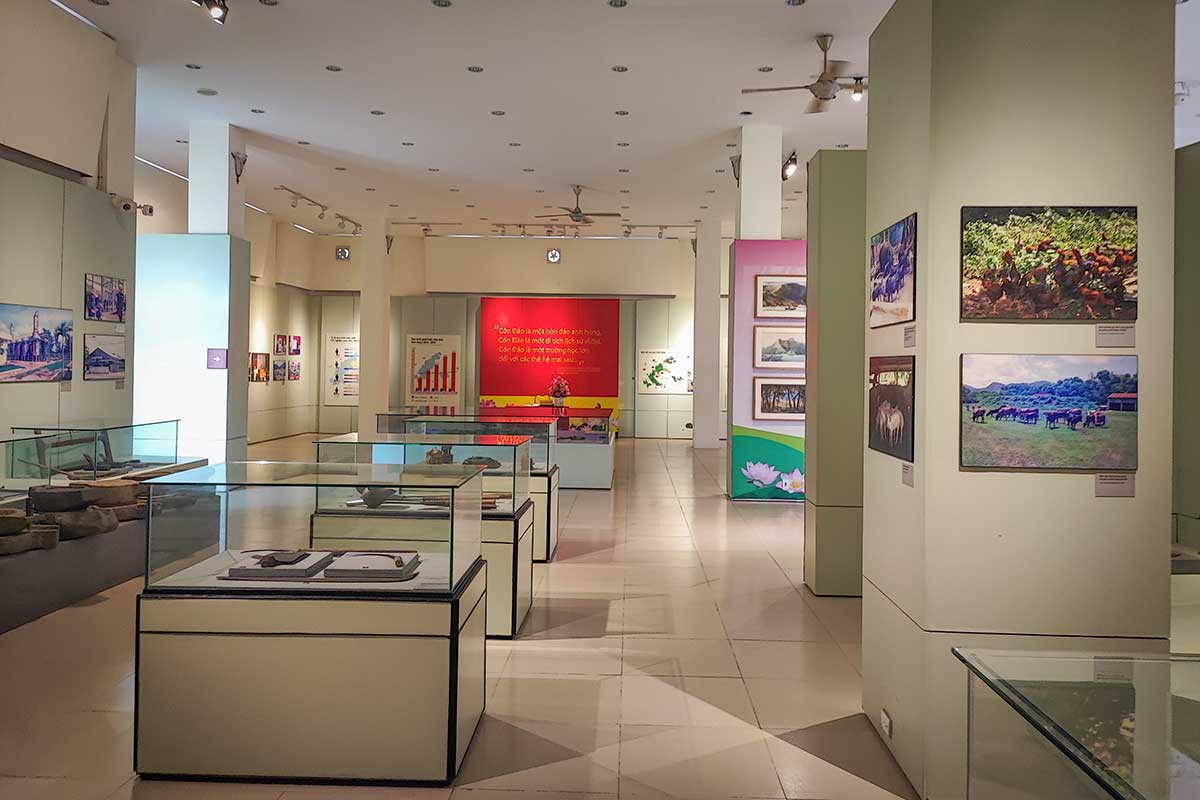
It covers what happened after the war: the end of the prison system, the development of local life, and the role of fishing and offshore activities. There is also attention on nature protection and the marine environment, linking back to the first section.
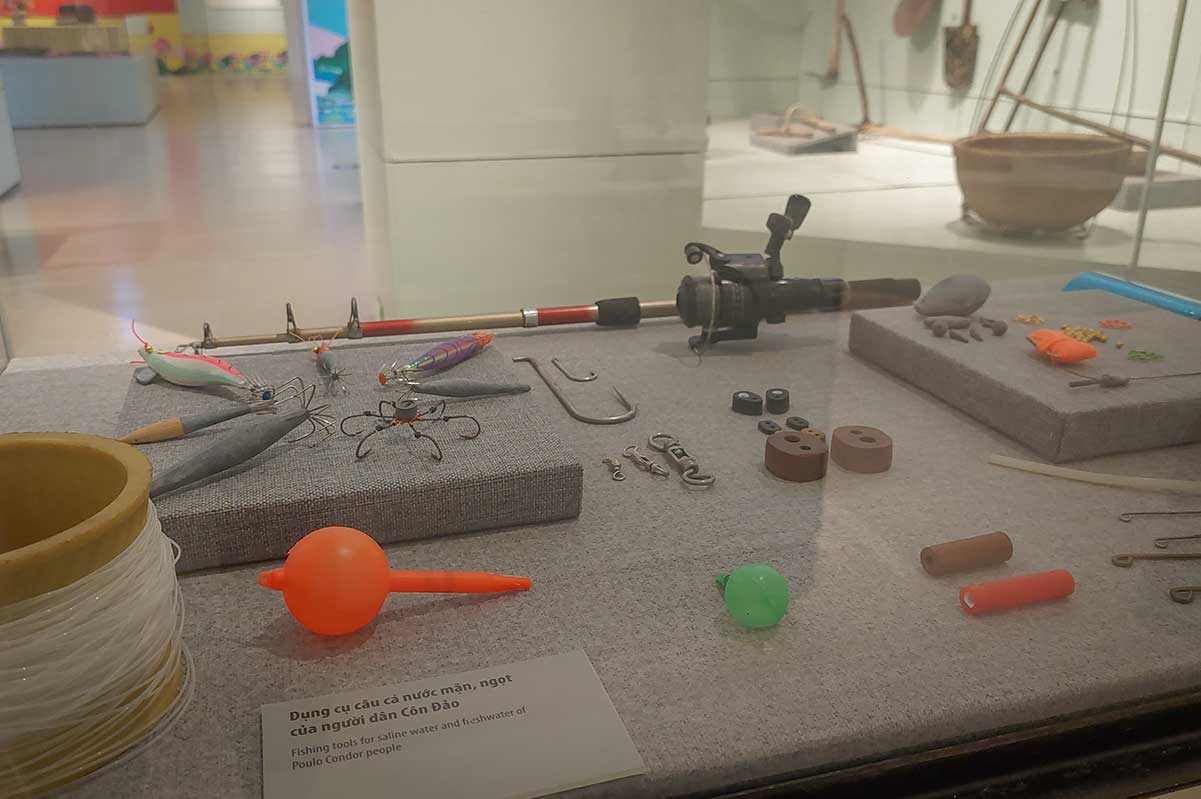
This part helps you see how Con Dao changed from a place known for prisons into a destination focused on nature and tourism.
Visiting information: opening times & entrance fees
Entrance fee
The entrance fee is 50,000 VND (≈ $2 USD) per person.
This ticket covers more than just the museum. It gives access to a total of seven sites:
- Zone 1: Con Dao Museum
- Zone 2: French Tiger Cages
- Zone 3: Palace of the Island Governor
- Zone 4: Phu Hai Prison
- Zone 5: American Tiger Cages
- Zone 6: Phu An Prison
- Zone 7: Phu Son Prison
In practice, this makes it very good value, as you’ll likely visit several of these sites anyway.
You can read everything you need to know about these 7 zones in our guide about the Con Dao prisons.
Opening times
The museum is open daily:
- 7:00 – 11:30 AM
- 1:30 – 5:00 PM
Keep in mind that both the museum and the prison sites close during lunchtime. If you plan to explore multiple places in one go, make sure you time your visit well, otherwise you may have to wait before continuing.
Time needed
How long you need depends on how interested you are in the history.
If you walk through quickly without reading everything, around 30 to 45 minutes is enough. If you take your time and read most of the information, you’re looking at 1.5 to 2 hours.
How to get there
The museum is located in Con Son town, so if you’re staying nearby, you can easily walk there. The French Tiger Cages are right next door, making it easy to combine both on foot.
If you want to visit multiple sites included in your ticket, a taxi is the easiest option. These locations are the main attractions on the island, so drivers know exactly where to go and are used to waiting while you explore.
You can also rent a scooter and visit everything yourself, but this is only recommended if you’re comfortable driving in Vietnam.
Is Con Dao Museum worth visiting?
Yes.
The prison sites themselves are impressive to walk through, but they offer very limited explanation. There are only a few signs, often only in Vietnamese, and while some areas use mannequins to show scenes, the deeper context is missing.
The museum fills that gap. It explains what actually happened, who the prisoners were, and why these places matter. Even though not everything is translated into English, there is still significantly more information compared to the prisons.
If you’re visiting the prison sites—which most travelers do—it makes sense to start here.