

Is air quality bad in Vietnam?
Yes, air quality in Vietnam can be bad, especially in large cities like Hanoi and Ho Chi Minh City. Vietnam often ranks among the more polluted countries in Southeast Asia, mainly due to traffic, construction, and rapid development.
That said, it’s not constant and not the same everywhere. Many areas, especially coastal and rural regions, have much cleaner air. For most travelers on a short trip, it’s also not always something you will notice all the time.
The most important thing to understand is that air quality in Vietnam is highly dependent on location and season, which we’ll explain in more detail below.
How bad is air pollution in Vietnam?
General air quality overview
Air quality in Vietnam is generally considered moderate to poor compared to global standards, especially in larger cities.
Air quality is often measured using the Air Quality Index (AQI), which gives a simple indication of how clean or polluted the air is. You don’t need to understand the details, but as a rough idea:
- Below 50 is good
- Around 50–100 is acceptable
- Above 100 starts to become unhealthy, especially for sensitive people
In cities like Hanoi, air quality can regularly reach higher levels, especially during certain months, while Ho Chi Minh City usually has slightly better conditions but can still be polluted. Outside major cities, air quality is often much better.
What causes air pollution in Vietnam
Air pollution in Vietnam comes from a mix of everyday factors that are easy to notice as a traveler.
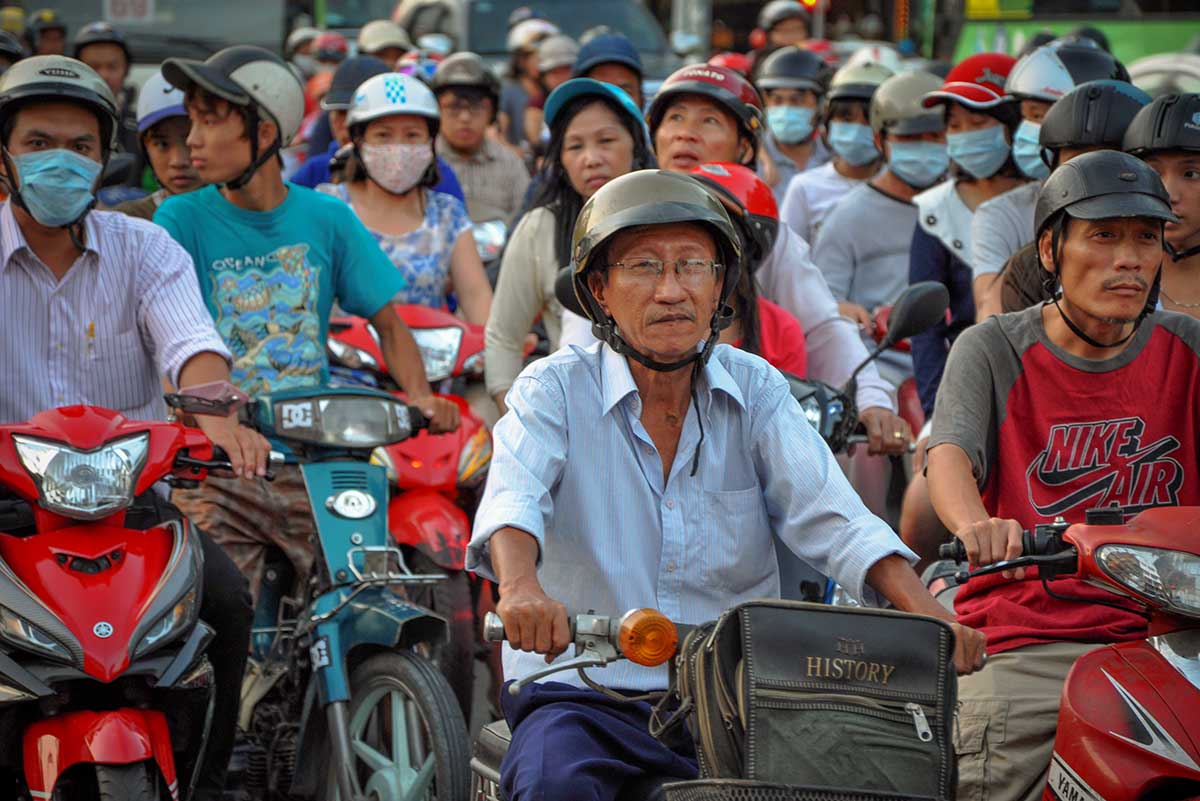
- Traffic – The main cause, with millions of motorbikes and cars on the road, especially in big cities

- Construction and dust – Ongoing development creates a lot of dust in urban areas
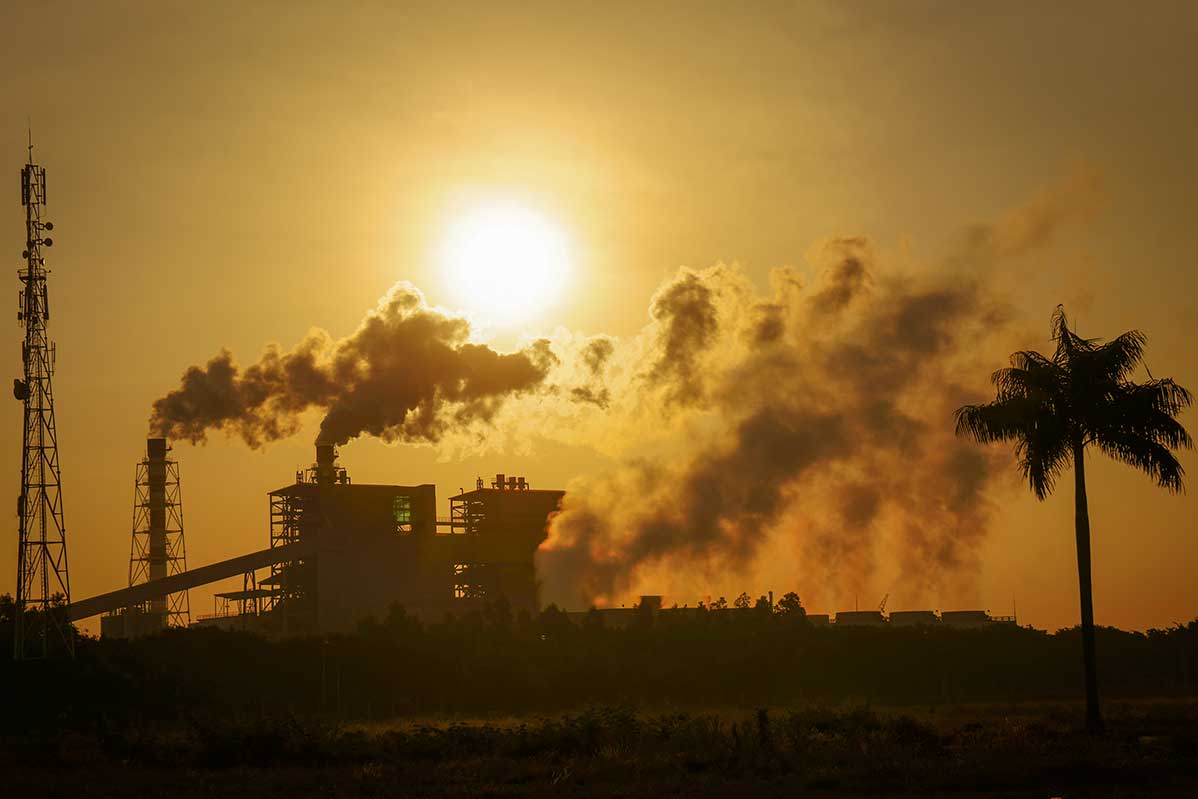
- Industry – Factories and industrial zones contribute to overall pollution levels
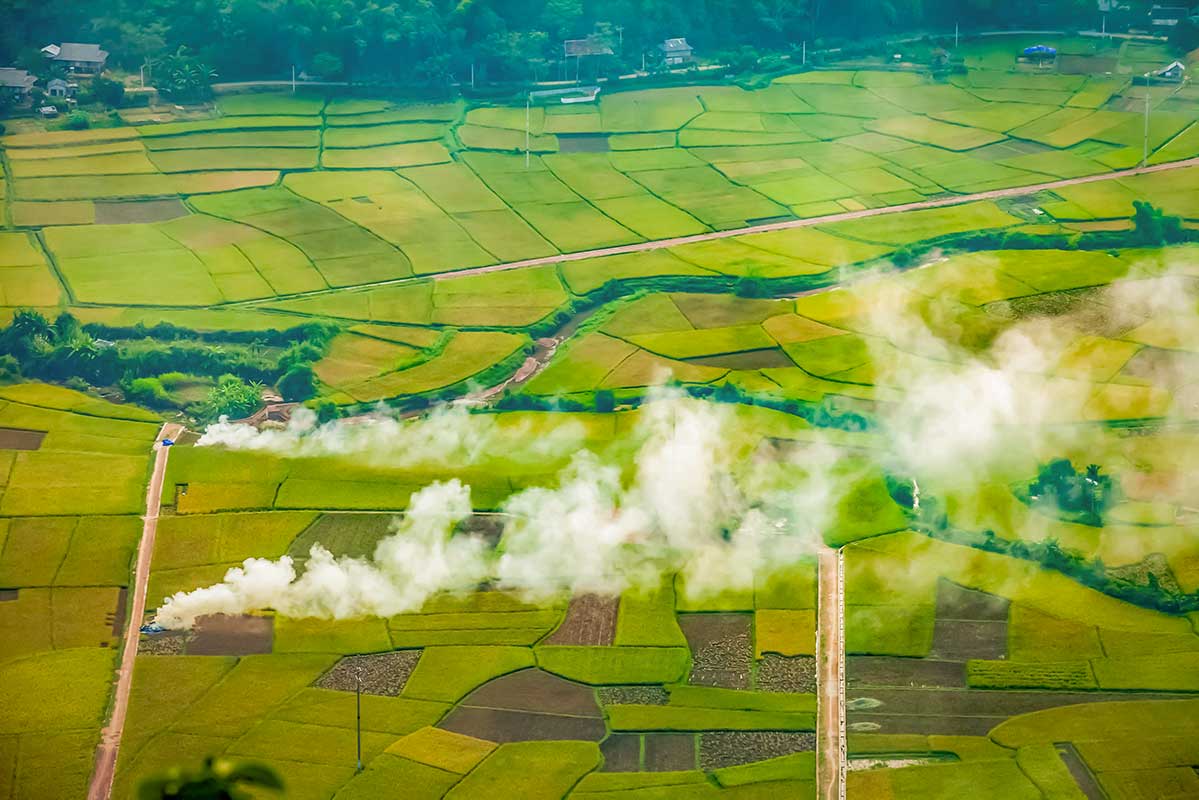
- Burning waste and agriculture – In both cities and rural areas, trash and fields are sometimes burned. After harvest, farmers often burn rice fields, which can cause haze and smoke for days or weeks
In addition, air pollution can also come from neighboring countries like Laos and Cambodia. Smoke from large-scale agricultural burning can travel across borders and affect air quality in parts of Vietnam, even far from major cities.
These sources combined, along with weather conditions, determine how bad the air quality feels on any given day.
When is air quality worst?
Air quality in Vietnam changes throughout the year, and timing can make a big difference in how noticeable pollution is during your trip.
Worst months in North Vietnam
The worst period for air quality in North Vietnam is usually from November to March.
During these months, colder weather and still air can trap pollution in cities like Hanoi. This often leads to grey skies and visible smog, especially on days without wind.
Better months
From April to October, air quality is generally better.
Warmer temperatures, rain, and stronger winds help clear pollution from the air. While it’s not always perfect, conditions are usually more comfortable for travelers during this period.
South Vietnam differences
In South Vietnam, including Ho Chi Minh City, air quality is more stable throughout the year.
There is still pollution, mainly from traffic, but it is less affected by seasonal changes and usually does not reach the same levels as in the north during winter.
Most polluted cities in Vietnam
Air pollution in Vietnam is not the same everywhere. It is mainly concentrated in larger cities and industrial areas, while many other destinations have much cleaner air.
Hanoi
Hanoi is generally the most polluted city in Vietnam, especially during the winter months.
Air quality can get quite poor from November to March, with visible smog and grey skies on some days. Traffic, construction, and weather conditions all contribute to this.
Ho Chi Minh City
Ho Chi Minh City also has air pollution, mainly caused by heavy traffic.
However, it usually has less extreme conditions than Hanoi, and air quality is more stable throughout the year. Pollution is still noticeable, especially during rush hours and on busy roads.
Other affected areas
Some industrial areas in the north, such as around Hanoi and nearby provinces, can also have poorer air quality.
In addition, smaller cities with a lot of construction or traffic can experience local pollution, though usually not as severe as in Hanoi.
Cleaner destinations
Many popular travel destinations in Vietnam have much cleaner air.
Coastal cities like Da Nang, Nha Trang, and Phu Quoc benefit from sea winds that help clear pollution. Mountain areas such as Ha Giang and parts of Sapa also tend to have fresher air, although conditions can still vary depending on the weather.
How does it affect travelers?
For most travelers, air pollution in Vietnam is more of a comfort issue than a serious health concern, especially on short trips.
Short-term effects
On days with poorer air quality, you might notice some mild effects, especially in big cities.
- Dry throat
- Irritated eyes
- A slight smell or visible haze in the air
These are usually temporary and go away once you move to a cleaner area or spend time indoors.
Who should be more careful
Some travelers should pay a bit more attention to air quality:
- People with asthma or other lung conditions
- Those with respiratory or heart issues
- Young children and elderly travelers
If this applies to you, it’s a good idea to monitor air quality and limit outdoor activity on worse days.
Should it change your travel plans?
For most people, air pollution is not a reason to avoid Vietnam.
Millions of travelers visit every year without any issues. However, it’s worth being flexible:
- Avoid long outdoor activities on days with poor air quality
- Take breaks indoors when needed
- Consider spending more time in cleaner destinations if you are sensitive
For short-term travel, you generally don’t need to worry about long-term health effects. These are mainly linked to prolonged exposure over months or years, not a typical holiday.
Practical tips to deal with air pollution
Air pollution in Vietnam is manageable for most travelers with a few simple adjustments.
1. Check air quality apps
Use apps or websites like IQAir to check daily air quality levels.
This helps you decide when to spend more time indoors or plan activities outside the city. It’s especially useful in places like Hanoi where conditions can change from day to day.
2. Use a proper mask (optional)
A good quality mask can help on days with poor air quality, but it’s not something every traveler needs all the time.
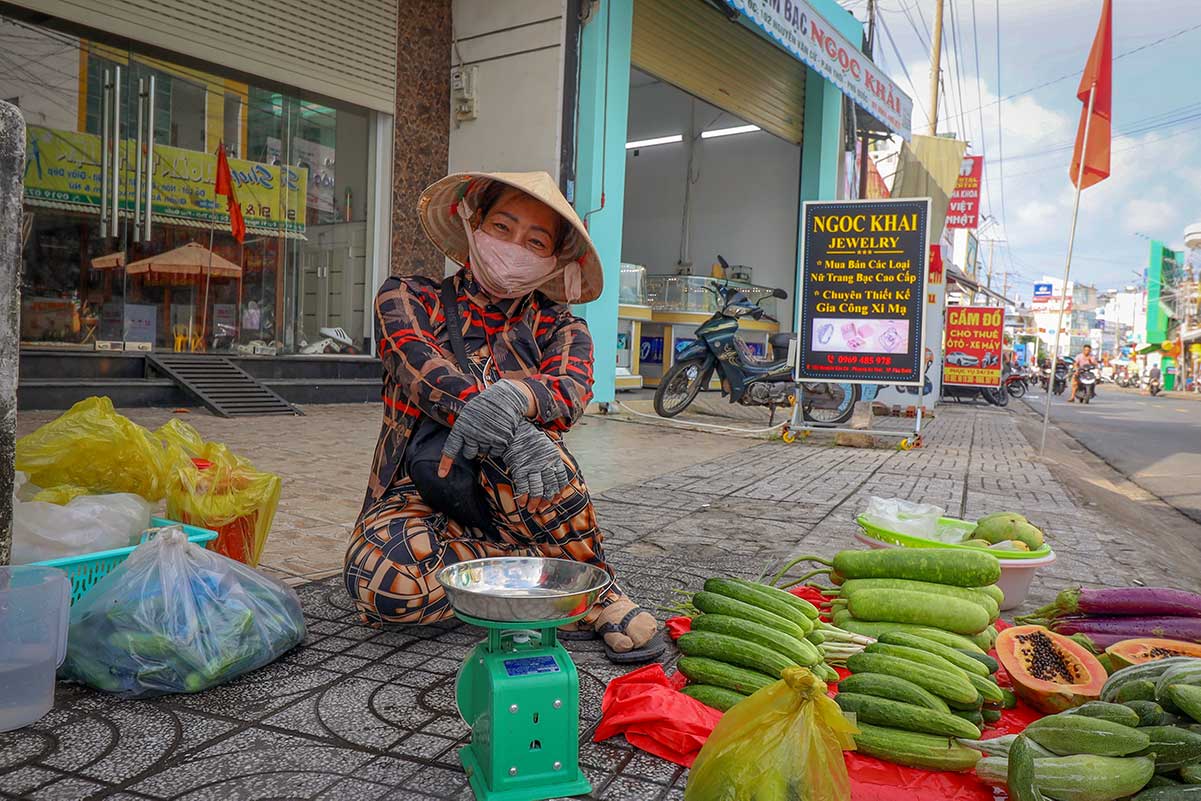
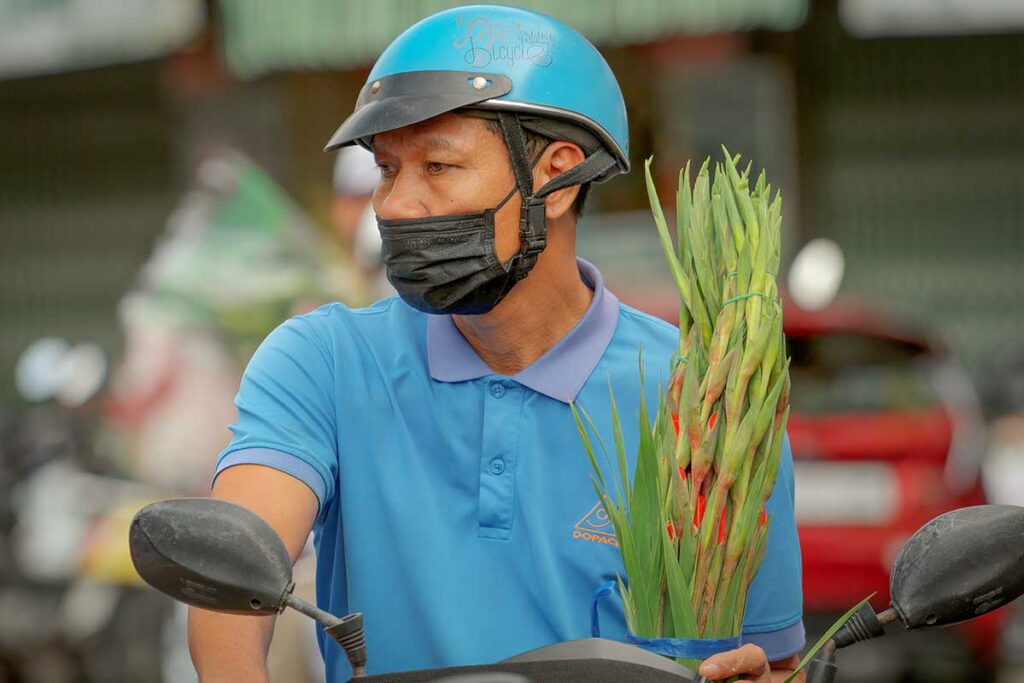
You’ll see many locals wearing masks, mainly for dust and pollution, especially on motorbikes. Among travelers, it’s less common, though some expats and long-term visitors do use proper masks, particularly when riding through busy traffic.
If you notice heavy pollution or are sensitive, using a high-quality mask (not a thin fabric one) can make a difference.
3. Avoid peak traffic exposure
Air pollution is usually worse during rush hours and on busy roads.
Try to avoid long walks or motorbike rides during these times, and choose quieter streets when possible.
4. Choose accommodation wisely
Where you stay can affect how much pollution you experience.
Hotels located away from major roads are usually more comfortable, and rooms on higher floors often have slightly better air quality.
5. Plan your trip smart
If you are sensitive to air pollution, it helps to plan your itinerary with this in mind.
Avoid spending too much time in Hanoi during the worst months, and combine city visits with cleaner destinations like coastal or mountain areas.
Is air pollution a reason to avoid Vietnam?
No, air pollution is not a reason to avoid Vietnam.
Millions of travelers visit Vietnam every year and have a great experience without any major issues related to air quality. While pollution can be noticeable in some cities, especially at certain times of the year, it’s usually more of a comfort issue than a serious problem for short-term visitors.
The key is simply to be aware of it. With a few basic precautions, like checking air quality and adjusting your plans slightly on worse days, it’s easy to manage and should not affect your overall trip.