

Face masks in Vietnam – A common sight
Face masks are an integral part of daily life in Vietnam, especially in bustling urban areas like Hanoi and Ho Chi Minh City. Whether you’re walking through a busy market, navigating traffic-filled streets, or even visiting indoor spaces, masks are everywhere. They’ve become so culturally normalized that many Vietnamese people see them as an essential accessory, much like sunglasses or hats in other countries.
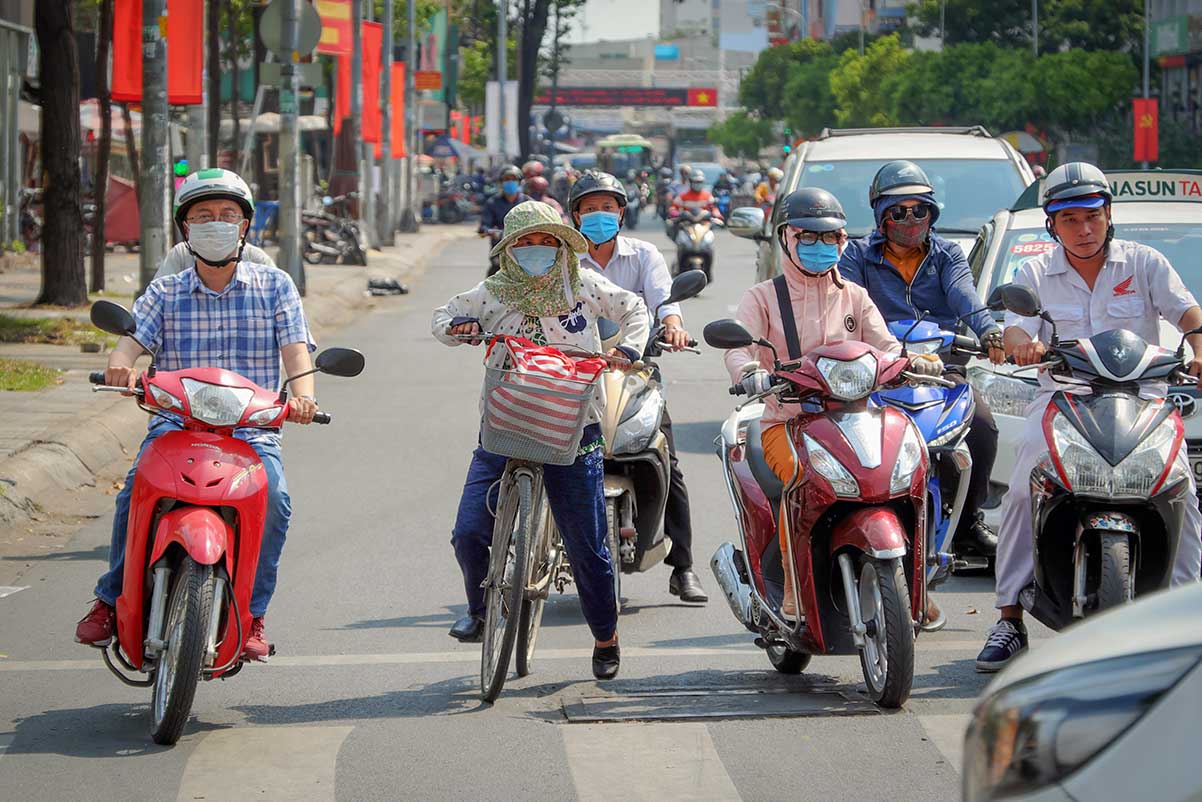
In rural areas, while less prevalent than in cities, masks are still commonly used, particularly by those traveling on motorbikes or working outdoors. For locals, wearing a mask isn’t just a practical choice—it’s a habitual and cultural practice that reflects both health and beauty-conscious lifestyles.
Protecting beauty standards
In Vietnam, face masks play a crucial role in protecting the skin from the sun, helping to prevent tanning and maintain the fair complexions that align with traditional beauty ideals. For many Vietnamese, especially women, avoiding direct sunlight is a daily priority, as pale skin is often associated with elegance and class.
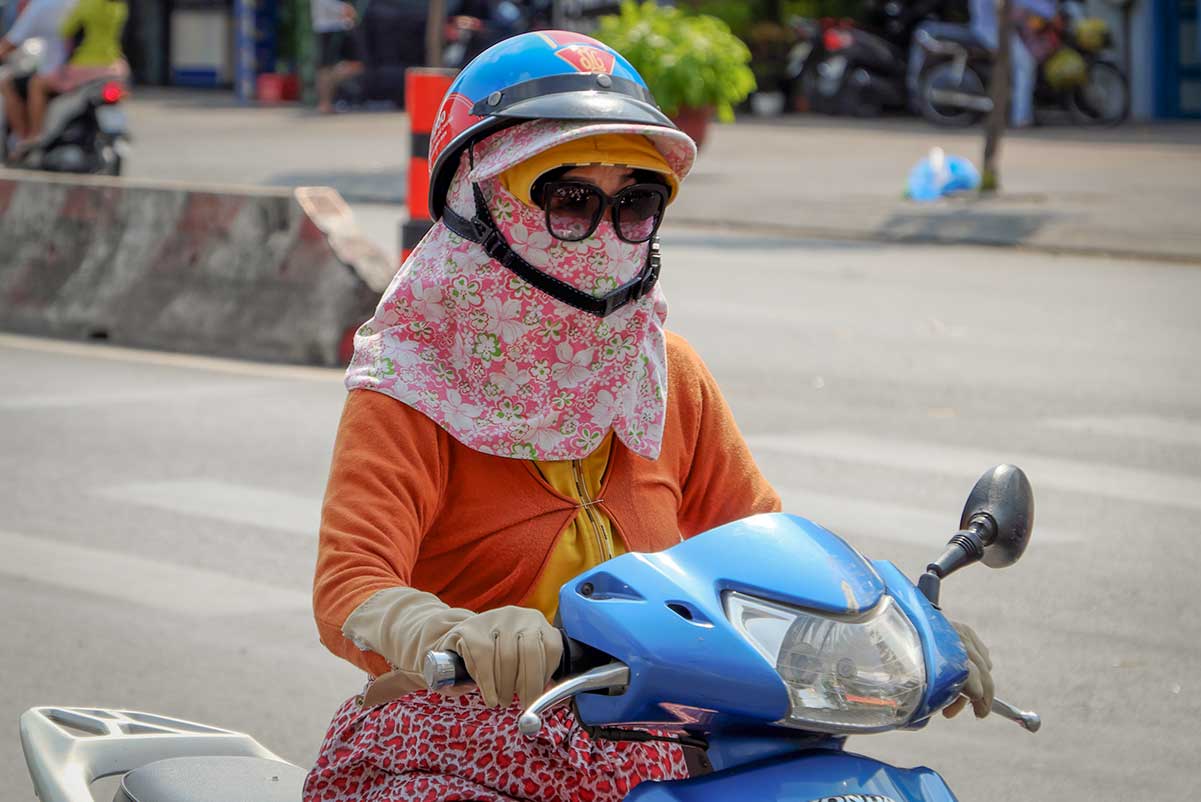
Masks are often combined with long-sleeved shirts, gloves, and wide-brimmed hats, creating a fully protective ensemble. This isn’t just about avoiding a tan—it’s a deeply ingrained cultural practice that ties into the broader importance of maintaining one’s appearance in Vietnamese society. By wearing face masks, locals can safeguard their skin while blending functionality with beauty-conscious traditions.
Air pollution
In bustling cities like Hanoi and Ho Chi Minh City, where air pollution levels can often spike due to heavy traffic and industrial activity, face masks have become a practical defense against harmful particles. Masks are frequently worn by motorbike riders and pedestrians, who are most exposed to the urban smog and dust.
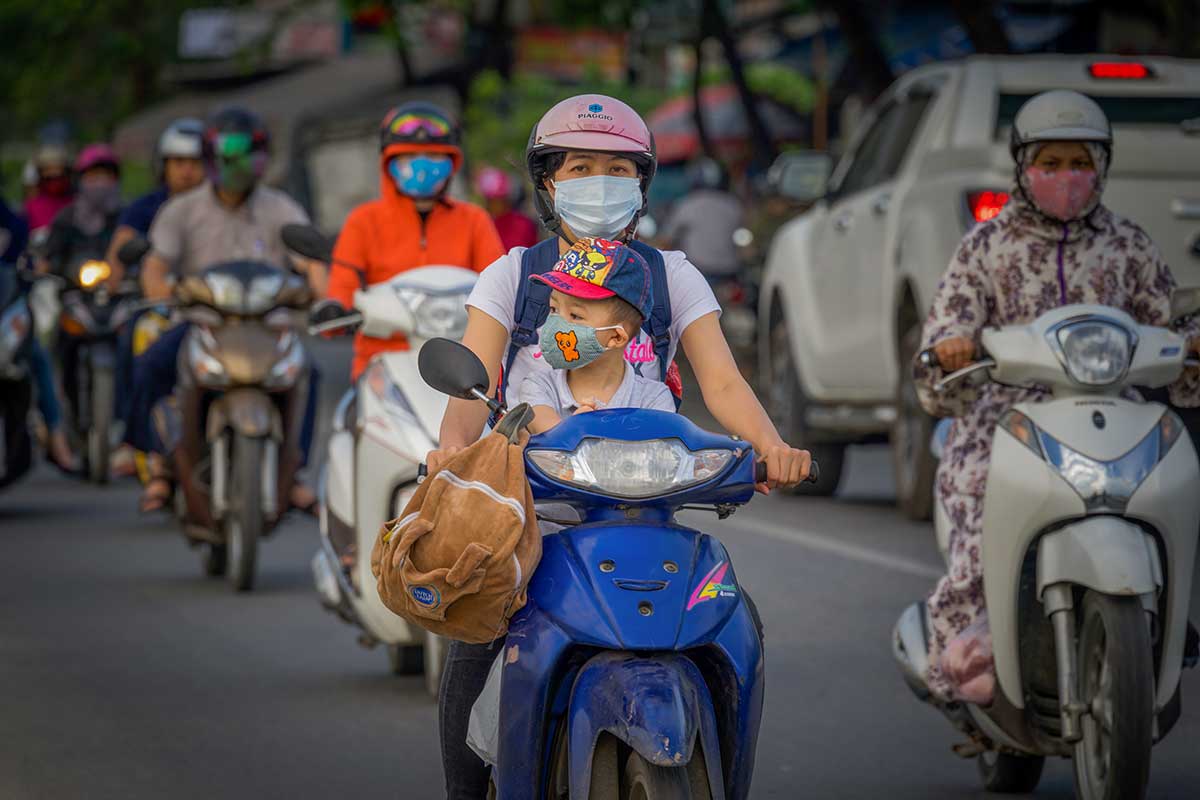
For many Vietnamese, masks are not just about convenience but also a reflection of growing awareness of pollution’s impact on health. While basic cloth masks are common, some individuals opt for specialized masks with filters designed to block fine particles. However, the effectiveness of these masks in providing full protection varies, and pollution remains a pressing concern in Vietnam’s rapidly urbanizing regions.
Dusty roads
In both urban and rural areas of Vietnam, face masks are a practical solution to dealing with dusty roads and debris. This is especially relevant for motorbike riders, who make up the majority of traffic and are constantly exposed to airborne particles stirred up by vehicles and wind.
In construction-heavy zones or rural regions with unpaved roads, the issue becomes even more pronounced. Masks act as a barrier, preventing dust from being inhaled or settling on the face. For those commuting daily, especially in these environments, wearing a mask is not just a preference but often a necessity.
Preventing illness
In Vietnam, wearing a mask to prevent illness reflects a mix of practicality and cultural influence, particularly from countries like Japan. While not as widespread, some Vietnamese adopt this practice when they’re feeling unwell to avoid spreading germs. This is especially common among those working closely with others, such as teachers, office workers, and taxi drivers.
On the flip side, masks are also used by those who wish to protect themselves from catching illnesses, particularly in crowded spaces like public transport or markets. While not a universal habit, it highlights a growing awareness of health and hygiene in Vietnamese society.
Face masks and travelers
For travelers in Vietnam, wearing a mask is completely optional. You won’t stand out if you don’t wear one, and in practice, it’s actually quite rare to see travelers using masks.
While many locals do wear masks, especially when riding a motorbike or during the daytime, it’s not something everyone does. In the evenings, when the sun is lower and traffic can be lighter, you’ll also see plenty of locals without masks.
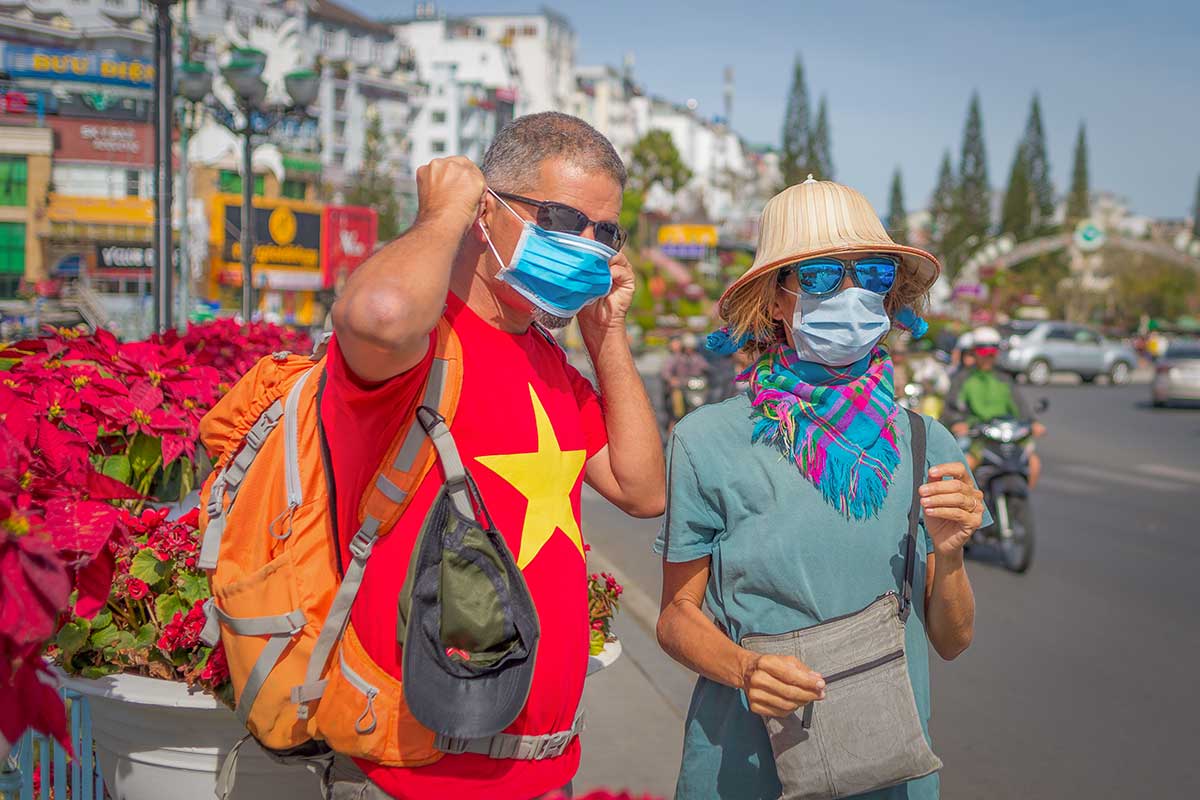
For most short-term travelers, air pollution does not cause long-term health issues. At most, you might notice some minor discomfort like dry air or dust in busy cities. If you are sensitive to air quality or have respiratory issues, wearing a mask can be a simple way to reduce exposure, but for most people, it’s not necessary.
Tips for travelers:
- Masks are inexpensive and widely available at convenience stores like Winmart and Circle K, located on almost every street corner.
- Wearing a mask in dusty or polluted areas, especially while riding motorbikes or visiting construction-heavy regions, can make your experience more comfortable.
- Stay informed about air quality conditions via platforms like IQAir to plan your outdoor activities accordingly.
For more practical advice, read our full guide about health and safety in Vietnam, covering vaccinations, food, animals, traffic, and more to help you prepare for your trip.