
Sin Ho – remote highland town above the clouds
Sin Ho is located in Lai Chau Province in northwest Vietnam, about 60 km from Lai Chau City. Sitting at around 1,500 meters above sea level, it is often called the “roof of Lai Chau,” with a cool climate, misty mornings, and views over mountains and valleys. Unlike places such as Sapa, Sin Ho is not about well-known viewpoints or organized attractions, but more about the overall atmosphere—quiet roads, local markets, and daily life of ethnic minority communities. It is a good fit if you enjoy remote mountain areas and slower travel, but less suitable if you prefer comfort, easy logistics, or clear sightseeing highlights.
Best things to do in Sin Ho
1. Visit the Sin Ho weekend market
The weekend market is one of the main reasons to visit Sin Ho. It takes place in the town center and brings together people from surrounding villages, many of whom travel long distances to trade and meet.
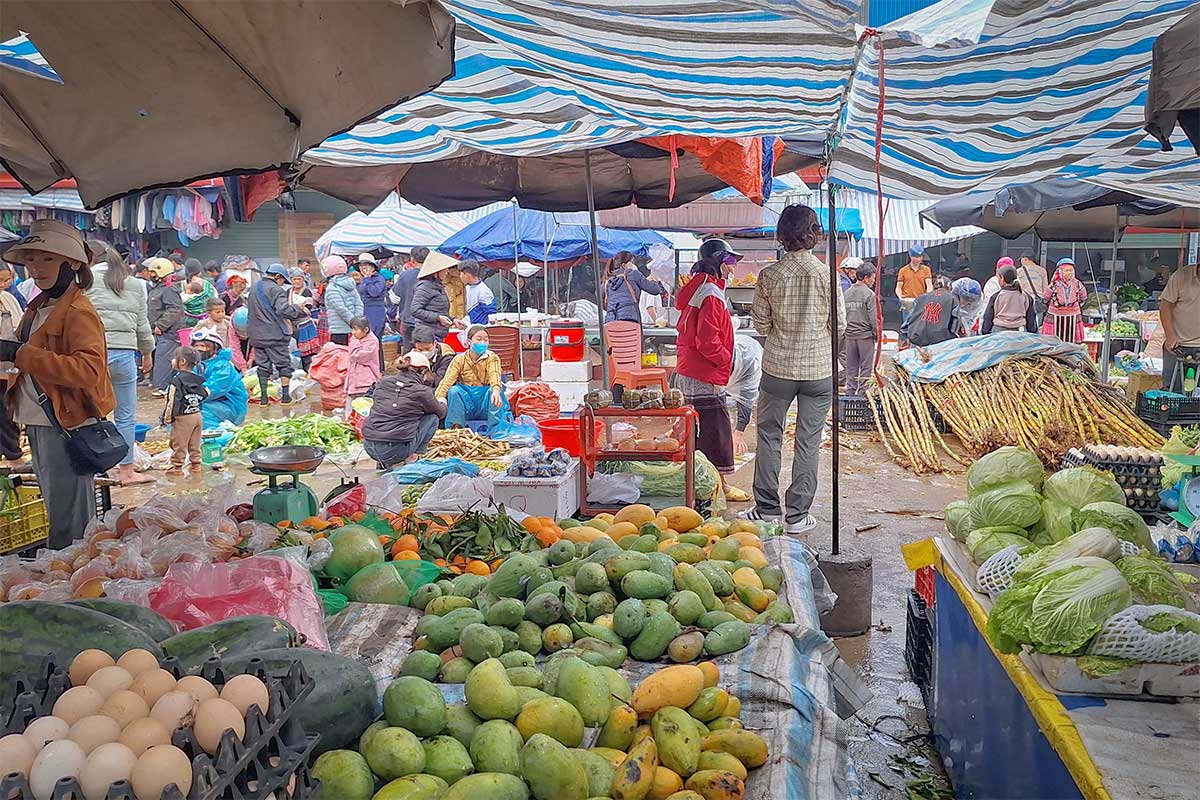
Saturday morning is already active, but Sunday is usually the busiest day, with more ethnic minority groups coming in. You’ll see everything from fresh produce and street food to textiles, tools, and even livestock. It’s not a market focused on tourists or souvenirs, but more about local life, which makes it feel much more authentic than places like Sapa or Bac Ha.
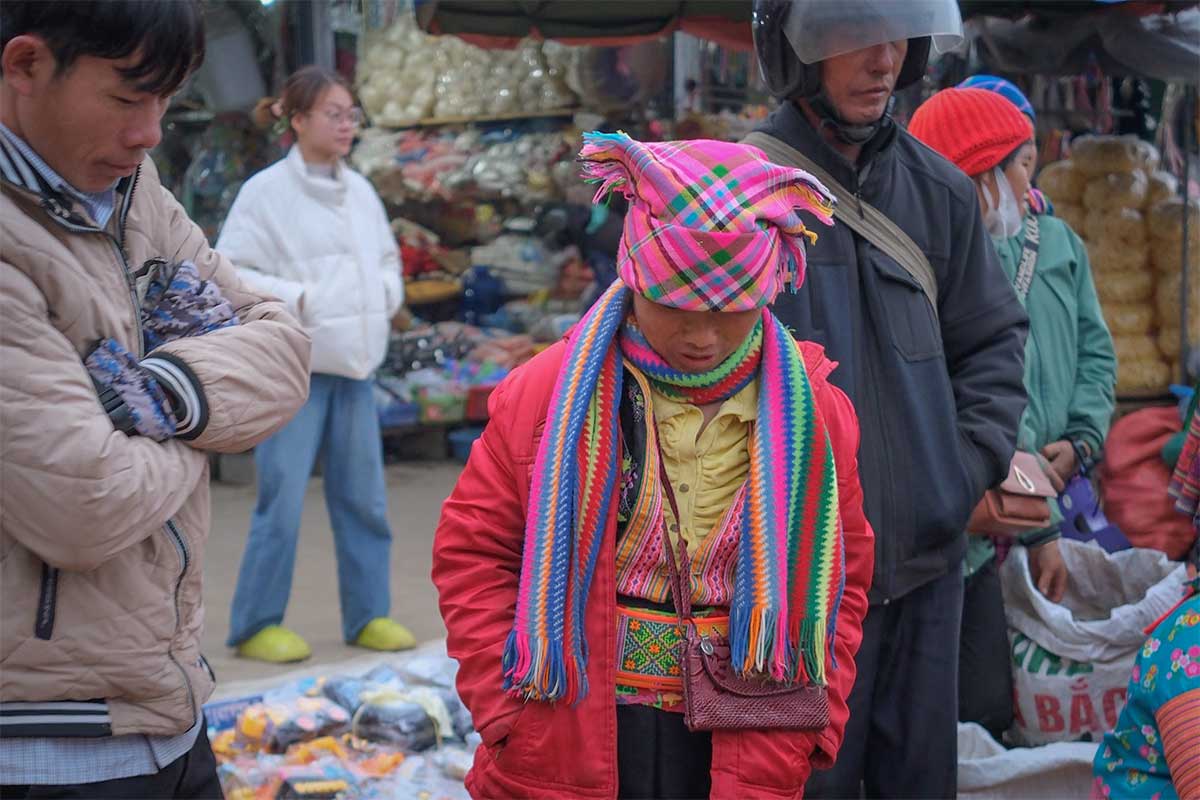
If you plan your visit around the market, your experience of Sin Ho will be much more interesting.
2. Ride or drive the mountain roads around Sin Ho
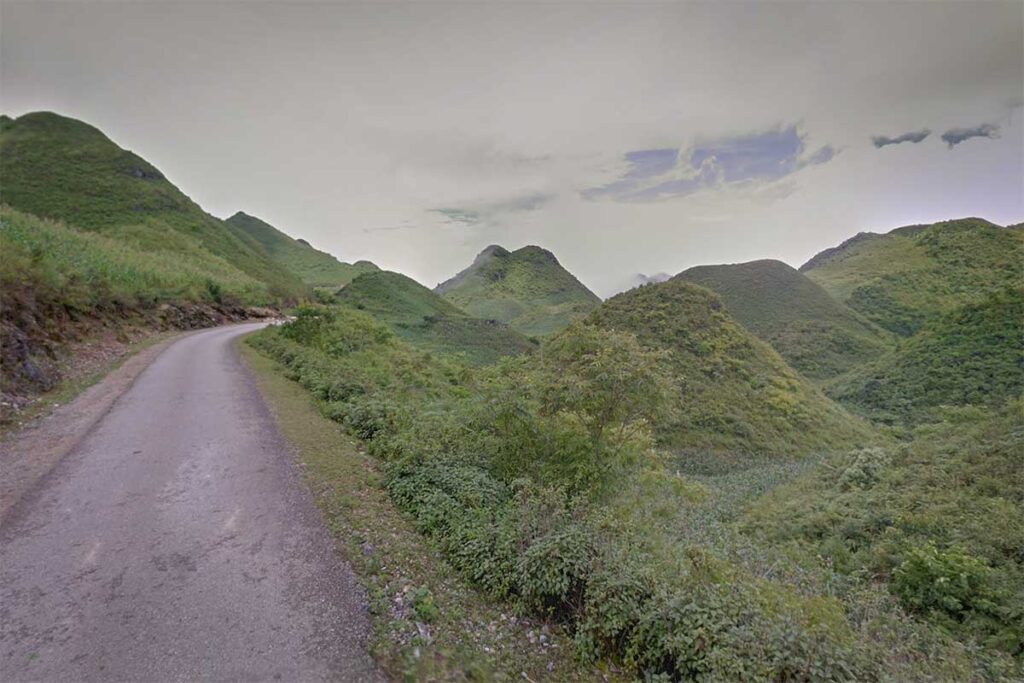
In Sin Ho, the journey is just as important as the destination. The road from Lai Chau up to Sin Ho already offers great views, but the route between Muong Lay and Sin Ho is even more impressive, with winding mountain roads, steep valleys, and very little traffic.
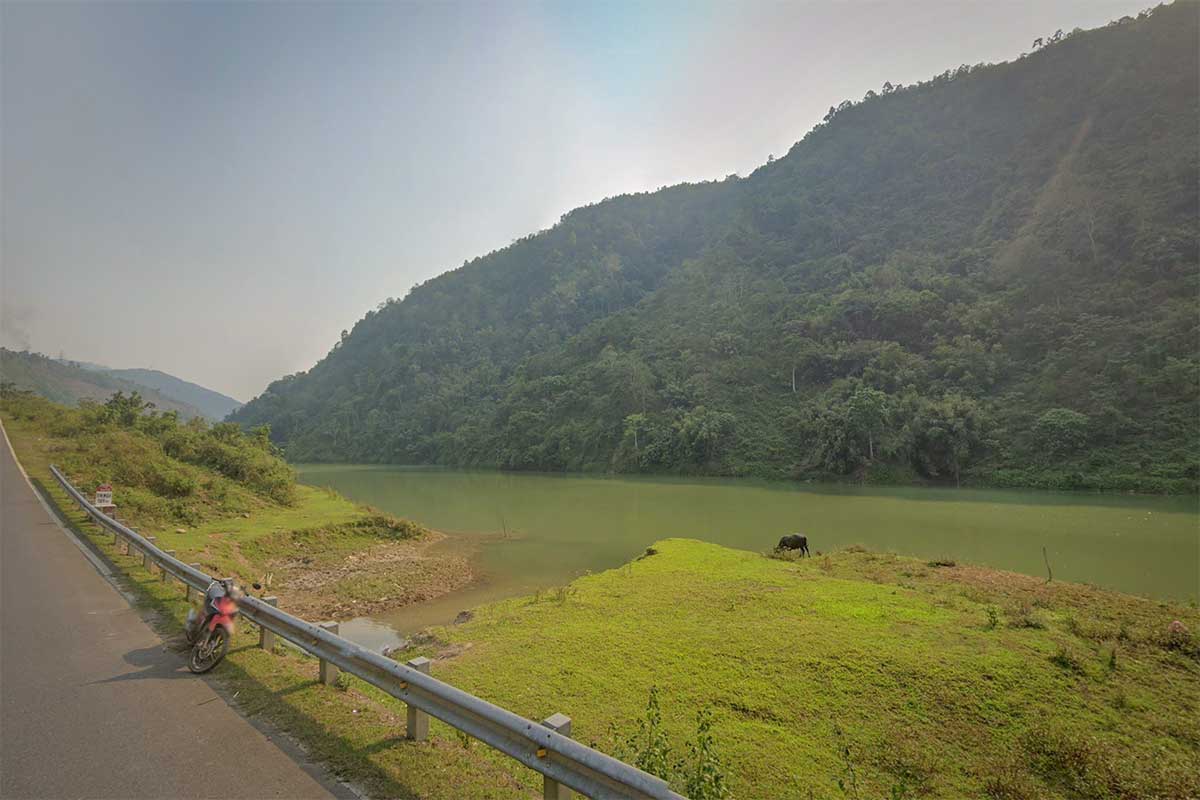
This is a great area for people who enjoy scenic driving or riding, especially on a motorbike. There are many places to stop along the way for views, photos, or just a short break.
Keep in mind that weather can change quickly, and fog or rain can reduce visibility, so it’s not a casual drive.
3. Do the Sapa–Sin Ho motorbike loop
Sin Ho works well as part of a larger motorbike route in the north. One popular option is to create a loop starting from Sapa, heading through Lai Chau, up to Sin Ho, and then continuing towards Muong Lay or back through a different route.
This kind of loop is less touristy than many routes around Sapa and gives you a better sense of how remote this region really is. Roads can be steep, narrow, and affected by weather, so this is only recommended if you are an experienced rider.
If you don’t want to drive yourself, you can also do parts of this route with an Easy Rider or as part of a guided trip.
4. Explore ethnic minority villages around Sin Ho
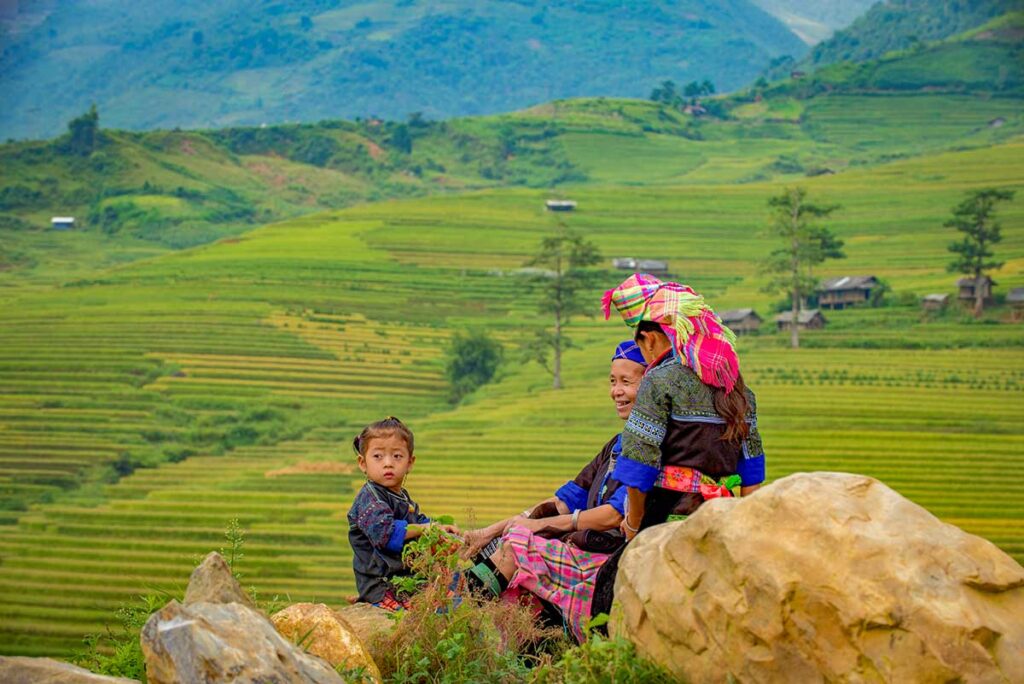
Around Sin Ho, you’ll find many small villages where ethnic minority communities live, such as Hmong, Dao, and Thai. Visiting these villages gives you a look into daily life, traditional houses, and farming in the mountains.
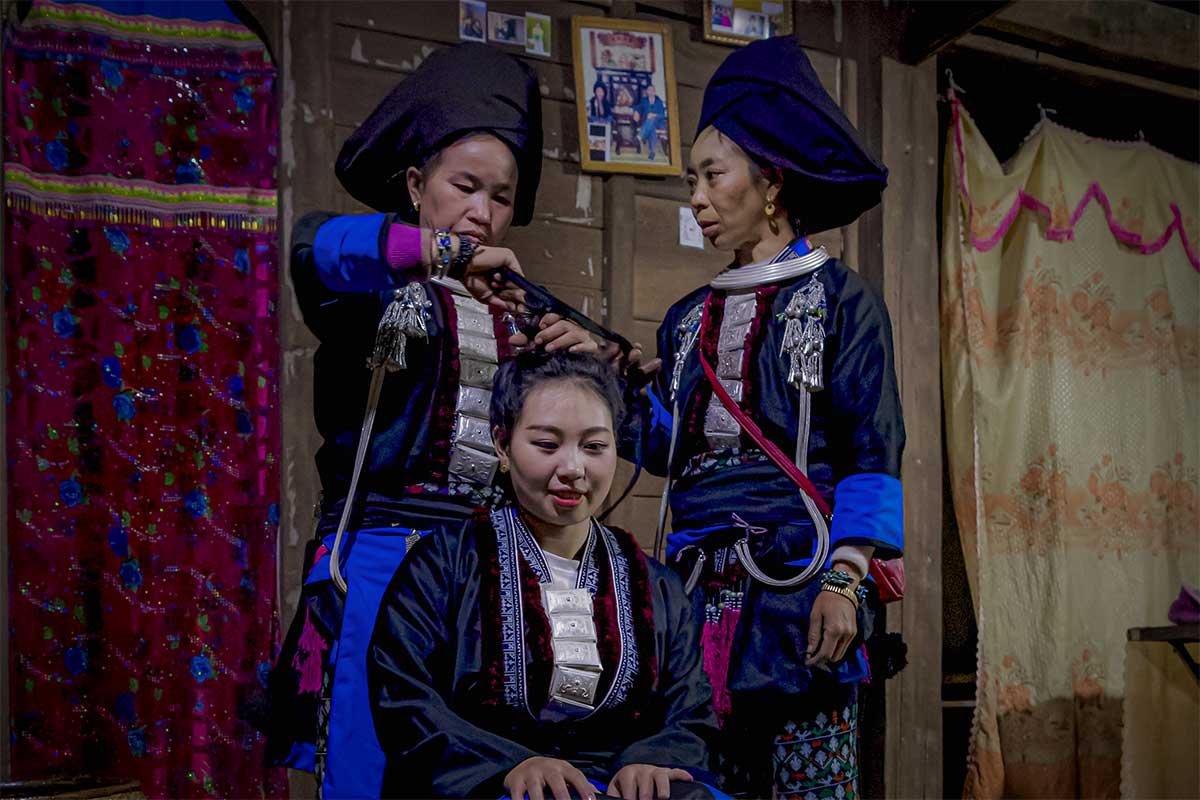
This is not a place where everything is set up for tourists. Without a guide or local contact, it can be difficult to know where to go or how to interact. If you just ride through villages on your own, you might not get much beyond a quick look.
With a guide, the experience becomes more meaningful, as they can explain what you are seeing and help with communication.
5. Stay in a local homestay for a more immersive experience
Staying in a homestay is one of the best ways to experience Sin Ho beyond just passing through. Accommodation is simple, but you get meals with your host and a closer look at daily life in the area.
Compared to staying in the town, a homestay feels quieter and more connected to the surroundings. Evenings are usually relaxed, with home-cooked food and not much else going on, which is part of the experience.
This is a good option if you are interested in culture and don’t mind basic facilities.
6. Go trekking through rice fields and mountain villages
There are opportunities for light trekking around Sin Ho, usually through rice fields, hills, and between villages. The scenery is nice, but trails are not clearly marked like in Sapa.
Because of this, it’s best to go with a local guide. They know the area, can choose better routes, and help you avoid getting lost or walking into private farmland.
If you are expecting organized trekking routes with clear viewpoints, Sin Ho is more limited. But if you enjoy simple walks through rural landscapes, it can still be a good experience.
7. Enjoy the cool climate and cloud scenery
One of the main reasons people enjoy Sin Ho is the climate. Because of its altitude, it stays cooler than the valleys, especially in the mornings and evenings.
On some days, you’ll see low clouds moving through the mountains, creating a quiet and slightly misty atmosphere. It’s not always guaranteed, but when conditions are right, it adds a lot to the experience.
This also makes Sin Ho a good place to escape the heat if you are traveling in warmer parts of Vietnam.
8. Try a Dao herbal bath
In some parts of Sin Ho, you may find traditional herbal baths offered by local communities. These are usually made with a mix of forest plants and served in wooden tubs.
It’s a relaxing experience after a day of traveling or riding, but availability can be limited and not as developed as in places like Sapa.
Consider it a nice extra if you come across it, rather than something to plan your trip around.
Best time to visit Sin Ho
Best weather in Sin Ho
The best time to visit Sin Ho for clear views and easier travel is from March to May and late September to October. During these months, the weather is more stable, with less rain and better visibility, which is especially important if you plan to ride a motorbike or explore the mountain roads.
From June to September, it is the rainy season. Expect frequent showers, more fog, and sometimes slippery or muddy roads. Landslides can also happen in this period, which can slow down travel.
Because Sin Ho is at a high altitude, it can feel cool all year. Early mornings and evenings are often chilly, so even in warmer months, it’s good to bring an extra layer.
Best scenery in Sin Ho
If you are visiting for landscapes, timing makes a difference. From around July onwards, the rice fields start turning green, which already looks good across the hills.
The best period is usually late August to early September, when the rice turns golden before harvest. Exact timing can vary depending on the area and weather, so it’s not guaranteed, but this is generally the most scenic time of year.
Spring (around March to April) is also nice, with fresh greenery and some flowers, but it’s less about rice fields and more about overall mountain scenery.
Best time for the market and local atmosphere
If you want to experience Sin Ho at its most lively, plan your visit for the weekend market, especially on Sunday morning.
This is when people from surrounding villages come into town to trade, eat, and meet each other. If you visit during the week, Sin Ho can feel very quiet, and you will miss one of the most interesting parts of the area.
Sin Ho vs Sapa by season
Sin Ho has a similar mountain climate to Sapa, with cool temperatures, misty conditions, and a clear difference between dry and rainy seasons. The main difference is that Sin Ho is more remote and less developed, so weather conditions can affect your plans more directly.
If you want a more detailed month-by-month breakdown of weather and rice field seasons, you can read our guide about the best time to visit Sapa, which applies well to this region too.
How to get to Sin Ho
Where Sin Ho is and how it fits into a trip
Sin Ho is located west of Lai Chau City in northwest Vietnam. Most international travelers don’t go there directly, but combine it with places like Sapa or Lai Chau as part of a wider mountain route.
A common route is Sapa → Lai Chau (about 65–70 km) and then Lai Chau → Sin Ho (about 60 km). Because of the mountain roads, travel time depends more on conditions than distance, so it’s best to think of this as a slow, scenic journey rather than a quick transfer.
From Hanoi to Sin Ho
The most practical way to reach Sin Ho from Hanoi is to first travel towards Sapa or Lai Chau (tip, read our guide about Hanoi to Sapa about all options for this route).
The fastest route is via the expressway towards Lao Cai, then continuing to Sapa, crossing the O Quy Ho Pass to Lai Chau, and from there heading to Sin Ho. This route is relatively straightforward and commonly used.
A more scenic but longer option is via Nghia Lo and Mu Cang Chai. This route takes more time but is interesting if you want to turn the journey into a multi-day trip through the mountains.
From Sapa to Sin Ho
Sapa is the most logical starting point if you are already in the region. From Sapa, you first travel to Lai Chau over O Quy Ho Pass, then continue on to Sin Ho.
Instead of thinking in exact hours, it’s better to see this as a half-day journey with stops along the way. The route itself is part of the experience, with viewpoints and mountain scenery.
If you are coming from Hanoi, you can first travel to Sapa (see our guide from Hanoi to Sapa), and then continue from there to Sin Ho.
By motorbike
Traveling by motorbike is the most rewarding way to reach Sin Ho, but also the most demanding. The roads are scenic, quiet, and often in good condition, but they are also steep, winding, and affected by weather.
Fog, rain, and occasional landslides can make riding more difficult, especially in the rainy season. This is not a route for beginners.
Sin Ho works best as part of a longer motorbike loop through the region rather than a single direct ride.
By private car with driver
A private car with driver is a comfortable option, especially for couples or families. It allows you to enjoy the scenery without worrying about the road.
However, keep in mind that a driver is not a guide. They will take you from A to B, but usually won’t explain places or suggest stops unless you already have a clear plan.
This option works best if you prefer comfort and already know what you want to see along the way.
By guided tour
For most international travelers, a guided trip is the easiest and most complete way to visit Sin Ho.
A guide helps with communication, knows where to stop, and can take you to villages, markets, and trekking areas that are not obvious on your own. This makes a big difference in a place like Sin Ho, where things are not clearly marked or organized for tourism.
Tours can be done by car with a driver and guide, or on the back of a motorbike with an experienced rider if you want a more adventurous option.
Where to stay in Sin Ho
Staying in Sin Ho town
Most accommodation in Sin Ho town consists of simple hotels and guesthouses. These are basic but practical, usually clean enough, and located close to the town center.
Staying in town is convenient if you want easy access to the weekend market or if you are passing through on a motorbike or road trip. It works well for a one-night stop, but don’t expect much in terms of atmosphere or comfort.
Staying in a village or homestay
If you want a more local experience, staying in a village or homestay is the better option. Accommodation is simple, but you get a closer connection to daily life, and meals are usually prepared by your host.
This type of stay is more about the experience than the facilities. It’s a good choice if you are interested in culture, quieter surroundings, and spending more time in the area rather than just passing through.
What the overnight experience is actually like
Evenings in Sin Ho are quiet. There is very little nightlife, and most places close early. After dinner, there’s not much to do except relax, which is part of the experience.
Food in town is usually basic Vietnamese dishes in small local restaurants. In homestays, meals are more home-style and often better, but still simple.
It’s important to set expectations correctly: there are no Western restaurants, trendy cafés, or polished tourist services here. If you are comfortable with that, staying in Sin Ho can feel authentic and peaceful.
Practical tips for visiting Sin Ho
Bring enough cash
Sin Ho town may have an ATM, but don’t rely on it too much. In villages and small local places, everything is cash-based, and international cards often don’t work.
Bring enough cash for fuel, meals, accommodation, and small expenses, especially if you plan to stay outside the town.
Prepare for changing mountain weather
Weather in Sin Ho can change quickly. Mornings and evenings are often cool, even in warmer months. During the rainy season, expect sudden showers, fog, and slippery roads.
Layered clothing works best, so you can adjust during the day.
What to wear by season
In spring and autumn, a light jacket and layers are usually enough.
In summer, wear breathable clothes, but bring a rain jacket as showers are common.
In winter, temperatures can drop quite a bit, especially in the evenings. A warm jacket, long pants, and socks are recommended, along with something windproof.
Download offline maps and translate tools
Mobile signal can be weak or unavailable in parts of the area. Before you go, download offline maps and, if needed, an offline translation app.
It also helps to pin places like fuel stations, accommodation, and stops in advance, especially if you are traveling without a guide.
Respect local villages and ethnic communities
When visiting villages, be respectful of local life. Ask before taking close-up photos of people, especially older residents.
Do not enter houses unless invited, and avoid walking into rice fields, as these are people’s livelihoods. Dressing respectfully also helps, especially in smaller communities.
Food expectations in Sin Ho
Food in Sin Ho is mostly simple Vietnamese and local dishes. Options are limited, especially compared to more touristy places.
There is very little Western food, so it’s best to be flexible. If you stay in a homestay, meals are usually home-cooked and often more enjoyable than eating in town.
Road safety in Sin Ho
The roads around Sin Ho are scenic but require attention. They can be steep, narrow, and affected by weather conditions.
In the rainy season, landslides and fog are real risks. Even in dry conditions, visibility can change quickly. Only ride a motorbike if you are confident in mountain driving.
Start your day early and avoid riding after dark.
Language and local logistics
English is very limited in Sin Ho. Simple things like ordering food or asking for directions can be more difficult than in places like Sapa.
Having a guide makes a big difference, especially if you want to visit villages or arrange activities. If you travel independently, be prepared to communicate with gestures or basic translation tools.
Is Sin Ho worth visiting?
Sin Ho is worth visiting if you enjoy mountain scenery, quiet places, and seeing everyday life in remote areas. It’s especially interesting if you like local markets, small villages, and traveling through landscapes that don’t feel overly developed for tourism. Compared to places like Sapa or Bac Ha, it feels less busy and more local, but that also means fewer facilities and less structure.
At the same time, Sin Ho is not for everyone. If you prefer comfort, easy travel, and clear sightseeing highlights, it can feel a bit too basic. There are no famous viewpoints or must-see attractions, and getting around takes time. If your main goal is to see rice terraces, there are easier and more accessible options closer to Sapa.
In the end, Sin Ho is not a must-visit for every trip to northern Vietnam. But if you like scenic mountain roads, authentic local markets, and quieter destinations, it can be a rewarding off-the-beaten-track stop.