

A quick introduction to Vietnamese fish sauce
Before visiting Lang Chai Xua Fish Sauce Museum, it helps to know a little about the product at the heart of it all.
What is it?
Fish sauce is a liquid condiment made by fermenting fish — usually anchovies — with salt over a long period of time. The result is a dark, amber-colored sauce with a deeply savory flavor. In Vietnamese, it is called nuoc mam, and it has been produced along the Vietnamese coastline for centuries.
How important is it in Vietnamese cuisine?
Fish sauce is the backbone of Vietnamese cooking. It is used in marinades, dipping sauces, soups, and stir-fries — rarely as the star of a dish, but almost always somewhere in the background. Without it, many of Vietnam’s most iconic flavors simply would not exist. Think of it as the Vietnamese equivalent of salt, but with far more depth.
How does it taste?
The flavor is salty and savory, with a richness that is hard to describe until you have tried it. Good quality fish sauce also has a subtle sweetness in the aftertaste. It smells much stronger than it tastes, which surprises many visitors. Even people who are not into fish or seafood often find that they enjoy it — especially when tasted alongside food.
How is it made?
Fresh anchovies are mixed with salt and left to ferment in large wooden barrels or ceramic jars for anywhere between 12 and 18 months. Over time, the liquid slowly separates from the fish and is drawn off through a spigot at the bottom of the barrel. The first press — called nuoc mam rin — is considered the purest and highest quality. Nothing is added. The flavor comes entirely from the fish, the salt, and time.
For a deeper look at the history and varieties of Vietnamese fish sauce, read our full guide to Vietnamese fish sauce.
Highlights of Lang Chai Xua Fish Sauce Museum
The museum covers 1,600 square meters and is divided into 14 themed exhibition spaces. It is well-designed, with dramatic low lighting that makes the artifacts stand out. Here is what you can expect to see and do.
1. Documentary film
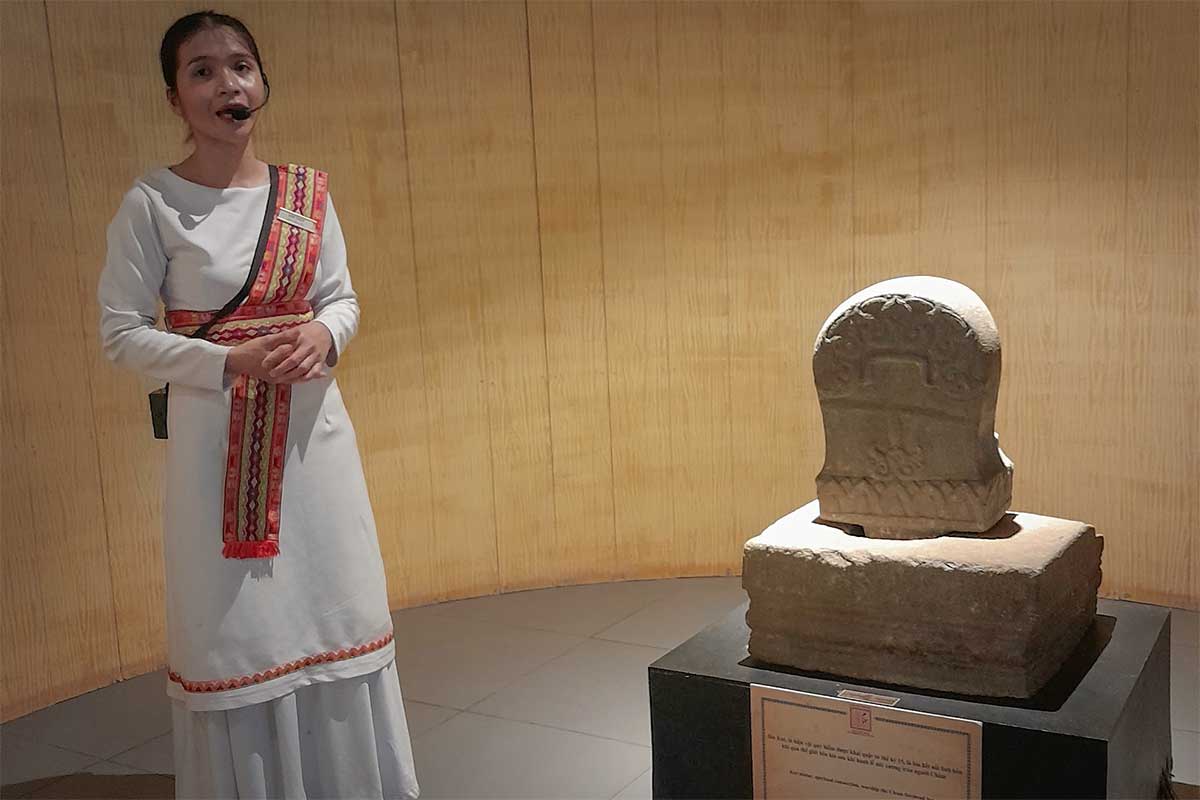
Every visit starts with a short film of around 7 to 8 minutes. It gives a good overview of Phan Thiet’s fishing history and how fish sauce shaped the region. English subtitles are available. Worth paying attention to — it makes the rest of the tour easier to follow.
2. 14 exhibition rooms
The rooms move roughly chronologically, from the Champa Kingdom through the Nguyen dynasty, the French colonial period, and into the 1950s and 60s. Each room has a different theme and feel.
3. Champa heritage room
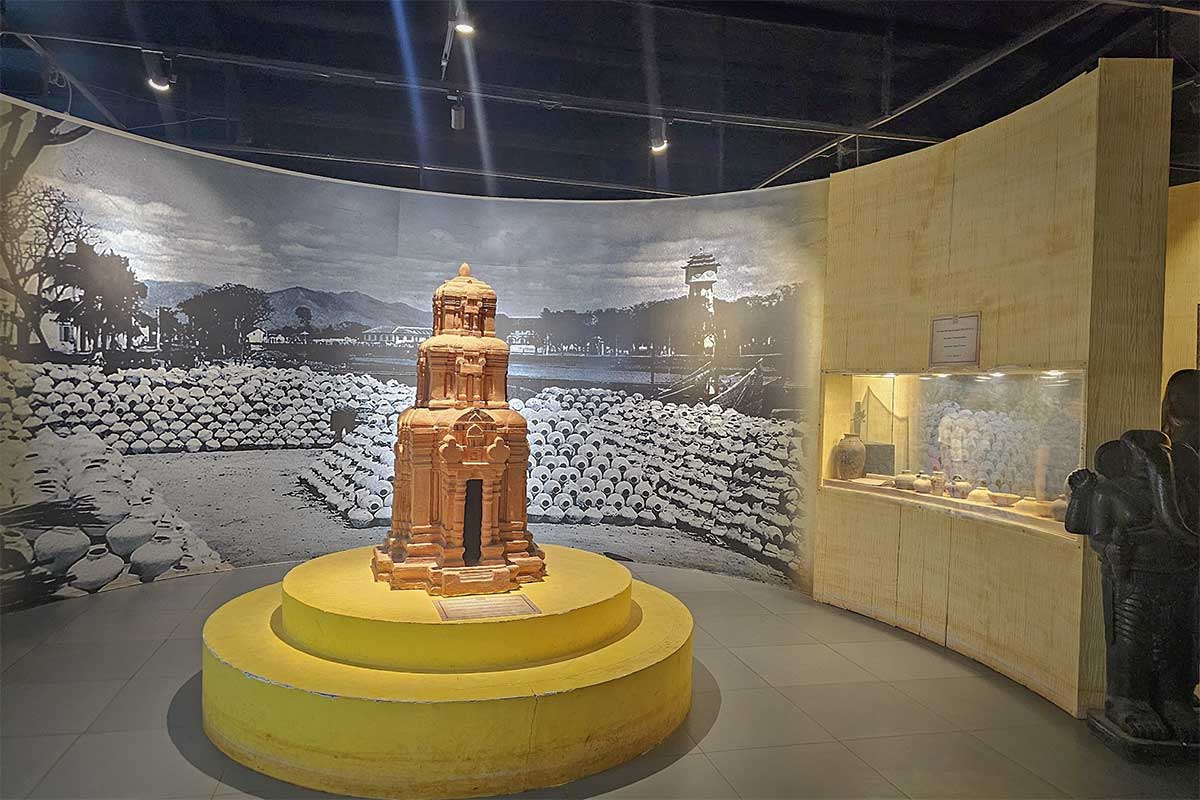
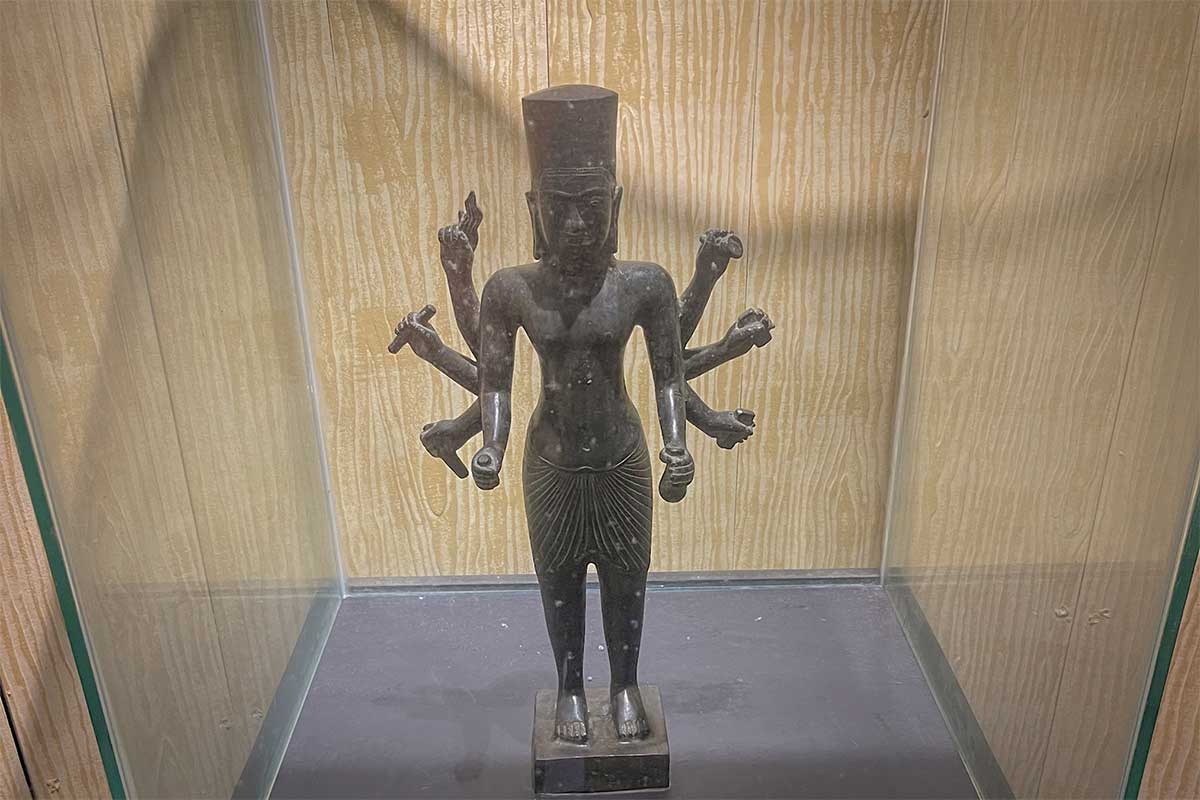
Contains a Kut statue from a 15th-century temple, one of the more striking objects in the museum. This section explains how the Cham people introduced early fermentation techniques that eventually evolved into the fish sauce tradition Phan Thiet is known for.
4. Fishing village reconstruction
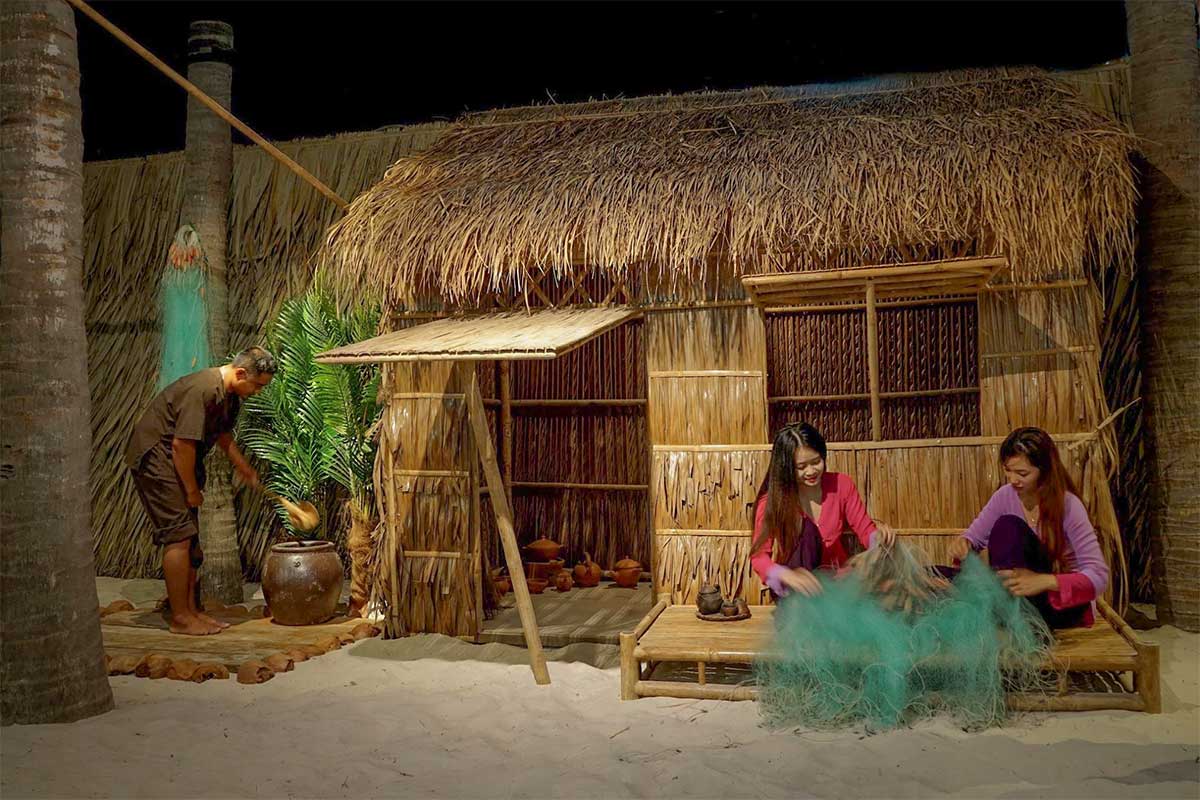
One of the more immersive spaces in the museum is a full-scale reconstruction of a traditional Phan Thiet fishing village. It includes a thatched house, sand floor, fishing boats and nets, with figures depicting daily village life. It gives a good sense of what the community looked like before fish sauce became the industry it is today.
5. Tin ceramic jar collection
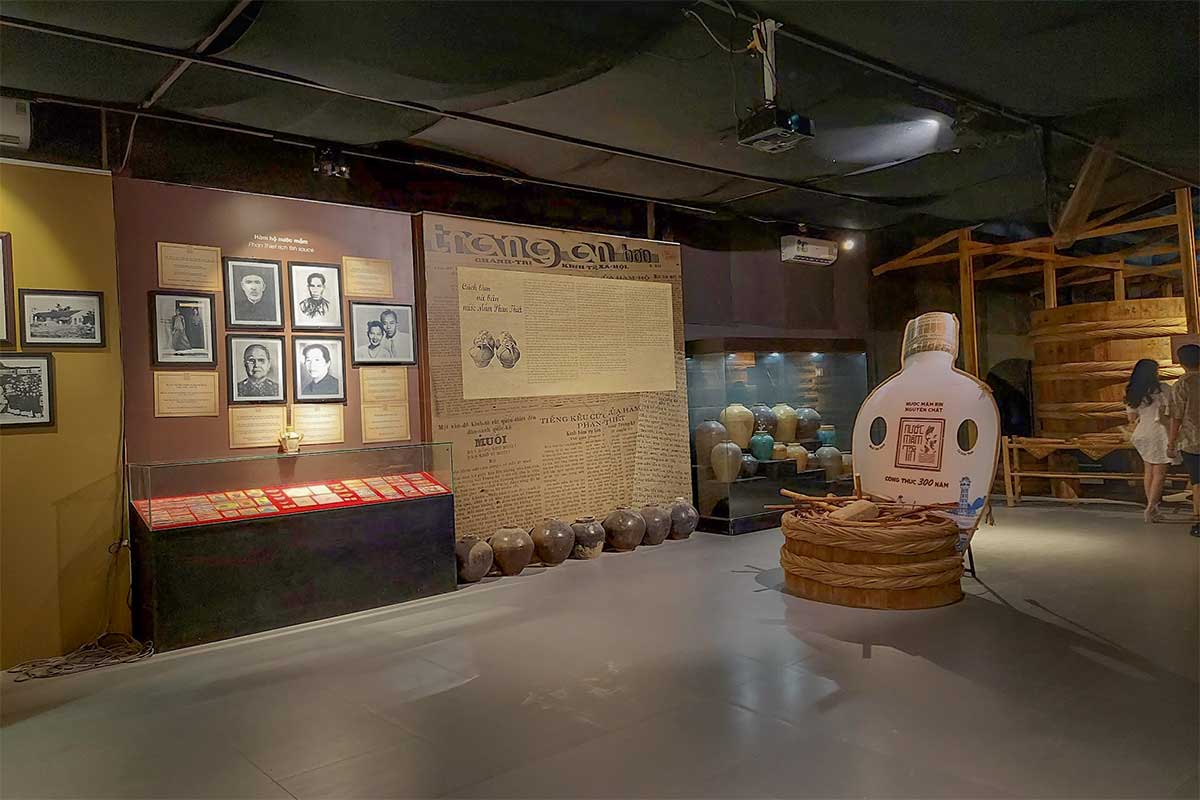
Tells the story of how fish sauce was transported across Vietnam in sealed ceramic jars loaded onto wooden boats. A surprisingly interesting part of the tour.
6. Ham Ho ancestral house
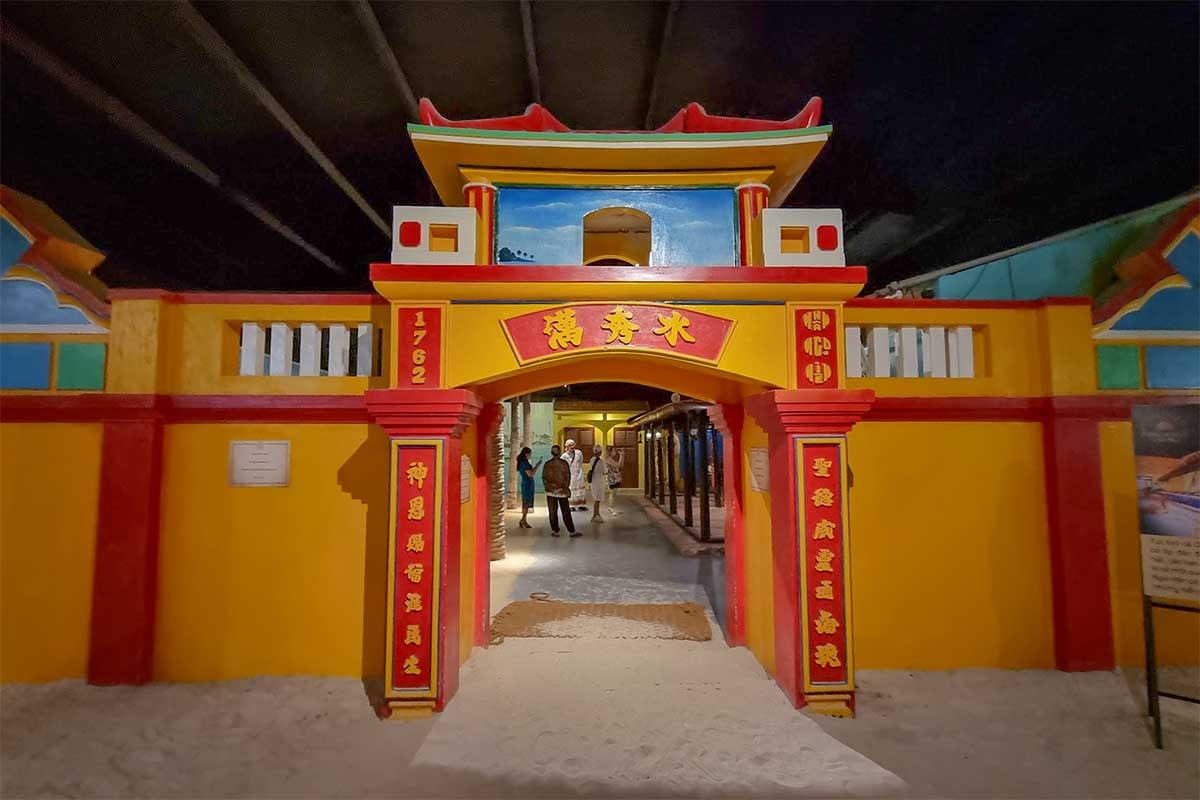
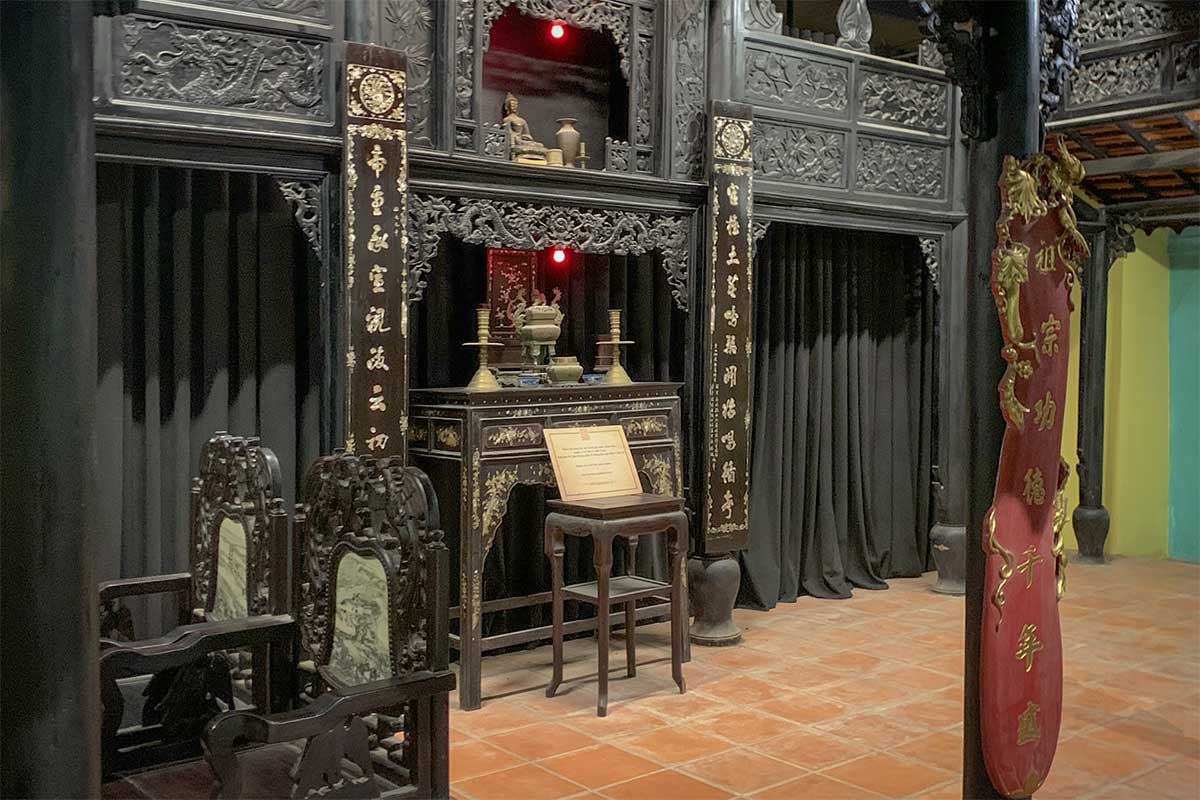
A reconstruction of a wealthy fish sauce producer’s home. It gives a clear sense of how much influence the industry had in Phan Thiet society.
7. Traditional fermentation vats
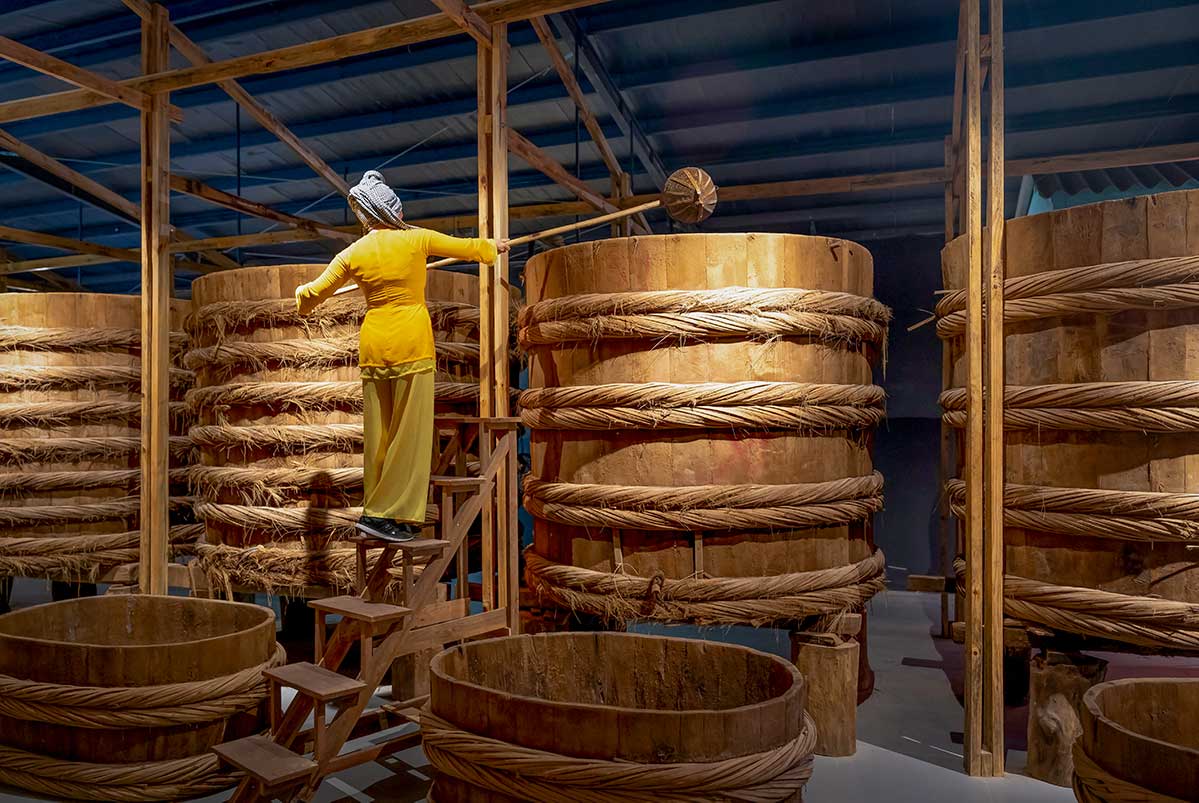
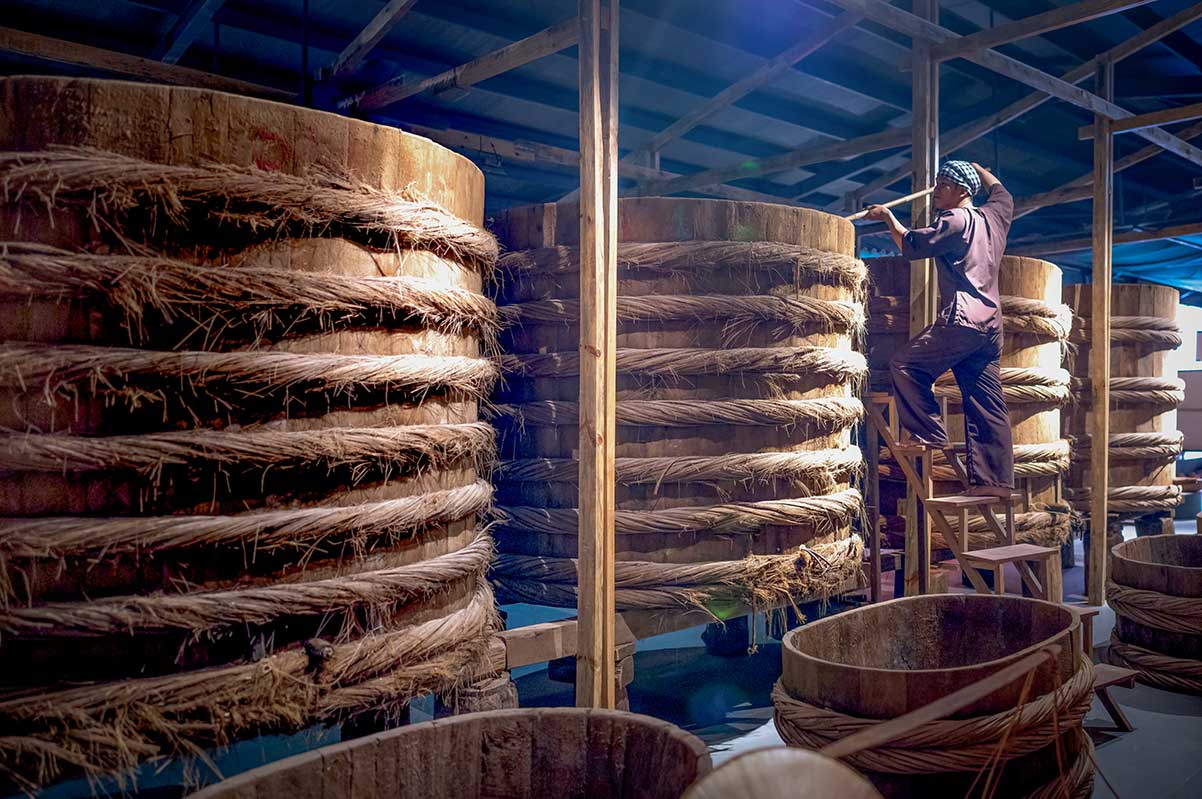
Large wooden barrels used for slow fermentation are on display. The guide explains what separates traditional fish sauce from the industrial variety.
8. Old-style market and 1950s tape shop
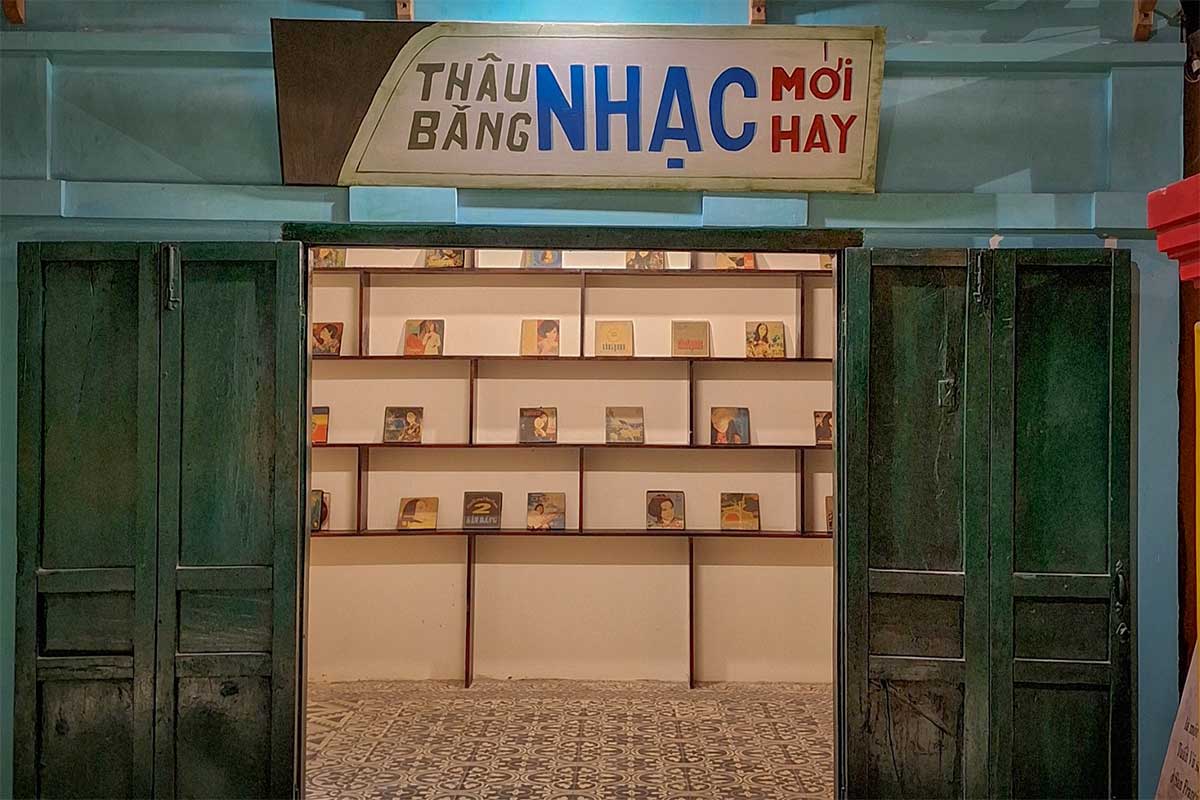
A nice change of pace midway through. The tape shop has original vinyl records and an old record player that visitors can actually use.
9. 3D interactive area
One section of the museum shifts away from history and into something more hands-on. The 3D area includes large ocean murals with oversized sea creatures — popular for photos — as well as a salt field installation with real salt on the floor and traditional harvesting tools.
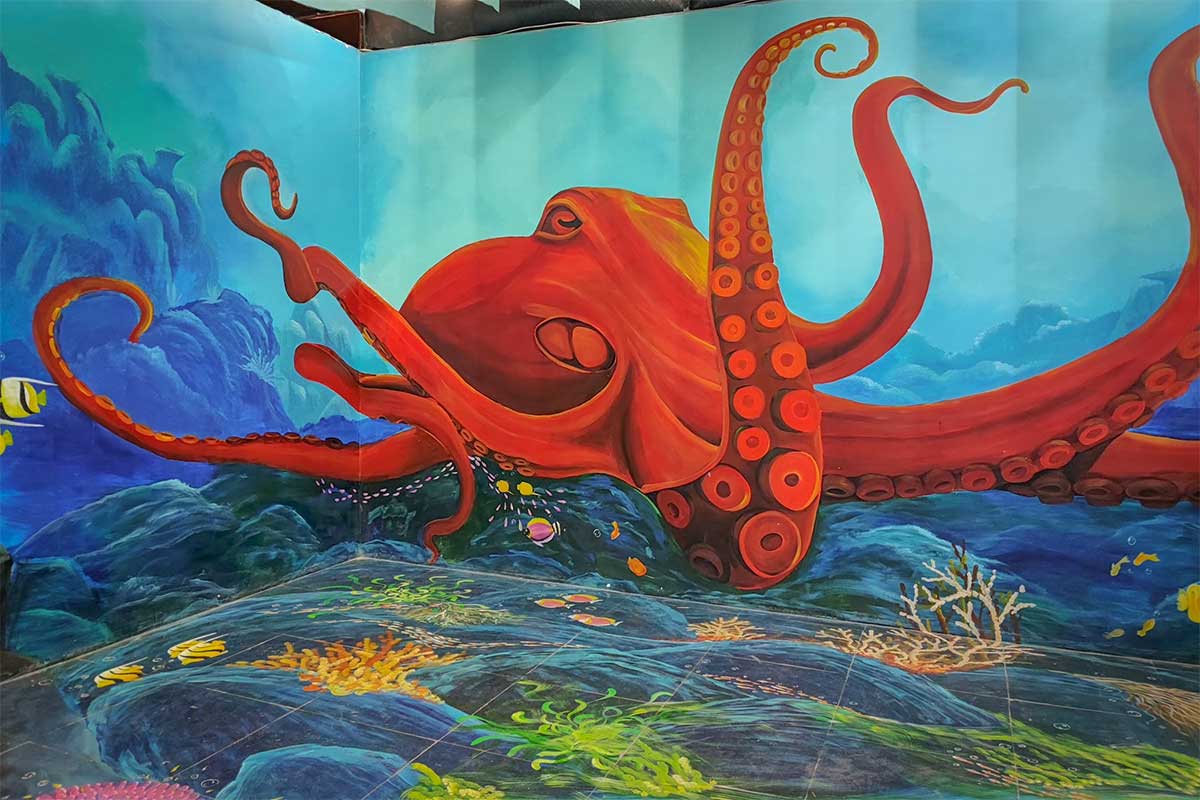
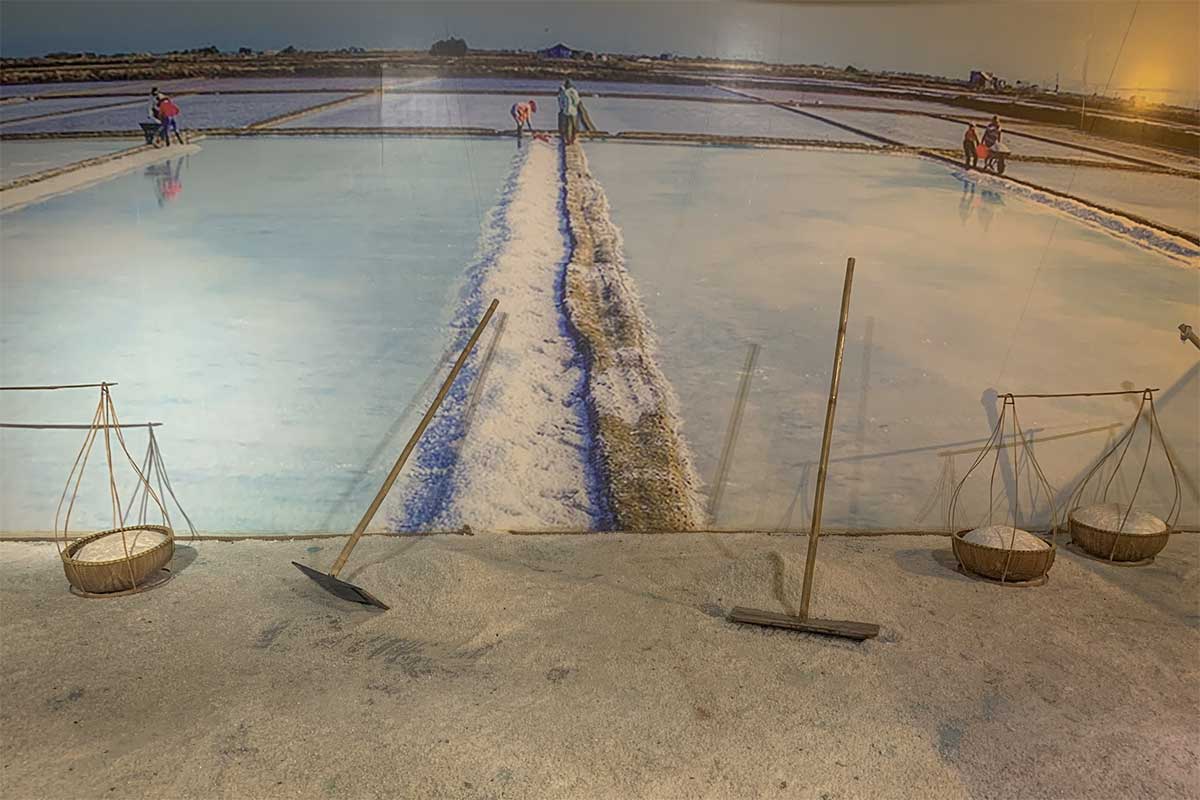
It gives visitors a feel for the labor involved in salt production, which is a key ingredient in fish sauce making. A bit out of place thematically compared to the rest of the museum, but most visitors enjoy it, especially families with children.
10. Fish sauce tasting
The tour ends with a tasting of nuoc mam rin, the pure first-press sauce made using a 300-year-old recipe. The guide also demonstrates the rice grain test — drop a grain of cooked rice into the sauce, and if it floats, the protein content is high. Simple, but memorable.
11. Costume roleplay
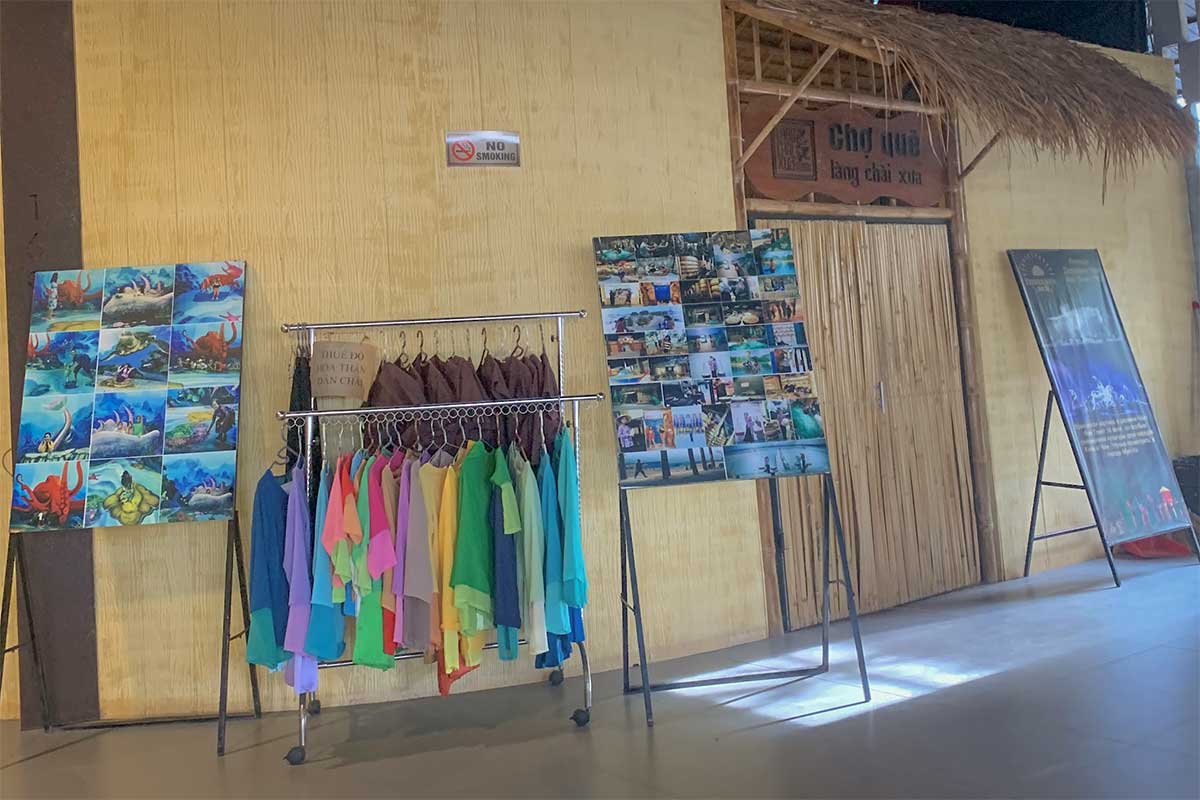
Visitors can dress as traditional fishermen or salt farmers for photos. Popular with families and children.
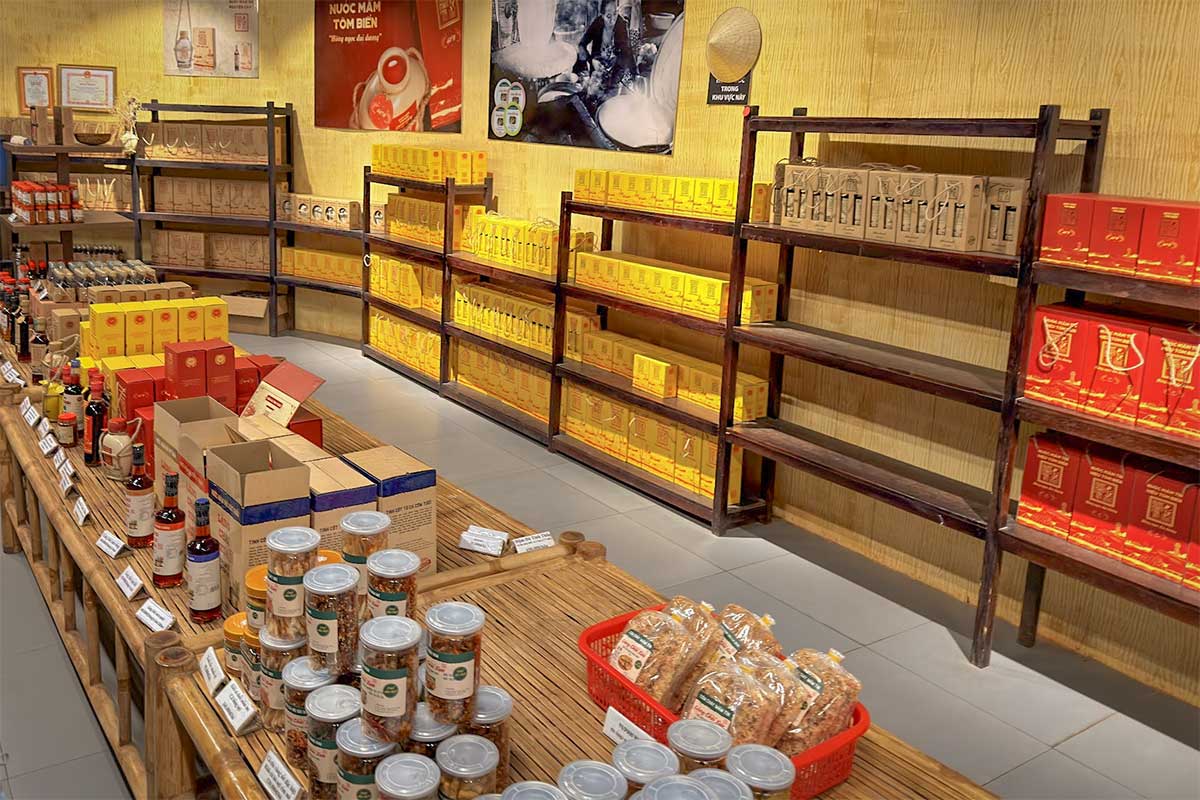
12. Shopping
A small shop at the end of the tour sells fish sauce and local products. The nuoc mam rin here is genuinely good and makes for a practical souvenir.
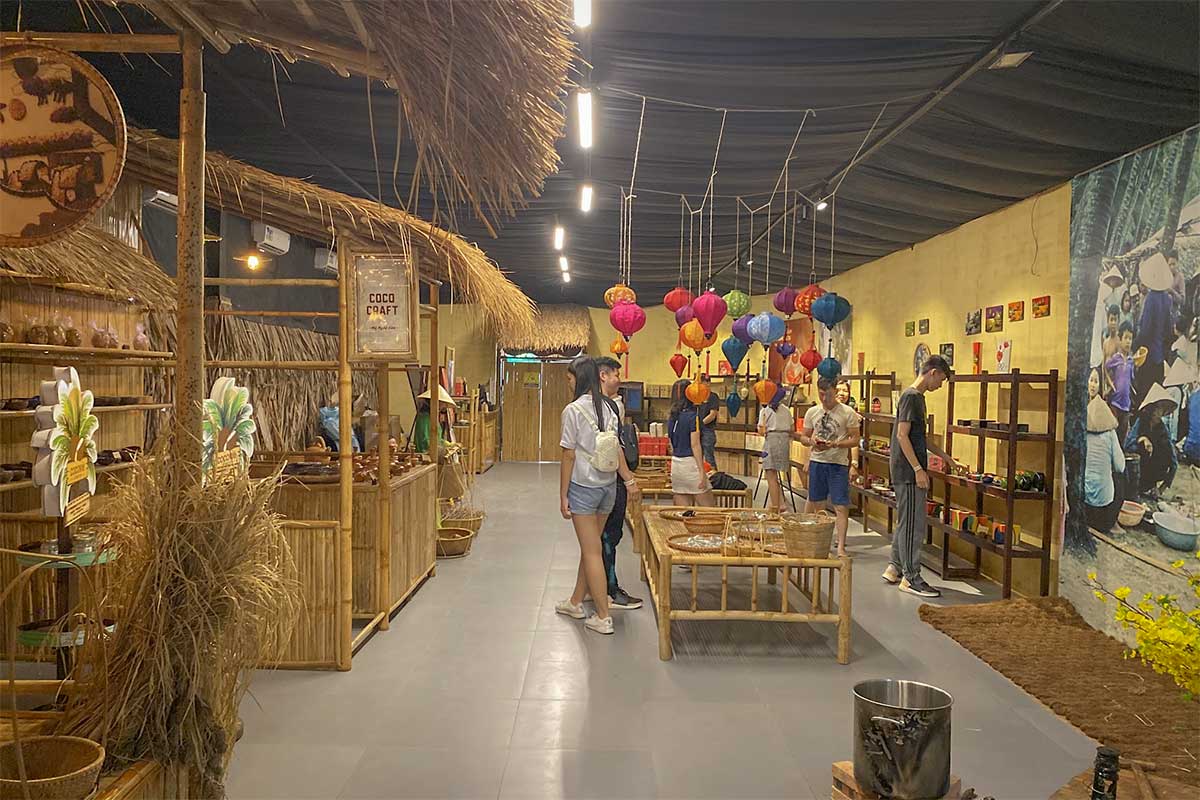
One thing worth knowing: the experience can vary depending on your guide. English fluency is not always consistent, especially outside peak hours. The documentary film and signage in English, Russian, and Chinese mean you can still follow along if the guide’s English is limited.
Location and how to get there
Where is Lang Chai Xua Fish Sauce Museum
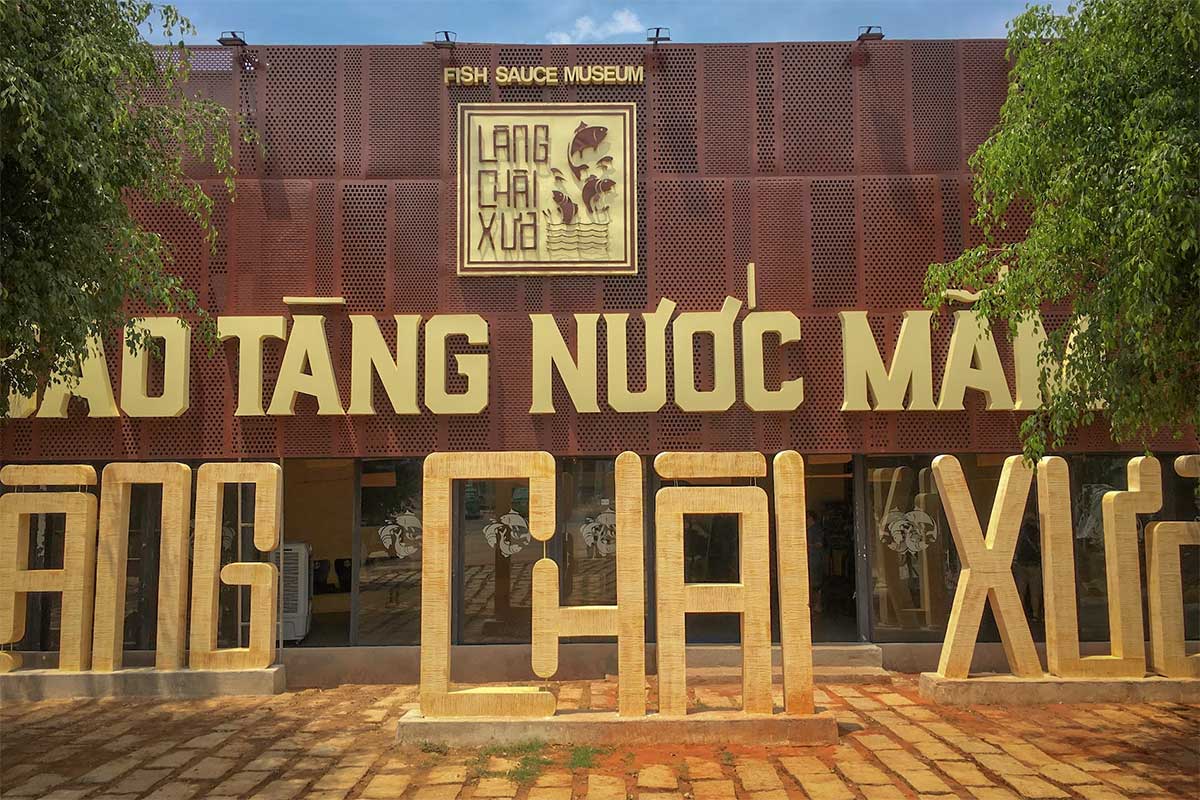
The museum is located at 360 Nguyen Thong, Phu Hai, Phan Thiet. It sits roughly halfway between central Mui Ne and Phan Thiet town center, making it a natural stop if you are traveling between the two. From central Mui Ne, it is around 10 to 14 kilometers — about 20 to 25 minutes by road.
How to get there
- Scooter or motorbike — The most flexible option. The road between Mui Ne and Phan Thiet is straightforward and easy to navigate.
- Grab or taxi — A convenient option if you prefer not to drive. Grab works well in this area and keeps costs predictable.
- Car rental with driver — A good choice if you are combining the museum with other stops in the area, such as the Cham Towers nearby. Your driver can wait while you visit.
Visiting information: opening times & entrance fees
Entrance fee
Tickets cost 100,000 VND for adults. Children under 1 meter tall enter for free. A guide is included in the ticket price.
Opening times
The museum is open daily from 9:00 AM to 5:00 PM.
How long do you need?
Plan for around 30 to 45 minutes. The tour moves at a comfortable pace and does not feel rushed, but it is not a half-day attraction either.
Facilities
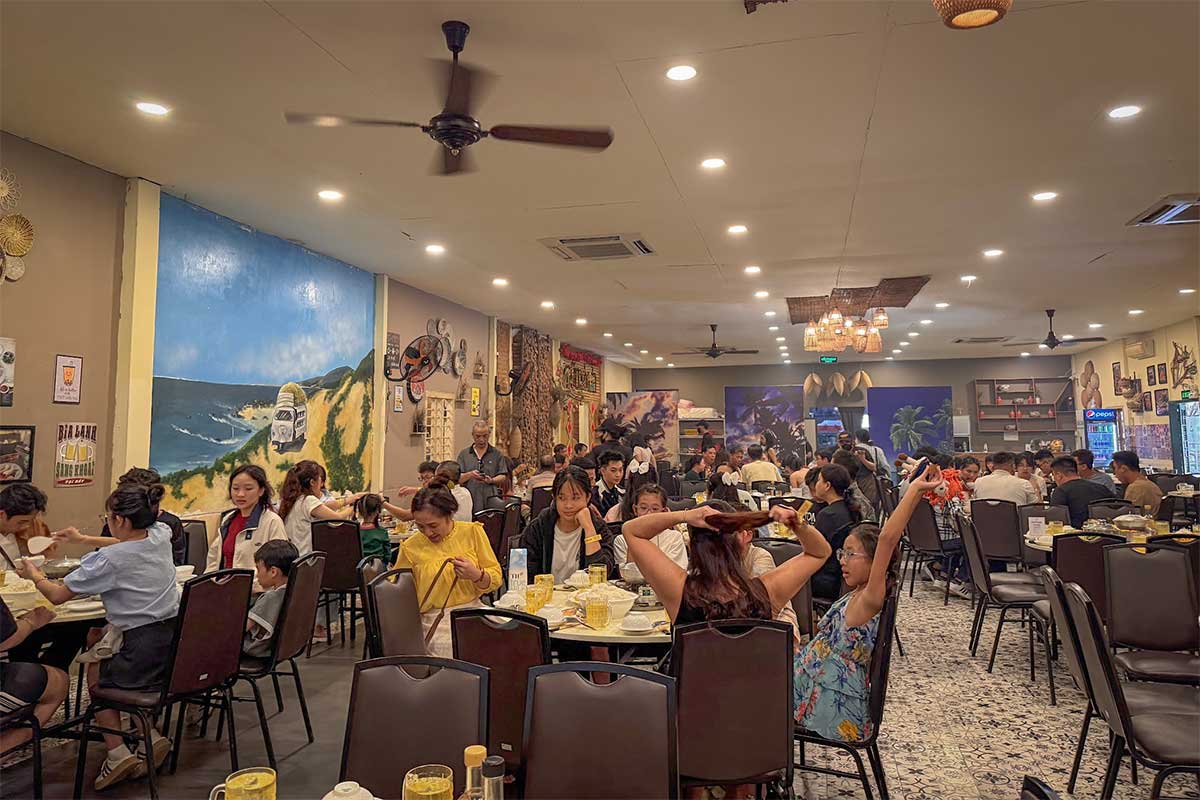
The complex is clean and well-maintained. Inside the museum there is air conditioning, which is a welcome relief on a hot day. Toilets are available on-site. There is also a shop selling fish sauce and local products at the end of the tour, and a restaurant on-site if you want to eat before or after your visit.
What is nearby to combine a visit?
The museum pairs well with the Po Sah Inu Cham Towers and Ong Hoang Castle, which are just about 5 minutes away by road. Together they make for a solid cultural half-day without much driving involved. If you are interested in the Champa history covered inside the museum, seeing the actual towers afterward adds a lot of context.
If you want to mix culture with some beach time, Ong Dia Beach is the closest option and easy to reach from the museum.
The museum also sits along the main road toward Phan Thiet town, so it works well as a stop on the way in or out. Phan Thiet itself does not have major tourist highlights, but there are a few things worth seeing. Check our guide to Phan Thiet for more details.
For more tips, read our guide to the best things to do in Mui Ne.
Is Lang Chai Xua Fish Sauce Museum worth visiting?
Despite the name, this museum is not really just about fish sauce. It covers 300 years of coastal history, local culture, and the story of Phan Thiet as a city. If you enjoy cultural stops and want to understand a little more about the area beyond the beach, it is genuinely worth a visit — even if fish sauce is not something you would normally seek out.
At 100,000 VND, the price is reasonable for what you get. The museum is well-designed, the included guide adds context, and the fish sauce tasting at the end is a highlight on its own. The experience is better with a guide who speaks good English, but even without that, the documentary film and English signage give you enough to follow along and take something meaningful away from the visit.
The main thing to keep in mind is that it is not a long attraction. You will be done in 30 to 45 minutes. On its own, that might feel like a lot of effort for a short stop — but combined with the Po Sah Inu Cham Towers just 5 minutes away, it becomes a comfortable and well-rounded cultural half-day. That combination is probably the best way to visit.