


Ong Dia Beach: rocky, windy, and genuinely local
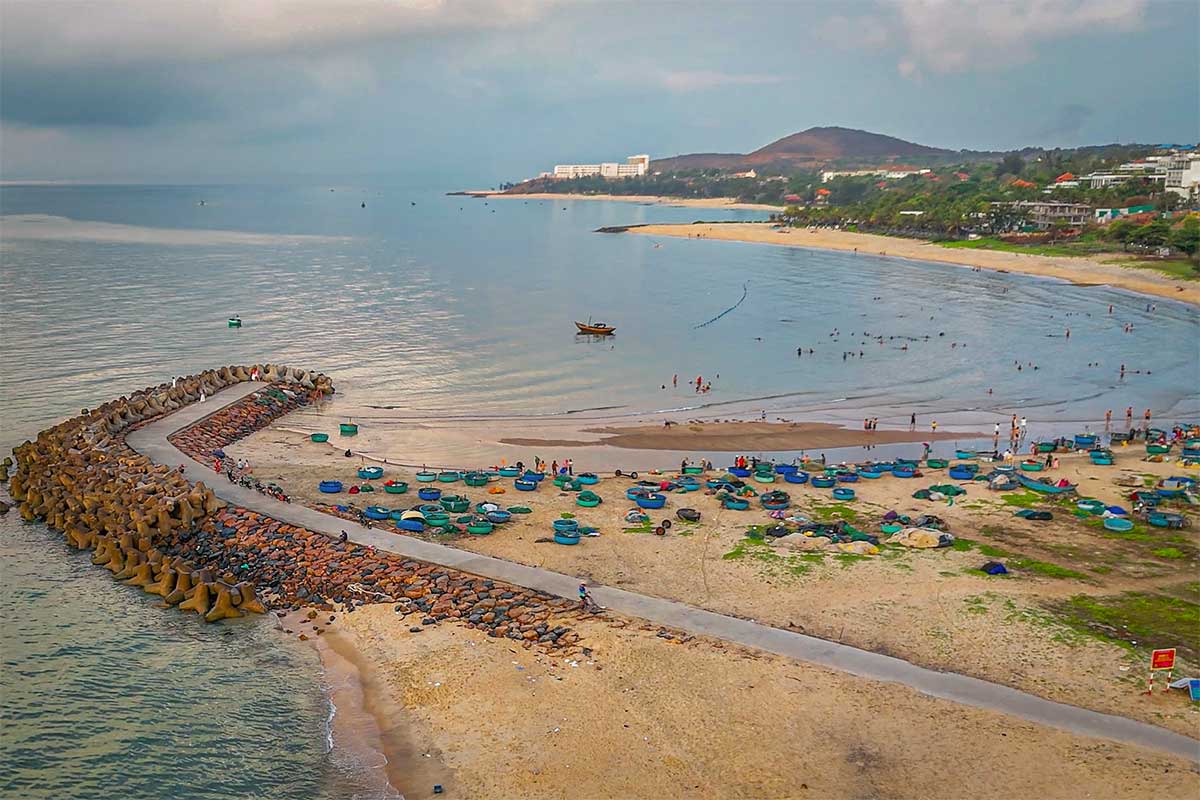
Ong Dia Beach sits roughly halfway between Phan Thiet city and central Mui Ne, along the busy coastal road that connects the two. The beach is not one long stretch of sand — it is a mix of a concrete breakwater, rocky outcrops with natural formations, and a sandier section where fishing basket boats are often pulled up on shore. It is windy, open, and has a strong local character. This is not a resort beach.
In terms of development, the area is getting some attention. A new 1.2-hectare public park is currently under construction at the beach, funded entirely through private contributions at a total investment of around 11 billion VND. The plan includes a central plaza for community events and landscaped open areas for recreation. If you are visiting in late 2026 or beyond, the beach area may look noticeably different from what you see in photos today.
What to expect when visiting Ong Dia Beach
1. The beach itself
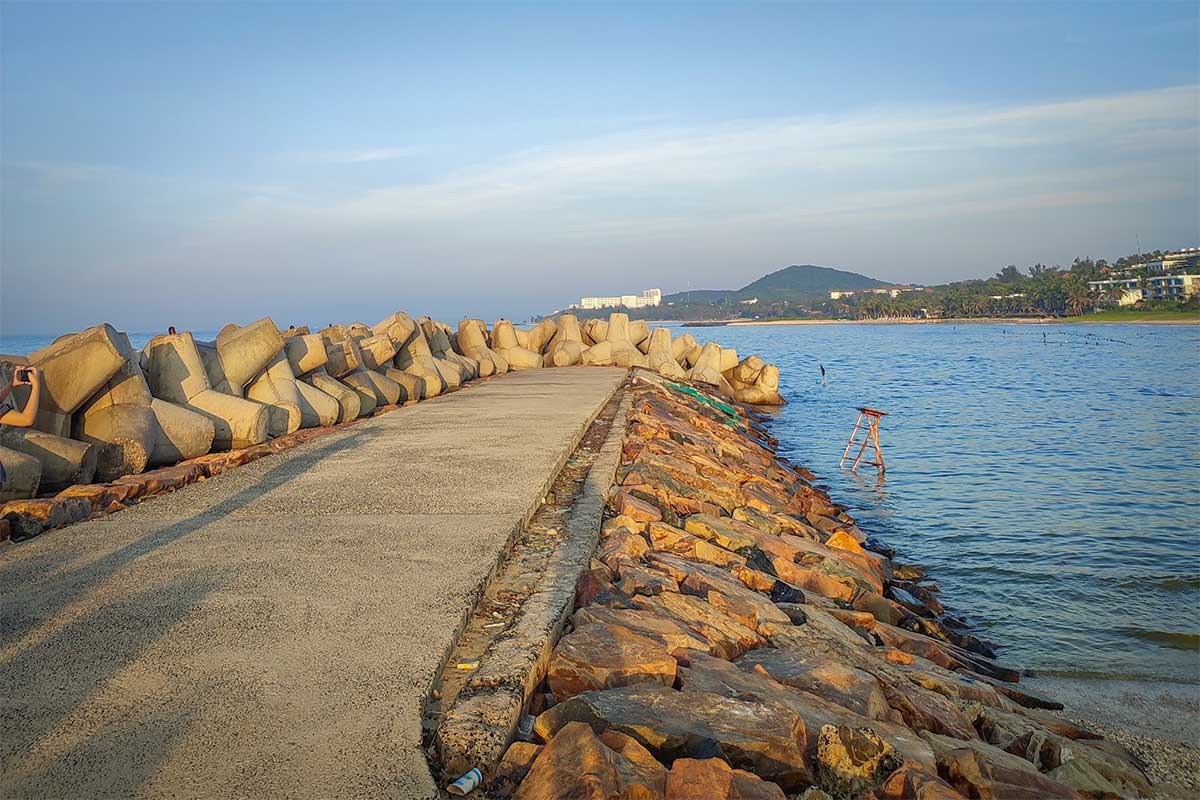
The beach starts with a concrete breakwater that curves out into the sea — you can walk the full length of it, and most people do. It gives you a clean, open view of the coastline in both directions and is the most photographed part of the beach.
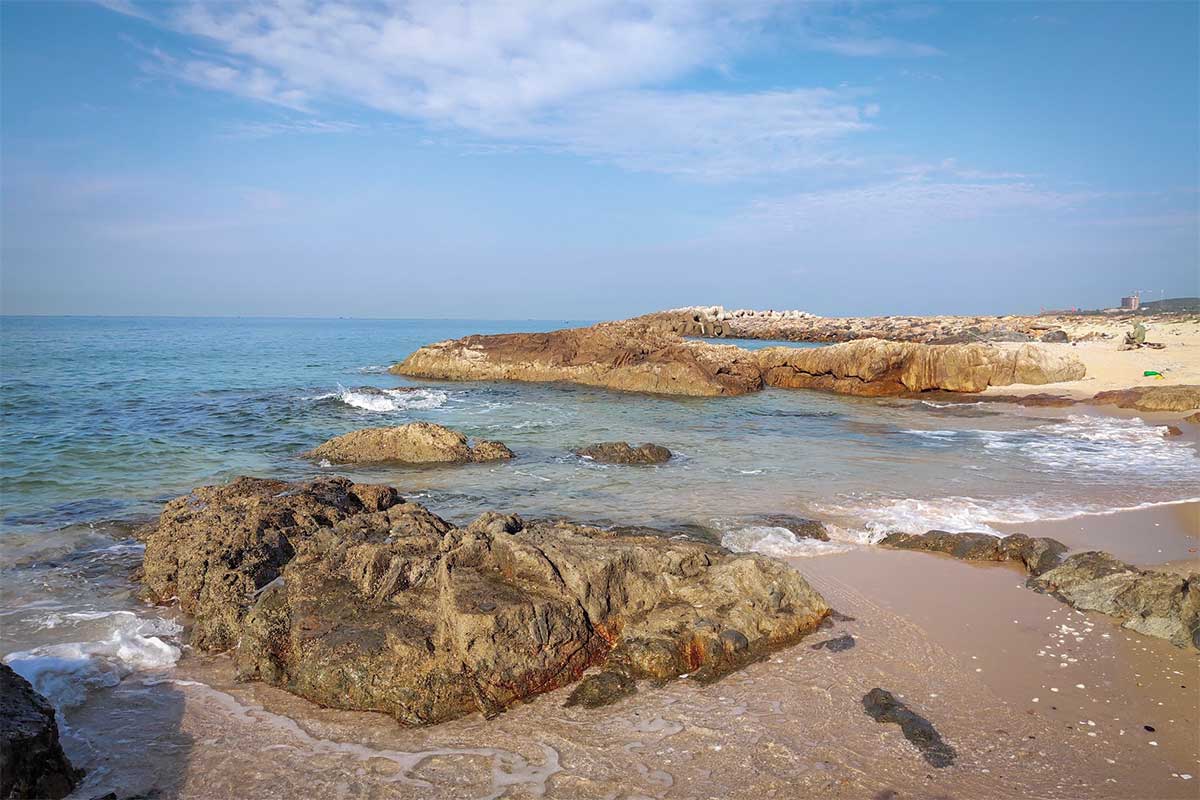
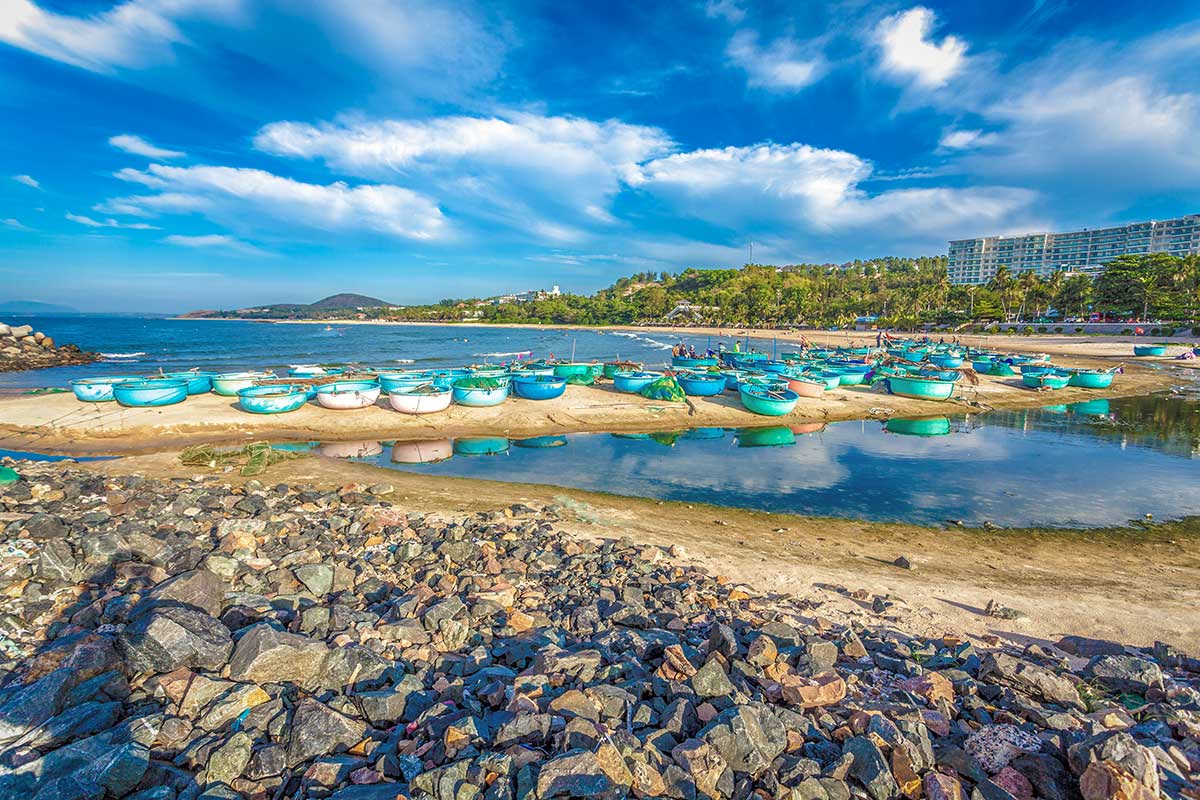
Moving along, the rocky section is where the character of the beach really shows. Large and small rocks are scattered along the shore, shaped by years of waves. Tucked among them is a small shrine — a modest but genuine reminder that this place has meaning for local fishermen beyond just being a nice spot to visit. The name Ong Dia refers to the Earth God, and locals have been stopping here to pay their respects for generations.
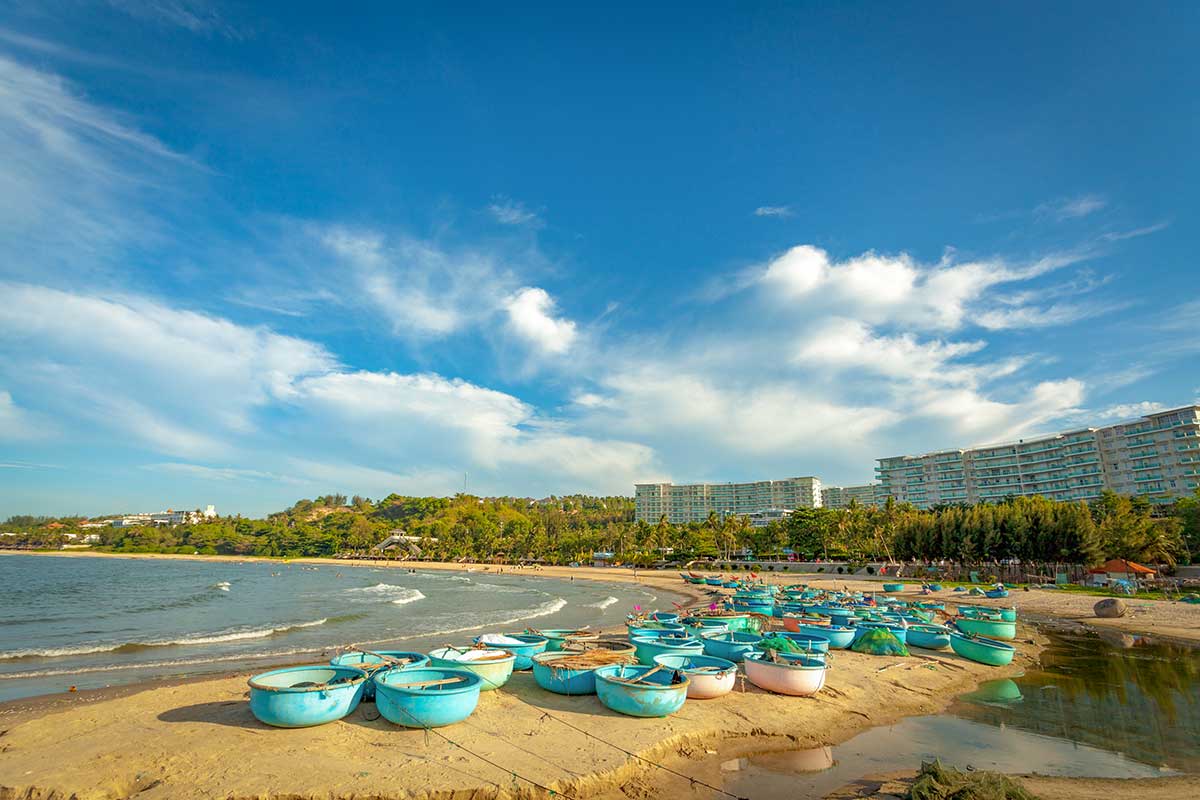
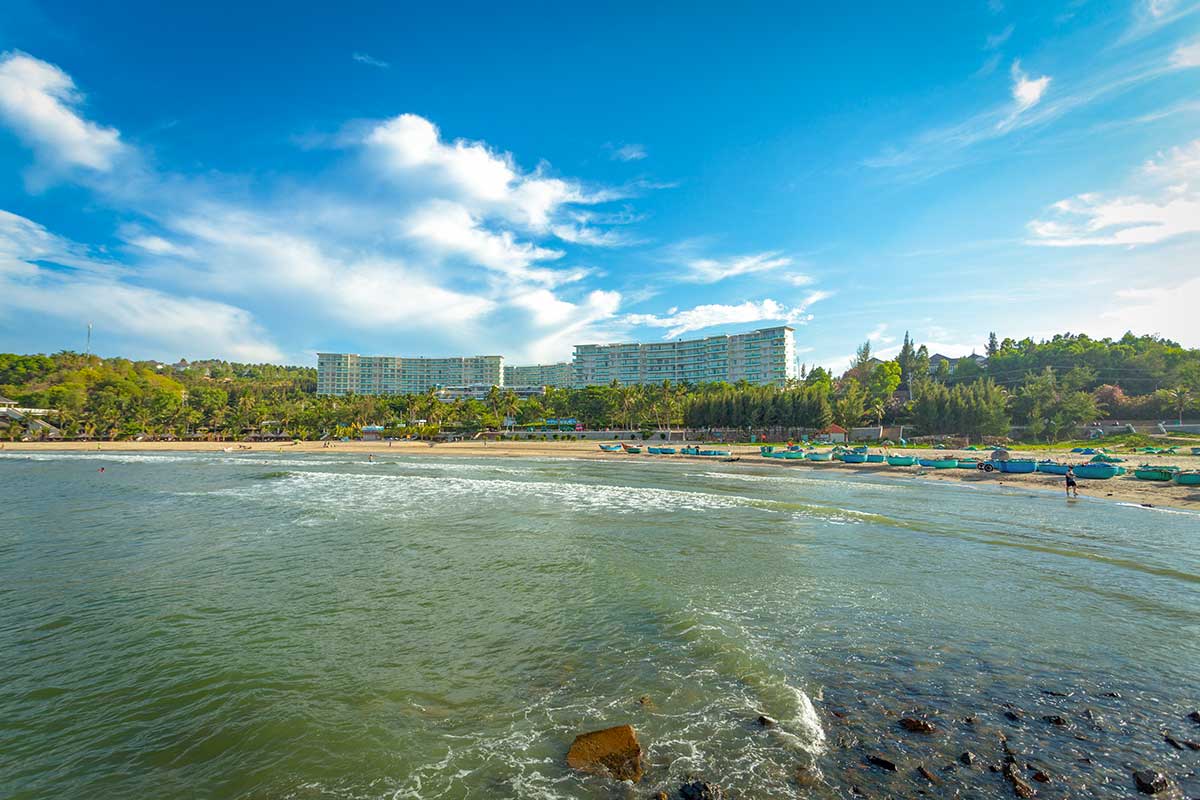
Further along, the beach opens up into a sandier stretch where basket boats are pulled up on shore and locals gather in the afternoon. This part feels less like a tourist attraction and more like an actual working beach, which is part of what makes it interesting to walk through.
The overall experience of walking along Ong Dia is relaxed and unpolished. There are no sun loungers, no beach bars, no organised anything. It is just coastline, rocks, boats, and people going about their day.
2. Swimming
Swimming is possible, but this is not the kind of beach you come to specifically for a swim. The wind is consistent and the waves can be strong, particularly on the left side of the rocky section where the water gets rougher — it is better to avoid swimming there. The sandier stretch further along is calmer and more suitable if you do want to get in the water. Conditions also vary by season, so if the waves look big when you arrive, trust that instinct.
3. Surfing and water sports
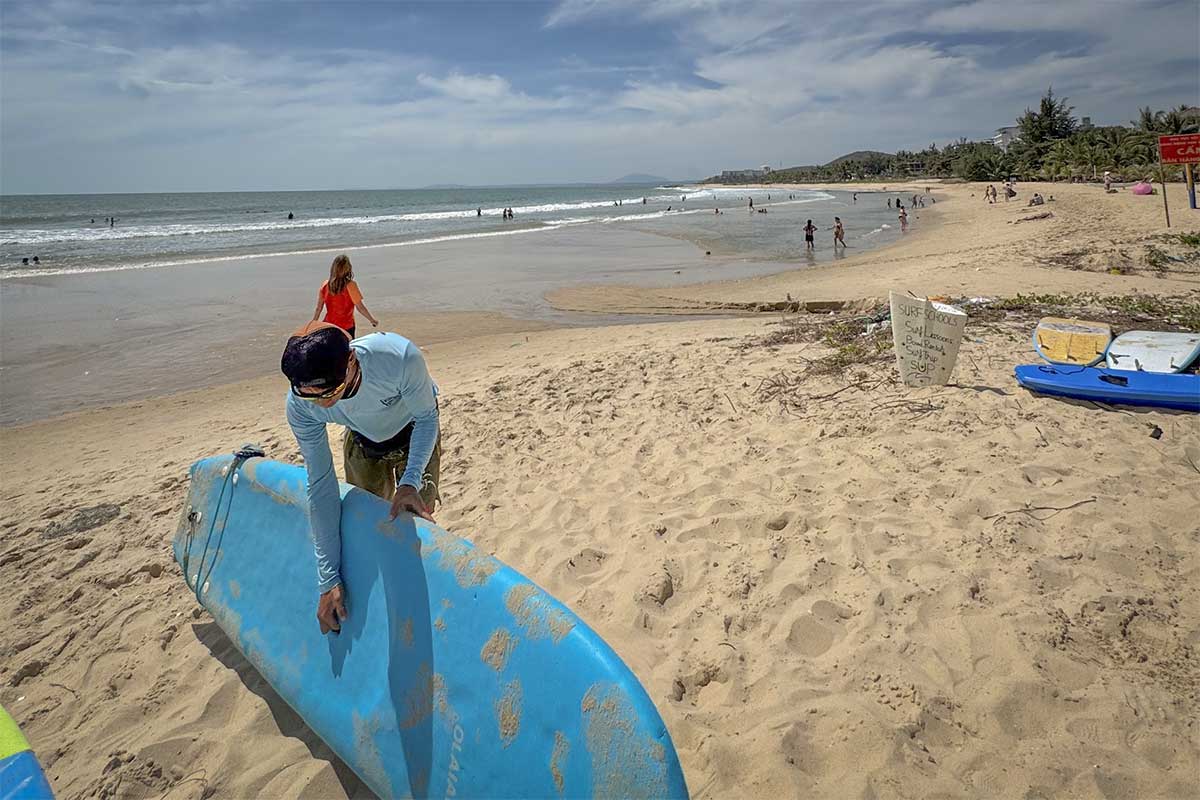
The consistent wind that makes swimming less appealing makes Ong Dia genuinely good for surfing, windsurfing, kitesurfing, and stand-up paddleboarding. There is at least one surf school operating on the beach offering lessons, board rental, and SUP hire. This draws a specific crowd — you will often see surfers in the water and equipment on the beach. If water sports are your thing, it is worth knowing this is one of the better spots along this stretch of coast for it. If they are not, the beach can feel quite active and wind-swept rather than calm and relaxing.
4. Cleanliness
Honest answer: it is decent, but not spotless. Most visitors during the dry season find it reasonably clean and perfectly fine to spend time at. Some trash does appear, and it tends to be worse during the rainy season when more washes ashore and cleaning happens less frequently. By Vietnamese beach standards it is not bad, but do not expect the kind of maintained cleanliness you might find at a resort beach. Some trash does appear, and it tends to be worse in the rainy season. It is not pristine, but by Vietnamese beach standards it is far from the worst
5. Local scene and street food
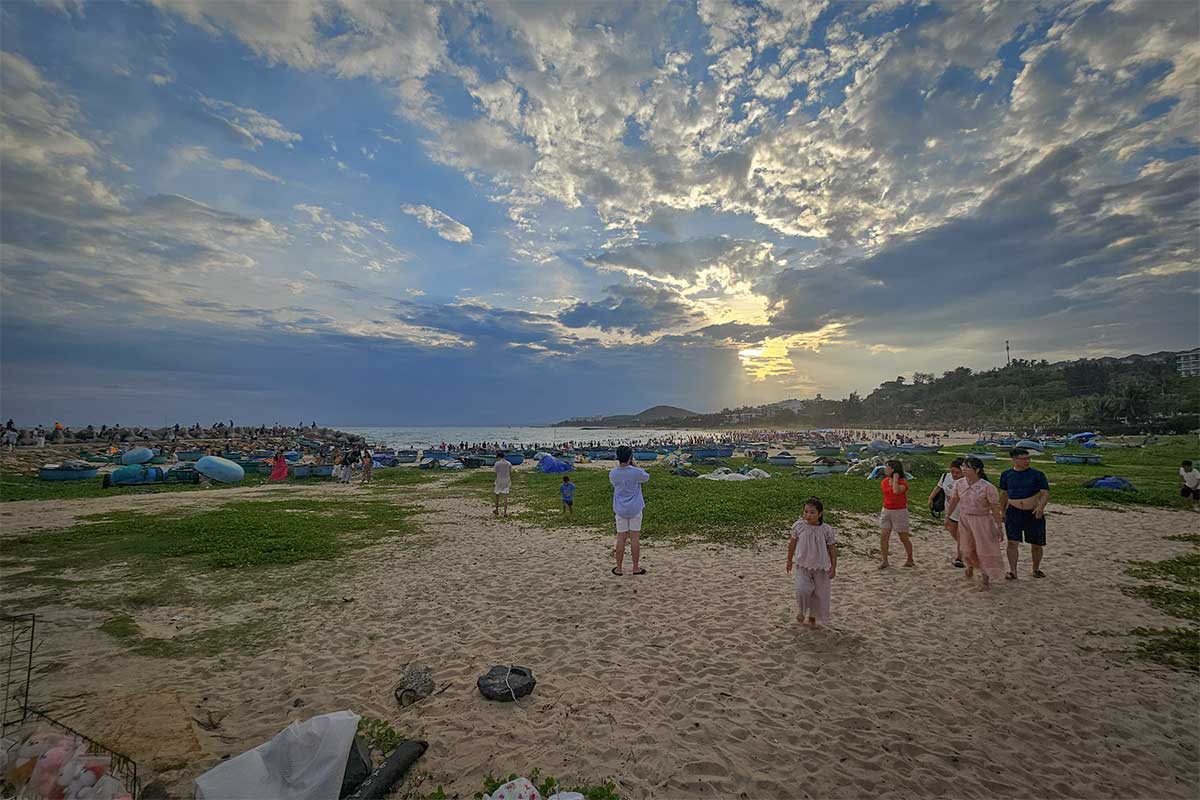
The afternoon is when Ong Dia comes to life. Families arrive, groups of friends set up along the shore, and the beach takes on a relaxed, social atmosphere that is hard to find at more tourist-facing beaches in the area.
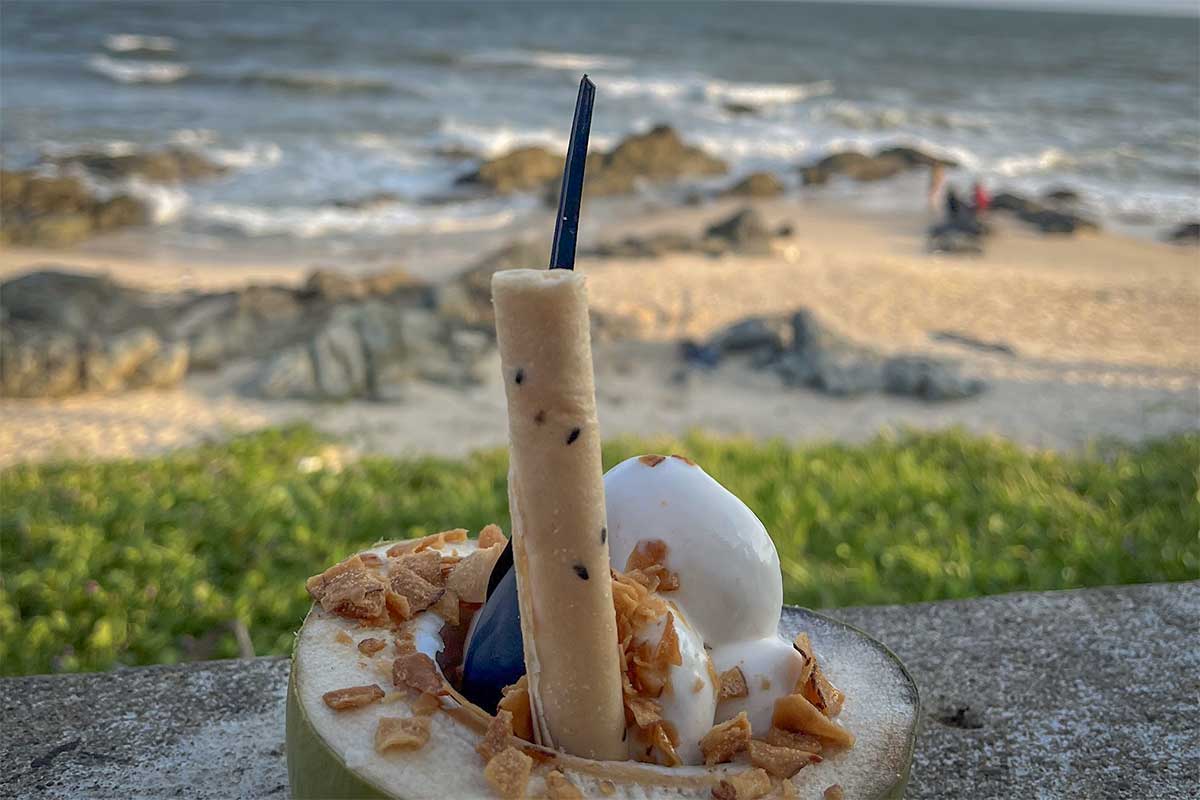
A handful of vendors set up selling coconut ice cream, fried dough sticks, grilled snacks, and cold drinks. Simple food, reasonable prices, and very much part of the experience. Bring cash — there are no card payments here.
6. Sunrise and sunset views
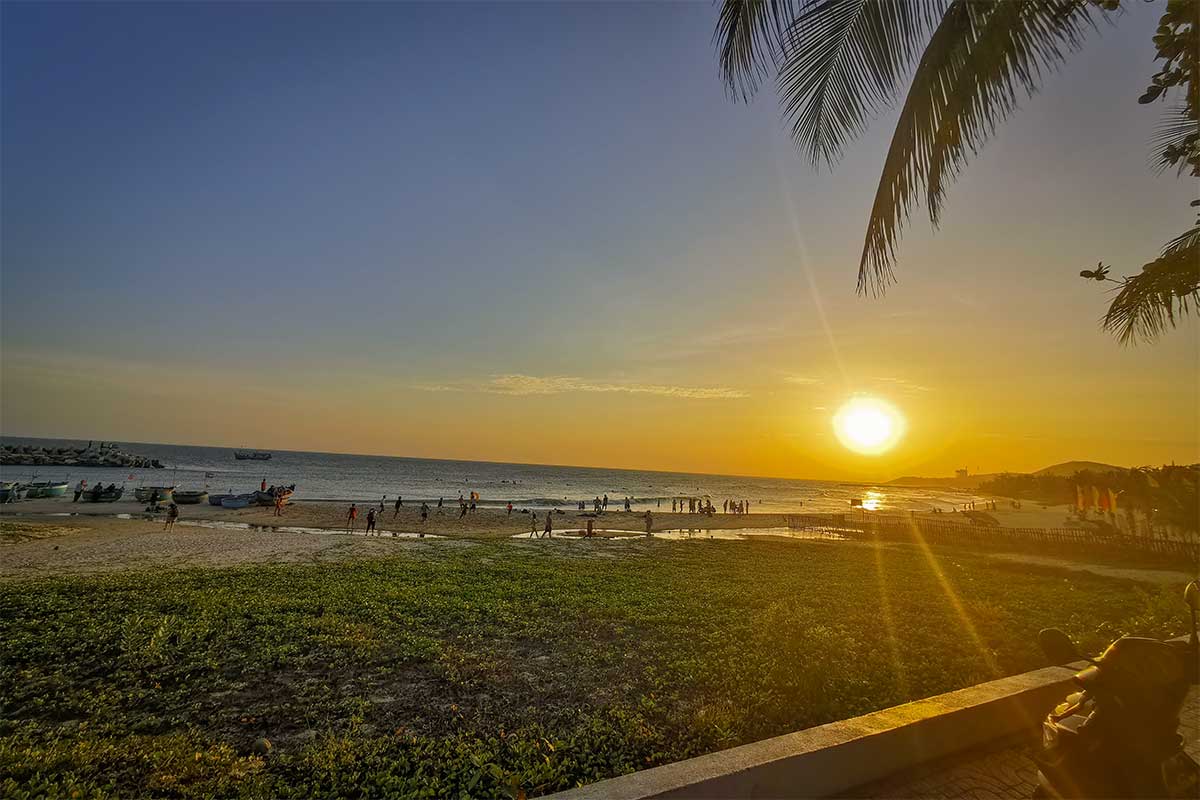
Ong Dia is genuinely one of the better spots in the Mui Ne area for both sunrise and sunset. The breakwater gives you an elevated, unobstructed view over the water, and the combination of rocks, sea, and open sky makes for strong photos at either end of the day.
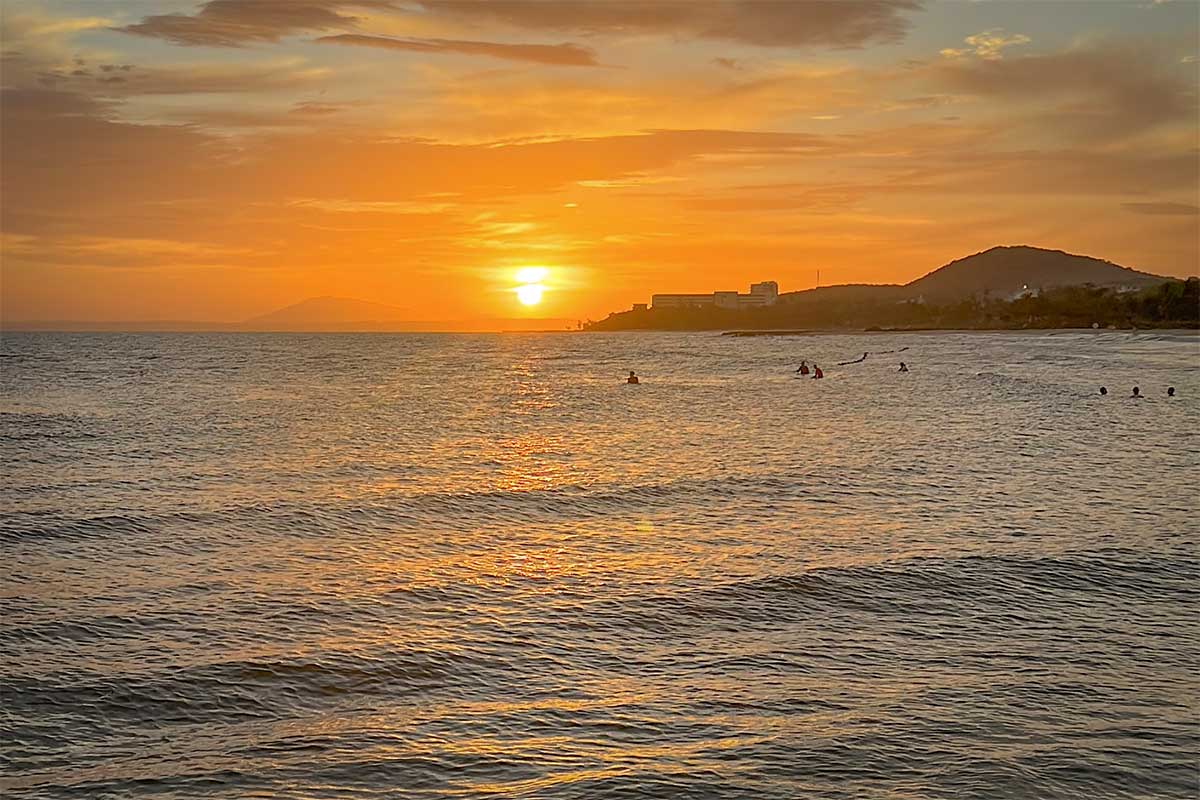
Early morning is quieter and the light on the water can be excellent. Late afternoon brings the local crowd plus the sunset, which makes it the more atmospheric of the two. If photography is part of why you are visiting, plan around these windows.
Best time to visit Ong Dia Beach
The dry season, roughly November through April, is the most reliable time to visit. The sea is calmer, the skies are clearer, and the beach is at its best. During the rainy season the weather is less predictable, the waves pick up, and the beach can collect more debris washed in from the sea. It is still visitable, just less enjoyable. For a full breakdown of weather and seasons in the area, check the guide to the best time to visit Mui Ne.
Time of day matters more than most people expect here. Midday is the least interesting window — it is hot, there is little shade, and the beach is mostly empty. Early morning is good for photography, with soft light on the water and a quiet atmosphere before the day picks up.
Late afternoon is the sweet spot. The temperature drops enough to be comfortable, local families and groups start arriving, street food vendors set up along the shore, and the sunset from the breakwater can be excellent. If you only have one chance to visit, aim for the last two hours before sunset.
Practical tips
What to bring
The sun here is strong and there is very little shade along the beach, so sunscreen and a hat are worth packing. Bring your own water too. The rocky section requires some care when walking, so comfortable closed shoes or sturdy sandals are better than flip flops. If you plan to buy street food from the vendors in the afternoon, bring cash — no card payments are accepted.
Getting there
Ong Dia Beach is on Nguyen Dinh Chieu Street, the main coastal road between Phan Thiet city and central Mui Ne. If you are staying in Mui Ne, it is an easy ride by motorbike or Grab. If you are heading to or from Phan Thiet, it makes sense to stop here on the way rather than making a separate trip. Entry is free. There is parking available nearby for a small fee of around 5,000 to 10,000 VND.
What to combine nearby
Ong Dia Beach sits in a convenient spot for combining with several other worthwhile stops, particularly if you are making a run between Mui Ne and Phan Thiet.
Just a short ride away are the Po Sah Inu Cham Towers, one of the better-preserved Cham sites in southern Vietnam and worth a stop if you have any interest in the history of the region. Ong Hoang Castle is also nearby and easy to add to the same outing.
The Fish Sauce Museum sounds like it might not be worth your time, but it actually is. Beyond the fish sauce itself, the museum covers around 300 years of coastal history, local culture, and the story of Phan Thiet as a city — more interesting than the name suggests.
Phan Thiet city itself is not a major highlight for most foreign visitors, but it has good local markets and street food that you will not find in the resort areas of Mui Ne. For ideas on what to do there, check the guide to things to do in Phan Thiet.
A note on the beach area
Ong Dia Beach is currently undergoing some change. A new public park of over a hectare is being developed alongside the beach, privately funded and designed to include a central plaza and landscaped areas for community events and recreation. The goal is to create a more structured public space while keeping the natural character of the coastline. Depending on when you visit, the area around the beach may look different from older photos you find online.
Is Ong Dia Beach worth visiting?
Ong Dia Beach is not the most beautiful beach in the Mui Ne area, and it is not trying to be. There is no perfect turquoise water, no powdery white sand, and no beach club to settle into for the day. What it does offer is something harder to find — a beach that still feels real, with rock formations that are genuinely interesting, a local atmosphere that picks up in the afternoon, street food vendors, and a breakwater that delivers one of the better sunset views on this stretch of coast.
It is not worth planning a full day around. But as a stop — especially in the late afternoon on the way between Mui Ne and Phan Thiet — it is an easy yes. An hour or two here, timed well, is more memorable than a full afternoon at a busier, more polished beach nearby.
There is no resort accommodation directly on this part of the beach. If you are looking for where to stay in the area, the guide to the best beaches in Mui Ne covers the options and helps you find the right fit for your trip.