
Climate of Vietnam
Before looking at the best time to visit Vietnam, it helps to understand one key thing: there is no single “best” month that applies to the whole country. Vietnam stretches long from north to south, and the weather can be very different in the same month depending on where you travel.
Vietnam is generally divided into three climate regions. Each region has its own seasons, rainfall patterns, and temperature ranges. This is why one part of the country can have ideal travel conditions while another is experiencing heavy rain or cooler weather.
North Vietnam climate
North Vietnam has the clearest seasonal contrast. It experiences four distinct seasons, with noticeable changes throughout the year.
- Winters (roughly December to February) can be cool, especially in the mountains
- Summers (June to August) are hot and humid, with more rainfall
- Spring and autumn are usually milder and more comfortable for travel
This region includes popular destinations such as Hanoi, Sapa, and Ha Giang, where weather differences between lowlands and mountains are very noticeable.
Central Vietnam climate (coast & highlands)
Central Vietnam is more complex and is best seen as two sub-regions: the coastal areas and the central highlands.
- The coast has a long dry period but is affected by heavy rain and typhoons later in the year
- The highlands are cooler year-round but have a more pronounced rainy season
Weather here does not follow the same pattern as the north or south. For example, beach destinations like Hoi An and Da Nang can be sunny while the highlands around Da Lat experience frequent afternoon rain.
South Vietnam climate
South Vietnam has a tropical climate with far less temperature variation throughout the year.
- It is warm year-round
- Seasons are mainly defined by rainfall rather than temperature
- Rain often comes in short, heavy showers rather than all-day rain
This region includes destinations such as Ho Chi Minh City, the Mekong Delta, and Phu Quoc, where travel is possible year-round, but conditions vary between dry and rainy periods.
Understanding these three climate regions makes it much easier to see why timing matters differently across Vietnam—and why the best time to visit depends on which part of the country you plan to explore.
Best time to visit Vietnam
When people ask about the best time to visit Vietnam, they are usually looking for the months with the most comfortable weather for traveling. This section is therefore mainly based on weather conditions such as rainfall, temperature, and humidity. Other factors—like scenery, crowds, or travel style—also matter, and those are covered in later sections.
Because Vietnam has three different climate regions, the best travel period varies by region rather than following one single nationwide season.
Best time to visit North Vietnam
The best time to visit North Vietnam is generally from October to April, when rainfall is lower and temperatures are more comfortable than in summer.
Within this period, October, March, and April are usually the most pleasant months. These months offer mild temperatures, dry weather, and good conditions for sightseeing, trekking, and road travel. December and January are also dry but can be quite cold in the mountains, especially in places like Sapa and Ha Giang, where fog and low temperatures are common.
Cities such as Hanoi remain easier to explore year-round, but mountain travel is generally more comfortable outside the coldest winter months.
Best time to visit Central Vietnam
For most travelers, the best time to visit Central Vietnam is from February to August, especially for coastal destinations.
During this period:
- The weather along the coast is generally dry and sunny
- Sea conditions are suitable for beach activities
- Rainfall is lower compared to the later months of the year
This is a good time to visit places such as Hoi An, Da Nang, and Nha Trang. From around September to November, central Vietnam is more likely to experience heavy rain and occasional typhoons, which can affect travel plans along the coast.
Best time to visit South Vietnam
The best time to visit South Vietnam is usually from December to April, which is the dry season.
During these months:
- Rainfall is low
- Days are warm and sunny
- Travel conditions are generally stable
This period is ideal for destinations such as Ho Chi Minh City, the Mekong Delta, and Phu Quoc. From May to October, short but heavy rain showers are more common, though travel is still very possible with some flexibility.
When all regions align: the best overall time to visit Vietnam
If you want to travel through multiple regions in one trip, the most balanced period to visit Vietnam is usually March and April.
During these months:
- North Vietnam is warming up after winter
- Central Vietnam has dry and sunny coastal weather
- South Vietnam is still in the dry season
This makes spring one of the few times when weather conditions across the country align reasonably well, offering a good overall experience without extreme heat, heavy rain, or cold temperatures.
Other best time considerations
So far, the focus has been on weather, as that is what most travelers mean when searching for the best time to visit Vietnam. However, weather is not the only factor that affects how a trip feels. Scenery, crowds, and pricing can make a big difference—and in some cases, they matter more than perfect sunshine.
Season of the most beautiful rice fields
Rice fields follow agricultural cycles, not tourist seasons. This is especially important in North Vietnam, where Vietnam’s most famous rice terraces are located.
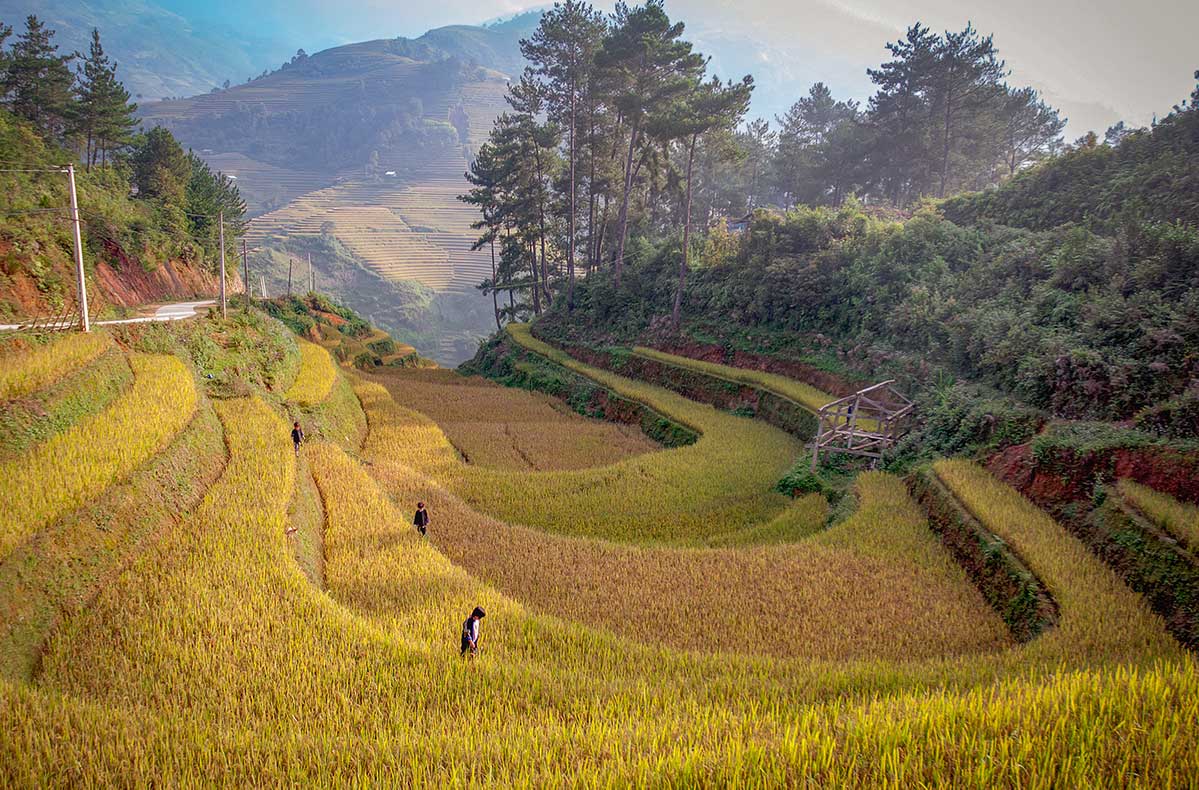
Lowland rice fields (two harvests per year), such as in Ninh Binh, Mai Chau, and Pu Luong:
- February – April: green fields leading up to the first harvest (late April)
- May – August: second growing cycle, with the second harvest usually in late August
Highland rice terraces (one main harvest per year), including Sapa, Mu Cang Chai, and Hoang Su Phi:
- May – September: rice growing season
- September: main harvest month, when terraces turn golden
These highland areas are actually at their most beautiful during the rainy season, when the terraces are full, green, and dramatic. This clearly shows why the best time to visit Vietnam is not only about dry weather.
Note: Rice seasons can shift slightly from year to year and between regions. The harvest month is often the most impressive, but the weeks before harvest are already very beautiful and often less busy.
Best time for green landscapes and waterfalls
Rain has a strong positive effect on Vietnam’s natural scenery across the country, but the impact is most visible in North Vietnam and the Central Highlands.
- From May onward, landscapes become greener as rainfall increases
- Waterfalls grow stronger and more impressive
- Forests, jungles, and mountains look fresher and more vibrant
Even when rainfall starts to decrease around October, the scenery often remains lush for several weeks. November can still offer green landscapes with much less rain, while December onward gradually becomes drier and less vivid.
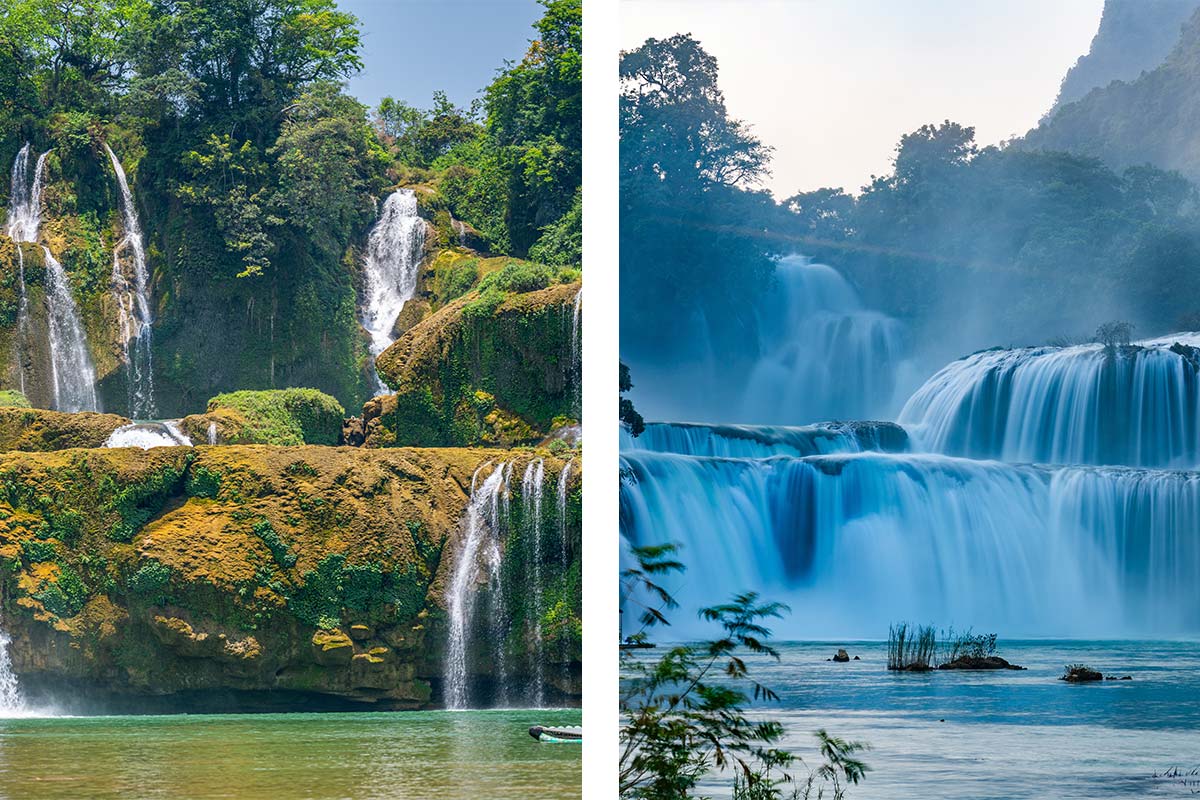
Waterfalls such as Ban Gioc Waterfall, along with many smaller regional waterfalls, are at their best during or shortly after the rainy season, not during the driest months.
Best time to visit Vietnam for beaches
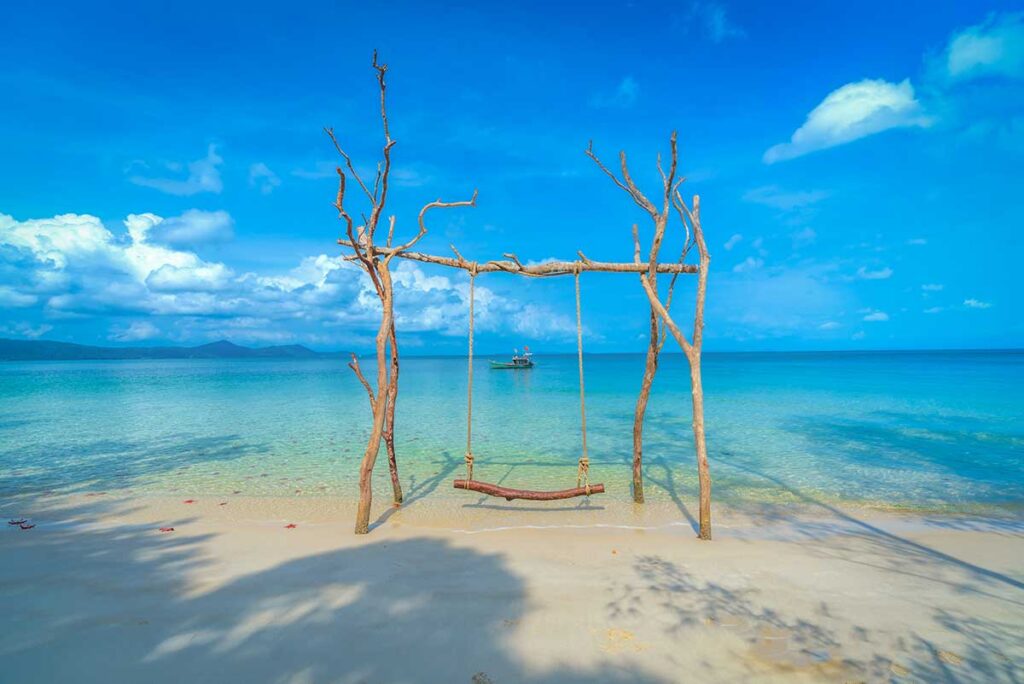
Vietnam works well for beach travel whether you’re planning a dedicated beach holiday or simply want to include a few beach days during a longer trip through the country. One advantage Vietnam has is that its main beach regions—Central Vietnam and South Vietnam—have different peak seasons, meaning good beach conditions are possible during a large part of the year.
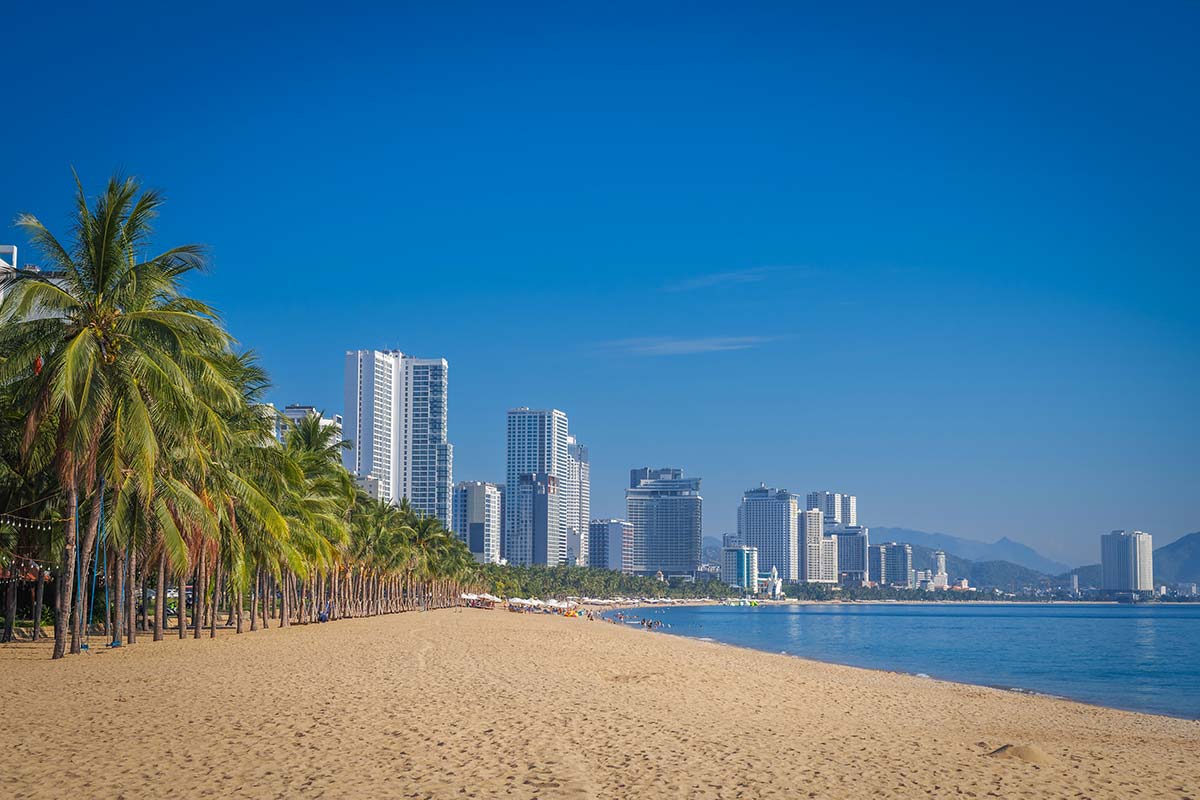
Central Vietnam beaches
Central Vietnam is home to many of the country’s most popular beaches, including Hoi An (An Bang Beach), Da Nang, and Nha Trang.
- Best beach months: March to August
- Absolute peak: April to June, with dry weather, calm seas, and plenty of sunshine
- Transition months: February and September can still be good, but conditions are less predictable
From around October to November, central Vietnam becomes much less suitable for beach travel due to heavier rain and rougher seas.
South Vietnam beaches
Southern Vietnam beaches are popular for winter escapes and include destinations such as Phu Quoc, Con Dao, and coastal areas near the Mekong Delta.
- Best beach months: December to April
- Absolute peak: January to March, with dry weather, low humidity, and calm sea conditions
- Transition months: Late April and early May can still work, but heat and humidity increase
During the rainy season (roughly May to October), beach conditions in the south are less reliable, with rougher seas and lower visibility, even though rainfall often comes in short showers.
Final note: If beaches are an important part of your Vietnam trip, it’s worth reading our guide to the best beaches in Vietnam. There, we explain the best time to visit each beach destination individually, with a more detailed and practical overview to help you choose the right place at the right time.
Best time to avoid crowds and peak prices
Crowds and prices are influenced by both international tourism seasons and Vietnam’s domestic travel calendar.
Domestic peak periods include:
- Tet (Vietnamese New Year)
- Reunification Day and Labour Day (late April / early May)
- Vietnam National Day (early September)
- Summer school holidays (June to August)
During these times, popular destinations can be busy and accommodation prices higher, especially in beach areas and major cities.
International peak periods include:
- March and April, which are often considered the best months weather-wise
- Summer school holidays in Europe, Australia, and North America
Traveling just outside these peak periods often means fewer crowds, better availability, and more flexibility—another reason why the “best” time to visit Vietnam depends on your priorities, not only the weather.
Traveling in Vietnam during the rainy season
Traveling Vietnam in the rainy season often sounds more challenging than it actually is. Rainfall patterns vary strongly by region, and in many places rain comes in short, heavy showers rather than constant all-day rain. With realistic expectations, the rainy season can still be a very rewarding time to visit Vietnam.
Rainy season per region
North Vietnam (roughly May to September)
Rainfall in North Vietnam increases from late spring through summer. Rain usually comes in short bursts, often in the afternoon or evening, rather than lasting all day. This period is also when the landscape is at its greenest and when terraced rice fields in areas like Sapa and Ha Giang are at their most impressive.
Central Vietnam (roughly September to December)
Central Vietnam is the region most affected by the rainy season. Rainfall can be heavier and more persistent, and this is also the main typhoon period. Coastal destinations are more exposed during these months, and travel plans may need flexibility. This is the main reason why weather-based advice for Central Vietnam differs strongly from the rest of the country.
South Vietnam (roughly May to October)
In South Vietnam, rain usually falls as short, intense showers once or twice a day. Most days still have plenty of dry time for sightseeing. Cities like Ho Chi Minh City and regions such as the Mekong Delta remain easy to visit. Beach destinations like Phu Quoc are less ideal during this period due to rougher sea conditions.
Tips for traveling in the rainy season
- Typhoon season – Typhoons usually occur between July and November. Early in the season, they can affect North Vietnam, while later typhoons mainly impact Central Vietnam. Central coastal areas are the most affected. South Vietnam is rarely impacted by typhoons.
- Flooding – Short-term flooding can occur after heavy rain. Major cities like Hanoi and Ho Chi Minh City may experience temporary street flooding, but this usually clears quickly. Central Vietnam is more prone to serious flooding, especially in places like Hoi An and Hue, which can flood one to three times per year.
- Landslides – In mountainous regions, heavy rain can cause landslides, mainly affecting remote roads. Delays are possible, but major routes are usually cleared quickly.
- Scenery – Rainy season brings the most dramatic landscapes. Mountains, forests, and rice terraces are greener, and waterfalls are much more impressive than in the dry season.
- Trekking conditions – Trekking is still possible but trails can be muddy and slippery. Good footwear and flexible planning are important, especially in mountainous areas.
- Planning flexibility – Build some buffer into your itinerary. Occasional delays are easier to manage when travel days are not too tightly scheduled.
- Daily timing – Rain often falls later in the day. Starting activities early in the morning increases your chances of dry conditions.
Traveling during the rainy season requires a different mindset, but for many travelers, the greener scenery, fewer crowds, and lower prices easily outweigh the occasional rain shower.
Vietnam by season
Looking at Vietnam by season can be helpful if you prefer planning your trip around a general travel atmosphere rather than specific months or regions. While there is no single best time to visit Vietnam that fits everyone, each season creates a different travel experience across the country. The sections below give a high-level impression of what traveling Vietnam feels like throughout the year.
Vietnam in spring
Vietnam in spring (roughly February to April) is often considered one of the most balanced periods for travel. Weather conditions are generally comfortable, nature starts to come alive after winter, and travel feels relaxed across most regions. This season works well for travelers visiting multiple parts of the country in one trip and is often recommended for first-time visitors looking for the best time to visit Vietnam with minimal weather extremes.
Vietnam in summer
Vietnam in summer (roughly May to August) is warm, humid, and greener than at any other time of year. While rain is more frequent, it usually comes in short, heavy showers rather than lasting all day. Summer is ideal for travelers who enjoy lush landscapes, rice fields, waterfalls, and fewer international tourists, especially in mountainous and rural areas. Beach conditions vary by region, but sightseeing remains very possible with some flexibility.
Vietnam in autumn
Vietnam in autumn (roughly September to November) is a season of contrasts. In the north, this is a particularly attractive time with clearer skies, comfortable temperatures, and beautiful rice harvest scenery. Central Vietnam can be wetter during this period, while the south often sees improving conditions. For travelers focused on landscapes and photography, autumn can feel like one of the most rewarding times to explore Vietnam.
Vietnam in winter
Vietnam in winter (roughly December to January) feels very different depending on where you travel. Northern regions can be cool and sometimes foggy, especially in the mountains, while central and southern Vietnam remain warm and dry. This season suits travelers who prefer cooler temperatures in cities like Hanoi or beach-focused trips in the south. For many, winter offers a quieter, more relaxed way to experience Vietnam without intense heat.
Vietnam weather per month
When planning a trip, the best time to visit Vietnam is not always the time you are able to travel. School holidays, work schedules, and fixed vacation periods often decide when you go, not the weather. To help you plan realistically, the overview below explains what traveling in Vietnam is like month by month, so you can see what to expect during the months you are able to visit and plan your itinerary accordingly.
Vietnam in January
Vietnam in January is one of the most popular months to travel, especially for visitors who prefer dry weather and more comfortable temperatures. It’s a strong choice for sightseeing across much of the country, with particularly good conditions in the south and cooler air in the north. January is often considered a safe and easy month for first-time visitors.
- North Vietnam 🟢: Cool and mostly dry, with low rainfall across Hanoi, Ninh Binh, Halong Bay, and the mountains. Temperatures can be chilly, especially in Sapa and Ha Giang, but travel conditions are generally very good.
- Central Vietnam 🟡: Transition period after the rainy season. Rainfall is much lower than in autumn, but weather can still be unsettled, especially along the coast around Hoi An and Da Nang. Phong Nha usually has better conditions.
- South Vietnam 🟢: Dry season with warm temperatures, low humidity, and very little rain. Excellent travel conditions in Ho Chi Minh City, the Mekong Delta, and beach destinations like Phu Quoc.
Vietnam in February
Vietnam in February offers a good balance between pleasant weather and changing landscapes. Temperatures start to rise slightly compared to January, while rainfall remains low in many regions. This month can be especially interesting for travelers who want good conditions without traveling at the very peak of the high season.
- North Vietnam 🟢: Cool and dry with stable weather. Rainfall is low, visibility is generally good, and temperatures are slightly more comfortable than in January, especially in lowland areas.
- Central Vietnam 🟢: One of the best months of the year. The rainy season has ended, humidity is low, and both coastal and inland areas enjoy calm, dry conditions.
- South Vietnam 🟢: Peak dry season continues. Warm temperatures, low rainfall, and good conditions for city travel, river trips, and beaches.
Vietnam in March
Vietnam in March is often regarded as one of the best overall months to visit the country. Weather conditions are favorable in all three regions, making it a great time for a north-to-south itinerary. This is also one of the months most often mentioned when people search for the best time to visit Vietnam.
- North Vietnam 🟢: Mild and mostly dry, with improving temperatures and good visibility. One of the most comfortable months for city sightseeing, nature, and mountain travel.
- Central Vietnam 🟢: Dry, sunny, and warming up. Excellent conditions along the coast and inland, with low rainfall and stable weather across most of the region.
- South Vietnam 🟢: Dry season continues, but temperatures rise. Still very good travel conditions, though heat becomes more noticeable, especially in cities.
Vietnam in April
Vietnam in April still offers excellent travel conditions, though temperatures begin to rise, especially in the south. Rainfall remains low in most regions, making this a good month for combined city travel, nature, and coastal destinations. It is also one of the last months before more noticeable seasonal changes begin.
- North Vietnam 🟢: Warm and mostly dry, with longer sunny days and comfortable conditions for sightseeing and outdoor activities. Heat starts to increase toward the end of the month but remains manageable.
- Central Vietnam 🟢: Dry and increasingly hot, especially along the coast. Excellent weather overall, with low rainfall and good conditions for beaches, caves, and cultural sites.
- South Vietnam 🟡: Very hot and more humid, with the first signs of the rainy season appearing late in the month. Travel is still easy, but heat can be intense during the day.
Vietnam in May
Vietnam in May marks the transition into the greener season. Rainfall starts to increase, but often in short, manageable showers. This month is particularly interesting for travelers who care more about scenery than perfect weather, as landscapes begin to turn lush and vibrant.
- North Vietnam 🟡: Hotter and more humid, with increasing rainfall toward the end of the month. Travel is still possible, but conditions are less comfortable than in spring.
- Central Vietnam 🟢: Hot and mostly dry. One of the better regions in May, with stable weather along the coast and inland areas before the main rainy season begins.
- South Vietnam 🟡: Start of the rainy season. Short but heavy downpours become more frequent, usually in the afternoon or evening, while the rest of the day often remains warm and usable.
Vietnam in June
Vietnam in June is a month of strong contrasts. While rain becomes more frequent, nature is at its most alive, especially in the north and central highlands. June is a good choice for travelers who don’t mind occasional rain and want to experience Vietnam at a slower pace with fewer international visitors.
- North Vietnam 🟡: Hot and humid, with regular rainfall and occasional heavy showers. Mornings are often fine, but weather can turn quickly, especially in mountainous areas.
- Central Vietnam 🟢: One of the better regions in summer. Hot but generally dry, with stable conditions along the coast and in places like Phong Nha.
- South Vietnam 🟡: Rainy season in full swing. Downpours are frequent but usually short and intense, meaning travel is still doable between showers.
Vietnam in July
Vietnam in July is firmly within the rainy season for much of the country, but travel is still very possible with the right expectations. Rice fields, forests, and mountains are deep green, and waterfalls are impressive. This month appeals most to travelers focused on nature rather than beach conditions.
- North Vietnam 🟡: Hot, humid, and rainy. Showers are frequent and can be heavy, especially in the mountains, which may affect trekking and road conditions. Travel is still possible but weather-dependent.
- Central Vietnam 🟢: Generally hot and mostly dry. One of the more reliable regions in summer, with good beach conditions and stable weather compared to the rest of the country.
- South Vietnam 🟡: Rainy season continues with regular tropical downpours. Rain usually comes in short, intense bursts, often later in the day, leaving time for activities in between.
Vietnam in August
Vietnam in August continues the green season, with high rainfall in some regions but dramatic scenery throughout the country. It is an interesting time for travelers who prioritize rice terraces, waterfalls, and rural landscapes over dry weather. Flexibility in planning is especially helpful during this month.
- North Vietnam 🟡: Hot and rainy, with frequent showers and high humidity. Mountain areas can see heavy rain, which may affect trekking and road conditions, but travel is still possible with flexibility.
- Central Vietnam 🟡: Still largely hot and usable, but weather becomes more unsettled than earlier in summer. Occasional storms and rougher seas start to appear, especially toward the end of the month.
- South Vietnam 🟡: Rainy season continues. Expect regular, heavy downpours, usually short but intense, with warm temperatures and humid conditions between showers.
Vietnam in September
Vietnam in September is one of the most visually rewarding months in the north, especially for those interested in rice harvest scenery. While weather conditions vary by region, this month is often considered one of the best times to visit Vietnam to see the rice fields at their peak.
- North Vietnam 🟡: Warm and rainy, but improving toward the end of the month. Landscapes are lush and green, especially in mountainous areas, though showers can still affect outdoor plans.
- Central Vietnam 🔴: Start of the peak rainy and storm season. Heavy rainfall, tropical storms, and rough seas become common, especially along the central coast and in places like Hoi An, Da Nang, and Phong Nha.
- South Vietnam 🟡: Rainy season continues. Downpours remain frequent but are usually short and intense, meaning travel is still possible with flexible planning.
Vietnam in October
Vietnam in October marks the transition into drier and more comfortable conditions in the north, while nature remains green after the rainy season. It is a strong month for travelers who want a mix of good weather and beautiful landscapes, particularly for cultural and scenic routes.
- North Vietnam 🟡: Mild temperatures with a mix of dry days and rain. Weather is generally comfortable, but occasional showers can still affect outdoor plans, especially early in the month.
- Central Vietnam 🔴: Peak rainy and flooding season. Heavy rainfall, storms, and flooding are common, particularly in Hoi An, Da Nang, Hue, and Phong Nha. Travel can be seriously disrupted.
- South Vietnam 🟡: Rainy season continues, but rainfall starts to decrease slightly toward the end of the month. Showers are still frequent but usually short and intense.
Vietnam in November
Vietnam in November offers improving weather in many parts of the country, especially in the north and south. Rainfall decreases, temperatures are pleasant, and scenery often remains lush from earlier rains. This month works well for travelers looking to avoid peak-season crowds while still enjoying favorable conditions.
- North Vietnam 🟢: Cooler and mostly dry, with comfortable temperatures and lower humidity. One of the better months for city sightseeing, nature, and mountain travel.
- Central Vietnam 🔴: Rainy season continues, especially along the central coast. Flooding and prolonged rain are still common in places like Hoi An, Da Nang, Hue, and parts of Phong Nha, making travel unreliable.
- South Vietnam 🟡: Transition period at the end of the rainy season. Rainfall decreases compared to previous months, but showers can still occur, especially early in the month.
Vietnam in December
Vietnam in December is a popular month for winter escapes, especially in central and southern Vietnam. The south enjoys dry, warm weather, while the north becomes cooler and sometimes misty. December is well suited for travelers who prefer milder temperatures and a calmer travel atmosphere.
- North Vietnam 🟢: Cool and mostly dry, with low rainfall and comfortable conditions for sightseeing. Mountain areas can be cold, but travel conditions are generally stable.
- Central Vietnam 🔴: Rainy season lingers, especially along the coast. Heavy rain and occasional flooding can still affect destinations like Hoi An, Da Nang, and Hue, making travel less reliable.
- South Vietnam 🟢: Start of the dry season. Warm temperatures, lower humidity, and minimal rainfall create very good conditions for city travel, river trips, and beaches.
FAQ – Best time to visit Vietnam
Is there a bad time to visit Vietnam?
There is no single bad time to visit Vietnam, but some periods are less suitable depending on where you travel and what you want to do. Heavy rain, heat, or domestic holidays can affect comfort and crowds in certain regions, while other parts of the country may still have good conditions at the same time.
What is the absolute best month to visit Vietnam?
If you are looking for one standout month, March is often considered the most balanced choice. Weather conditions are generally good across north, central, and south Vietnam, making it one of the safest months for a multi-region trip. That said, other months can be just as rewarding depending on your travel focus.
Is the rainy season a bad time to visit Vietnam?
No. The rainy season is often misunderstood. In many regions, rain falls in short, heavy showers rather than all day. Landscapes are greener, waterfalls are more impressive, and crowds are smaller. With some flexibility, traveling during the rainy season can be very enjoyable.
What is the best time to visit Vietnam for first-time visitors?
For first-time visitors, February to April is usually the easiest period. Weather conditions are comfortable in most regions, travel is straightforward, and there are fewer weather-related disruptions. This period works especially well for travelers visiting multiple destinations.
What is the cheapest time to visit Vietnam?
The most affordable time to visit Vietnam is generally during the low and shoulder seasons, especially from May to September, excluding major holidays. During these months, accommodation prices are lower, tours are easier to book, and flights are often cheaper.
When is Vietnam most crowded?
Vietnam is busiest during:
Tet (Vietnamese New Year)
Late April to early May (public holidays)
Summer school holidays (June to August)
Peak international travel months (March and April)
Popular destinations and beaches can feel crowded during these periods, especially with domestic travelers.
When should I avoid traveling in Vietnam due to holidays?
If you dislike crowds, it’s best to avoid traveling during Tet, when many Vietnamese travel domestically and services may close or operate on limited schedules. Other public holidays can also increase prices and crowd levels, though the impact is usually shorter.
Is Vietnam too hot in summer for sightseeing?
Summer can be hot and humid, especially in cities like Hanoi and Ho Chi Minh City, but sightseeing is still very possible. Planning activities early in the morning, taking midday breaks, and mixing city travel with nature-focused destinations makes summer travel manageable.
Is Vietnam suitable for travel during European summer holidays?
Yes, Vietnam can still be a good destination during European summer holidays, especially for families. While it is warmer and wetter, landscapes are at their greenest, prices outside peak destinations are often lower, and mountain regions offer more comfortable temperatures.
What is the best time to visit Vietnam for nature and scenery?
For green landscapes, waterfalls, and rice fields, the best period is generally from May to October. This is when rain feeds forests, mountains, and terraces, especially in North Vietnam and the Central Highlands. September stands out for rice harvest scenery.
What is the best time to visit Vietnam for beaches?
Central Vietnam beaches (such as Hoi An, Da Nang, and Nha Trang) are best from February to August.
Southern beaches (including Phu Quoc) are best from December to April, during the dry season.
What is the best time to visit Vietnam for trekking?
The best time for trekking is usually October to April, when temperatures are cooler and rainfall is lower. This applies especially to mountainous regions such as Sapa and Ha Giang. Trekking is still possible during the rainy season, but trails can be muddy and more challenging.