
Cua Can Beach Phu Quoc – Quiet river-meets-sea beach with a local feel
Cua Can Beach is located on the northwest coast of Phu Quoc, just north of Ong Lang and about 20 minutes from Duong Dong. What makes this area different from most beaches on the island is where the Cua Can River flows into the sea, creating a sandbar with water on both sides. You’ll find a mix of beach, small fishing village, and river scenery all in one place, rather than a single long stretch of resort-lined coast. Compared to areas like Long Beach, development here is still limited, which gives it a more natural and less organized feel.

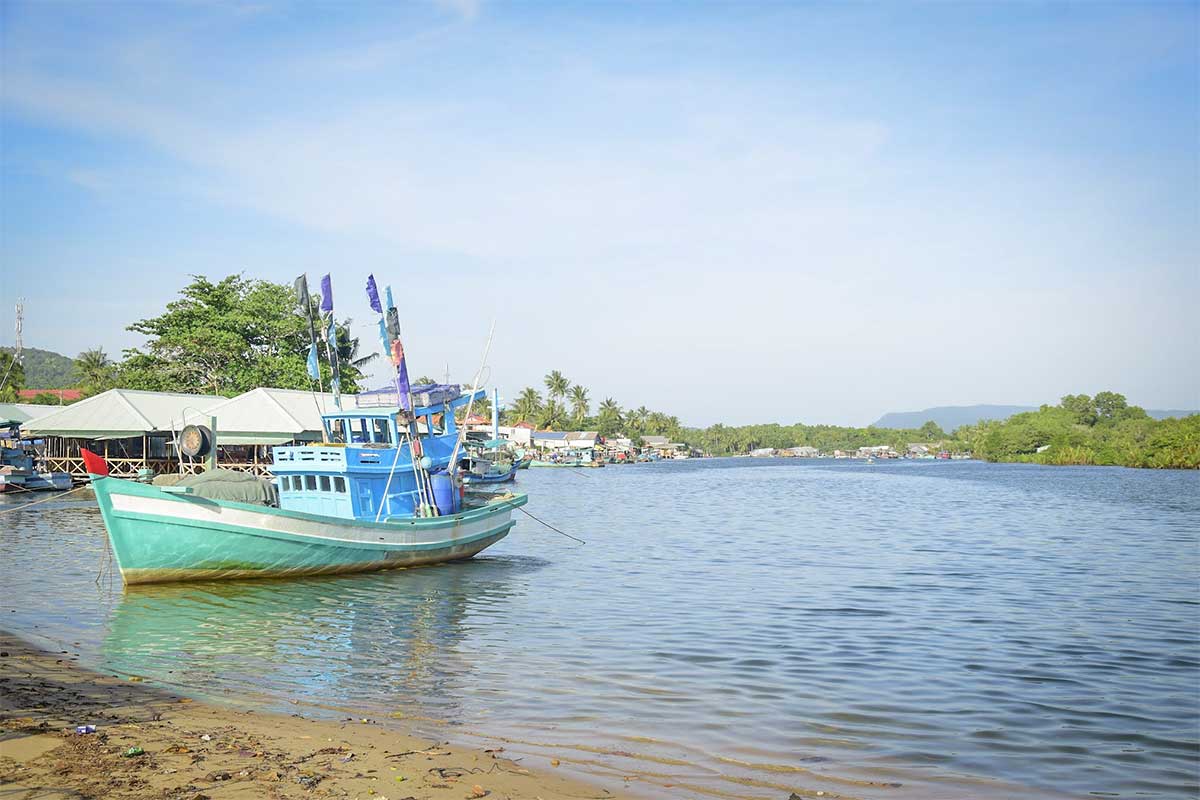
The overall atmosphere is quiet, local, and a bit rough around the edges in some places. This is not the kind of beach you come to for a perfect, clean tropical setting, as trash can sometimes affect parts of the shoreline.

At the same time, it’s much less crowded than most beaches on Phu Quoc, and you’ll see more local life than tourists. Cua Can Beach is better suited for exploring, walking around, and enjoying the mix of river and sea, rather than spending a full day relaxing on a picture-perfect beach.
What to expect at Cua Can Beach
1. The beach and scenery

Cua Can Beach has a long stretch of sand, but it’s not consistently clean or well-maintained along the entire coastline. The most interesting part is where the river meets the sea, creating a sandbar that gives the area a very different look compared to other beaches on Phu Quoc.
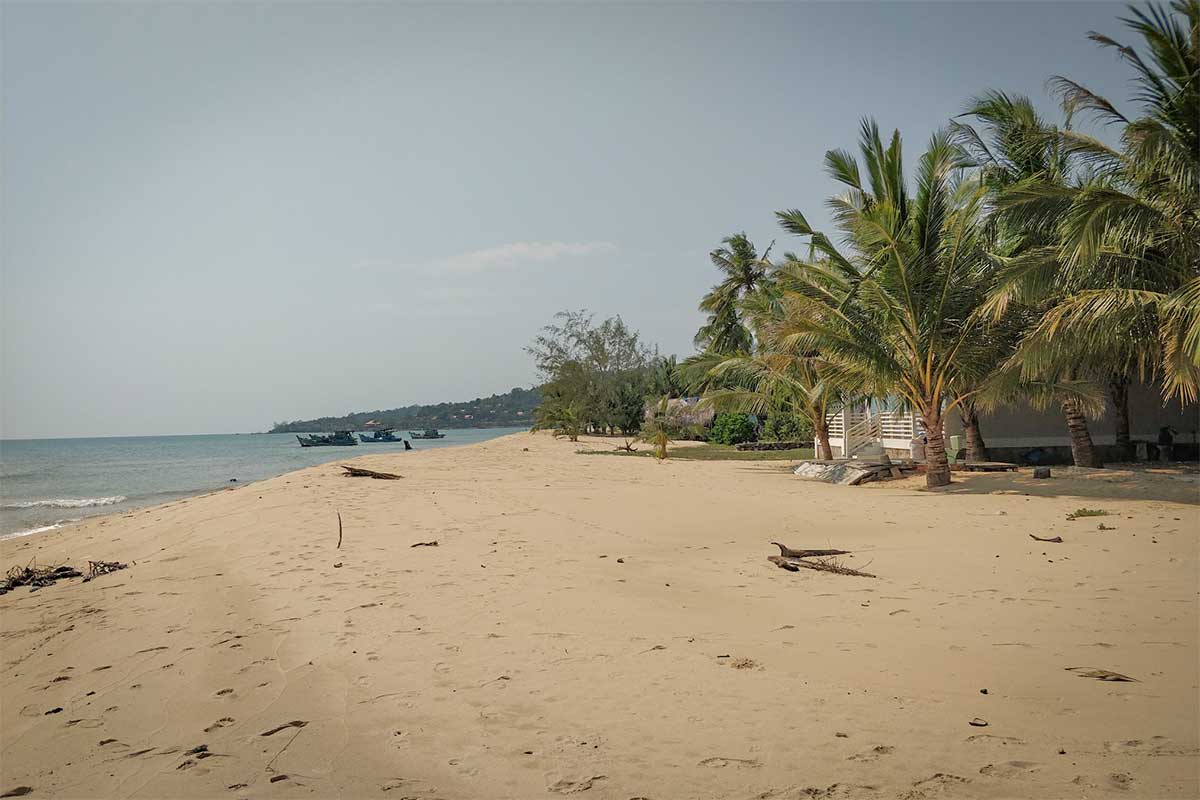
You’ll see casuarina trees along the shore, small fishing boats, and simple local houses rather than rows of resorts. Some sections are clearly nicer than others, especially near the river mouth or closer to the better-maintained resort areas.
2. Swimming conditions
Swimming conditions vary quite a bit depending on where you are. Near the river mouth, the water is often clearer and more enjoyable, while other parts of the beach can have debris or feel less inviting. Like most west coast beaches, the sea is usually calm, which helps, but overall this is not considered one of the best swimming beaches on the island.
3. The river and sandbar
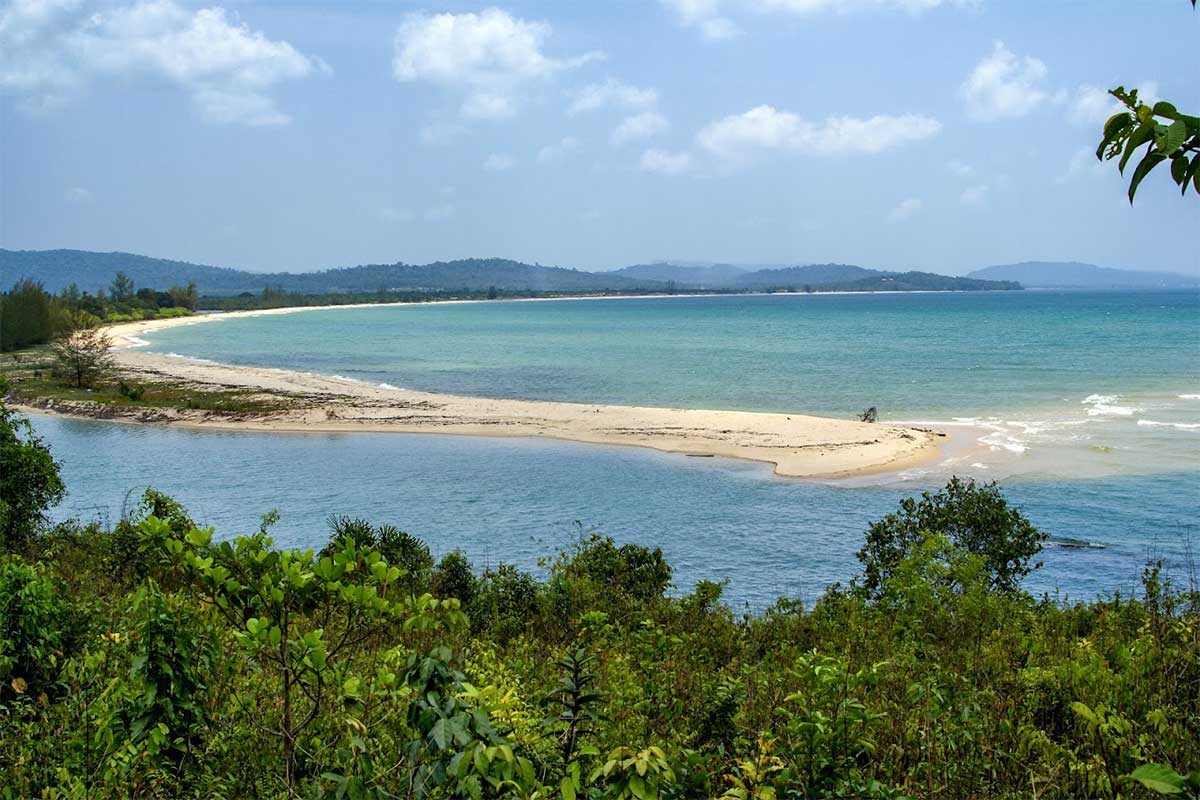
The river and sandbar are what really set Cua Can Beach apart. You can walk along the narrow strip of sand with the river on one side and the sea on the other, which is something you don’t often see on Phu Quoc. Depending on the tides and conditions, you may also notice small sandbanks or dune-like formations. This area is easily the most interesting part of a visit and worth exploring even if the rest of the beach feels average.
4. Activities and things to do
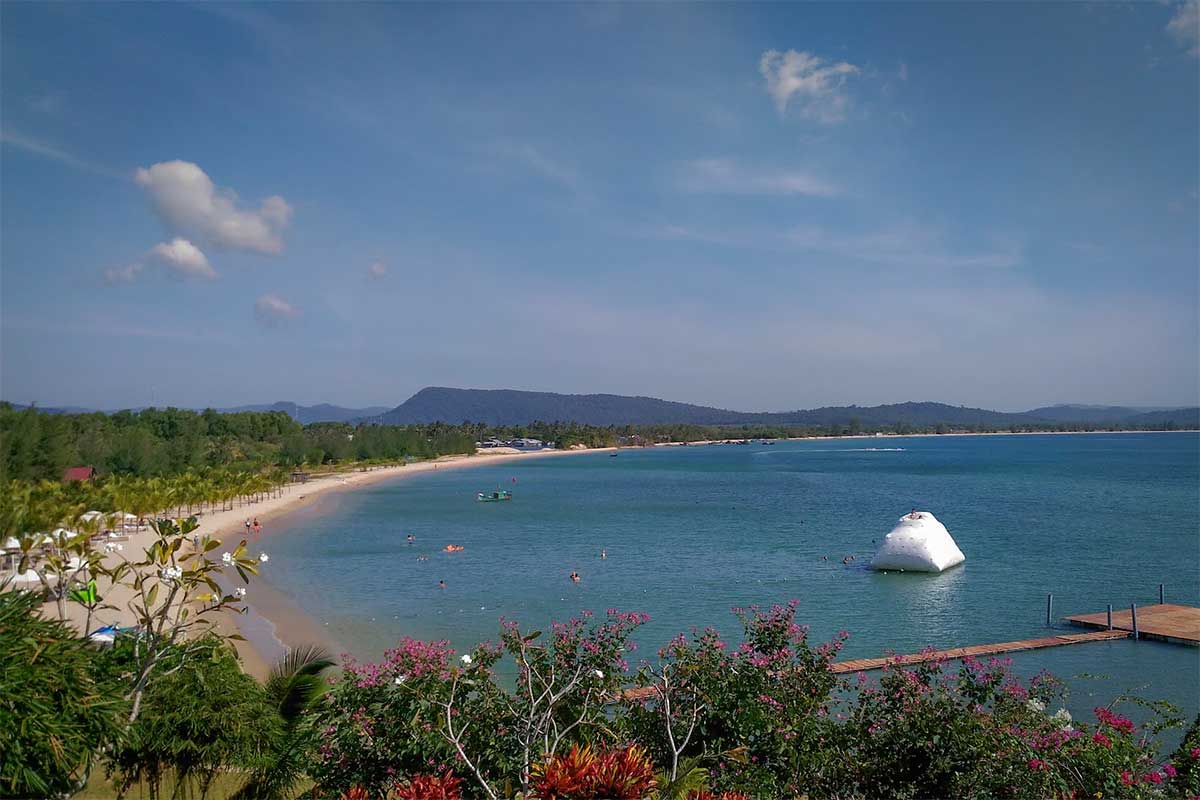
There are no big attractions or organized beach activities here, but that’s part of the appeal. Kayaking on the Cua Can River is one of the best things to do and gives you a different perspective of the area.


You can also explore the small fishing village, walk along the beach and river, or simply enjoy the quiet setting.

Sunset can be nice here, especially with the boats and river adding to the view.
5. Facilities, restaurants, and beach access
Facilities are limited and fairly basic. You’ll find a few small local restaurants and seafood spots, but not many beach clubs or organized beach services like on Long Beach. In some places, you may need to pay for a chair or buy a drink to sit down. Beach access is not always obvious and often happens through small lanes between houses in the village.
6. Atmosphere and crowd level
Cua Can Beach is very quiet compared to most other beaches on Phu Quoc. You’ll mostly see locals, with only a small number of tourists. The atmosphere feels rustic and a bit unpolished, which can be part of the charm if you like more local places. Some visitors mention stray dogs around the area, which is something to be aware of, but it’s usually not a major issue.
How to get to Cua Can Beach
Cua Can Beach is located about 20 to 25 minutes north of Duong Dong, making it an easy trip if you are staying in the main town or nearby areas like Ong Lang. The most convenient way to get there is by scooter, taxi, or private car, depending on your travel style. Roads in this part of the island are generally in good condition, and the drive itself is quite pleasant as you pass through quieter, greener parts of Phu Quoc.
Even though it’s not far, finding the exact access point to the beach can be slightly confusing. Signage is limited, and the final part of the route usually takes you through small local roads or narrow lanes in the village. In many cases, you’ll park near a restaurant or house and walk a short distance to reach the beach.
Staying at Cua Can Beach
What accommodation is like here
Accommodation around Cua Can Beach is quite different from the main tourist areas of Phu Quoc. You’ll find a mix of small boutique resorts like Green Bay Phu Quoc Resort & Spa and Chez Carole Beach Resort, along with larger options nearby such as Movenpick Resort Waverly Phu Quoc. At the same time, there are also budget-friendly eco lodges near the river, which offer a more local and nature-focused stay. Overall, this area feels quieter and more relaxed compared to central Phu Quoc, with less nightlife and fewer tourist facilities.

Best areas to stay within Cua Can
Staying near the river gives you the most atmospheric experience, with views over the water and a closer connection to local life. The northern end of Cua Can Beach is generally better if you are looking for a cleaner beach and a more resort-style environment. Slightly south of the river, while not technically part of Cua Can Beach itself, you’ll find access to the beach area near Movenpick, which is more maintained and easier for swimming.
Is it worth staying here?
Cua Can Beach can be a good choice if you are looking for a quiet and relaxed stay away from the busier parts of the island. It suits travelers who enjoy nature, slower travel, and a more local atmosphere. However, it’s less ideal for first-time visitors who want easy access to restaurants, tours, and different activities, or for those expecting a lively beach scene.
Practical information for visiting Cua Can Beach
Best time to visit
The best time to visit Cua Can Beach is during the dry season from November to April. During these months, the weather is more stable, the sea is calmer, and conditions are generally better for exploring the area. In the rainy season, more debris can wash ashore, which can affect parts of the beach. Like most west coast beaches, the sea here is usually calmer compared to the east side of Phu Quoc.
If you want a full breakdown of weather, sea conditions, and what each month is like across the island, read our complete guide to the best time to visit Phu Quoc, including a month by month overview.
What to bring
It’s best to come prepared, as facilities are limited. Bring enough water and some snacks, especially if you plan to stay for a while. Sunscreen is essential, as there is not always much shade. Cash is also useful for small purchases like drinks or renting a chair. Don’t expect a fully developed beach setup with lots of services.
Things to be aware of
Parts of the beach can have some trash, especially outside the more maintained areas. Facilities are basic, and you won’t find many organized services. There are occasional stray dogs around, which is common in quieter areas of the island. In some spots, you may need to pay a small fee for beach chairs or access through a restaurant.
What to combine it with
Cua Can Beach works well as part of a half-day or full-day trip in the north of Phu Quoc. You can combine it with a visit to Ong Lang Beach, explore more of the north coast, or continue further to Ganh Dau and Bai Dai. It also pairs well with a stop in Phu Quoc National Park. Visiting by scooter and combining a few stops along the way is one of the best ways to experience this area.
Is Cua Can Beach Phu Quoc worth visiting?
Cua Can Beach is not one of the best beaches on Phu Quoc, and it can feel a bit underwhelming if you arrive expecting a clean, picture-perfect tropical beach. Parts of the shoreline can have trash, and facilities are limited compared to more developed areas on the island. It’s not a place where you’ll find polished beach clubs or ideal swimming conditions, so for many travelers, it doesn’t stand out as a must-see highlight.
That said, it can still be worth visiting if you approach it the right way. Cua Can is a good spot for quiet, off-the-beaten-path exploration, especially because of the unique setting where the river meets the sea. It works well as part of a scooter trip around the north of Phu Quoc, where you stop, walk around, and take in the atmosphere rather than spend hours on the beach. Think of it as an interesting and different stop, not a main destination, and you’re more likely to enjoy it.
Curious which beaches are actually worth your time? Read our complete guide to the best beaches in Phu Quoc.