

Phu Quoc beach orientation
Before choosing where to go, it helps to understand how Phu Quoc is laid out. Beaches here are not all the same, and where you go can completely change your experience.
Where is Phu Quoc and what kind of island is it?
Phu Quoc is Vietnam’s largest island, located in the Gulf of Thailand, close to the coast of Cambodia. It is quite a big island, and that size is exactly why the beaches vary so much.
Some areas are developed with resorts and easy access, while others are still quiet, remote, and harder to reach. You will find everything from long sandy beaches with beach bars to empty stretches of coastline with no facilities at all. The sea conditions also change depending on which side of the island you are on.
The west coast: the easiest area for beach holidays
The west coast is where most travelers spend their time. This is the most developed and convenient part of the island, with the main town Duong Dong, Long Beach, and Ong Lang Beach all located here.
If you want easy access to restaurants, bars, tours, and accommodation options for all budgets, this is the best area. It is also the best side for sunsets, which is one of the highlights of staying on this coast.
The downside is that some parts, especially Long Beach, can feel busy and heavily developed. Still, if you want a simple beach holiday without too much planning, this is the most practical place to stay.
The north and northwest: quieter, more scenic, and often more natural
Head north, and the atmosphere changes quite quickly. This part of the island is generally quieter, greener, and feels more natural.
Beaches like Ong Lang, Ganh Dau, Vung Bau, Cua Can, and even more remote spots like Rach Tram are often considered among the best on the island for their balance between beauty and a more relaxed vibe.
You will find fewer crowds here, and in some areas, long empty stretches of sand. At the same time, access can be a bit more difficult, and facilities are more limited compared to the west coast.
The east and northeast: remote roads, calm atmosphere, mixed swimming conditions
The east and northeast coast is much less visited and feels more off the beaten track. Beaches like Bai Thom, Bai Bon, and Cay Sao are good examples of this.
This side of the island is known for its quiet atmosphere and scenic coastal roads, but it is not always ideal for swimming. The sea can be shallow, and some beaches are more rocky or less “perfect” compared to the west coast.
If you enjoy exploring and don’t mind a bit of effort to get there, this part of the island can be very rewarding.
The south: famous beaches, luxury resorts, and the most mixed results
The south of Phu Quoc is where you will find some of the island’s most famous beaches, especially Sao Beach and Khem Beach.
These beaches are often featured in photos and travel guides, thanks to their white sand and clear water. However, this is also where you will see some of the biggest differences between expectation and reality.
Large-scale resort developments, crowds, and commercial activities have changed the atmosphere in many places. Some sections are still beautiful, but others can feel busy, overbuilt, or less well maintained than you might expect.
This area can still be worth visiting, but it helps to know what you are going for and not expect a hidden tropical paradise.
The 12 best beaches in Phu Quoc
Phu Quoc has a lot of beaches, but not all of them are worth your time. Some look great in photos but feel crowded or overdeveloped, while others are less famous but offer a much better overall experience.
Instead of ranking only by how “pretty” a beach looks, this list focuses on overall value for travelers. That includes atmosphere, swimming conditions, level of development, accessibility, and whether it is actually enjoyable to spend time there.
How these beaches were selected
This is not just a list of the most famous beaches in Phu Quoc. Some well-known spots are ranked lower because they are crowded, overly commercial, or simply do not match their reputation anymore.
The selection is based on a combination of natural beauty, atmosphere, swimming quality, ease of access, and overall travel experience. The goal is to help you choose beaches that are genuinely worth visiting, not just the ones that are most advertised.
1. Ong Lang Beach
What is this beach like?
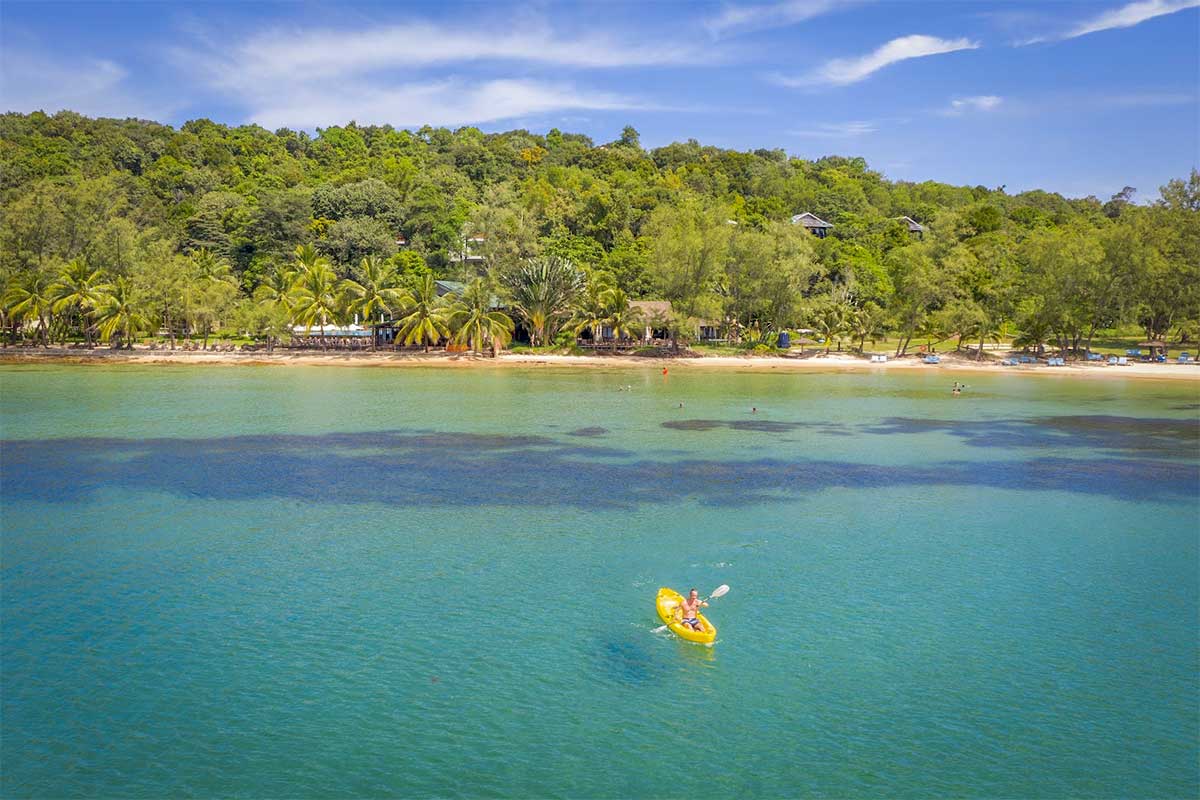
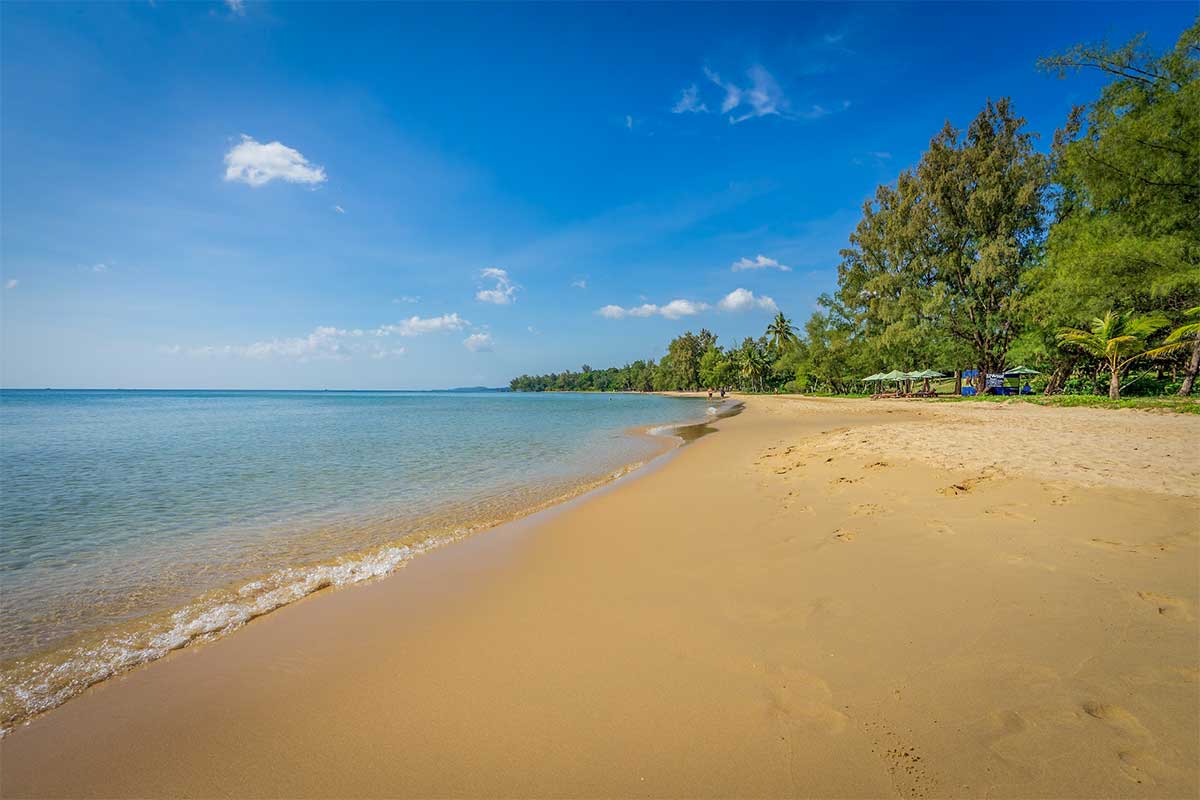
Ong Lang Beach is located just north of Duong Dong on the west coast and is made up of several smaller bays rather than one long stretch of sand. You will find a mix of sandy sections, rocky parts, and small jungle-covered areas, which gives it more character than many other beaches on the island.
What makes it worth visiting?
This is the most balanced beach in Phu Quoc. It offers a good mix of natural beauty, relaxed atmosphere, and convenience without feeling overly developed.
There are plenty of good places to stay, from boutique resorts to smaller guesthouses, and enough restaurants and bars to keep things interesting without turning it into a busy tourist strip. It is also one of the best places on the island to watch the sunset.
Downsides
Because it is not one continuous beach, you sometimes need to walk or move around a bit to find your ideal spot. Some areas also have more rocks, which may not be ideal if you are looking for a perfect sandy beach everywhere.
Best for
Travelers who want a relaxed beach with a good atmosphere, couples, and anyone looking for a place to stay for a few days rather than just a quick visit.
Practical info
Ong Lang is about 10–15 minutes from Duong Dong by scooter or taxi. Access is easy, and most parts of the beach can be reached through small roads or via resorts. There are enough facilities nearby, so you do not need to bring much with you.
2. Ganh Dau Beach
What is this beach like?
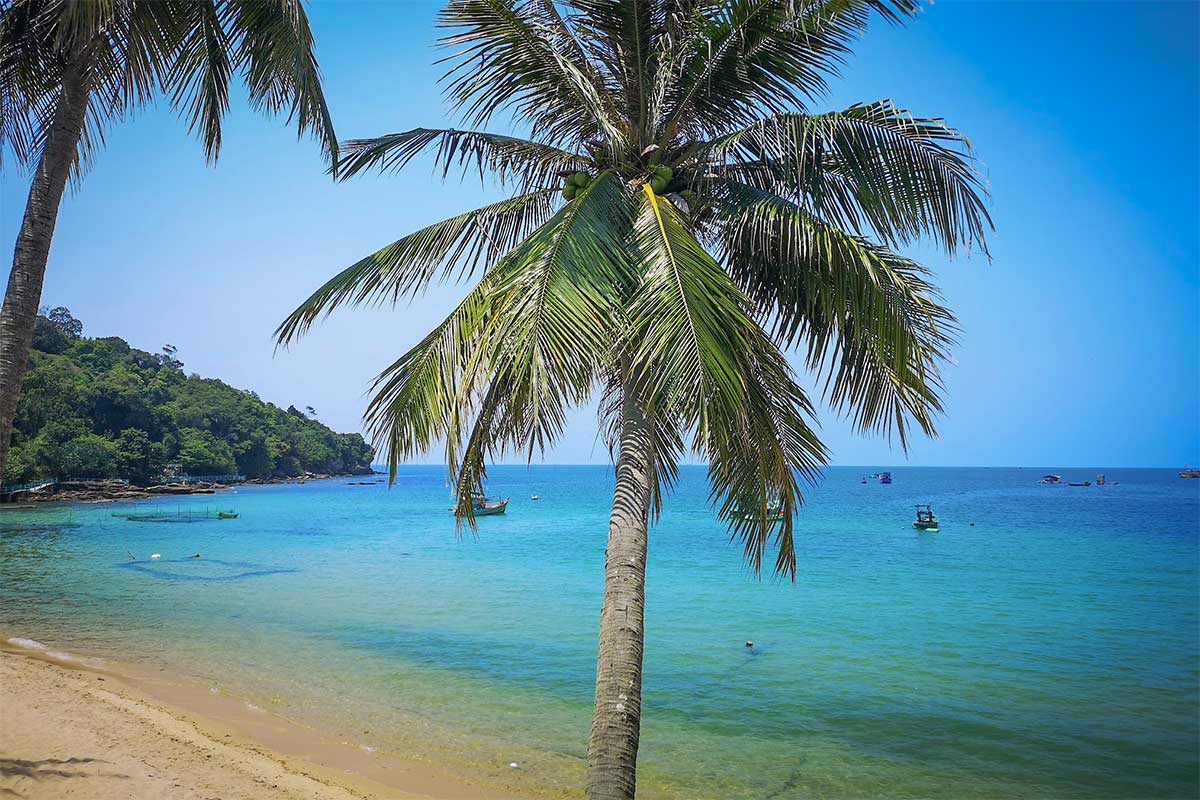
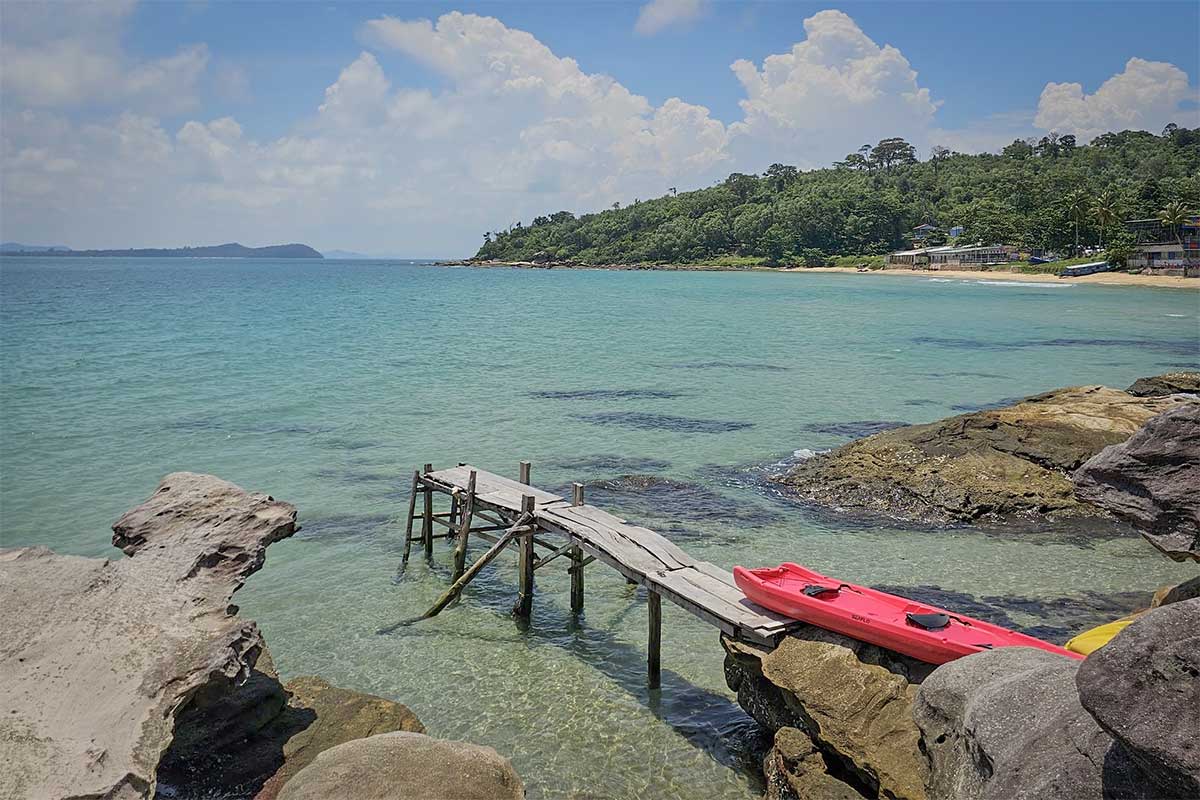
Ganh Dau is located on the far northwest tip of the island and feels very different from the more central areas. It is not just a beach, but a mix of small sandy bays, rocky coastline, and a local fishing village.
What makes it worth visiting?
This area has more character than many other beaches in Phu Quoc. You get views towards Cambodia, a local village atmosphere, seafood restaurants right by the water, and quieter beaches compared to the main tourist areas.
Some sections, especially near smaller resorts, are very scenic with soft sand, clear water, and palm trees. It can feel like a hidden corner of the island if you go a bit beyond the main village.
Downsides
Not every part of Ganh Dau is equally nice. Some areas near the village can feel a bit messy or less maintained, and you may need to explore a bit to find the best spots. Compared to more central beaches, it is also less convenient to reach.
Best for
Travelers who want something different from typical resort beaches, people who enjoy a mix of beach and local life, and those exploring the island by scooter.
Practical info
Ganh Dau is around 40–50 minutes from Duong Dong. The roads are generally good, but it is a bit of a drive. Parking is usually easy near restaurants or resorts, and it is worth trying a local seafood meal while you are here.
3. Vung Bau Beach
What is this beach like?
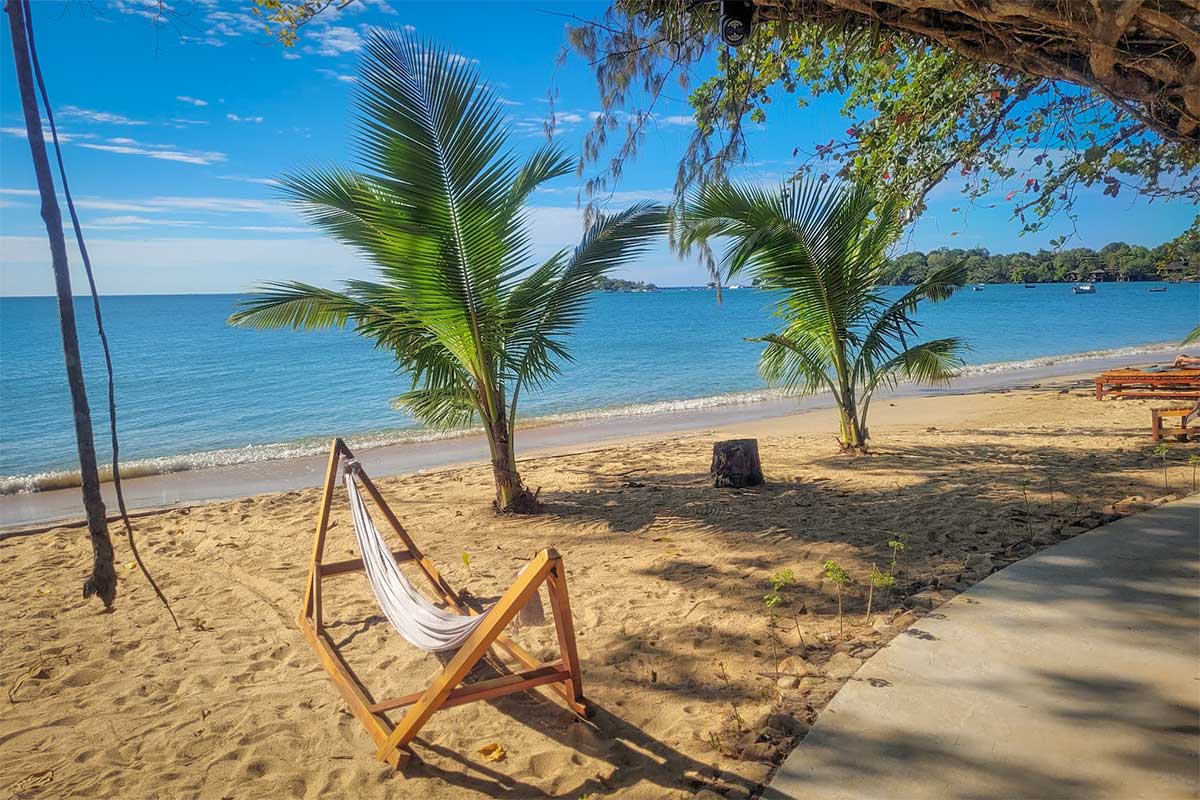
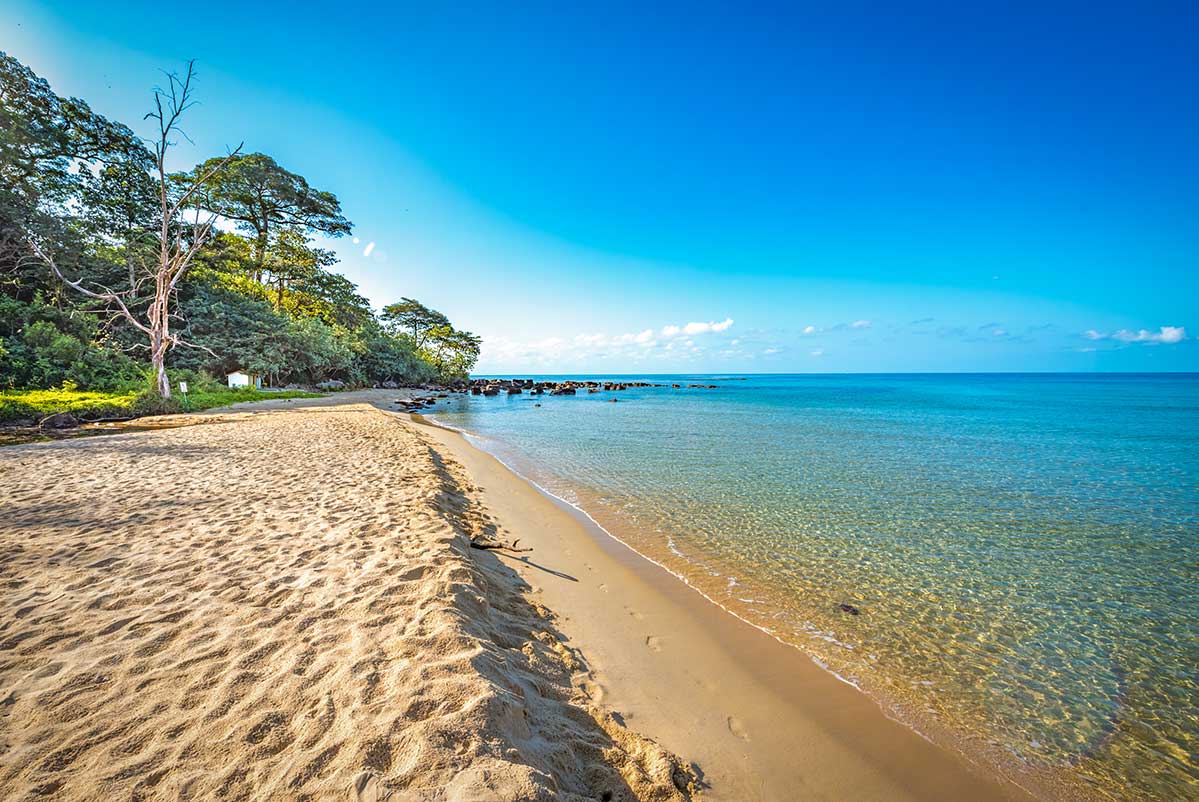
Vung Bau is a long, curved bay on the northwest coast with a much quieter and more natural feel compared to the more famous beaches. Large parts of the beach are still undeveloped, especially away from the small resorts.
What makes it worth visiting?
This is one of the best beaches if you want space and a more peaceful atmosphere. The sand is soft, the water is usually calm and clear, and it is easy to find a quiet spot, especially outside the resort areas.
There are a few small resorts and beach bars where you can get drinks or food, but overall it still feels far less busy than places like Long Beach or Sao Beach.
Downsides
Facilities are limited if you are not staying at one of the resorts. Some parts of the beach are also not accessible due to private developments, so you may need to enter through specific access points.
Best for
Travelers looking for a quiet beach, couples, and anyone who prefers a more natural setting without large crowds.
Practical info
Vung Bau is located between Cua Can and Ganh Dau and is easiest to reach by scooter or car. Access is usually through small roads leading to resorts. It is a good idea to bring essentials like water and sunscreen if you plan to stay for a while.
4. Cua Can Beach
What is this beach like?
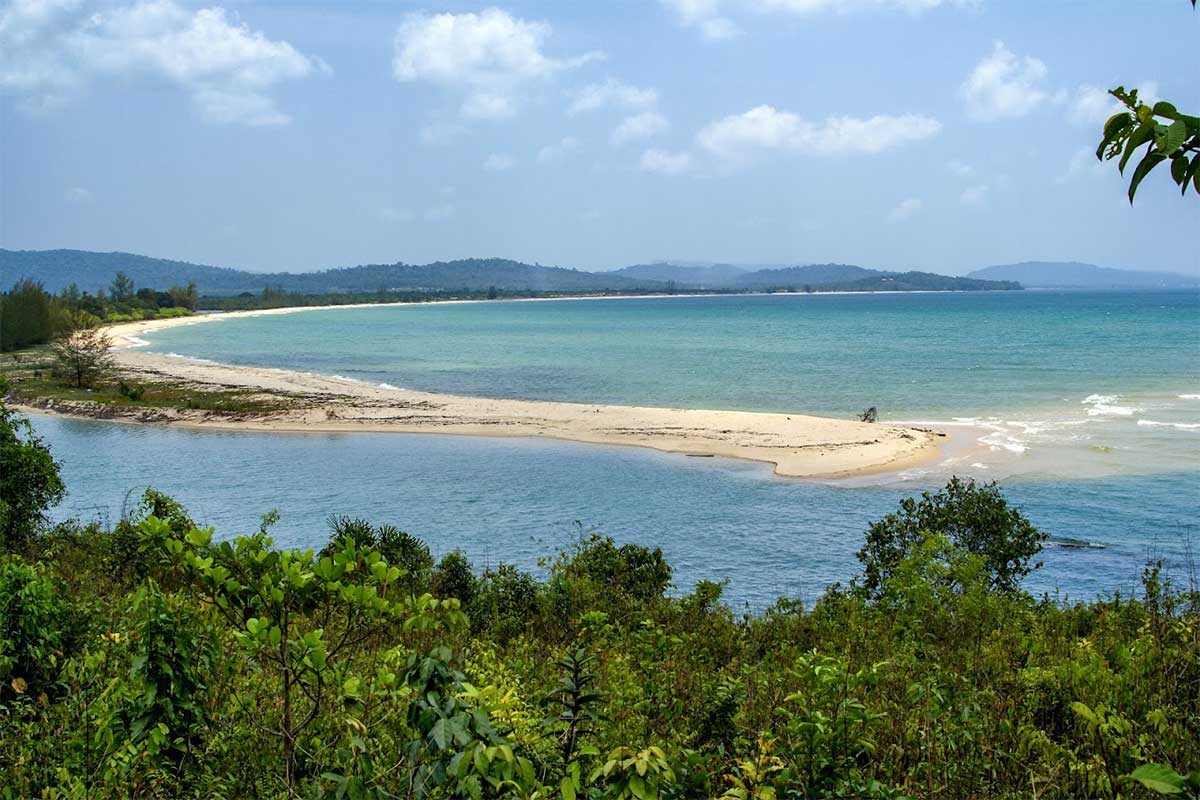
Cua Can Beach is located north of Ong Lang, where a river flows into the sea. This creates a mix of beach, river, and sandbanks, which makes the area feel more natural and less like a typical resort coastline.
What makes it worth visiting?
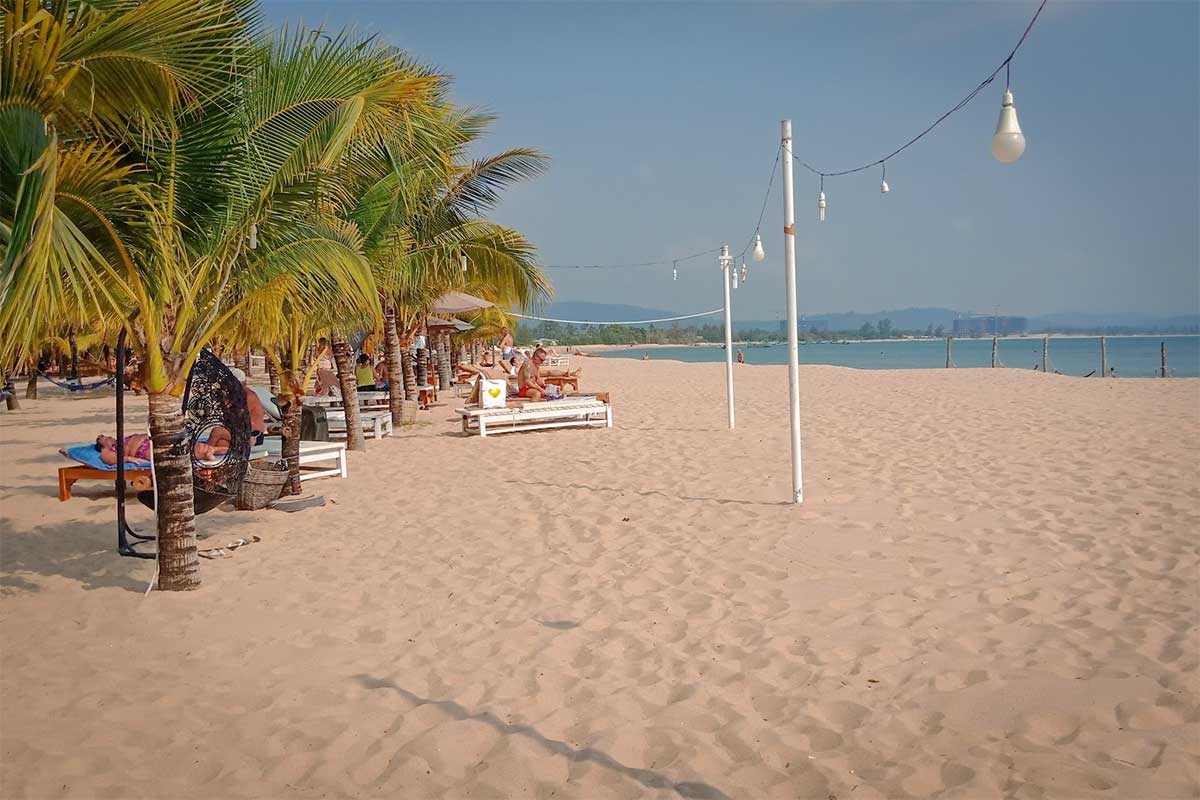
This is a good option if you are looking for a quieter, less developed beach. Compared to places like Long Beach, it feels more local and more relaxed.
Some sections, especially further away from the village, can be very peaceful with hardly any people around. The mix of river and sea also gives it a different scenery compared to other beaches on the island.
Downsides
Parts of the beach near the village can feel a bit run-down, and in some areas, trash can be an issue. It is also not the most “perfect” beach in terms of white sand and clear water compared to places like Khem or Sao.
Best for
Travelers who prefer a more natural setting, people exploring by scooter, and those who want to avoid busy tourist areas.
Practical info
Cua Can is about 25–30 minutes from Duong Dong. Access can be a bit less straightforward, and some roads leading to the beach are smaller or unpaved. Facilities are limited, so it is best to bring what you need.
5. Khem Beach
What is this beach like?
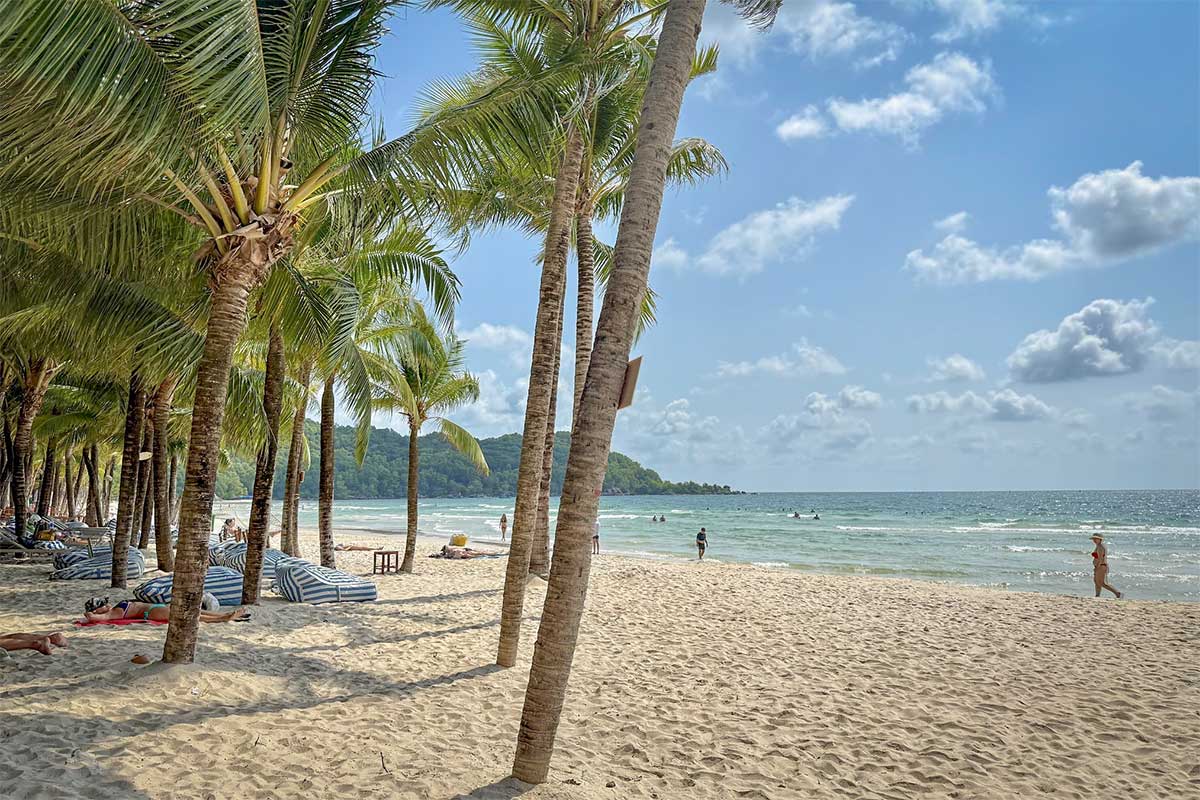
Khem Beach, located in the south of Phu Quoc, is one of the most visually striking beaches on the island. It has soft white sand and calm, clear water, often shown in promotional photos of Phu Quoc.
What makes it worth visiting?
Purely in terms of looks, this is one of the most beautiful beaches on the island. The sand is fine and light, the water is usually calm, and it is a great place for swimming.
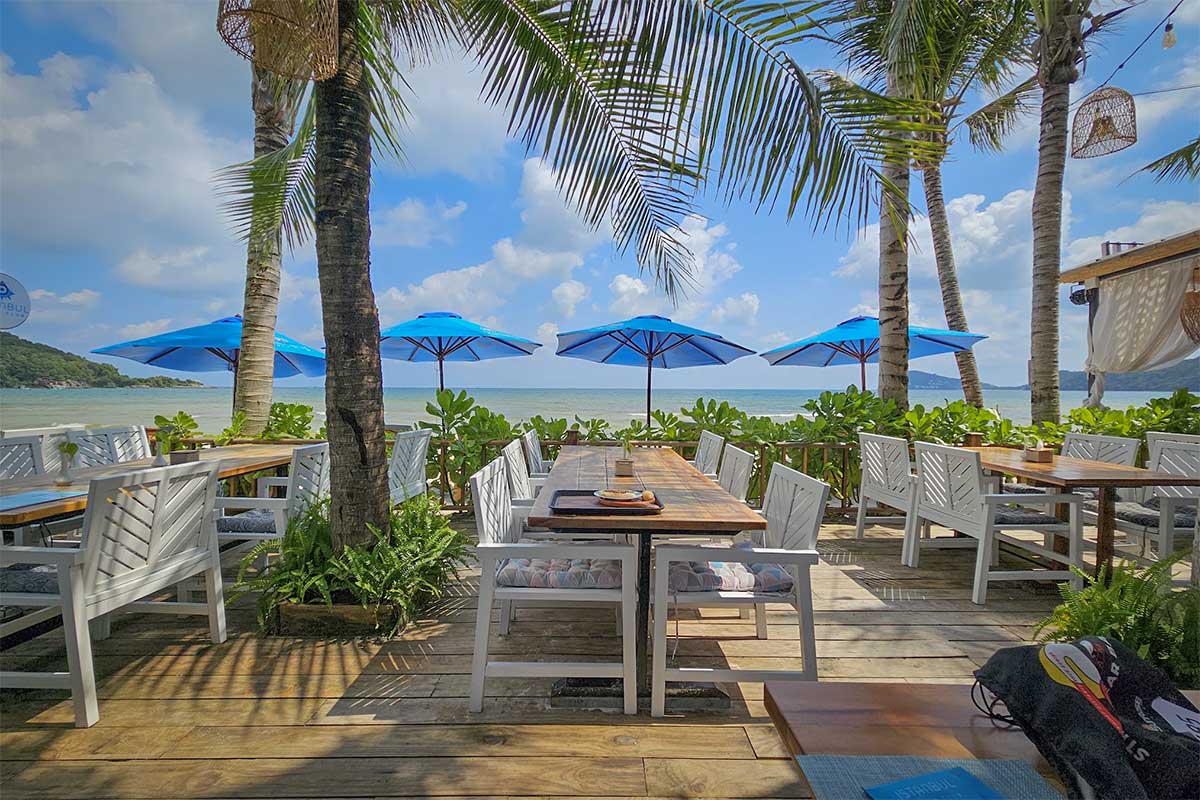
Some parts of the beach, especially near beach clubs or restaurants, still offer a relaxed atmosphere where you can spend a few hours enjoying the scenery.
Downsides
Khem Beach has changed a lot over the years. Large luxury resorts now take up most of the beachfront, and access can feel limited in some areas.
It can also get busy, especially during peak times, and the overall atmosphere is more commercial compared to quieter beaches in the north. In some sections, it feels more like a resort area than a natural beach.
Best for
Travelers looking for a visually beautiful beach, people staying in nearby resorts, and those who want a comfortable beach day with facilities.
Practical info
Khem Beach is about 30–40 minutes from Duong Dong. You can access it via the main road in the south, but some entrances lead through resorts or beach clubs. Expect to use a restaurant or bar if you want easy access and facilities.
6. Long Beach (Bai Truong)
What is this beach like?
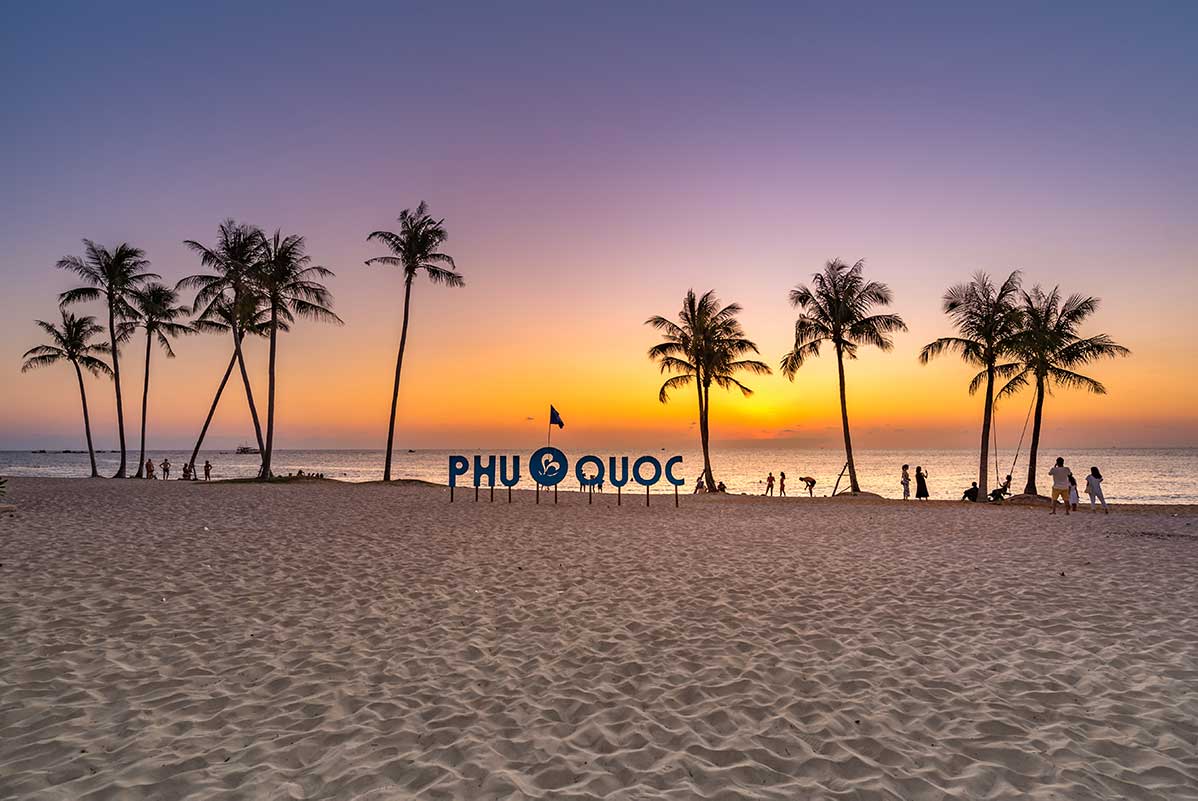
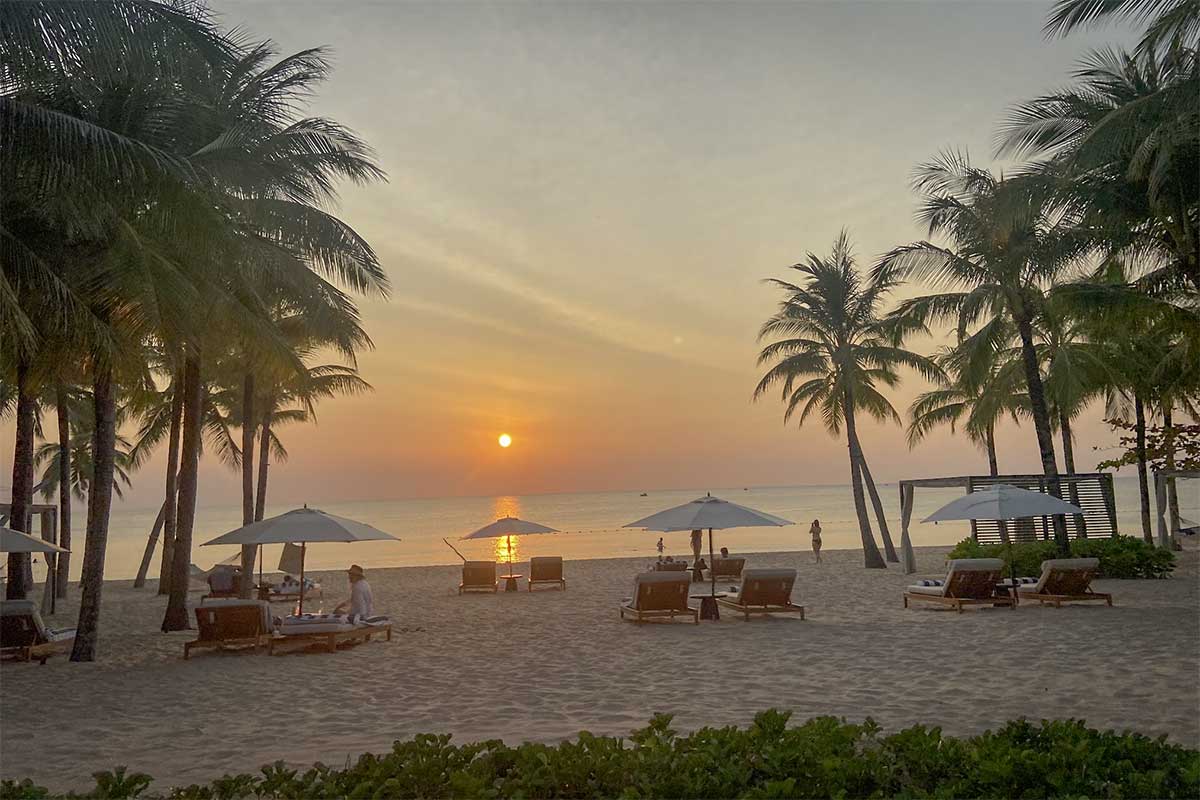
Long Beach, also known as Bai Truong, stretches for nearly 20 kilometers along the west coast. It starts near Duong Dong and continues far south, making it the longest and most developed beach on the island.
What makes it worth visiting?
This is the most practical beach in Phu Quoc. It has the widest range of accommodation, from budget stays to luxury resorts, as well as plenty of restaurants, bars, and beach clubs.
It is also one of the best places on the island for sunsets, and it is easy to access almost everywhere. If you want convenience and options, this is the place.
Downsides
Long Beach is heavily developed, especially in the central sections. Some areas can feel crowded, busy, and less relaxed compared to beaches in the north.
The atmosphere also varies a lot depending on where you are. Some sections feel pleasant and quiet, while others are dominated by large resorts and construction.
Best for
First-time visitors, travelers who want convenience, nightlife, and easy access to restaurants and tours.
Practical info
Long Beach is directly connected to Duong Dong and runs past the airport, so it is the easiest beach to reach. Access is usually through small roads or resorts. Even if you are not staying here, it is easy to visit for sunset or dinner.
7. Rach Vem / Starfish Beach
What is this beach like?
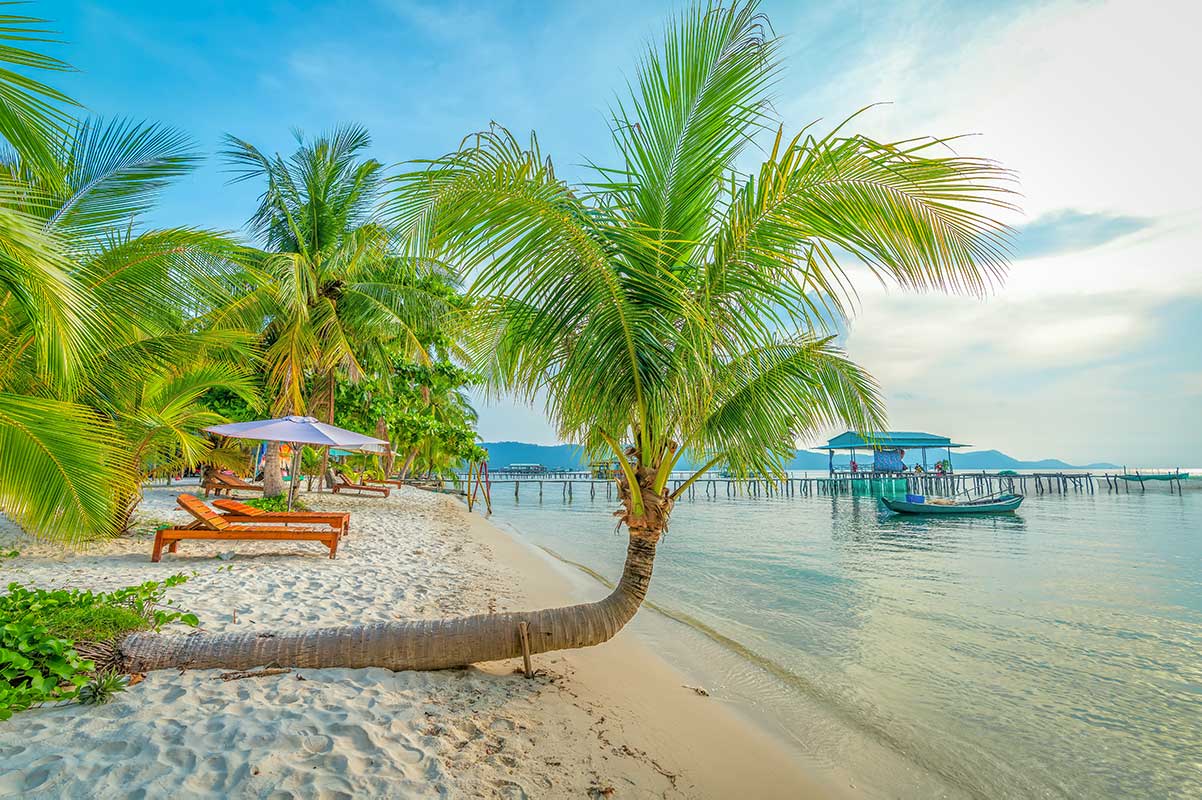
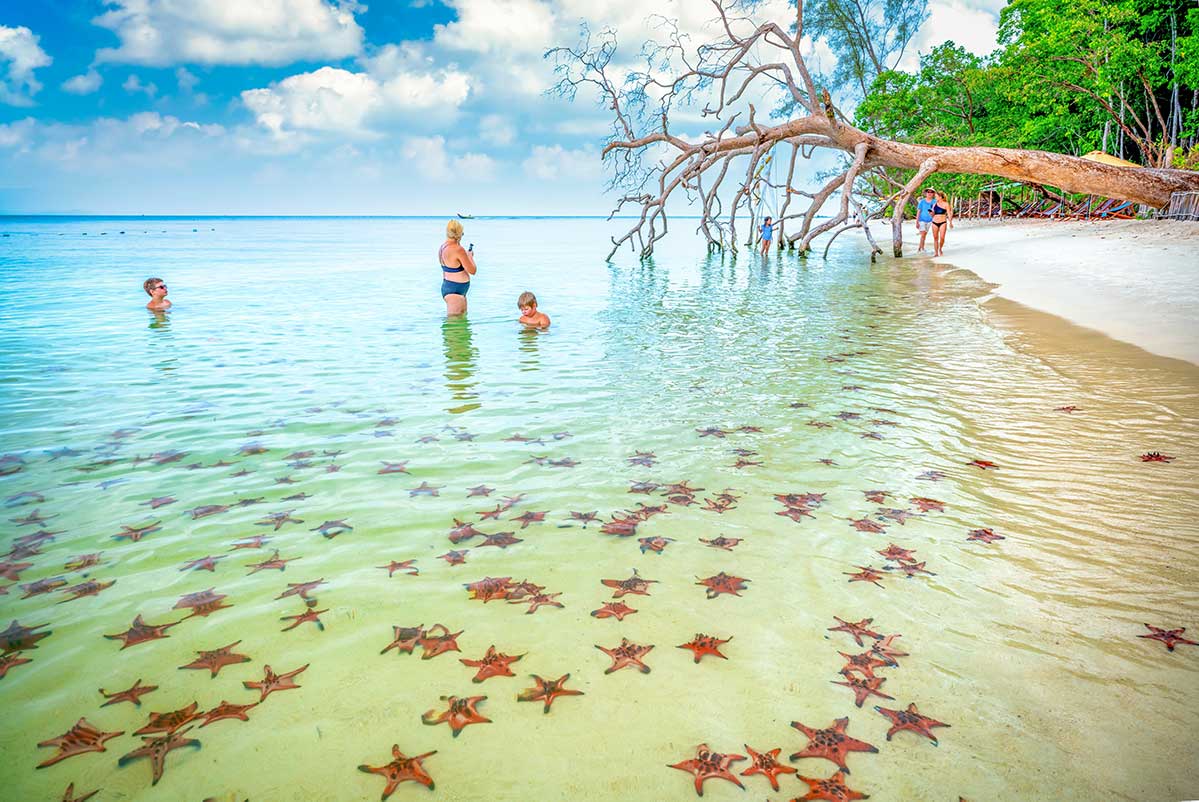
Rach Vem, often called Starfish Beach, is located on the north coast and is known for its shallow water and the large number of red starfish found here.
The beach itself is a mix of sandy areas and wooden walkways, with floating seafood restaurants just offshore.
What makes it worth visiting?
The main reason people come here is to see the starfish. In the right conditions, especially at low tide, you can see many of them in the shallow water.
The setting is also very nice, with clear water, a relaxed atmosphere, and simple seafood restaurants where you can eat right by the sea.
Downsides
This is one of the most mixed experiences on the island. It can get busy, especially with tour groups, and some areas suffer from litter.
A bigger issue is how the starfish are treated. It is common to see visitors taking them out of the water for photos, which can harm them. This takes away from the experience for many travelers.
Best for
First-time visitors curious about the starfish, short visits, and combining with a seafood lunch.
Practical info
Rach Vem is about 40–50 minutes from Duong Dong. The last part of the road can be rough, especially in the dry season with dust or after rain with mud. It is best to visit during low tide for the best chance to see starfish, and early in the day to avoid crowds.
8. Bai Thom Beach
What is this beach like?
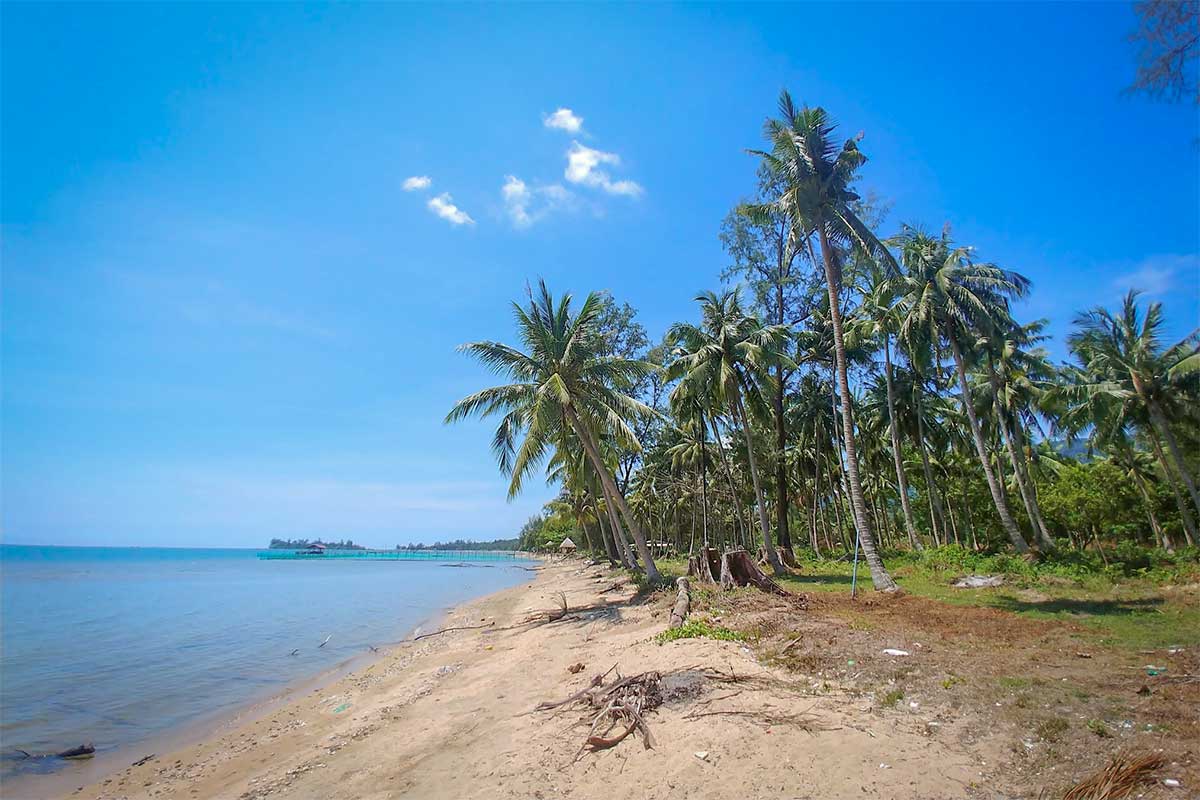
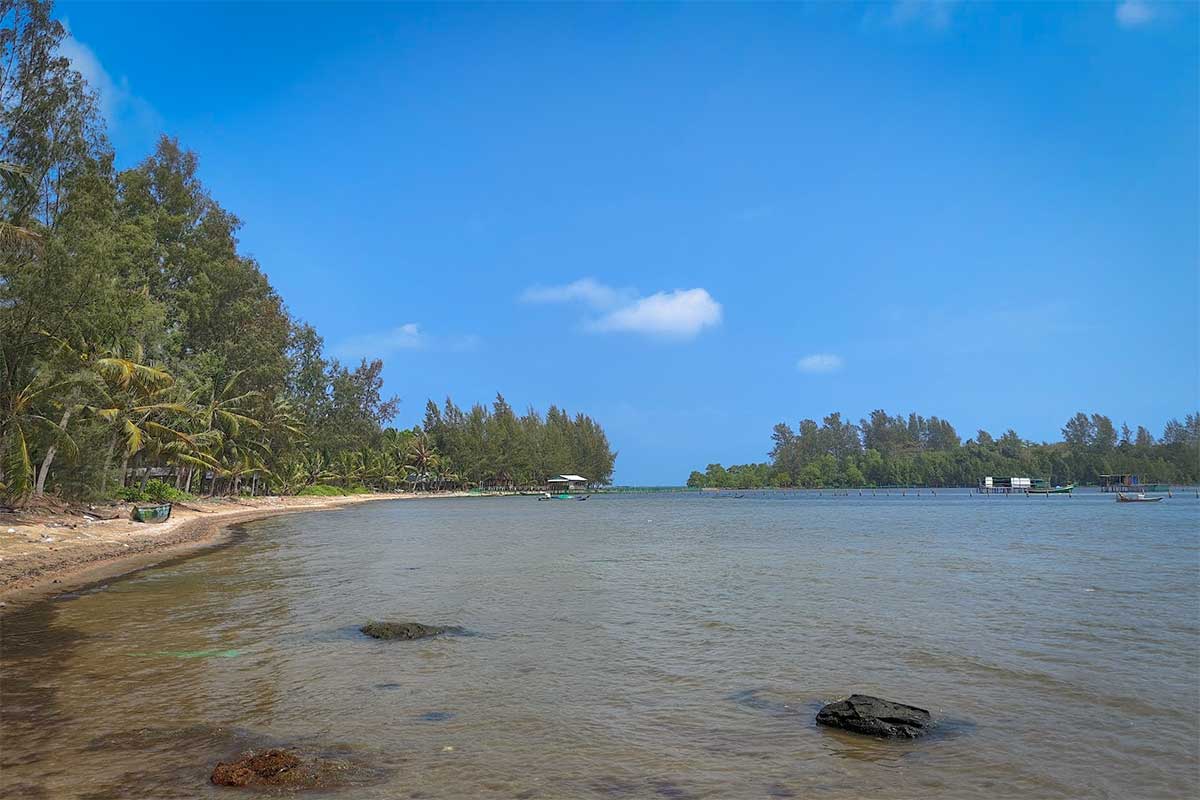
Bai Thom is located on the northeast coast and feels very remote compared to most other beaches in Phu Quoc. The coastline here is long and quiet, with a mix of sandy, rocky, and sometimes hidden beach sections.
What makes it worth visiting?
This is more about the overall setting than a single perfect beach. The area is peaceful, with very few tourists, local fishing villages, and scenic coastal roads.
If you enjoy exploring and discovering your own quiet spot rather than staying in one organized beach area, Bai Thom is a good choice.
Downsides
It is not the best beach for swimming. The water is often shallow, and some parts of the coast are rocky or not ideal for relaxing.
There are also very few facilities, so do not expect beach bars or comfortable setups.
Best for
Travelers who like exploring, quiet coastal drives, and a more local, undeveloped side of the island.
Practical info
Bai Thom is about 45–60 minutes from Duong Dong. Roads are mostly paved, but access to the beach often requires turning onto smaller dirt tracks. Bring everything you need for the day.
9. Cay Sao Beach
What is this beach like?
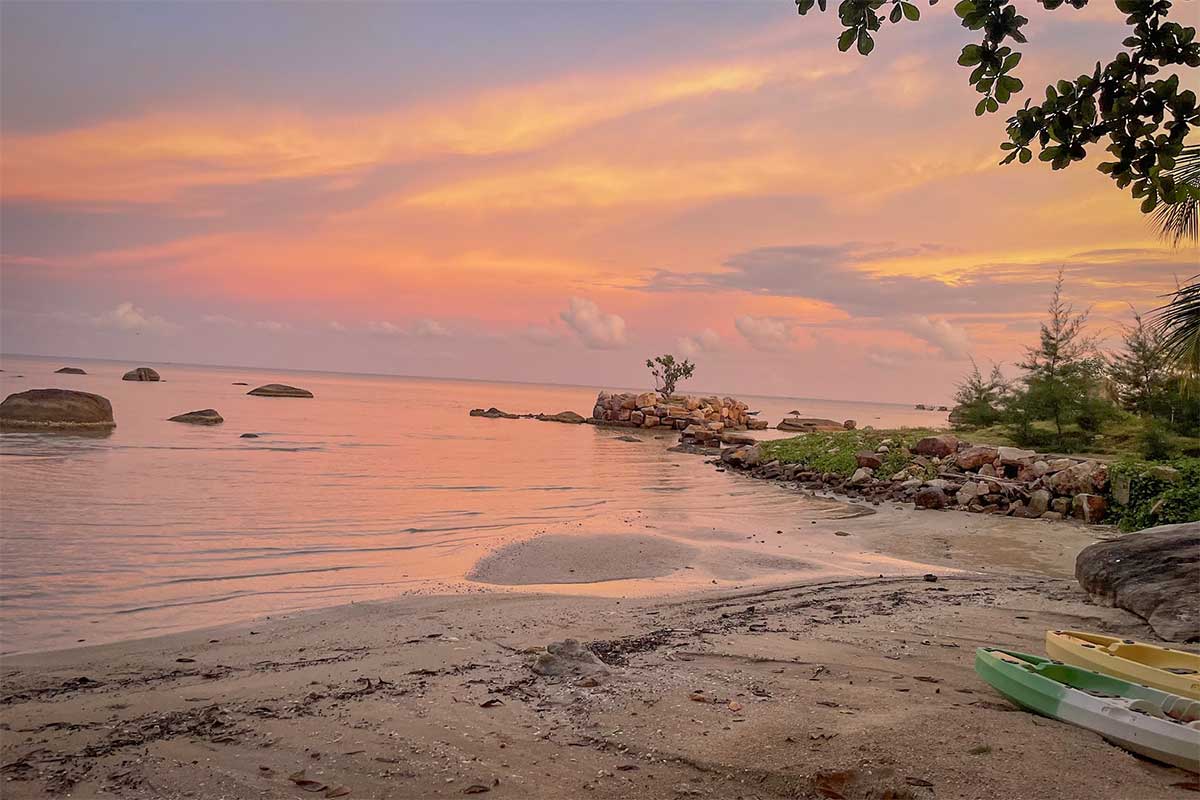
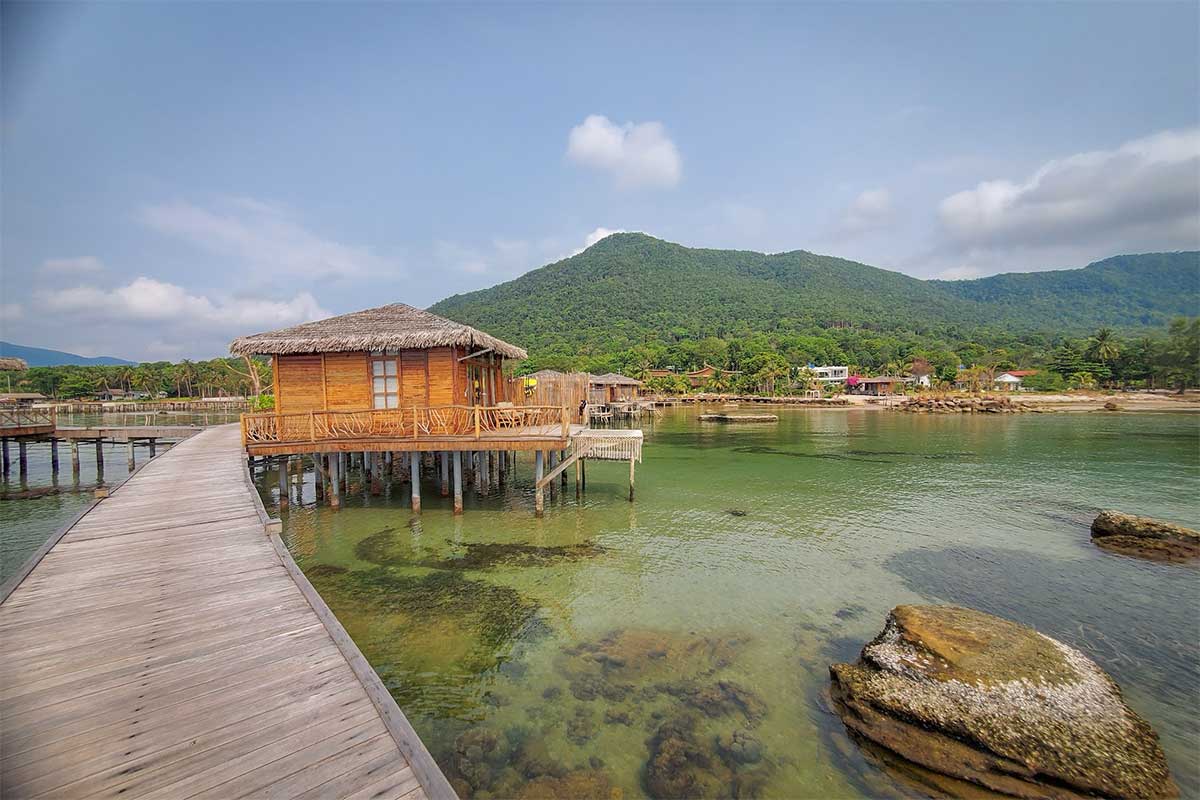
Cay Sao Beach is located on the east coast and has a very different feel compared to the west. Instead of long, open sandy stretches, it is made up of smaller bays, rocky sections, and green surroundings.
What makes it worth visiting?
This is one of the more interesting and less mainstream beach areas on the island. It has a laid-back atmosphere and feels more hidden compared to the popular west coast.
There are a few small resorts and beach bars, which makes it a nice place to spend a relaxed afternoon without large crowds.
Downsides
If you are looking for a wide, sandy beach for swimming, this may not be the best option. Some parts are rocky, and the coastline is less “classic tropical beach” than other areas.
Best for
Travelers looking for something different, a quieter atmosphere, and a more natural setting with a bit of character.
Practical info
Cay Sao is on the east coast and takes around 40–50 minutes to reach from Duong Dong. It is best visited by scooter or car. Facilities are limited, but a few beach bars and small resorts provide food and drinks.
10. Rach Tram Beach
What is this beach like?
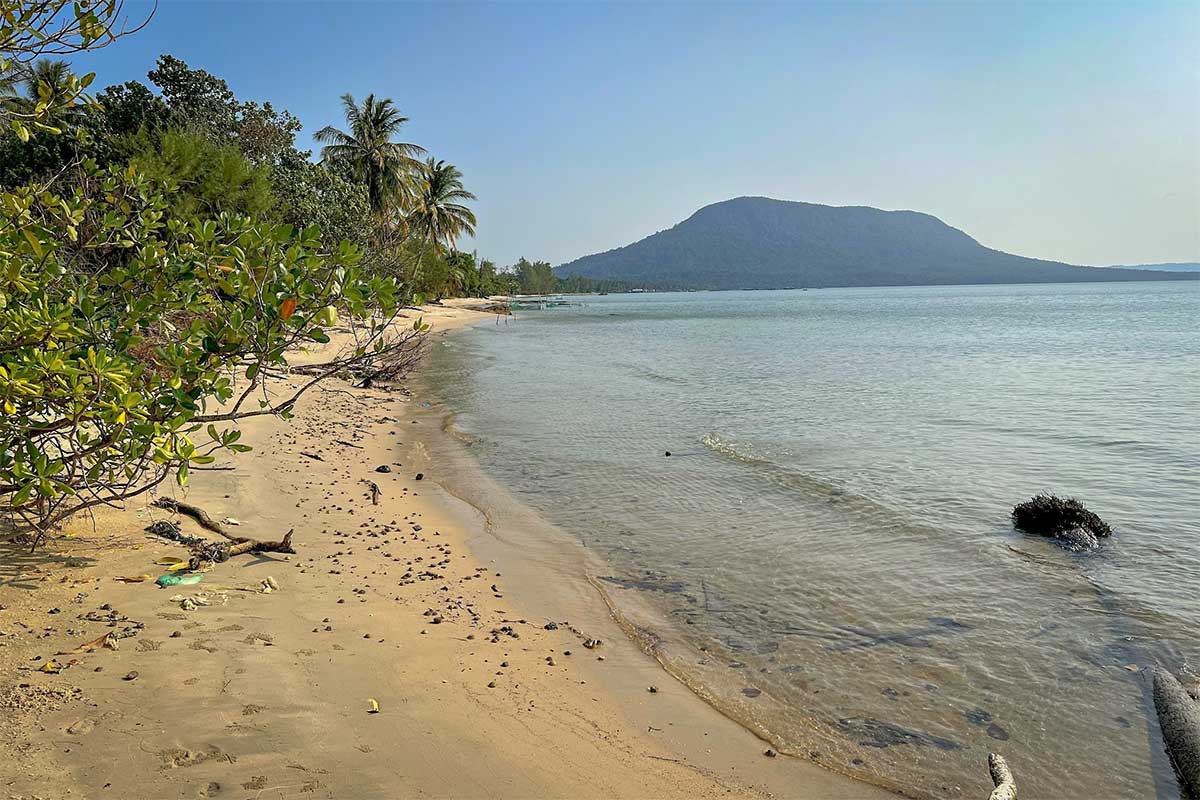
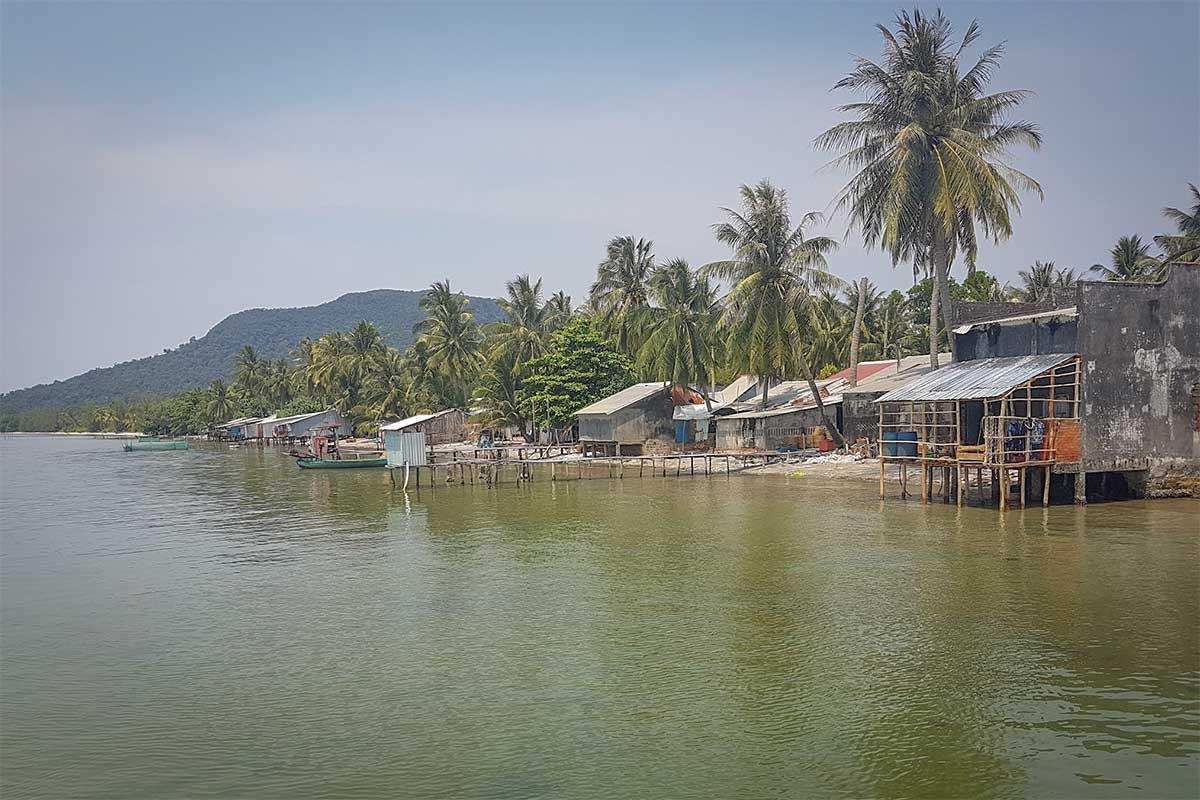
Rach Tram Beach is located at the far northern tip of the island and is one of the most remote beaches in Phu Quoc. It is a long, open stretch of sand with very little development.
What makes it worth visiting?
This is one of the most untouched beaches on the island. If you are looking for space, quiet, and a feeling of being far away from everything, this is one of the best places to go.
In some sections, especially further away from the small fishing area, the beach can feel completely empty.
Downsides
It is not the most convenient place to visit. There are no proper facilities, no beach clubs, and very limited services.
Some areas near the village can have trash, although it often improves as you move further along the beach.
Best for
Travelers who want a remote beach experience, people exploring by scooter, and those who do not mind basic conditions.
Practical info
Rach Tram is about an hour from Duong Dong. The road is now mostly paved, but the last part may still include some rough sections. There is no real infrastructure, so bring water, snacks, and anything else you might need.
11. Bai Bon Beach
What is this beach like?
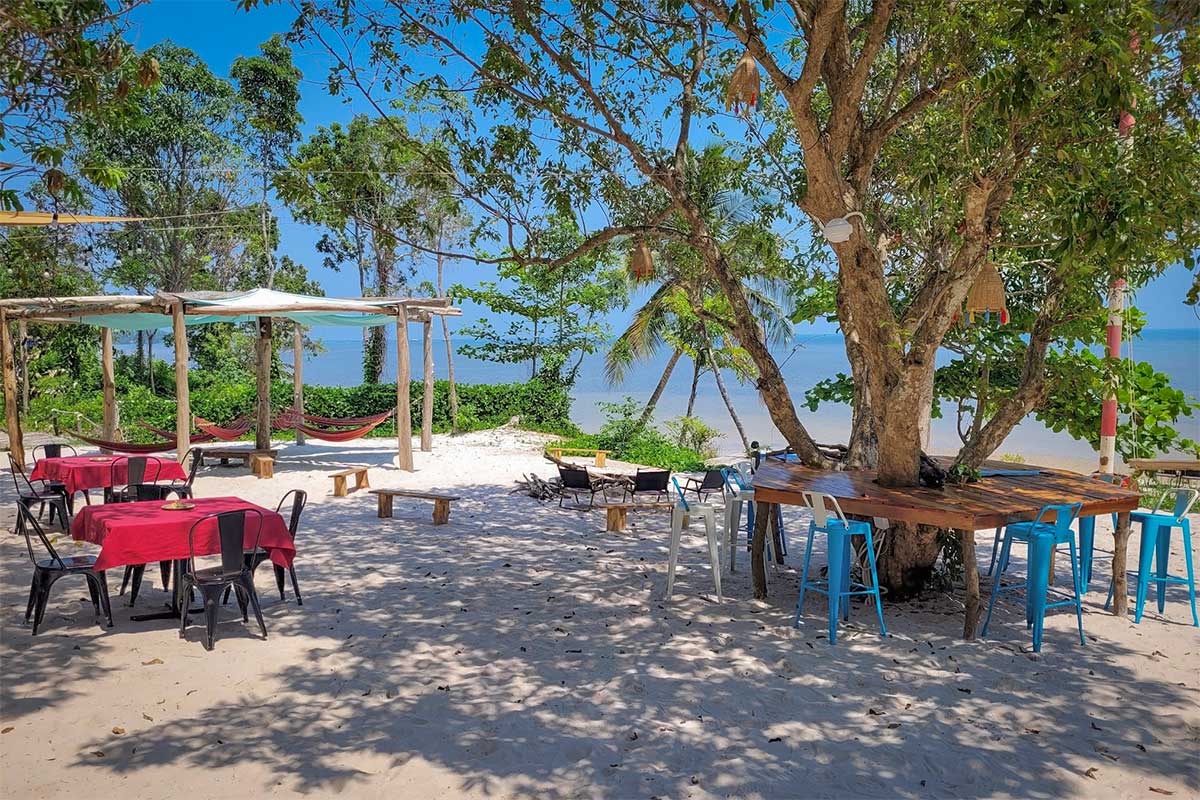
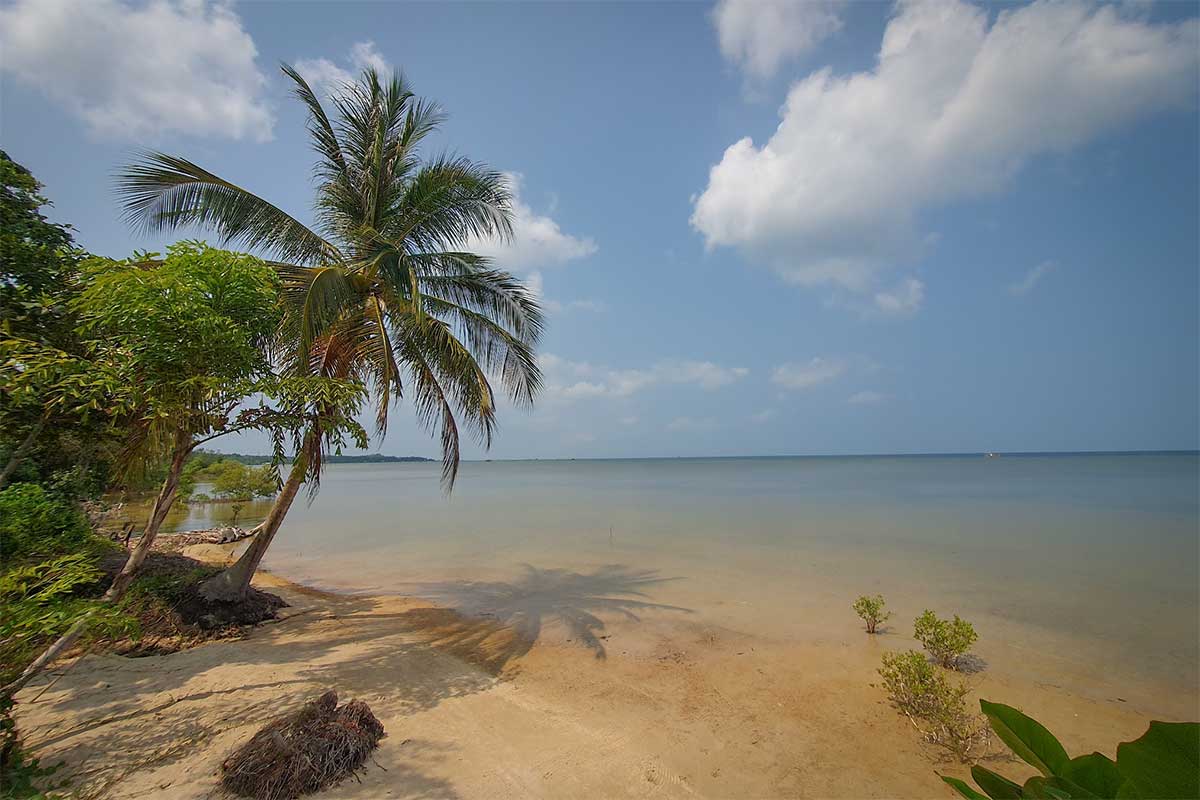
Bai Bon is a quiet coastal area on the east side of the island. It is less a single beach and more a long stretch of coastline with small access points through trees and vegetation.
What makes it worth visiting?
This area has a calm and relaxed atmosphere, with very little development. It feels peaceful and removed from the busier parts of the island.
It is a good place if you enjoy scenic coastal views and exploring smaller, less obvious beach spots.
Downsides
The coastline here is not consistently sandy. Some parts are pebbly, and the water can be shallow, which makes it less ideal for swimming.
There are also very limited facilities, and not many places to eat or drink nearby.
Best for
Travelers looking for quiet, less-visited places and a more local or natural experience.
Practical info
Bai Bon is located along the east coast road and is accessible by scooter or car. You will often need to take small paths to reach the beach. Bring your own supplies, as options are limited.
12. Sao Beach
What is this beach like?
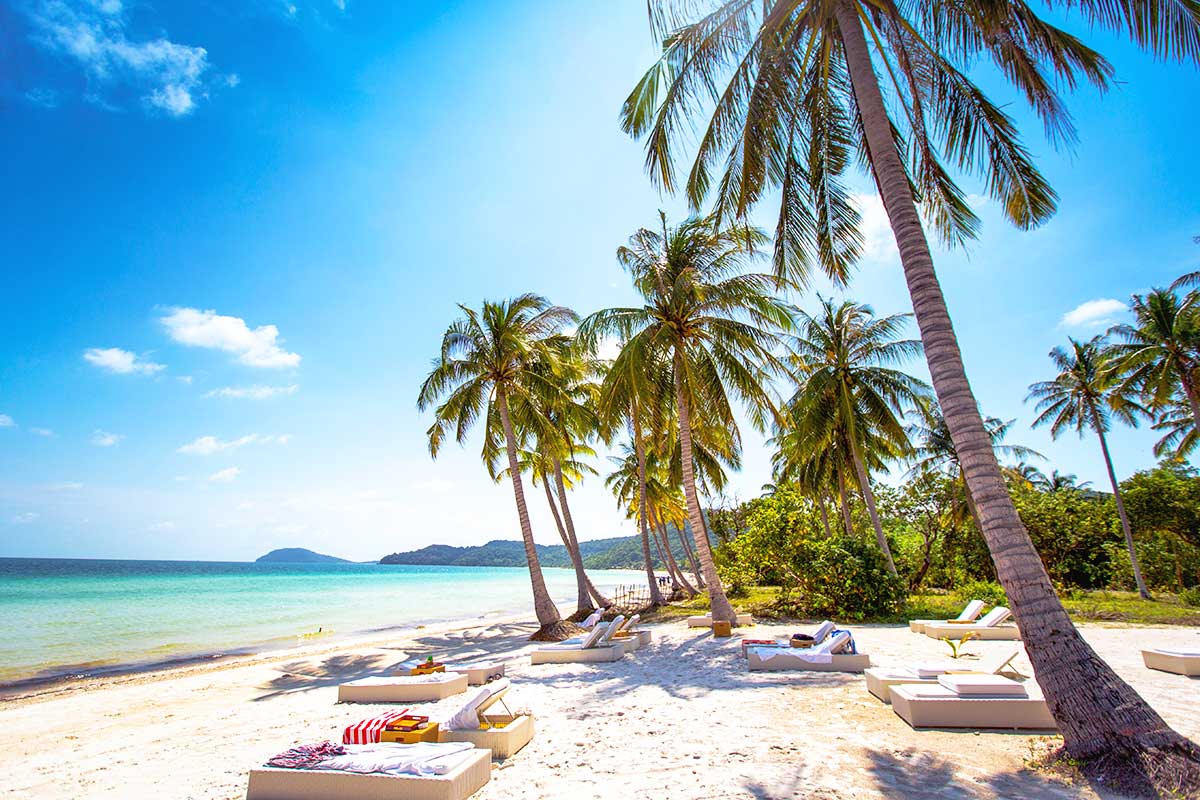
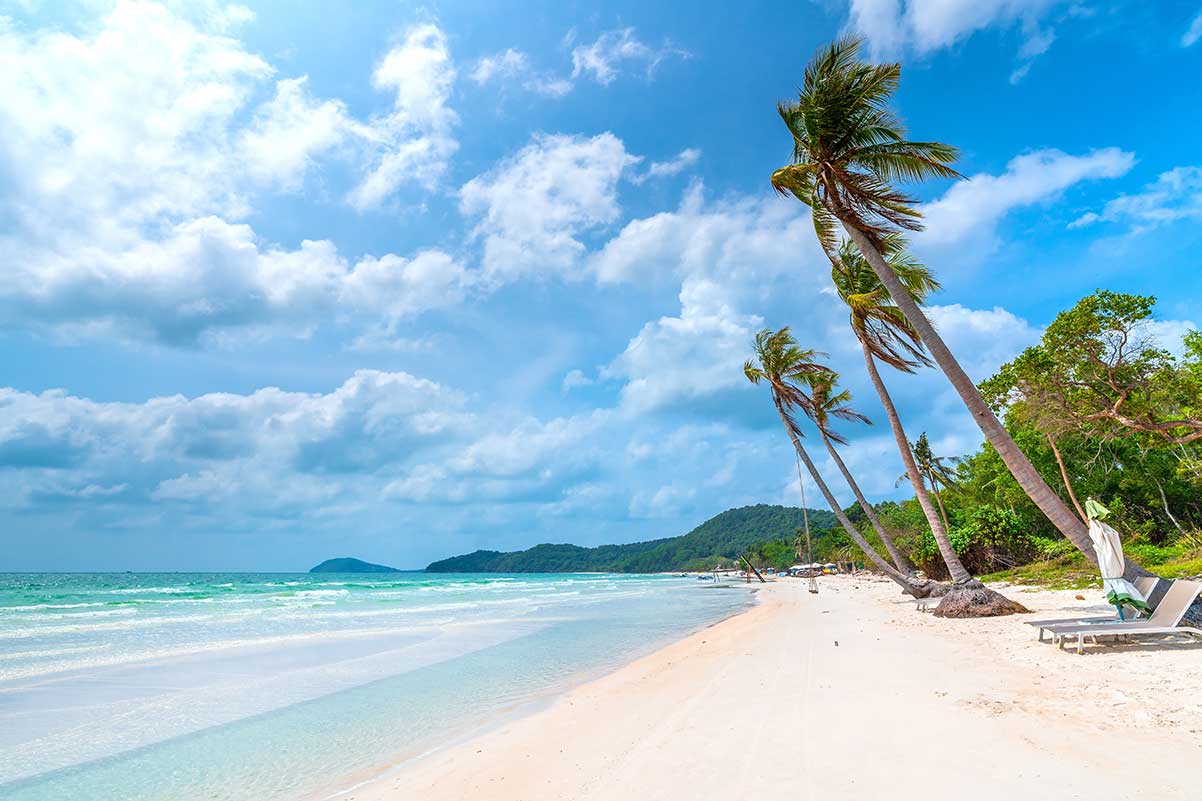
Sao Beach is one of the most famous beaches in Phu Quoc, known for its white sand, turquoise water, and rows of palm trees. It is located on the southeast coast.
What makes it worth visiting?
At first glance, this is one of the most beautiful beaches on the island. The sand is soft and light in color, and the water is often calm and clear, making it good for swimming.
There are also plenty of facilities, including restaurants, beach bars, and activities like jet skiing and parasailing.
Downsides
Sao Beach is a good example of a place where expectations do not always match reality. It can get very crowded, especially during peak times, and parts of the beach feel commercial and busy.
In some areas, trash and temporary structures affect the overall atmosphere. Compared to quieter beaches in the north, it feels much less natural.
Best for
Travelers who want a classic tropical beach look, easy facilities, and a lively atmosphere.
Practical info
Sao Beach is about 30–40 minutes from Duong Dong. The road is paved and easy to follow. It is best to visit early in the morning if you want to avoid the crowds and see the beach at its best.
Which beach area is best for you?
Choosing the right beach in Phu Quoc is not just about picking the “most beautiful” one. It depends on what kind of trip you want. Some beaches are easy and comfortable, while others are quiet but require more effort.
Best beaches for staying near restaurants and convenience
If you want everything close by, this is the best choice.
Ong Lang Beach offers a good balance. You have restaurants, bars, and accommodation nearby, but it still feels relaxed and not overly busy.
Long Beach (Bai Truong) is the most convenient option on the island. It has the widest range of hotels, restaurants, beach clubs, and nightlife. It is the easiest place to stay if you do not want to think too much about transport or planning.
Best beaches for peace and a more natural setting
If you prefer quiet beaches and fewer crowds, head north.
Vung Bau and Cua Can are good options with a more natural feel and fewer people. They still have some accommodation, but nothing like the busy west coast.
Rach Tram and Bai Thom are even more remote. These are better for exploring and enjoying empty stretches of coastline rather than a comfortable beach day with facilities.
Best beaches for scenic resort stays
If you are planning to stay at a resort and want a nice beach as part of that experience, a few areas stand out.
Khem Beach has some of the most visually attractive sand and water, and many upscale resorts are located here. It feels more polished and designed for resort stays.
Parts of Long Beach, especially in the central and southern sections, are dominated by large resorts with direct beach access.
Ong Lang is a softer version of this. It has good resorts, but the overall atmosphere feels more relaxed and less built-up.
Best beaches for families
Families usually need easy access, calm water, and facilities nearby.
Long Beach is the most practical option. The water is generally calm, and there are plenty of places to eat, relax, and stay.
Khem Beach also works well, especially if staying at a resort. The beach is clean, and the water is usually gentle.
Sao Beach can be fun for families because of the activities and shallow water, but it can also be crowded and a bit chaotic, especially during busy periods.
Best beaches for sunset
Sunset is one of the highlights of Phu Quoc, and you need to be on the west coast for the best views.
Ong Lang Beach is one of the best places for sunset, with a more relaxed atmosphere and fewer crowds.
Long Beach also offers great sunset views, especially if you combine it with a beach bar or dinner.
Ganh Dau is a quieter option, with nice views and a more local feel while the sun goes down.
Most famous beaches in Phu Quoc that may disappoint
Some beaches in Phu Quoc are very popular online, but that does not always mean they offer the best experience. Knowing this in advance can help you avoid unrealistic expectations.
Sao Beach
Sao Beach is often promoted as one of the most beautiful beaches on the island, and in terms of sand and water color, it still looks impressive.
In reality, it can be crowded, busy, and quite commercial. Jet skis, beach bars, and large numbers of visitors change the atmosphere. Some areas also struggle with trash and temporary structures.
It is still worth a visit if you want to see it for yourself, but it is not the quiet tropical beach many people expect.
Rach Vem / Starfish Beach
Starfish Beach is one of the most searched places in Phu Quoc because of the red starfish in shallow water.
The setting is nice, and seeing the starfish can be interesting, but the experience can feel very touristy. Some areas are busy, and litter can be a problem.
A bigger issue is how the starfish are treated. It is common to see visitors taking them out of the water for photos, which takes away from the experience and can harm them.
Bai Dai Beach
Bai Dai used to be one of the most beautiful natural beaches on the island, but it has changed significantly.
Today, most of the area is taken over by large-scale resort developments, including hotels, theme parks, and entertainment complexes. While the beach itself is still decent, the overall atmosphere is very different from a natural beach setting.
For some travelers, this works well if staying at one of the resorts. For others, it feels too built-up and less authentic.
Best time to visit the beaches of Phu Quoc
The time of year can make a big difference to your beach experience in Phu Quoc. The same beach can look completely different depending on sea conditions, weather, and crowds.
Best beach season overall
The best time for beach conditions in Phu Quoc is generally from November to April. During these months, the sea is usually calm, the water is clearer, and swimming is more enjoyable.
October and May can also be good options. These are shoulder months, so you may get slightly more rain, but in return you often get fewer crowds and better prices. It can be a good balance if you want decent weather without peak-season crowds.
Dry season vs rainy season for beach days
The dry season, roughly from November to April, is the most reliable time for beach days. You can expect more sunshine, calmer seas, and better visibility in the water.
In the rainy season, from around May to October, the weather becomes more unpredictable. Rain usually comes in short, heavy showers rather than all day, but the sea can be rougher, and the water is often less clear.
Some days can still be fine for the beach, but it is less consistent. If your trip is mainly focused on beach time, the dry season is the safer choice.
Beaches that are better in calm weather than others
Not all beaches react the same way to weather conditions.
Beaches with shallow water, like Rach Vem (Starfish Beach), are much better when the sea is calm. This is when you have the best chance of seeing starfish and enjoying the clear water.
More remote beaches like Rach Tram or Bai Thom can also be more enjoyable in good weather, as there is little shelter or infrastructure if conditions are rough.
On the east coast, beaches such as Bai Thom and Bai Bon often depend more on calm conditions. The water can be shallow or less clear during rougher periods, which makes them less suitable for swimming.
If you are flexible with your itinerary, it is worth adjusting your beach visits based on daily weather conditions rather than sticking to a fixed plan.
Practical tips for visiting Phu Quoc’s beaches
A bit of planning can make a big difference when visiting beaches in Phu Quoc. Some are easy and well-developed, while others require more preparation.
How to get around the beaches
The most flexible way to explore Phu Quoc is by scooter. It allows you to reach smaller beaches and stop wherever you like.
If you prefer not to drive, taxis and ride-hailing apps are widely available around Duong Dong and the west coast. For more remote areas, a private car with driver is often the easiest option.
Organized tours usually focus on the south or island-hopping and may not include many of the quieter beaches in the north.
Some beaches are much more remote than they look on a map
Distances on Phu Quoc can be misleading. A beach that looks close on the map can still take 45 minutes to an hour to reach.
This is especially true for the north and northeast, where roads can be smaller, less direct, or include dirt tracks. It is worth checking the route in advance and allowing extra time.
Bring cash, sunscreen, water, and anything specific you need
Outside the main tourist areas, facilities can be very limited.
Small beach restaurants often only accept cash, and prices can be higher in remote locations. It is also a good idea to bring your own sunscreen, especially if you prefer a specific brand, as options outside town can be limited or expensive.
Water and snacks are also useful if you plan to stay at quieter beaches for a few hours.
Check whether access is public, semi-public, or through a resort
Not all beaches in Phu Quoc are easy to access.
Some beaches are fully public, while others are technically public but easiest to reach by walking through a resort or using a beach club. In places like Khem Beach or parts of Bai Dai, access can feel limited if you are not staying at a hotel.
In these cases, using a restaurant or beach club is often the simplest way to enjoy the beach.
Be realistic about trash and development
Phu Quoc has some beautiful beaches, but it is not a completely untouched island.
In some areas, especially near villages or more developed zones, you may see litter or construction. This can change quickly depending on location and time of year, but it is something to be aware of.
Knowing this in advance helps avoid disappointment and makes it easier to appreciate the better spots when you find them.
Respect starfish and marine life
At places like Rach Vem (Starfish Beach), it is common to see people picking up starfish for photos.
It is better to leave them in the water. Taking them out, even for a short time, can harm or kill them.
The same applies to other marine life. A more respectful approach not only protects the environment but also makes the experience more enjoyable for everyone.