


Bai Vong Port – The main ferry gateway to Phu Quoc
Bai Vong Port is located on the east coast of Phu Quoc, in the Ham Ninh area. It is the main arrival point for ferries coming from the mainland, especially from Ha Tien and Rach Gia, and for many travelers this is their first impression of the island.
In terms of location, it is fairly convenient but not central. Duong Dong town is about 20–30 minutes away by car, the airport is around 15–20 minutes, and the southern beaches like Khem Beach and Sao Beach usually take 30–45 minutes depending on traffic. This means you will always need some form of transport after arriving.
The port itself is purely functional. It is designed for moving people and goods, not for relaxing or sightseeing. When ferries arrive, the area can feel busy and a bit chaotic, with drivers waiting and passengers trying to find their way. It is not a place where you spend time—you arrive, sort out your transport, and continue to your hotel as quickly as possible.
Ferry connections from Bai Vong Port
Bai Vong Port is the main arrival and departure point for ferries between Phu Quoc and the mainland. There are two main routes, each with both fast passenger boats and slower car ferries. Below is a simple overview to help you understand the differences. For full schedules, prices, and booking tips, see our detailed guide on ferry to Phu Quoc.
Ha Tien – Phu Quoc
This is the most popular and easiest ferry route to Phu Quoc.
The speed ferry takes around 1 hour 15 minutes and is the most common choice for travelers. It is fast, relatively comfortable, and runs multiple times per day.
There is also a car ferry operated by Thanh Thoi, which takes about 2.5 to 3 hours. This option can carry motorbikes, cars, and trucks, making it the best choice if you are traveling with your own vehicle.
In general, the speed ferry is better if you want a quick and simple journey. The car ferry is slower but more flexible, often cheaper, and necessary if you are bringing a vehicle.
Read more about the ferry from Ha Tien to Phu Quoc.
Rach Gia – Phu Quoc
The route from Rach Gia is longer but useful depending on where you are coming from.
The speed ferry takes around 2.5 hours, while the car ferry takes about 3 hours or slightly more. Compared to Ha Tien, this route involves more time on the water.
This option makes the most sense if you are traveling from the Mekong Delta, especially from places like Can Tho, where Rach Gia is easier to reach than Ha Tien.
Ferry operators
Several companies operate on these routes, with slightly different schedules and boat types.
The main operators are Phu Quoc Express, Superdong, and Thanh Thoi. Phu Quoc Express and Superdong mainly run speed ferries, while Thanh Thoi focuses on vehicle ferries.
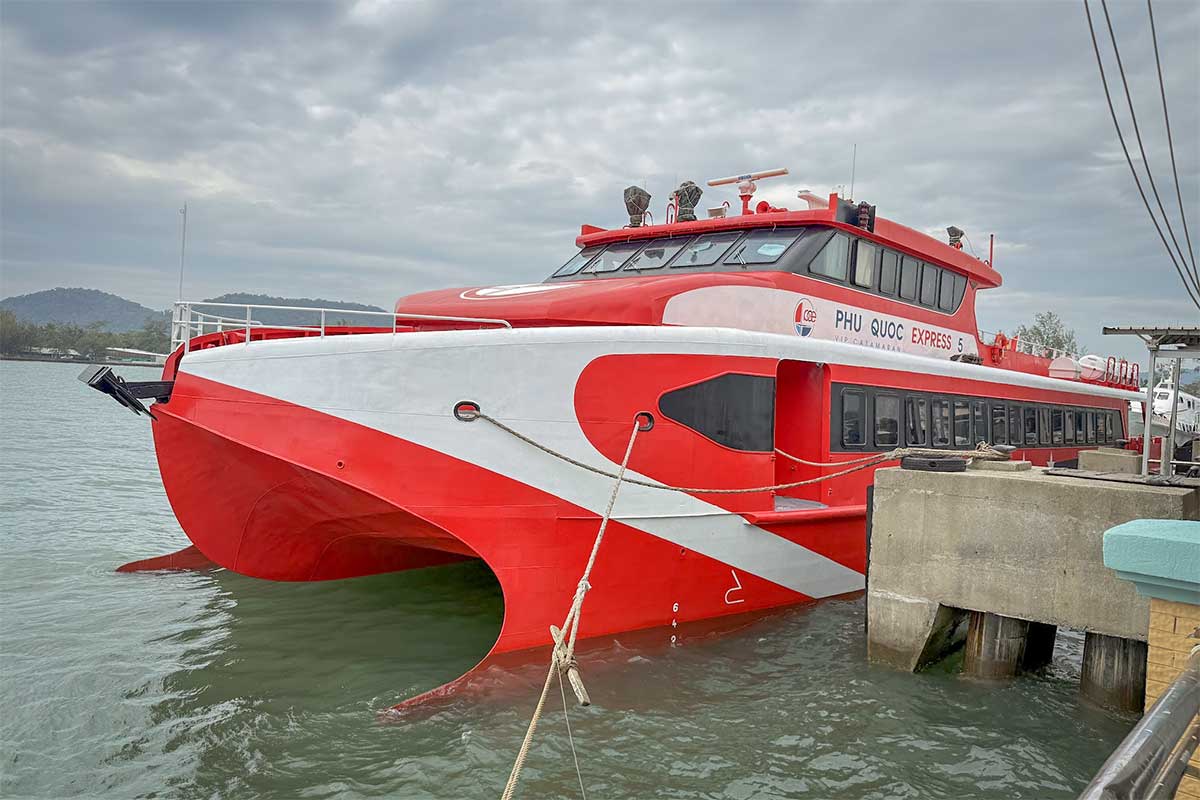
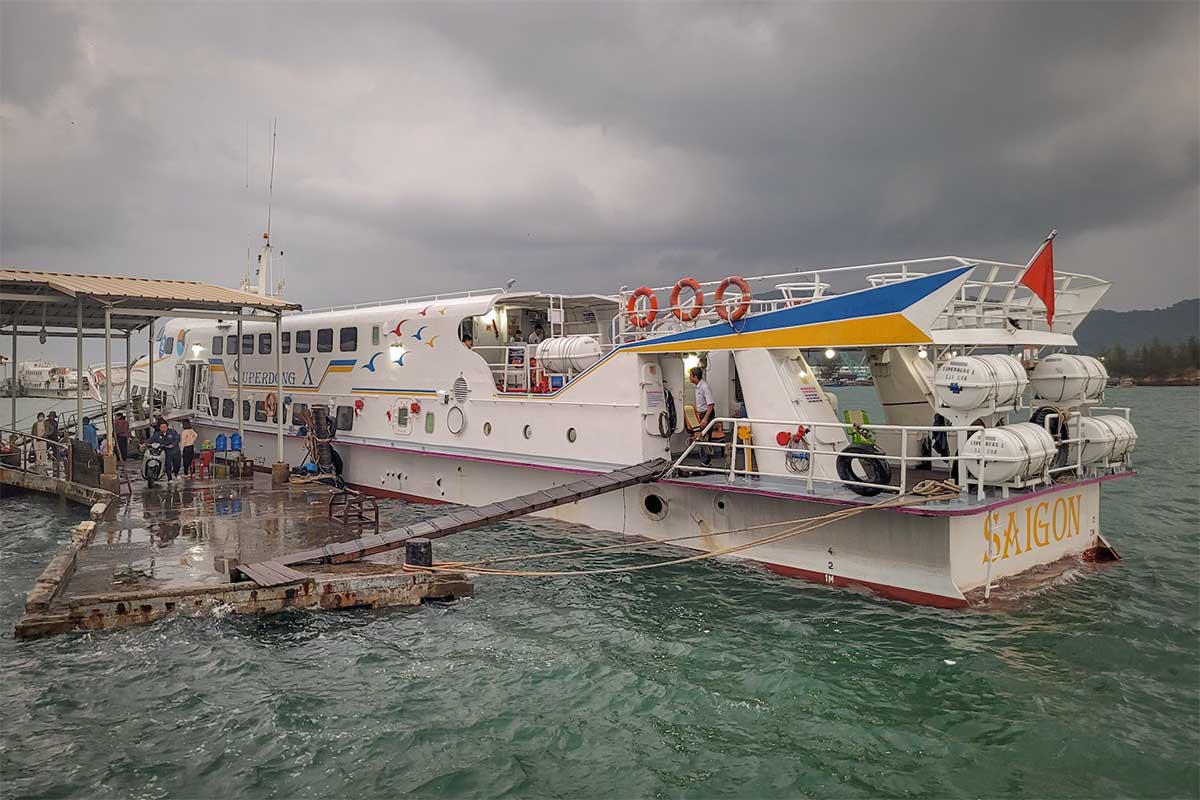
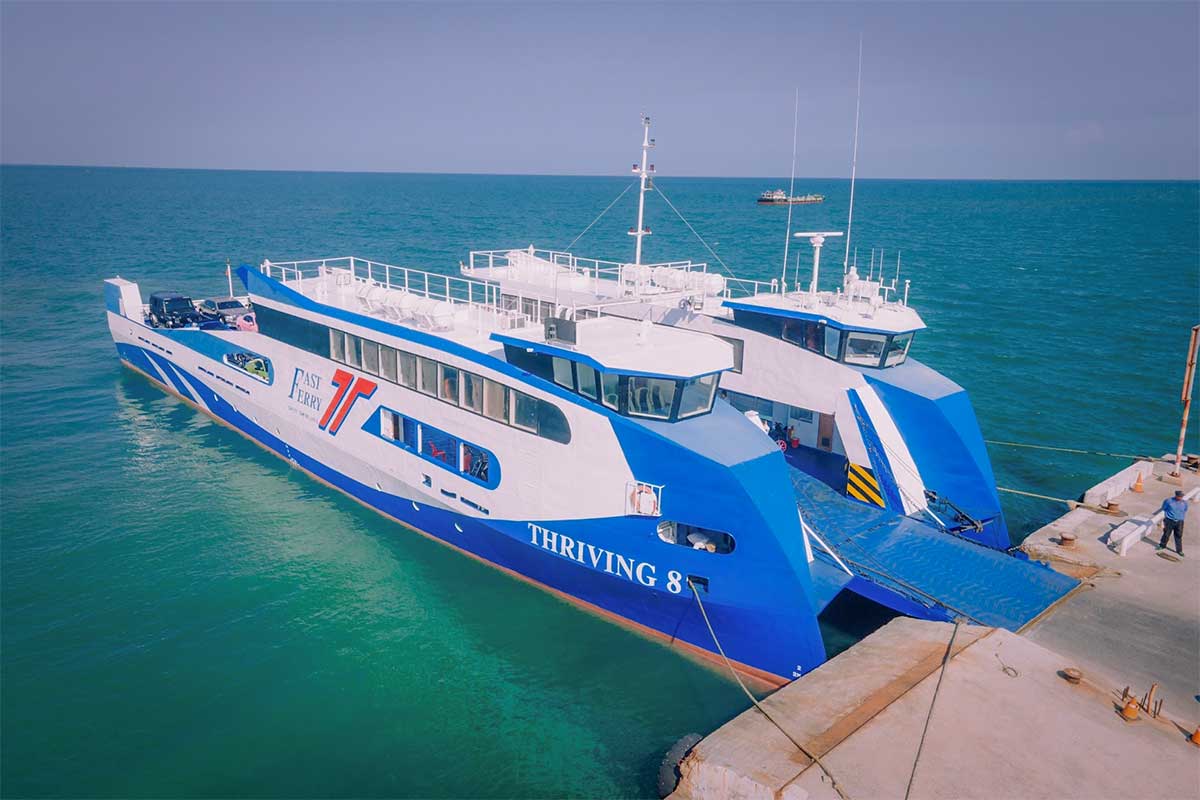
There are multiple departures daily on both routes, but times can change depending on weather and season. For a full overview of ferry options, schedules, and how to book, check our complete ferry to Phu Quoc guide.
What to expect at Bai Vong Port
This is where Bai Vong Port is very different from what many travelers expect. It is not a modern, well-organized ferry terminal. It works, but it is basic, a bit chaotic at times, and clearly focused on moving people rather than comfort.
Different piers and terminals
Bai Vong is not one single, clearly defined terminal. There are multiple piers used by different ferry companies.
The main ones you will notice are the speed ferry pier (used by companies like Phu Quoc Express and Superdong) and the Thanh Thoi ferry terminal for vehicle ferries. These are separate areas, and depending on your ticket, you may arrive or depart from a different spot.

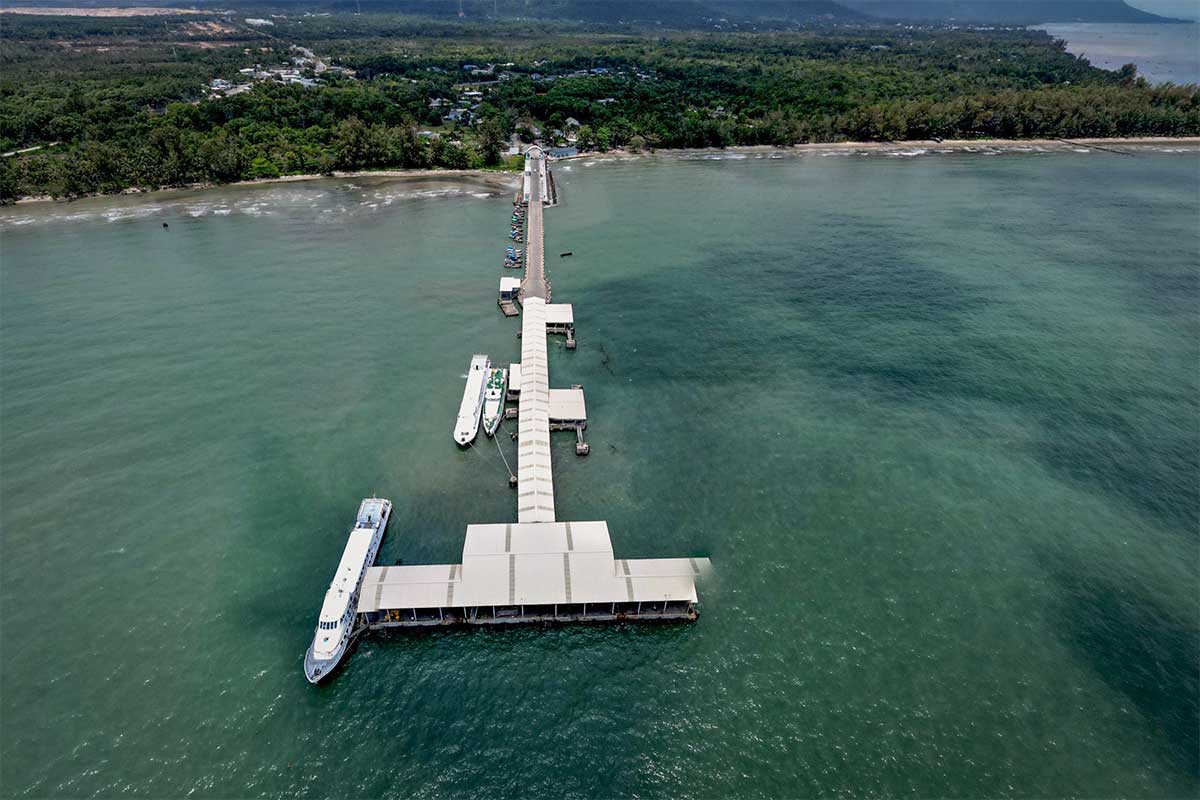
Because of this, the layout can feel confusing, especially on arrival. Signage is limited, and it is normal to ask staff or show your ticket to find the right place.
Arrival experience
When you arrive, you usually walk off the ferry and head along a short pier towards a parking or roadside area. This part is simple, but once you reach the exit, things can feel more chaotic.
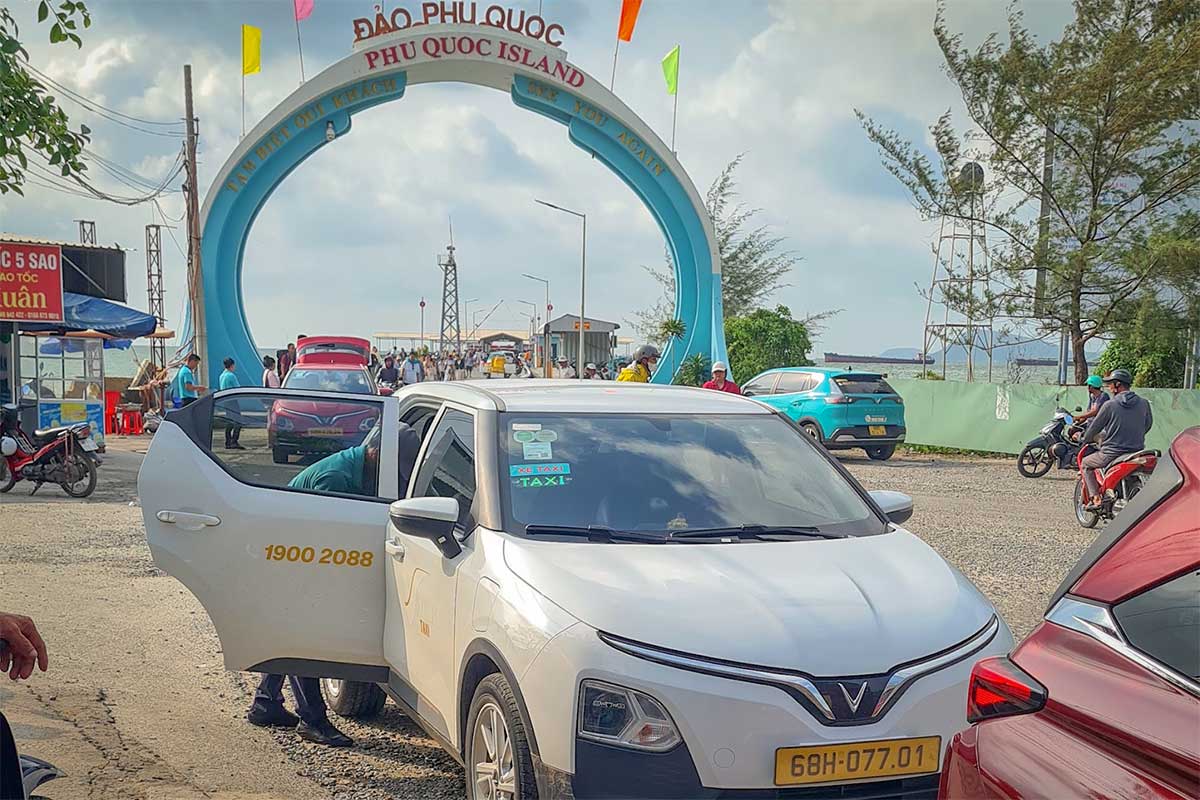
It is common to find many taxi drivers and motorbike drivers waiting here. Some will approach you directly and try to offer a ride, sometimes quite persistently. This can feel a bit overwhelming, especially if you just arrived.
The area is not very organized, and there is no clear system for transport, so you need to be a bit confident and know what you want before engaging with anyone.
Facilities
Facilities at Bai Vong Port are very basic, and this is something many travelers notice immediately.
Depending on the pier, you may find:
- little or no proper seating
- no clear waiting area
- toilets that are hard to find or not available
- limited food or drink options
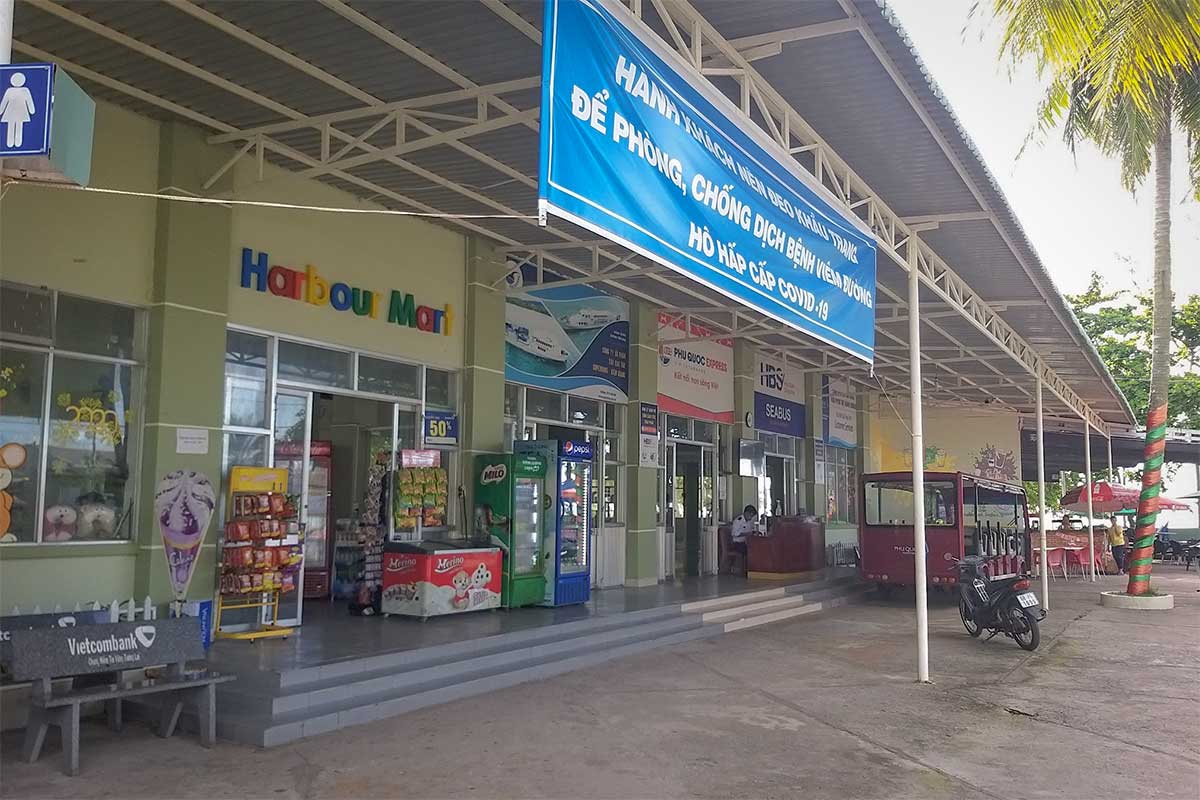
Overall, this is not a place designed for comfort. The key takeaway is simple: do not plan to spend time here longer than necessary.
Departure experience
Departing from Bai Vong Port is usually a bit easier than arriving. There are fewer drivers approaching you, and the process of boarding the ferry is generally straightforward.
However, the infrastructure is still basic, and waiting conditions are not ideal. Even though tickets often recommend arriving 30–45 minutes early, in reality many travelers find that arriving about 15–30 minutes before departure is enough.
Just make sure you are at the correct pier, as this can still be the most confusing part.
How to get from Bai Vong Port to your hotel
This is the most important part of arriving at Bai Vong Port. The port itself is simple, but transport can feel confusing and sometimes stressful if you are not prepared. Below are the main options, with honest advice on what to expect.
Taxi (most common option)
Taxis are always available when ferries arrive, and you will see many drivers waiting as soon as you exit the port.
The main issue is that not all drivers use a meter. It is common for drivers to quote a fixed price, which can be higher than normal if you do not negotiate. This is especially true when you just arrive and look unsure.
Typical prices:
- Duong Dong: around 250,000–350,000 VND
- South (Khem Beach / Sao Beach): higher depending on distance
Always agree on the price before getting in the car. If the driver refuses to use a meter or the price feels too high, it is better to walk away and try another option.
Grab (recommended but with caveats)
Grab works well in Phu Quoc and is often the easiest way to avoid overpaying. However, Bai Vong Port is one of the few places where it can be slightly less straightforward.
Some drivers at the port may tell you that Grab does not work there or that the drivers are “not real.” This is not true. These are common tactics to get you to cancel your booking and use their service instead.
In practice:
- Grab usually works, but you may need to walk a short distance away from the main pier area
- It can take a few minutes for a driver to accept your ride
Important:
- Do not cancel your Grab ride because someone tells you to
- Always check that the license plate matches your booking before getting in
Pre-booked private transfer (best option for many travelers)
Booking a private transfer in advance is the easiest and most reliable option.
The driver will be waiting for you when you arrive, usually holding a sign with your name. You avoid all negotiation, confusion, and waiting time.
This option is especially good if:
- you are traveling with family or a lot of luggage
- you arrive late in the day
- it is your first time in Phu Quoc
Hotel shuttle services
Many mid-range and higher-end resorts offer shuttle services from Bai Vong Port.
These are often free or available for a small fee, but they need to be arranged in advance. If your hotel offers this, it is usually one of the easiest options.
Check with your accommodation before arrival and confirm the pickup details clearly.
Motorbike taxis (not recommended for most travelers)
Motorbike taxis are also available at the port and are usually cheaper than regular taxis.
However, they are not ideal for most travelers:
- not comfortable if you have heavy luggage
- less safe for longer distances
- some reports of scams or uncomfortable situations
Unless you are an experienced traveler and traveling light, it is better to avoid this option.
Travel time overview
To give you a rough idea of distances from Bai Vong Port:
- Duong Dong: 20–30 minutes
- Ong Lang: 25–35 minutes
- Khem Beach / Sao Beach: 30–45 minutes
- North coast: 40–60 minutes
Travel times can vary depending on traffic and road conditions, but overall the island is not too large, and most transfers are relatively straightforward once you leave the port.
Practical tips for using Bai Vong Port
A few simple things can make your arrival or departure at Bai Vong Port much smoother.
- Arrange your transport in advance if possible. It removes the stress as soon as you arrive.
- Ignore aggressive drivers and walk away confidently if you are not interested.
- Have your hotel name and address ready on your phone, preferably offline in case your connection is slow.
- If you use Grab, walk a bit away from the main pier if needed to get a better pickup point.
- Do not expect food, toilets, or comfortable waiting areas at the port. Plan accordingly.
- If you have extra time before departure, you can consider a short stop at Ham Ninh fishing village on the way, but it is more of a quick visit than a main attraction.