

Bai Thom Beach – Remote, raw & largely undeveloped coastline
Bai Thom Beach sits on the northeast coast of Phu Quoc, far from the main tourist areas like Duong Dong. It is not one single beach, but rather a long, quiet stretch of coastline with different sections along the way. You will find a mix of sandy patches, rocky areas, shallow water, and mangroves, often hidden behind small roads or dirt tracks. The area is sparsely developed, with a few small fishing villages and local houses, giving it a very untouched feel. On clear days, you can even see the coastline of Cambodia in the distance, including Bokor Mountain.
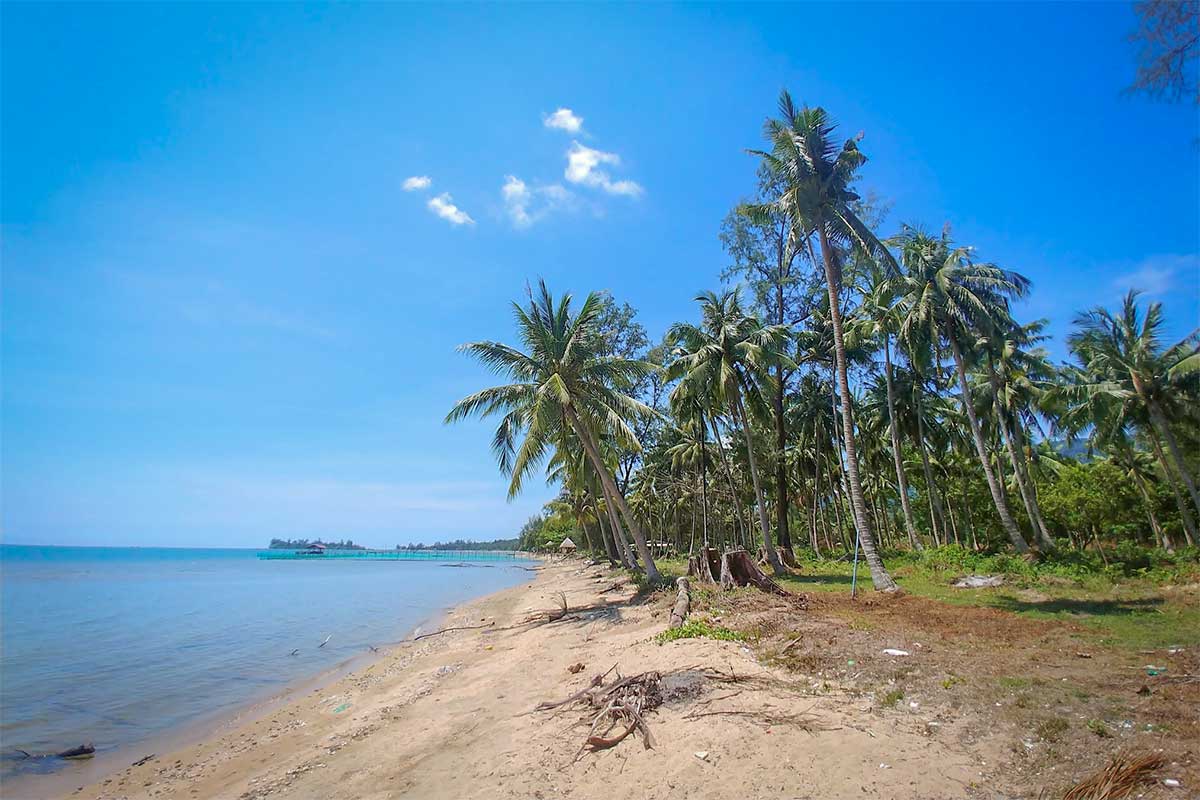
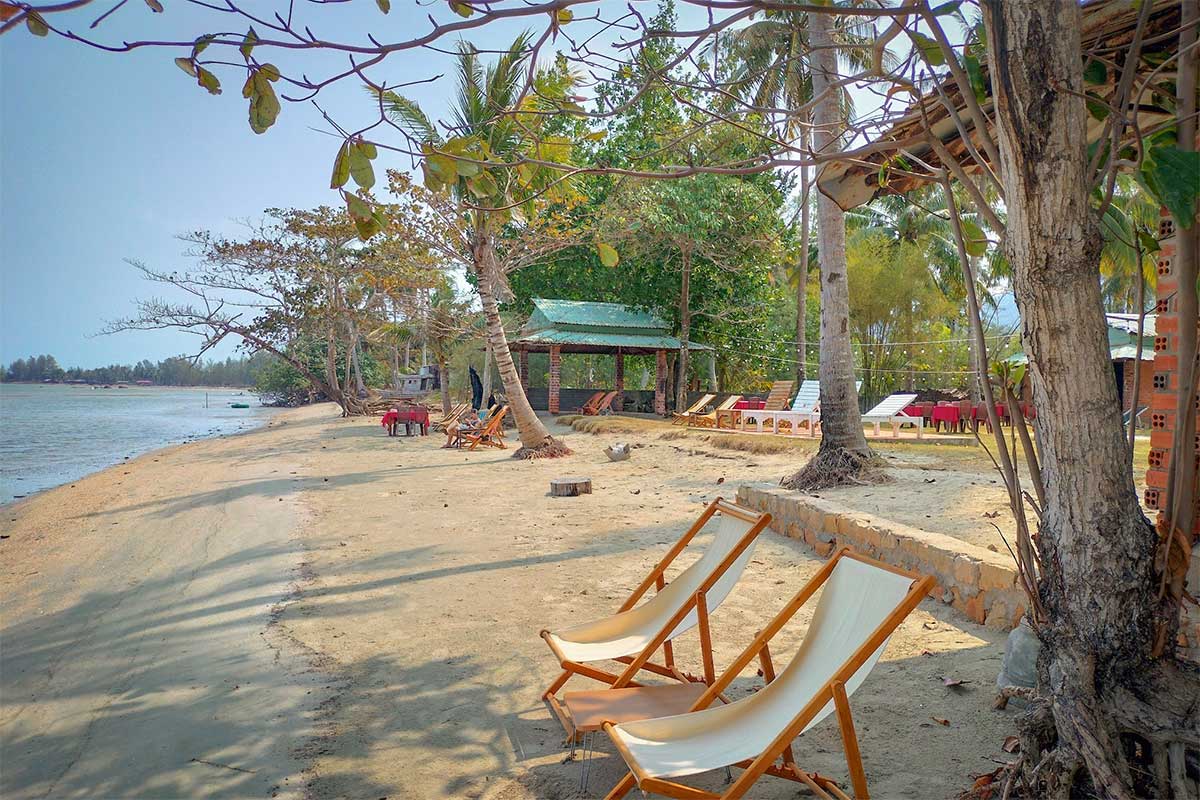
This is not the kind of beach most travelers imagine when they think of Phu Quoc. There are no long rows of sunbeds or perfect white sand everywhere. The beauty here is more raw and depends a lot on where you go and when you visit. Some parts can be surprisingly peaceful and scenic, while others may feel neglected or have visible trash. The atmosphere is very local, with almost no real tourism infrastructure, which makes Bai Thom more of an exploration area than a typical beach destination.
What to expect at Bai Thom Beach
1. The coastline: not one beach, but multiple sections
Bai Thom is not a single, clearly defined beach, but a stretch of coastline with different areas that all feel slightly different. In the north, you’ll find a small fishing village with local houses, a few basic shops, and daily life going on as usual. The central part has more sandy sections, some trees for shade, and a handful of simple restaurants. Further south, near Hon Mot Island, the scenery becomes more interesting, with quieter beach spots and a few places where you can sit, eat, or relax.
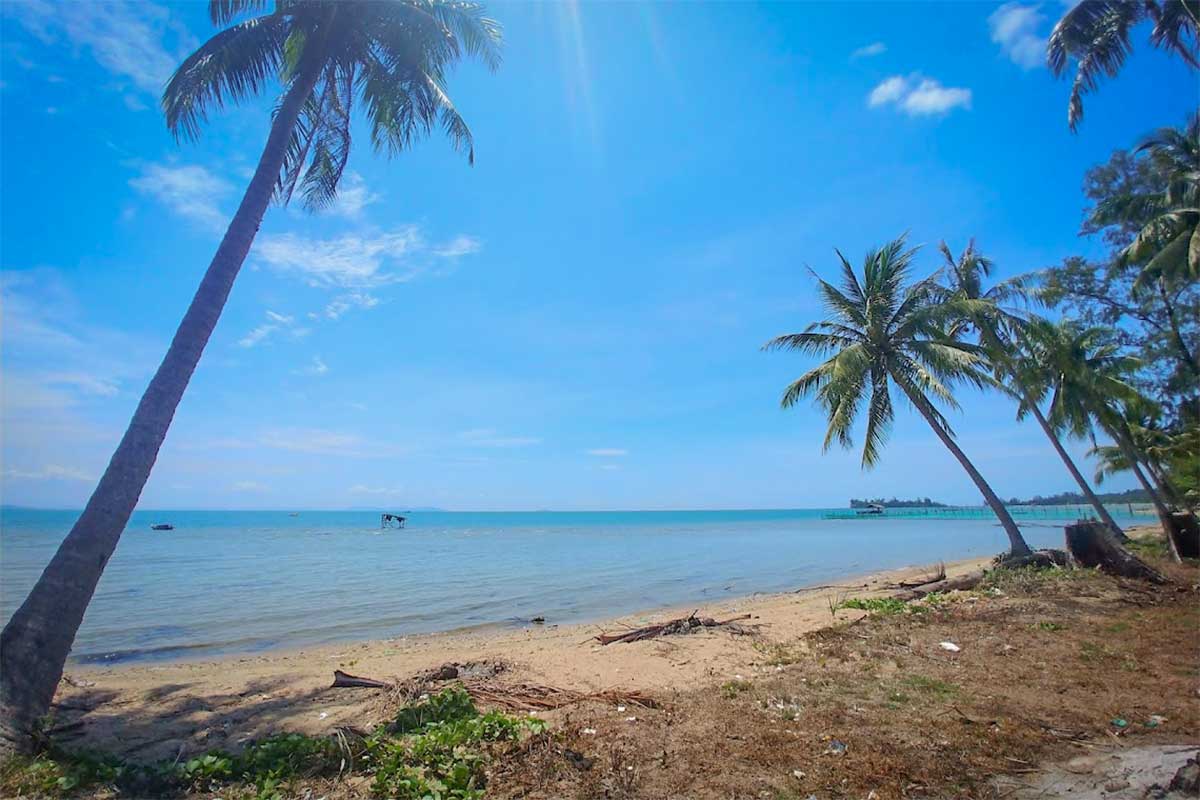
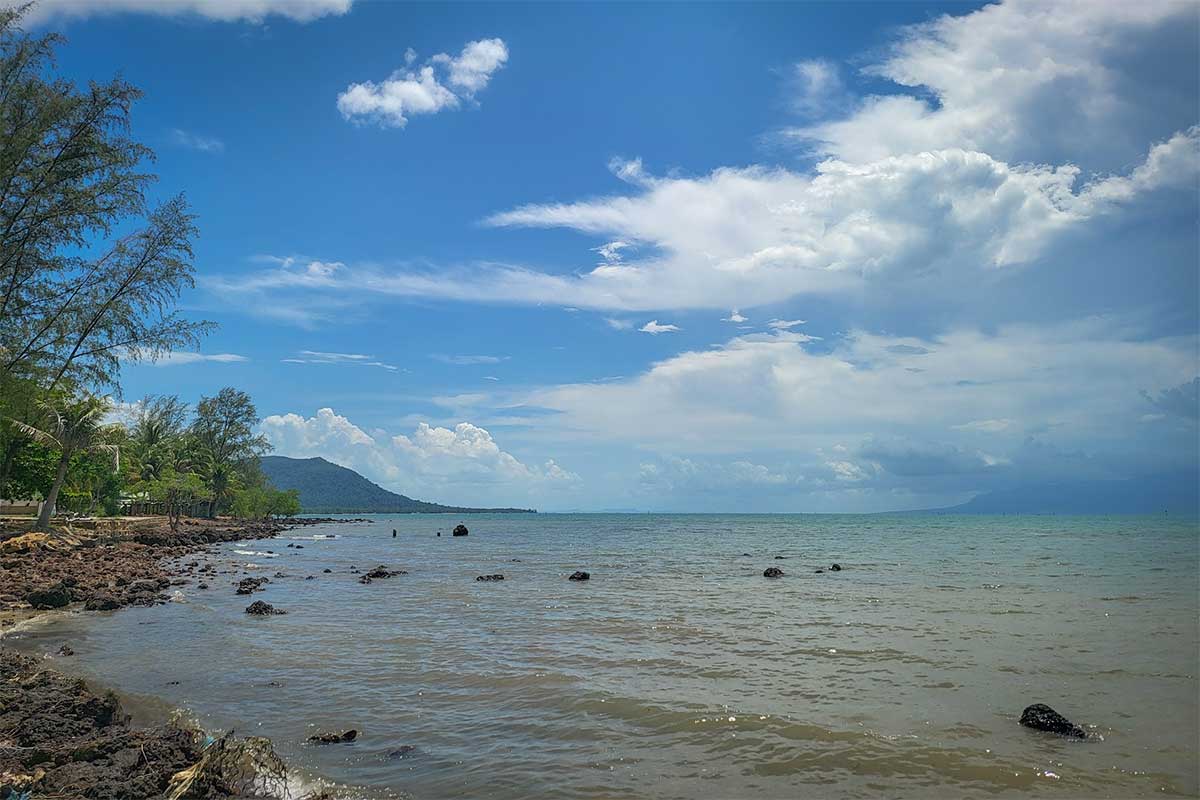
Many of these beach sections are not directly visible from the main road. You often need to take small side roads or dirt tracks to reach them, which is part of the experience but also means you have to explore a bit to find the nicer spots.
2. Swimming conditions
Swimming at Bai Thom depends a lot on the tide. The water here is generally shallow, and during low tide you may need to walk quite far before it gets deep enough to swim. At high tide, conditions are much better, and in some areas the water can be clear and calm, with a few reports of starfish in certain spots.
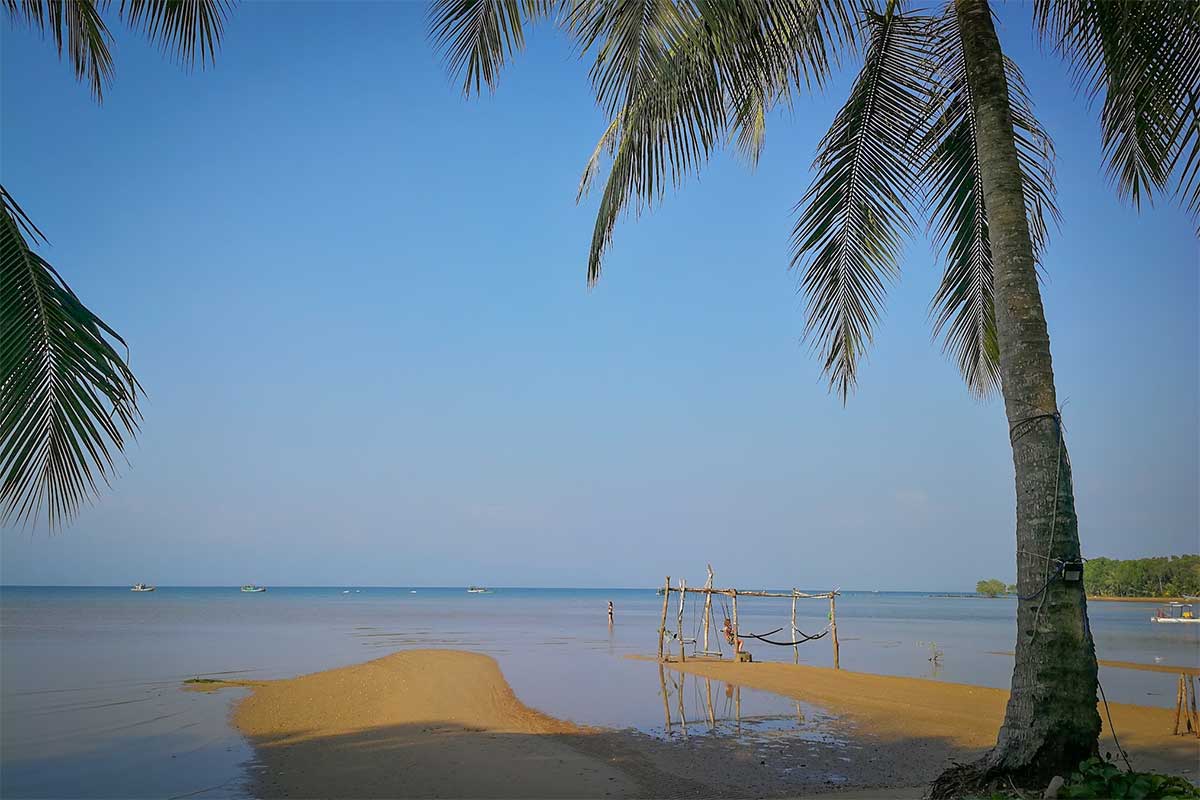
That said, it’s not a consistently perfect swimming beach. Conditions change throughout the day and across different sections, so it’s more of a place to enjoy the water when it’s good, rather than a guaranteed swimming destination.
3. Cleanliness & reality check
This is where Bai Thom stands out from many other guides that describe it as “pristine.” The reality is more mixed. Some areas, especially near small resorts or local restaurants, are kept relatively clean and can feel quite pleasant. In other parts, you may see trash along the shore or in the water.
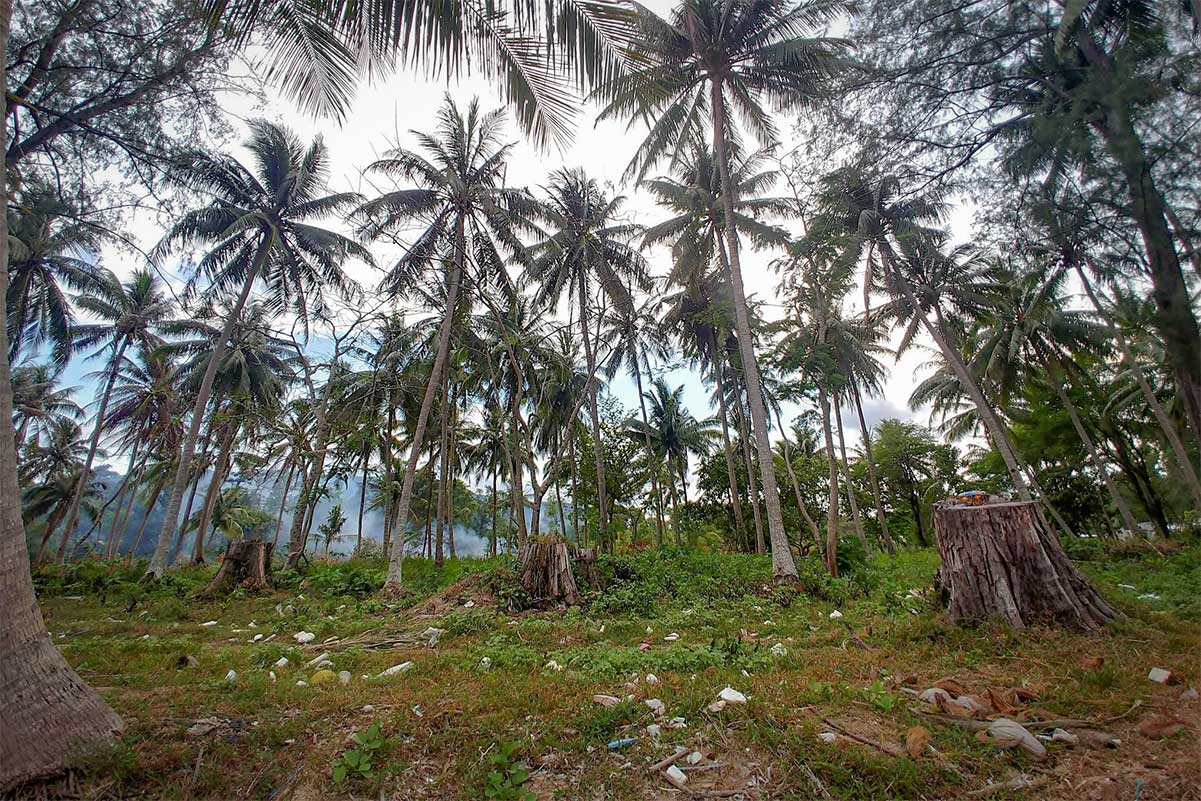
How clean it is depends on the season, the exact location you visit, and how much effort is made locally to maintain the area. If you come with realistic expectations and take time to find a good spot, you can still have a nice experience. But it’s important not to expect a perfectly maintained beach everywhere.
4. Atmosphere: quiet, local, and very slow-paced
The atmosphere at Bai Thom is one of its biggest strengths. It is quiet, with very few tourists compared to the rest of Phu Quoc. Most of the people you’ll see are locals, often fishermen or families going about their daily routine. English is not widely spoken, but people are generally friendly.
In the late afternoon and evening, the area becomes even more peaceful. It has a bit of an “end of the road” feeling, where things slow down and there is not much going on beyond the sea, the trees, and the sound of nature.
5. Food & small beach spots
There are a few small, local seafood restaurants and simple beach bars scattered along the coast. These are usually family-run places, often right on the beach. Don’t expect menus with many options. In some places, you simply ask what they have, and they cook something fresh for you.
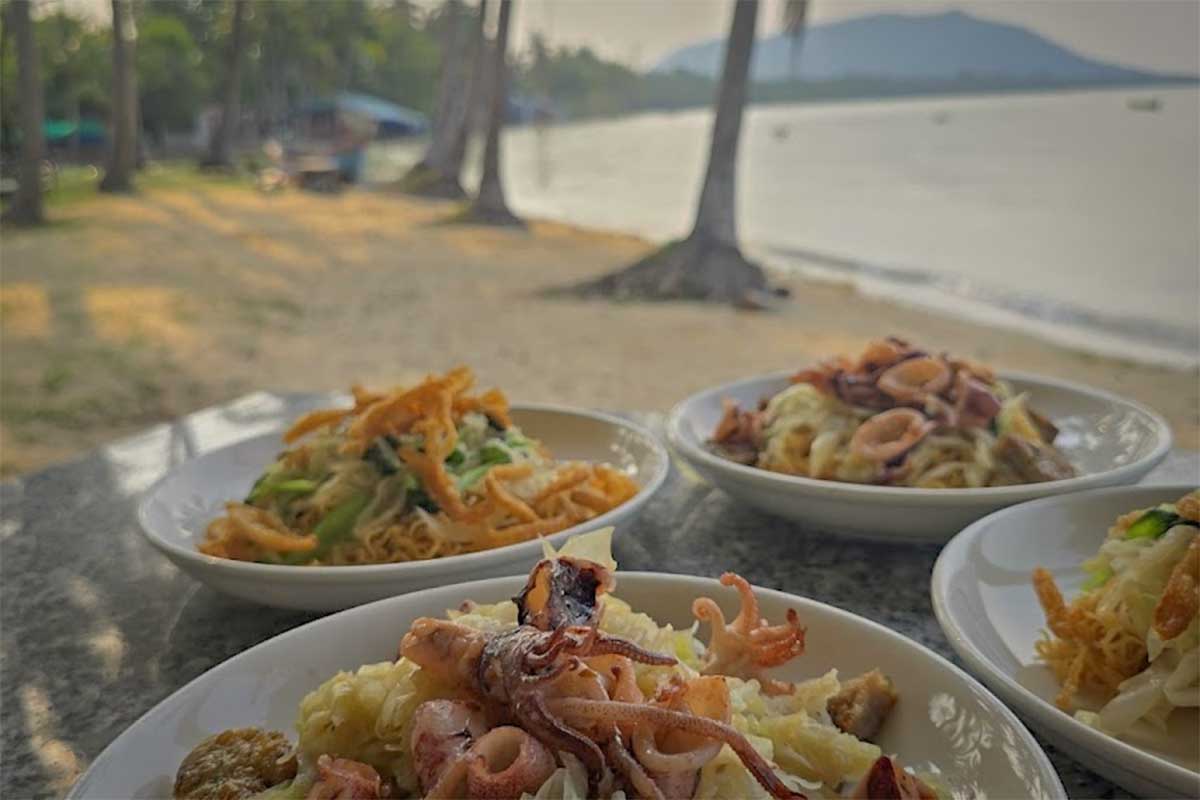
The food is usually simple but fresh, with seafood being the main focus. Options are limited, so Bai Thom is not a place you come specifically for food, but it can be a nice and authentic experience to have a meal by the sea.
6. Hon Mot Island (small highlight nearby)
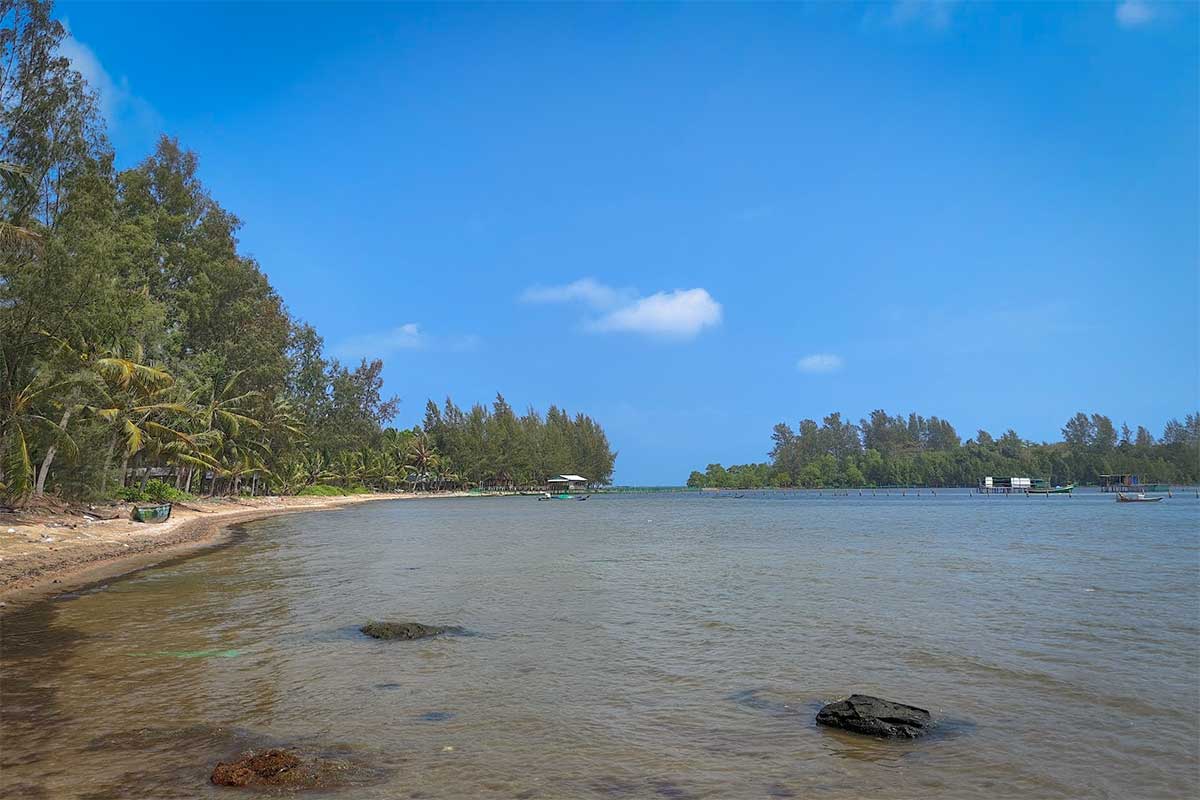
Near the southern part of Bai Thom, you can visit Hon Mot, a small island connected by a simple wooden bridge. It’s a quick and easy stop, with mangroves, quiet paths, and views over the sea.
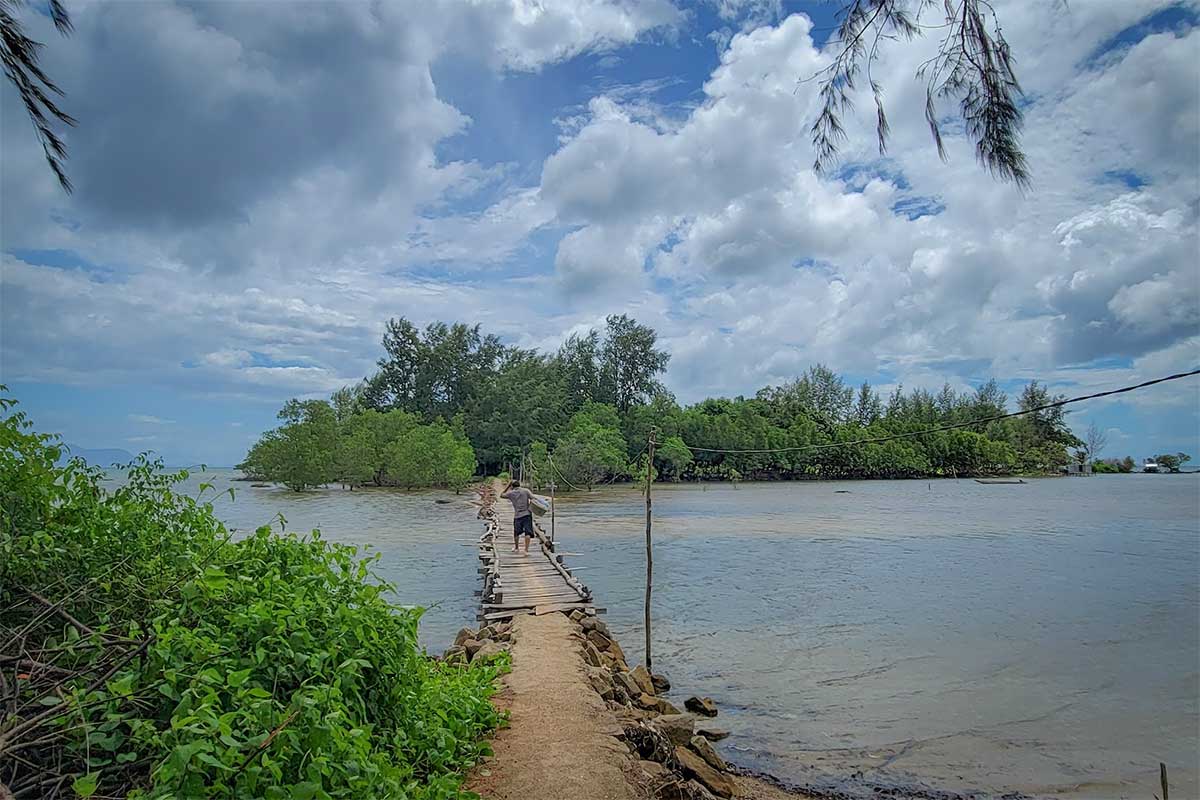
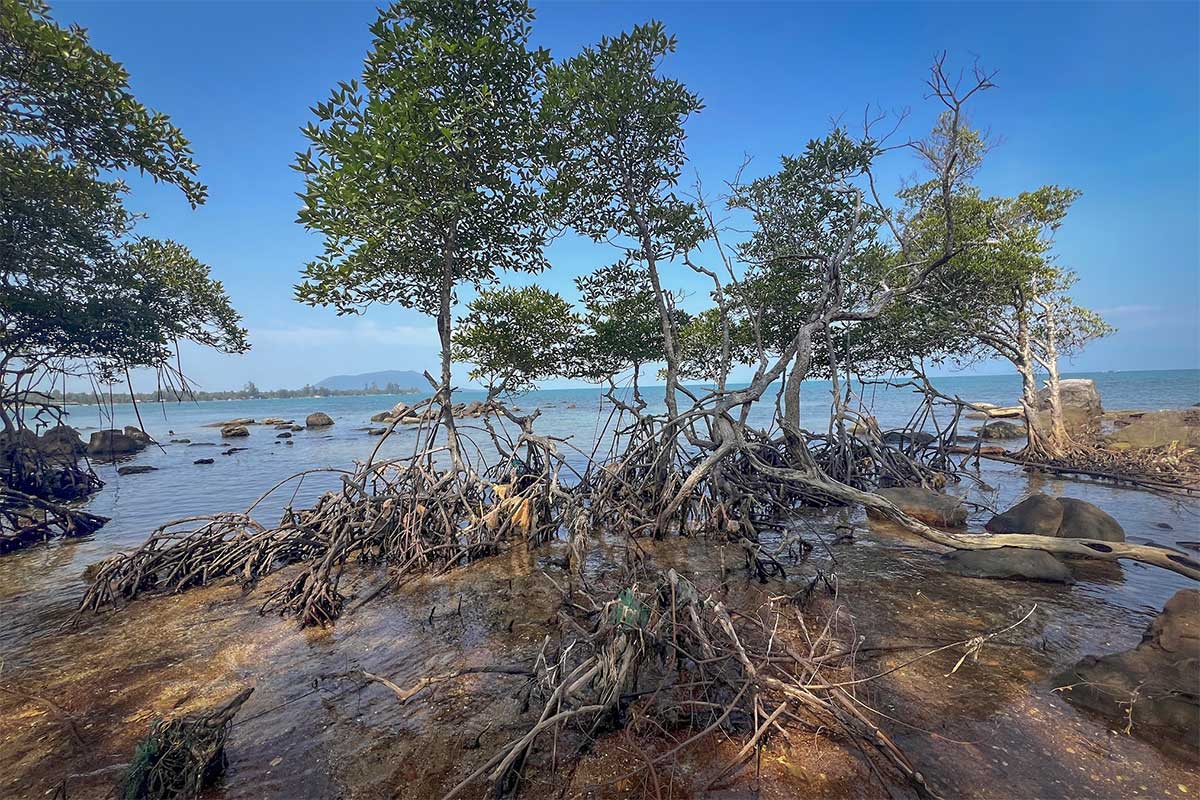
It’s not a major attraction and doesn’t take long to explore, but it can be a nice addition if you’re already in the area. Just be aware that, like parts of Bai Thom itself, cleanliness can be an issue in some places.
7. Things to do (realistic, not forced)
Bai Thom is not about organized activities or attractions. The main thing to do here is simply explore and enjoy the quiet coastline. Riding a scooter along the northeast coast is one of the best ways to experience the area, stopping whenever you find an interesting beach access.
Other simple activities include relaxing at a small beach café, watching the sunrise over the sea, or taking photos of the empty coastline. Some travelers also choose to camp informally or stay overnight in simple beach bungalows. Overall, it’s more about the atmosphere and the journey than ticking off specific sights.
How to get to Bai Thom Beach
Bai Thom Beach is located about 35 to 40 km from Duong Dong, the main town on Phu Quoc. The journey usually takes around 1 to 1.5 hours, depending on your route and how often you stop along the way.
The most popular way to get there is by motorbike, which gives you the flexibility to explore different parts of the coastline at your own pace. The ride itself is part of the experience, especially as you get closer to the quieter northeast side of the island. If you prefer something more comfortable, you can also go by car or taxi, which is a good option if you don’t want to drive yourself.
The main roads leading toward Bai Thom are mostly paved and in decent condition. However, once you get closer to the coast, many beach access points are reached via smaller roads or dirt tracks. It’s also important to understand that there is no single “main beach” you arrive at. Instead, Bai Thom is an area where you explore different entry points along the coast to find your own spot.
Staying at Bai Thom Beach
Staying at Bai Thom Beach is very different from staying in the more developed parts of Phu Quoc. Accommodation here is small-scale, often family-run, and focused on simple beach life rather than comfort or luxury. You’ll find a mix of beachfront bungalows and small retreats, sometimes with just a few rooms, set right by the sea or slightly inland in a garden setting.
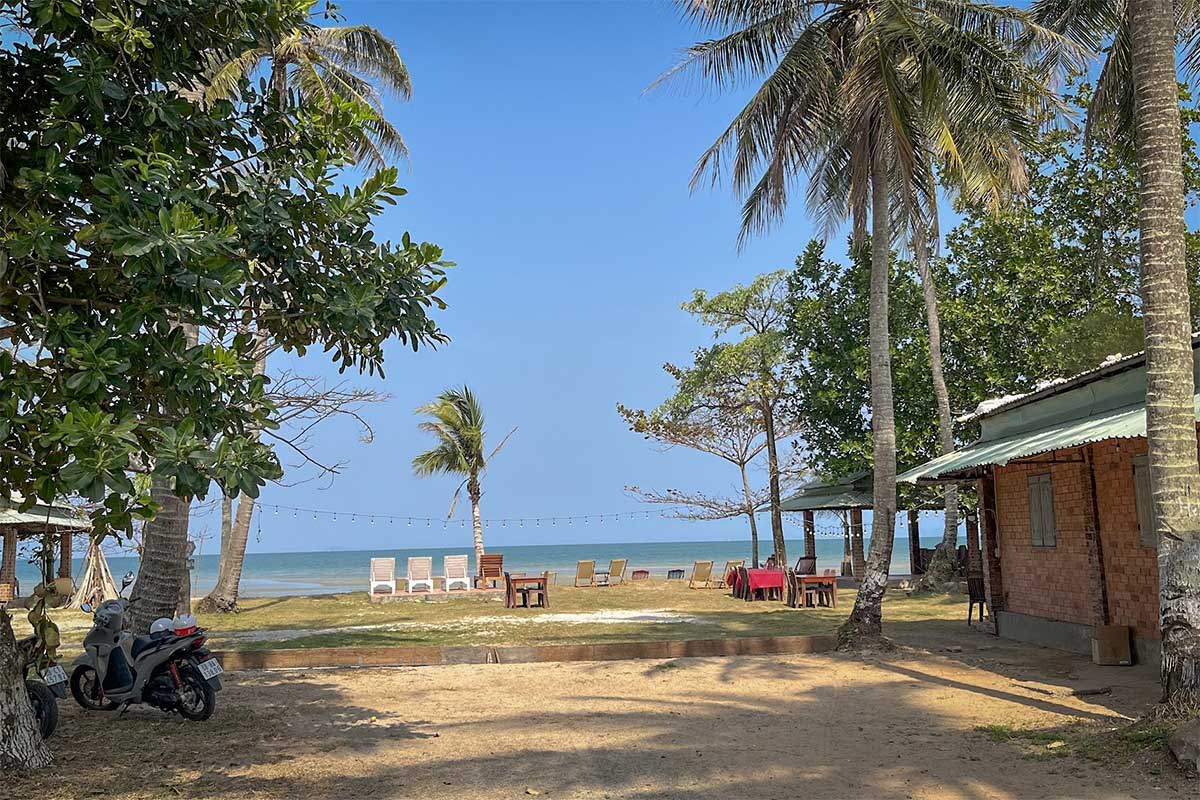
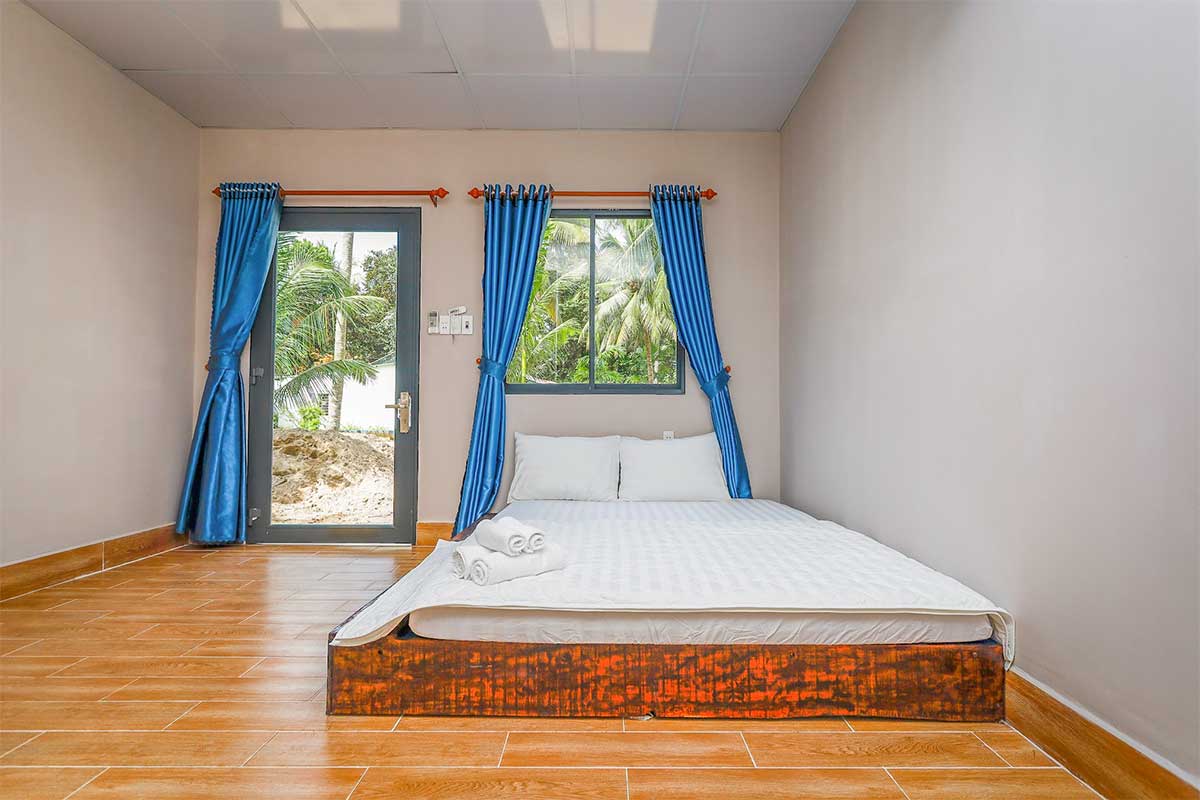
There are a few different types of places to stay. Some offer basic beachfront huts, where you are just steps from the water but share facilities. Others have garden bungalows with air conditioning and private bathrooms, which are more comfortable but still simple. There are also a few eco-style stays that focus on a quiet, nature-based experience rather than modern amenities.
What you can expect overall is a very peaceful and remote atmosphere. Facilities are limited, and things like menus, services, or activities are not always clearly organized. Meals are often prepared on request, using fresh ingredients available that day, or you eat at a nearby local restaurant. The experience is more about slowing down and enjoying the surroundings than having everything arranged for you.
This area is best suited for travelers who want peace, quiet, and a more local experience. If you enjoy staying somewhere simple, close to nature, and don’t mind fewer comforts, Bai Thom can be a very memorable place to spend a night or two.
On the other hand, it’s not a good choice for luxury travelers, short stays, or anyone expecting a polished beach destination with perfect sand, clear water, and full services. In that case, you are better off staying elsewhere on Phu Quoc and visiting Bai Thom as a day trip.
Practical information for visiting
Best time to visit
The best time to visit Bai Thom Beach is during the dry season from November to April. During these months, the sea is usually calmer, the weather is more stable, and the overall conditions are better for exploring the coastline and swimming.
In the rainy season, the experience can be very different. The sea is often rougher, and there is a higher chance of debris and trash washing up on the shore. Some small places may also be closed or quieter than usual.
If you want a full month by month breakdown of weather seasons sea conditions and the best travel months read our guide to the best time to visit Phu Quoc.
Best time of day
Morning is the best time to visit Bai Thom. The sea is often calmer, the light is soft, and the temperature is still comfortable. It’s also a good time for photos and a more peaceful atmosphere.
Since this is the east side of the island, sunset is less of a highlight compared to the west coast. Late afternoon can still be nice, but it’s not the main reason to come here.
What to bring
You should come prepared, as there are very few shops or services along the coast. Bring enough water and some snacks, especially if you plan to explore multiple spots.
Sunscreen is essential, as shade is limited in some areas. It’s also a good idea to carry cash, since there are no ATMs and most small places don’t accept cards. Don’t expect to easily buy things everywhere, so plan ahead.
Facilities (or lack of)
Facilities at Bai Thom are very limited. You won’t find beach clubs, organized resorts, or many services. Most of the coastline is undeveloped.
If you need a toilet or a place to sit comfortably, you will usually have to go to a local restaurant or accommodation. Outside of those places, there are very few facilities available.
Combine with nearby areas
Bai Thom is best visited as part of a wider exploration of the north coast of Phu Quoc. Many travelers include it in a loop by motorbike or car, combining different stops along the way.
You can also visit areas like Ganh Dau, which offers a different type of coastline and more developed spots. The countryside in this part of the island is quiet and scenic, with small roads, local villages, and fishing communities that give you a better sense of everyday life on Phu Quoc.
Is Bai Thom Beach worth visiting?
Bai Thom Beach is not a must-see for most travelers, and it’s definitely not the best beach on Phu Quoc if you’re looking for clear water and perfect sand. If you come here expecting a typical tropical beach, you may end up disappointed. The coastline can feel inconsistent, and in some areas pollution or trash can take away from the experience. This is not a polished destination, and that’s something you need to be aware of before going.
That said, Bai Thom can still be worth visiting if you enjoy exploring places that are off the usual tourist route. It’s a great area for a quiet scooter trip, with empty stretches of coastline and a very local atmosphere. The experience is much better when you combine it with a stop at a small beach restaurant or even an overnight stay in one of the simple accommodations. Overall, it’s an interesting and different side of Phu Quoc, but it’s quite niche and not for everyone.
To see how this beach ranks among the most beautiful beaches in Phu Quoc, check out our full guide here.