
Best time to do boat tours in Phu Quoc
The best time to do boat tours in Phu Quoc is during the dry season, roughly from November to April. During these months, the sea is usually calmer, visibility for snorkeling is better, and overall conditions are more comfortable for spending a full day on the water. This is when most island hopping tours run smoothly and you get the best chance of clear blue water around the southern islands.
Boat tours still operate in the rainy season, but conditions can be more unpredictable. The sea can be rougher, visibility underwater can drop, and tours may change their route depending on the weather. This is one of the few activities in Phu Quoc where weather really makes a difference, so it’s something to keep in mind when planning. If there is strong wind or rough sea, operators may skip certain islands, adjust snorkeling spots, or shorten the itinerary.
For a more detailed look at each month, including rainfall, sea conditions, and travel expectations, read our complete guide to the best time to visit Phu Quoc.
Types of boat tours in Phu Quoc
Phu Quoc boat tours are not all the same. Some are simple group trips with several stops, while others focus more on snorkeling quality, sunset experiences, fishing, or relaxed beach time.
1. Island hopping tours
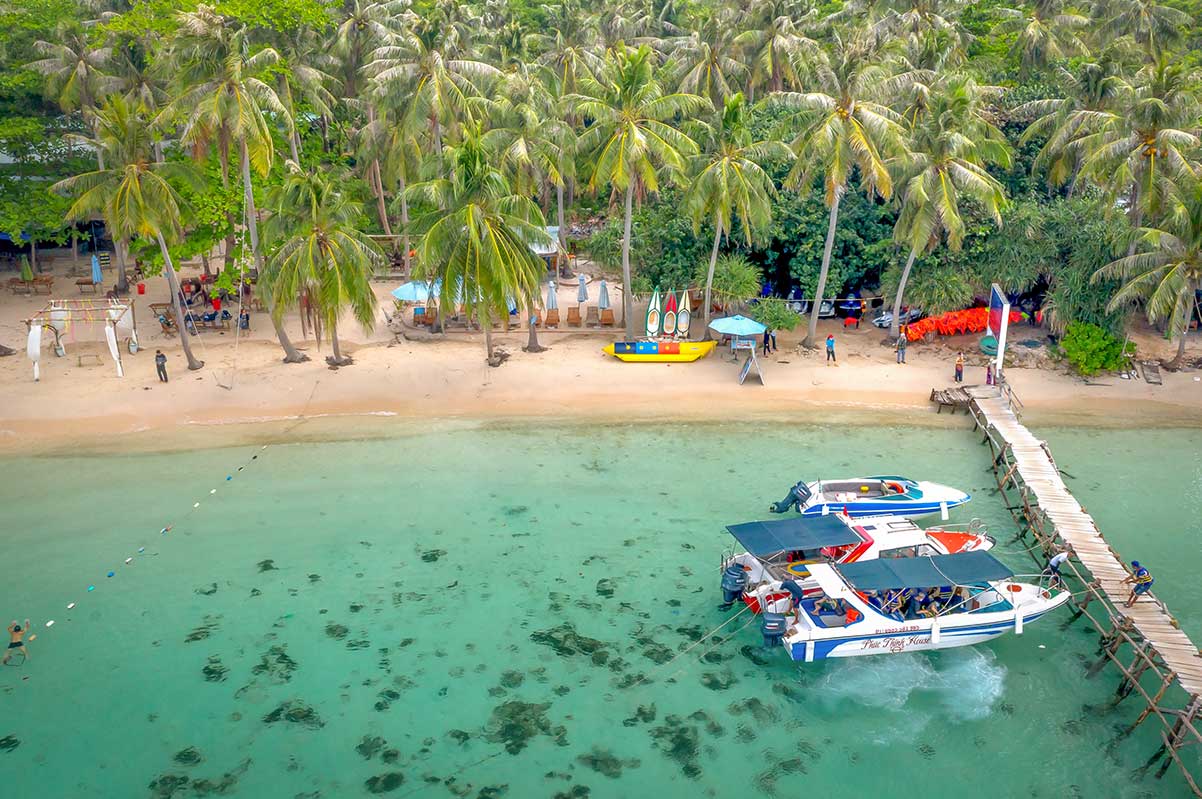
This is the classic boat tour in Phu Quoc and the most common option. These trips usually visit 2, 3, or sometimes 4 islands, mainly around the An Thoi archipelago in the south.
Most tours include a mix of snorkeling, swimming, lunch, and beach time. Popular stops are Gam Ghi Island, Buom Island, Xuong Island, May Rut Island, and sometimes Mong Tay (Fingernail Island). It’s a good choice for first-time visitors who want an easy, full-day trip without needing to plan much.
2. Snorkeling-focused tours
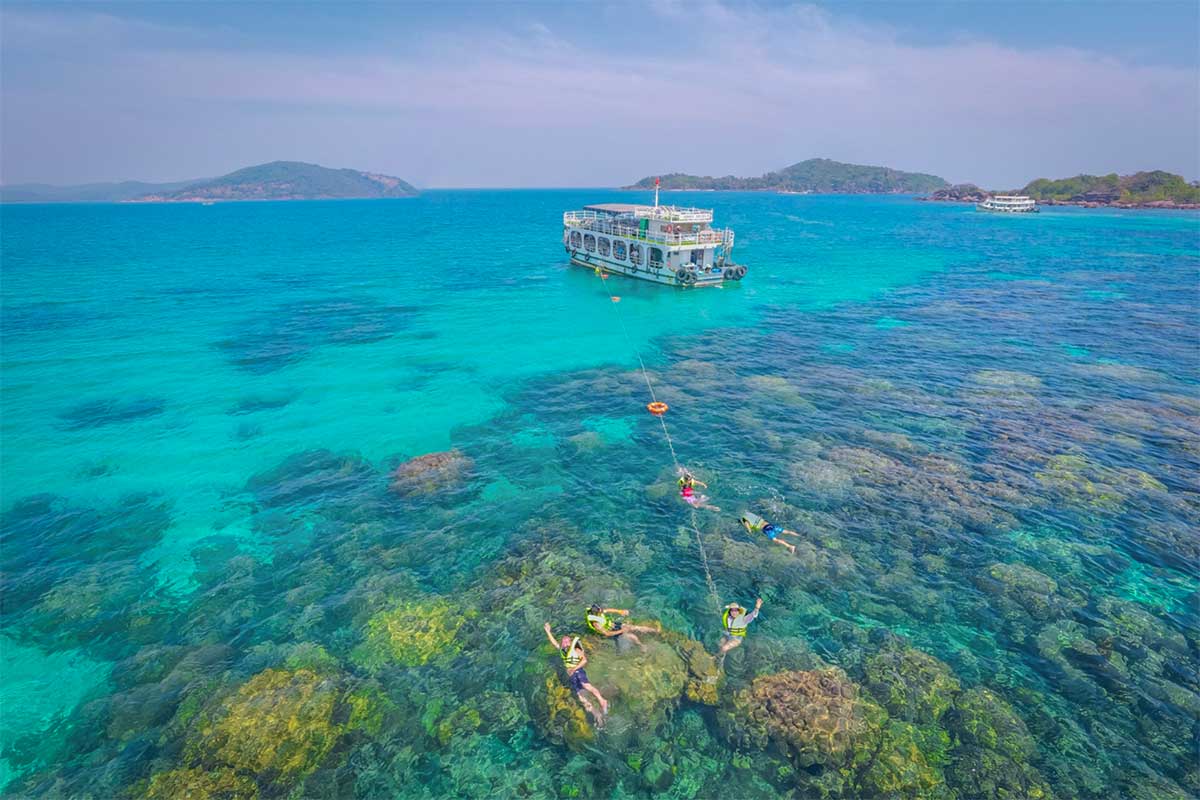
These tours are different from standard island hopping trips. Instead of combining many activities, they focus mainly on snorkeling and the underwater experience.
Groups are usually smaller, equipment is better, and guides provide more support in the water. The focus is on coral sites rather than beach bars or photo stops. These tours are a better choice if you really care about marine life, and they often avoid fishing, feeding fish, and the busiest mass-tourism spots. Beginners can still join, especially when guides are professional.
3. Sunset cruise
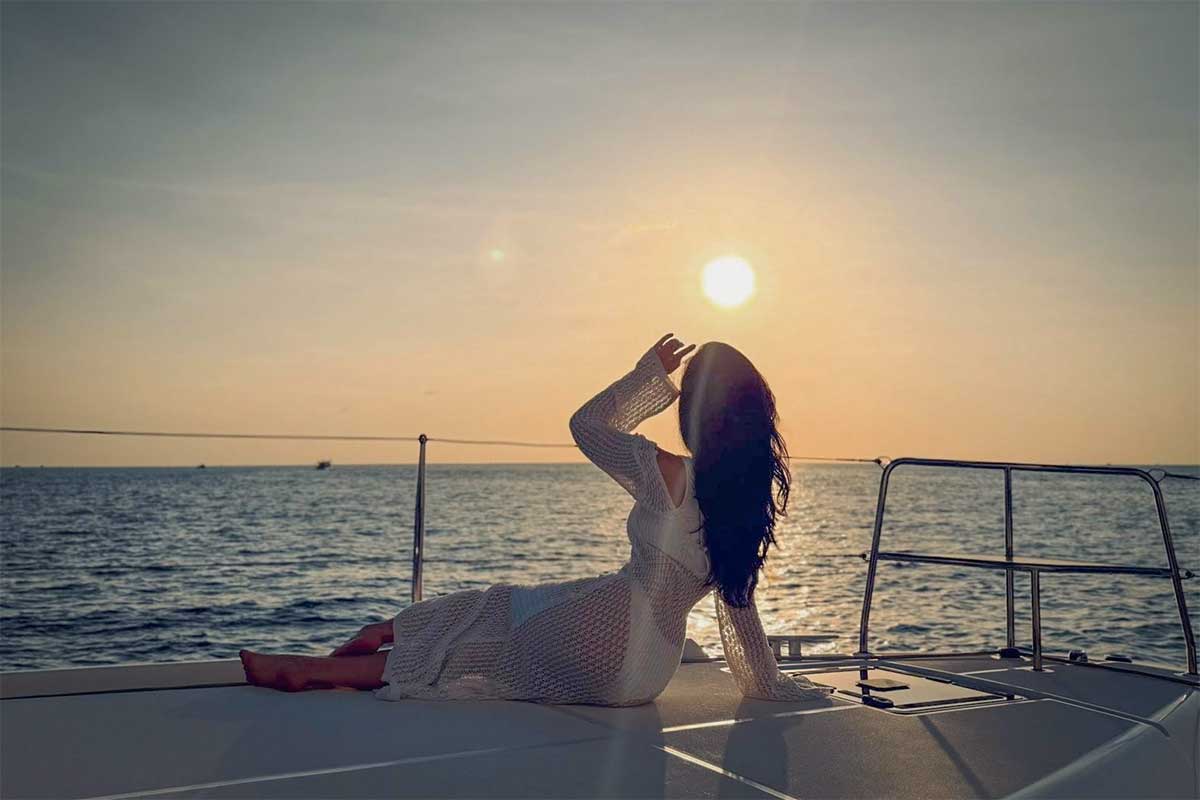
Sunset cruises are shorter and usually take place in the late afternoon and evening. The main goal is to enjoy the sunset from the sea, which gives a different perspective compared to watching it from the beach.
Some tours include dinner, BBQ, or combine the trip with squid fishing. These tours are popular with couples and families looking for a relaxed activity. They are not the best choice if your main goal is snorkeling.
4. Night squid fishing tours
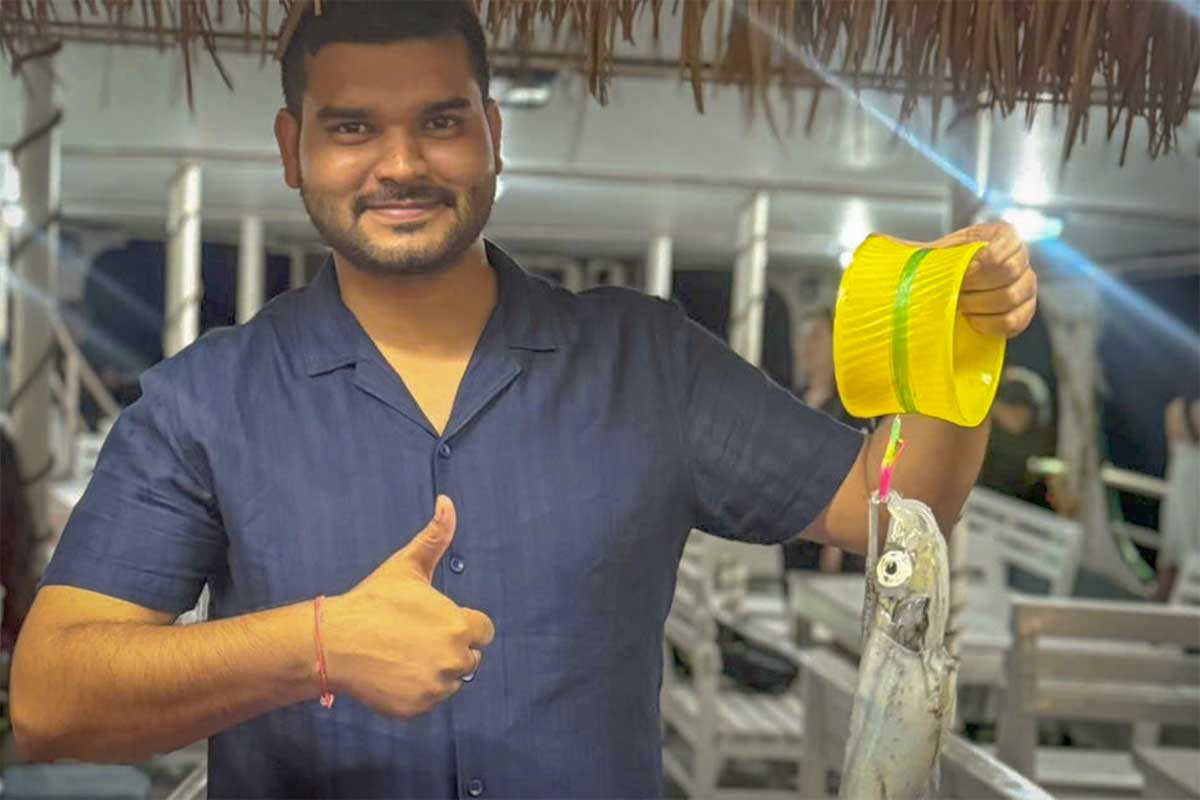
Night squid fishing tours are usually relaxed evening trips that combine sunset views, simple local fishing, and dinner on the water. Most tours start in the late afternoon and continue into the evening.
The fishing itself is usually more about the experience than seriously catching large amounts of squid. The crew shows you how to use the equipment, and sometimes your catch is cooked onboard. Many tours also include a light dinner or BBQ. These trips are popular with couples, families, and travelers looking for a casual evening activity rather than a full snorkeling or island hopping tour.
The boat may stay in one place for a long time while fishing, which can make this less suitable if you are prone to seasickness.
5. BBQ and beach dinner tours
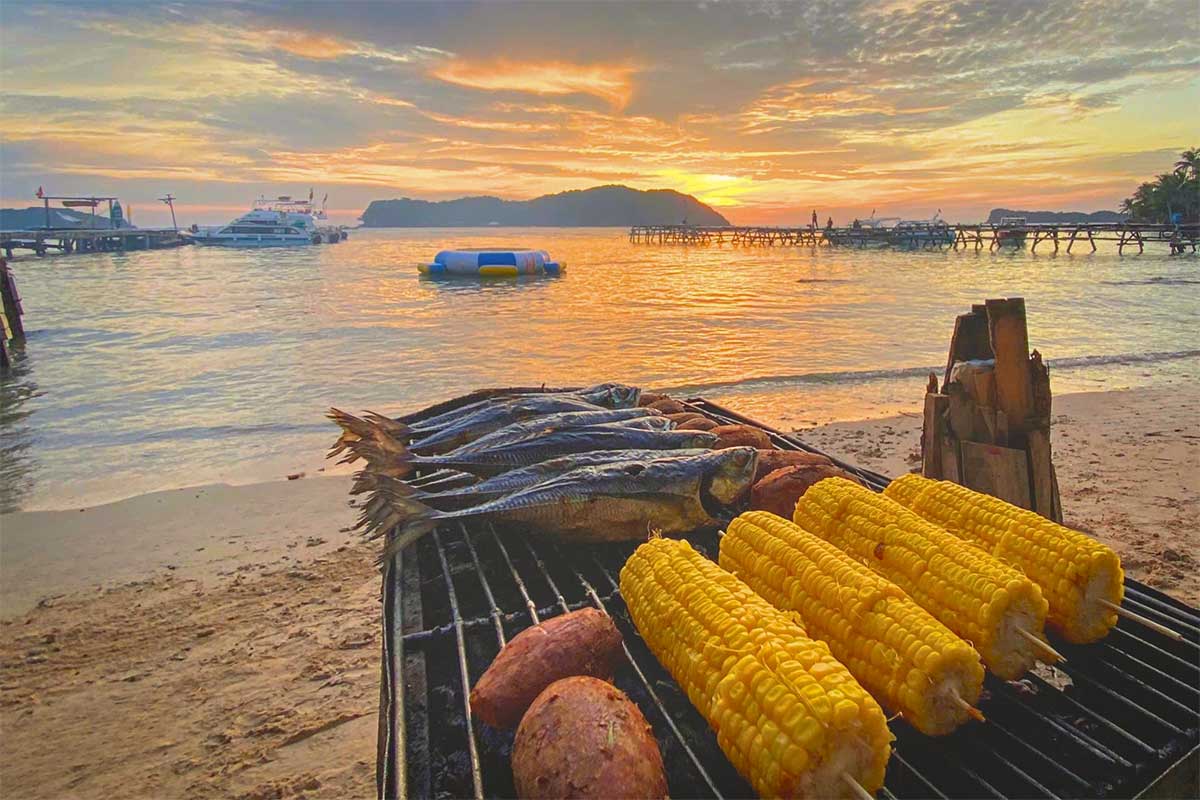
These tours are often combined with sunset and island stops, usually on May Rut Island or another island in the south.
The focus is more on relaxing, socializing, and enjoying food by the beach rather than activities. They are a good option if you want photos, beach time, and a laid-back evening. Food quality can vary, so it’s better to keep expectations realistic.
6. Social and party boat tours
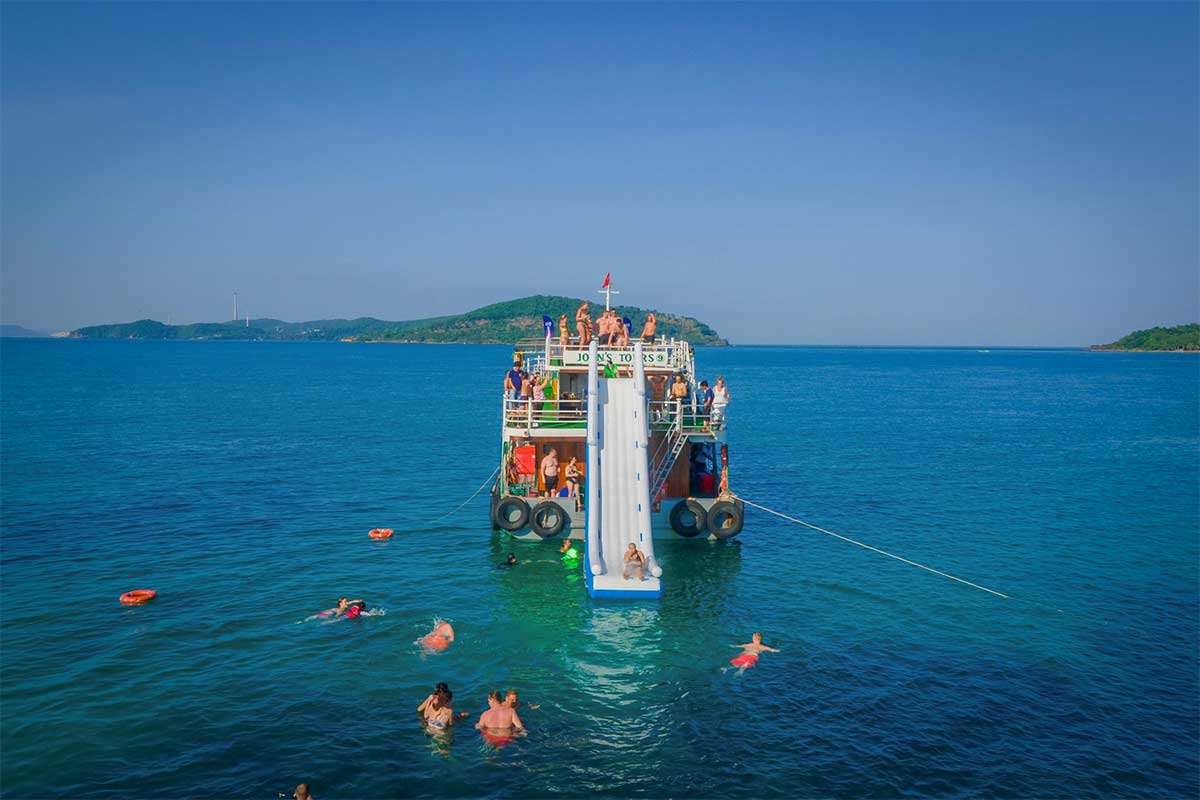
These tours are a more modern and social version of island hopping in Phu Quoc. They usually combine snorkeling, music, sunset BBQ, beach games, and a more lively atmosphere onboard.
Most trips still visit islands in the An Thoi archipelago, but the experience focuses less on quiet relaxation and more on fun and meeting other travelers. Some boats have DJs, inflatable slides, sunset parties, fire shows, or large sundecks. These tours are especially popular with younger travelers, groups of friends, and backpackers.
Even though they are sometimes called “party boats,” they are usually more relaxed and social than wild nightlife cruises. You can still snorkel, swim, and enjoy the islands, but expect louder music and a busier atmosphere compared to standard island hopping tours.
7. Sea walking and optional water activities
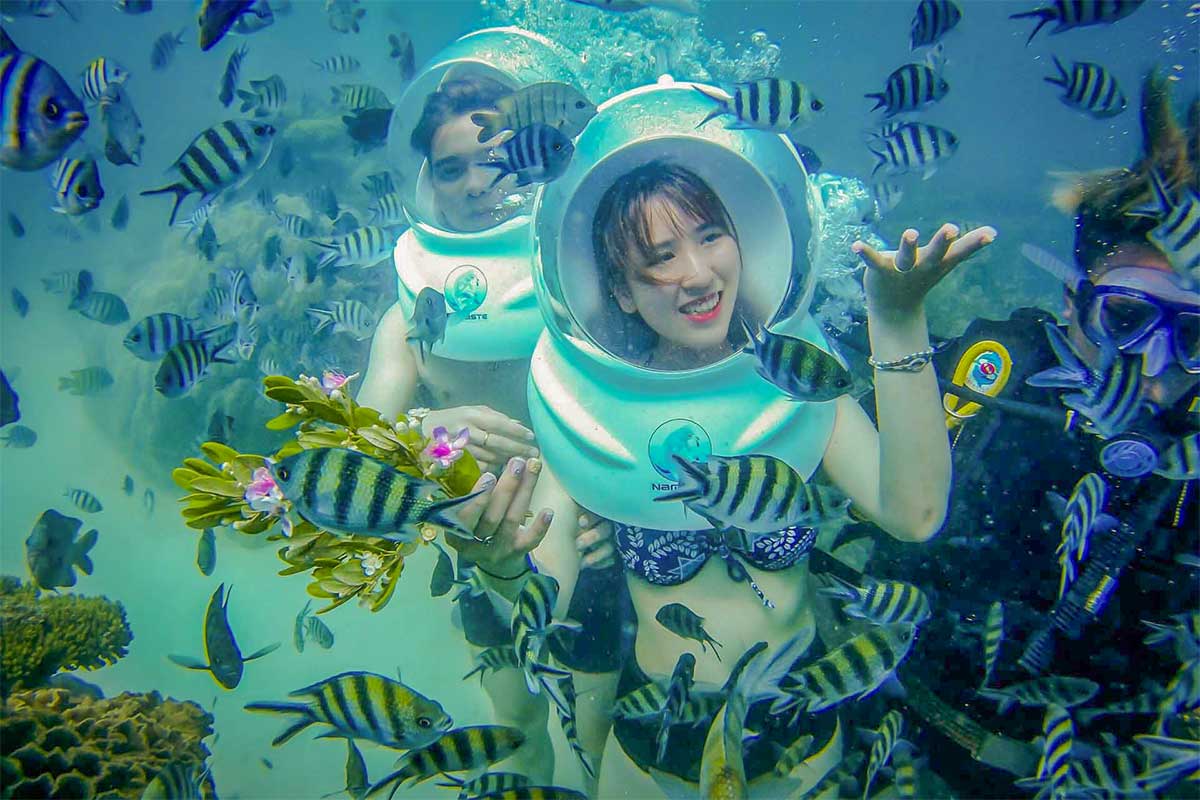
Many island hopping tours offer extra activities that are not included in the base price. These can include sea walking, diving, jet ski, kayaking, SUP, photo packages, or drone videos.
These add-ons can make the day more interesting, but they also increase the total cost. It’s important to check in advance what is included and what is not. Elderly travelers or non-swimmers may prefer to skip some of these optional activities.
8. Fishing tours
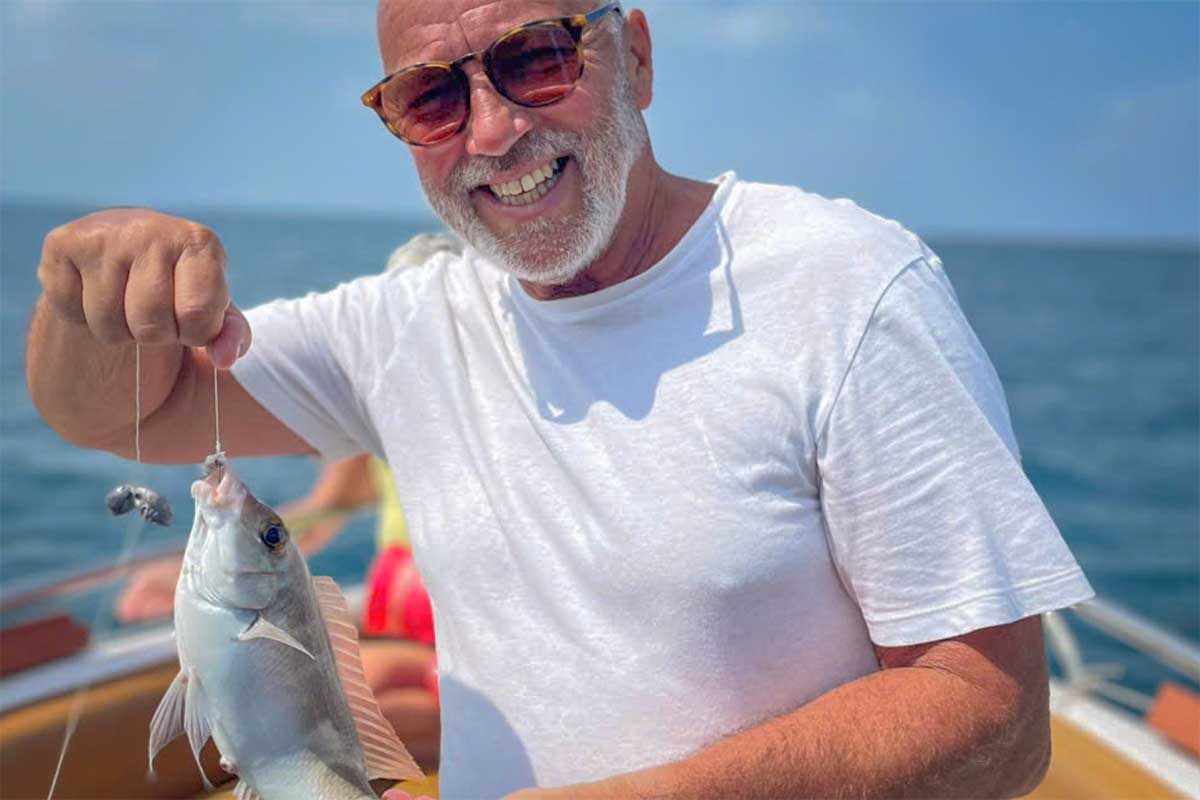
Fishing tours in Phu Quoc range from relaxed local fishing trips near the islands to serious offshore sport fishing expeditions far out at sea. Most standard fishing tours depart from Duong Dong or An Thoi and focus on catching reef fish using local bottom fishing techniques.
Shorter trips are usually half-day or full-day experiences where you fish from an anchored boat, enjoy simple meals onboard, and sometimes cook your catch fresh on the beach or boat. Some tours also include sunset fishing or a stop at a small island for seafood BBQ, swimming, or relaxing between fishing sessions.
For more experienced anglers, Phu Quoc also offers offshore fishing charters that travel far from the coast in search of larger species such as snapper, grouper, barracuda, and amberjack. These trips are usually private, more expensive, and aimed at travelers who specifically come for the fishing experience rather than sightseeing or snorkeling.
Boat types: regular boat, speedboat, and private boat
The boat type affects the whole experience, not just the travel time. It influences comfort, group size, how long you stay at each stop, and how relaxed or rushed the day feels.
Regular group boat
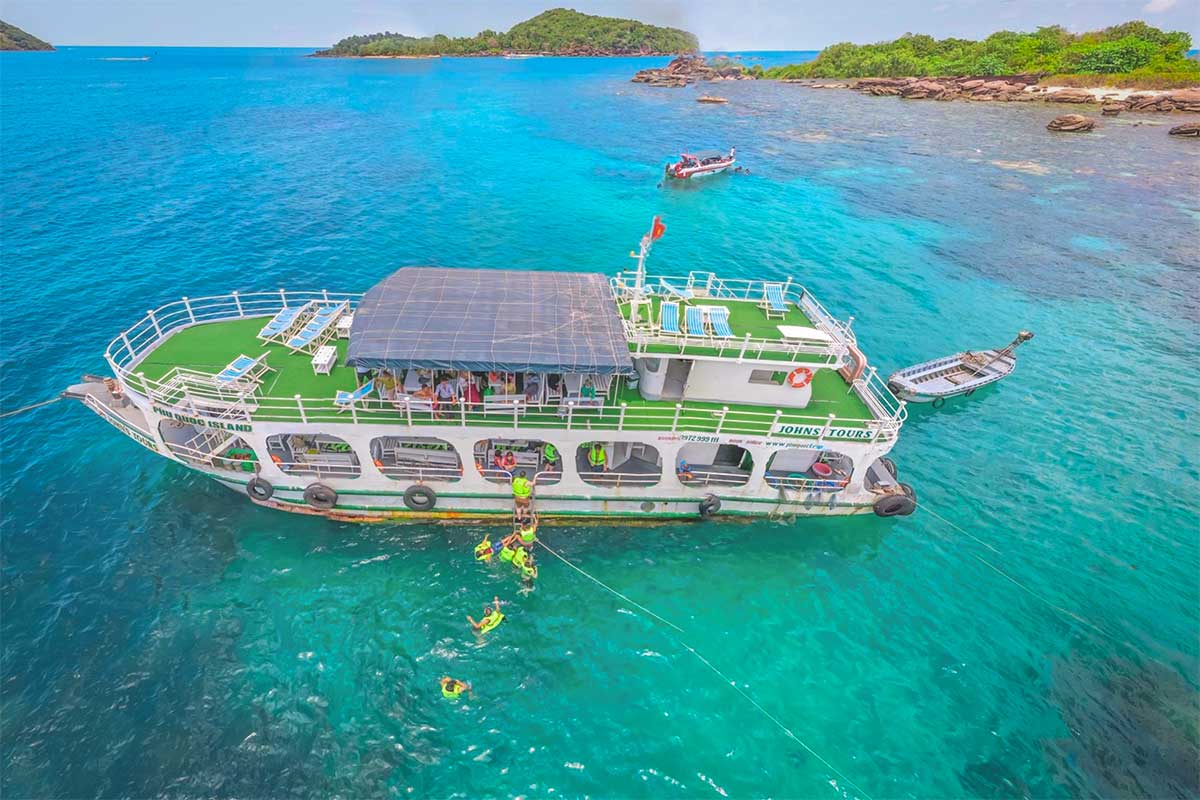
This is usually the cheapest option and the most common choice for standard island hopping tours. These boats are larger, with more space to sit, and often serve lunch on board.
They move slower, which makes the trip feel more relaxed, but also means more time traveling between islands. Groups can be quite big, especially in high season. This option works well for budget travelers, but it’s less ideal if you are looking for a quiet or more premium experience.
Speedboat
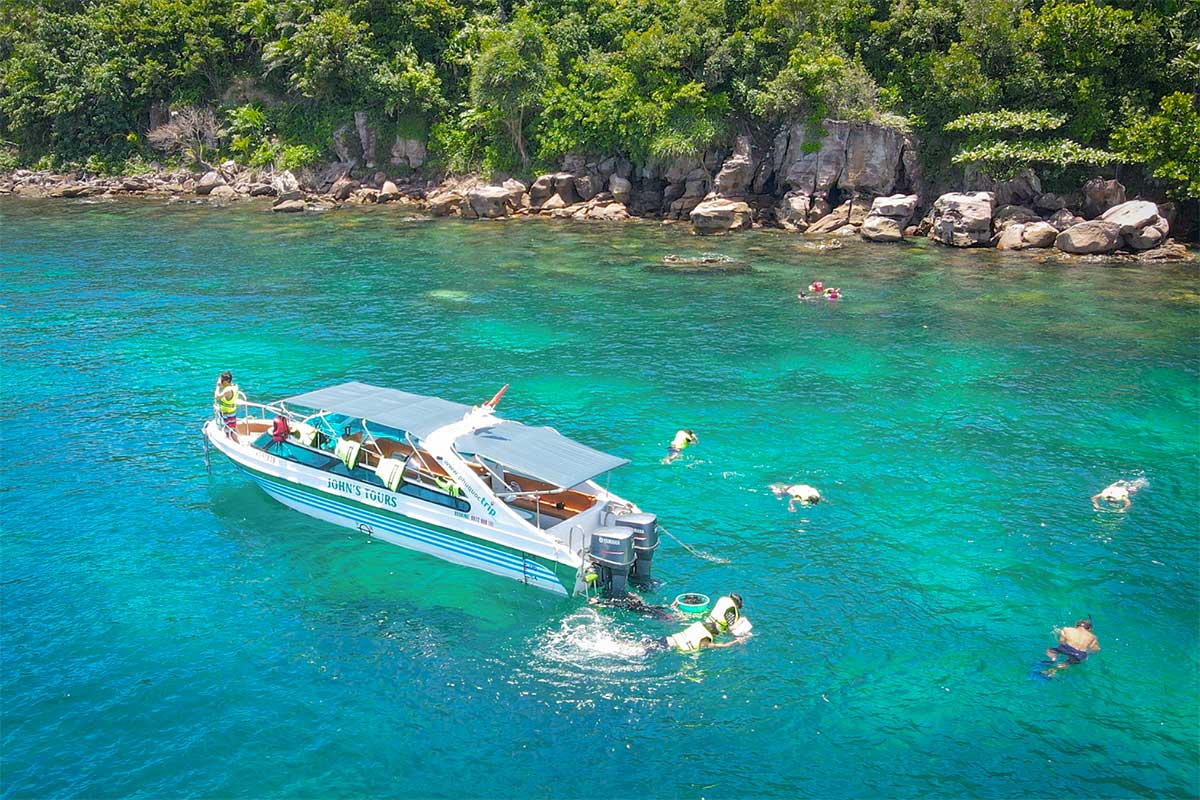
Speedboats are faster and are often used for 3-island or 4-island tours. Because they move quickly, you spend less time traveling and more time snorkeling or swimming.
They can feel more exciting, but also more bumpy, especially when the sea is not calm. This can make them less comfortable for people with back problems or strong seasickness. Still, many travelers prefer speedboats for the extra time at the islands.
Private boat or private speedboat
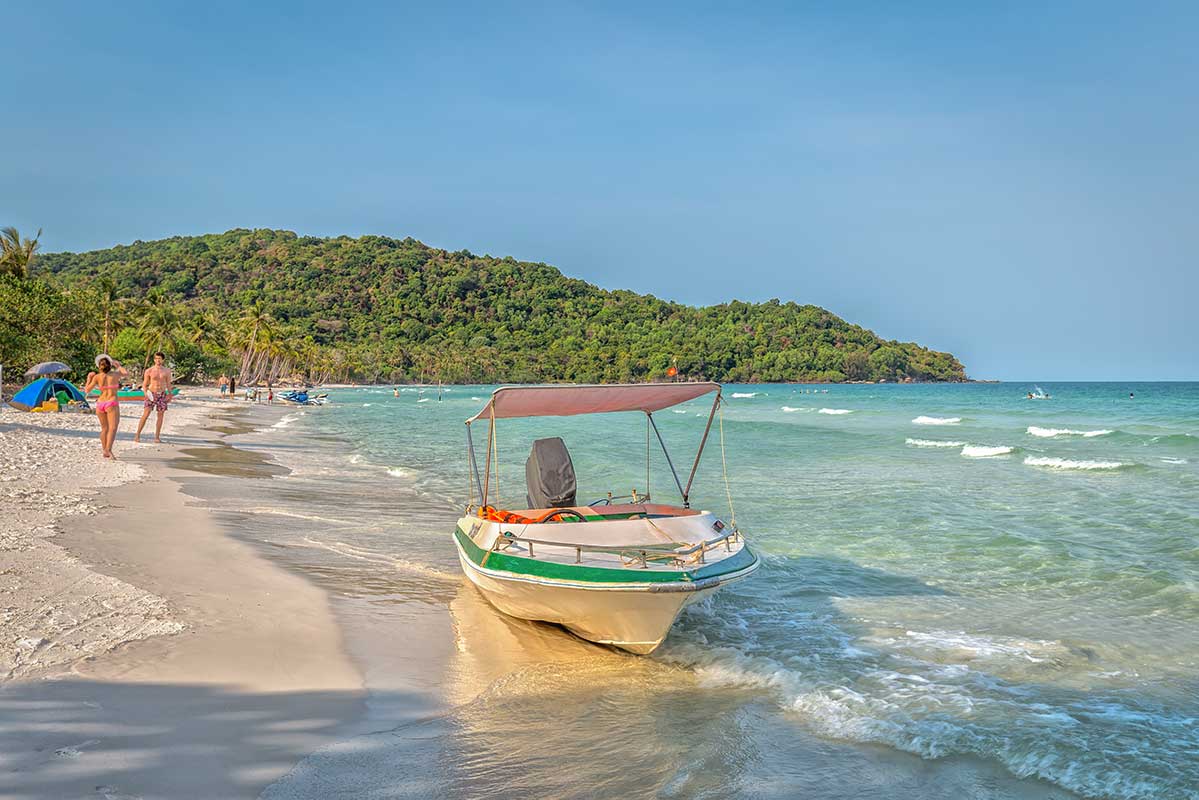
Private tours offer the most flexibility and comfort. You travel only with your own group, which makes the experience more relaxed and less rushed.
This is a good option for families with kids, couples, or small groups who want more control over the day. It also makes it easier to avoid the busiest times or crowded stops. The downside is the higher price, and even with a private boat, the route still depends on weather and sea conditions.
Best areas for boat tours and island hopping in Phu Quoc
An Thoi archipelago – the main island hopping area
The An Thoi archipelago, located in the south of Phu Quoc, is the main area for island hopping and boat tours. Almost all classic tours take place here, including snorkeling trips, speedboat tours, and full-day island hopping itineraries.
Most tours depart from An Thoi Harbor and visit a selection of nearby islands. This area offers the best mix of clear water, coral reefs, and small tropical islands. It is also close to the Hon Thom cable car and many southern beaches, making it easy to combine activities.
The most popular islands in this area are:
May Rut Island
One of the most common stops on island hopping tours. May Rut is known for its beach, swimming areas, beach bars, and many photo spots. Lunch or BBQ is often served here.
Compared to other islands, May Rut is more developed and social. It can be busy, but it’s a good place to relax, not just snorkel.
Gam Ghi Island
Gam Ghi Island is one of the better-known snorkeling spots in Phu Quoc. The island has coral reefs, rocky areas, and clear water when conditions are good.
It is often included in 2-island and 3-island tours. Keep in mind that snorkeling quality depends a lot on weather, visibility, and how many boats are around.
Buom Island and Xuong Island
These islands are often used as snorkeling and swimming stops. Depending on the weather, operators may switch between them.
Do not expect every tour to follow the exact island list shown online. These stops are mainly about water activities, with fewer facilities compared to islands like May Rut.
Mong Tay (Fingernail Island)
Fingernail Island is often included in speedboat tours. It is known for its clear water, beach time, and photo opportunities.
It can be very beautiful, but also quite busy depending on the season and timing of your visit.
Duong Dong area – sunset and squid fishing tours
Duong Dong is the main town of Phu Quoc and the usual departure point for sunset and night squid fishing tours.
These trips are easier to access if you stay around Duong Dong or Long Beach. They focus more on sunset views, simple dinners, and fishing experiences rather than island hopping. It’s a good option for an evening activity after a day at the beach.
North Phu Quoc and Starfish Beach trips
Some tours combine places like Starfish Beach, Sunset Sanato, and night fishing into one itinerary. These are different from classic island hopping tours in the south.
Because distances are longer, you often spend more time traveling between stops. This can make the day feel rushed, especially if too many places are included. It’s better to choose carefully instead of booking the busiest mixed itinerary.
What to expect from snorkeling on Phu Quoc boat tours
Snorkeling quality in Phu Quoc
Snorkeling in Phu Quoc can be nice, especially around the southern islands of the An Thoi archipelago, but it is not the same as top snorkeling destinations in Southeast Asia. You can see coral reefs, small tropical fish, rocky underwater areas, and clear shallow water when conditions are good. Some spots have colorful coral, but you should also expect areas with damaged or less healthy coral, especially where many boats and tours visit.
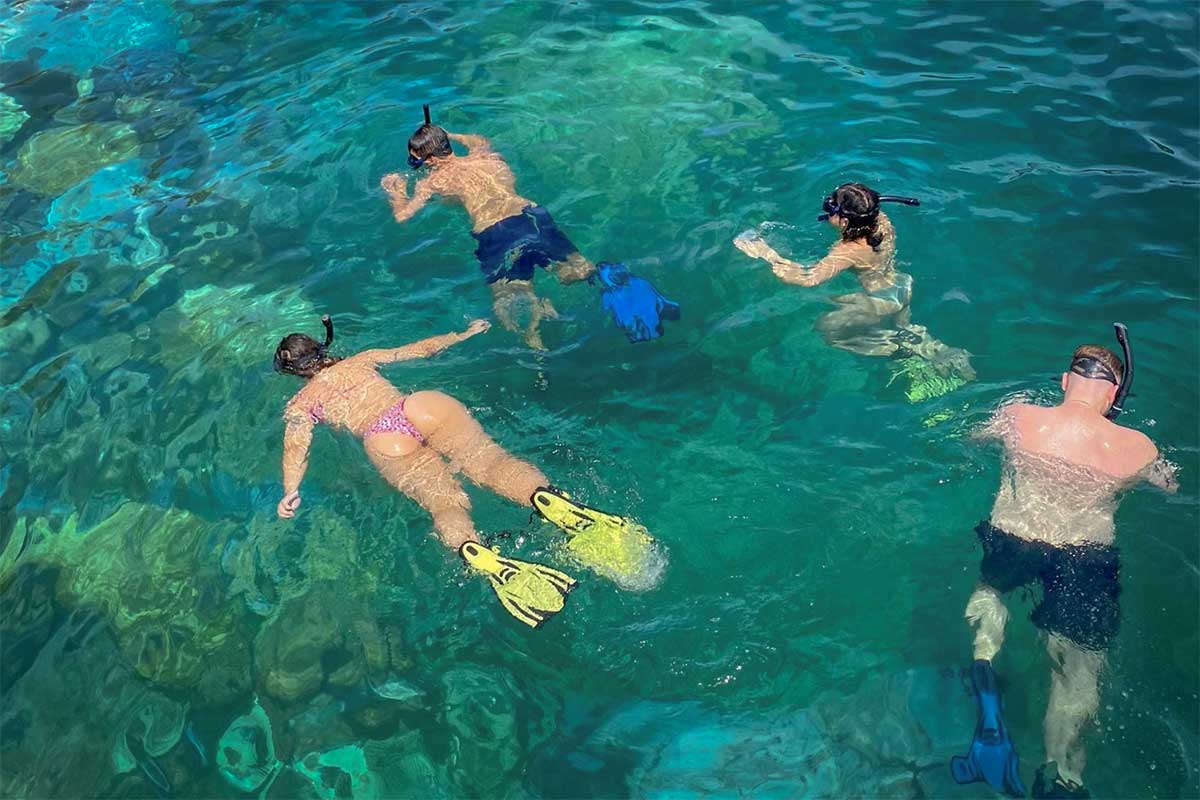
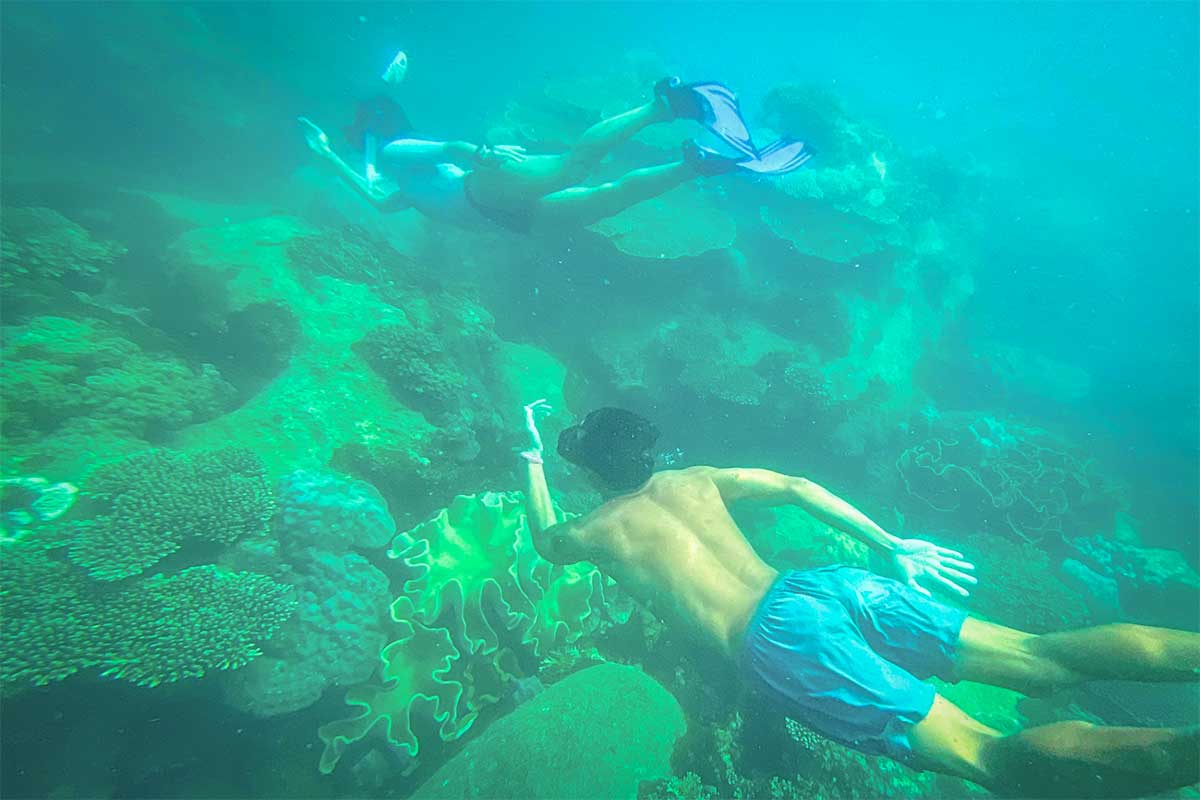
Most snorkeling on regular island hopping tours is easy and shallow, so it is suitable for beginners. You are more likely to see small reef fish than large marine life. Do not expect big fish, turtles, or untouched coral gardens everywhere. If you go with realistic expectations, it can still be a fun and beautiful part of the tour.
Conditions can change a lot
Clear water and better visibility are most likely during the dry season, especially around the southern islands. Visibility depends on the season, wind, rain, waves, and boat traffic.
After rain or rough sea, the water can become cloudy and snorkeling can feel much less impressive. This is why the same tour can get very different reviews from different travelers.
Standard tours vs snorkeling-focused tours
On standard island hopping tours, snorkeling is just one part of a broader day with beaches, lunch, photo spots, and sometimes optional activities. These tours are fine if you want a general boat trip with some snorkeling included.
If snorkeling is your main reason for booking, choose a snorkeling-focused tour instead. These usually have smaller groups, better equipment, more guide support, and more time in the water.
Equipment quality
Most tours include basic snorkeling equipment such as a mask and snorkel. Fins are sometimes available, but not always in all sizes, especially for children.
The quality can vary between operators. Bring your own mask and snorkel if you care about comfort, fit, or hygiene. Prescription masks are usually only available with some specialist snorkeling operators.
Safety and comfort in the water
Life jackets are usually available and can be used while snorkeling, which helps if you are not a strong swimmer. Non-swimmers can often join, but it’s important to stay realistic about your comfort in the water.
Guides vary depending on the tour quality. Some offer good support, while others are more hands-off. Getting on and off the boat can also require care, especially for elderly travelers or children. In some places, you may need to walk over moving planks or uneven steps, so good balance and suitable footwear are important.
Coral and marine life rules
Do not stand on coral, touch it, or break it. Avoid picking up starfish or other sea animals, even if others are doing it.
Do not feed fish, as it disrupts the natural ecosystem. If possible, use reef-safe sunscreen, and consider wearing a rash guard or UV shirt to reduce the need for sunscreen in the water.
If you want to learn more about the underwater world beyond snorkeling, you can also read our guide about diving in Phu Quoc.
Practical tips for boat tours and island hopping in Phu Quoc
Bring sun protection
The sun is strong on the water, even when it doesn’t feel that hot. The wind on the boat can make it seem cooler, but you can burn quickly.
Bring strong sunscreen, a hat, sunglasses, and ideally a UV shirt or rash guard. This is especially useful when snorkeling, as your back is exposed to the sun for a long time.
Bring your own snorkel mask if you care about comfort
Most tours provide snorkeling equipment, but the quality can vary.
If you have your own mask, it will usually fit better and feel more comfortable. This is especially useful for children or travelers with poor eyesight, as standard masks are not always ideal.
Bring cash
You will often need cash during the trip.
This includes drinks, beach chairs, showers, optional water activities, and tips. Many islands and boats do not accept cards, so it’s better to bring enough cash with you.
Take seasickness seriously
Even if you normally don’t get seasick, it can still happen on boat tours.
Speedboats can be bumpy, especially in windy conditions. Sunset fishing tours often stay in one place for a long time, which can also cause discomfort. If you are sensitive, take medicine before departure and try to sit where you get fresh air.
Wear practical clothes and footwear
Wear swimwear under your clothes so you can easily get in the water.
Flip-flops or water shoes are the easiest option. Bring dry clothes for the return trip. Be careful when getting on and off boats, as steps, planks, and surfaces can be wet, uneven, or moving with the waves.
Protect your phone and valuables
Boat trips can be wet, and things can get messy when moving between boats, beaches, and transfers.
Bring a waterproof bag or dry bag for your phone and valuables. Avoid bringing unnecessary expensive items, as boats and islands are not the best place to keep things safe.
Do not overpack your itinerary
Some tours try to combine too many places in one day.
For example, trips that include Starfish Beach, Sunset Sanato, and night fishing often involve a lot of travel time. More stops does not always mean a better experience, and it can make the day feel rushed.
Keep expectations realistic
Boat tours in Phu Quoc are enjoyable, but not perfect.
Some islands can be busy, and some stops are designed more for photos and beach bars than nature. Lunch is usually simple but often decent. Snorkeling quality depends on the weather and conditions. Also keep in mind that optional activities can quickly increase the total cost of a cheap tour.
Travel responsibly
Respect the marine environment during your trip.
Do not touch coral or step on it. Do not pick up starfish or other sea animals. Avoid feeding fish and do not leave trash behind. If snorkeling is important to you, try to choose operators that follow better marine practices.