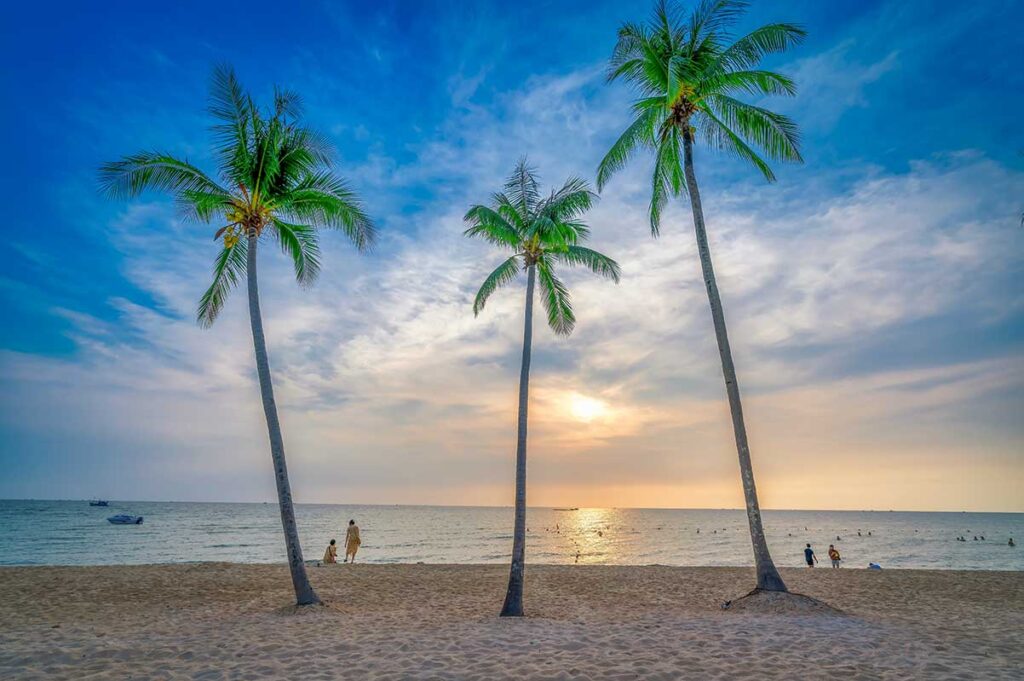


What to expect from fishing villages in Phu Quoc
Fishing villages in Phu Quoc are not typical tourist attractions, so knowing what to expect will help you decide which ones fit your travel style. Some offer a mix of local life and tourism, while others are still purely working communities with very little focus on visitors.
Not all villages are scenic
Many fishing villages are simple, functional places where daily work comes first. You will often see boats, fishing gear, and parts of the shoreline that are not clean or designed for visitors, which can feel very different from the polished images you might see online. Managing expectations is important, as not every village is a photogenic or relaxing place to spend time.
Local life vs tourism
Some fishing villages in Phu Quoc have slowly adapted to tourism, with seafood restaurants, easier access, and small facilities, such as Rach Vem and Hon Thom. Others, like Ganh Dau, Cua Can, and Rach Tram, remain more local and less developed, where you mainly observe daily life rather than find activities or organized experiences. This difference plays a big role in what kind of visit you will have.
Why they are still worth visiting
Even if they are not always beautiful, fishing villages in Phu Quoc give you a more honest look at life on the island. You can see how people work, try fresh seafood in a simple setting, and experience a slower, less commercial atmosphere. It also creates a strong contrast with the resorts and beaches, which makes your overall trip feel more varied.
Best fishing villages in Phu Quoc
Fishing villages in Phu Quoc are spread across the island, from the east coast to the north and even the offshore islands, with each place offering a slightly different experience. Some are easy to visit and partly adapted to tourism, while others are more remote and feel much more local. Not all of them are must-see destinations, so which ones are worth visiting really depends on your travel style and what you are looking for.
1. Ham Ninh Fishing Village
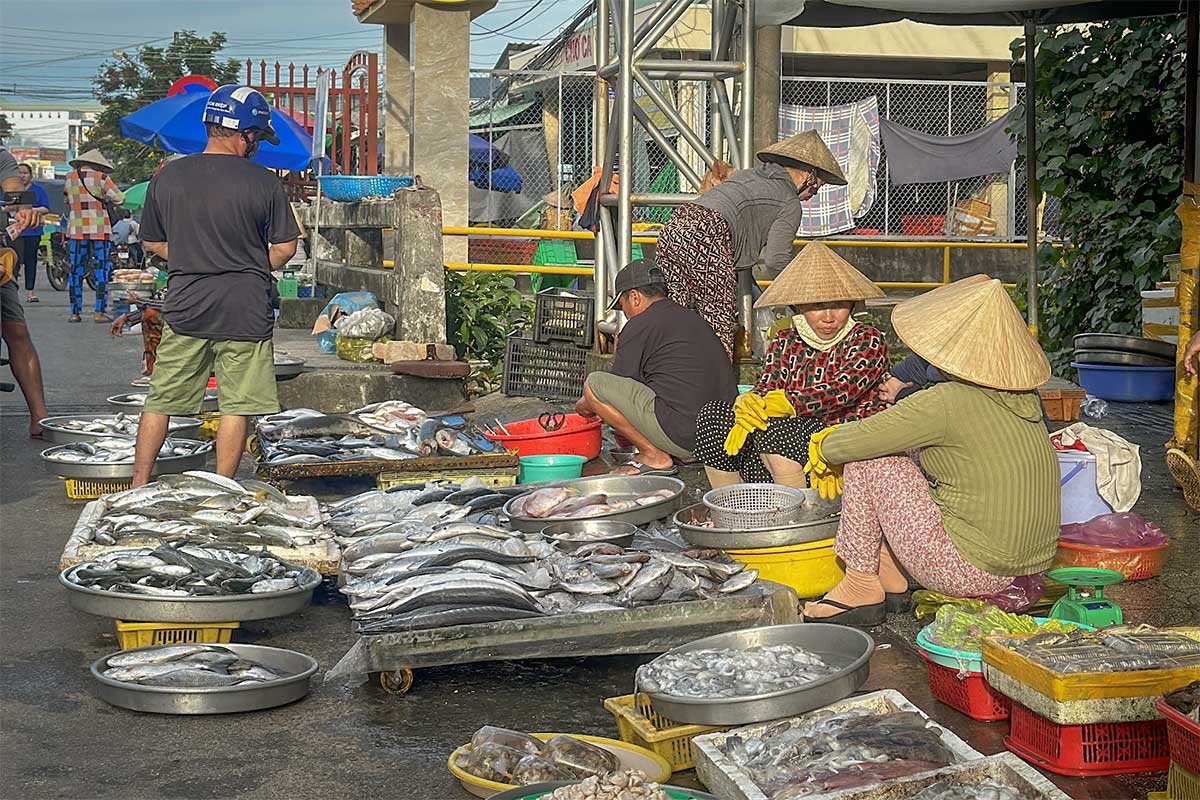
Ham Ninh fishing village is one of the oldest coastal communities on Phu Quoc, located on the quieter east side of the island. It’s known for its simple fishing life, shallow shoreline, and seafood restaurants built over the water.
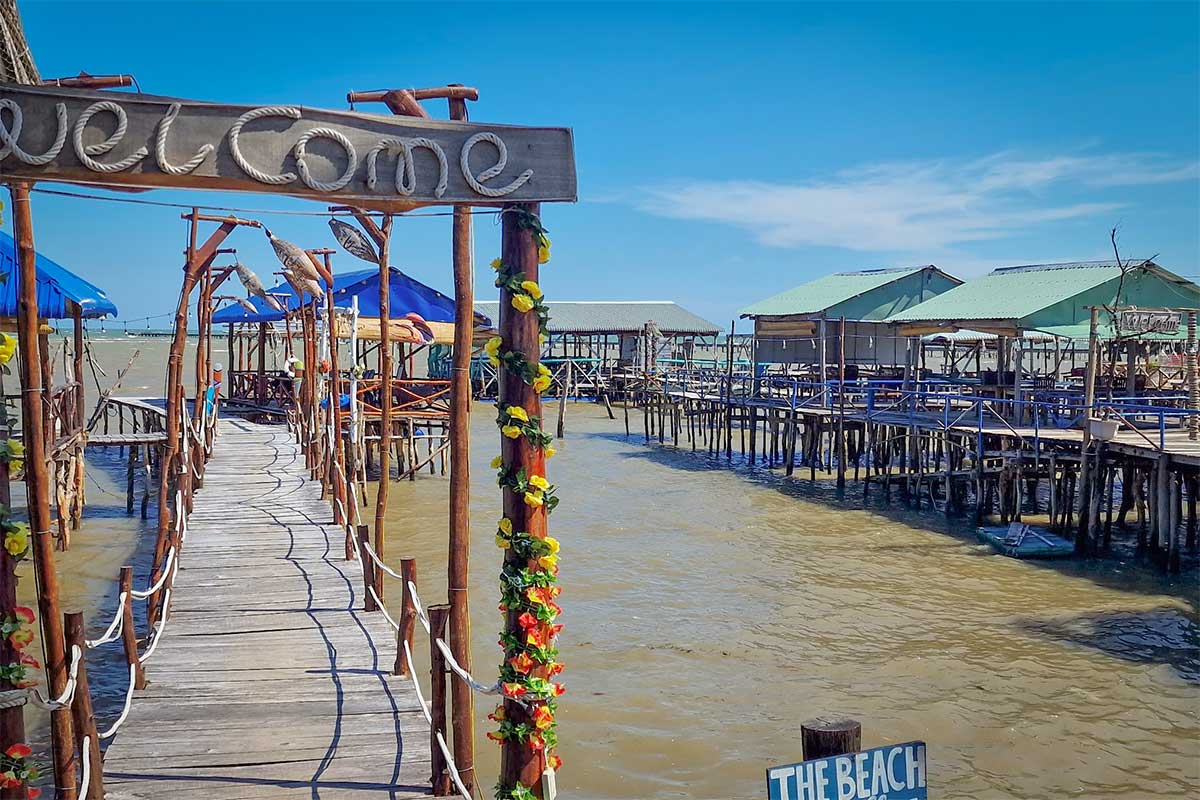
You can still see small boats, nets, and daily activity from local fishermen, especially in the early morning. The village also used to be famous for its long pier, but parts of it are now damaged, so it’s not as impressive as older guides describe. Overall, it’s a place for a short visit rather than a highlight, but it can still feel authentic if you come for the seafood or at sunrise.
Getting here is easy from Duong Dong, about 20–30 minutes by taxi, Grab, or scooter. It works best as a quick stop combined with other places, such as Bai Vong Port or a drive along the east coast. Many visitors come mainly for lunch at one of the floating seafood restaurants. Keep in mind that prices can be higher than expected, and it’s a good idea to check beforehand. Also, transport back can sometimes be limited, so arranging a return ride in advance is recommended.
2. Rach Vem Fishing Village
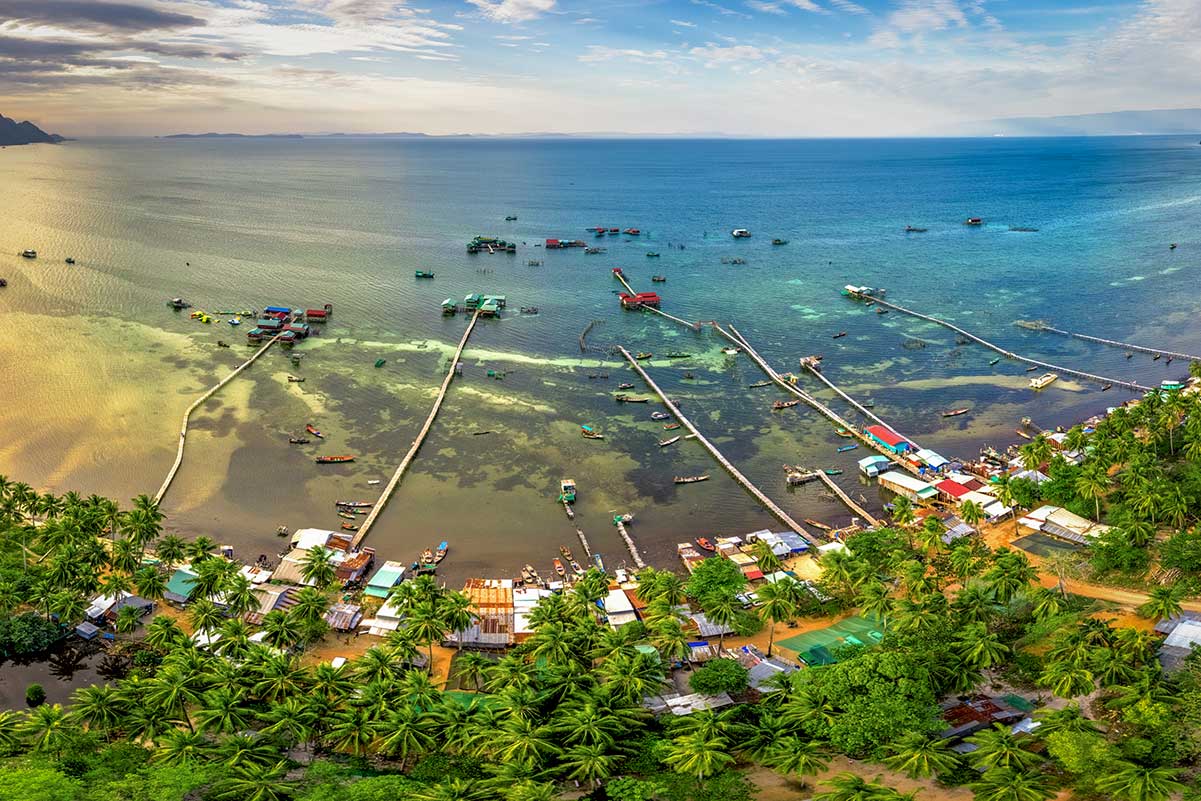
Rach Vem fishing village is a small coastal community on the north side of Phu Quoc and the main access point to Starfish Beach. The village itself is a mix of local fishing life and simple tourism, with wooden boats, piers, and a number of floating raft restaurants built over the water. These floating restaurants are one of the highlights, where you can sit above the sea and eat fresh seafood in a very simple setting. The first impression when you arrive can feel a bit messy and unorganized, especially around the parking and main entry area, but it becomes more appealing once you move further along the coast.
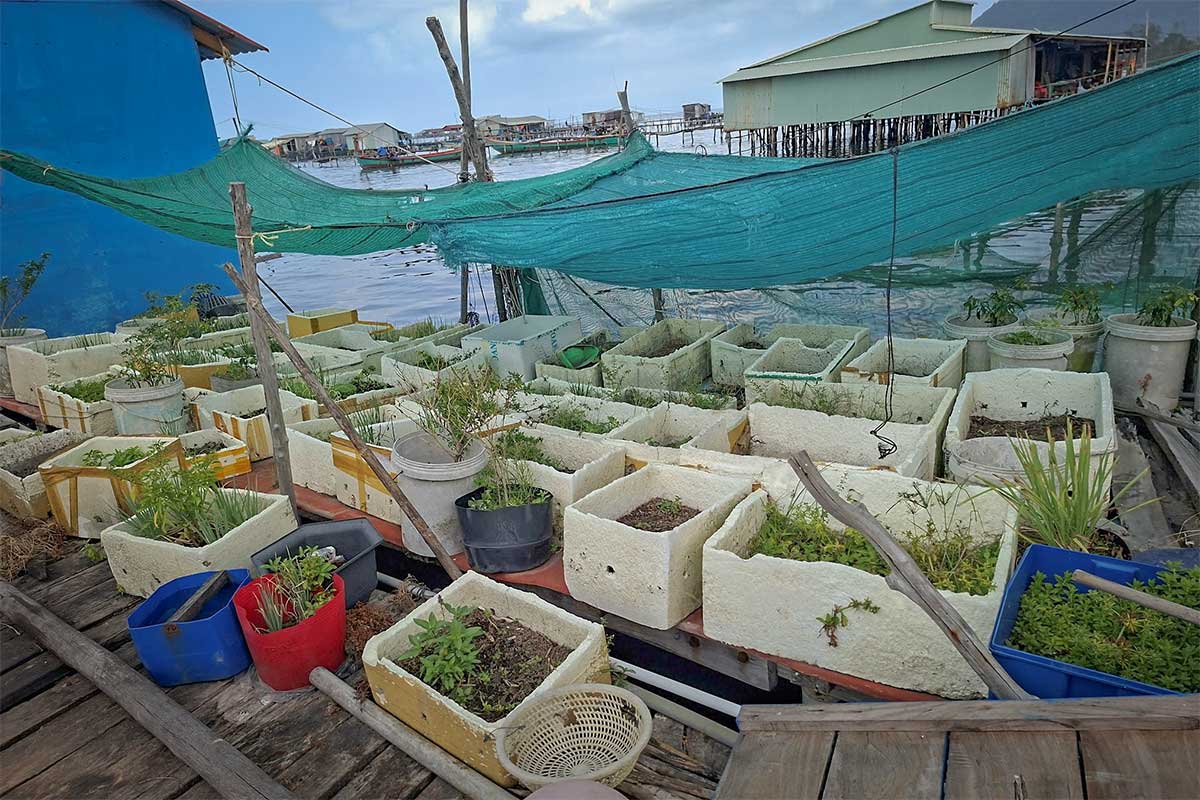
Getting to Rach Vem involves a partly rough road, especially towards the end, which can be more difficult in the rainy season. At the village, you will often be offered boat rides to reach better beach areas, but in many cases walking is possible if conditions are good, so it is worth checking first. Prices for boats and food can vary, so agreeing in advance helps avoid surprises. Most visitors combine Rach Vem with Starfish Beach, and it works best as a half-day trip rather than a quick stop.
3. Ganh Dau Fishing Village
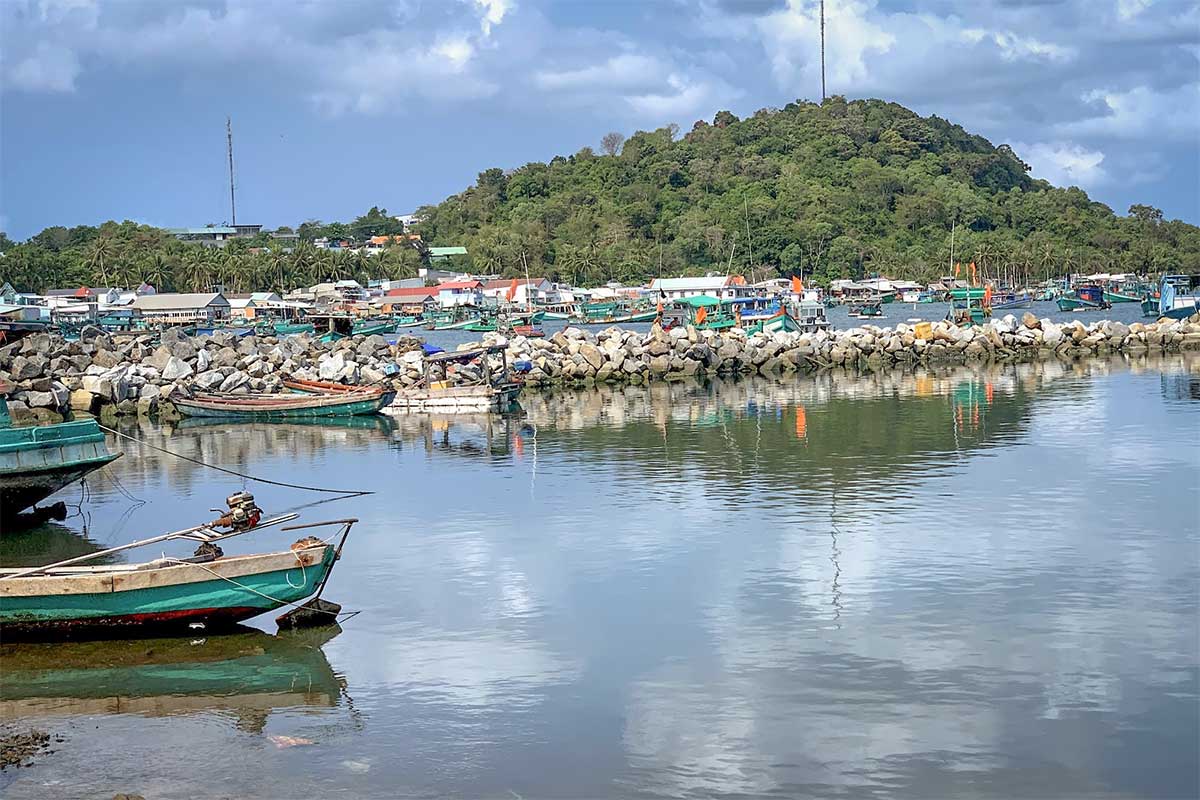
Ganh Dau fishing village is a small, working coastal community on the northwest tip of Phu Quoc. It is not a place developed for tourism, but rather a real fishing village with a harbor full of wooden boats, simple houses, and daily life centered around the sea. You can see fishermen preparing nets, boats coming and going, and local activity along the waterfront. At the same time, it is not particularly scenic, and some areas can feel rough or a bit unclean, so it is not the kind of place you visit for beaches or photos.
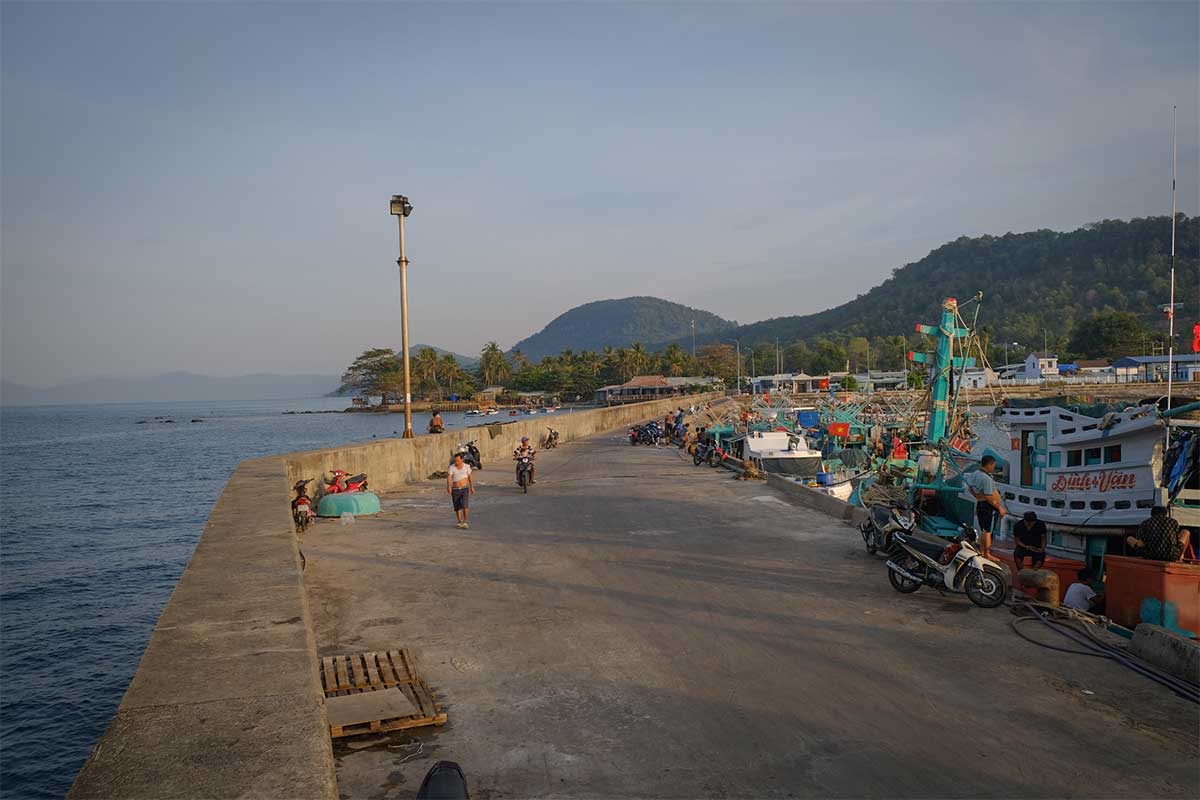
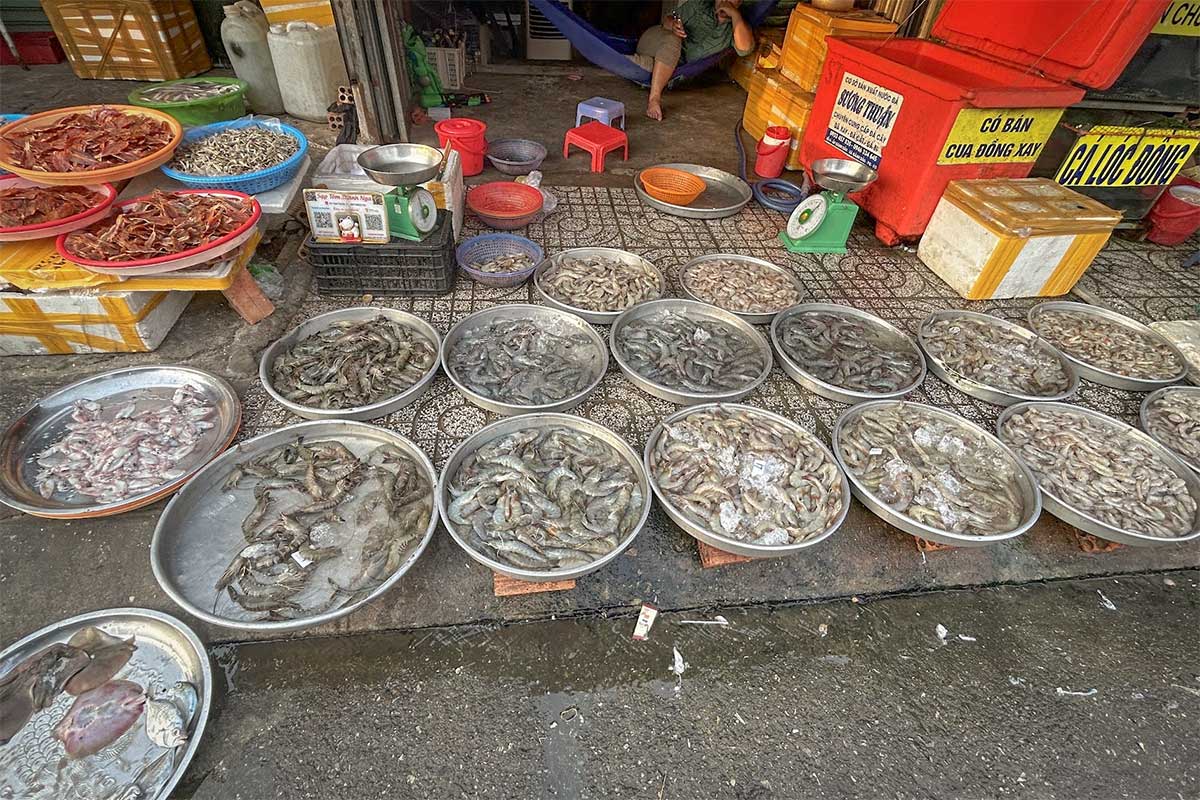
It works best as a short stop during a trip along the north coast of the island. You can easily combine it with Ganh Dau Cape, nearby beaches, or a wider route that includes places like Rach Vem or Bai Dai. Sunset is a good time to pass by, when the light is softer and the atmosphere feels more relaxed. There are also a few small local seafood restaurants where you can have a simple meal, but overall, this is more about a quick look at local life than a main destination.
4. Cua Can Fishing Village
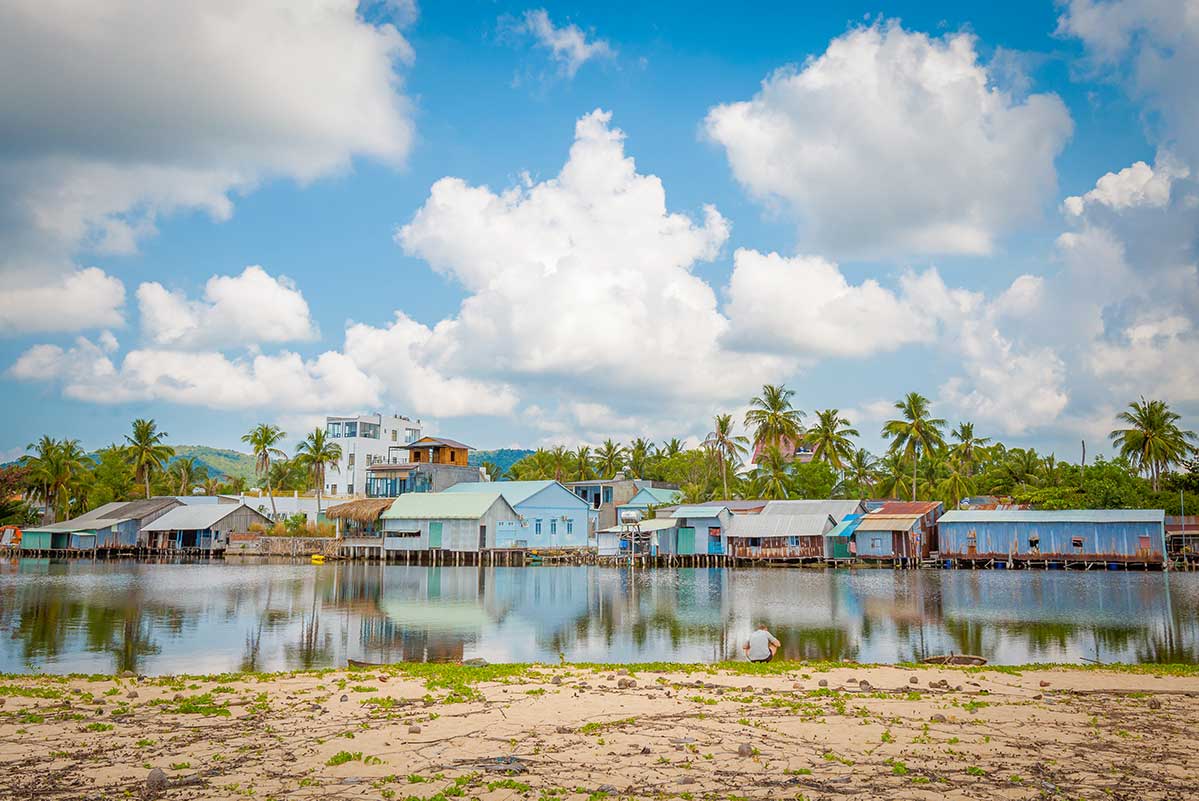
Cua Can fishing village is located where the Cua Can River meets the sea, creating a different setting compared to other fishing villages in Phu Quoc. Instead of just coastline, you have a mix of river, sandbar, and beach, with small wooden boats and a few stilt houses along the water. The atmosphere is quiet and local, without much development, which makes it feel more natural but also a bit unpolished.
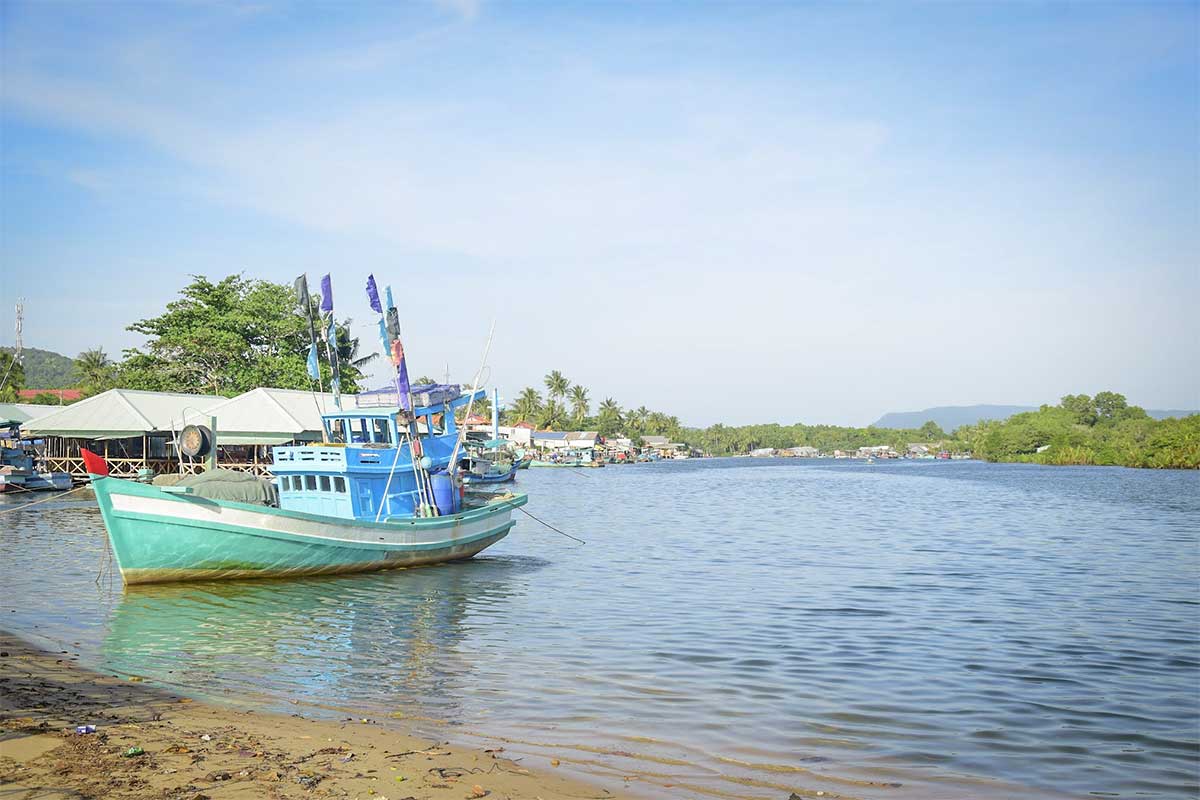
It is easy to reach from Duong Dong and works best as a short stop rather than a main destination. You can combine it with Ong Lang Beach or a drive along the north coast. This village suits travelers who enjoy simple, local places and don’t expect a clean or scenic attraction, while those looking for a picturesque fishing village or activities may want to skip it.
5. Rach Tram Fishing Village
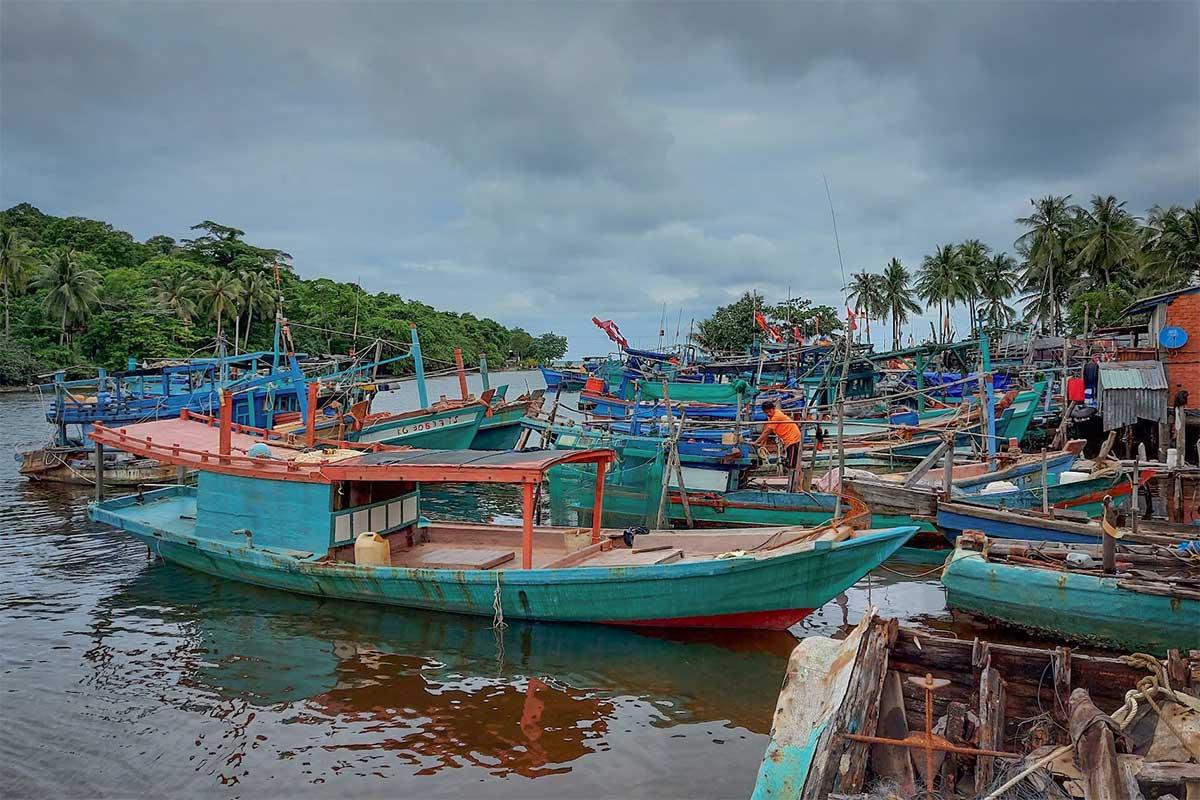
Rach Tram fishing village is one of the most remote places on Phu Quoc and feels very different from the rest of the island. It is small, quiet, and almost looks abandoned in parts, with only a few houses and very little visible activity. What makes it interesting is the setting, with dense forest behind the village and the sea in front, giving it a raw and untouched atmosphere that you don’t find in more visited areas.
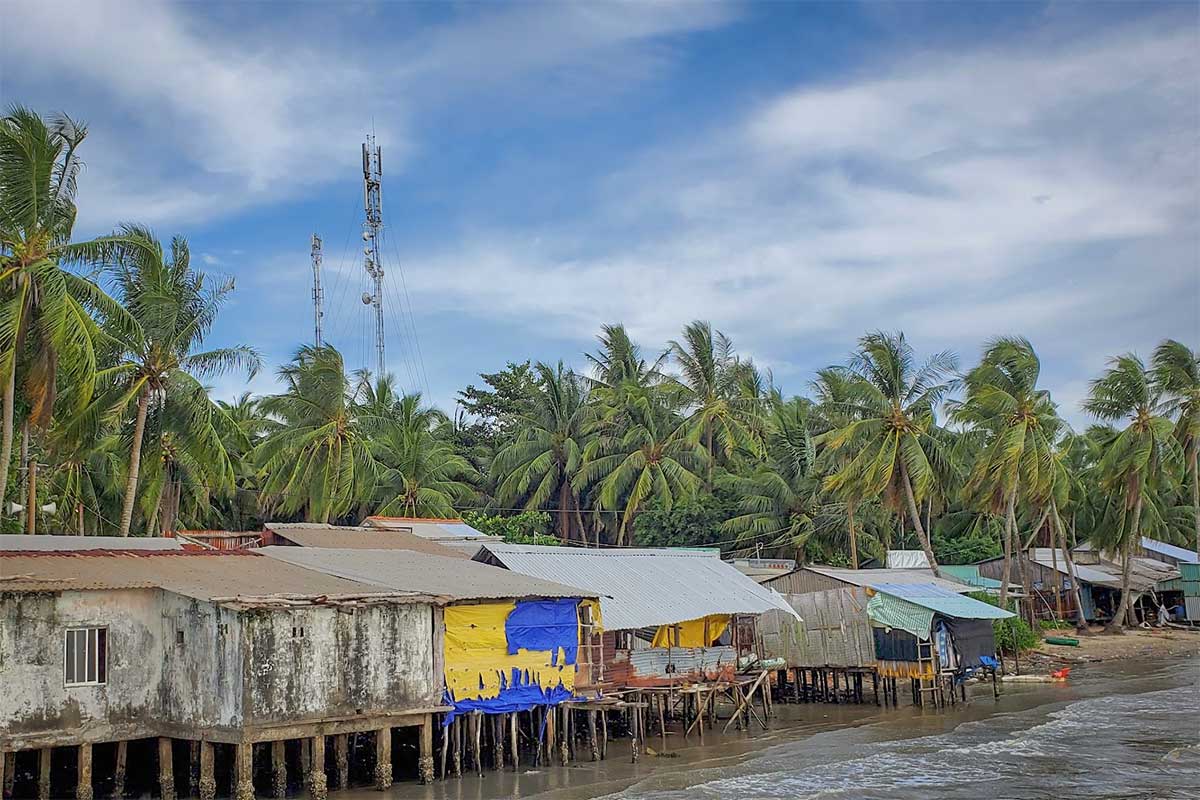
Getting here is not easy, and that is exactly why it remains so quiet. The roads can be rough, and it takes time to reach, so it is mainly for travelers who enjoy exploring off-the-beaten-path places. It works best as part of a wider trip through the north or northeast of Phu Quoc. For most visitors, it is not worth the effort, but for those looking for something remote and different, it can be interesting.
6. An Thoi fishing harbor
An Thoi in the south of Phu Quoc is one of the island’s main fishing harbors and a much more realistic fishing-related stop than the so-called “Hon Thom fishing village” mentioned in older guides. Around the harbor and coastline, you can still see many fishing boats, floating houses, seafood farms, and local activity connected to the sea. The atmosphere is busier and more developed than villages like Rach Tram or Cua Can, but it still gives a good impression of the island’s fishing industry.
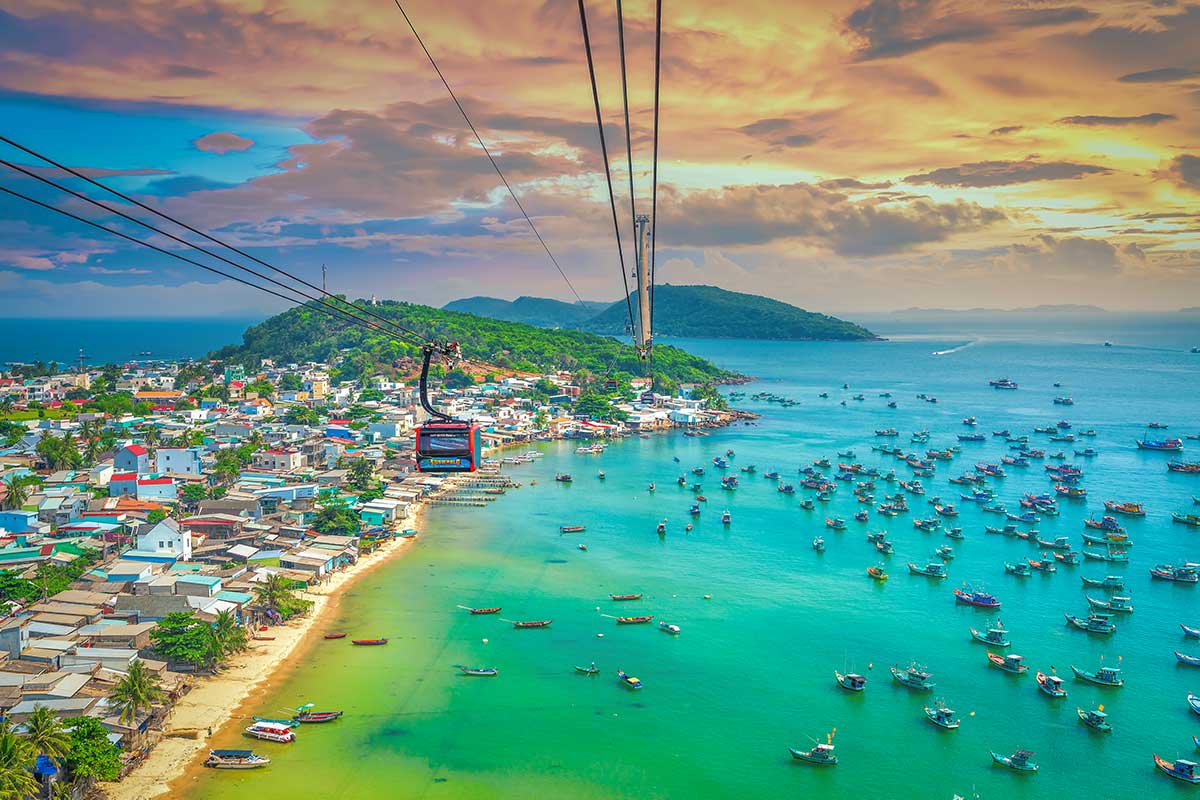
One of the best ways to experience this area is from the Hon Thom cable car, which passes high above An Thoi and the surrounding coastline. From the cabins, you get wide views over the harbor, floating structures, fishing boats, and nearby islands, especially on clear days. Most visitors combine this with a trip to Hon Thom Island, island hopping tours, or snorkeling in the south of Phu Quoc.
7. Duong Dong (Fishing harbor & market) – Bonus
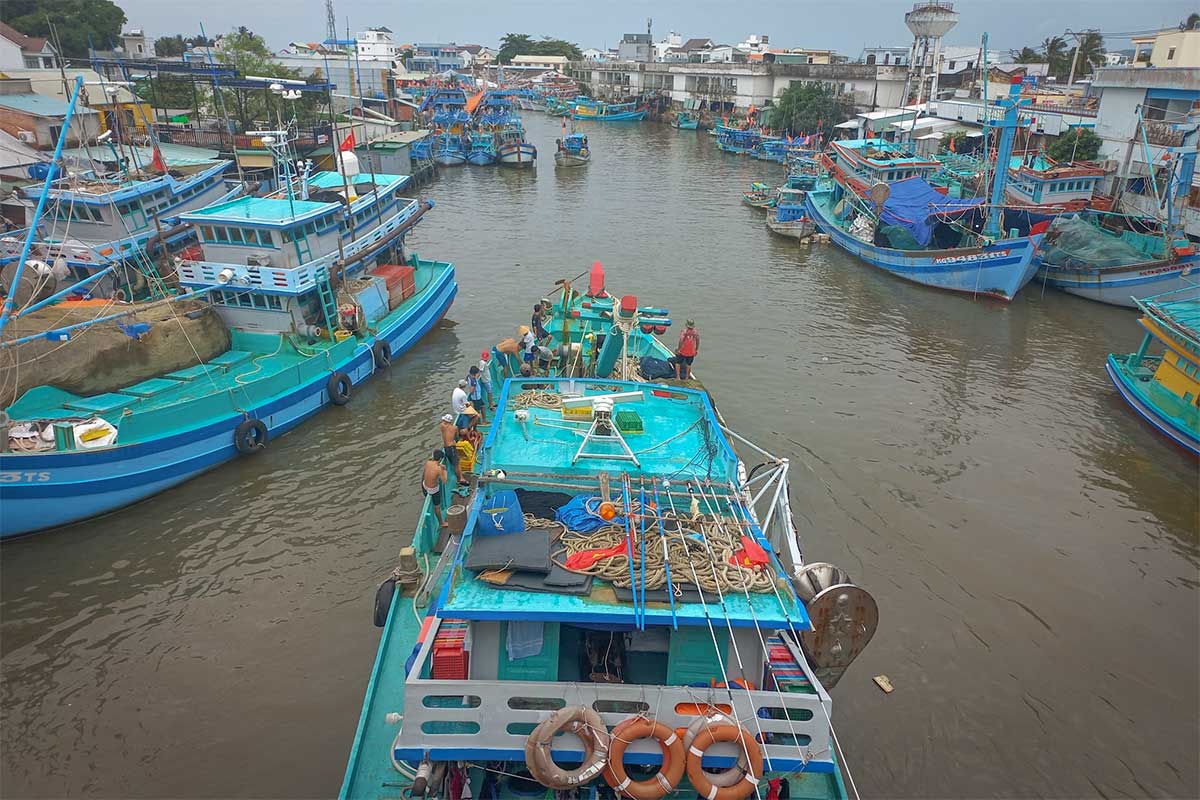
Duong Dong is not a fishing village, but it is the most active fishing hub on Phu Quoc and one of the easiest places to see local fishing life. Along the river, you will see many boats docked side by side, especially near the main bridge. Right next to it is Duong Dong Market, where fish and seafood are brought in and sold, creating a busy and very local atmosphere.
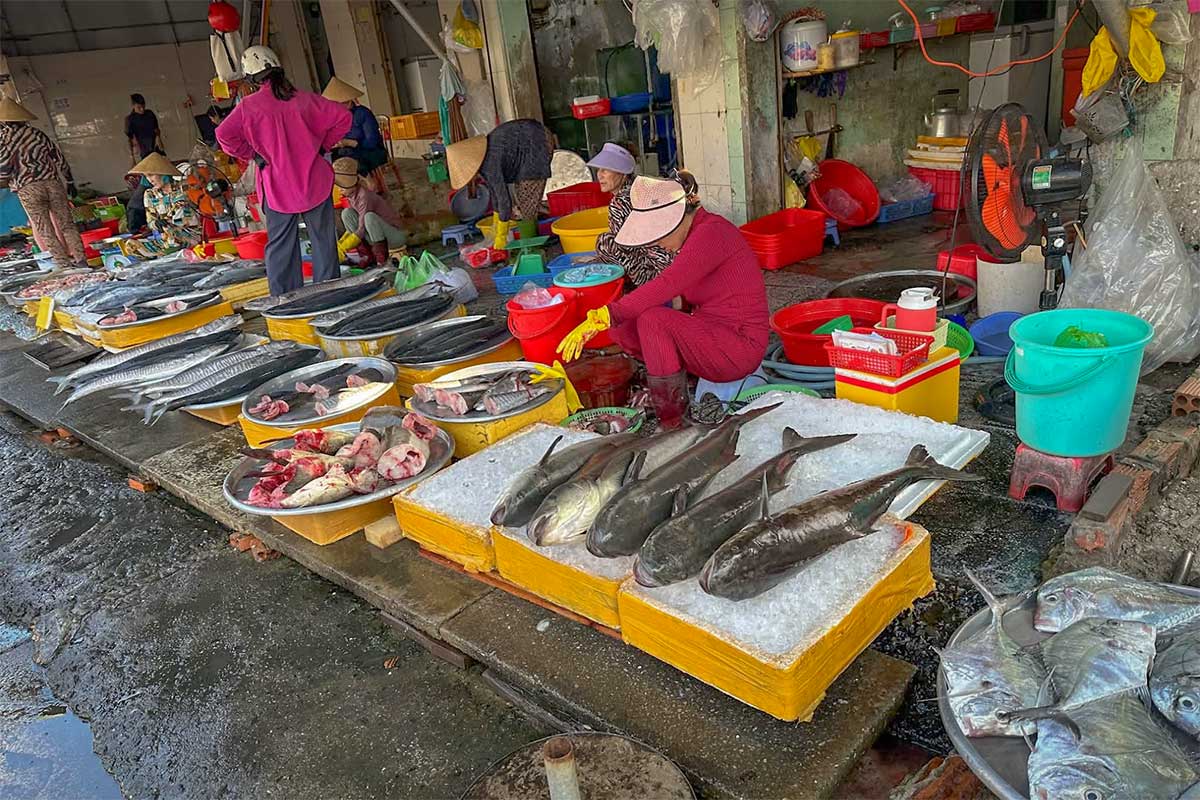
This is one of the most accessible places to experience this side of Phu Quoc. The best time to visit is in the morning, when the market is most active, while later in the day it becomes much quieter and in the evening it closes. It is easy to combine with nearby places like Dinh Cau, local temples, or a walk through town, and it fits into almost any itinerary without needing extra planning.
Suggested itineraries
Fishing villages in Phu Quoc are rarely standalone highlights, so it makes more sense to combine them with nearby beaches and attractions. These simple routes help you see multiple places in one trip without overplanning.
North Phu Quoc route
Cua Can → Ong Lang Beach → Ganh Dau → Ganh Dau Cape → Rach Vem (Starfish Beach)
This route gives a mix of local villages, quieter beaches, and coastal views. Best done by scooter or private car, with Rach Vem as the main stop for lunch or beach time.
East coast route
Duong Dong → Ham Ninh → Bai Vong → East coast drive
A short and easy route focused on Ham Ninh fishing village and the less-visited east coast. You can stop for seafood in Ham Ninh and continue along the coast for a quieter, more local side of the island.
South island route
An Thoi → Cable car to Hon Thom → Island time (beach, snorkeling, water park)
This is less about traditional villages and more about combining the Hon Thom fishing area with a full island experience. The cable car ride itself is a highlight, with views over the sea and parts of the fishing village below.
Easy option (no travel planning needed)
Duong Dong fishing harbor → Duong Dong Market → Dinh Cau → Phu Quoc night market
The simplest way to experience fishing life without leaving town. Go in the morning for the market and harbor activity, then return in the evening for the night market and nearby restaurants.