

What is Vietnamese fish sauce?
The basics: What it is and where it comes from
Fish sauce is one of the oldest and most important condiments in Southeast Asia — a liquid made from just two ingredients: anchovies and salt. The fish are packed into large barrels and left to ferment for months, breaking down slowly until they produce a rich, amber-colored liquid with a deep savory flavor. No preservatives, no additives. Just fish, salt, and time.
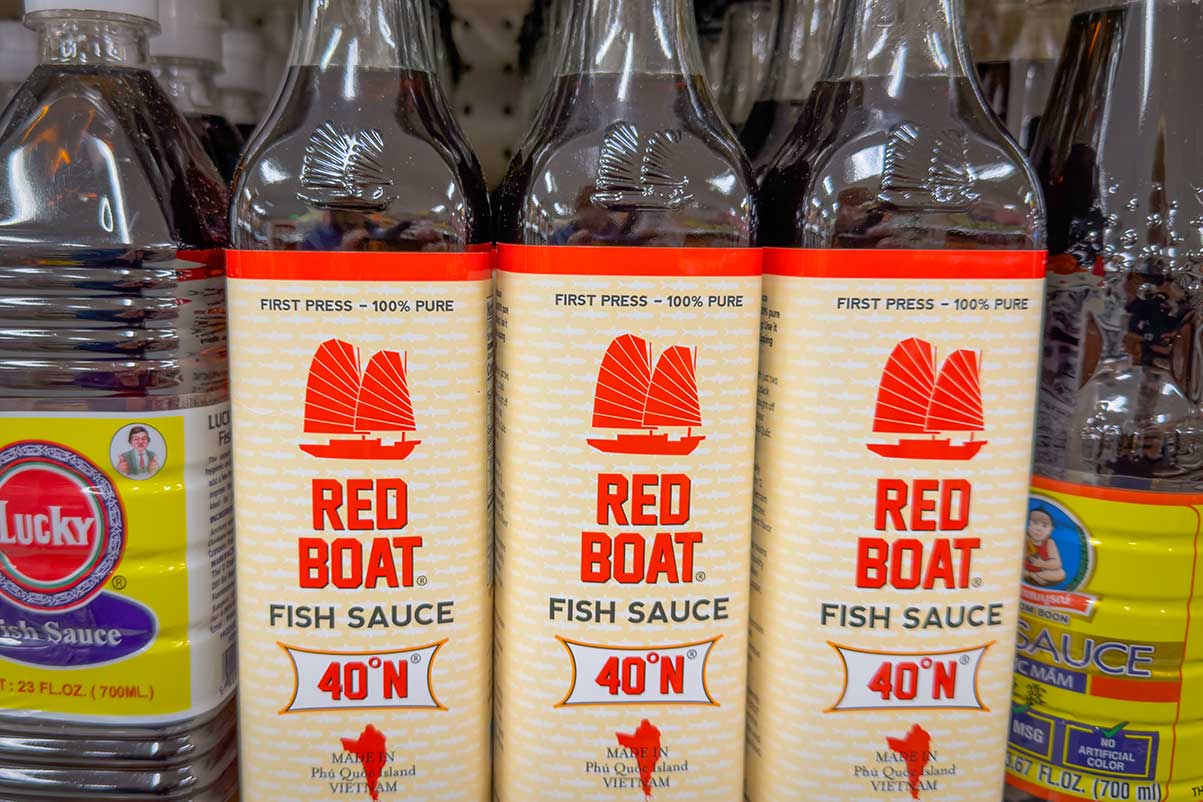
Phu Quoc has been producing fish sauce this way for over 200 years, and the quality of what comes off this island is recognized at the highest level. In 2012, Phu Quoc fish sauce became the first Southeast Asian food product to receive EU Protected Designation of Origin (PDO) status — the same certification that protects Champagne and Parmigiano-Reggiano. In 2021, the Vietnamese government recognized the craft as a National Intangible Cultural Heritage. These are not marketing claims. They reflect a genuine tradition that has survived centuries largely unchanged.
How important is fish sauce in Vietnamese cuisine?
It is hard to overstate how central fish sauce is to Vietnamese cooking. It is not just a dipping sauce — it is the base flavor behind an enormous range of dishes. It goes into soups, marinades, stir-fries, dressings, and braised dishes. Pho, bun bo Hue, banh xeo, thit kho — fish sauce is somewhere in almost all of them. Even dishes that do not taste like fish sauce usually contain it.
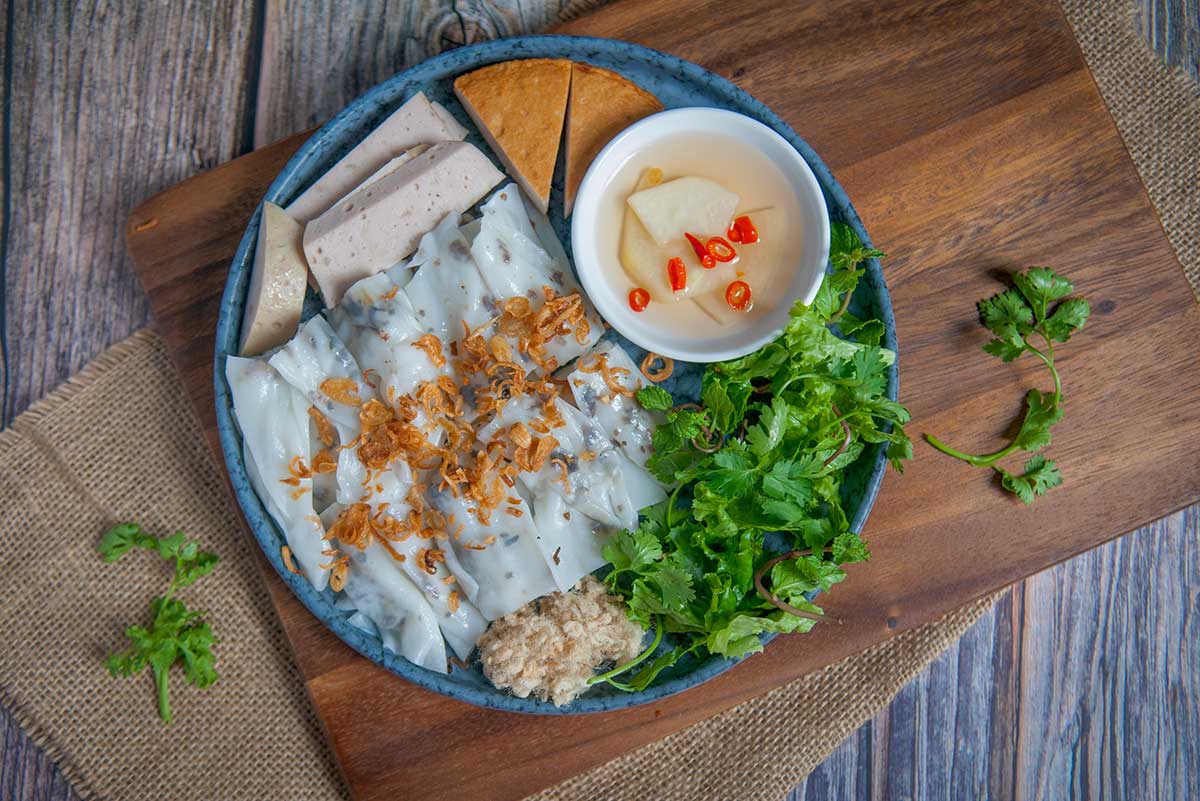
The dipping sauce served alongside most Vietnamese meals — nuoc cham — is built around it. For Vietnamese cooks, reaching for fish sauce is as instinctive as reaching for salt. Removing it from Vietnamese cuisine would not simplify it. It would hollow it out entirely.
Want to learn more about how fish sauce is used in Vietnamese cooking? Read our complete guide to Vietnamese fish sauce.
How is fish sauce made?
Phu Quoc’s reputation for fish sauce comes down to one thing: the anchovies. The waters surrounding the island are rich in seaweed and plankton, which creates ideal feeding conditions. The anchovies that grow here have a higher fat and protein content than those caught elsewhere — and that directly affects the quality of the final product. Combined with a traditional production method that has barely changed in two centuries, this is why Phu Quoc fish sauce tastes different from what you find in a supermarket back home.
1. Catching and salting the anchovies
The fishing season runs from July to December. Anchovies are caught by net, and the key step happens immediately on the boat: the fish are salted right away at a ratio of roughly three parts fish to one part salt. This matters more than it sounds. Salting the fish the moment they come out of the water locks in the proteins before any degradation begins. It is one of the main reasons Phu Quoc fish sauce has such a clean, deep flavor.
2. The barrels
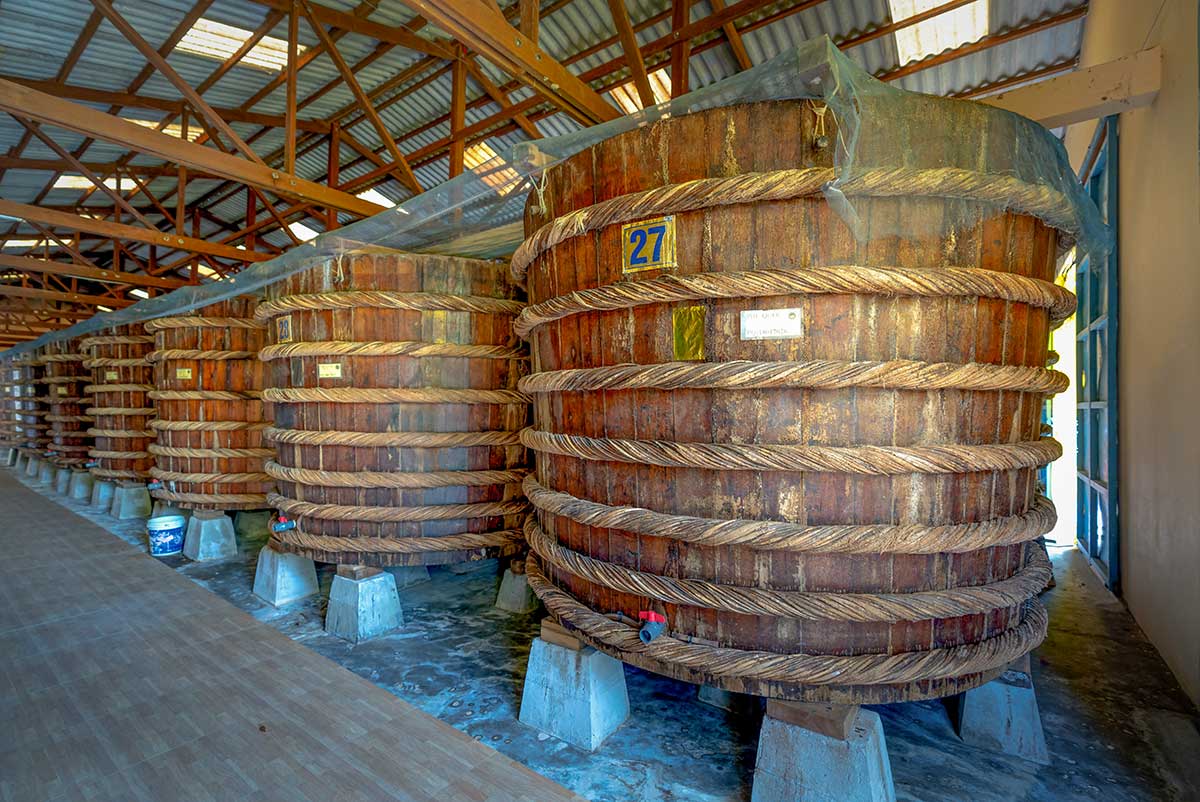
Back on shore, the salted anchovies go into large wooden barrels made from braided rattan sourced from the local mountains. These barrels are enormous — between 1.5 and 3 meters wide, and tall enough that you need a ladder to look inside. Each one holds between 7 and 13 tons of fish and salt. They are built to last, with some barrels still in use after 60 years. Older barrels are actually preferred — the wood absorbs and develops flavor over decades, contributing to the sauce in subtle ways.
3. Fermentation
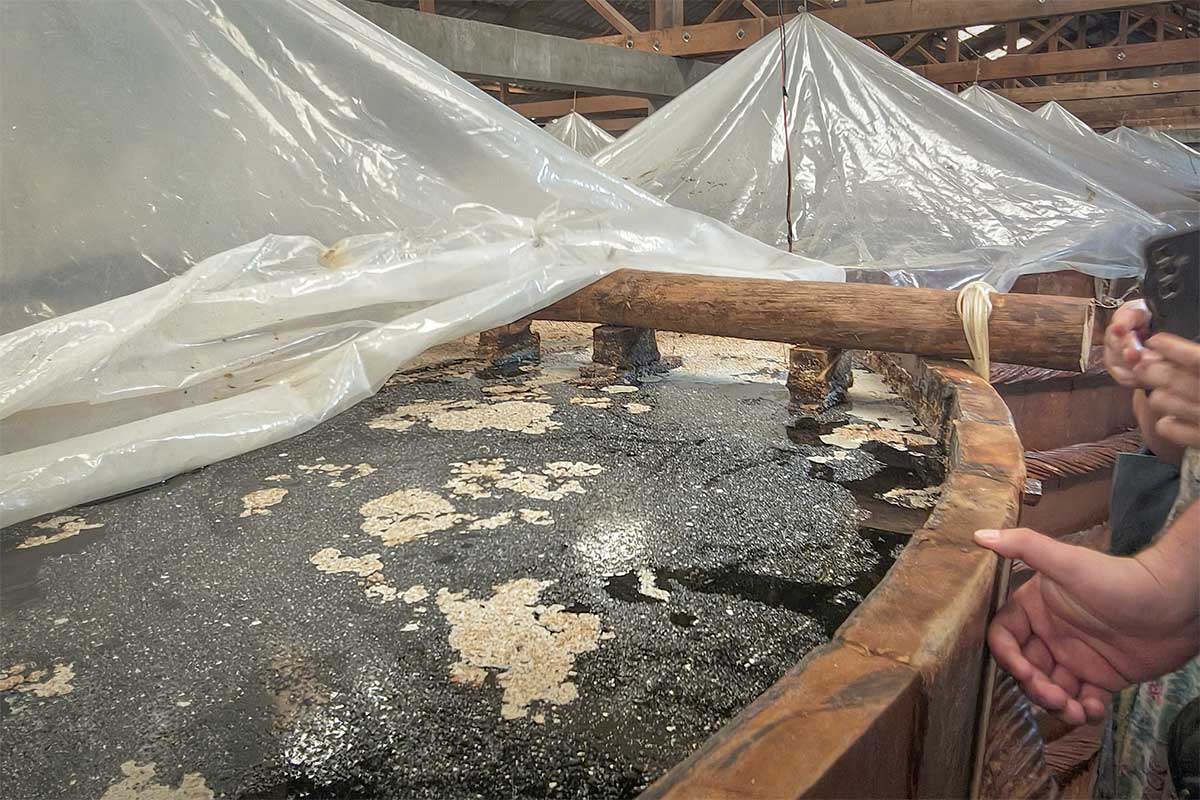
Once sealed, the barrels are left to ferment for anywhere between 6 and 12 months. Every day, liquid is drawn from a tap at the bottom and poured back over the top, filtering down through the fish again. This constant circulation ensures even fermentation throughout the barrel. Longer fermentation produces a mellower, more complex flavor — and a higher quality grade. There is no shortcut to this part. Time is the only ingredient you cannot adjust.
4. Pressing, grading, and bottling
After fermentation, the contents are pressed and the liquid is drained.
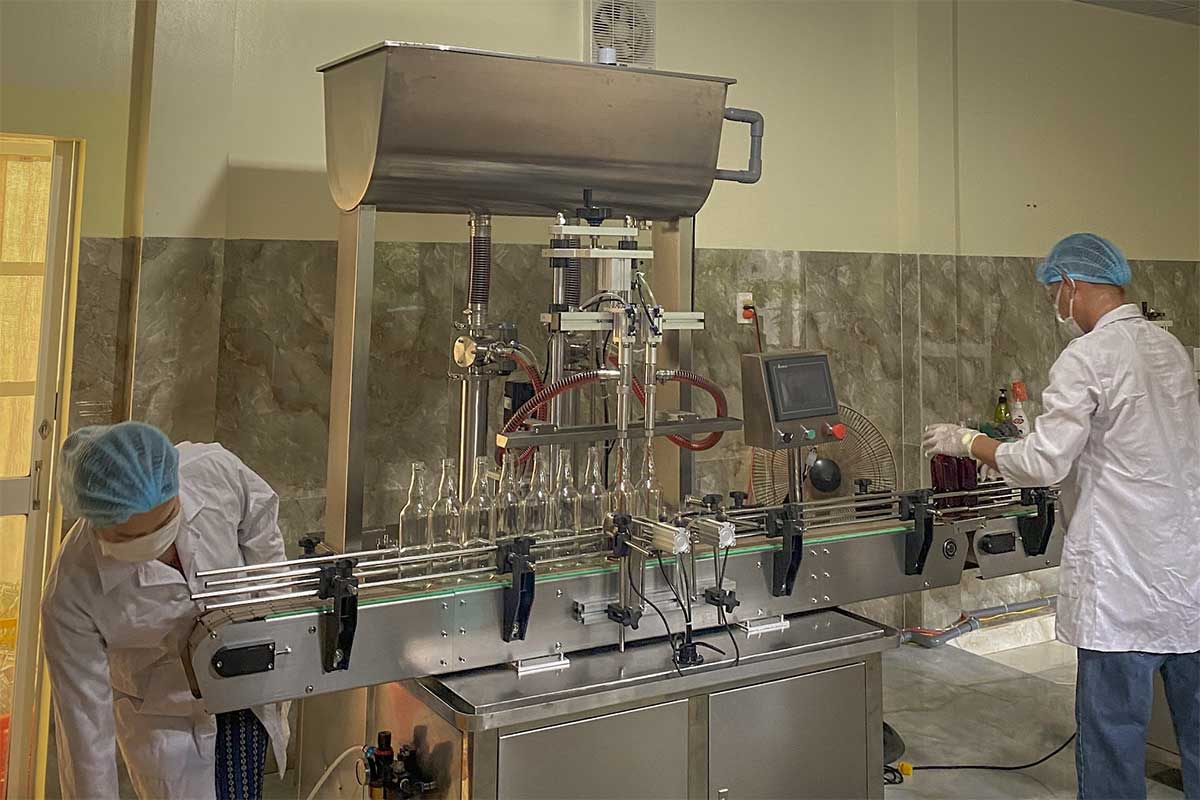
The very first pressing — called nuoc mam nhi — is the most prized. Many producers keep it for personal use or give it as gifts rather than sell it. What follows is graded by nitrogen level, written as degrees N (°N). This measures the protein content of the sauce.
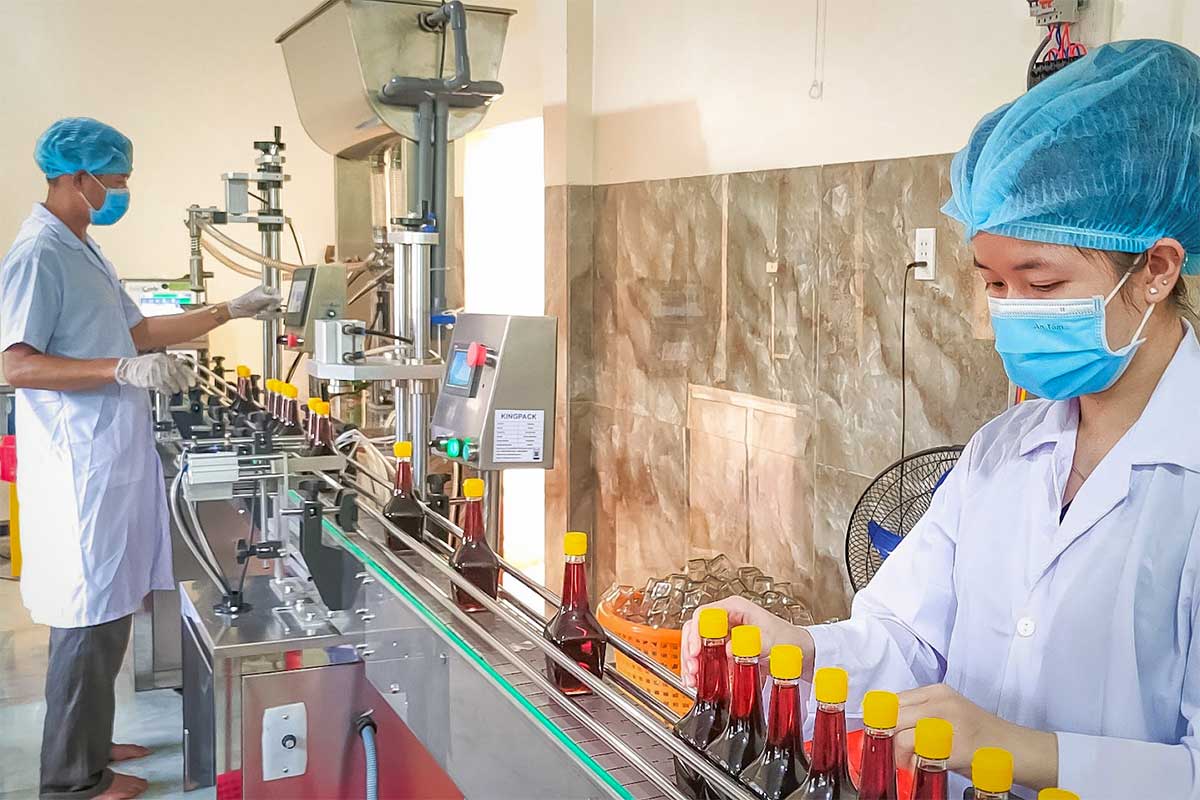
A 25°N sauce is a standard cooking grade. Anything around 30°N is considered high quality. At 40°N and above, you are into premium territory — noticeably smoother and less sharp than lower grades. Most bottles you find in supermarkets sit well below that. When you visit a factory and get to taste the difference side by side, it becomes obvious why grade matters.
The experience of visiting a fish sauce factory in Phu Quoc
Walking into a fish sauce factory is not like visiting a museum or a polished tourist attraction. It is a working facility, and it feels like one.
1. The smell
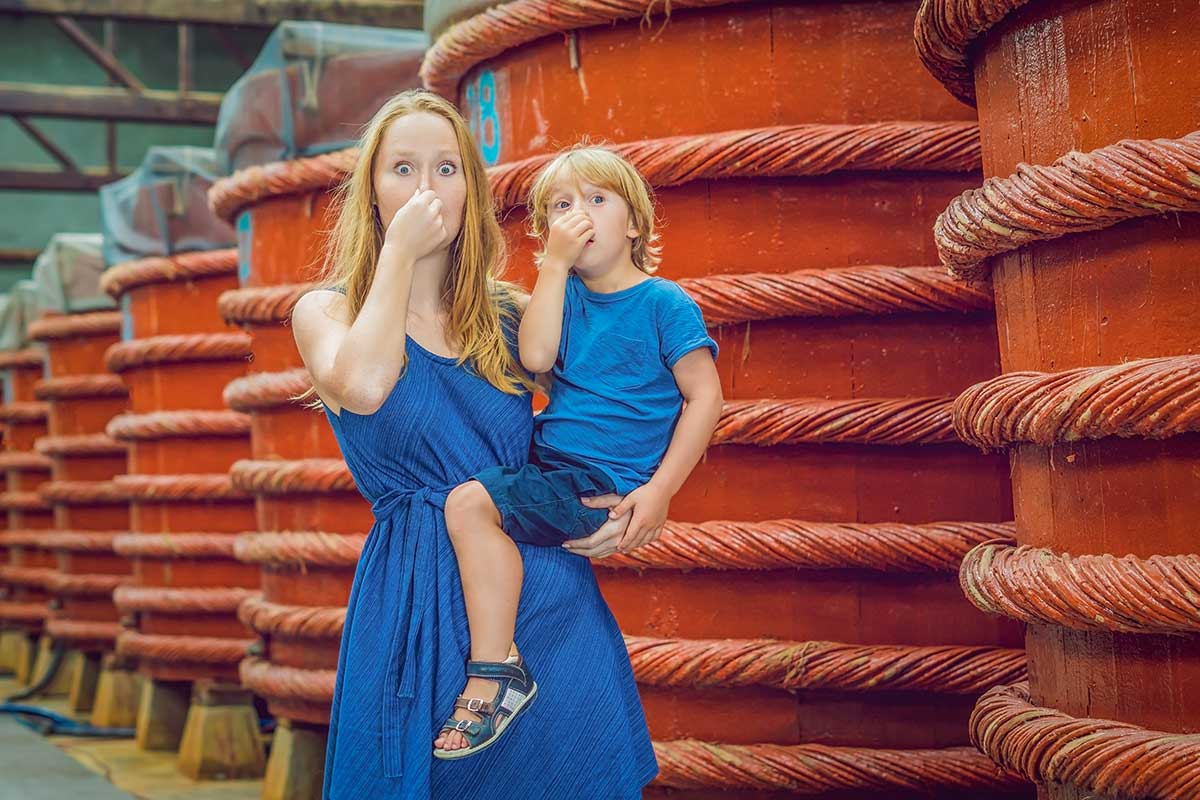
The first thing you notice is the smell. As soon as you step into the production hall, the scent of fermenting fish hits you — strong, pungent, and unmistakable. Some people find it overwhelming for the first minute or two. Most adjust quickly. If you are genuinely sensitive to strong smells, be prepared. It is not unbearable for most visitors, but it is definitely not subtle.
2. The production hall
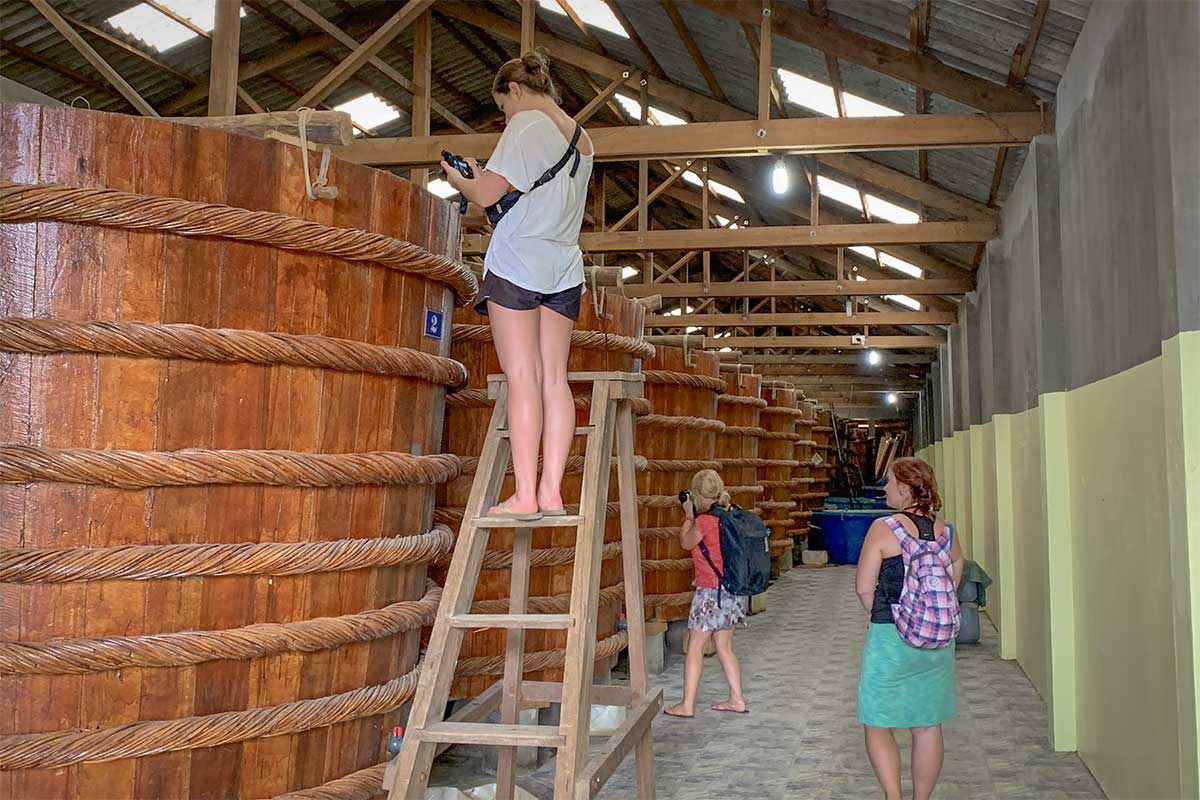
The hall is dominated by rows of enormous wooden barrels, stacked closely together and reaching well above head height. There is something impressive about the scale — hundreds of tons of fermenting anchovies sitting quietly in the dark. You can look inside the barrels and get a real sense of how long and slow this process is. At the better factories, staff will walk you through what you are seeing. At busier or more commercial ones, the explanation tends to be brief.
3. The tasting
This is the highlight. Trying different grades of fish sauce side by side — from a standard cooking sauce to a premium 40°N or higher — is genuinely interesting. The difference in flavor is clear and surprising if you have only ever used supermarket fish sauce. Staff at good factories will guide you through the differences and explain what each grade is best used for.
4. The shop
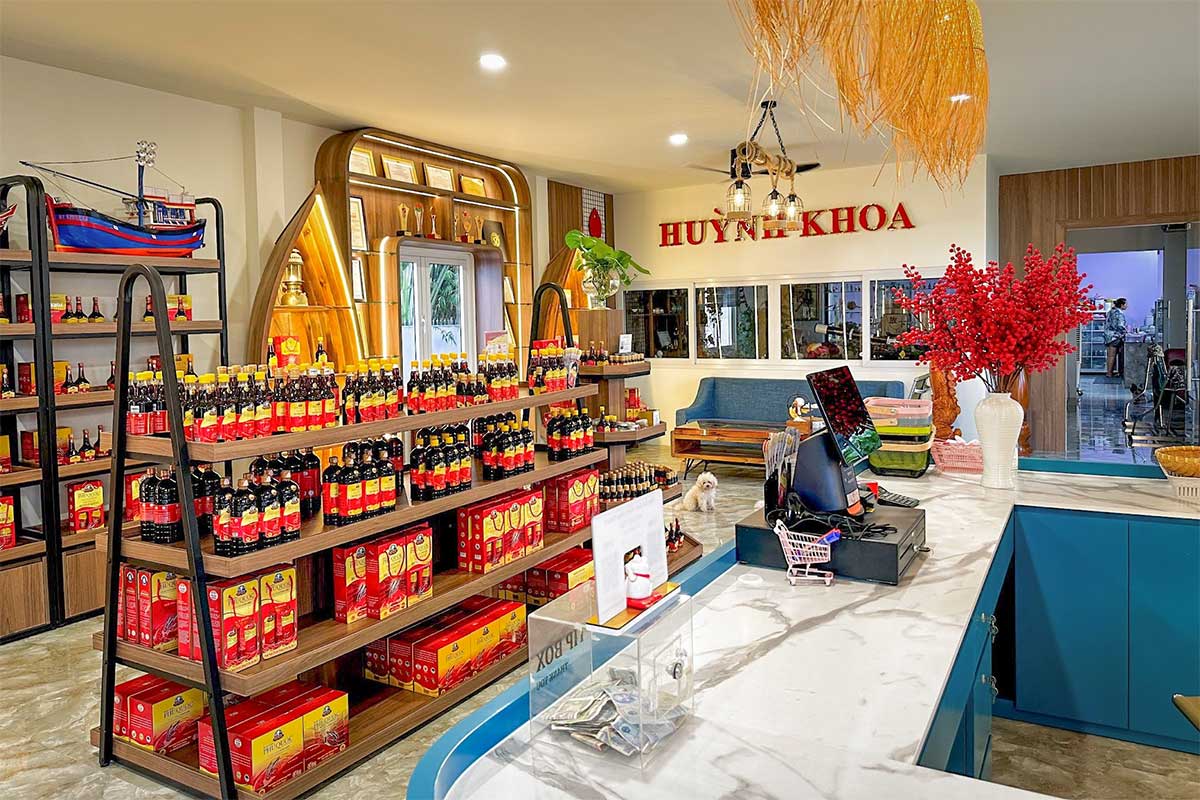
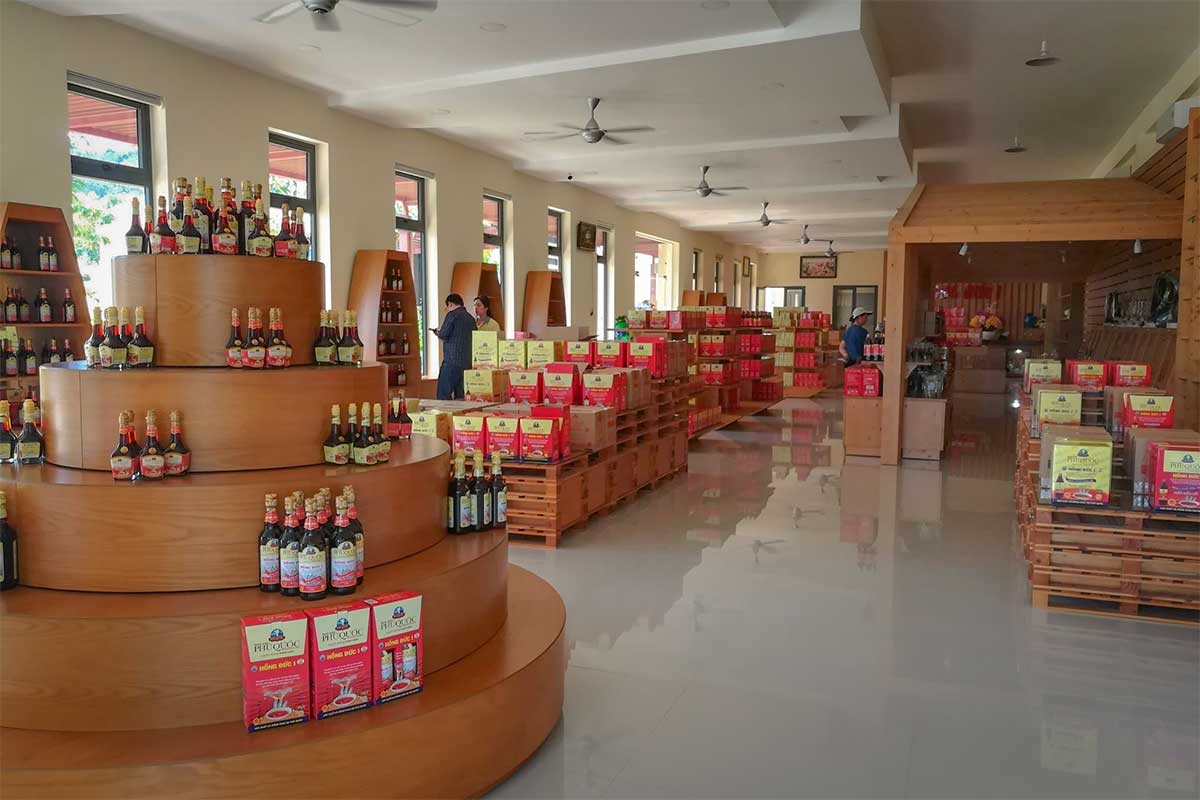
After the tasting, there is usually a shop where you can buy bottles to take home. At the better factories, the experience is relaxed and unhurried. At more commercially oriented ones, it can feel like the tour exists mainly to get you into the shop — worth keeping in mind.
Best fish sauce factory in Phu Quoc to visit
There are around 85 fish sauce producers on the island, but only a handful welcome visitors. Of those, the quality of the experience varies quite a bit. These are the ones worth knowing about.
Huynh Khoa fish sauce factory (recommended)
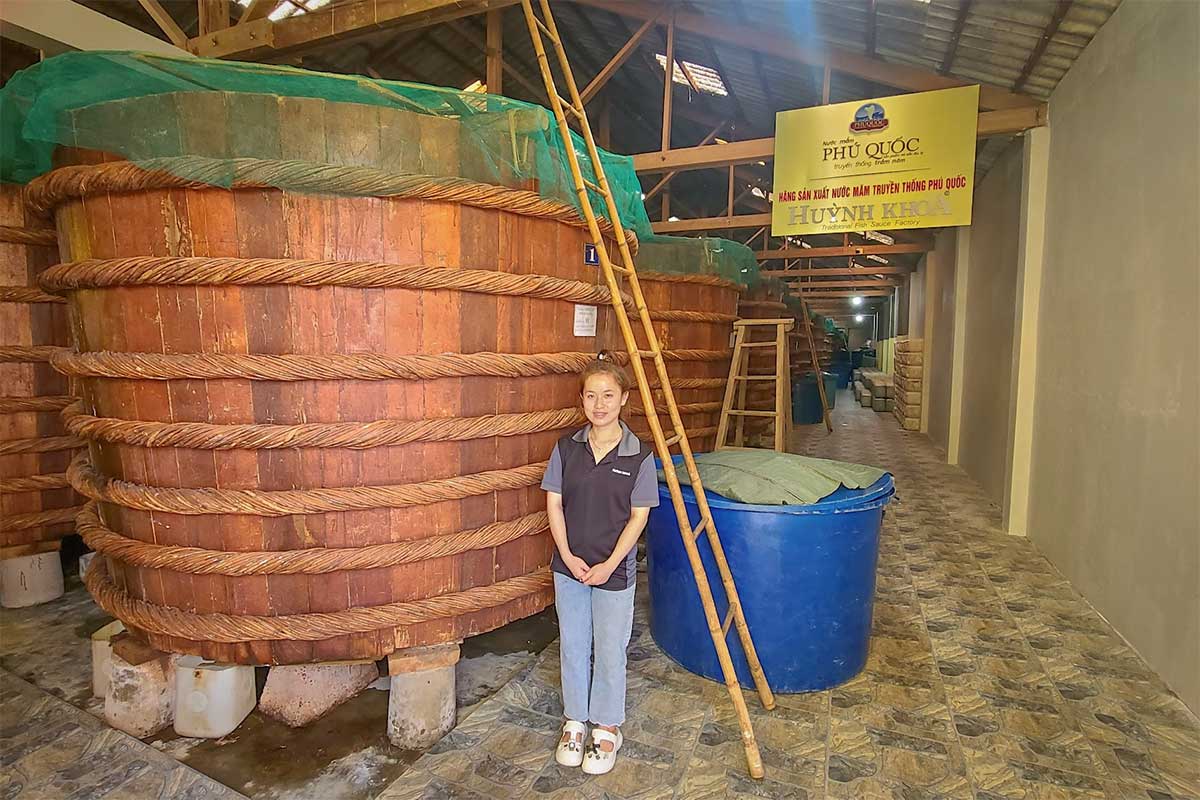
Huynh Khoa is the best factory to visit on Phu Quoc, and it is not particularly close. It is a third-generation family business, taken over in 2016 by a young owner who has since grown it significantly while keeping the traditional production methods intact. The factory now holds over 120 wooden fermentation barrels and produces around 1 million liters per year. In 2025, three of its products received 5-star OCOP certification — the highest national quality rating in Vietnam — and the first export shipment went to Australia the same year.
What makes it stand out as a visitor experience is the people. There is usually an English-speaking guide who gives a genuine, knowledgeable explanation of the process. The tasting covers multiple grades including the premium 40°N, 43°N, and 45°N versions, which are worth trying if you are considering buying a bottle to take home. The shop is well-stocked, fairly priced, and relaxed. The factory can also vacuum-pack bottles on request, which helps with traveling.
It is a working factory, not a tourist setup — and that is exactly what makes it feel authentic. A small detail that comes up repeatedly in visitor reviews: there are friendly dogs wandering around. It sounds minor, but it says something about the atmosphere of the place.
The one drawback is location. It sits in Suoi Da hamlet, slightly outside Duong Dong Town. Not far, but you will need a scooter or a taxi to get there.
Address: Group 5, Suoi Da hamlet, Phu Quoc
Phung Hung fish sauce factory
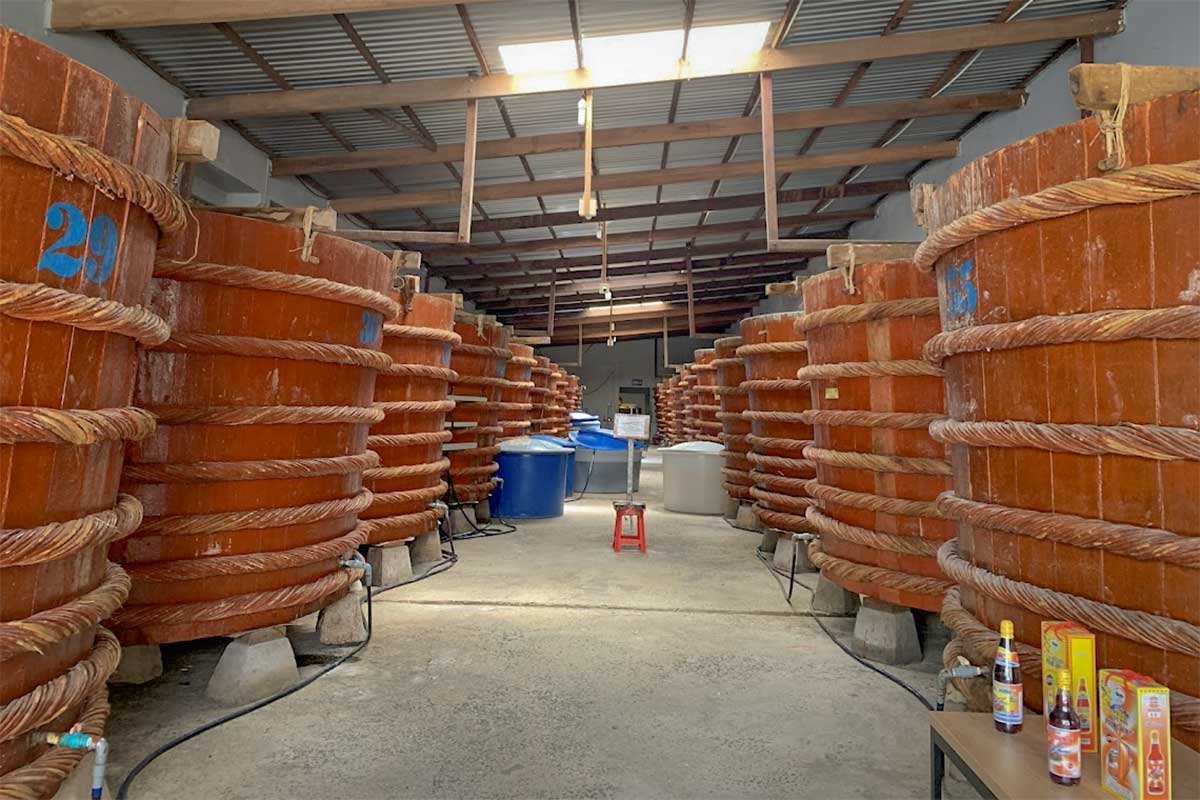
If you are staying in the south of the island — around An Thoi or Sunset Town — Phung Hung is the most convenient option. It is located close to Sao Beach and directly across from Phu Quoc Prison, so it fits easily into a southern day out.
The experience is more structured and slightly more commercial than Huynh Khoa. Visits start with a short video introduction about the production process, followed by a look at the barrel room and a tasting of two grades. The factory produces high-grade sauce up to 45°N and packages bottles carefully for travelers.
Address: 201 Nguyen Van Cu, An Thoi Town
Khai Hoan fish sauce factory
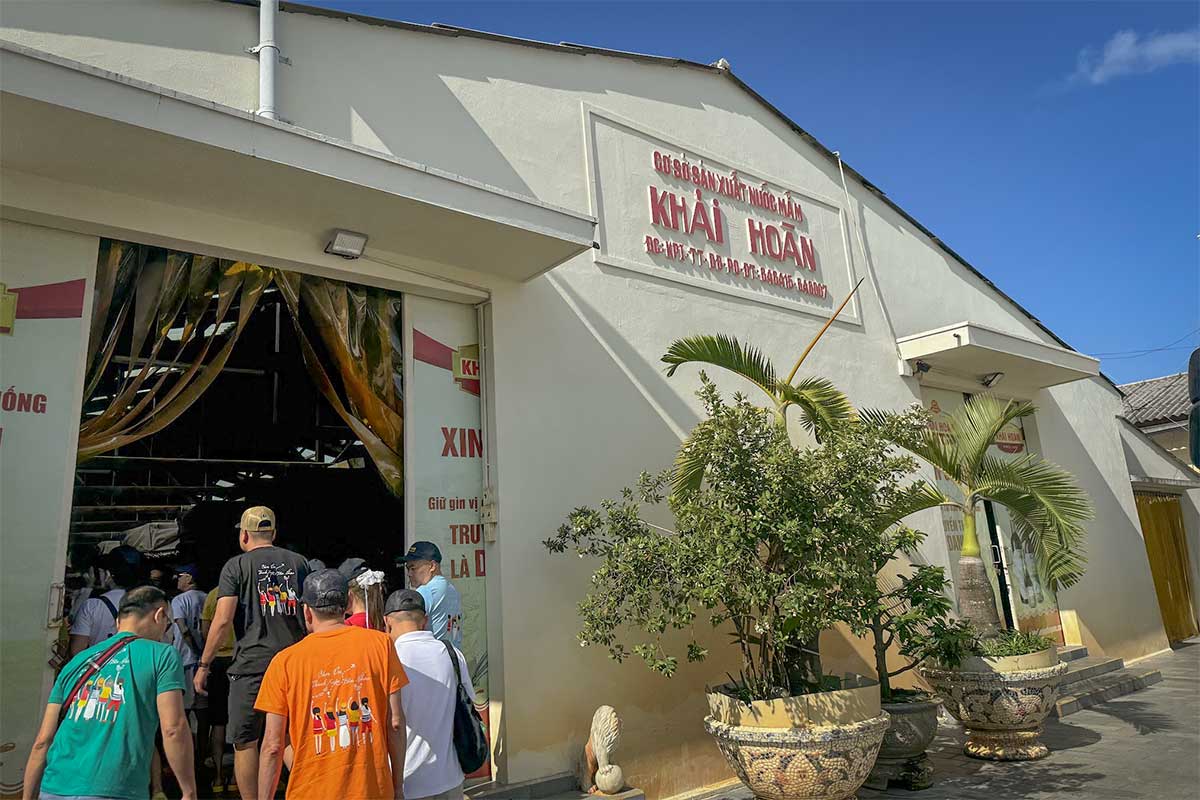
Khai Hoan is one of the most visited factories simply because of its central location in Duong Dong Town. If you are already in the area and want a quick stop, it works fine. There is a tasting and a souvenir shop, and the visit is easy to fit into a half day in town.
It is more tourist-oriented than Huynh Khoa, and the experience reflects that. Still a decent option if convenience is the priority.
Address: 11 Hung Vuong Street, Duong Dong Town
Hong Duc fish sauce factory
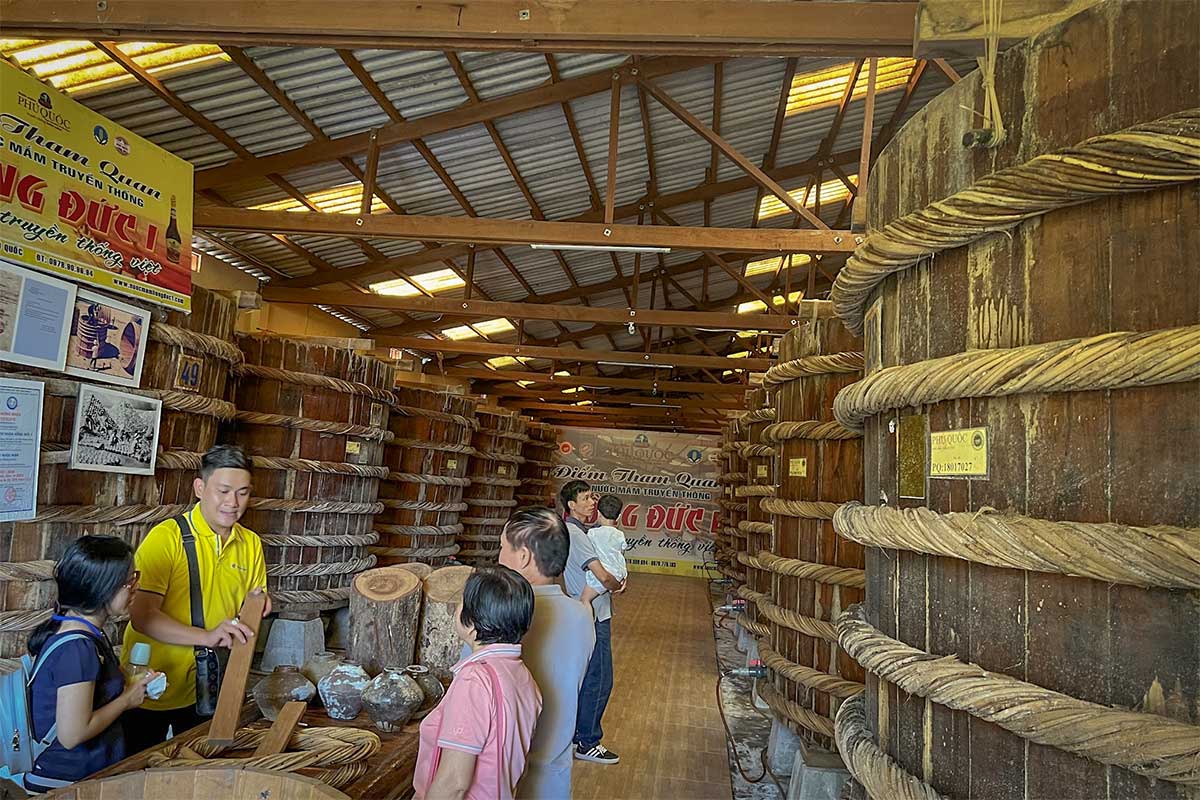
Hong Duc is geared more toward larger tour groups and has a more commercial feel. The visit is short — 15 minutes is usually enough — but it is informative and the staff are welcoming. It holds USFDA approval, which is worth noting if you are planning to bring sauce back to the United States. A fine quick stop, but not the most personal experience on the island.
Practical tips for visiting a Phu Quoc fish sauce factory
General tips
Admission is free at all factories. No booking required — just show up during opening hours, which are generally between 8:00 and 17:00. Bring cash for the shop. Buying directly at the factory is cheaper than airport shops or supermarkets, and the selection is better.
Plan around 30 minutes per visit. That is enough to see the production hall, do the tasting, and browse the shop without rushing. Visiting more than one factory in a day is easy if you want to compare — the visits are short enough that it does not feel like too much.
If you are sensitive to strong smells, the fermentation hall will test you. It helps to know this in advance rather than be caught off guard.
Taking fish sauce home
This is where many visitors run into problems, so it is worth reading carefully.
Fish sauce is a liquid, which means it cannot go in your carry-on luggage. It must be checked. For flights within Vietnam, Vietnam Airlines allows up to 3 liters packed in plastic bottles inside sealed foam containers. Budget carriers like VietJet can be stricter — always check the specific airline policy before buying.
For international flights, rules vary significantly. Some airlines allow fish sauce in checked baggage with proper packaging. Others ban it entirely due to the risk of leaks and the difficulty of removing the smell from the aircraft. Do not rely on advice from factory staff about what your airline allows — several travelers have had bottles confiscated at the airport after being told they would be fine. Check your airline’s website directly.
The better factories, including Huynh Khoa and Phung Hung, can vacuum-pack or foam-pack bottles on request. This helps with leaks but does not override airline rules. If you are unsure about your flight, ask the factory about shipping options — some can arrange delivery to your home country, which takes the hassle out of it entirely.
Understanding the quality grades
When you are tasting and buying, the °N rating on the bottle is the most important number. It measures protein content — the higher it is, the richer, smoother, and more complex the sauce. A standard cooking sauce sits around 25°N. Anything at 30°N or above is good quality. Premium grades start at 40°N and go up to 43°N or 45°N at the best factories.
If budget allows, buy the highest grade you can find. The difference compared to a supermarket bottle is significant and immediately noticeable in cooking. Ask to taste the higher grades during the tasting session before deciding — most good factories will let you compare.
Certifications: what do they mean?
You will see various certifications mentioned at the factories and on the bottles. Two are worth knowing about.
The EU Protected Designation of Origin (PDO) applies to Phu Quoc fish sauce as a whole — it means that only sauce produced on Phu Quoc using traditional methods can legally carry the Phu Quoc name in European markets. This is the same type of protection given to Champagne and Parmigiano-Reggiano. It is a genuine mark of origin and quality, not a marketing label.
The OCOP rating (One Commune One Product) is a Vietnamese national quality certification. Products are rated from one to five stars. A 5-star OCOP rating — which Huynh Khoa achieved in 2025 for three of its products — is the highest level and recognized nationally as an outstanding rural product. It is a useful indicator of quality when choosing between bottles in the shop.
Other local experiences to combine with your visit
A fish sauce factory visit is short by nature. It works well as part of a broader half day rather than a standalone trip. These three experiences share the same spirit — traditional, local, and genuinely connected to what makes Phu Quoc different from other beach destinations.
Fishing villages
The anchovies used in Phu Quoc fish sauce come from the waters around the island, and the fishing communities that catch them are still very much active. Visiting one of the island’s fishing villages gives real context to what you saw at the factory — the boats, the nets, the daily rhythm of life that has sustained this industry for generations. Read more in our guide to the best fishing villages in Phu Quoc.
Pepper farms
Black pepper is the other product Phu Quoc is traditionally known for, and a pepper farm visit pairs naturally with a fish sauce factory. Both are working agricultural operations, both have been part of the island’s identity for centuries, and both produce something you can actually buy and use at home. Some factories even sell locally grown pepper alongside their fish sauce. Read more in our guide to the best pepper farms in Phu Quoc.
Local temples
Duong Dong Town and the surrounding area have several temples worth visiting — quiet, genuine places of worship that most tourists walk straight past. They are easy to combine with a factory visit in the same area and give a different perspective on local life beyond the beaches and resorts. Read more in our guide to the best temples in Phu Quoc.
Is it worth visiting a Phu Quoc fish sauce factory?
Yes — but keep expectations realistic.
This is not a dramatic or visually spectacular experience. You will spend 30 minutes in a working facility, look at rows of large wooden barrels, smell something strong, and taste a few grades of sauce. That is essentially it. Anyone expecting an elaborate tour or a polished attraction will be underwhelmed.
What makes it worth doing is the context it gives you. Fish sauce is present at almost every meal in Vietnam, and visiting a factory on the island that produces some of the finest in the world makes that something you actually understand rather than just accept. The tasting alone — trying a premium 40°N or 43°N sauce straight from the source — is something most travelers genuinely remember.
For food-curious travelers, it is an easy yes. For travelers with a broader interest in local culture and traditional crafts, it is still worth an hour of the day. For those who are neither, it is probably not going to be a highlight.
If you go, go to Huynh Khoa. It is the most authentic experience on the island, the staff are genuinely helpful, and the quality of what they produce speaks for itself. Keep it short, taste the higher grades, buy a good bottle if you can get it home, and you will leave with something more useful than a souvenir — a condiment that will actually improve your cooking for months after the trip.