



Best of Northern Vietnam: Sapa - Ha Giang - Cao Bang with Ban Gioc Waterfall & Ba Be Lake
Overview
This private Sapa – Ha Giang – Cao Bang – Ban Gioc – Ba Be Lake tour takes you through the most impressive landscapes of northern Vietnam: from trekking through Sapa’s rice terraces to the iconic mountain passes of the Ha Giang Loop and the rugged scenery of Cao Bang. You visit Ban Gioc Waterfall, cruise across the peaceful Ba Be Lake, and travel via authentic villages and backroads far from standard routes. A complete and varied journey for travelers who want to combine Sapa with Ha Giang and the highlights of Cao Bang on one Best of northern Vietnam tour.
Highlights
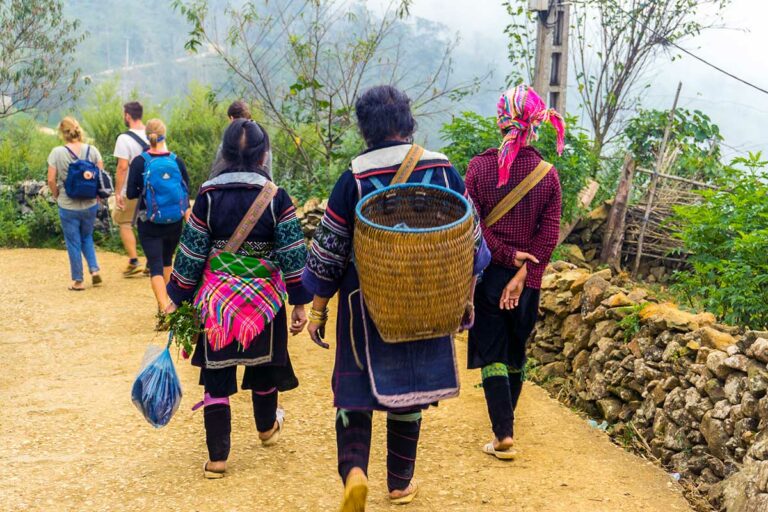
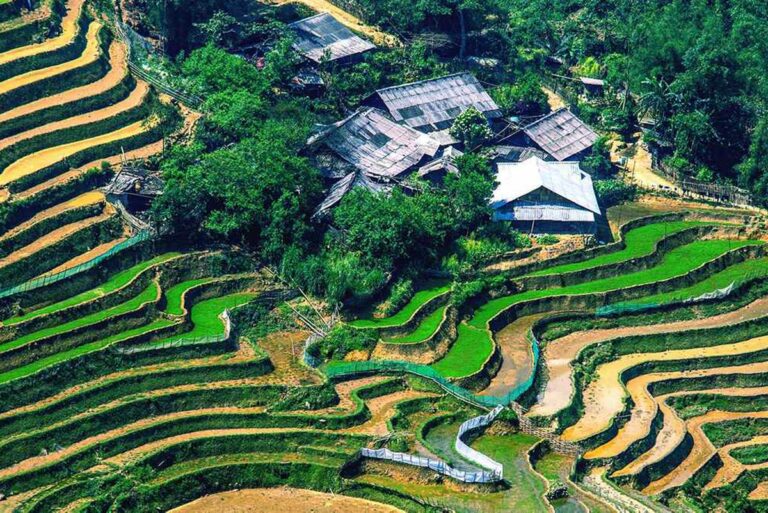
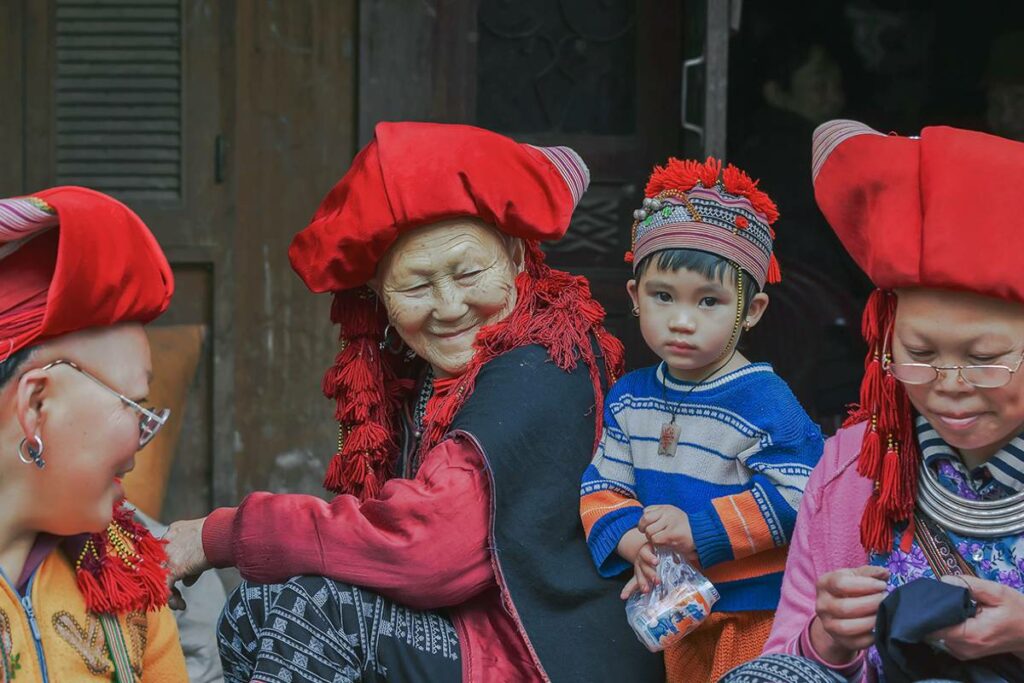
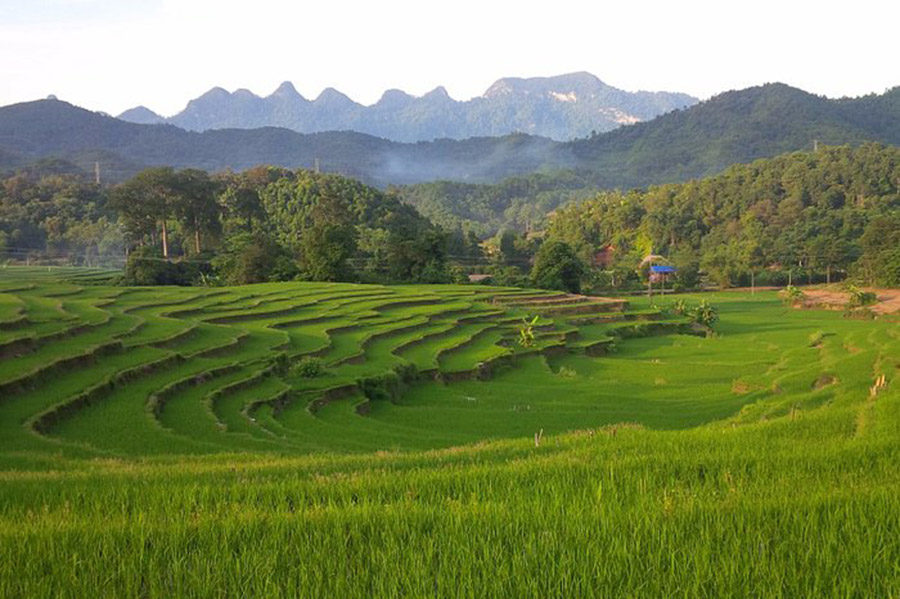
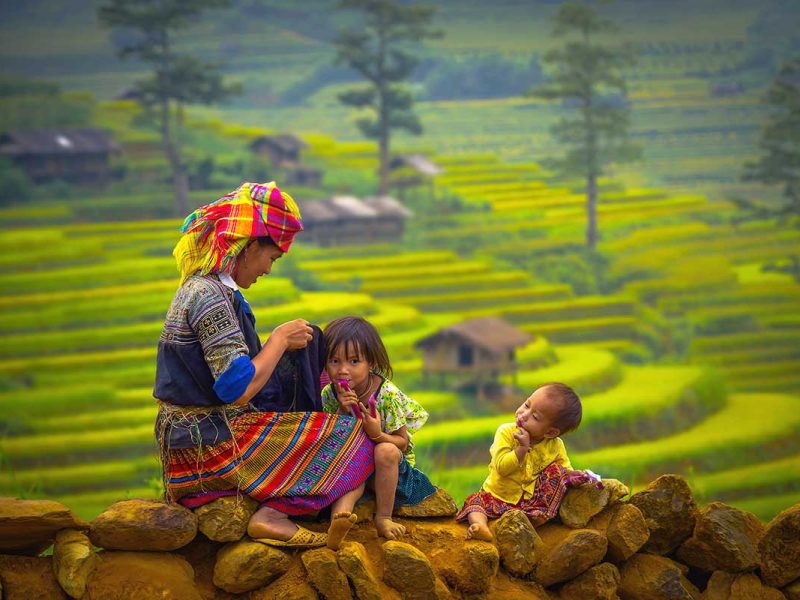
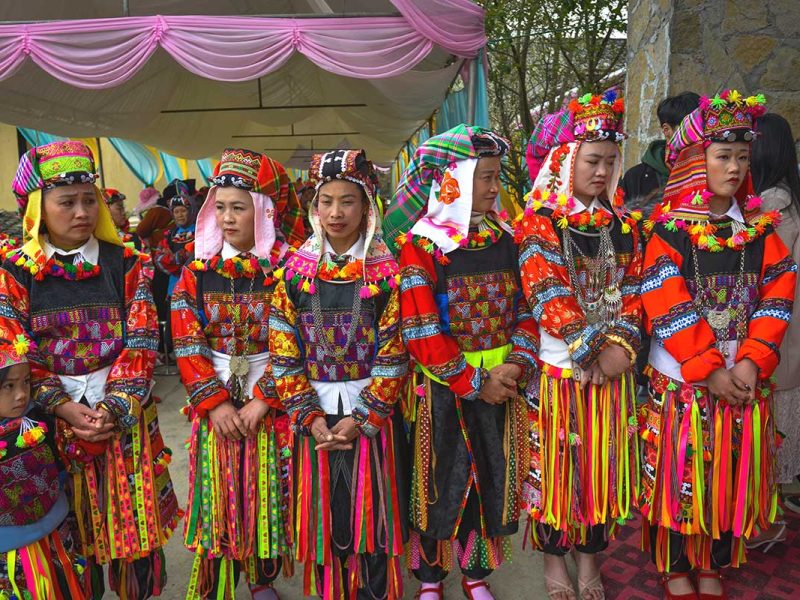
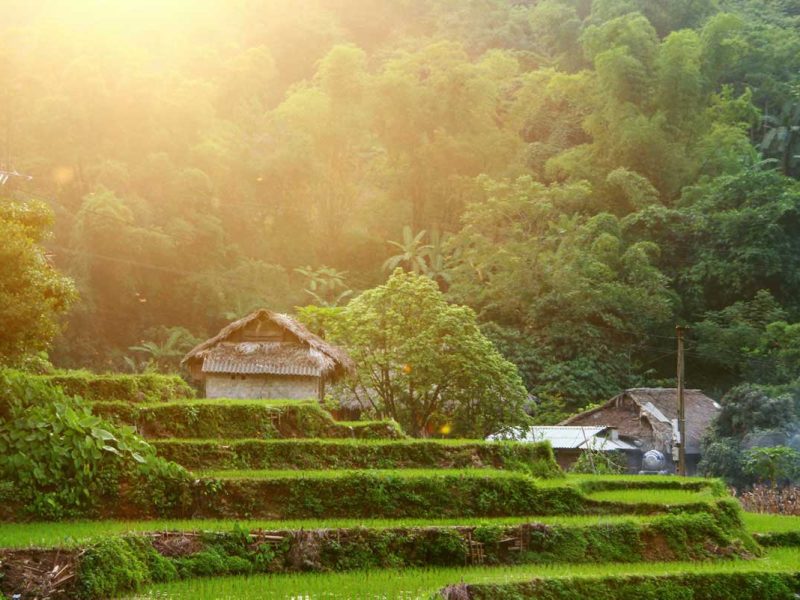
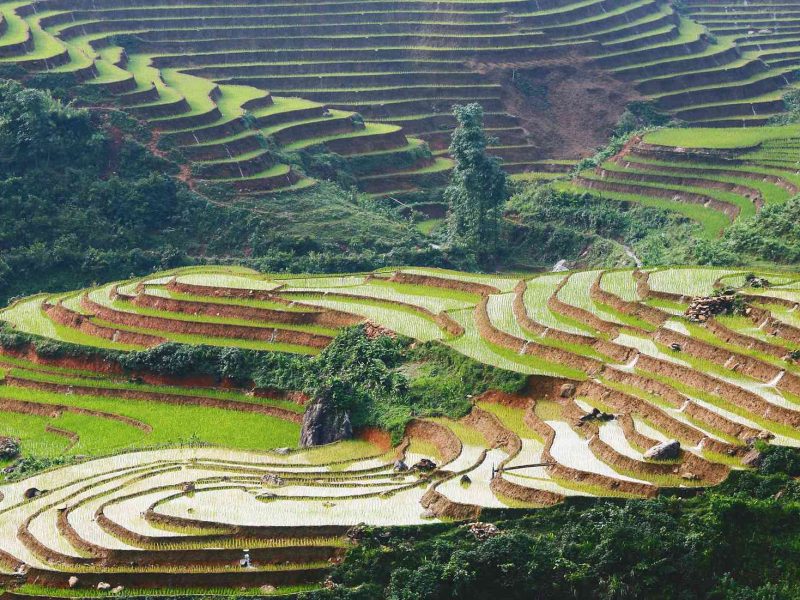
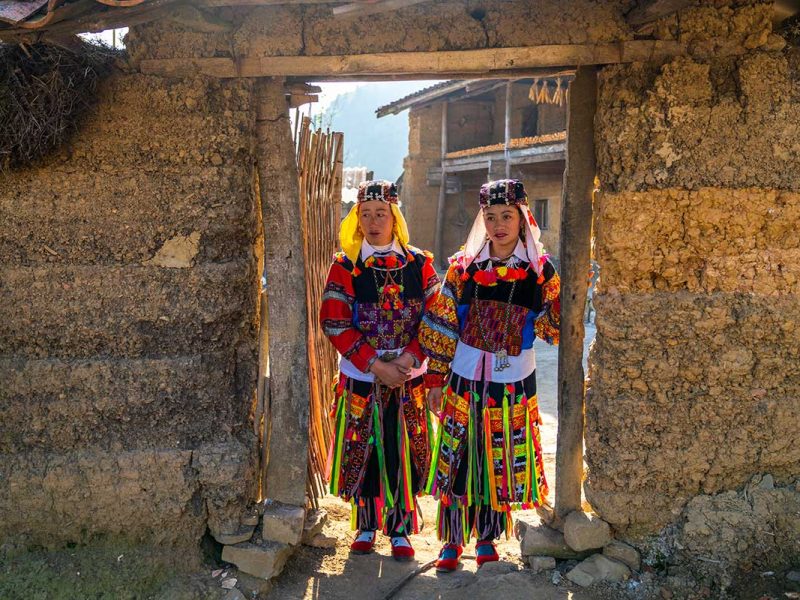
- Trekking in Sapa’s rice terraces – Walk through green valleys and ethnic minority villages, one of Vietnam’s most beautiful trekking areas.
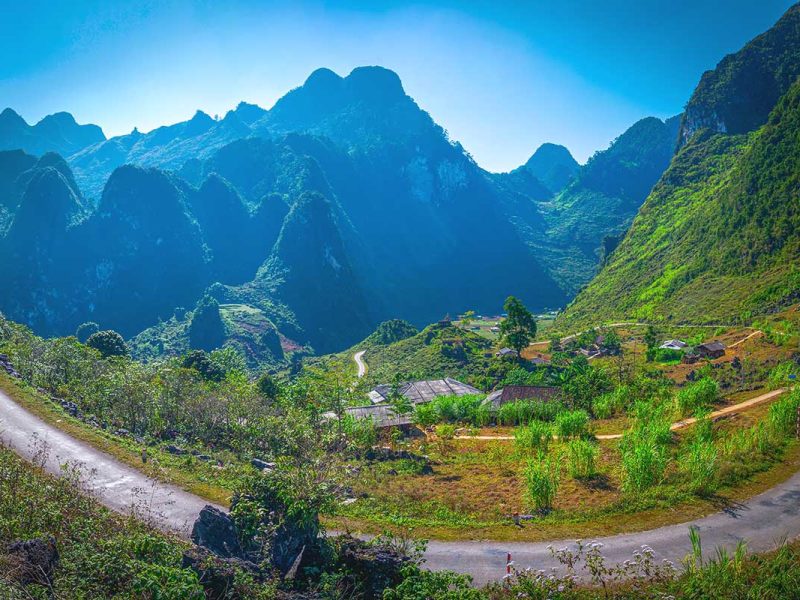
- Ha Giang by Easy Rider or car/jeep – Iconic mountain passes and quiet backroads, with a choice between motorbike adventure or the comfort of a private vehicle.
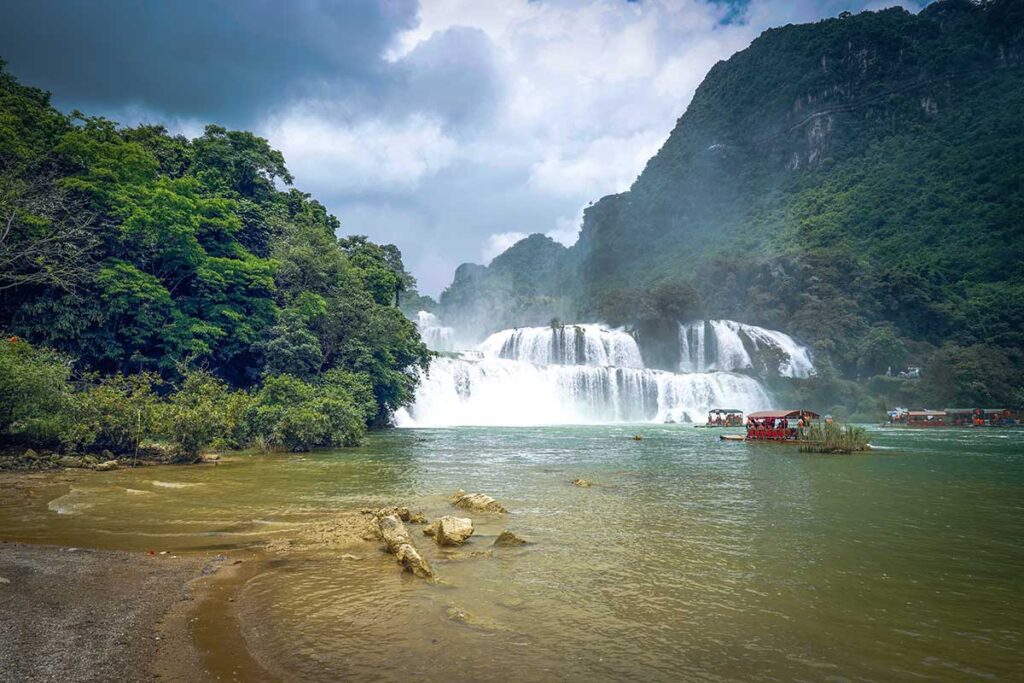
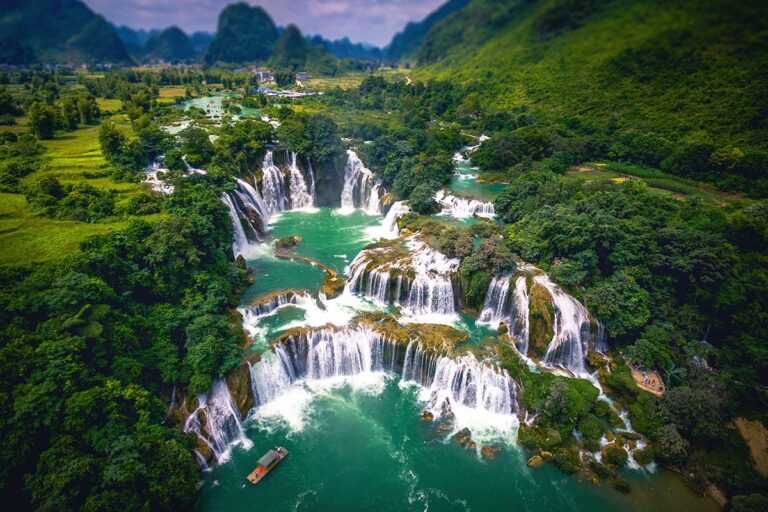
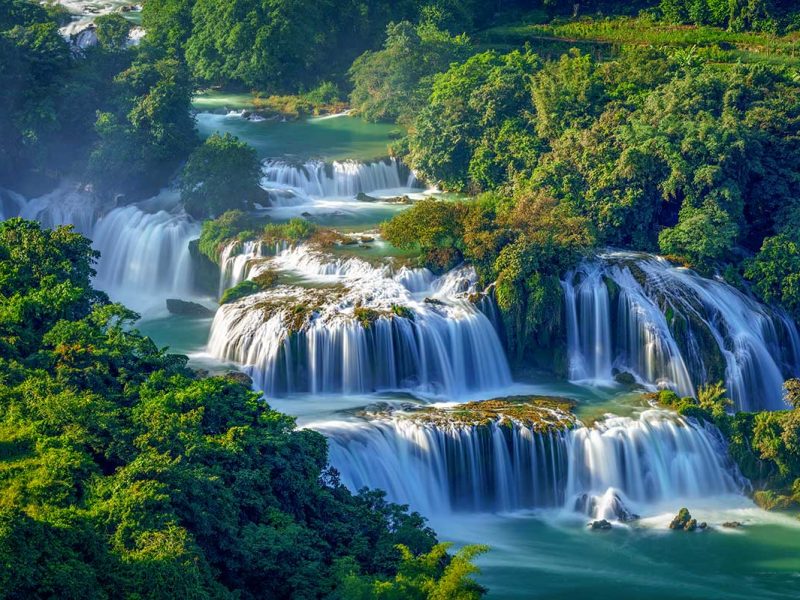
- Visit Ban Gioc Waterfall – One of Vietnam’s largest and most spectacular waterfalls, right on the border with China.
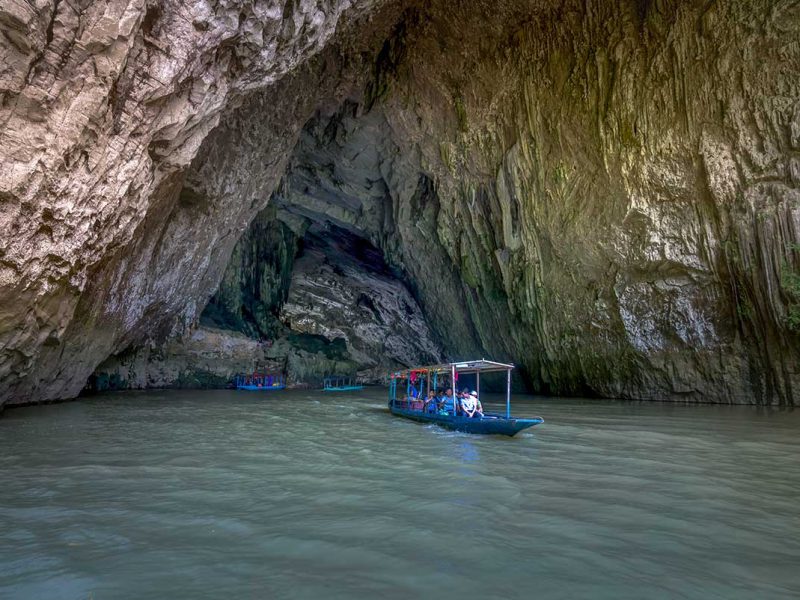
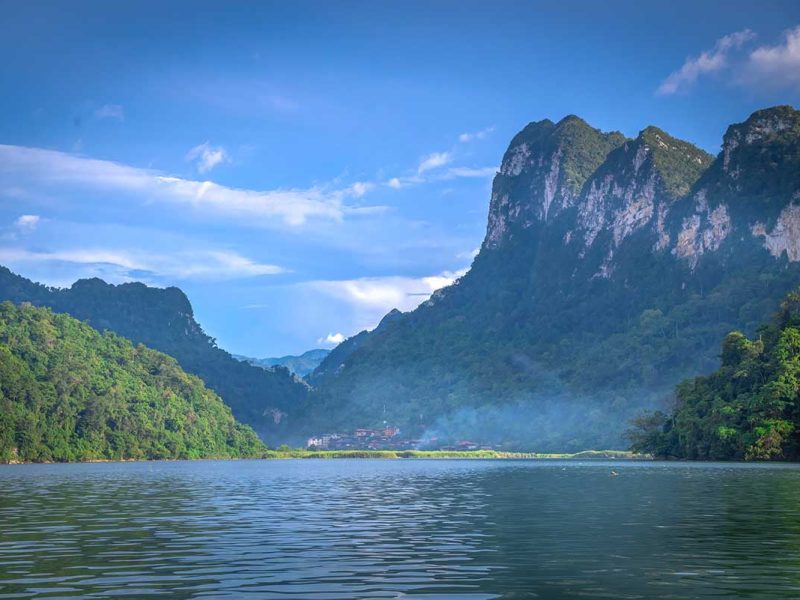
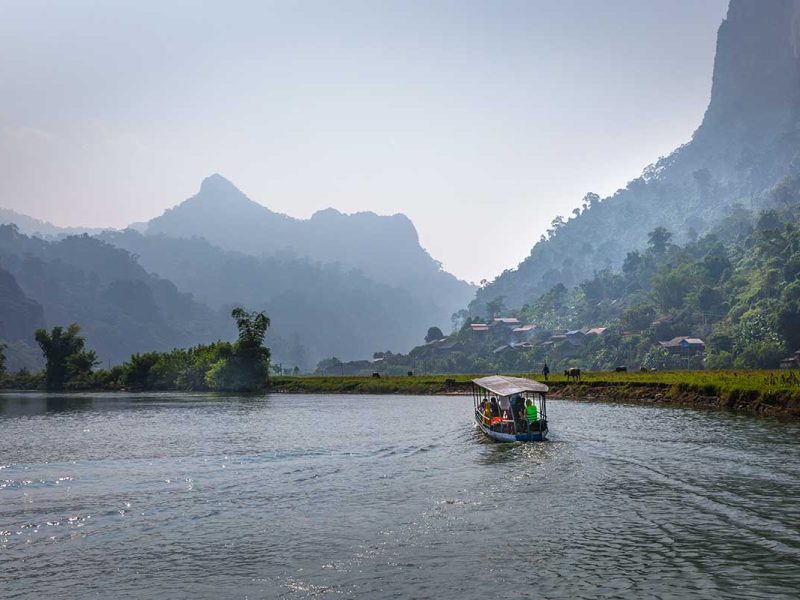
- Boat trip on Ba Be Lake – A relaxed cruise past jungle, caves, and Tay villages on Vietnam’s largest natural lake.
- Seamless and stress-free travel – From trekking to transfers, everything is arranged so you can fully enjoy the culture and landscapes of this northern Vietnam tour.
All options explained
1. Getting to Sapa

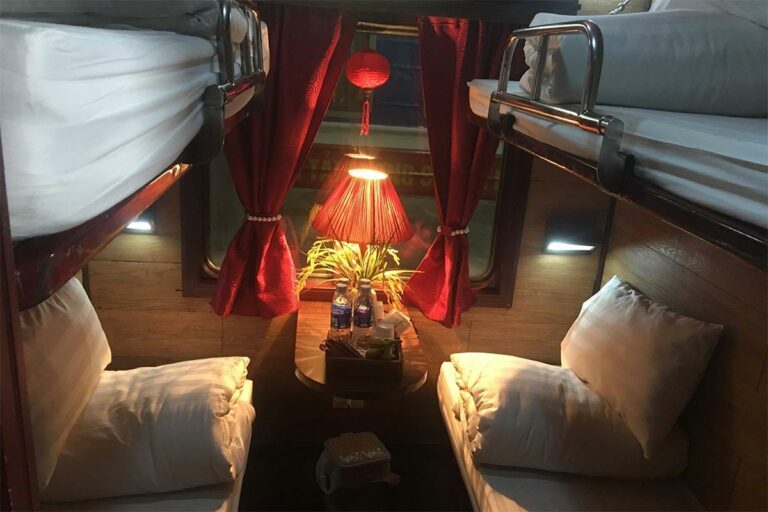
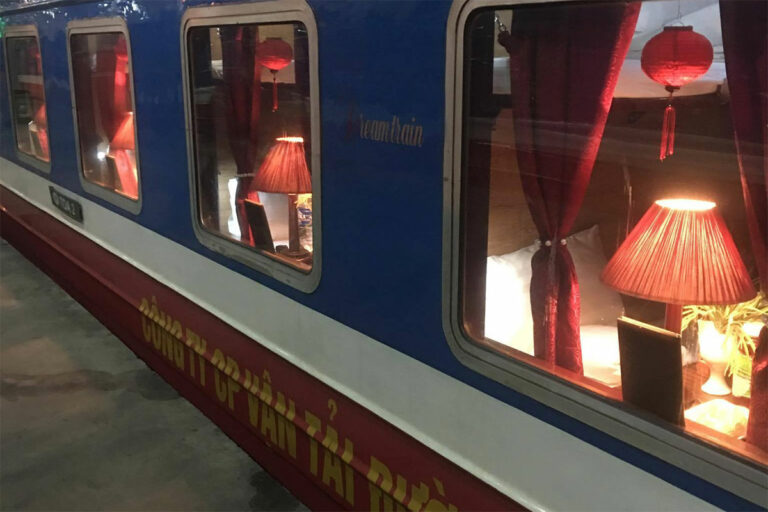
Overnight train(recommended)
Comfortable tourist sleeper train to Lao Cai, with the final stretch by taxi.

VIP cabin sleeper bus
Private or twin cabins with extra comfort for overnight travel.
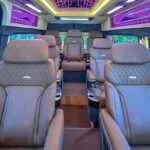
Limousine bus + 1 extra day
Spacious daytime limousine bus; you arrive in Sapa one day earlier.

2. Trekking in Sapa
Easy – moderate (most popular)
The most scenic standard route, suitable for most travelers.
Off the Beaten Track
Quieter trails farther from Sapa, with a slightly more challenging trek.
2-day trek + homestay
Day 1 sightseeing is skipped; a full two-day hike with an overnight homestay.
3. Ha Giang + Cao Bang

Car(most popular)
Sedan of SUV voor maximale comfort.

Jeep
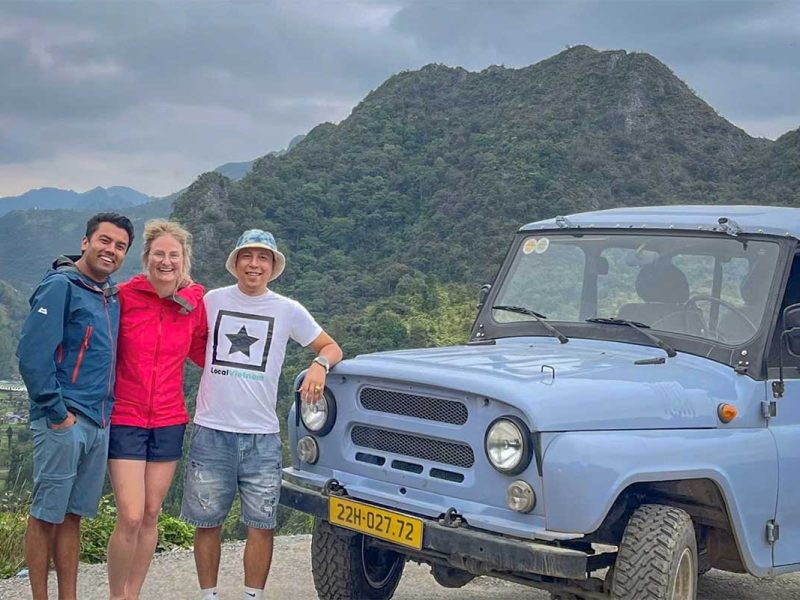
Modern or classic jeep for a more adventurous experience.
Easy Rider
Ride on the back of a motorbike with an experienced local driver.
4. Accommodatie
Comfort & unique (recommended)
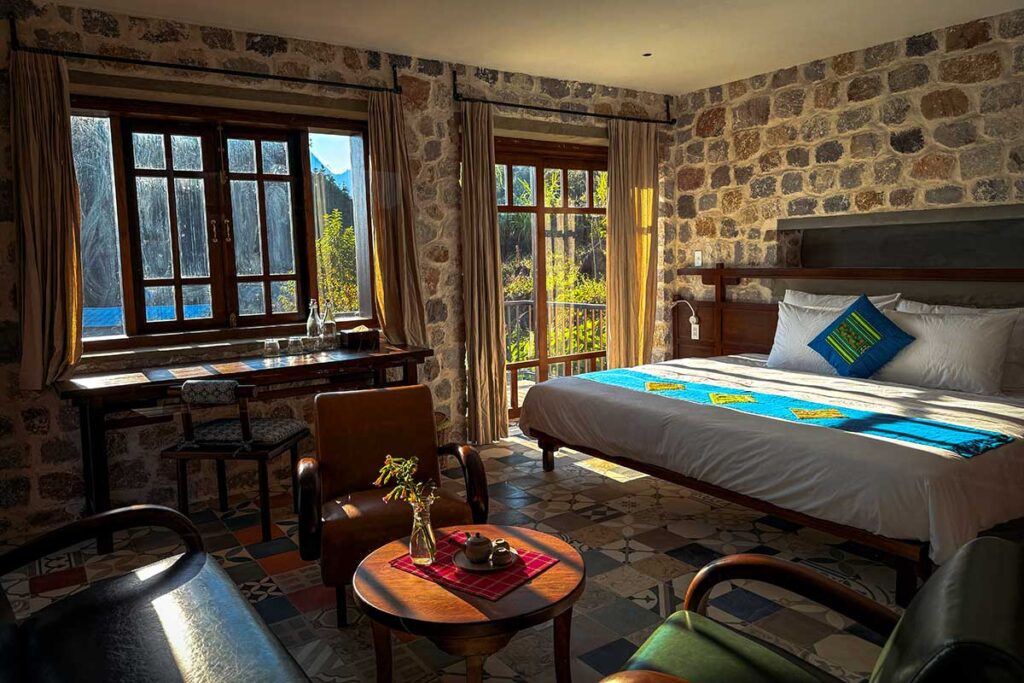
Good hotel in Sapa plus a stay at our own Ha Giang lodge.
Budget & homestays
Simple accommodations with a local atmosphere.
Tailor-made
Fully adjustable to your wishes and comfort level.
Not sure which options suit you best? Ask us here.
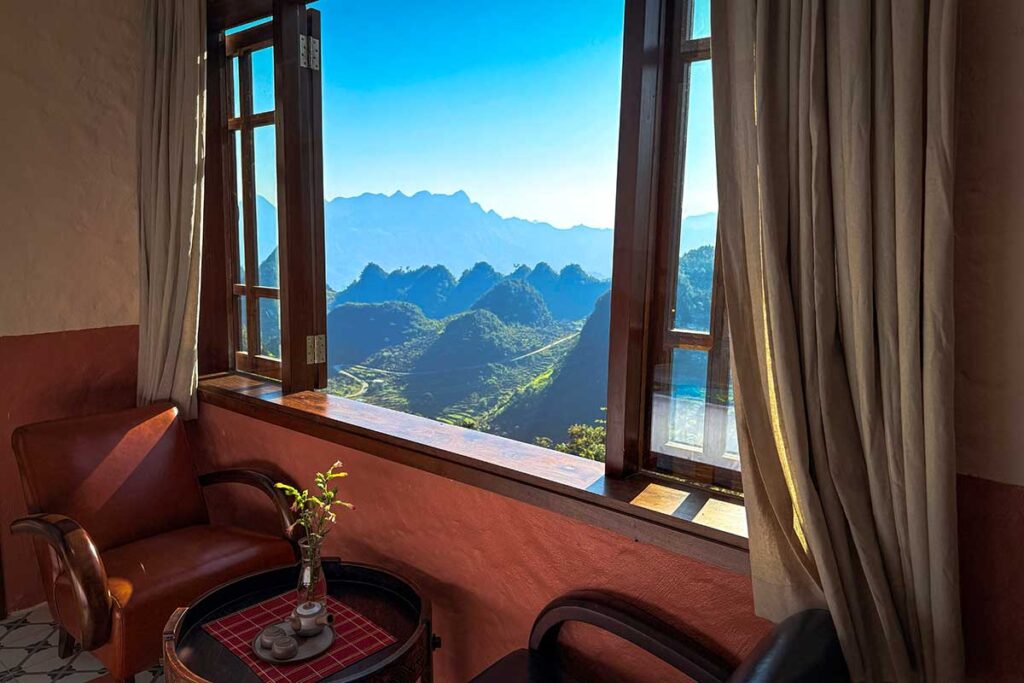
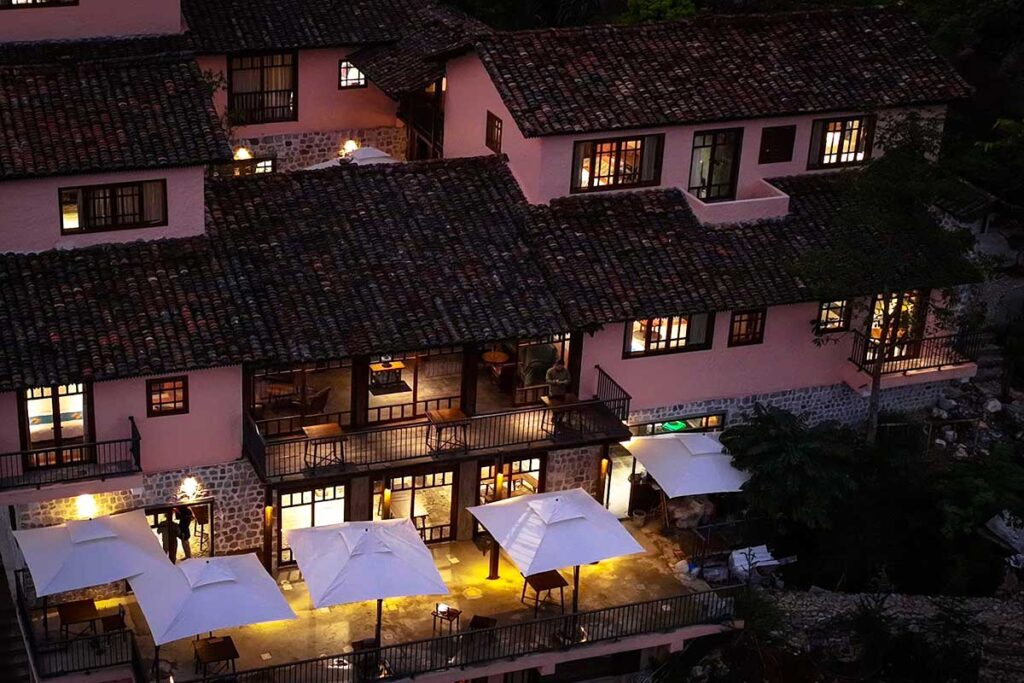
Ha Giang Aya Lodge – by Local Vietnam
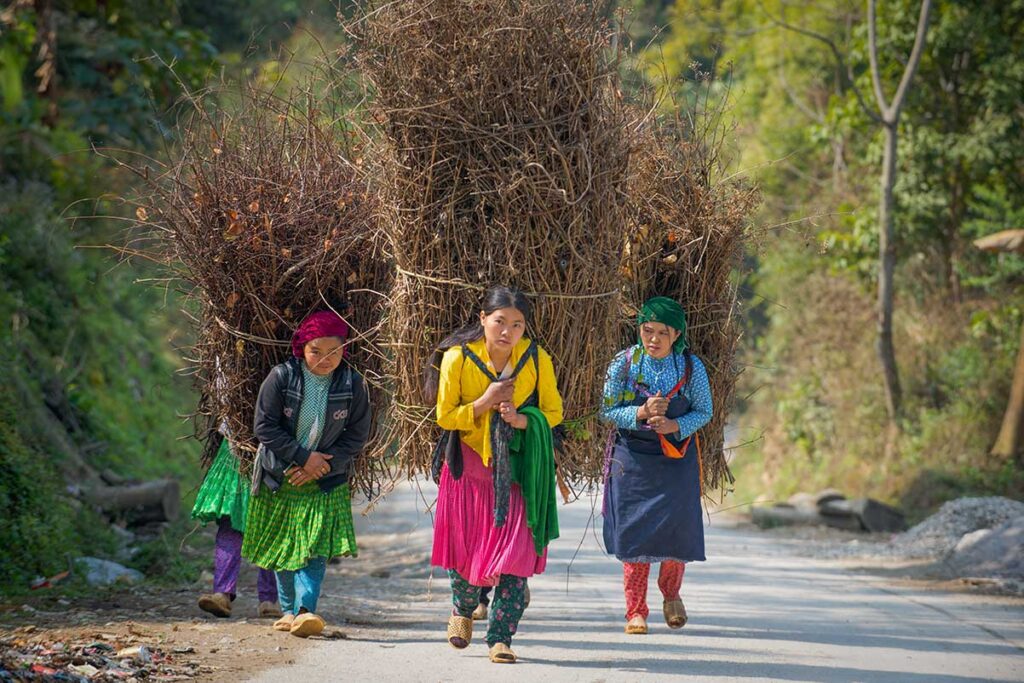
- A truly local experience – Located in a Hmong mountain village, fully surrounded by nature and far from other hotels
- 100% Hmong team – Hosted by our own local staff from the village: warm, welcoming, and genuinely authentic
- Modern comfort & quality – High-quality mattresses, air conditioning (hot/cold), a stylish restaurant, and a cozy bar
- Wood-fired hot baths – Exclusive wood-fired hot water baths with mountain views
- Epic panoramic scenery – Uninterrupted views over valleys, rice fields, and mountain peaks
- Activities & local workshops – Weaving demonstrations, short village walks, longer treks, and cultural encounters
What to expect (the route)
Day 0: Overnight train to Lao Cai
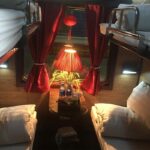
Your journey through northern Vietnam begins with the overnight train from Hanoi to Lao Cai. You travel in a comfortable tourist sleeper train — a relaxed way to reach the mountain region around Sapa.
Day 1: Discover Sapa’s mountain scenery
Tram Ton Pass & Silver Waterfall
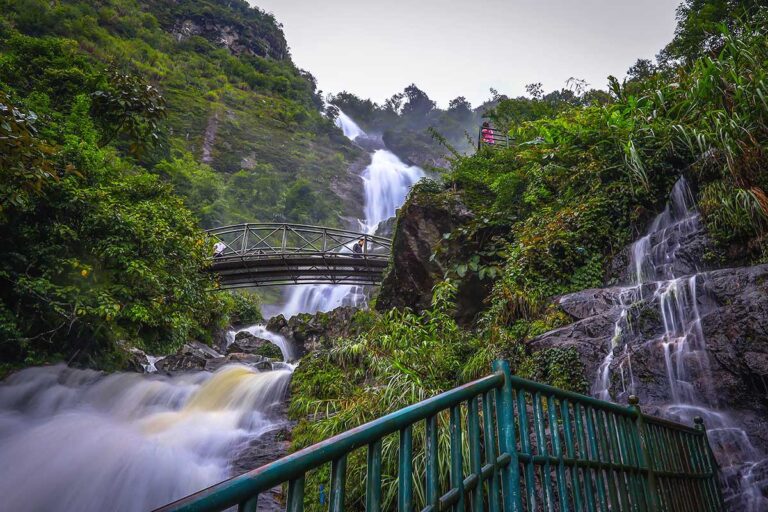
After arrival in Lao Cai, you continue to Sapa and visit Tram Ton Pass, the highest mountain pass in Vietnam with wide views over the valley. You then stop at Silver Waterfall, a short but scenic waterfall in the mountains.
Explore Sapa town
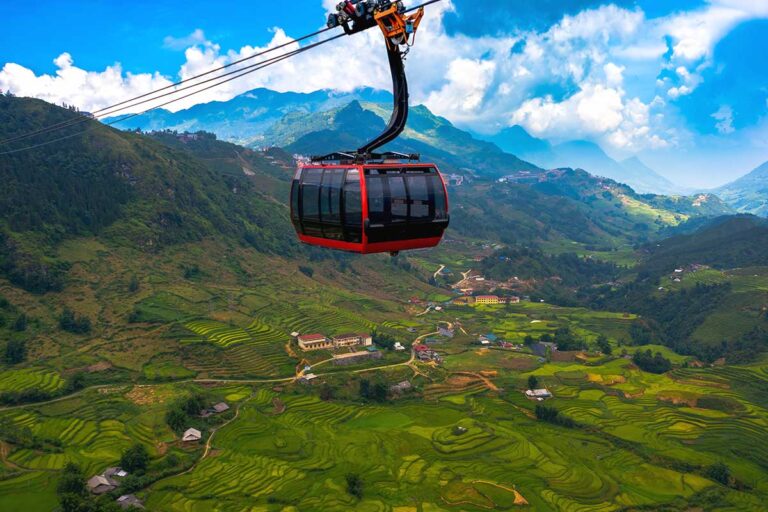
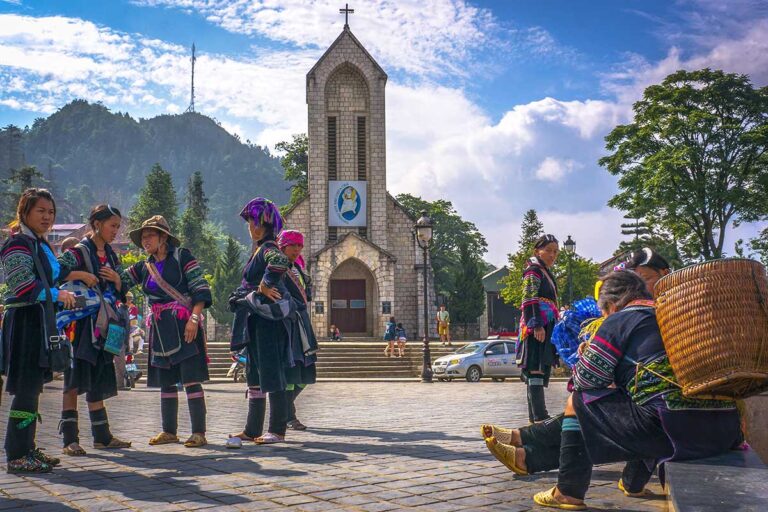
The afternoon is free to explore: walk around Sapa town, visit the market, hike to a nearby mountain village, or take the cable car to Fansipan. Overnight at the hotel.
Day 2: Trekking through rice terraces & mountain villages
Start of the day trek
You begin a day trek past rice terraces, small streams, and mountain villages of different ethnic minorities — a peaceful and varied route through the most beautiful landscapes around Sapa.
End of the trek
The second part of the trek follows narrow paths and open fields with views over the valley. The walk is suitable for most travelers and offers many photo opportunities. In the late afternoon, you return to the hotel.
Day 3: From Sapa to Ha Giang
Drive to Ha Giang
You travel by comfortable limousine bus from Sapa to Ha Giang, where the next part of your northern Vietnam journey begins.
Tay minority village
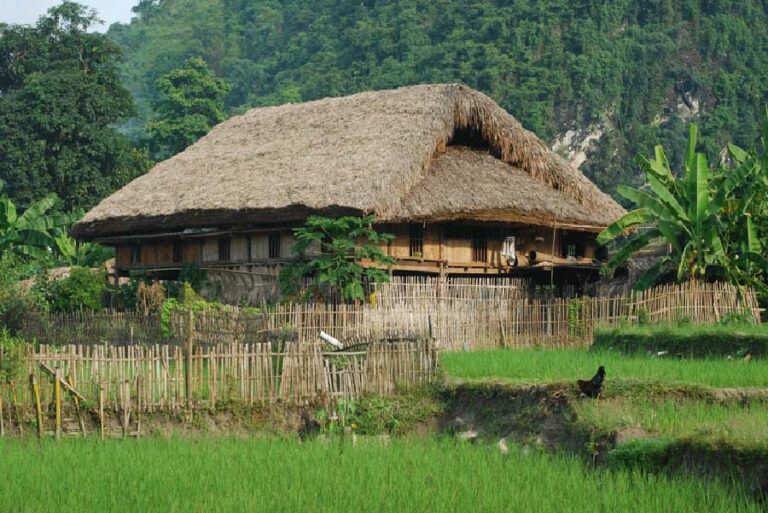
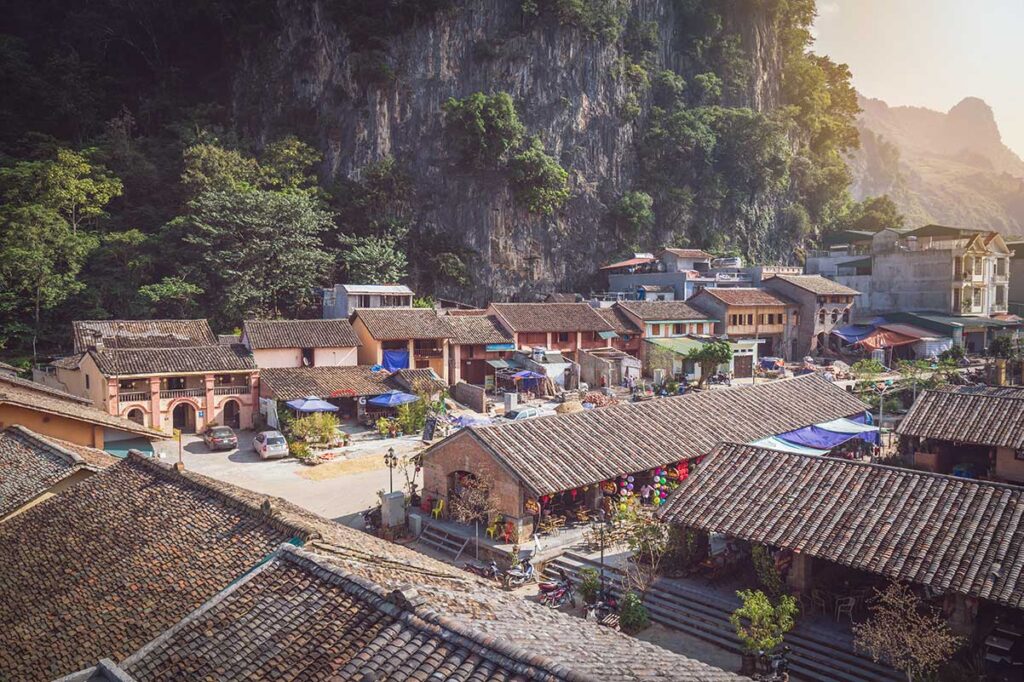
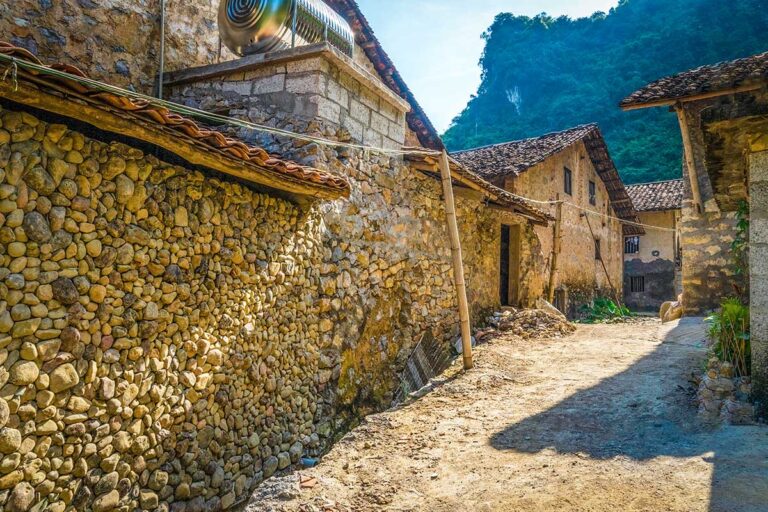
Instead of staying in Ha Giang City, you overnight in a traditional Tay village just outside town. Stilt houses sit among the rice fields, and you can walk through the village, meet locals, and take a short hike to viewpoints above the valley. Overnight in a simple, atmospheric homestay.
Day 4: Start of the Ha Giang Loop
Bac Sum Pass & Quan Ba Heaven Gate
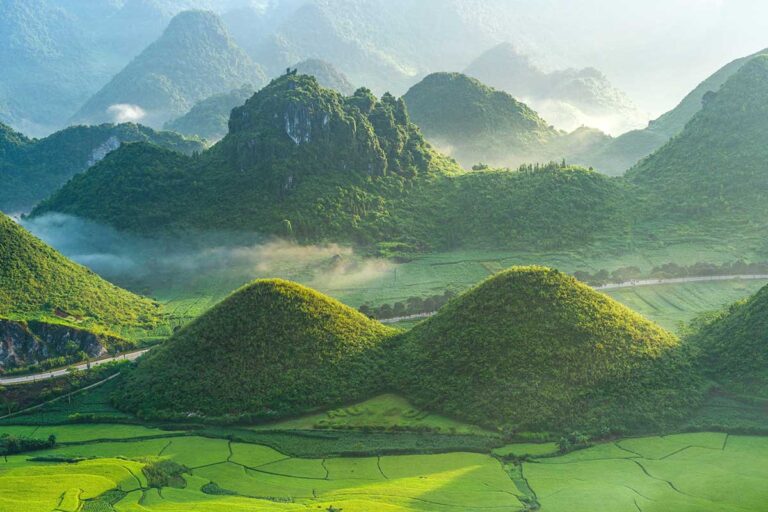
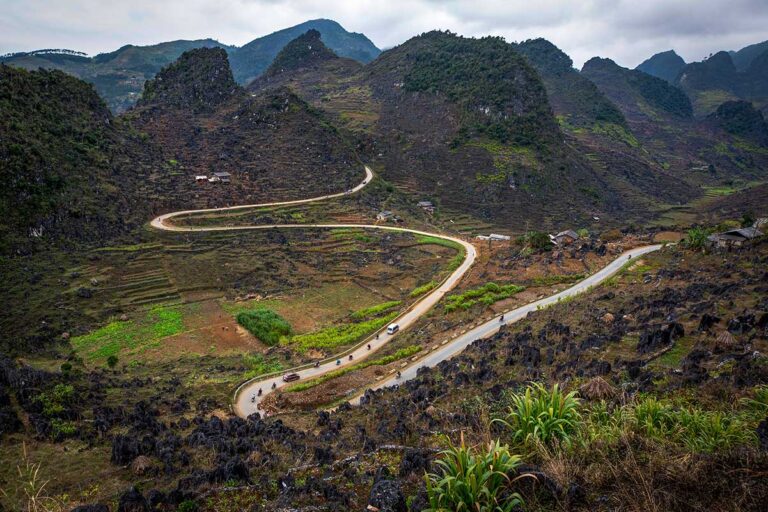
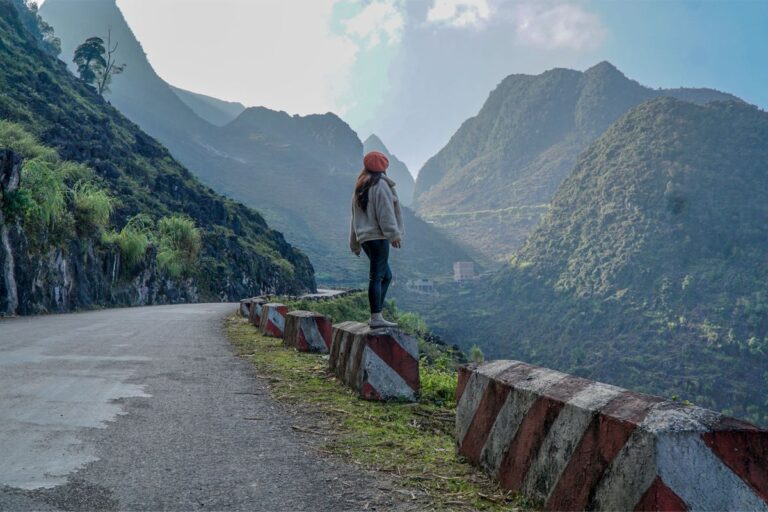
After breakfast, you begin the Ha Giang Loop. You travel by car, jeep, or on the back of a motorbike with an Easy Rider. Via Bac Sum Pass, you continue to Quan Ba Heaven Gate, overlooking the Twin Mountains and the surrounding karst landscape.
Yen Minh, M-Shaped Pass & Aya Lodge
You continue along quiet mountain roads and stop at the M-Shaped Pass for panoramic views. In Yen Minh, you enjoy a simple lunch before driving on to Ha Giang Aya Lodge. In the afternoon, you take a light trek through peaceful villages and rice fields. Overnight stay and dinner at the lodge.
Day 5: Ma Pi Leng Pass & Dong Van
Tham Ma Pass & Hmong King Palace
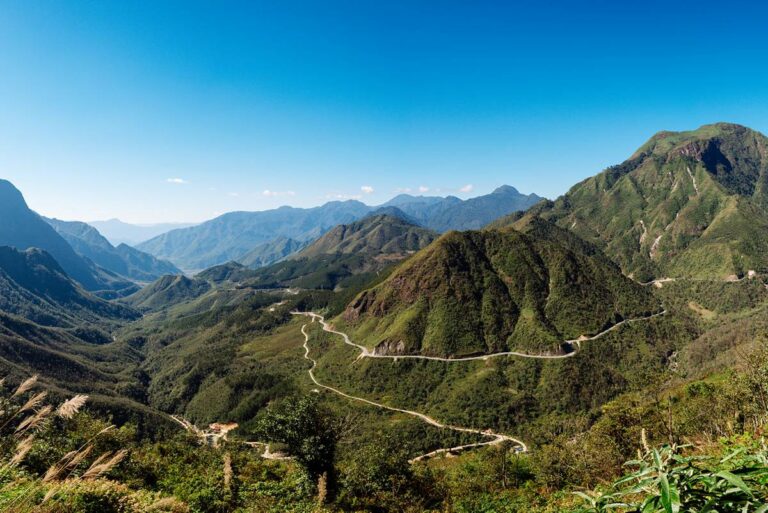
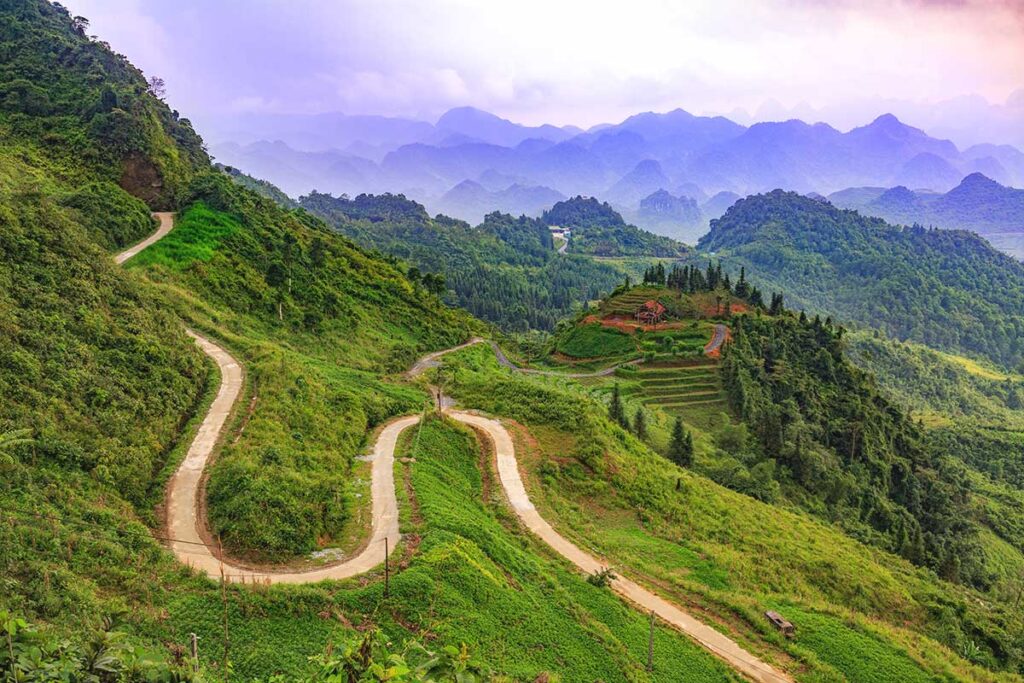
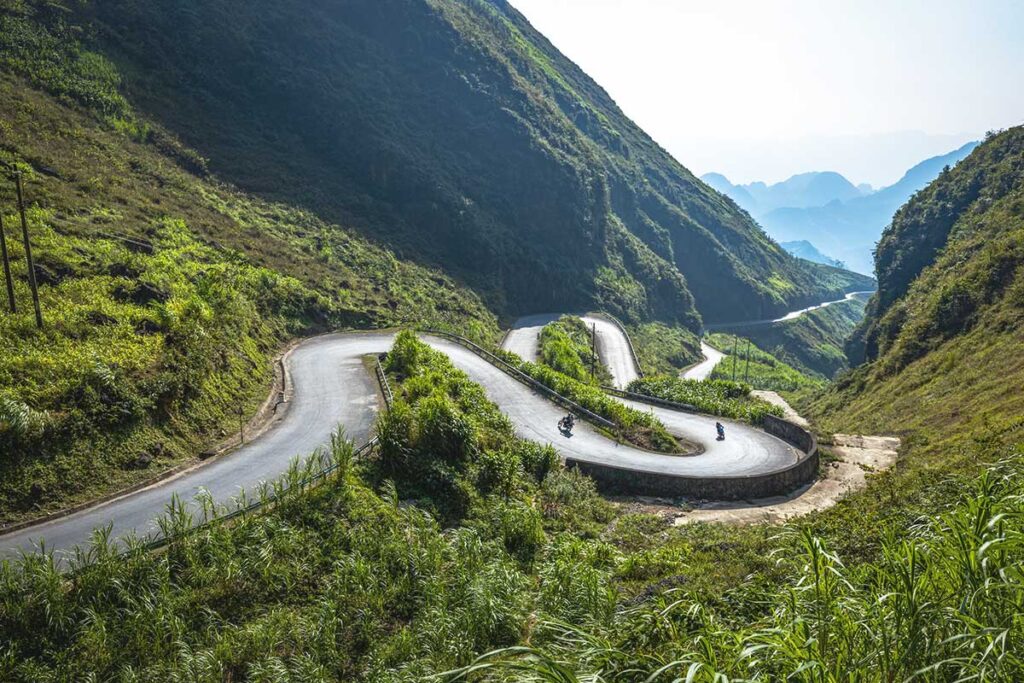
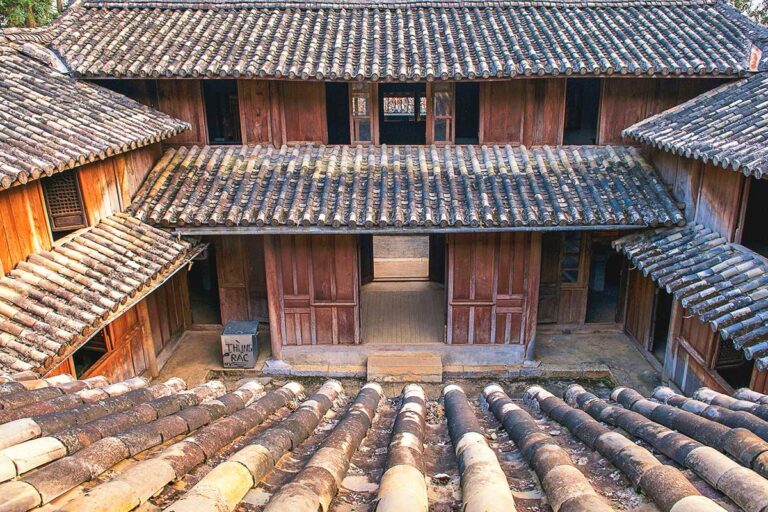
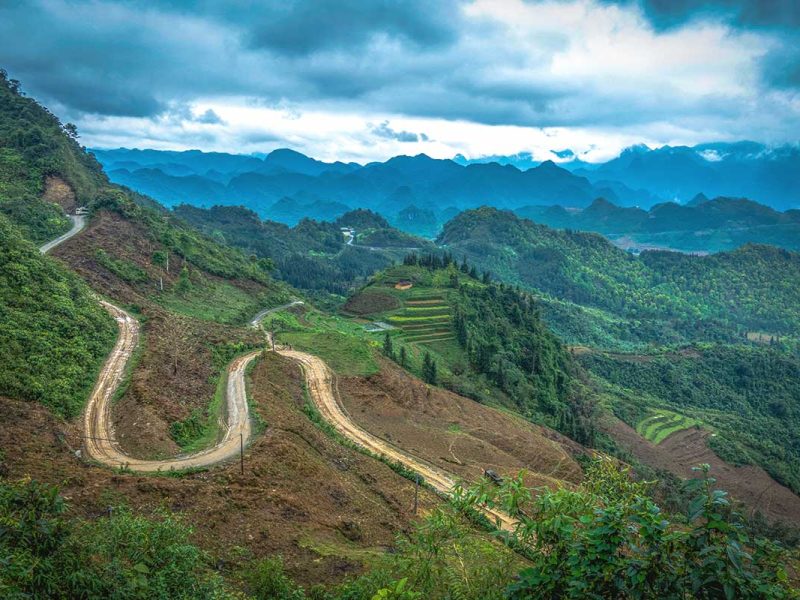
After an early breakfast at Aya Lodge, you drive toward Tham Ma Pass, a photogenic mountain pass with a distinctive S-curve high above the valley. You then visit the Hmong King Palace, a unique building blending Chinese, French, and Hmong architecture, beautifully set among the karst mountains.
Dong Van, Ma Pi Leng Pass & drive to Bao Lac
In Dong Van, you have time for a short lunch and a walk through the small historic quarter. You then reach one of northern Vietnam’s absolute highlights: Ma Pi Leng Pass, with viewpoints over the deep gorge and the Nho Que River. A short walk along the Skywalk offers even more impressive views.
From Meo Vac, you continue toward Bao Lac, a quiet valley in Cao Bang Province. You arrive in the late afternoon and overnight in Bao Lac.
Day 6: Bao Lac → Me Pia Pass → Angel Eye Mountain → Ban Gioc Waterfall
Me Pia Pass (14 Turns)
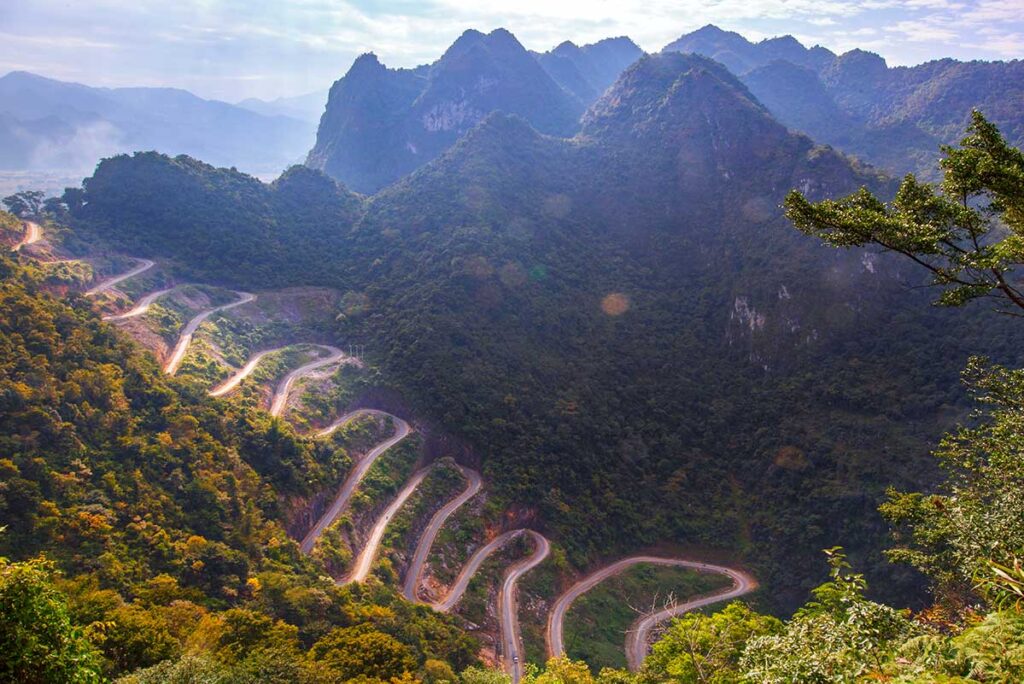
The day starts with a drive to the famous Me Pia Pass, a winding mountain road with 14 sharp turns zigzagging uphill. From the viewpoint, you overlook a dramatic landscape of steep slopes, rice fields, and narrow valleys.
Angel Eye Mountain & drive to Trung Khanh
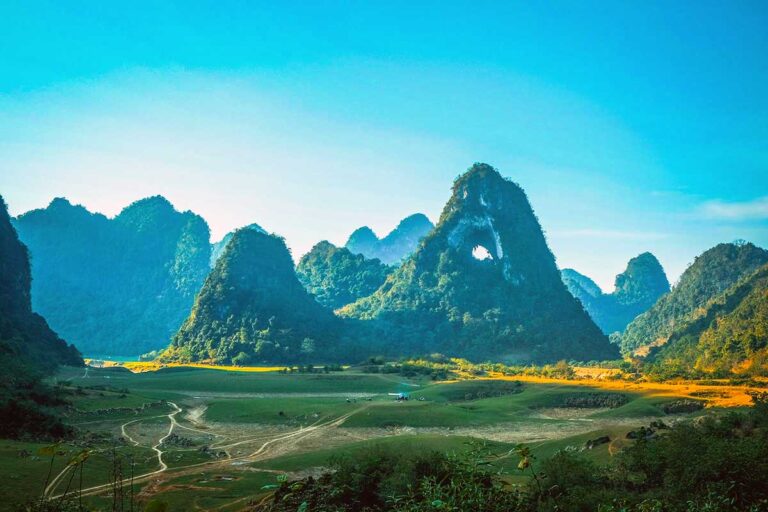
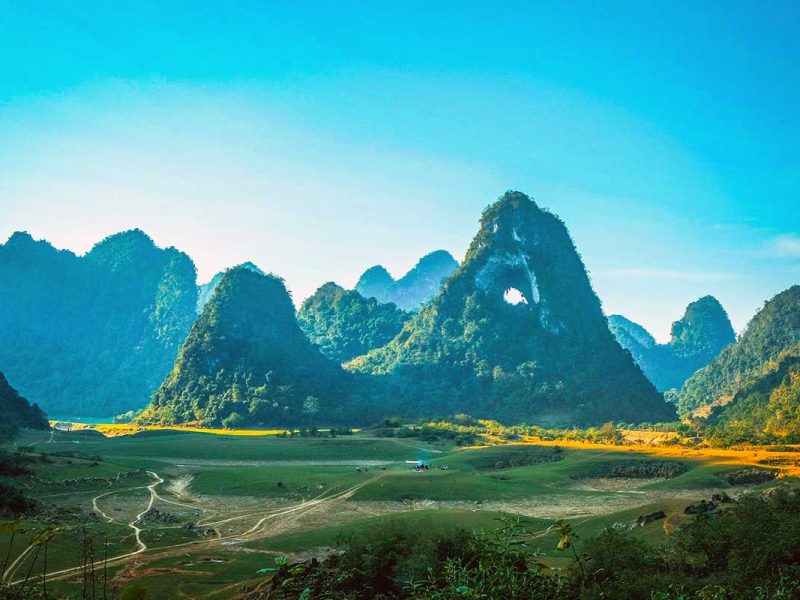
After Me Pia Pass, you continue to Angel Eye Mountain (Núi Thủng), a striking limestone formation with a perfectly round opening in its center. The surroundings feature green valleys, lakes, and wide grasslands and are part of the Cao Bang UNESCO Global Geopark.
In the afternoon, you drive on to Trung Khanh or a village near Ban Gioc Waterfall, where you stay overnight. The waterfall visit is scheduled for the next morning, when the light is best and it is quieter.
Day 7: Ban Gioc Waterfall → Nguom Ngao Cave → Ba Be Lake
Ban Gioc Waterfall
After breakfast, you visit Ban Gioc Waterfall, one of the largest and most beautiful waterfalls in Vietnam. Located right on the border with China, it offers many photo opportunities with mist, greenery, and powerful flowing water.
Nguom Ngao Cave & drive to Ba Be
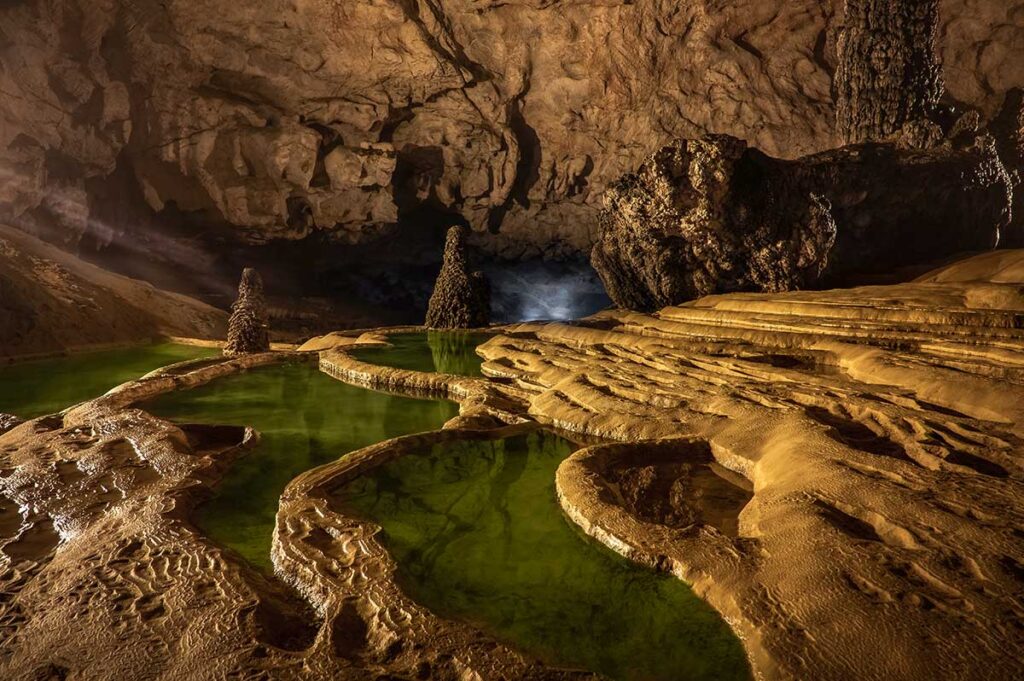
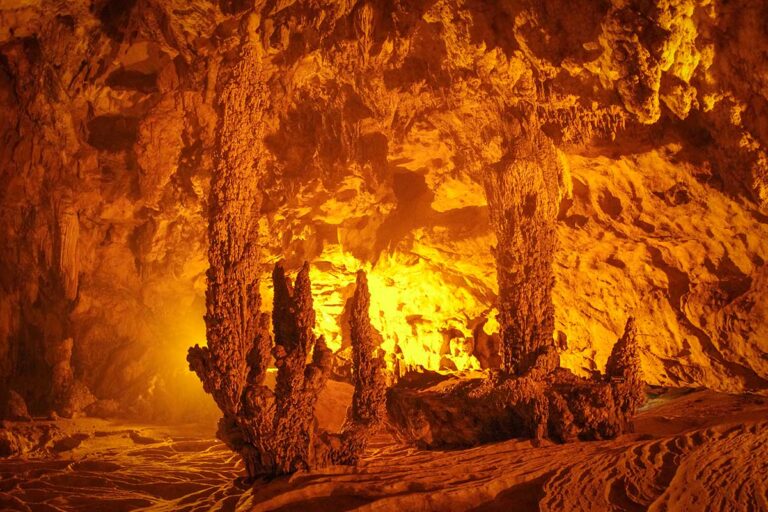
Not far from the waterfall lies Nguom Ngao Cave, a wide limestone cave with impressive stalactites and stalagmites.
After the visit, you continue via quiet roads toward Ba Be National Park, where you overnight at a lodge or homestay near the lake.
Day 8: Boat trip on Ba Be Lake → Return to Hanoi
Boat trip on Ba Be Lake
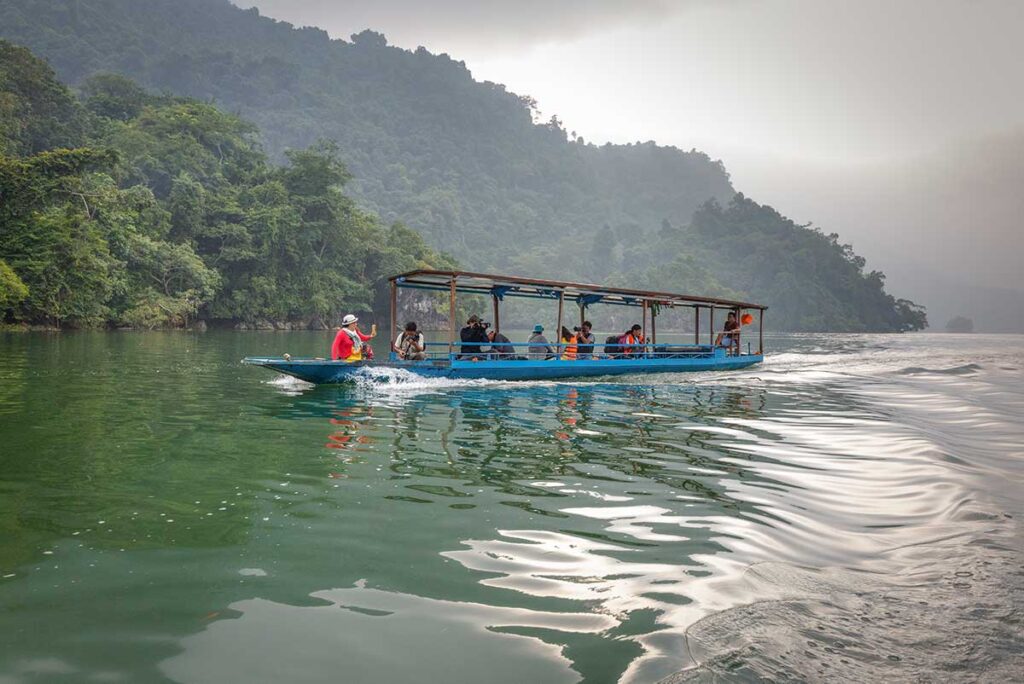
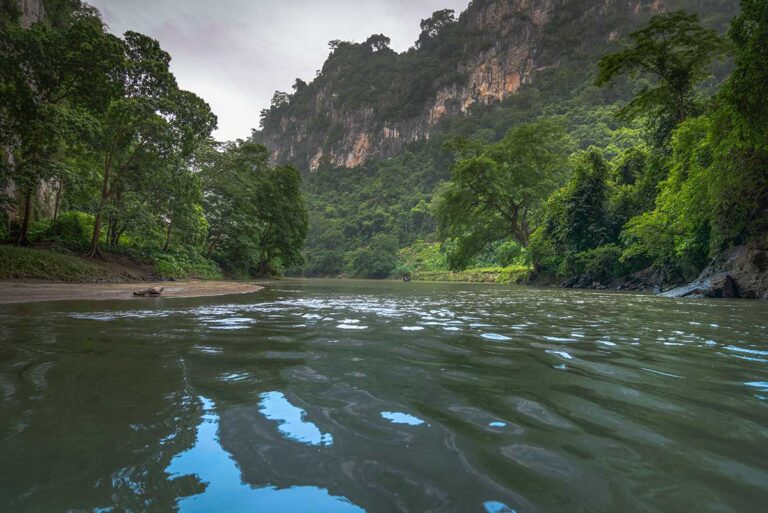
You start the day with a boat trip across Ba Be Lake, the largest natural lake in Vietnam. You pass forested hills, traditional Tay villages, and visit a cave where the river flows through.
Drive back to Hanoi
Around midday, you begin the return journey to Hanoi. You arrive in the early evening, marking the end of this journey through Sapa, Ha Giang, Cao Bang, and Ba Be Lake.
Included / Excluded
- Private transport with driver (car, jeep, or motorbike with Easy Rider)
- Fuel, tolls, and vehicle maintenance
- Overnight train from Hanoi to Lao Cai
- All transfers as described in the itinerary
- Comfortable accommodations in Sapa, Ha Giang area, Cao Bang, and Ba Be Lake
- Trekking activities as outlined in the program
- Local guidance, coordination, and on-trip support
- Transfer back to Hanoi at the end of the tour
- Meals not specifically mentioned in the itinerary
- Drinks during meals
- Personal expenses
- Travel insurance
Tour informatie
Best time to travel
Overall best period: September–November and February–April.
These months offer the most stable weather, good visibility in Ha Giang, and strong water flow at Ban Gioc Waterfall.
What to expect by season:
Spring (February–April): Mild, mostly dry, and ideal for trekking in Sapa and driving mountain passes in Ha Giang. Rice fields in Sapa and Cao Bang are less full, but travel conditions are very comfortable.
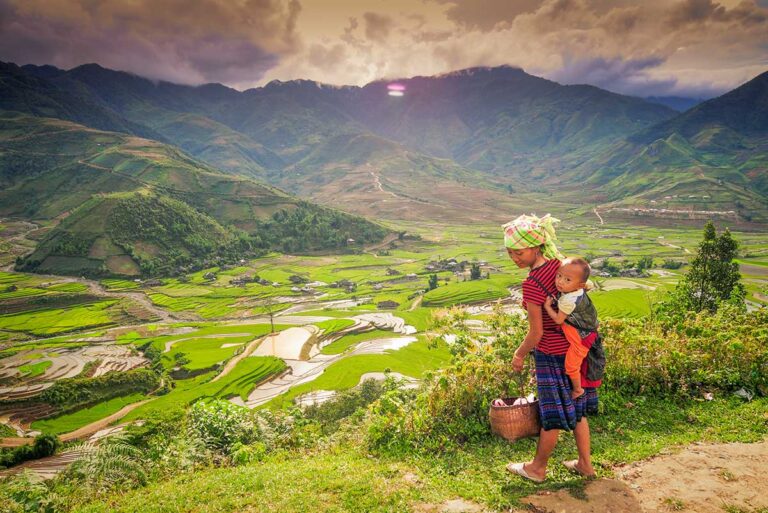
Summer (May–August): Warm, with a chance of short rain showers. Between showers, there is plenty of sunshine—more than in other seasons. This is when the landscape is at its greenest: full rice fields, powerful Ban Gioc Waterfall, and lush valleys in Ha Giang and Cao Bang. Many travelers intentionally choose these months.
Autumn (September–November): Stable, dry, and pleasant. In Sapa, rice terraces turn from green to golden. In Ha Giang and Cao Bang, these are the clearest travel days of the year.
Winter (December–January): Cooler and mostly dry. Morning mist can create atmospheric views but may temporarily limit visibility. Temperatures are comfortable for trekking, though cooler in the mountains.
Luggage
- Car/jeep option: Full luggage can be taken along.
- Easy Rider: Backpacks can go on the motorbike; large suitcases can be stored free of charge at our office in Ha Giang City.
Distances & travel time
Hanoi → Sapa
- Overnight train Hanoi – Lao Cai: 8–9 hours
- Lao Cai – Sapa: ± 1.5 hours
Sapa → Ha Giang
- Limousine bus: ± 5 hours
Ha Giang → Cao Bang → Ba Be Lake
- Day 1: ± 3.5 hours
- Day 2: ± 4.5 hours
- Day 3: ± 5.5 hours
- Day 4: ± 5 hours
- Day 5: ± 5 hours
All driving days include multiple short stops, villages, viewpoints, and light walks.
Trekking
Trekking in Sapa
- The standard trek is suitable for most travelers; no training required.
- You walk through rice terraces, small villages, and valleys of different ethnic minorities.
- Routes can be shortened, extended, or made easier.
- Off-the-beaten-track routes and 2-day treks with homestay are available on request.
Trekking near Ha Giang Aya Lodge
- A relaxed walk through quiet villages and green hills.
- Duration: ± 2–3 hours.
- Suitable for everyone; no technical sections.
Dietary requirements
Vegan, vegetarian, and allergy-related requests can be arranged. Please inform us in advance so our mountain teams can prepare.
Safety
- Drivers and Easy Riders always ride calmly and defensively.
- We live and work in Ha Giang and monitor road and weather conditions daily.
- Routes may be adjusted in case of fog, rain, or roadworks.
- As this is a private tour, you set the pace and extra stops are always possible.
What to bring
- Comfortable walking shoes with good grip (no heavy hiking boots needed)
- Warm clothing for winter and cool evenings in spring/autumn
- Light clothing for summer
- For Easy Rider: long pants, T-shirt, and a wind jacket
- Cash for local expenses and markets
- Clothing and toiletries for ± 7 days
- Small daypack for trekking and day trips
Frequently asked questions
How does Aya Lodge fit logically into this longer route toward Cao Bang and Ba Be Lake?
Aya Lodge is ideally positioned for this combined route. It allows you to experience both the classic Ha Giang Loop and quieter alternative roads without adding extra travel time later in the journey. From the lodge, you continue naturally via Meo Vac toward Bao Lac, which is the correct onward route to Cao Bang.
Because our route follows a scenic S-shape rather than making detours, you see more of Ha Giang than on standard itineraries, including smaller villages and less-traveled roads. You don’t miss any highlights and gain extra authenticity.
How demanding is the trekking in Sapa and which route do I walk?
The standard trek is suitable for most travelers, even without prior experience. The terrain consists of soft paths, some bamboo forest, rice terraces, and a few short climbs, but nothing technical.
We do not use fixed village names, as the route is adjusted to the season, visibility, weather conditions, and your comfort level. Prefer it easier? We choose shorter sections and more solid paths. Want more challenge? We select a longer, quieter route.
Is the Ha Giang and Cao Bang section more comfortable by Easy Rider or by car/jeep?
Both options are possible, but for this longer route there is one key difference:
- Easy Rider: excellent for the Ha Giang section, where distances are shorter and the mountain scenery is at its best.
- Car/jeep: recommended for the longer stretches—especially toward Bao Lac, Cao Bang, and Ba Be Lake.
Many travelers therefore choose:
motorbike in Ha Giang, car/jeep for Cao Bang + Ba Be
—combining adventure and comfort.
How comfortable is the overnight train from Hanoi to Sapa at the start of the trip?
The tourist sleeper train is the best option for this route. Cabins are clean, staff speak English, and facilities are better than on standard trains.
Two things to keep in mind:
- if you are taller than ±1.85 m, you may lie slightly diagonally
- the tracks in Vietnam are bumpier than in Europe, which is part of the experience
For most travelers, it is a comfortable and enjoyable start to the journey.
What about safety on the road, and what if I get carsick easily?
We plan this tour with safety as the top priority. Our drivers and Easy Riders ride calmly, keep distance, and immediately adjust their pace if you ask.
For travelers prone to motion sickness:
- sitting in the front helps
- we include frequent short stops for fresh air
- we avoid rough shortcuts
- the tour is fully private, so you set the pace
We live in Ha Giang ourselves and continuously monitor road and weather conditions.
Is this complete tour private, or do I travel parts with others?
This tour is almost entirely private, including the trekking, the Ha Giang section, and the full route to Cao Bang and Ba Be Lake.
Only these parts may be shared:
- the bus between Hanoi ↔ Sapa
- the bus between Sapa ↔ Ha Giang
- the short lodge trek (occasionally with other guests)
All other activities are fully private.
How intensive is this tour in terms of driving times and daily pace?
This is one of the most extensive combination routes in northern Vietnam, so you will spend several days traveling around 4–5 hours per day.
The itinerary is optimized to keep it balanced:
- adding Bao Lac avoids one extremely long driving day
- there are many stops for viewpoints, walks, and villages
- longer drives are alternated with active moments such as trekking and boat trips
As a result, the journey feels full and varied, but never overwhelming.
- Enquiries about the tour
- Customization Request
- Questions about booking
+84 32 801 9395
@localvietnamtravel
Facebook Messenger
@local.vietnam
Instagram Messenger