
Ngoan Muc Pass – the steep mountain road from Da Lat to Phan Rang
What is Ngoan Muc Pass and why does it have two names?
Ngoan Muc Pass is a mountain pass on National Road 27, connecting Da Lat in Lam Dong Province with Phan Rang in Ninh Thuan Province. It is one of the main routes between the Central Highlands and the south-central coast, and for many years it was an important connection before newer roads were developed.
The pass is also known as Song Pha Pass, named after the area at the base of the mountain on the Ninh Thuan side. You may also come across its old French name, Bellevue Pass, which reflects the wide views you get from the top. In practice, Ngoan Muc Pass and Song Pha Pass refer to the same road.
Landscape, scenery, and what makes this pass special
Ngoan Muc Pass is not very long, at around 18 to 20 km, but what it lacks in length it makes up for in steepness and scenery. This is one of the steepest mountain passes in southern Vietnam, and you feel that immediately when driving it.
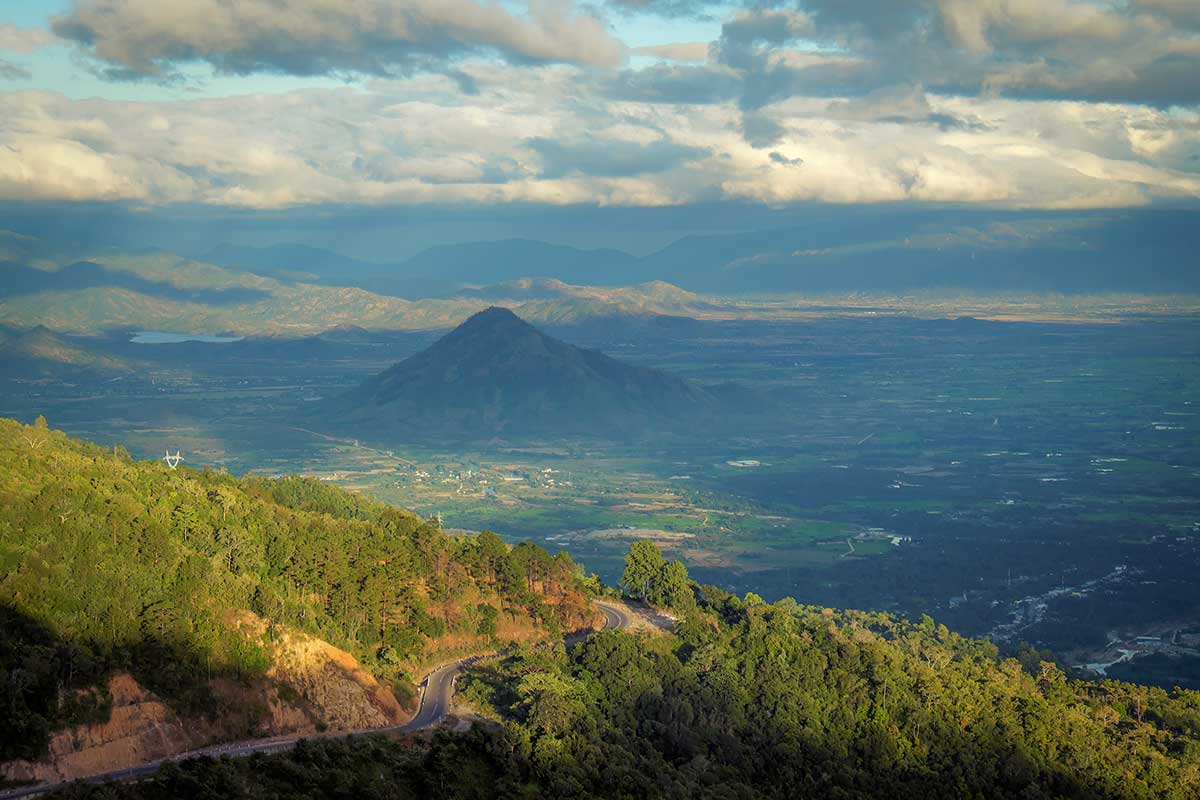
The road is known for its sharp hairpin bends and continuous climbing or descending. As you move along the pass, the temperature and landscape change quickly. Starting from the lower side near Phan Rang, it can be hot and dry, with a more open and rocky landscape. As you climb higher, the air becomes cooler and greener, and pine forests start to appear closer to the Da Lat side.
One of the highlights is the view over the Phan Rang plains. From certain points along the pass, you can look out over the wide valley below, and on clear days even see the coastline in the distance. The road itself also creates a layered effect, where you can sometimes see multiple sections of the pass winding through the mountains below you.
What really sets Ngoan Muc Pass apart is how steep and dynamic it feels. Compared to longer passes like Khanh Le, this one is shorter but more intense, with more dramatic changes in elevation and sharper curves packed into a shorter distance.
Driving Ngoan Muc Pass (Da Lat ↔ Phan Rang)
Ngoan Muc Pass is not just a road between two places. For many travelers, it is one of the highlights of the journey, especially if you enjoy driving or riding. It is very popular among motorbike riders and even cyclists, because of the steep slopes and constant curves. More than a simple transfer, this pass feels like a proper ride through changing landscapes.
Driving yourself (main option here)
Driving Ngoan Muc Pass yourself is the most common and also the most rewarding way to experience it.
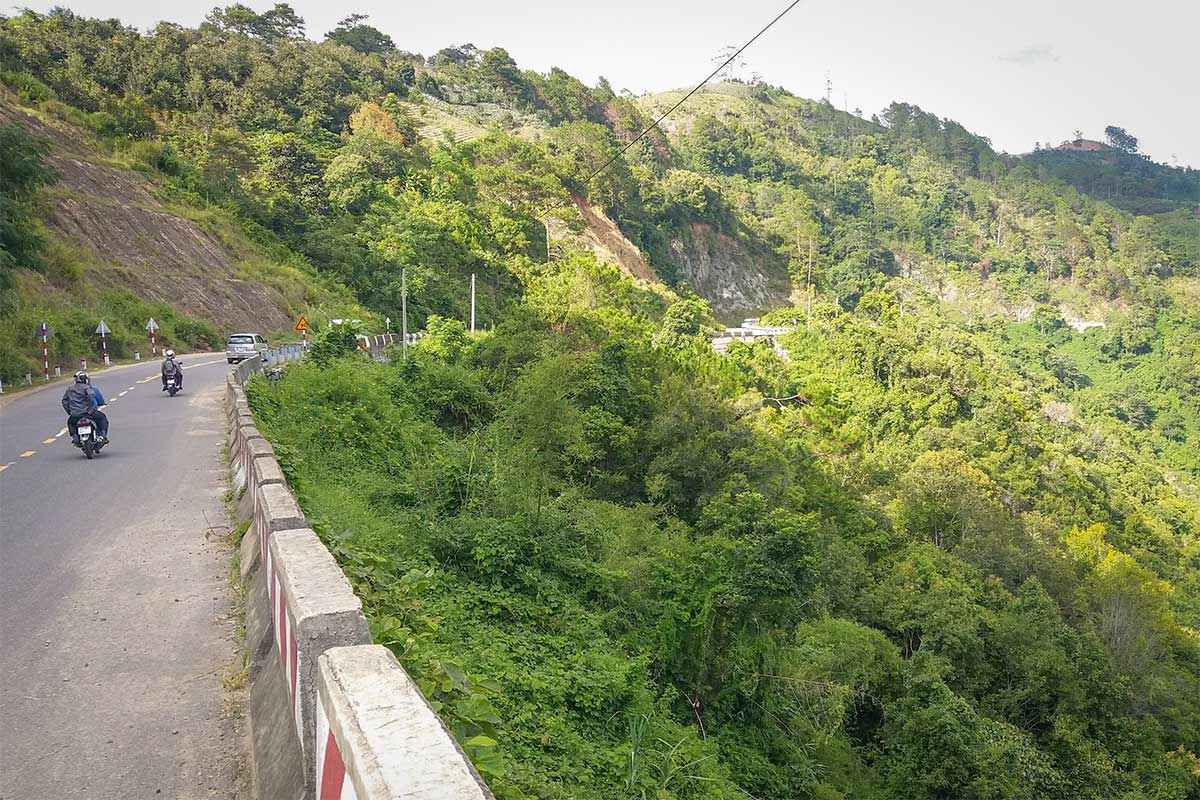
On a motorbike, this is one of the best rides in southern Vietnam. The combination of steep climbs, sharp bends, and wide views makes it very enjoyable. However, it is not a beginner route. You need confidence and some experience with mountain roads, especially when going downhill.
By car, the route is much easier and safer. You still get the same scenery, but without the exposure and physical effort of riding a motorbike. That said, this is still a mountain pass, not a relaxed drive. The road is steep and requires attention.
The road quality is generally good, but the challenge comes from the gradient and the curves, not from the surface.
Easy Rider tours
Easy Rider tours on this route are less common than the more popular Da Lat to Nha Trang route over Khanh Le Pass, but they are definitely possible.
This can be a good option if you want to experience the pass without driving yourself. You usually need to request this route specifically, or include it as part of a longer trip, for example Da Lat to Phan Rang and then continuing toward Nha Trang.
There is less touristic infrastructure compared to other routes, but that is also part of the appeal. It feels more off the beaten track.
Road conditions and safety
Ngoan Muc Pass is known for its steep slopes and sharp hairpin bends. This is what makes it exciting, but also what requires extra attention.
There are several tight curves, especially on the descent, where you need to control your speed carefully. Some sections are more exposed, with clear drop-offs next to the road. There are also no street lights, so driving at night is not recommended.
Compared to Khanh Le Pass, traffic is lighter. You will encounter fewer buses and vans, which makes the experience more relaxed. Still, you should always stay focused and not assume the road will be empty.
Travel tip:
Control your speed on descents and avoid braking too hard for long periods. If you are on a motorbike, use engine braking where possible. Take breaks if you feel tired, especially after a long downhill section.
How long does it take?
Driving Ngoan Muc Pass itself takes around 45 minutes to 1 hour without stops.
The full route between Da Lat and Phan Rang usually takes about 2.5 to 3.5 hours. If you stop for views, photos, or short breaks, it becomes a relaxed half-day trip.
Best stops and viewpoints
Compared to some other passes, Ngoan Muc has a few more defined places where you can stop.
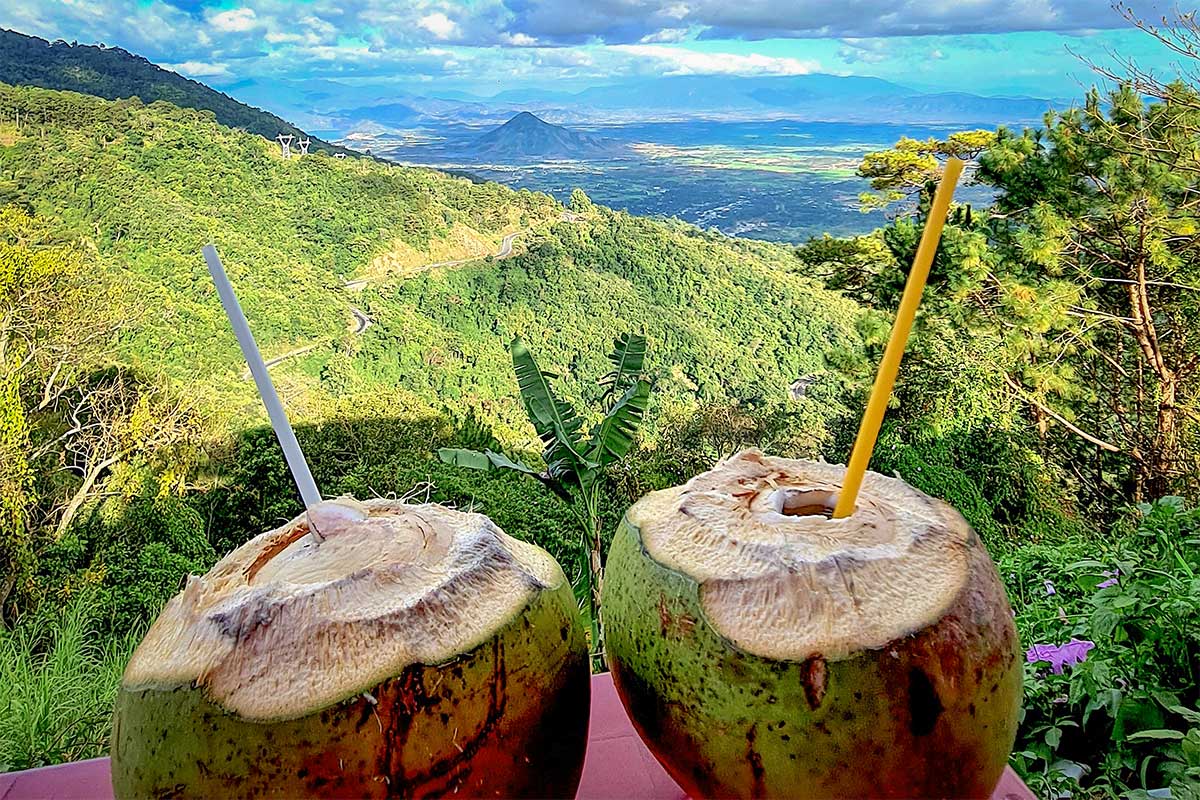
At or near the top of the pass, you will often find small stalls selling drinks, where you can take a break and enjoy the view. From higher points, you can look out over the Phan Rang plains, with the landscape stretching far into the distance.
One of the highlights is the layered view of the road itself. From certain spots, you can see multiple sections of the pass winding down the mountain, which gives a good sense of how steep and curvy the route really is.
There are also a few local stalls along the way where you can stop for a drink or snack, but overall facilities are simple.
Unique features along the pass
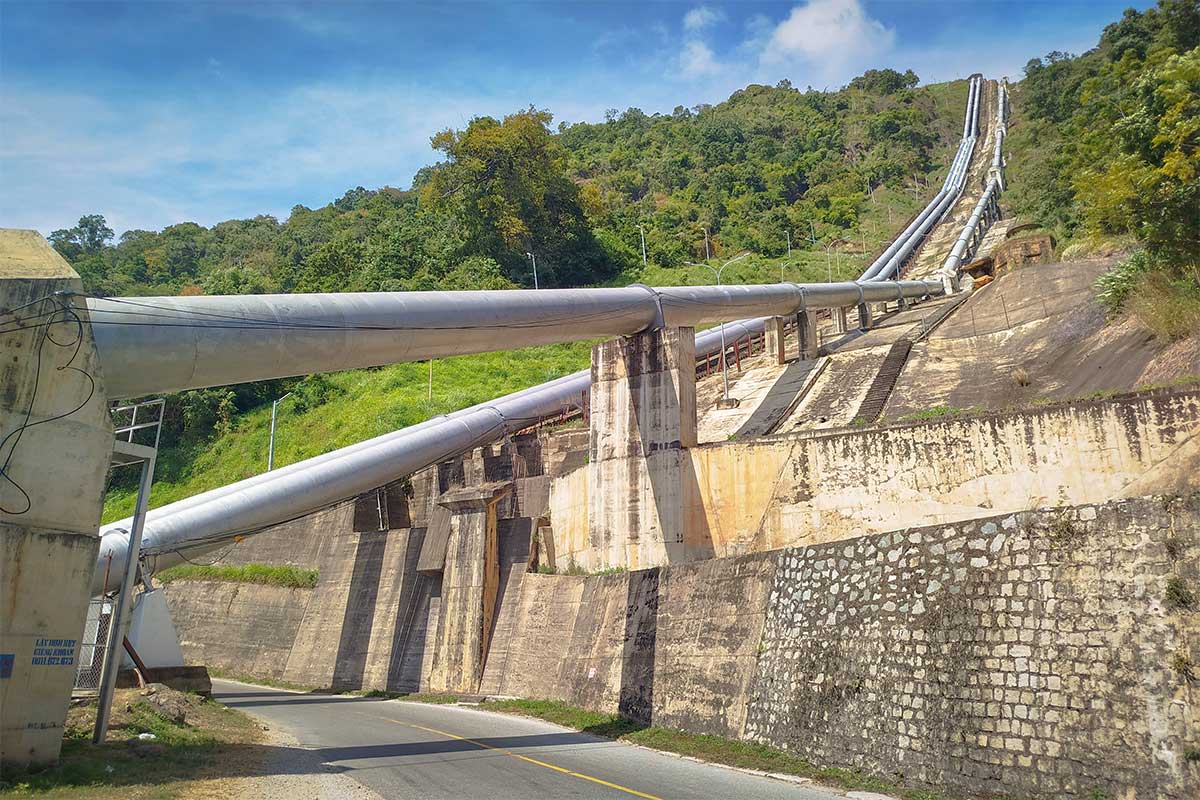
One of the most noticeable features along Ngoan Muc Pass is the set of large water pipes running down the mountainside. These belong to the Da Nhim hydropower system and are clearly visible from the road, adding a unique element to the landscape.
You may also notice traces of the old railway that once connected the coast with Da Lat. Today, only parts of it remain, but it adds a bit of historical context to the route.
Another interesting aspect is how quickly the vegetation changes. You move from a dry, open landscape on the Phan Rang side to greener areas and pine forests closer to Da Lat.
Best time of day to drive
In the morning, the air is cooler and you may encounter clouds or light mist, especially higher up. This can create a nice atmosphere, but visibility can be slightly reduced.
Midday usually offers the clearest views, especially if you want to see the plains and coastline below.
In the afternoon, the light becomes warmer, which can make the scenery look nicer for photos. However, it will also be hotter on the lower sections of the pass.
Best time of year
During the dry season, you have the best chance of clear views and safer driving conditions. The road is dry, and visibility is generally better.
In the rainy season, the landscape becomes greener, but the road can be slippery and more challenging to drive. Rain and clouds can also reduce visibility, especially on the upper sections.
Is Ngoan Muc Pass worth it?
Ngoan Muc Pass is definitely worth it, but only for the right type of traveler.
If you enjoy driving or riding, especially on mountain roads, this is one of the best passes in southern Vietnam. It is especially good for motorbike trips starting from Da Lat, where you get a long descent with great views and changing landscapes all the way down toward the coast.
At the same time, this is not a route most travelers naturally take. The pass leads to Phan Rang, which sees far fewer international tourists compared to places like Nha Trang. Because of that, many people simply skip this route and choose more common travel paths.
This pass is not ideal if you are just looking for an easy transfer. The road is steep, has many curves, and requires attention. If you are not comfortable with that, it is better to choose a different route.
Compared to other passes, Ngoan Muc feels more dramatic than Khanh Le because of the steepness and sharp bends, but it is much less known than something like Hai Van Pass. It also feels more raw and less developed, which is part of its appeal if you like places that are not overly touristy.
In short, Ngoan Muc Pass is a great experience if you enjoy the drive itself, but not something you would go out of your way for unless it fits naturally into your route.