

Sapa Homestay Tours
Stay with local ethnic families and explore mountain trails with our Sapa homestay tours. These trips offer a balanced mix of trekking, culture, and real village life guided by local experts.
Best Sapa Homestay Tours
The best Sapa homestay tours combining mountain trekking, village stays, and real ethnic minority culture.
Real & Authentic Experience
Stay with local ethnic families and experience genuine village life without staged activities.
Combine With Trekking
Your homestay stay naturally includes trekking through rice terraces, valleys, and minority villages with local guides.
Local & Personal
Enjoy a private or small-group experience with guides who are from the area and know the trails, culture, and traditions.
Can’t Find the Perfect Sapa Homestay Tour?
Tell us the type of homestay experience you prefer and how much trekking you want to include. We can design a private itinerary that fits your comfort level, route, and schedule.
Make a Custom Request
A Quick Guide to Sapa Homestay Tours
This quick guide explains what Sapa homestay tours are really like — from the atmosphere in the villages to comfort levels, trekking, and weather considerations.
What to Expect From a Sapa Homestay Tour
A Sapa homestay tour gives you a simple, local experience with ethnic minority families, home-cooked meals, quiet village life, and a relaxed atmosphere. It’s authentic, not staged, and our local guide helps with communication, translation, and interaction so you can actually connect with the family you’re staying with.
Comfort Level: Beds, Heating, Showers & Food
Sapa homestays offer basic but clean comfort: hard mattresses, mosquito nets, shared bathrooms, and warm home-cooked meals. Western toilets and proper showers are standard, but traditional family homes usually don’t have heating, and nights can get cold — especially in winter. It’s comfortable enough for one night, but the focus is the experience, not hotel-style comfort.
How Trekking Fits Into a Sapa Homestay Tour
Trekking is a key part of the experience. Most homestay tours include 8–12 km of walking per day through rice terraces, valleys, and minority villages, usually at a relaxed pace. The walk links different villages and viewpoints, and the guide chooses the route based on your fitness and the weather.
Booking Through a Guided Homestay Tour vs. Arranging It Yourself
When you search for “Sapa homestays” on booking sites, most results are more developed homestays — almost like small hotels. Not bad, but they aren’t the traditional village homes you expect. Our homestay tours stay with local ethnic families you cannot book online, giving a more genuine experience. A local guide also handles navigation, communication, meals, and cultural interaction.
Weather Considerations for Sapa Homestay Tours
Sapa can get very cold in winter (December to February), and traditional family homes are not insulated or heated, making nights uncomfortable for some travelers. The rest of the year is suitable for homestay tours, but winter requires extra tolerance for cold conditions — or choosing a more comfortable lodge instead.
Why book your Sapa Homestay Tours with Local Vietnam
Deep, long-term connection with Sapa
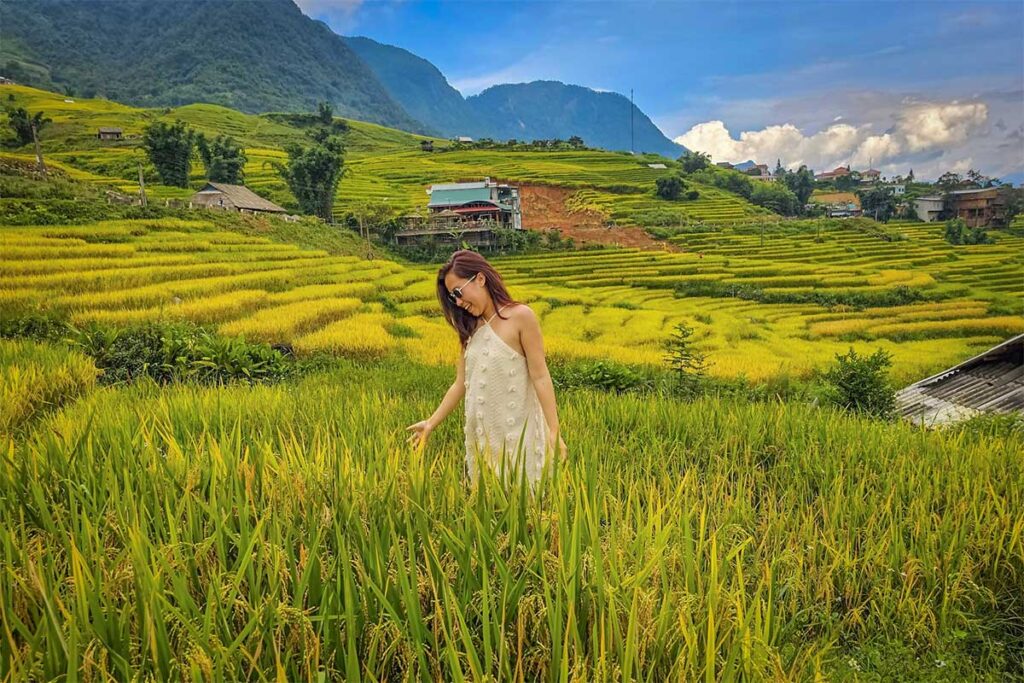
We’ve worked in Sapa for many years and know the valleys, villages, and homestays personally. This experience allows us to design Sapa homestay tours that feel local and genuine—not the typical commercialised options.
Authentic homestays you won’t find on booking sites
Through our close relationships with Hmong, Dao, and Tay families, we select homestays that offer a real local atmosphere, good comfort, and respectful cultural experiences. These are small places we know well—not mass-tourism accommodations.
Complete, well-organised packages
Your Sapa homestay tour includes everything: transfers from Hanoi, trekking routes matched to your fitness level, and homestays chosen from years of guest feedback. You get a smooth, all-in-one Sapa experience without having to arrange anything yourself.
More tours in Sapa
Sapa homestay tours are a great way to experience local life in the valleys, but Sapa has much more to offer. Discover all Sapa tours including guided trekking routes, photography trips, market visits, and scenic day hikes across the terraces.
What travelers say about Local Vietnam
These reviews reflect travelers’ experiences with Local Vietnam across private tours, custom trips, and guided experiences throughout Vietnam.
Wendy
Everything was perfectly arranged, with smooth communication via WhatsApp and a great balance between culture, nature, and local food experiences
Tanja
A worry-free and authentic journey, with knowledgeable local guides, well-chosen stays, and a thoughtfully designed route through northern Vietnam.
Roberto
All our wishes were carefully integrated into the itinerary, and even when plans changed due to weather, Local Vietnam handled everything quickly and professionally.
Jan
Complete flexibility, daily updates, and passionate local guides made us feel truly connected to the people and culture of Vietnam.
Frank
Excellent service from start to finish, strong local partnerships, and a travel style that genuinely supports local communities.